

Free Estes Park Travel Guide & Mobile App
Plan your Estes Park trip with Evendo. Get free guides to top attractions, restaurants, hotels, and bars. Web access or download the mobile app.


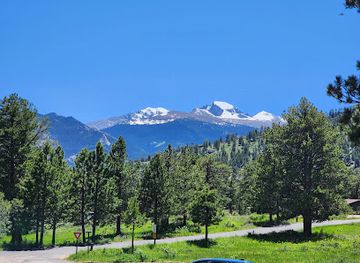
Estes Park, Colorado, pairs Rocky Mountain National Park scenery with wildlife, mountain trails, alpine drives, historic landmarks and a gateway-town atmosphere.
A Mountain Gateway
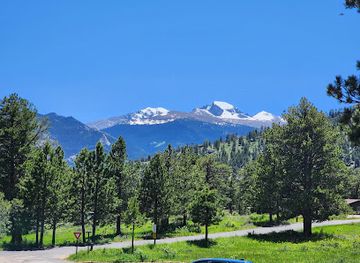
Estes Park lies at the eastern entrance to Rocky Mountain National Park, where the town’s broad valley gives way to forested slopes, granite peaks and high alpine terrain. The community is small enough to explore on foot in its central areas, yet its setting provides access to some of Colorado’s most compelling mountain scenery. The Big Thompson River runs through the valley, while Lake Estes offers an open-water foreground to views of the surrounding ranges.Read more about Estes Park
Heritage and Character
High Country Landscapes
When is the best time to visit Estes Park?
Best: June–August · 23–26°C| Month | High (°C) | Rainfall (mm) |
|---|---|---|
| January | 3 | 20 |
| February | 5 | 23 |
| March | 9 | 30 |
| April | 12 | 35 |
| May | 17 | 40 |
| June (best) | 23 | 50 |
| July (best) | 26 | 50 |
| August (best) | 25 | 45 |
| September | 20 | 40 |
| October | 13 | 30 |
| November | 7 | 25 |
| December | 2 | 22 |
Getting to and around Estes Park
How to get there
Transportation
Best attractions in Estes Park
Rocky Mountain National Park is the defining attraction, offering forested valleys, alpine lakes, high passes and trails ranging from accessible walks to demanding mountain routes. The Bear Lake corridor is known for concentrated scenery around Bear Lake, Nymph Lake, Dream Lake and Emerald Lake, while Moraine Park combines open meadows with broad views of the surrounding peaks and frequent wildlife sightings. When weather and seasonal access allow, Trail Ridge Road crosses the Continental Divide and climbs into alpine tundra, making the drive an attraction in its own right. In town, the Estes Park Museum traces local settlement and tourism, Lake Estes provides an accessible waterside setting, and the Stanley Hotel brings historic architecture and resort history into the visitor experience. The Estes Park Aerial Tramway, when operating, offers an elevated view over the valley and surrounding mountains.
-
Visitor center
Beaver Meadows Visitor Center
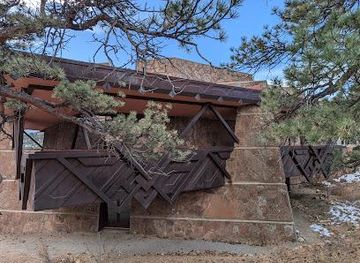
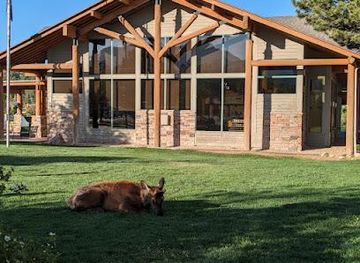
Discover Rocky Mountain National Park at this iconic visitor center, offering information, exhibits, and stunning architecture.
10 min drive · 3.2 km from city centre
-
Visitor center
Beaver Meadows Visitor Center
Your adventure starts here! Explore exhibits, get info, and discover the beauty of Rocky Mountain National Park at this iconic visitor center.
10 min drive · 3.2 km from city centre
-
Visitor center
Estes Park Visitor Center
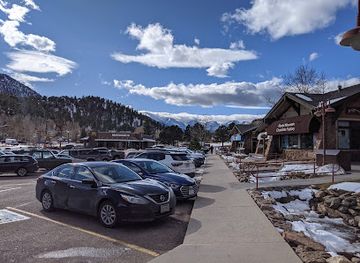
Your adventure starts here! Get free info on Estes Park, Rocky Mountain National Park, lodging, activities, and more at our visitor center.
13 min walk · 1.0 km from city centre
-
Visitor center
Estes Park Visitor Center
Your adventure starts here! Get expert advice, maps, and shuttle info at the Estes Park Visitor Center before exploring the Rockies.
13 min walk · 1.0 km from city centre
Best landmarks in Estes Park
The Stanley Hotel is Estes Park’s most recognisable historic landmark, a 1909 resort built by F. O. Stanley whose grand Colonial Revival architecture reflects the town’s transformation into a destination for affluent travellers. The Estes Park Memorial Observatory near downtown commemorates the community’s history and serves as a visible civic feature, while the Estes Park Museum preserves buildings, objects and stories connected with the valley’s settlement and tourism. Rocky Mountain National Park’s Beaver Meadows Visitor Center represents the civic and conservation infrastructure of the park’s eastern gateway, and the park itself contains enduring landscape landmarks such as Longs Peak, the highest summit in the area. Lake Estes, framed by mountain views and recreational paths, has become a defining part of the modern townscape. Historic commercial buildings along Elkhorn Avenue reveal the evolution of the centre from frontier settlement to visitor-oriented mountain town.
-
 Hotel
HotelStanley Hotel
Experience the historic charm and breathtaking beauty of the Stanley Hotel, your gateway to Rocky Mountain adventures in Estes Park, Colorado.
11 min walk · 0.9 km from city centre
-
Visitor center
Beaver Meadows Visitor Center
Discover the beauty and adventure of Rocky Mountain National Park at the Beaver Meadows Visitor Center, your gateway to unforgettable experiences.
10 min drive · 3.2 km from city centre
-
Breakfast
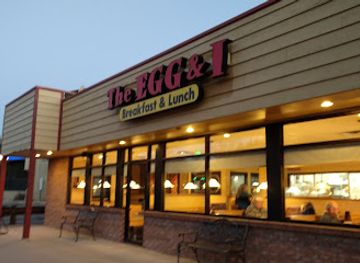
The Egg of Estes
Experience hearty breakfasts at The Egg of Estes, a beloved eatery in Estes Park, perfect for starting your Rocky Mountain adventures.
9 min walk · 0.7 km from city centre
-
Visitor center
Estes Park Visitor Center
Explore the wonders of Estes Park and Rocky Mountain National Park at the Estes Park Visitor Center, your gateway to adventure and local insights.
13 min walk · 1.0 km from city centre
Explore Estes Park on the map
Plan your Estes Park trip on one map. See where the top attractions, landmarks, restaurants, bars and hotels are, find what's near where you're staying, and book hotels and experiences in a few clicks.
Best hotels in Estes Park
Best restaurants in Estes Park
Estes Park’s dining scene reflects its role as a mountain gateway rather than a major culinary centre. Downtown restaurants, cafés and bakeries serve hearty breakfasts, burgers, sandwiches, soups and familiar American dishes suited to hikers and road-trippers, while pizzerias and casual grills provide practical evening meals. Colorado influences appear through craft beer, locally sourced ingredients and menus that may feature trout, bison or other regional flavours, although availability varies. Coffee shops and bakeries are useful early in the day, and seasonal farmers’ markets and local food events provide opportunities to encounter produce and small-scale makers from the surrounding region. Dining is concentrated around Elkhorn Avenue, the downtown core, Stanley Village and the main approach roads, with quieter options scattered along the valley. Reservations may be sensible during busy holiday and summer periods, particularly for smaller dining rooms.
-
Indian
Himalayan Curry & Kebob
Experience authentic Nepalese and Indian cuisine at Himalayan Curry & Kebob in Estes Park - A culinary journey filled with rich flavors.
2 min walk · 0.2 km from city centre
-
Barbecue
Smokin' Dave's BBQ - ESTES PARK
Experience mouthwatering barbecue at Smokin' Dave's BBQ in Estes Park - where smoky flavors meet stunning mountain views.
5 min drive · 1.7 km from city centre
-
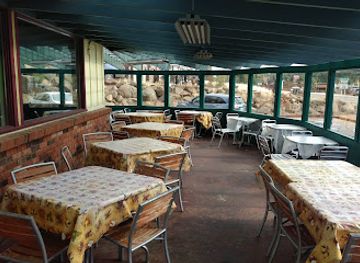
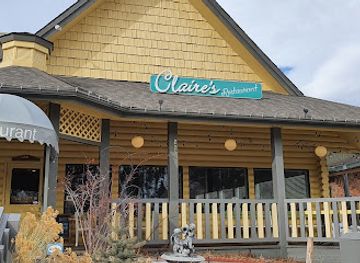
American
Claire's Restaurant and Bar
Discover delicious American cuisine at Claire's Restaurant and Bar in Estes Park - where local flavors meet warm hospitality.
5 min walk · 0.4 km from city centre
-
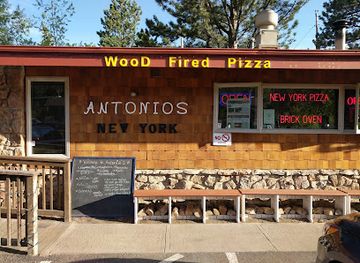
Pizza
Antonio's Real New York Pizza
Experience authentic New York-style pizza at Antonio's Real New York Pizza in Estes Park - where quality meets tradition.
8 min drive · 2.6 km from city centre
Best bars in Estes Park
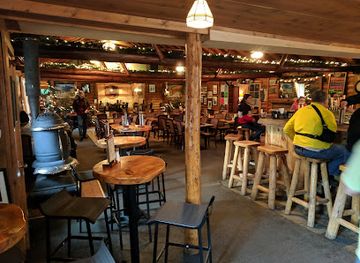
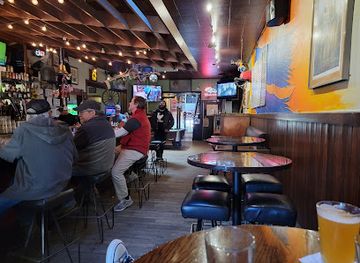
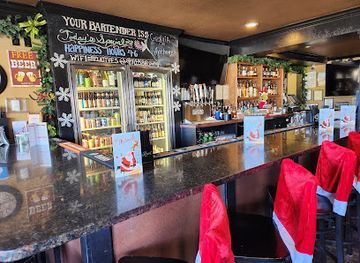
Estes Park has a relaxed, early-evening social scene rather than a large nightclub culture. Downtown bars and long-established mountain taverns offer beer, cocktails, pub food and conversation, while some venues host live music or seasonal performances. The Rock Inn Mountain Tavern is associated with the town’s informal music-and-bar tradition, and the Stanley Hotel contributes historic surroundings and occasional entertainment programming. Visitors can also find quiet lounges, brewery-style drinking spaces and places to watch sport, but late-night options are limited compared with Denver or Boulder. Summer brings more outdoor activity and evening events, whereas winter evenings are generally subdued. Because driving mountain roads after drinking can be hazardous, visitors should arrange a sober driver or suitable transport rather than relying on a broad urban taxi network.
-
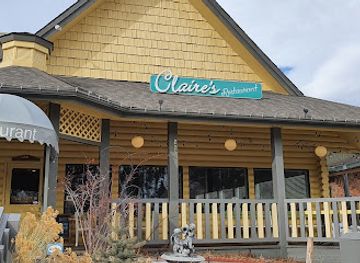
American
Claire's Restaurant and Bar
Experience delectable American cuisine amidst the breathtaking scenery of Estes Park at Claire's Restaurant and Bar.
5 min walk · 0.4 km from city centre
-
Pub
The Wapiti Colorado Pub
Experience the charm of The Wapiti Colorado Pub, where delicious brews and local cuisine come together in Estes Park.
6 min drive · 2.0 km from city centre
-
Grill
Lonigans Saloon Nightclub & Grill, An Irish Pub
Discover the charm of Lonigans Saloon Nightclub & Grill, where Irish hospitality meets American grill favorites in Estes Park.
3 min walk · 0.2 km from city centre
-
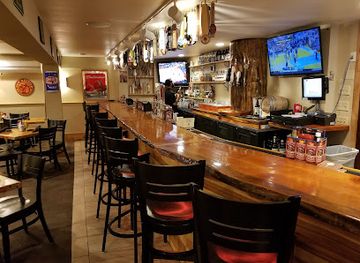
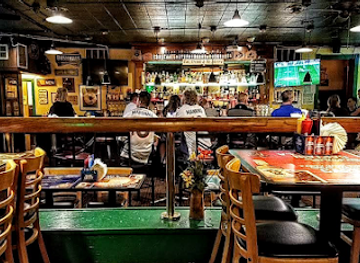
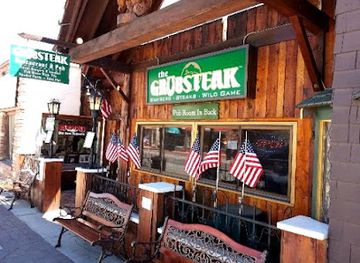
Steak
The Grubsteak Restaurant
Discover a family-friendly steakhouse in Estes Park, where mouth-watering dishes meet the charm of the Rocky Mountains.
2 min walk · 0.2 km from city centre
Best nightclubs in Estes Park
Estes Park has a relaxed, early-evening social scene rather than a large nightclub culture. Downtown bars and long-established mountain taverns offer beer, cocktails, pub food and conversation, while some venues host live music or seasonal performances. The Rock Inn Mountain Tavern is associated with the town’s informal music-and-bar tradition, and the Stanley Hotel contributes historic surroundings and occasional entertainment programming. Visitors can also find quiet lounges, brewery-style drinking spaces and places to watch sport, but late-night options are limited compared with Denver or Boulder. Summer brings more outdoor activity and evening events, whereas winter evenings are generally subdued. Because driving mountain roads after drinking can be hazardous, visitors should arrange a sober driver or suitable transport rather than relying on a broad urban taxi network.
-
Grill
Lonigans Saloon Nightclub & Grill, An Irish Pub
Enjoy hearty grill fare and vibrant nightlife at Lonigans Saloon Nightclub & Grill, a charming Irish pub in scenic Estes Park, Colorado.
3 min walk · 0.2 km from city centre
-
American
The Rock Inn Mountain Tavern
Experience the heart of American cuisine at The Rock Inn Mountain Tavern in Estes Park, where great food meets live music in a stunning mountain setting.
9 min drive · 2.9 km from city centre
-
Cocktail bar
Wheel Bar
Experience the vibrant nightlife of Estes Park at The Wheel Bar, where expertly crafted cocktails and a welcoming atmosphere await you.
4 min walk · 0.3 km from city centre
-
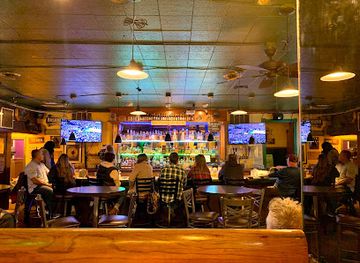
Grill
Cousin Pat's Pub & Grill
Experience the heart of Estes Park at Cousin Pat's Pub & Grill, where delicious food and a friendly atmosphere await.
5 min drive · 1.7 km from city centre
Best shops in Estes Park
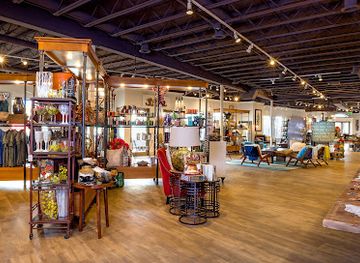
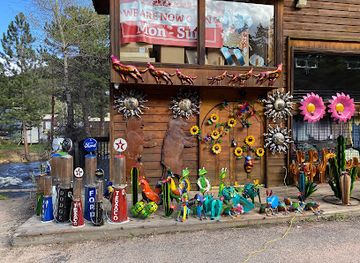
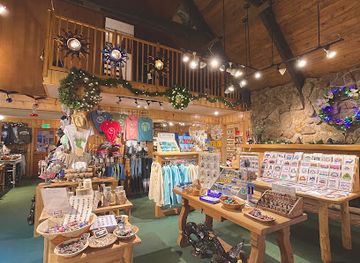
Shopping in Estes Park is concentrated around downtown Elkhorn Avenue, where independent shops, galleries and souvenir businesses occupy a walkable commercial centre. Visitors will find outdoor clothing and equipment, locally made jewellery, photographs, paintings, pottery, leather goods and mountain-themed gifts, alongside Colorado food products and practical supplies for the national park. The downtown area has a long tradition of tourism retail, while Stanley Village and the corridors leading into town provide additional shops and galleries in a more dispersed setting. Seasonal farmers’ markets and craft events may introduce local produce, preserves and handmade goods, although their dates vary. Genuine regional crafts are best assessed by asking about the maker and place of production rather than assuming that every mountain-themed item was made locally. Shopping hours and seasonal opening patterns can differ considerably outside the busiest summer period.
-
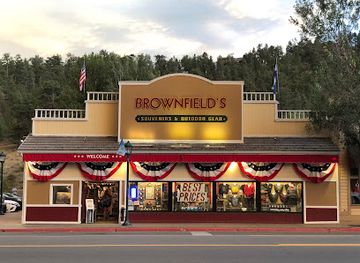
Souvenir store
Brownfield's - Souvenirs & Outdoor Gear
Explore the best souvenirs and outdoor gear at Brownfield's, the ultimate destination for tourists in Estes Park, Colorado.
7 min walk · 0.6 km from city centre
-
Home goods store
Trendz At The Park
Discover unique home goods, clothing, and gifts at Trendz At The Park, a charming shop in Estes Park, Colorado, perfect for tourists.
3 min walk · 0.3 km from city centre
-
Gift shop
The Trading Post of the Rockies
Explore a treasure trove of unique souvenirs and local crafts at The Trading Post of the Rockies in scenic Estes Park.
9 min walk · 0.7 km from city centre
-
Gift shop
Wild Horse Gift Shop
Explore the Wild Horse Gift Shop for unique souvenirs and local crafts in the heart of Estes Park, Colorado.
5 min drive · 1.6 km from city centre
Get your free copy of our complete guide to Estes Park, delivered straight to you.
Everything on this page, from attractions and restaurants to essentials and local phrases, in one PDF you can read offline, print or share.
Already have an account? Sign in
Your Estes Park guide is ready.
We'll send it to · Not you? Sign out

Getting your guide ready…
We are putting together a fresh copy of the Estes Park guide. This can take up to a minute.
This can take a few moments. If your browser asks, choose Allow so the download can start. You'll find the guide in your Downloads folder.
Nothing happened? Download it again
Sorry, the guide is taking longer than usual. Please try again in a minute, or get it by email instead.
Estes Park essentials
Currency and Payment
Safety
Emergency Situations
Do's and Don'ts
Local Tips
From Eve
Local phrases worth knowing
You don't need to get them perfect. A few words go a long way, and locals appreciate the effort.
Basics
| English | Local | Say it |
|---|---|---|
| Hello | Howdy | [hah-DEE] |
| Goodbye | See ya | [SEE yuh] |
| Yes | Yep | [YEP] |
| No | Nah | [NAH] |
| Please/You're welcome | Please and thank you | [PLEEZ and THANK yuh] |
| Thank you | Thanks a bunch | [THANKS uh BUNCH] |
| Excuse me/Sorry | Pardon me | [PAR-dun me] |
| How are you? | How're ya doin'? | [HOW-er yuh DOO-in] |
| Fine. And you? | Just fine. How 'bout you? | [JUST fine. HOW 'bout yuh] |
| Do you speak English? | Y'all speak English? | [YAWL speak ING-lish] |
| I don't understand | I'm lost | [I'm LOST] |
Eating & Drinking
| English | Local | Say it |
|---|---|---|
| I'd like to see the menu, please | I'll take a gander at the menu | [I'll take uh GAN-der at the MEN-yoo] |
| I don't eat meat | I'm a veggie | [I'm uh VEG-ee] |
| Cheers! | Bottoms up! | [BOTTOMS up] |
| I would like to pay, please | Check, please | [CHECK, please] |
Emergencies
| English | Local | Say it |
|---|---|---|
| Help! | SOS! | [S-O-S] |
| Go away! | Scram! | [SCRAM] |
| Call the Police! | Get the Sheriff! | [Get the SHER-iff] |
| Call a doctor! | Summon a doc! | [SUM-mon uh DOC] |
| I'm lost | I'm turned around | [I'm turned a-ROUND] |
| I'm ill | I'm under the weather | [I'm un-der the WEATHER] |
Shopping
| English | Local | Say it |
|---|---|---|
| I'd like to buy... | I reckon I'll buy... | [I RECK-on I'll buy] |
| I'm just looking | Just browsing | [JUST BROW-zing] |
| How much is it? | What's the damage? | [What's the DAM-age] |
| That's too expensive | That's steep | [That's STEEP] |
| Can you lower the price? | Can ya do any better? | [Can yuh do any BET-ter] |
Time & Numbers
| English | Local | Say it |
|---|---|---|
| What time is it? | What's the time? | [What's the TIME] |
| It's one o'clock | It's one | [It's ONE] |
| Half past (10) | Half ten | [Half TEN] |
| Morning | Mornin' | [MORN-in] |
| Afternoon | Afternoon | [After-NOON] |
| Evening | Evenin' | [EVE-nin] |
| Yesterday | Yest'day | [YEST-day] |
| Today | Today | [To-DAY] |
| Tomorrow | Tomorrah | [To-MOR-rah] |
| 1 | One | [ONE] |
| 2 | Two | [TWO] |
| 3 | Three | [THREE] |
| 4 | Four | [FOUR] |
| 5 | Five | [FIVE] |
| 6 | Six | [SIX] |
| 7 | Seven | [SEV-en] |
| 8 | Eight | [ATE] |
| 9 | Nine | [NINE] |
| 10 | Ten | [TEN] |
Transport & Directions
| English | Local | Say it |
|---|---|---|
| Where's a/the...? | Where's the...? | [Where's the] |
| What's the address? | What's the street? | [What's the street] |
| Can you show me (on the map)? | Can you point it out (on the map)? | [Can you point it out (on the map)] |
| When's the next (bus)? | When's the next (bus)? | [When's the next (bus)] |
| A ticket (to ....) | A ticket (to ....) | [A ticket (to ....)] |
History of Estes Park
Indigenous Mountain Homelands
The Estes Valley lies within the wider traditional homelands and travel networks of Indigenous peoples, including Ute and Arapaho communities. Mountain valleys, rivers and high passes supported seasonal movement, hunting and cultural exchange long before Euro-American settlement. The landscape later became described through the language of explorers, trappers and settlers, but its human history extends far beyond the town’s nineteenth-century origins. Rocky Mountain National Park and the surrounding region continue to carry Indigenous histories that are important to understanding the area without reducing it solely to a resort narrative.
Joel Estes and Early Settlement
Euro-American settlement in the valley is associated with Joel Estes, who arrived in the area in 1859 with his family and established a ranch. The settlement that developed around the valley took the name Estes Park, although early visitors sometimes used the term for the broader mountain basin rather than a formal town. Ranching, hunting and guiding shaped the first decades of non-Indigenous settlement. Difficult access limited growth, but the valley’s scenery gradually attracted travellers seeking mountain air, hunting grounds and an escape from Colorado’s expanding mining and agricultural centres.
Tourism and the Lord Dunraven Era
In the 1870s, Windham Thomas Wyndham-Quin, the fourth Earl of Dunraven, promoted the valley as a hunting and tourism destination and acquired extensive land there. His plans did not produce the large private preserve he envisioned, but they helped publicise Estes Park to visitors from outside Colorado. Hotels, guest ranches, guides and transport services followed, transforming the local economy from primarily ranching towards hospitality. The story also reflects the complicated land history of the period, including the displacement of Indigenous communities and the competition over land that accompanied western settlement.
The Stanley Hotel and Resort Development
Freelan Oscar Stanley, inventor and manufacturer of the Stanley Steamer automobile, opened the Stanley Hotel in 1909 with his wife, Flora. The hotel’s grand Colonial Revival design and its position above the valley established a new scale of resort accommodation for Estes Park and attracted affluent visitors from the eastern United States. Improved roads and motor touring made the mountain settlement more accessible, while the growing reputation of the hotel reinforced the town’s identity as a health and leisure resort. The building remains one of Estes Park’s most recognisable historic structures.
Rocky Mountain National Park and the Modern Town
Rocky Mountain National Park was established in 1915 after years of advocacy by conservationists, local promoters and civic leaders, including Enos Mills, whose work helped advance the park’s creation. The protected landscape changed the region’s economic and cultural direction, placing Estes Park at one of the park’s principal eastern gateways. The town incorporated in 1917 and continued to develop around tourism, guiding and outdoor recreation. Roads, visitor facilities and later improvements such as Trail Ridge Road made high mountain scenery accessible to a wider public while also intensifying debates about conservation, congestion and the pressures of seasonal visitation.
Estes Park in Photos
Browse through our photo collection highlighting the charm and character of the destination.
Cities near Estes Park
The closest cities to Estes Park, if you have time for more than one stop.
-

-

-

-

-


Swipe for more cities
Explore more

Explore more of Colorado
Discover Colorado: A stunning blend of rugged mountains, vibrant cities, and rich history, offering endless adventures and unforgettable experiences.
Explore Colorado