

Free Fort Collins Travel Guide & Mobile App
Plan your Fort Collins trip with Evendo. Get free guides to top attractions, restaurants, hotels, and bars. Web access or download the mobile app.


Fort Collins, Colorado blends Old Town character, craft breweries, Colorado State University, river trails and Rocky Mountain scenery for memorable sightseeing.
A University City on the Front Range
Fort Collins lies in northern Colorado, where the foothills of the Rocky Mountains rise west of a broad, cultivated plain. Its identity is shaped by Colorado State University, the Cache la Poudre River and a carefully preserved centre whose red-brick buildings, tree-lined streets and independent businesses give the city a distinctive sense of place. Fort Collins is large enough to support museums, performing arts, specialist shops and a substantial dining scene, yet its central districts remain approachable on foot or by bicycle.Read more about Fort Collins
Old Town and Local Culture
River, Trails and Mountain Views
When is the best time to visit Fort Collins?
Best: May–June, September · 22–27°C| Month | High (°C) | Rainfall (mm) |
|---|---|---|
| January | 3 | 15 |
| February | 6 | 14 |
| March | 11 | 23 |
| April | 16 | 36 |
| May (best) | 22 | 51 |
| June (best) | 27 | 41 |
| July | 31 | 46 |
| August | 29 | 41 |
| September (best) | 24 | 31 |
| October | 18 | 23 |
| November | 10 | 15 |
| December | 4 | 15 |
Getting to and around Fort Collins
How to get there
Transportation
Best attractions in Fort Collins
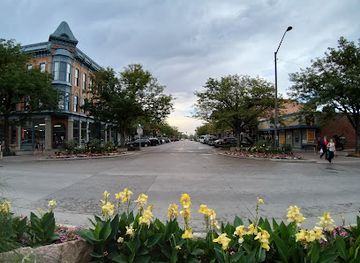
Fort Collins offers a varied sightseeing circuit beginning in Old Town, where restored commercial blocks and Old Town Square reveal the city's nineteenth-century layout and support galleries, cafés and independent shops. The Museum of Discovery combines regional history with interactive science exhibits, while the Avery House provides a more intimate look at an early Fort Collins household. Gardens on Spring Creek presents cultivated landscapes, demonstrations and seasonal planting near the Spring Creek corridor. Along the Cache la Poudre River, trails and green spaces bring the city's natural setting into everyday exploration. Colorado State University's campus adds public art, historic buildings and a lively academic atmosphere, while the Fort Collins Museum of Art provides a compact visual-arts experience. Nearby Horsetooth Reservoir, west of the city, extends the sightseeing landscape into foothill scenery, with opportunities for walking, boating and photography subject to local conditions.
-
Tourist attraction
Old Town Square
Experience the charm of Old Town Square in Fort Collins: a historic hub with events, shops, dining, and family fun.
10 min walk · 0.8 km from city centre
-
Tourist attraction
Fort Collins City Park
A historic and vibrant park in Fort Collins offering recreation, events, and natural beauty for all ages and interests.
5 min drive · 1.7 km from city centre
-
Tourist attraction
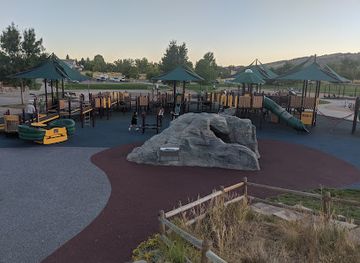
Twin Silo Park
Explore Fort Collins' unique Twin Silo Park: Where agricultural heritage meets modern recreation for all ages. Slides, gardens, trails, and more!
30 min drive · 10 km from city centre
-
Museum
Fort Collins Museum of Discovery
Explore interactive science, history, and culture at Fort Collins Museum of Discovery, an engaging museum for all ages in Fort Collins, Colorado.
13 min walk · 1.1 km from city centre

Best landmarks in Fort Collins
Old Town Square and its surrounding red-brick commercial buildings form Fort Collins's most recognisable historic ensemble, expressing the town's planned nineteenth-century development. The Avery House, built in 1879, is a significant surviving residence associated with the Avery family and early civic life. The historic Downtown Post Office, with its civic scale and period architectural details, adds to the centre's heritage character. Colorado State University's Old Main, completed in 1878 and rebuilt after a fire, represents the long institutional history of the former Colorado Agricultural College. The Cache la Poudre River is a landmark of a different kind: its water supported settlement, irrigation and industry, and the river corridor now carries national heritage significance. The nearby Fort Collins Municipal Railway Trolley, operated on a historic seasonal route when running, recalls the streetcar era that once connected the city centre with surrounding neighbourhoods.
-
Country park
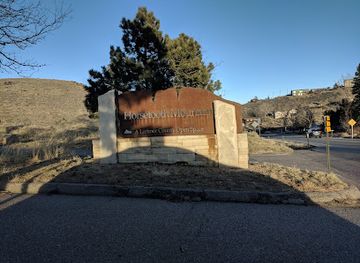
Horsetooth Mountain Open Space
Explore the scenic trails and breathtaking landscapes of Horsetooth Mountain Open Space, a must-visit destination for nature lovers in Fort Collins, Colorado.
31 min drive · 11 km from city centre
-
Park
Spring Canyon Park
Explore the natural beauty of Spring Canyon Park, a serene oasis in Fort Collins, perfect for family outings, hiking, and outdoor relaxation.
18 min drive · 6.0 km from city centre
-
Amusement center
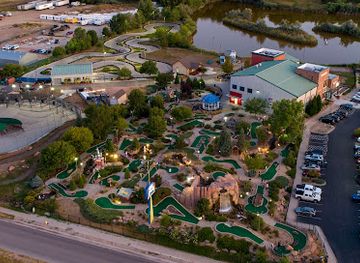
Fort Fun
Experience the thrill of family fun at Fort Fun, an amusement center in Fort Collins, Colorado, featuring rides, games, and endless entertainment for all ages.
9 min drive · 3.0 km from city centre
-
Hotel
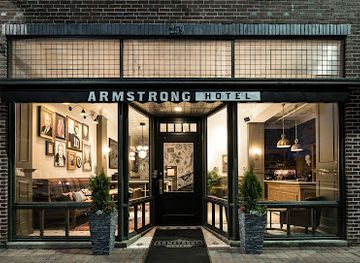
The Armstrong Hotel
Experience the perfect blend of historic charm and modern luxury at The Armstrong Hotel in the heart of Fort Collins, Colorado.
8 min walk · 0.6 km from city centre
Explore Fort Collins on the map
Plan your Fort Collins trip on one map. See where the top attractions, landmarks, restaurants, bars and hotels are, find what's near where you're staying, and book hotels and experiences in a few clicks.
Best hotels in Fort Collins
Best restaurants in Fort Collins
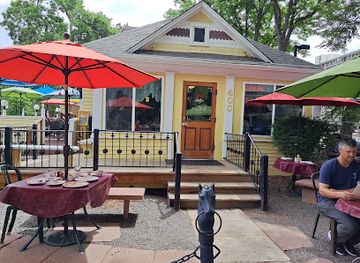
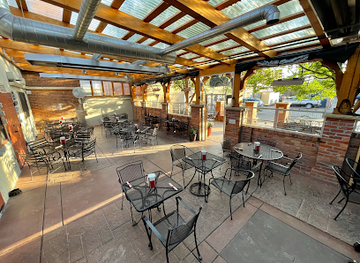
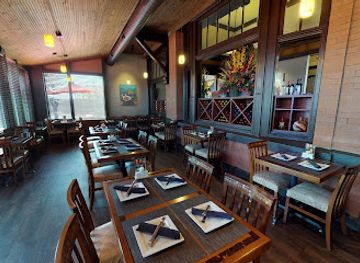
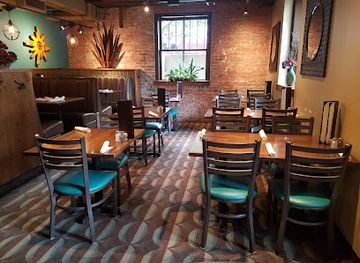
Fort Collins's dining scene reflects northern Colorado's agricultural setting, university population and craft-brewing culture. Old Town and the adjoining blocks contain the broadest concentration of restaurants, from contemporary kitchens and independent cafés to casual places built around burgers, pizza, tacos and locally influenced seasonal menus. Colorado beer is a prominent part of the city's food culture, with breweries often pairing tasting rooms with substantial food or collaborating with nearby kitchens. Farmers' markets and specialist food retailers provide access to regional produce, baked goods and small-scale products, while coffee shops and bakeries serve the student and cycling communities throughout the day. Mexican and Southwestern influences sit alongside globally inspired cooking, vegetarian choices and modern American dishes. Dining habits are typically informal, but table-service restaurants observe standard United States tipping customs.
-
Cajun
Lucile's
Experience authentic Cajun and Creole breakfast dishes at Lucile's in Fort Collins—where flavor meets tradition.
4 min walk · 0.3 km from city centre
-
Breakfast
Silver Grill Cafe
Discover the heart of Fort Collins at Silver Grill Cafe - your go-to spot for delicious breakfasts and inviting brunches.
10 min walk · 0.8 km from city centre
-
Brazilian
Rodizio Grill Brazilian Steakhouse Fort Collins
Indulge in authentic Brazilian cuisine at Rodizio Grill in Fort Collins – a true meat lover's paradise!
12 min walk · 0.9 km from city centre
-
Mexican
Blue Agave Grill
Discover vibrant Mexican cuisine at Blue Agave Grill in Fort Collins - where authentic flavors meet lively ambiance.
7 min walk · 0.6 km from city centre
Best bars in Fort Collins
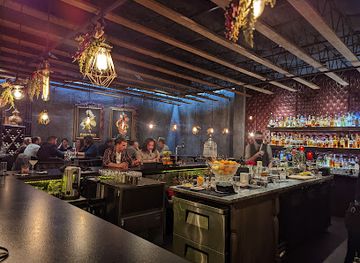
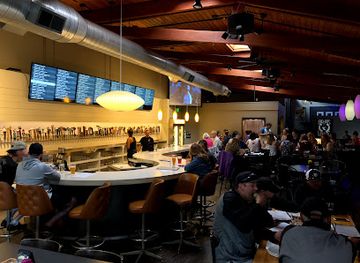
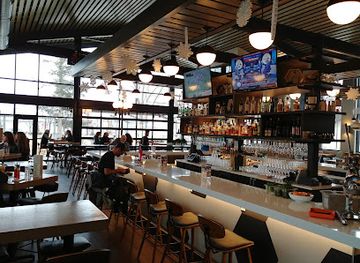
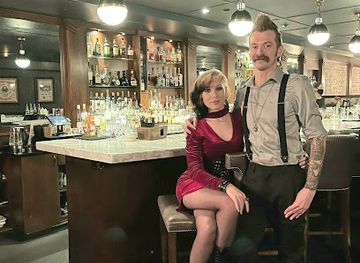
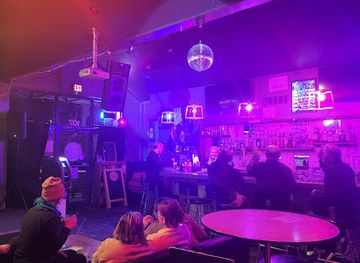
Fort Collins is particularly associated with brewery taprooms, and evening life often begins with locally produced beer in Old Town, along the College Avenue corridor or in nearby brewery districts. The atmosphere ranges from relaxed tasting rooms and wine bars to cocktail-led venues, live music rooms and bars serving the university community. Old Town Square and surrounding streets provide the most concentrated evening setting, while Colorado State University contributes concerts, performances and a youthful social rhythm. Nightlife is more varied than a club-only scene: the city supports theatre, comedy, local bands and cultural events as well as late-opening bars. Venues and schedules change, and alcohol service follows Colorado regulations, so the character of an evening may depend on the day, season and programme.
-
Bar
Social
Discover the vibrant nightlife at Social, a beloved bar in Fort Collins offering craft cocktails, local brews, and live music in a lively atmosphere.
9 min walk · 0.7 km from city centre
-
Bar
The Mayor of Old Town
Experience the heart of Fort Collins at The Mayor of Old Town, where craft brews and American bites create the perfect gathering spot.
11 min walk · 0.9 km from city centre
-
Bar
Union Bar & Soda Fountain
Experience the unique blend of classic American bar culture and nostalgic soda fountain delights at Union Bar & Soda Fountain in Fort Collins.
12 min walk · 1.0 km from city centre
-
Bar
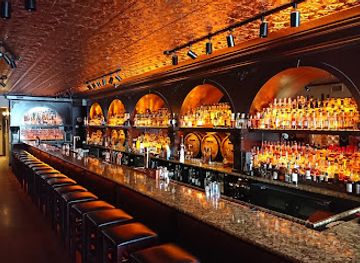
The Whisk(e)y
Explore a world of fine spirits at The Whisk(e)y, Fort Collins' ultimate bar and lounge experience for whiskey lovers and socialites alike.
8 min walk · 0.7 km from city centre
Best nightclubs in Fort Collins
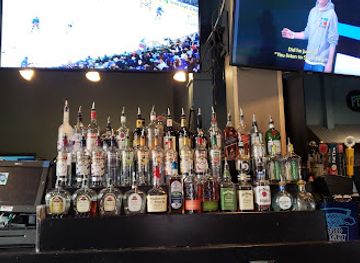
Fort Collins is particularly associated with brewery taprooms, and evening life often begins with locally produced beer in Old Town, along the College Avenue corridor or in nearby brewery districts. The atmosphere ranges from relaxed tasting rooms and wine bars to cocktail-led venues, live music rooms and bars serving the university community. Old Town Square and surrounding streets provide the most concentrated evening setting, while Colorado State University contributes concerts, performances and a youthful social rhythm. Nightlife is more varied than a club-only scene: the city supports theatre, comedy, local bands and cultural events as well as late-opening bars. Venues and schedules change, and alcohol service follows Colorado regulations, so the character of an evening may depend on the day, season and programme.
-
Bar
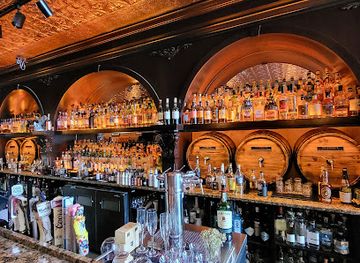
The Whisk(e)y
Experience the best of Fort Collins nightlife at The Whisk(e)y, where an extensive whiskey selection meets a vibrant atmosphere.
8 min walk · 0.7 km from city centre
-
Lounge
Ace Gillett's Lounge
Discover the lively Ace Gillett's Lounge in Fort Collins, where exquisite cocktails, delicious cuisine, and live music come together for an unforgettable night.
8 min walk · 0.6 km from city centre
-
Bar
The R Bar and Lounge
Experience the vibrant nightlife at The R Bar and Lounge in Fort Collins, where great drinks, karaoke, and fun await.
13 min walk · 1.1 km from city centre
-
Night club
Bondi Beach Bar and Grill
Experience the vibrant nightlife at Bondi Beach Bar and Grill, a unique blend of dining, dancing, and sports in Fort Collins, Colorado.
10 min walk · 0.8 km from city centre
Best shops in Fort Collins
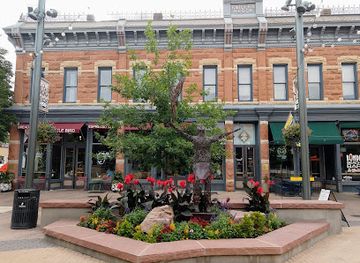
Shopping in Fort Collins centres on the historic blocks of Old Town, where independent clothing shops, bookshops, galleries, gift stores and specialist retailers occupy restored façades around Old Town Square. Visitors will find Colorado-themed goods, locally made art, brewery merchandise and food products suited to a city with strong links to agriculture and craft production. The surrounding College Avenue corridor adds everyday retail, cafés and university-oriented businesses, while Foothills Mall provides a conventional indoor shopping setting south of the centre. Seasonal farmers' markets and local maker events offer produce, baked goods, crafts and small-batch goods, although their dates vary. The most distinctive retail experience comes from the combination of preserved architecture and independent businesses rather than from a single enclosed shopping district.
-
Shopping mall
Old Town Square
Discover the vibrant charm of Old Town Square in Fort Collins, a delightful shopping mall and tourist attraction filled with unique shops and dining options.
10 min walk · 0.8 km from city centre
-
Shopping mall
Front Range Village
Discover the best of shopping, dining, and entertainment at Front Range Village, a vibrant hub in Fort Collins, Colorado.
25 min drive · 8.3 km from city centre
-
Farm shop
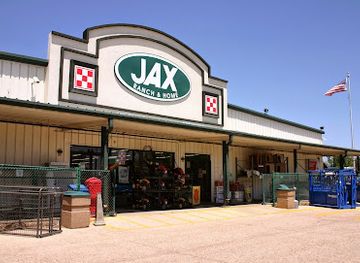
JAX Fort Collins Farm & Ranch
Explore JAX Fort Collins Farm & Ranch, a vibrant hub for western apparel, farm equipment, and local goods in the heart of Fort Collins.
14 min drive · 4.6 km from city centre
-
Metaphysical supply store
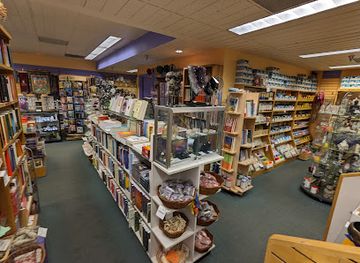
Northern Lights Crystals, Books & Gifts
Explore Northern Lights Crystals, Books & Gifts in Fort Collins, where metaphysical supplies, unique gifts, and spiritual guidance await.
18 min drive · 6.0 km from city centre
Get your free copy of our complete guide to Fort Collins, delivered straight to you.
Everything on this page, from attractions and restaurants to essentials and local phrases, in one PDF you can read offline, print or share.
Already have an account? Sign in
Your Fort Collins guide is ready.
We'll send it to · Not you? Sign out

Getting your guide ready…
We are putting together a fresh copy of the Fort Collins guide. This can take up to a minute.
This can take a few moments. If your browser asks, choose Allow so the download can start. You'll find the guide in your Downloads folder.
Nothing happened? Download it again
Sorry, the guide is taking longer than usual. Please try again in a minute, or get it by email instead.
Fort Collins essentials
Currency and Payment
Safety
Emergency Situations
Do's and Don'ts
Local Tips
From Eve
Local phrases worth knowing
You don't need to get them perfect. A few words go a long way, and locals appreciate the effort.
Basics
| English | Local | Say it |
|---|---|---|
| Hello | Howdy | [hahw-dee] |
| Goodbye | See ya | [see yah] |
| Yes | Yep | [yep] |
| No | Nope | [nohp] |
| Please/You're welcome | Please/No problem | [pleez/noh prah-blum] |
| Thank you | Thanks | [th-anks] |
| Excuse me/Sorry | Pardon me/My bad | [pahr-dn me/my bad] |
| How are you? | Howdy, how are ya? | [hahw-dee, how ahr yah?] |
| Fine. And you? | Good. You? | [gud. yoo?] |
| Do you speak English? | Ya speak English? | [yah speak ing-glish?] |
| I don't understand | I'm lost | [ahm lost] |
Eating & Drinking
| English | Local | Say it |
|---|---|---|
| I'd like to see the menu, please | Let me see the menu, please | [let mee see the menu, pleez] |
| I don't eat meat | I don't eat meat | [ah dohnt eet meet] |
| Cheers! | Cheers! | [cheers] |
| I would like to pay, please | I'll settle up, please | [ahll set-ul up, pleez] |
Emergencies
| English | Local | Say it |
|---|---|---|
| Help! | Help! | [help] |
| Go away! | Get lost! | [get lost] |
| Call the Police! | Call the cops! | [call the cops] |
| Call a doctor! | Get a doc! | [get a doc] |
| I'm lost | I'm lost | [ahm lost] |
| I'm ill | I'm sick | [ahm sik] |
Shopping
| English | Local | Say it |
|---|---|---|
| I'd like to buy... | I wanna buy... | [ah wanna buy] |
| I'm just looking | Just browsing | [just brow-zing] |
| How much is it? | How much? | [hahw much?] |
| That's too expensive | That's steep | [thats steep] |
| Can you lower the price? | Can ya do better on the price? | [can yah doh bet-er on the price?] |
Time & Numbers
| English | Local | Say it |
|---|---|---|
| What time is it? | What's the time? | [whats the time?] |
| It's one o'clock | It's one | [its one] |
| Half past (10) | Ten thirty | [ten thur-tee] |
| Morning | Morning | [morning] |
| Afternoon | Afternoon | [afternoon] |
| Evening | Evening | [evening] |
| Yesterday | Yesterday | [yest-er-day] |
| Today | Today | [toh-day] |
| Tomorrow | Tomorrow | [tom-or-row] |
| 1 | One | [wun] |
| 2 | Two | [too] |
| 3 | Three | [three] |
| 4 | Four | [for] |
| 5 | Five | [fahyv] |
| 6 | Six | [siks] |
| 7 | Seven | [sev-uhn] |
| 8 | Eight | [ayt] |
| 9 | Nine | [nahn] |
| 10 | Ten | [ten] |
Transport & Directions
| English | Local | Say it |
|---|---|---|
| Where's a/the...? | Where's the...? | [wheres the] |
| What's the address? | What's the address? | [whats the address] |
| Can you show me (on the map)? | Can ya show me (on the map)? | [can yah show me (on the map)] |
| When's the next (bus)? | When's the next (bus)? | [whens the next (bus)] |
| A ticket (to ....) | A ticket (to ....) | [ah ticket (to)] |
History of Fort Collins
Camp Collins and Indigenous Homelands
The Fort Collins area lies within the broader homelands of Indigenous peoples including the Arapaho and Cheyenne. In 1864, the United States Army established Camp Collins beside the Cache la Poudre River after the earlier Camp Collins near present-day Laporte was threatened by flooding. The new post was named for Lieutenant Colonel William O. Collins, commander of the Colorado military district. Although the military installation was relatively short-lived, its location helped establish a permanent settlement and a transport link along the northern Colorado Front Range. The fort's presence also formed part of a wider period of conflict, displacement and federal expansion that profoundly affected Indigenous communities.
A Planned Settlement Takes Shape
After the army abandoned the post in 1866, settlers developed a town around the former military site. Fort Collins was incorporated in 1873, and its early growth depended on agriculture, irrigation and trade rather than heavy industry. The town's broad streets and orderly blocks reflected the planning traditions of the period, while the arrival of the Denver, South Park and Pacific Railroad in the 1870s improved connections with markets and neighbouring communities. Brick commercial buildings, homes and civic structures gradually replaced the temporary settlement, establishing the street pattern and architectural character still visible in and around today's Old Town.
Agriculture and Higher Education
Fort Collins became increasingly associated with agricultural experimentation and education. Colorado Agricultural College opened in 1870 and later developed into Colorado State University, one of the city's defining institutions. Research into farming, animal science and natural resources reinforced the economic importance of the surrounding agricultural region, while the college attracted students, scholars and new cultural influences. Irrigation projects and the productive lands along the Cache la Poudre helped sustain the local economy. The university's growth also shaped the city's built environment, public life and reputation as a centre for learning in northern Colorado.
Water, Industry and Civic Growth
The Cache la Poudre became central to Fort Collins's development, first through irrigation and later through municipal and regional water systems. The river's regulated flow supported farms, businesses and a growing population, while the city's position along transport routes encouraged commerce. During the late nineteenth and early twentieth centuries, civic buildings, churches, schools and substantial homes appeared around the original town centre. The Avery House, completed in 1879 for Franklin and Sarah Avery, represents the prosperity of an influential early family and the domestic architecture of the period. Fort Collins gradually expanded beyond its historic core while retaining a strong relationship with the river and surrounding farmland.
Preservation and a Contemporary Identity
Twentieth-century growth brought suburban development, expanded university facilities and new commercial districts, but Fort Collins also developed a strong preservation ethic. Old Town's historic buildings were restored rather than uniformly replaced, helping maintain the visual continuity of the centre. The city later became known for environmental initiatives, cycling, public trails and a flourishing craft-brewing industry, developments that complemented its established academic and agricultural identity. Recognition of the Cache la Poudre River's national significance, including its designation as the nation's first National Heritage Area in 1996, further connected local history with landscape stewardship. Contemporary Fort Collins therefore combines planned urban heritage, higher education and outdoor culture.
Fort Collins in Photos
Browse through our photo collection highlighting the charm and character of the destination.
Cities near Fort Collins
The closest cities to Fort Collins, if you have time for more than one stop.
-

-

-

-

-


Swipe for more cities
Explore more

Explore more of Colorado
Discover Colorado: A stunning blend of rugged mountains, vibrant cities, and rich history, offering endless adventures and unforgettable experiences.
Explore Colorado