

Telluride, Colorado Travel Guide
Discover Telluride: A picturesque mountain town in Colorado offering outdoor adventures, cultural festivals, and historic charm in the stunning San Juan Mountains.
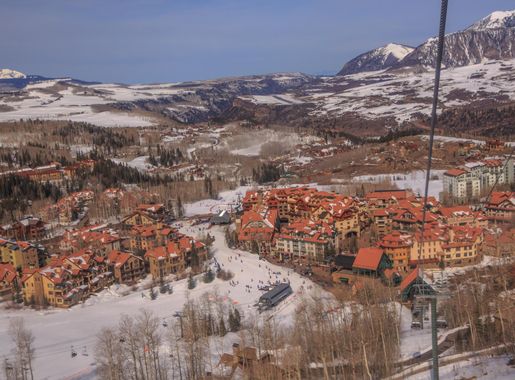
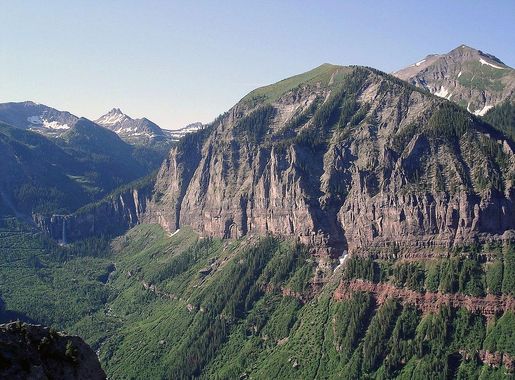
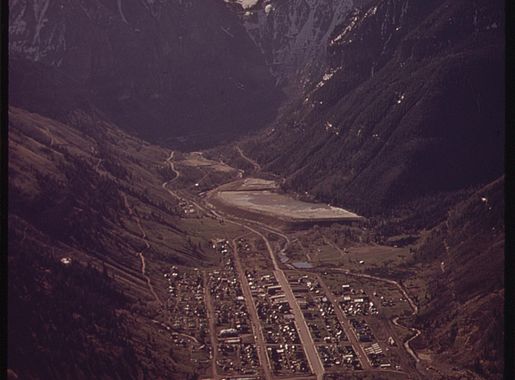
Nestled in a box canyon in the heart of the San Juan Mountains, Telluride, Colorado, is a picturesque destination that offers a unique blend of natural beauty, rich history, and outdoor adventures. Originally a mining town, Telluride has transformed into a vibrant community known for its stunning landscapes and welcoming atmosphere. Outdoor enthusiasts will find plenty to do in Telluride. The town is a gateway to an array of activities such as hiking, mountain biking, and skiing. The Telluride Ski Resort is renowned for its world-class slopes and breathtaking views. During the summer, the surrounding mountains and trails become a paradise for hikers and bikers of all skill levels. Telluride is also a cultural hub, hosting numerous festivals throughout the year, including the famous Telluride Film Festival and the Telluride Bluegrass Festival. The historic downtown area is home to charming shops, art galleries, and gourmet restaurants, all set against the backdrop of the stunning Rocky Mountains. Whether you're looking for adventure, relaxation, or a bit of both, Telluride offers something for everyone. Its unique mix of outdoor recreation, cultural events, and small-town charm makes it a must-visit destination in Colorado.

Know before you go
Hi, I'm Eve. Here are a few practical things to know before exploring Telluride.
- Visit during the fall to experience the beautiful changing colors of the aspen trees.
- Take the free gondola ride from Telluride to Mountain Village for stunning views.
- Book accommodations well in advance during festival seasons.
- Explore the historic downtown area on foot to fully appreciate its charm.
- Be prepared for variable weather conditions; pack layers.
Explore Telluride: Things to Do, Places to Eat, Hotels & More
Handpicked recommendations for top attractions, local dining, accommodations, and more

Best attractions in Telluride
Top-rated picks
Best Attractions

Telluride Ski Resort
Experience world-class skiing and stunning scenery at Telluride Ski Resort, a historic mountain town nestled in the San Juan Mountains.

Town Park
Experience the heart of Telluride: recreation, festivals, and stunning mountain views at the iconic Telluride Town Park.

Bear Creek Trail
Hike to a stunning waterfall on this popular and accessible trail in Telluride's scenic Bear Creek Preserve and the Uncompahgre National Forest.

San Sophia Overlook
Experience breathtaking 360° views of the San Juan Mountains from this easily accessible, stunning mountaintop overlook.

Best restaurants in Telluride


Best bars in Telluride
Top-rated picks
Best Bars

Smuggler Union Restaurant & Brewery
Experience the best of Telluride's culinary scene at Smuggler Union Restaurant & Brewery, where craft beer meets delectable dining in a cozy atmosphere.

Steamies Burger Bar
Discover the best burgers in Telluride at Steamies Burger Bar, where unique flavors and a cozy diner atmosphere await every guest.

Allred's Restaurant
Experience the best of New American cuisine with stunning mountain views at Allred's Restaurant in Telluride, Colorado.

New Sheridan Hotel
Discover the historic elegance and vibrant atmosphere of New Sheridan Hotel, a perfect blend of luxury and adventure in Telluride, Colorado.

Best shops in Telluride
Top-rated picks
Best Shops

The Butcher & The Baker
Discover The Butcher & The Baker in Telluride: a delightful café, bakery, and bar offering delicious breakfast and brunch options in a cozy setting.

Clarks Market Telluride
Discover the freshest local produce and gourmet delights at Clarks Market Telluride, your go-to grocery store in the heart of Colorado's stunning landscapes.

The Village Market
Experience the flavors of Telluride at The Village Market, your go-to grocery destination for local produce and gourmet delights.

Denimaxx
Discover fashionable outdoor clothing at Denimaxx in Telluride, Colorado, and gear up for unforgettable adventures in the Rockies.

Explore Telluride on the Map
A handpicked selection of must-see spots in Telluride, mapped for you.
Telluride Essentials
-
Telluride is located in the southwestern part of Colorado, nestled in a box canyon in the San Juan Mountains. The nearest major airport is Montrose Regional Airport (MTJ), about 65 miles away. From Montrose, you can rent a car or take a shuttle service to Telluride, which typically takes around 1.5 to 2 hours. Alternatively, you can fly into Denver International Airport (DEN) and then take a connecting flight to Montrose or drive approximately 6 hours to reach Telluride.
-
Once in Telluride, getting around is quite convenient. The town is compact and walkable, with many attractions within easy walking distance. The Galloping Goose is a free shuttle service that operates in Telluride and the nearby Mountain Village. For those looking to explore further afield, rental cars and local taxi services are available. During winter, the Gondola connecting Telluride and Mountain Village offers a scenic and practical mode of transportation.
-
The official currency in Telluride, as in the rest of the United States, is the US Dollar (USD). Credit and debit cards are widely accepted in hotels, restaurants, and shops. ATMs are readily available for cash withdrawals. While tipping is customary in the United States, typically around 15-20% for good service in restaurants, bars, and for taxi drivers.
-
Telluride is generally a very safe destination for tourists. However, as with any travel destination, it's advisable to take standard precautions. Keep an eye on your belongings, especially in crowded areas. There are no specific neighborhoods in Telluride known for high crime rates targeting tourists. The town is well-patrolled, and local law enforcement is approachable and helpful.
-
In case of an emergency, dial 911 for immediate assistance. Telluride has a local police department and medical facilities, including the Telluride Medical Center, which provides urgent care. It is advisable to have travel insurance that covers medical emergencies. For minor health issues, there are pharmacies in town where you can purchase over-the-counter medications.
-
Fashion: Do dress in layers, as the weather can change rapidly. Don't forget to bring sturdy shoes for hiking. Religion: While Telluride is not particularly religious, do respect any local customs if visiting religious sites. Public Transport: Do use the free Galloping Goose shuttle and the Gondola for convenient travel. Don't forget to check the schedules. Greetings: Do greet people with a friendly 'hello' or a handshake. Locals are generally very friendly. Eating & Drinking: Do try local specialties and visit local eateries. Don't forget to tip for good service, usually around 15-20%.
-
To experience Telluride like a local, take advantage of the hiking trails and outdoor activities. Visit during one of the many festivals, such as the Telluride Film Festival or Bluegrass Festival, to get a sense of the vibrant local culture. Engage with locals at coffee shops or farmers' markets. Don't miss out on the stunning views from the Gondola ride, which is free and operates year-round.
When is the best time to visit Telluride?
Useful Local Phrases for Telluride
You don't need to speak the language perfectly. Even learning a few simple words can make conversations warmer—and locals usually appreciate the effort.
— Eve

Here are the phrases I use most often in Telluride. Try a few—you'll be surprised how far they go! 😊
❤️
-
- HelloHowdy
[haw-dee] - GoodbyeSee ya
[see yah] - YesYep
[yep] - NoNah
[na] - Please/You're welcomePlease/No problem
[pleez/no prob-lem] - Thank youThanks
[thanks] - Excuse me/SorryPardon me/My bad
[par-dun me/my bad] - How are you?Howdy
[haw-dee] - Fine. And you?Just dandy. You?
[just dan-dee. yoo?] - Do you speak English?Ya speak English?
[yah speak ing-lish?] - I don't understandI'm lost
[I'm lost]
- HelloHowdy
-
- I'd like to see the menu, pleaseCan I check out the menu?
[kan i chek out the men-yoo?] - I don't eat meatNo meat for me
[no meet for me] - Cheers!Cheers!
[cheers!] - I would like to pay, pleaseCheck, please
[chek, please]
- I'd like to see the menu, pleaseCan I check out the menu?
-
- Help!SOS!
[S-O-S!] - Go away!Beat it!
[beat it!] - Call the Police!Call the cops!
[call the cops!] - Call a doctor!Need a doc!
[need a dock!] - I'm lostLost!
[lost!] - I'm illI'm sick
[I'm sick]
- Help!SOS!
-
- I'd like to buy...I wanna get...
[I wanna get...] - I'm just lookingJust browsing
[just brows-ing] - How much is it?What's the damage?
[whats the dam-age?] - That's too expensivePricey!
[pry-see!] - Can you lower the price?Can you do better?
[can you do bet-ter?]
- I'd like to buy...I wanna get...
-
- What time is it?Time?
[time?] - It's one o'clockIt's one
[it's one] - Half past (10)Ten-thirty
[ten-thur-tee] - MorningMornin'
[morn-in'] - AfternoonArvo
[ar-vo] - EveningEvenin'
[even-in'] - YesterdayYest'day
[yest-dee] - TodayToday
[to-day] - TomorrowTomorrah
[tom-or-rah] - 1One
[wun] - 2Two
[too] - 3Three
[three] - 4Four
[four] - 5Five
[five] - 6Six
[six] - 7Seven
[seven] - 8Eight
[ate] - 9Nine
[nine] - 10Ten
[ten]
- What time is it?Time?
-
- Where's a/the...?Where's the...?
[where's the...?] - What's the address?Address?
[address?] - Can you show me (on the map)?Show me (on the map)?
[show me (on the map)?] - When's the next (bus)?Next (bus)?
[next (bus)?] - A ticket (to ....)Ticket (to ....)
[ticket (to ....)]
- Where's a/the...?Where's the...?
History of Telluride
-
Telluride, originally known as 'Columbia,' was established in 1878. Its name was changed in 1887 to avoid confusion with another town in California. The new name, Telluride, is derived from the chemical element tellurium, which was never actually found in the area. The town quickly became a bustling mining camp, known for its rich deposits of gold, silver, and other valuable minerals.
-
The late 19th century saw Telluride transform into a booming silver mining town. The discovery of the Smuggler-Union, Tomboy, and Pandora mines brought a surge of wealth and population. By the mid-1890s, Telluride's mines were producing some of the richest ore ever found, and the town became a significant player in Colorado's mining industry, drawing prospectors and entrepreneurs from all over the world.
-
In 1891, the Rio Grande Southern Railroad arrived in Telluride, connecting the remote mountain town to the rest of the country. This development was crucial for the mining industry, as it allowed for the efficient transport of ore to smelters and markets. The railroad also brought new residents and tourists, contributing to Telluride's growth and cultural development.
-
Telluride is famously known as the site of Butch Cassidy's first bank robbery. In June 1889, Cassidy and his gang robbed the San Miguel Valley Bank, making off with $24,580. This daring heist marked the beginning of Cassidy's notorious criminal career and has become a legendary story in Telluride's history.
-
The early 20th century was a time of labor unrest in Telluride. Miners, who worked under harsh conditions for low pay, organized strikes to demand better wages and working conditions. The most significant of these was the Western Federation of Miners' strike in 1901, which led to violent clashes between strikers and mine owners. The labor struggles in Telluride were part of a larger movement that eventually led to significant labor reforms in the United States.
-
By the mid-20th century, the mining industry in Telluride began to decline. Many of the mines were depleted, and the town's population dwindled as miners left in search of work elsewhere. Telluride faced an uncertain future, with many of its historic buildings falling into disrepair and its economy struggling to survive.
-
Telluride's fortunes changed dramatically in the 1970s with the development of the Telluride Ski Resort. Entrepreneurs saw the potential for tourism in the town's stunning mountain setting and began building ski lifts and lodges. The resort's success brought new life to Telluride, attracting visitors from around the world and transforming it into a premier destination for outdoor recreation and luxury tourism.
-
In 1974, Telluride became the home of the Telluride Film Festival, an event that has since grown into one of the most prestigious film festivals in the world. Each Labor Day weekend, filmmakers, actors, and cinephiles gather in Telluride to celebrate cinema, showcasing a diverse selection of films and often debuting major Oscar contenders. The festival has played a significant role in shaping Telluride's cultural identity and international reputation.
-
Today, Telluride is known for its blend of historic charm and modern luxury. The town has preserved many of its historic buildings and mining relics, offering a window into its colorful past. At the same time, Telluride boasts world-class amenities, including upscale dining, boutique shopping, and a vibrant arts scene. Its year-round attractions, from skiing and snowboarding to hiking and festivals, continue to draw visitors from all over the globe.
Neighbouring destination travel guides
Browse our curated selection of top destinations, scenic points, and must-visit spots in the area.


Your all‑in‑one travel companion app
Explore expert travel guides, compare and book tours, experiences, hotels, and more—all from the palm of your hand. Download now for seamless trip planning wherever your wanderlust takes you.


Explore More of San Miguel Mountains

Looking beyond Telluride? Discover San Miguel Mountains for broader travel guides, local hot-spots, and regional highlights.
Explore San Miguel MountainsExplore More of Colorado

Looking beyond Telluride? Discover Colorado for broader travel guides, local hot-spots, and regional highlights.
Explore ColoradoTelluride in Photos
Browse through our photo collection highlighting the charm and character of the destination.





Telluride: Colorado's Hidden Gem
Nestled in a box canyon in the heart of the San Juan Mountains, Telluride, Colorado, is a picturesque destination that offers a unique blend of natural beauty, rich history, and outdoor adventures. Originally a mining town, Telluride has transformed into a vibrant community known for its stunning landscapes and welcoming atmosphere. Outdoor enthusiasts will find plenty to do in Telluride. The town is a gateway to an array of activities such as hiking, mountain biking, and skiing. The Telluride Ski Resort is renowned for its world-class slopes and breathtaking views. During the summer, the surrounding mountains and trails become a paradise for hikers and bikers of all skill levels. Telluride is also a cultural hub, hosting numerous festivals throughout the year, including the famous Telluride Film Festival and the Telluride Bluegrass Festival. The historic downtown area is home to charming shops, art galleries, and gourmet restaurants, all set against the backdrop of the stunning Rocky Mountains. Whether you're looking for adventure, relaxation, or a bit of both, Telluride offers something for everyone. Its unique mix of outdoor recreation, cultural events, and small-town charm makes it a must-visit destination in Colorado.