

San Miguel Mountains, Colorado Travel Guide
Discover the stunning San Miguel Mountains in Colorado: a perfect blend of natural beauty, outdoor adventure, and rich history.
Nestled in the southwestern part of Colorado, the San Miguel Mountains offer a serene escape from the hustle and bustle of modern life. These mountains are part of the greater San Juan range, boasting stunning peaks, lush forests, and crystal-clear streams. The area is rich in natural beauty and is an adventurer's paradise with activities such as hiking, mountain biking, and skiing. History buffs will also find much to love in this region. The nearby town of Telluride, once a booming mining town, is now a charming destination filled with historic buildings, quaint shops, and delightful eateries. The annual Telluride Film Festival attracts visitors from around the globe, further enhancing the area's cultural appeal. For those looking to relax, the San Miguel Mountains provide numerous scenic spots perfect for picnics and nature walks. Wildlife enthusiasts can expect to see a variety of animals, from deer and elk to the occasional black bear. Whether you're seeking adventure, history, or tranquility, the San Miguel Mountains have something to offer everyone.

Know before you go
Hi, I'm Eve. Here are a few practical things to know before exploring San Miguel Mountains.
- Visit during late spring to early fall for the best hiking conditions and vibrant scenery.
- Bring layered clothing as weather can change rapidly in the mountains.
- Don't miss the Telluride Film Festival if visiting in late summer.
- Check local guides for the best spots to see wildlife safely.
- Book accommodations early, especially during peak tourist seasons.
Top City Travel Guides in San Miguel Mountains
The cities of San Miguel Mountains, and the easiest places to base yourself.


Destinations in San Miguel Mountains
Resorts, valleys and scenic spots worth a trip of their own.


Explore San Miguel Mountains: Things to Do, Places to Eat, Hotels & More
Handpicked recommendations for top attractions, local dining, accommodations, and more

Top Attractions & Sightseeing in San Miguel Mountains
Top-rated picks
Best Attractions

Alta, Colorado (Ghost town)
Explore a well-preserved Colorado ghost town near Telluride, offering a glimpse into the state's mining history and stunning mountain scenery.

Kroger Via Ferrata
Experience Telluride's Kroger Via Ferrata: A thrilling blend of hiking and climbing with breathtaking views on this unique 'iron road' adventure.

Bridal Veil Trail
Hike to the base of Bridal Veil Falls on this scenic trail, offering stunning views of Colorado's tallest free-falling waterfall.

Mount Sneffels Wilderness
Explore Colorado's majestic Mount Sneffels Wilderness: a haven for hikers, climbers, and nature enthusiasts seeking alpine adventure.

Best landmarks in San Miguel Mountains
Top-rated picks
Best Landmarks

Cliff Palace
Experience the breathtaking Cliff Palace in Mesa Verde National Park, a historical landmark that reveals the rich heritage of the Ancestral Puebloans.

Canyons of the Ancients Visitor Center & Museum
Explore the Canyons of the Ancients Visitor Center & Museum, where ancient cultures and stunning landscapes come together in Colorado.

Museum of the Mountain West
Explore the rich heritage of Colorado at the Museum of the Mountain West, where history comes alive through restored buildings and captivating artifacts.

Lowry Pueblo
Discover the rich heritage and architectural marvels of Lowry Pueblo, a historical landmark showcasing the legacy of the Ancestral Puebloans in the heart of Colorado.

Best restaurants in San Miguel Mountains
Top-rated picks
Best Restaurants

The Fort
Experience culinary excellence at The Fort in Morrison, CO - where traditional American flavors meet stunning mountain views.

Smuggler Union Restaurant & Brewery
Experience culinary excellence at Smuggler Union Restaurant & Brewery - where craft beer meets gourmet dining in scenic Telluride.

Brickhouse 737
Experience exceptional American cuisine at Brickhouse 737 in Ouray, Colorado—where every meal is a celebration of flavor amidst stunning mountain vistas.

Baked in Telluride
Discover delightful baked goods at Baked in Telluride – your go-to spot for breakfast and gluten-free treats amidst Colorado's stunning scenery.

Best bars in San Miguel Mountains
Top-rated picks
Best Bars
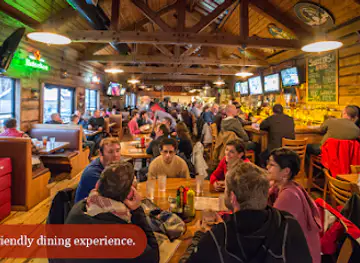
Smuggler Union Restaurant & Brewery
Discover the taste of Telluride at Smuggler Union Restaurant & Brewery, where craft beer meets gourmet pub fare in a cozy mountain setting.

The Butcher & The Baker
Experience the delightful flavors of The Butcher & The Baker, a unique café in Telluride, Colorado, offering exquisite breakfast, bakery, and bar options.

The Blue Moose Tavern
Discover the vibrant atmosphere and delicious grill and pizza offerings at The Blue Moose Tavern in Green Mountain Falls, a must-visit culinary destination.

Allred's Restaurant
Discover Allred's Restaurant in Telluride, where fine dining meets breathtaking mountain views and a menu of exquisite seafood and steak options.

Best shops in San Miguel Mountains
Top-rated picks
Best Shops

Garden of the Gods Trading Post
Explore the Garden of the Gods Trading Post - your gateway to unique Colorado crafts, delicious dining, and stunning local art.

Denimaxx
Discover unique outerwear at Denimaxx, a premier clothing store in Telluride, Colorado, where style meets mountain adventure.

Telluride Truffle Artisan Chocolate
Experience the finest handcrafted chocolates at Telluride Truffle, where every bite tells a story of passion and quality in the heart of Colorado.

Jagged Edge Mountain Gear
Explore Telluride with top-quality gear from Jagged Edge Mountain Gear, your go-to sporting goods store in the heart of the Rockies.

Explore San Miguel Mountains on the Map
A handpicked selection of must-see spots in San Miguel Mountains, mapped for you.
San Miguel Mountains Essentials
-
The San Miguel Mountains are located in the southwestern part of Colorado, within the San Juan Range of the Rocky Mountains. The nearest major airport is Montrose Regional Airport (MTJ), approximately 65 miles away. From Montrose, you can rent a car or take a shuttle to reach the mountains. Alternatively, you can fly into Denver International Airport (DEN) and drive approximately 6 hours southwest to reach the area.
-
The best way to explore the San Miguel Mountains is by car. Renting a car provides flexibility and the freedom to explore at your own pace. There are several car rental services available at Montrose Regional Airport and in nearby towns such as Telluride and Ouray. For those who prefer not to drive, local shuttle services operate between major towns and trailheads. Biking is also a popular option during the summer months, with numerous scenic bike trails available.
-
The official currency in the United States is the US Dollar (USD). Credit cards are widely accepted in hotels, restaurants, and shops throughout the San Miguel Mountains area. ATMs are available in towns like Telluride and Ouray, but it’s advisable to carry some cash for smaller establishments and remote areas where card payments may not be accepted.
-
The San Miguel Mountains are generally safe for tourists. However, it is important to take standard precautions. Avoid hiking alone and always let someone know your planned route and expected return time. Be aware of wildlife and keep a safe distance. There are no specific areas with high crime rates targeting tourists, but it is always best to stay vigilant and keep your belongings secure.
-
In case of emergency, dial 911 for immediate assistance. The nearest medical facilities are located in Telluride and Montrose. It is highly recommended to have travel insurance that covers medical emergencies and evacuation. For minor health issues, there are pharmacies in Telluride and Ouray where you can purchase over-the-counter medications.
-
Fashion: Do dress in layers, as weather can change rapidly. Wear sturdy hiking boots for outdoor activities. Religion: Do respect local customs and traditions if visiting any religious sites. Public Transport: Public transport options are limited; renting a car is recommended. Greetings: Do greet people with a friendly hello or a handshake. Eating & Drinking: Do try local cuisine and craft beers. Don't litter; always pack out what you pack in.
-
To experience the San Miguel Mountains like a local, visit during the off-peak seasons of late spring or early fall. Engage with locals at farmers' markets and community events. Don't miss the Telluride Film Festival if visiting in late summer. For a unique experience, take the scenic drive on the Million Dollar Highway (US Route 550) for breathtaking views of the mountains and valleys.
When is the best time to visit San Miguel Mountains?
Useful Local Phrases for San Miguel Mountains
You don't need to speak the language perfectly. Even learning a few simple words can make conversations warmer—and locals usually appreciate the effort.
— Eve

Here are the phrases I use most often in San Miguel Mountains. Try a few—you'll be surprised how far they go! 😊
❤️
-
- HelloHowdy
[Hao-dee] - GoodbyeSee you later
[See yuh lay-tur] - YesYep
[Yep] - NoNope
[Nope] - Please/You're welcomeSure thing
[Shur thing] - Thank youThanks a lot
[Thangs a lot] - Excuse me/SorryPardon me
[Pardon mee] - How are you?How's it going?
[How's it goin'?] - Fine. And you?Good. And you?
[Good. And yuh?] - Do you speak English?Do ya speak English?
[Do ya speek English?] - I don't understandI don't get it
[I don't get it]
- HelloHowdy
-
- I'd like to see the menu, pleaseCan I see the menu, please?
[Can I see tha menu, pleez?] - I don't eat meatI'm a vegetarian
[I'm a vege-tay-rian] - Cheers!Cheers!
[Cheers!] - I would like to pay, pleaseCan I get the check, please?
[Can I get tha check, pleez?]
- I'd like to see the menu, pleaseCan I see the menu, please?
-
- Help!Help!
[Help!] - Go away!Leave me alone!
[Leave me alone!] - Call the Police!Call the cops!
[Call the cops!] - Call a doctor!Get a doctor!
[Get a doc-tur!] - I'm lostI'm lost
[I'm lost] - I'm illI'm not feeling well
[I'm not feelin' well]
- Help!Help!
-
- I'd like to buy...I want to buy...
[I want to buy...] - I'm just lookingJust browsing
[Just browsing] - How much is it?What's the price?
[What's tha price?] - That's too expensiveThat's pricey
[That's pry-see] - Can you lower the price?Can you make it cheaper?
[Can you make it chee-per?]
- I'd like to buy...I want to buy...
-
- What time is it?What time ya got?
[What time ya got?] - It's one o'clockIt's one o'clock
[It's one o'clock] - Half past (10)Half past ten
[Half past ten] - MorningMorning
[Morning] - AfternoonAfternoon
[Afternoon] - EveningEvening
[Evening] - YesterdayYesterday
[Yesterday] - TodayToday
[Today] - TomorrowTomorrow
[Tomorrow] - 1One
[One] - 2Two
[Two] - 3Three
[Three] - 4Four
[Four] - 5Five
[Five] - 6Six
[Six] - 7Seven
[Seven] - 8Eight
[Eight] - 9Nine
[Nine] - 10Ten
[Ten]
- What time is it?What time ya got?
-
- Where's a/the...?Where's a...?
[Where's a...?] - What's the address?What's the address?
[What's tha address?] - Can you show me (on the map)?Can ya show me on the map?
[Can ya show me on tha map?] - When's the next (bus)?When's the next bus?
[When's tha next bus?] - A ticket (to ....)A ticket to...
[A ticket to...]
- Where's a/the...?Where's a...?
History of San Miguel Mountains
-
The San Miguel Mountains have a rich history that dates back thousands of years. The area was originally inhabited by Native American tribes such as the Ute and Ancestral Puebloans. These indigenous peoples thrived in the region, utilizing its abundant natural resources for hunting, fishing, and agriculture. Petroglyphs and ancient ruins found throughout the mountains provide a glimpse into their daily lives and spiritual practices.
-
In the late 18th century, Spanish explorers ventured into the San Miguel Mountains. They were part of a larger effort to expand Spanish territory in the New World. These explorers named the mountains 'San Miguel' after Saint Michael the Archangel. Their expeditions laid the groundwork for future exploration and settlement by Europeans in the region.
-
The late 19th century saw a surge of activity in the San Miguel Mountains due to the discovery of precious metals. The region became a hotspot during the Colorado Gold and Silver Rush, attracting prospectors and miners from all over the country. Towns like Telluride and Ophir sprung up almost overnight, bustling with activity as people sought their fortunes. The mining boom led to significant economic and population growth in the area.
-
Telluride, originally a mining camp, rapidly developed into a prosperous town during the mining boom. By the early 20th century, it was one of the most productive mining districts in the United States. The town's historic district still features well-preserved Victorian architecture from this era, offering a window into its storied past. Telluride was also the site of one of the first major labor strikes in the mining industry, known as the Telluride Strike of 1901.
-
In the latter half of the 20th century, the San Miguel Mountains transitioned from a mining-focused economy to a tourism-driven one. The picturesque landscapes and rich history of the area began to attract visitors year-round. Telluride became famous for its ski resort, and the annual Telluride Film Festival started in 1974, drawing celebrities and film enthusiasts from around the globe. Today, the San Miguel Mountains are renowned for their outdoor recreational opportunities and vibrant cultural scene.
Neighbouring Regions of San Miguel Mountains
The closest regions to San Miguel Mountains, if you have time for more than one.


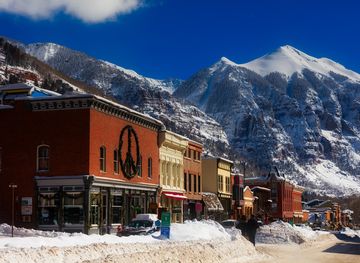


Your all‑in‑one travel companion app
Explore expert travel guides, compare and book tours, experiences, hotels, and more—all from the palm of your hand. Download now for seamless trip planning wherever your wanderlust takes you.


Explore More of Colorado

Looking beyond San Miguel Mountains? Discover Colorado for broader travel guides, local hot-spots, and regional highlights.
Explore ColoradoSan Miguel Mountains in Photos
Browse through our photo collection highlighting the charm and character of the destination.


The Majestic San Miguel Mountains: Colorado's Hidden Gem
Nestled in the southwestern part of Colorado, the San Miguel Mountains offer a serene escape from the hustle and bustle of modern life. These mountains are part of the greater San Juan range, boasting stunning peaks, lush forests, and crystal-clear streams. The area is rich in natural beauty and is an adventurer's paradise with activities such as hiking, mountain biking, and skiing. History buffs will also find much to love in this region. The nearby town of Telluride, once a booming mining town, is now a charming destination filled with historic buildings, quaint shops, and delightful eateries. The annual Telluride Film Festival attracts visitors from around the globe, further enhancing the area's cultural appeal. For those looking to relax, the San Miguel Mountains provide numerous scenic spots perfect for picnics and nature walks. Wildlife enthusiasts can expect to see a variety of animals, from deer and elk to the occasional black bear. Whether you're seeking adventure, history, or tranquility, the San Miguel Mountains have something to offer everyone.