

Free Yampa River Valley Travel Guide & Mobile App
Explore Yampa River Valley with free travel guides. Discover regional history, expert tips, proposed trips, and audio guides on web or mobile app.


Explore Colorado’s Yampa River Valley for Steamboat Springs, mountain trails, hot springs, ranch country and year-round outdoor adventure.
Read more about Yampa River Valley
Getting to and around Yampa River Valley
How to get there
Transportation
Top city travel guides in Yampa River Valley
The cities of Yampa River Valley, and the easiest places to base yourself.
-
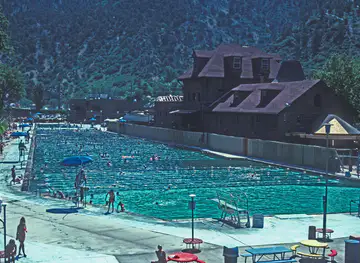
-
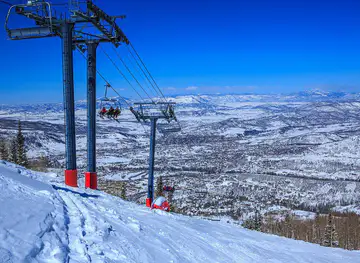


Swipe for more cities
Best attractions in Yampa River Valley
The Yampa River Valley offers a combination of resort recreation, public-land adventure and working-landscape heritage. Steamboat Springs is the main activity centre, with skiing and snowboarding at Steamboat Resort, hiking and cycling routes, the Yampa River Botanic Park and the waters of Fish Creek Falls. Strawberry Park Hot Springs provides a developed soaking experience in a forested setting, while the surrounding Routt National Forest supports camping, fishing, wildlife observation and winter sports. Around Hayden and Craig, the landscape opens into ranch country, reservoirs and sagebrush foothills, with Elkhead Reservoir State Park offering boating, angling, beaches and trails. The Yampa River State Park, near Hayden, protects river and riparian environments and provides access for camping, fishing and water-based recreation. Museums in Steamboat Springs and Craig add historical depth, covering Indigenous context, settlement, ranching, transport and regional industry. The valley is also a useful base for longer journeys towards the Flat Tops and other public lands, although those excursions require careful planning and should not be mistaken for short trips within the central valley.
-
State park
Yampa River State Park
Discover the beauty of the Yampa River Valley with boating, camping, fishing, and wildlife viewing in a diverse natural setting.
-
River
Yampa River
Experience the untamed beauty of the Yampa River in Colorado, a free-flowing paradise for recreation and wildlife.


Best landmarks in Yampa River Valley
The Yampa River is the valley’s defining natural landmark, linking mountain headwaters, irrigated meadows, ranch country and the lower landscapes around Craig and Hayden. In Steamboat Springs, the historic downtown streetscape preserves commercial buildings from the settlement’s early growth, while the Old Town Hot Springs reflects the town’s long relationship with geothermal water. The ski slopes of Mount Werner are a conspicuous modern landmark and a visual reminder of Steamboat’s transformation into a winter destination. Fish Creek Falls marks the edge of the forested upper valley with a prominent waterfall and accessible walking routes. Near Craig, the Moffat County Courthouse and other civic buildings express the western part of the valley’s role as a regional administrative centre. Historic ranch buildings, barns and irrigation works across the valley are less monumental but equally important, showing how agriculture shaped the land. The surrounding forested ranges and the Flat Tops to the south form a powerful geographic backdrop, although individual wilderness areas and canyon landscapes may require separate journeys beyond the settled central valley.
-
State park
Steamboat Lake State Park
Explore the breathtaking scenery and outdoor adventures at Steamboat Lake State Park in Colorado, a perfect destination for nature lovers and adventure seekers.
-
State park
Yampa River State Park
Explore Yampa River State Park, a serene escape in Colorado with stunning landscapes, diverse wildlife, and endless outdoor adventures waiting for you.


Explore Yampa River Valley on the map
Plan your trip on one map. See where the top cities, national parks and sights are, and book hotels and experiences in a few clicks.
Best hotels in Yampa River Valley
Best restaurants in Yampa River Valley
Dining in the Yampa River Valley ranges from casual cafés and breweries to steakhouses, contemporary restaurants, rustic inns and resort-oriented kitchens. Steamboat Springs has the greatest concentration and reflects both Colorado’s modern mountain-food culture and the region’s western identity, with menus commonly featuring beef, game, locally sourced produce and hearty dishes suited to cold weather. Ranching remains important, while nearby farms and irrigated valley fields contribute seasonal vegetables, hay and other products. In Craig, Hayden, Oak Creek and Yampa, dining is generally more local and practical, with diners, family restaurants, bakeries and bars serving residents as well as travellers. Farmers’ markets and farm stands, where operating seasonally, are useful places to find regional produce, baked goods and prepared food. Colorado beer is widely available, and visitors may also encounter locally made spirits and non-alcoholic drinks. Tipping is customary for table service, and menus in resort areas may be more expensive than those in smaller valley communities.
-
Barbecue
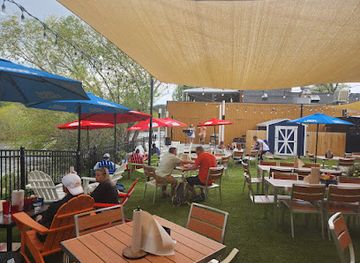
Yampa River Icehouse
Experience authentic barbecue at Yampa River Icehouse in Steamboat Springs – where great food meets stunning riverside views.
Best bars in Yampa River Valley
Evening life in the Yampa River Valley is concentrated in Steamboat Springs, where historic bars, brewpubs, cocktail venues, restaurants and live-music spaces serve a mixture of residents, seasonal workers and visitors. Apres-ski activity is particularly prominent in winter, but the town also has a year-round evening scene linked to dining, theatre, community events and outdoor culture. Craig provides a smaller selection of pubs, bars and restaurants, while Hayden, Oak Creek and Yampa are quieter places where evenings tend to centre on local establishments rather than nightclubs. Craft beer and Colorado spirits feature in parts of the scene, but drinking is not the only way to experience the valley after dark; summer concerts, cultural programmes and clear-sky stargazing can be equally appropriate. Opening arrangements and entertainment schedules vary by season, so confirm details locally rather than assuming that resort venues operate on a fixed timetable.
-
Barbecue
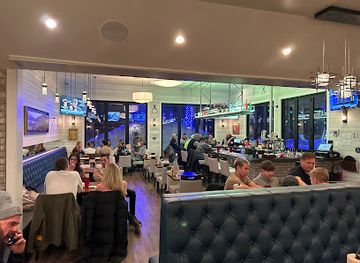
Yampa River Icehouse
Experience mouthwatering barbecue and stunning river views at Yampa River Icehouse in Steamboat Springs, a culinary gem in the heart of Colorado.
Best nightclubs in Yampa River Valley
Evening life in the Yampa River Valley is concentrated in Steamboat Springs, where historic bars, brewpubs, cocktail venues, restaurants and live-music spaces serve a mixture of residents, seasonal workers and visitors. Apres-ski activity is particularly prominent in winter, but the town also has a year-round evening scene linked to dining, theatre, community events and outdoor culture. Craig provides a smaller selection of pubs, bars and restaurants, while Hayden, Oak Creek and Yampa are quieter places where evenings tend to centre on local establishments rather than nightclubs. Craft beer and Colorado spirits feature in parts of the scene, but drinking is not the only way to experience the valley after dark; summer concerts, cultural programmes and clear-sky stargazing can be equally appropriate. Opening arrangements and entertainment schedules vary by season, so confirm details locally rather than assuming that resort venues operate on a fixed timetable.
-
River
Yampa River
Explore Yampa River: A Tranquil Escape in Colorado's Natural Paradise, Ideal for Fishing, Kayaking, and Scenic Walks.
Best shops in Yampa River Valley
Steamboat Springs has the valley’s broadest shopping scene, with independent clothing and outdoor shops, galleries, booksellers, gift stores, food retailers and businesses selling western-inspired clothing and handmade goods. The town’s historic centre is the best place to combine shopping with cafés, restaurants and architectural sightseeing, while the resort area focuses more heavily on ski equipment, technical clothing and holiday necessities. Seasonal farmers’ markets and farm stands can provide produce, baked goods, preserves and other Colorado-made products, although locations and dates vary. Craig, Hayden, Oak Creek and Yampa offer practical local shopping, antiques, craft items and regional food rather than extensive department-store retail. Visitors interested in authentic souvenirs should look for locally made pottery, artwork, leather goods, wool products, books on regional history and food from nearby producers. Outdoor equipment is widely available in Steamboat Springs, but prices and stock can be seasonal, so specialised gear may be easier to obtain before travelling into the valley.
-
Fishing store
Steamboat Flyfisher
Explore Colorado's breathtaking fishing spots with expert guidance and top-notch gear at Steamboat Flyfisher in Steamboat Springs.
-
Yarn store
Yampa Valley Fiberworks
Discover a colorful world of yarn at Yampa Valley Fiberworks, where creativity meets quality in the heart of Colorado's scenic Yampa Valley.
Get your free copy of our complete guide to Yampa River Valley, delivered straight to you.
Everything on this page, from attractions and restaurants to essentials and local phrases, in one PDF you can read offline, print or share.
Already have an account? Sign in
Your Yampa River Valley guide is ready.
We'll send it to · Not you? Sign out

Getting your guide ready…
We are putting together a fresh copy of the Yampa River Valley guide. This can take up to a minute.
This can take a few moments. If your browser asks, choose Allow so the download can start. You'll find the guide in your Downloads folder.
Nothing happened? Download it again
Sorry, the guide is taking longer than usual. Please try again in a minute, or get it by email instead.
Yampa River Valley essentials
Currency and Payment
Safety
Emergency Situations
Do's and Don'ts
Local Tips
From Eve
Local phrases worth knowing
You don't need to get them perfect. A few words go a long way, and locals appreciate the effort.
Basics
| English | Local | Say it |
|---|---|---|
| Hello | Howdy | [Haud-ee] |
| Goodbye | See ya | [See yah] |
| Yes | Yep | [Yep] |
| No | Nah | [Nah] |
| Please/You're welcome | Sure thing | [Shur thing] |
| Thank you | Thanks a lot | [Thangs a lot] |
| Excuse me/Sorry | Pardon me | [Pardon mee] |
| How are you? | How ya doin'? | [How ya doin'?] |
| Fine. And you? | Good. You? | [Good. You?] |
| Do you speak English? | You speakin' English? | [You speekin' English?] |
| I don't understand | I ain't gettin' it | [I ain't gettin' it] |
Eating & Drinking
| English | Local | Say it |
|---|---|---|
| I'd like to see the menu, please | Can I see the menu? | [Can I see the menu?] |
| I don't eat meat | I'm a vegetarian | [I'm a vegetarian] |
| Cheers! | Cheers! | [Cheers!] |
| I would like to pay, please | Can I get the check? | [Can I get the check?] |
Emergencies
| English | Local | Say it |
|---|---|---|
| Help! | Help! | [Help!] |
| Go away! | Scram! | [Scram!] |
| Call the Police! | Get the cops! | [Get the cops!] |
| Call a doctor! | Need a doc! | [Need a doc!] |
| I'm lost | I’m turned around | [I’m turned around] |
| I'm ill | I'm not feelin' well | [I'm not feelin' well] |
Shopping
| English | Local | Say it |
|---|---|---|
| I'd like to buy... | I'm lookin' to buy... | [I'm lookin' to buy...] |
| I'm just looking | Just browsin' | [Just browsin'] |
| How much is it? | What’s the damage? | [What’s the damage?] |
| That's too expensive | That’s a bit steep | [That’s a bit steep] |
| Can you lower the price? | Can you knock down the price? | [Can you knock down the price?] |
Time & Numbers
| English | Local | Say it |
|---|---|---|
| What time is it? | What time ya got? | [What time ya got?] |
| It's one o'clock | It’s one o’clock | [It’s one o'clock] |
| Half past (10) | Half past ten | [Half past ten] |
| Morning | Mornin' | [Mornin'] |
| Afternoon | Afternoon | [Afternoon] |
| Evening | Evenin' | [Evenin'] |
| Yesterday | Yesterday | [Yesterday] |
| Today | Today | [Today] |
| Tomorrow | Tomorrow | [Tomorrow] |
| 1 | One | [One] |
| 2 | Two | [Two] |
| 3 | Three | [Three] |
| 4 | Four | [Four] |
| 5 | Five | [Five] |
| 6 | Six | [Six] |
| 7 | Seven | [Seven] |
| 8 | Eight | [Eight] |
| 9 | Nine | [Nine] |
| 10 | Ten | [Ten] |
Transport & Directions
| English | Local | Say it |
|---|---|---|
| Where's a/the...? | Where’s the nearest...? | [Where’s the nearest...?] |
| What's the address? | What’s the address? | [What’s the address?] |
| Can you show me (on the map)? | Can you point it out? | [Can you point it out?] |
| When's the next (bus)? | When’s the next bus? | [When’s the next bus?] |
| A ticket (to ....) | A ticket to ... | [A ticket to ...] |
History of Yampa River Valley
Ute Homelands and Indigenous Presence
Long before Euro-American settlement, the Yampa River Valley formed part of the homeland and seasonal travel landscape of Ute peoples, including bands associated with the Western Ute. The river, mountain passes, game-rich forests and open valleys supported movement, hunting and trade. Ute place knowledge remains essential to understanding the region’s geography, although much of the historic landscape was transformed through nineteenth-century settlement and federal policy. Visitors should recognise that the valley’s ranching and resort history is relatively recent compared with the enduring Indigenous presence in north-western Colorado.
Exploration, Trade and Early Settlement
Trappers, traders and government expeditions entered the upper Yampa country during the nineteenth century, followed by prospectors, ranchers and homesteaders. Steamboat Springs developed around its mineral springs and an emerging settlement corridor, while Yampa and Oak Creek grew in landscapes suited to agriculture and livestock. The valley’s early communities depended on difficult mountain routes and river crossings, and their survival was closely tied to hay production, cattle, timber and access to markets beyond the Rockies.
Ranching and Irrigated Agriculture
Ranching became one of the most durable foundations of the Yampa River Valley economy. Irrigation turned portions of the valley floor into productive hay meadows, while cattle and sheep operations used surrounding grasslands and mountain grazing. Barns, corrals, ditch systems and working ranches still help define the landscape, particularly away from Steamboat Springs. Seasonal agricultural rhythms remain visible today, even as tourism and recreation have become increasingly important sources of employment and investment.
Railways, Towns and Regional Commerce
Rail connections in the late nineteenth and early twentieth centuries strengthened the valley’s links with wider Colorado markets. The Denver, Northwestern & Pacific Railway, later associated with the Denver and Salt Lake route, reached Steamboat Springs in the early twentieth century and helped transport passengers, livestock, agricultural goods and minerals. Craig developed as a commercial and administrative centre farther down-valley, while Hayden and other settlements benefited from improved transport. Railway history remains visible in local town layouts, historic buildings and museum collections.
Coal and Energy Development
The Yampa coalfield brought major industrial change to the western part of the valley during the twentieth century. Coal mining, rail transport and later electric-power generation created employment and supported communities around Craig and Hayden, although the sector also reshaped land, labour patterns and regional debates about economic dependence. As energy markets and environmental policies have changed, the valley has faced the challenge of diversifying beyond coal while maintaining services in communities whose modern history is closely connected to the industry.
Steamboat Springs and the Rise of Tourism
Steamboat Springs’ hot springs attracted visitors from an early stage, but organised winter recreation transformed the town’s economy in the twentieth century. Ski development on Mount Werner established the area as a major destination, while ranching imagery, rodeo traditions and the town’s historic centre gave tourism a distinctive western character. Summer recreation later expanded through hiking, cycling, fishing, rafting and events. The result is a mixed economy in which resort activity coexists with long-established agricultural and service communities.
Conservation and Public Lands
National forest, wilderness and river-protection measures have preserved extensive areas around the Yampa Valley, including landscapes associated with Routt National Forest and the Flat Tops. Conservation has helped maintain wildlife habitat, watersheds, recreational access and the region’s scenic identity, while also producing debates about grazing, energy, development and water use. Today, public lands are central to the local economy and to residents’ daily relationship with the mountains, rivers and open country.
Yampa River Valley in Photos
Browse through our photo collection highlighting the charm and character of the destination.
Neighbouring regions of Yampa River Valley
The closest regions to Yampa River Valley, if you have time for more than one.
-
 Northwest Colorado
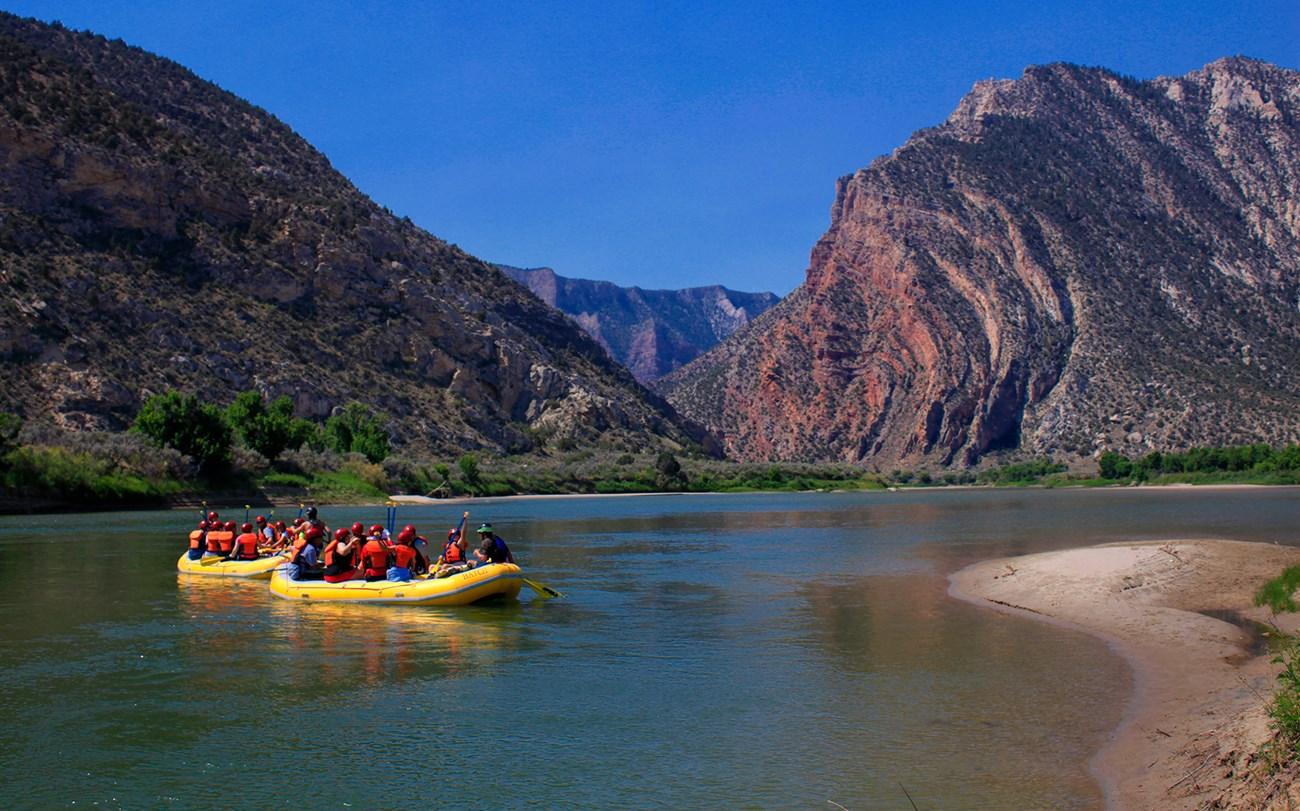
Explore Northwest Colorado for ski towns, ranching heritage, hot springs, river canyons, wildlife and wide-open high-country landscapes.
-
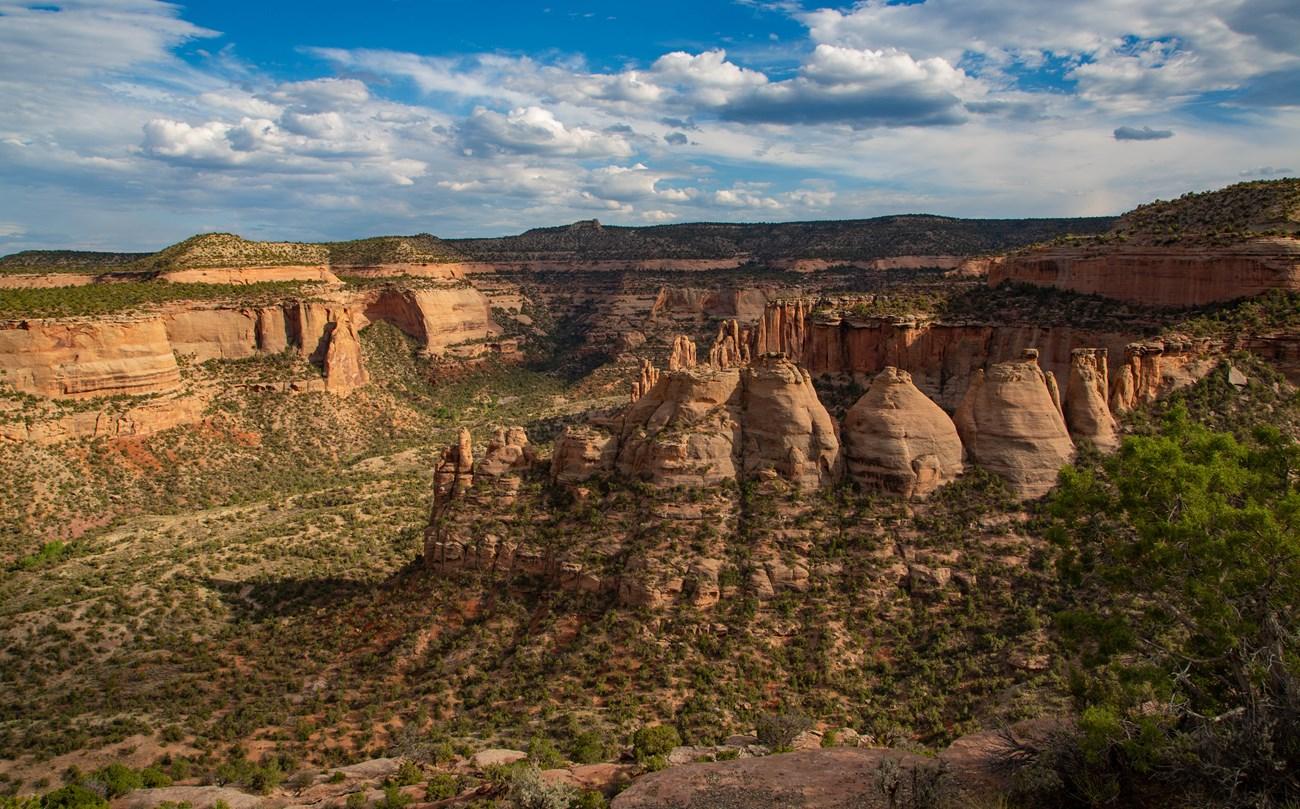 Colorado River Valley
Explore Colorado River Valley landscapes from alpine lakes and hot springs to canyon trails, orchards, vineyards and high-desert towns.
-

-

-


Swipe for more regions
Explore more

Explore more of Colorado
Discover Colorado: A stunning blend of rugged mountains, vibrant cities, and rich history, offering endless adventures and unforgettable experiences.
Explore Colorado