

Free Glenwood Springs Travel Guide & Mobile App
Plan your Glenwood Springs trip with Evendo. Get free guides to top attractions, restaurants, hotels, and bars. Web access or download the mobile app.


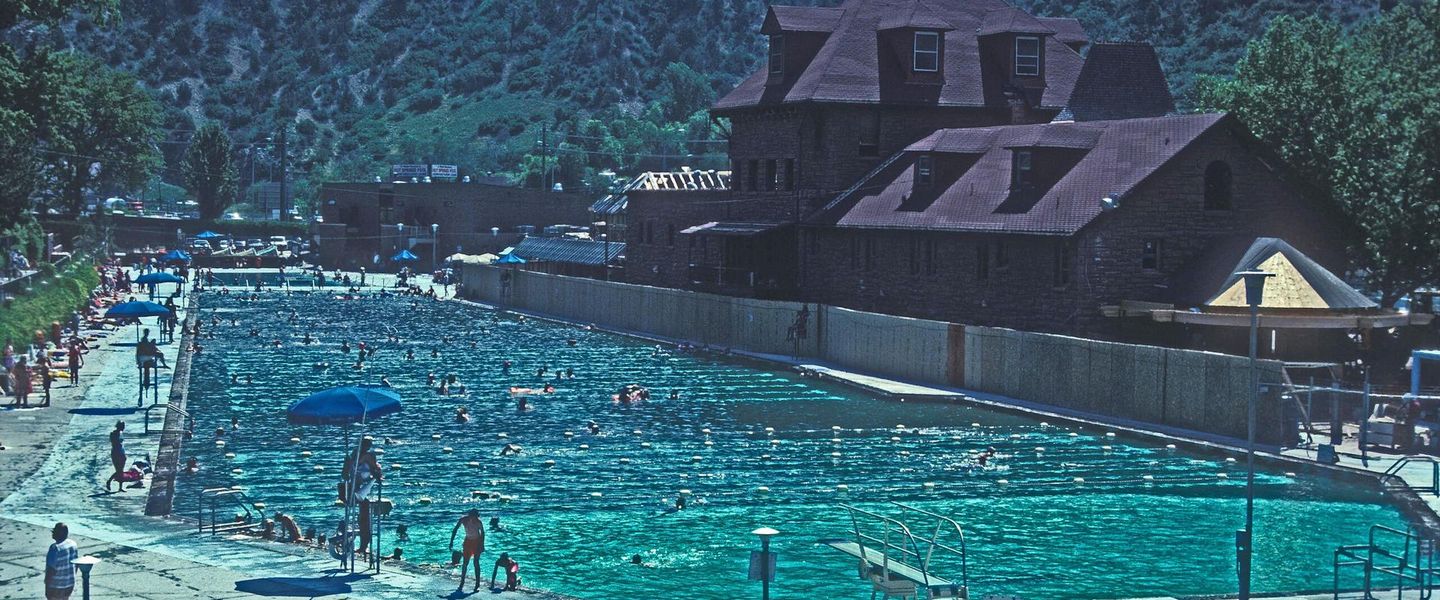


Glenwood Springs blends Colorado hot springs, mountain scenery, frontier history and outdoor adventures beside the Colorado River in the Rockies.
A Valley Shaped by Water and Mountains
Glenwood Springs occupies a dramatic stretch of Colorado's Roaring Fork Valley, where the Roaring Fork River meets the Colorado River beneath steep, forested slopes. The town is best known for its naturally heated mineral water, which has drawn visitors since the nineteenth century, but its appeal extends well beyond bathing. Downtown streets retain the atmosphere of a historic railway and resort town, while surrounding trails, canyons and high-country landscapes place outdoor recreation close to the centre.Read more about Glenwood Springs
History on the Main Street
Outdoor Life and Local Character
When is the best time to visit Glenwood Springs?
Best: June–August · 23–26°C| Month | High (°C) | Rainfall (mm) |
|---|---|---|
| January | 3 | 25 |
| February | 5 | 22 |
| March | 9 | 30 |
| April | 13 | 28 |
| May | 18 | 34 |
| June (best) | 23 | 28 |
| July (best) | 26 | 40 |
| August (best) | 26 | 38 |
| September | 21 | 30 |
| October | 15 | 25 |
| November | 8 | 28 |
| December | 2 | 30 |
Getting to and around Glenwood Springs
How to get there
Transportation
Best attractions in Glenwood Springs
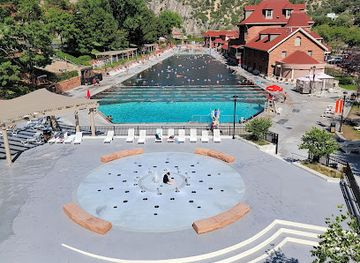
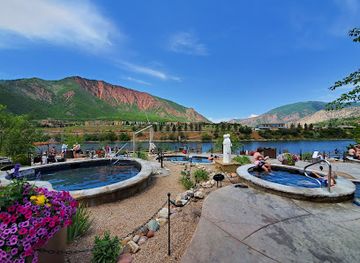
Glenwood Springs combines thermal water, underground geology and accessible mountain scenery. Glenwood Hot Springs Pool is the town's historic bathing centre, with a large mineral-water pool set against the surrounding peaks, while Iron Mountain Hot Springs offers a different experience through a series of pools overlooking the Colorado River. Glenwood Caverns Adventure Park, reached on Iron Mountain by gondola, pairs rides and views with guided access to caverns containing stalactites and other formations. The small Linwood Cemetery provides a brief, atmospheric walk to the grave associated with Doc Holliday, the frontier gambler and gunfighter. Along the valley floor, the Rio Grande Trail follows a former railway corridor beside the river and is suited to walking and cycling. Glenwood Canyon, east of town, adds canyon walls, river views and engineering interest, while Hanging Lake is a regulated natural attraction whose access and trail conditions should be checked in advance.
-
Public swimming pool
Glenwood Hot Springs Pool
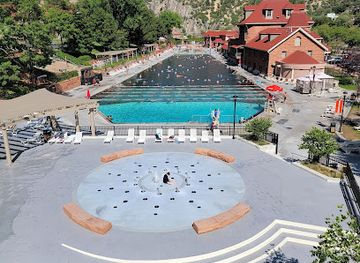
Soak in history and relaxation at Glenwood Hot Springs Pool, home to the world's largest mineral hot springs pool in the heart of the Rockies.
15 min walk · 1.2 km from city centre
-
Public swimming pool
Glenwood Hot Springs Pool
Experience the rejuvenating power of nature at Glenwood Hot Springs Pool, the world's largest hot springs pool surrounded by stunning Colorado landscapes.
15 min walk · 1.2 km from city centre
-
Tourist attraction
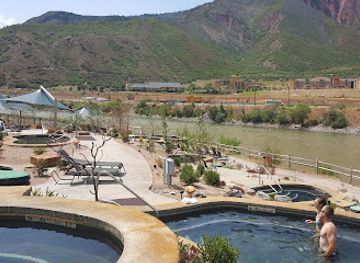
Iron Mountain Hot Springs
Relax and rejuvenate in Glenwood Springs at Iron Mountain Hot Springs, featuring 16 mineral pools with stunning Colorado River views.
14 min walk · 1.1 km from city centre
-
Tourist attraction
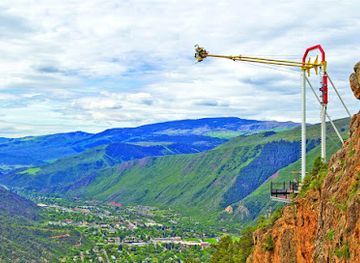
Glenwood Caverns Adventure Park
Experience thrilling rides and captivating cave tours at America's only mountaintop theme park, high above Glenwood Springs, Colorado.
11 min walk · 0.9 km from city centre


Best landmarks in Glenwood Springs
The defining landmark is Glenwood Hot Springs Pool, whose long association with the town's resort history gives its broad mineral-water basin civic as well as recreational importance. The Hotel Colorado, completed in 1893, is a prominent brick reminder of the railway-era resort town and remains one of Glenwood Springs' most recognisable historic buildings. The Yampah Spa and Vapor Caves represent the unusual geological character of the springs, using naturally heated vapour chambers beneath the hillside. Linwood Cemetery, reached on a wooded slope above town, contains the grave traditionally identified with Doc Holliday and connects Glenwood Springs with the mythology of the American frontier. The railway station and tracks remain significant markers of the transport network that enabled the town's growth, while the surrounding cliffs and river confluence form a natural geographical landmark against which its architecture is understood.
-
Public swimming pool
Glenwood Hot Springs Pool
Discover the therapeutic bliss of Glenwood Hot Springs Pool, the ultimate relaxation spot in the heart of Colorado's stunning Rocky Mountains.
15 min walk · 1.2 km from city centre
-
Public swimming pool
Iron Mountain Hot Springs
Discover relaxation and stunning views at Iron Mountain Hot Springs in Glenwood Springs, Colorado, with 16 mineral-rich soaking pools and a cozy café.
14 min walk · 1.1 km from city centre
-
Amusement park
Glenwood Caverns Adventure Park
Discover exhilarating rides and breathtaking views at Glenwood Caverns Adventure Park, a unique amusement park experience in the heart of Colorado.
11 min walk · 0.9 km from city centre
-
Restaurant
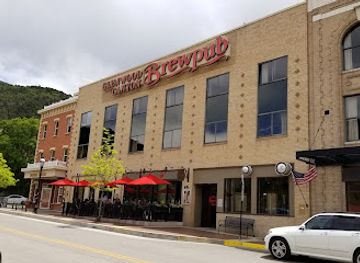
Glenwood Canyon Brewpub
Experience the essence of Colorado at Glenwood Canyon Brewpub, where craft beer meets delicious dining in a lively, inviting atmosphere.
13 min walk · 1.0 km from city centre
Explore Glenwood Springs on the map
Plan your Glenwood Springs trip on one map. See where the top attractions, landmarks, restaurants, bars and hotels are, find what's near where you're staying, and book hotels and experiences in a few clicks.
Best hotels in Glenwood Springs
Best restaurants in Glenwood Springs
Glenwood Springs' dining scene reflects western Colorado's position between resort country, ranching valleys and a lively outdoor culture. Restaurants in and around downtown range from casual cafés, bakeries and pizzerias to brewpubs, grills and more considered contemporary kitchens. Menus commonly draw on regional produce, beef, seasonal vegetables and Southwestern influences, while Mexican and Latin American cooking is part of the everyday local mix rather than a novelty. Breakfast is particularly useful for hikers and early travellers, with coffee shops and relaxed eateries serving substantial morning meals. The central streets provide the greatest concentration of independent dining, while the resort and riverside areas add settings shaped by the town's thermal-water identity. Food is generally informal and practical, matching a place where visitors may arrive from a trail, train journey or soak rather than an evening of formal dining.
-
Restaurant
Glenwood Canyon Brewpub
Discover craft brews and delicious bites at Glenwood Canyon Brewpub in scenic Glenwood Springs - a perfect stop for foodies and beer lovers alike.
13 min walk · 1.0 km from city centre
-
American
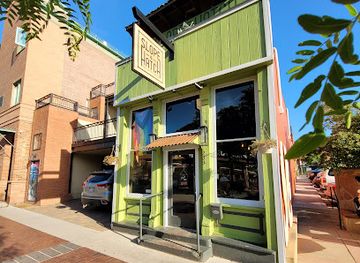
Slope & Hatch
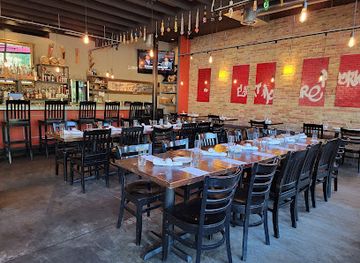
Discover the innovative flavors at Slope & Hatch in Glenwood Springs - where traditional tacos meet creative cocktails in a cozy setting.
11 min walk · 0.8 km from city centre
-
Steak
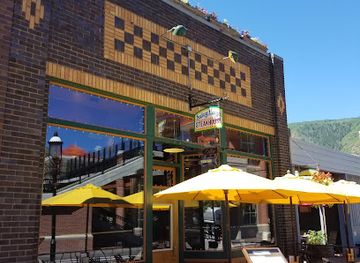
Juicy Lucy's Steakhouse
Discover culinary excellence at Juicy Lucy's Steakhouse in Glenwood Springs – where every bite is a celebration of flavor.
12 min walk · 0.9 km from city centre
-
Breakfast
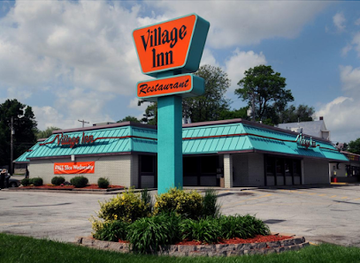
Village Inn
Experience delightful breakfasts and mouthwatering pies at Village Inn in Glenwood Springs - a family-friendly American restaurant.
10 min walk · 0.8 km from city centre
Best bars in Glenwood Springs
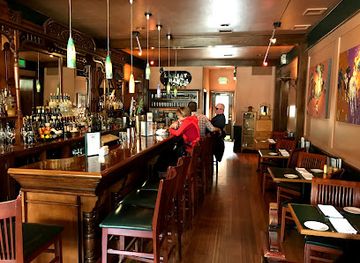
Glenwood Springs has a sociable but comparatively compact evening scene, centred largely on downtown bars, brewpubs, restaurants and live entertainment rather than large nightclubs. Local drinking culture favours Colorado craft beer, cocktails and relaxed conversation, with venues frequented by residents, railway travellers and people returning from the mountains. Some establishments host live music or other performances, while the historic Hotel Colorado contributes an atmospheric setting linked to the town's resort past. Evening walks around the central streets and river corridors can be pleasant, but the town quietens earlier than Colorado's larger cities and late-night options are limited. Cultural events, seasonal concerts and performances at local venues may provide alternatives to bar-hopping, although programmes and opening arrangements change. Responsible drinking and arranged transport are important when moving between dispersed accommodation and venues, especially in winter weather.
-
Restaurant
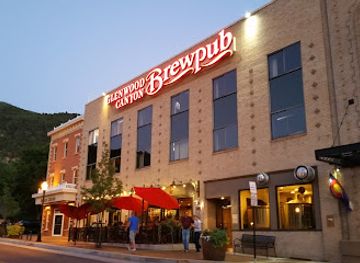
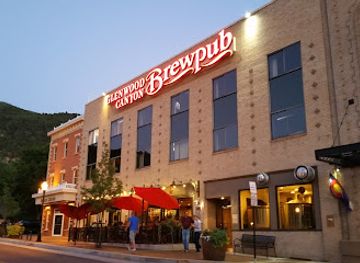
Glenwood Canyon Brewpub
Discover Glenwood Canyon Brewpub: A delightful restaurant in Glenwood Springs offering local brews and delicious meals amidst stunning mountain views.
13 min walk · 1.0 km from city centre
-
American
Slope & Hatch
Discover the vibrant flavors of Slope & Hatch, where innovative tacos and crafted cocktails redefine American dining in Glenwood Springs.
11 min walk · 0.8 km from city centre
-
Bar
Juicy Lucy's Steakhouse
Experience the best of American cuisine at Juicy Lucy's Steakhouse in Glenwood Springs, where every meal is a celebration of flavor and hospitality.
12 min walk · 0.9 km from city centre
-
Breakfast
19th Street Diner
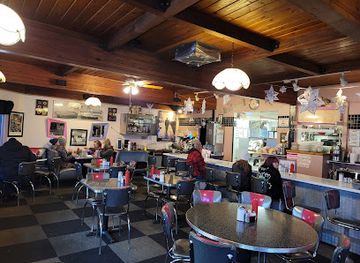
Experience hearty breakfasts and American classics at the 19th Street Diner in Glenwood Springs, a local favorite for comfort food.
5 min drive · 1.7 km from city centre

Best nightclubs in Glenwood Springs
Glenwood Springs has a sociable but comparatively compact evening scene, centred largely on downtown bars, brewpubs, restaurants and live entertainment rather than large nightclubs. Local drinking culture favours Colorado craft beer, cocktails and relaxed conversation, with venues frequented by residents, railway travellers and people returning from the mountains. Some establishments host live music or other performances, while the historic Hotel Colorado contributes an atmospheric setting linked to the town's resort past. Evening walks around the central streets and river corridors can be pleasant, but the town quietens earlier than Colorado's larger cities and late-night options are limited. Cultural events, seasonal concerts and performances at local venues may provide alternatives to bar-hopping, although programmes and opening arrangements change. Responsible drinking and arranged transport are important when moving between dispersed accommodation and venues, especially in winter weather.
-
American
The Pullman
Experience the vibrant flavors of American cuisine at The Pullman in Glenwood Springs, where local ingredients meet a lively atmosphere.
12 min walk · 1.0 km from city centre
-
Grill
Doc Holliday's Saloon and Restaurant
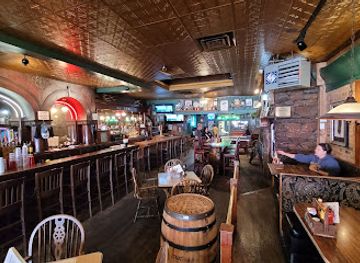
Indulge in a taste of the Wild West at Doc Holliday's Saloon and Restaurant, where history meets hearty cuisine in Glenwood Springs.
11 min walk · 0.9 km from city centre
-
Bar
Chili's Grill & Bar
Experience the vibrant fusion of American and Tex-Mex flavors at Chili's Grill & Bar in Glenwood Springs, Colorado.
18 min walk · 1.4 km from city centre
-
American
Riviera Supper Club and Scratch Kitchen
Experience exquisite American cuisine and an extensive wine selection in the charming Riviera Supper Club and Scratch Kitchen, Glenwood Springs.
11 min walk · 0.9 km from city centre
Best shops in Glenwood Springs
Shopping in Glenwood Springs is concentrated around the downtown core, where independent stores, galleries, outdoor retailers, bookshops and gift shops serve both residents and visitors. Merchandise tends to reflect the landscape and local lifestyle: practical hiking and cycling equipment, western-inspired clothing, locally made art, jewellery, pottery and small keepsakes associated with Colorado's mountains. The town's thermal-water heritage also shapes the souvenir trade, with bath products and resort-themed gifts appearing alongside regional food items and craft beverages. Rather than a large-scale luxury shopping destination, Glenwood Springs offers a compact main-street experience mixed with everyday services and specialist outdoor businesses. Visitors can also find artwork and handmade goods connected to the wider Western Slope, while the farmers' market scene, when operating seasonally, provides an opportunity to browse local produce and prepared foods. Availability varies by season and individual shop.
-
Shopping mall
Glenwood Springs Shopping Mall
Discover the Glenwood Springs Shopping Mall: Your one-stop destination for shopping, dining, and entertainment in the heart of Colorado.
17 min walk · 1.4 km from city centre
-
Shopping mall
Glenwood Springs Mall
Experience the charm of Glenwood Springs Mall, where shopping meets the breathtaking beauty of Colorado.
9 min drive · 3.2 km from city centre
-
Clothing store
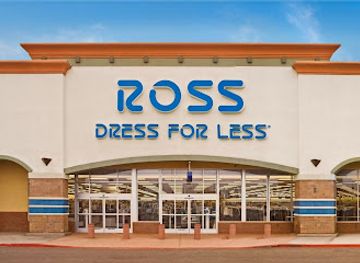
Ross Dress for Less
Explore fashion-forward savings at Ross Dress for Less in Glenwood Springs, where style meets affordability for every traveler.
10 min drive · 3.2 km from city centre
-
Department store
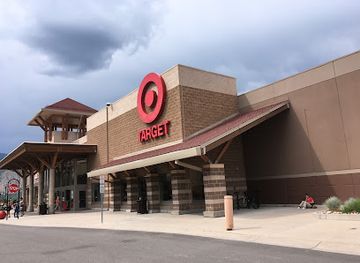
Target
Discover an unparalleled shopping experience at Target in Glenwood Springs, where variety meets affordability across multiple product categories.
17 min walk · 1.4 km from city centre
Get your free copy of our complete guide to Glenwood Springs, delivered straight to you.
Everything on this page, from attractions and restaurants to essentials and local phrases, in one PDF you can read offline, print or share.
Already have an account? Sign in
Your Glenwood Springs guide is ready.
We'll send it to · Not you? Sign out

Getting your guide ready…
We are putting together a fresh copy of the Glenwood Springs guide. This can take up to a minute.
This can take a few moments. If your browser asks, choose Allow so the download can start. You'll find the guide in your Downloads folder.
Nothing happened? Download it again
Sorry, the guide is taking longer than usual. Please try again in a minute, or get it by email instead.
Glenwood Springs essentials
Currency and Payment
Safety
Emergency Situations
Do's and Don'ts
Local Tips
From Eve
Local phrases worth knowing
You don't need to get them perfect. A few words go a long way, and locals appreciate the effort.
Basics
| English | Local | Say it |
|---|---|---|
| Hello | Howdy | [hah-dee] |
| Goodbye | Catch you later | [ketch yew lay-ter] |
| Yes | Yep | [yep] |
| No | Nah | [nah] |
| Please/You're welcome | Please/No problem | [pleez/no problum] |
| Thank you | Thanks a bunch | [thanks uh bunch] |
| Excuse me/Sorry | Pardon me/My bad | [pahr-dun me/my bad] |
| How are you? | Howdy, how ya doin'? | [hah-dee, how yuh doo-in] |
| Fine. And you? | I'm doin' just fine. And yourself? | [ahm doo-in just fine. And yer-self] |
| Do you speak English? | Ya speak English? | [yah speak Ing-glish] |
| I don't understand | I'm lost | [ahm lost] |
Eating & Drinking
| English | Local | Say it |
|---|---|---|
| I'd like to see the menu, please | Mind showin' me the menu? | [mynd show-in me the menu] |
| I don't eat meat | I'm a veggie | [ahm uh ved-jee] |
| Cheers! | Here's to ya! | [heerz tuh yah] |
| I would like to pay, please | I'll settle up, if ya please | [ahll set-tul up, if yuh pleez] |
Emergencies
| English | Local | Say it |
|---|---|---|
| Help! | SOS! | [ess-oh-ess] |
| Go away! | Get lost! | [get lost] |
| Call the Police! | Ring the cops! | [ring the cops] |
| Call a doctor! | Get a doc on the line! | [get uh doc on the line] |
| I'm lost | I'm all turned around | [ahm all turned around] |
| I'm ill | I'm feelin' poorly | [ahm feel-in poor-lee] |
Shopping
| English | Local | Say it |
|---|---|---|
| I'd like to buy... | I reckon I'll take... | [ah reckon ahll take] |
| I'm just looking | Just browsin' around | [just brow-sin around] |
| How much is it? | What's the damage? | [whats the dam-ij] |
| That's too expensive | That's a bit steep | [thats uh bit steep] |
| Can you lower the price? | Any wiggle room on this? | [an-ee wig-ul room on this] |
Time & Numbers
| English | Local | Say it |
|---|---|---|
| What time is it? | What's the time? | [whats the time] |
| It's one o'clock | It's one | [its one] |
| Half past (10) | Ten-thirty | [ten-thur-tee] |
| Morning | Mornin' | [morn-in] |
| Afternoon | Afternoon | [after-noon] |
| Evening | Evenin' | [even-in] |
| Yesterday | Yest'day | [yess-tuh-day] |
| Today | Today | [to-day] |
| Tomorrow | Tomorrow | [to-mor-row] |
| 1 | One | [wun] |
| 2 | Two | [too] |
| 3 | Three | [three] |
| 4 | Four | [for] |
| 5 | Five | [five] |
| 6 | Six | [six] |
| 7 | Seven | [sev-un] |
| 8 | Eight | [ate] |
| 9 | Nine | [nine] |
| 10 | Ten | [ten] |
Transport & Directions
| English | Local | Say it |
|---|---|---|
| Where's a/the...? | Where's the...? | [wheres the] |
| What's the address? | What's the addy? | [whats the add-ee] |
| Can you show me (on the map)? | Can ya point it out (on the map)? | [can yuh point it out on the map] |
| When's the next (bus)? | When's the next (bus)? | [whens the next bus] |
| A ticket (to ....) | A pass (to ....) | [uh pass to] |
History of Glenwood Springs
Ute Lands and Early Encounters
The Glenwood Springs area lies within the traditional homeland of the Ute peoples, whose communities travelled through and used the valleys and mountains of western Colorado long before the arrival of American settlers. The hot springs were part of this wider landscape of rivers, hunting grounds and seasonal movement. During the nineteenth century, increasing pressure from settlement, mining and federal policy displaced Ute communities from much of their territory. The history of Glenwood Springs therefore begins not with the town's resort development, but with the Indigenous presence that shaped the region and remains essential to understanding western Colorado's past.
Settlement Around the Springs
A permanent non-Indigenous settlement emerged in the late 1870s, when prospectors, traders and entrepreneurs were attracted by the area's natural resources and strategic position at the junction of the Colorado and Roaring Fork rivers. The settlement was initially known as Defiance before taking the name Glenwood Springs. Its thermal waters quickly became central to the town's identity, while nearby mining and ranching supported the growing community. The valley's geography made it both a place of habitation and an important route into the mountains, linking local development with the wider expansion of the American West.
Railways and Resort Development
The arrival of the Denver and Rio Grande Western Railway in the 1880s transformed Glenwood Springs by connecting the valley with larger markets and making the hot springs more accessible to travellers. The town was incorporated in 1885, and investment followed in bathing facilities, hotels and civic buildings. The Hotel Colorado, opened in 1893, became a prominent symbol of the resort era, built to accommodate visitors attracted by the climate and mineral waters. Rail access also strengthened commercial connections between Glenwood Springs, mining communities and the agricultural settlements of the Roaring Fork Valley.
A Nationally Known Health Resort
By the late nineteenth and early twentieth centuries, Glenwood Springs had developed a reputation as a health and leisure resort. The thermal pool and nearby vapour caves offered bathing experiences that combined recreation with the era's enthusiasm for mineral-water treatments. The town attracted tourists, railway travellers and prominent figures, helping establish a hospitality economy that remains important today. Its historic centre, railway infrastructure and surviving resort buildings reflect this period of growth, when Glenwood Springs was marketed as a mountain destination rather than simply a service town for mining and ranching.
Mining, Industry and Valley Change
The surrounding region was shaped by mining, especially coal mining in the lower Roaring Fork Valley, as well as agriculture, timber and transport. These industries brought workers and investment but also linked local prosperity to cycles of extraction and economic change. Glenwood Springs developed as a commercial and administrative centre for the valley, while improved roads and railways altered the relationship between the town and its mountain hinterland. Later tourism and outdoor recreation broadened the economy, although the landscape still shows the influence of earlier industrial activity and the infrastructure built to serve it.
Modern Glenwood Springs
In the twentieth and twenty-first centuries, Glenwood Springs consolidated its role as a year-round destination based on hot springs, heritage tourism and access to the surrounding mountains. The construction of Interstate 70 through Glenwood Canyon improved road connections while creating major engineering and environmental debates about the valley's landscape. Today, historic sites, river corridors, recreational trails and thermal facilities coexist with a working population and regional transport network. The result is a town whose modern identity remains closely connected to the natural features that first encouraged settlement and resort development.
Glenwood Springs in Photos
Browse through our photo collection highlighting the charm and character of the destination.
Cities near Glenwood Springs
The closest cities to Glenwood Springs, if you have time for more than one stop.
-
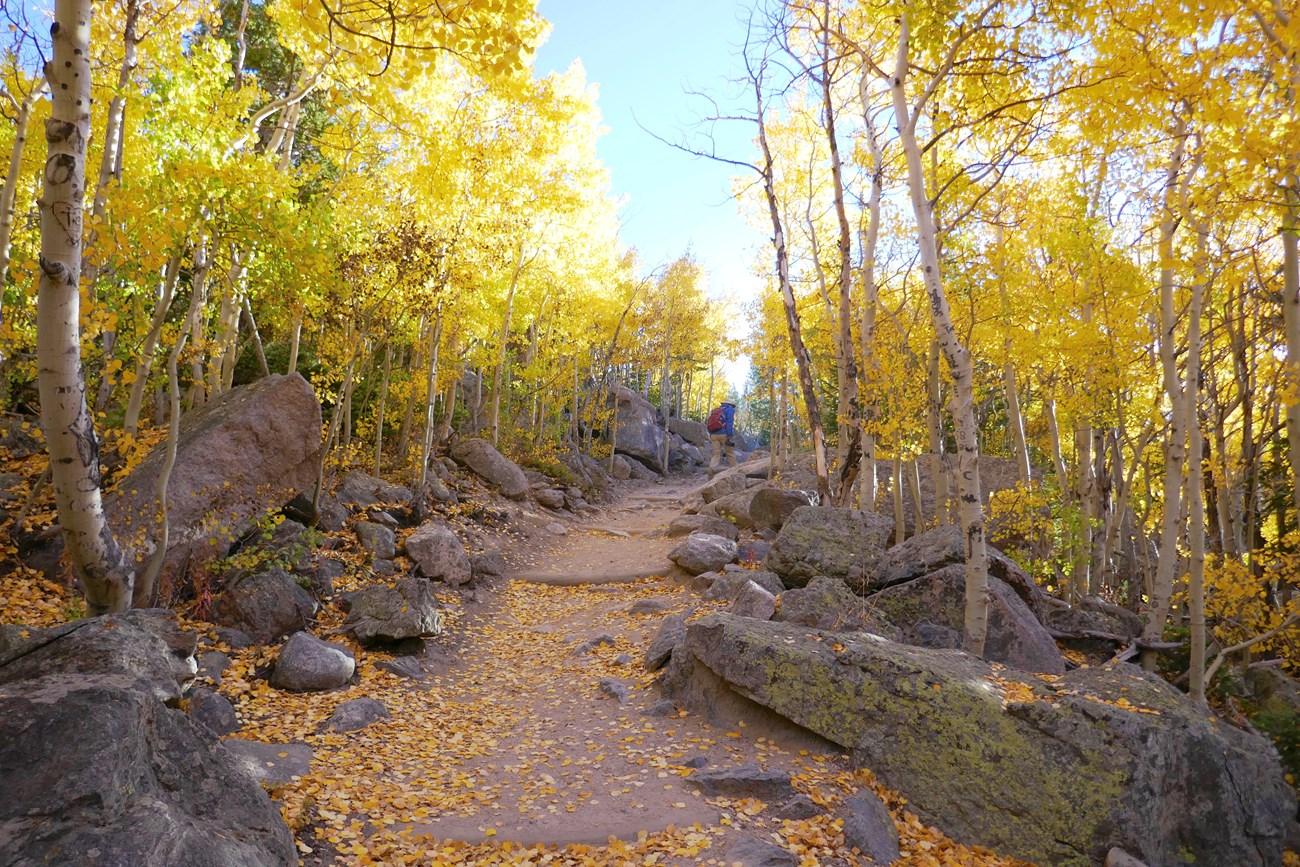 Aspen
Aspen, Colorado blends silver-mining history, Rocky Mountain scenery, world-class skiing, arts, dining and year-round outdoor adventures in every season.
1 h 19 min drive · 59 km from city centre
Aspen
Aspen, Colorado blends silver-mining history, Rocky Mountain scenery, world-class skiing, arts, dining and year-round outdoor adventures in every season.
1 h 19 min drive · 59 km from city centre
-

-

-

-


Swipe for more cities
Explore more

Explore more of Colorado
Discover Colorado: A stunning blend of rugged mountains, vibrant cities, and rich history, offering endless adventures and unforgettable experiences.
Explore Colorado