
Colorado River Valley, Colorado Travel Guide
Discover the Colorado River Valley: A Journey Through Nature's Wonders and Historic Charm in Colorado.
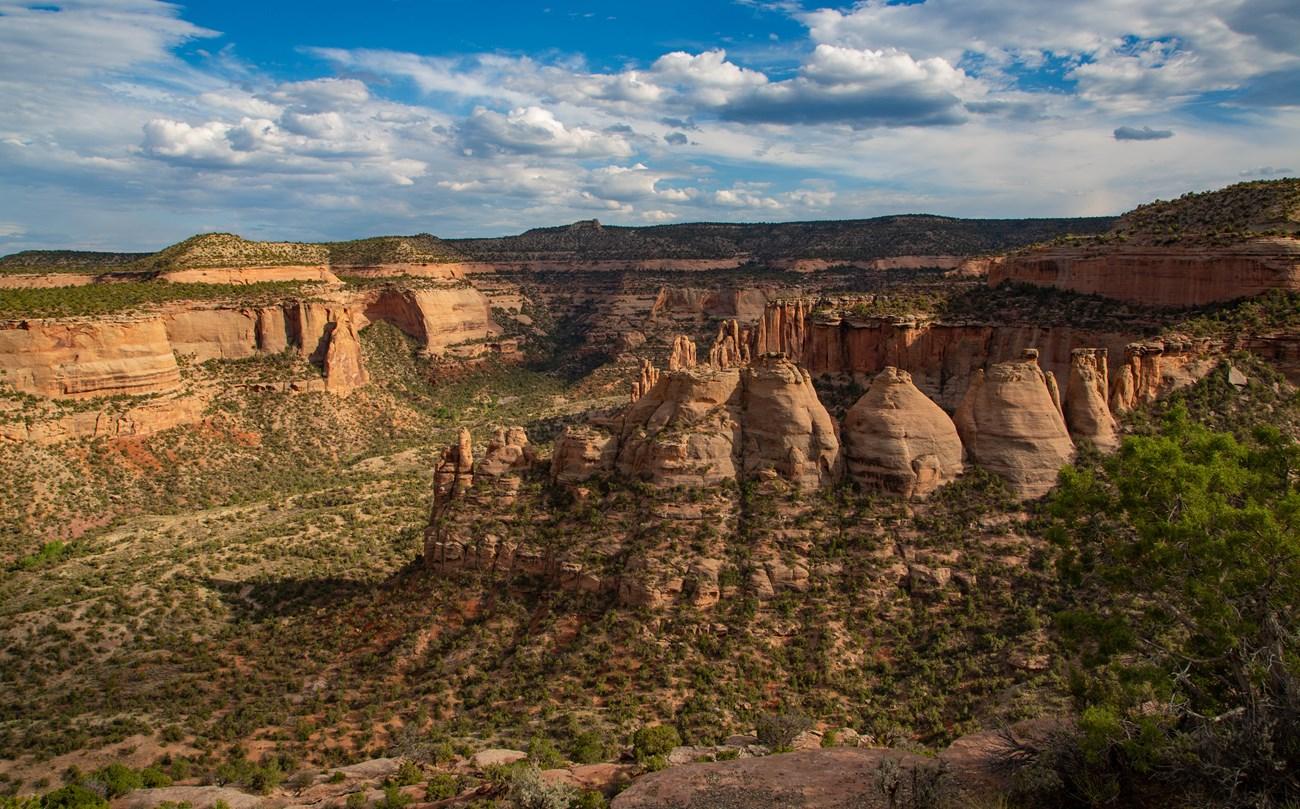
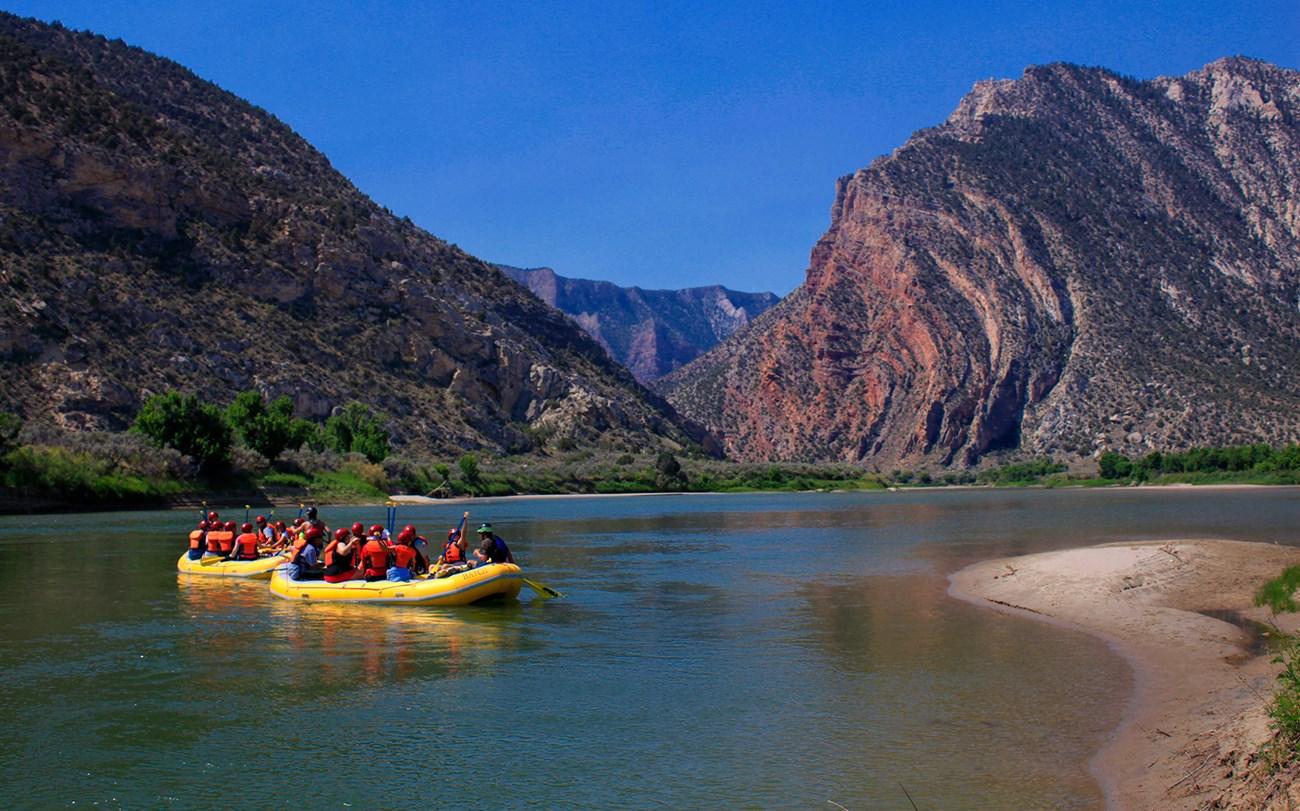
Nestled in the heart of Colorado, the Colorado River Valley offers a stunning blend of rugged landscapes, serene waters, and abundant wildlife. This picturesque destination is a haven for outdoor enthusiasts and nature lovers alike. From towering red rock cliffs to lush green meadows, the valley's diverse scenery is sure to captivate visitors of all ages. The Colorado River itself is a centerpiece of the valley, providing endless opportunities for water-based activities. Adventurers can enjoy white-water rafting, kayaking, and fishing in the river's crystal-clear waters. For those seeking a more relaxed experience, scenic boat tours offer a tranquil way to take in the valley's breathtaking vistas. Beyond the river, the valley is home to numerous hiking and biking trails that wind through its varied terrain. Trails like the Colorado River Trail offer panoramic views of the landscape and are suitable for all skill levels. Wildlife enthusiasts will be delighted by the chance to spot elk, deer, and a variety of bird species in their natural habitats. History buffs will appreciate a visit to the historic towns and sites scattered throughout the valley. These locations offer a glimpse into the rich cultural heritage of the area, from Native American history to the pioneering spirit of early settlers. Local museums and heritage centers provide fascinating insights and exhibits that bring the past to life.

Know before you go
Hi, I'm Eve. Here are a few practical things to know before exploring Colorado River Valley.
- Visit during the spring or fall for the best weather and fewer tourists.
- Wear sturdy hiking boots and bring plenty of water for outdoor activities.
- Check local regulations for fishing permits if you plan to fish.
- Book guided tours in advance, especially during peak seasons.
- Don't forget your camera to capture the stunning landscapes and wildlife.
- Explore local eateries and try regional specialties for a taste of Colorado.
Top City Travel Guides in Colorado River Valley
The cities of Colorado River Valley, and the easiest places to base yourself.


Destinations in Colorado River Valley
Resorts, valleys and scenic spots worth a trip of their own.

Explore Colorado River Valley: Things to Do, Places to Eat, Hotels & More
Handpicked recommendations for top attractions, local dining, accommodations, and more

Top Attractions & Sightseeing in Colorado River Valley
Top-rated picks
Best Attractions

Garden of the Gods
Explore towering red rock formations, hike scenic trails, and discover the ancient history of this free and unforgettable Colorado landmark.

Rocky Mountain National Park
Discover breathtaking alpine scenery, abundant wildlife, and endless outdoor adventures in Colorado's majestic Rocky Mountain National Park.

Mesa Verde National Park
Discover the ancient cliff dwellings and rich cultural heritage of the Ancestral Pueblo people at Mesa Verde National Park in Colorado.

Black Canyon of the Gunnison National Park
Discover the dramatic depths of Black Canyon of the Gunnison National Park, a Colorado gem of towering cliffs and ancient rock formations.

Best landmarks in Colorado River Valley
Top-rated picks
Best Landmarks

Garden of the Gods
Explore the breathtaking beauty of Garden of the Gods in Colorado Springs, where majestic red rock formations meet outdoor adventure in a stunning natural setting.

Cave of the Winds Mountain Park
Discover the ultimate adventure at Cave of the Winds Mountain Park, where thrilling attractions meet stunning natural beauty in Colorado.

Great Sand Dunes National Park and Preserve
Experience the natural wonder of Great Sand Dunes National Park and Preserve, where towering dunes meet stunning mountain vistas in Colorado's breathtaking wilderness.

Mesa Verde National Park
Discover the majestic Mesa Verde National Park, where ancient cliff dwellings meet stunning Colorado landscapes for an unforgettable adventure.

Best restaurants in Colorado River Valley
Top-rated picks
Best Restaurants

Kona Grill - Denver
Experience exquisite American cuisine with a twist at Kona Grill in Denver's Cherry Creek Mall - perfect for food lovers!

Yard House
Experience vibrant dining at Yard House in Denver's Central Business District with diverse New American cuisine and an extensive selection of beers.
The Rabbit Hole
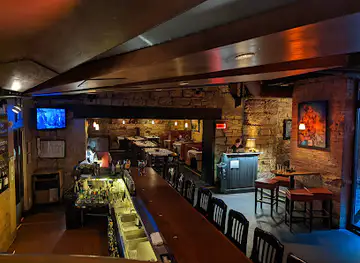
Discover exquisite American cuisine at The Rabbit Hole in Colorado Springs – where fine dining meets a whimsical atmosphere.

The Melting Pot
Experience the art of fondue at The Melting Pot in Littleton - where every meal is a celebration of flavor and togetherness.

Best bars in Colorado River Valley
Top-rated picks
Best Bars

Green Valley Ranch Beer Garden
Experience the best of craft beers, mouth-watering barbecue, and live music at the Green Valley Ranch Beer Garden in Denver.

Boathouse Cantina
Experience the best of American and Mexican cuisine at Boathouse Cantina in Downtown Salida, Colorado, with stunning views and a vibrant atmosphere.

Platte River Bar and Grill
Discover the Platte River Bar and Grill, where great food meets stunning riverside views in the heart of Littleton, Colorado.

The Wapiti Colorado Pub
Experience Colorado's craft beers and hearty comfort food in the heart of Estes Park at The Wapiti Colorado Pub.

Best nightclubs in Colorado River Valley
Top-rated picks
Best Nightclubs

The Whiskey Baron Dance Hall & Saloon
Discover the vibrant nightlife at The Whiskey Baron Dance Hall & Saloon, where great drinks meet exhilarating live music and dancing in Colorado Springs.

Copperhead Road Bar & Nightclub
Discover the pulse of Colorado Springs nightlife at Copperhead Road Bar & Nightclub, where great food, drinks, and music unite for an unforgettable experience.

Blondie's
Experience the lively nightlife at Blondie's, a premier bar and nightclub in downtown Colorado Springs, perfect for socializing and fun.

Cowboys
Experience the vibrant nightlife at Cowboys, the premier night club in Colorado Springs, offering great drinks, dancing, and unforgettable moments.

Best shops in Colorado River Valley
Top-rated picks
Best Shops

Garden of the Gods Trading Post
Explore the Garden of the Gods Trading Post for unique gifts, local art, and delicious treats in stunning Colorado.

American Classics Marketplace
Explore a world of nostalgia and unique finds at the American Classics Marketplace, the ultimate destination for antique lovers in Colorado Springs.

Murdoch's Ranch & Home Supply
Explore Murdoch's Ranch & Home Supply in Fraser, CO, for a unique blend of clothing, hardware, and outdoor gear perfect for your Colorado adventures.

MY Colorado Store
Explore a treasure trove of authentic Colorado souvenirs at MY Colorado Store, your go-to shop for unique gifts and local delights.

Explore Colorado River Valley on the Map
A handpicked selection of must-see spots in Colorado River Valley, mapped for you.
Colorado River Valley Essentials
-
The Colorado River Valley in Colorado is accessible by various means. The nearest major airport is Denver International Airport (DEN), about 3-4 hours' drive from the valley. From the airport, you can rent a car, take a shuttle service, or use public transportation to reach the valley. If you prefer traveling by train, Amtrak's California Zephyr route stops in Glenwood Springs, a key town in the valley. Bus services like Greyhound and regional carriers also provide access to the area.
-
Once in the Colorado River Valley, you have several transportation options. Renting a car is the most flexible way to explore, especially for accessing remote areas and scenic drives. Public transportation is limited but available in larger towns like Glenwood Springs and Grand Junction. Biking is also popular, with numerous trails and bike rental shops. For shorter distances, consider walking or using rideshare services like Uber and Lyft.
-
The official currency is the US Dollar (USD). Credit and debit cards are widely accepted in hotels, restaurants, and shops. However, it's advisable to carry some cash for smaller establishments and rural areas. ATMs are readily available in most towns within the valley.
-
The Colorado River Valley is generally safe for tourists. However, some areas in larger towns like Grand Junction have higher crime rates, particularly for property crimes. It's best to avoid poorly lit areas at night and always be aware of your surroundings. Keep your belongings secure and avoid leaving valuables in your car.
-
In case of an emergency, dial 911 for police, fire, or medical assistance. Hospitals and medical facilities are available in major towns like Grand Junction and Glenwood Springs. It's recommended to have travel insurance that covers medical emergencies. For minor health issues, pharmacies are available in most towns.
-
Fashion: Do dress in layers, as the weather can change rapidly. Don't wear overly revealing clothing in public spaces. Religion: Do respect local customs and any religious sites you may visit. Public Transport: Do be polite and offer your seat to elderly passengers. Don't eat or drink on public transport. Greetings: Do greet people with a smile or a handshake. Don't be overly familiar with strangers. Eating & Drinking: Do try local specialties like Rocky Mountain oysters. Don't refuse hospitality, as it is considered impolite.
-
To experience the Colorado River Valley like a local, visit farmers' markets for fresh produce and artisanal goods. Engage with locals at community events and outdoor activities like hiking, fishing, and river rafting. For a unique experience, take a soak in the natural hot springs in Glenwood Springs or visit the local wineries in Palisade. Don't miss the scenic drives along Route 128 and the Colorado River Road for breathtaking views.
When is the best time to visit Colorado River Valley?
Useful Local Phrases for Colorado River Valley
You don't need to speak the language perfectly. Even learning a few simple words can make conversations warmer—and locals usually appreciate the effort.
— Eve

Here are the phrases I use most often in Colorado River Valley. Try a few—you'll be surprised how far they go! 😊
❤️
-
- HelloHowdy
[haʊdi] - GoodbyeSee ya
[si jə] - YesYep
[jɛp] - NoNope
[noʊp] - Please/You're welcomeSure thing
[ʃʊr θɪŋ] - Thank youThanks
[θæŋks] - Excuse me/SorryPardon me
[ˈpɑrdən mi] - How are you?How's it going?
[haʊz ɪt ˈɡoʊɪŋ] - Fine. And you?Good. And you?
[ɡʊd. ənd ju] - Do you speak English?You speak English?
[ju spiːk ˈɪŋɡlɪʃ] - I don't understandI don't get it
[aɪ doʊnt ɡɛt ɪt]
- HelloHowdy
-
- I'd like to see the menu, pleaseCan I see the menu?
[kæn aɪ si ðə ˈmɛnju] - I don't eat meatI'm vegetarian
[aɪm ˌvɛdʒəˈtɛriən] - Cheers!Cheers!
[ʧɪrz] - I would like to pay, pleaseCan I get the check?
[kæn aɪ ɡɛt ðə ʧɛk]
- I'd like to see the menu, pleaseCan I see the menu?
-
- Help!Help!
[hɛlp] - Go away!Leave me alone!
[liːv mi əˈloʊn] - Call the Police!Call 911!
[kɔl naɪn wʌn wʌn] - Call a doctor!Get a doctor!
[ɡɛt ə ˈdɑktər] - I'm lostI'm turned around
[aɪm tɜrnd əˈraʊnd] - I'm illI'm not feeling well
[aɪm nɑt ˈfiːlɪŋ wɛl]
- Help!Help!
-
- I'd like to buy...I want to buy...
[aɪ wɑnt tu baɪ] - I'm just lookingJust browsing
[ʤʌst ˈbraʊzɪŋ] - How much is it?What's the price?
[wʌts ðə praɪs] - That's too expensiveThat's pricey
[ðæts ˈpraɪsi] - Can you lower the price?Can you bring the price down?
[kæn ju brɪŋ ðə praɪs daʊn]
- I'd like to buy...I want to buy...
-
- What time is it?What time is it?
[wʌt taɪm ɪz ɪt] - It's one o'clockIt's one o'clock
[ɪts wʌn əˈklɑk] - Half past (10)Half past ten
[hæf pæst tɛn] - MorningMorning
[ˈmɔrnɪŋ] - AfternoonAfternoon
[ˌæftərˈnun] - EveningEvening
[ˈivnɪŋ] - YesterdayYesterday
[ˈjɛstərdeɪ] - TodayToday
[təˈdeɪ] - TomorrowTomorrow
[təˈmɑroʊ] - 1One
[wʌn] - 2Two
[tu] - 3Three
[θri] - 4Four
[fɔr] - 5Five
[faɪv] - 6Six
[sɪks] - 7Seven
[ˈsɛvən] - 8Eight
[eɪt] - 9Nine
[naɪn] - 10Ten
[tɛn]
- What time is it?What time is it?
-
- Where's a/the...?Where's the...?
[wɛrz ðə] - What's the address?What's the address?
[wʌts ði əˈdrɛs] - Can you show me (on the map)?Can you point it out?
[kæn ju pɔɪnt ɪt aʊt] - When's the next (bus)?When's the next bus?
[wɛn z ðə nɛkst bʌs] - A ticket (to ....)One ticket to...
[wʌn ˈtɪkɪt tu]
- Where's a/the...?Where's the...?
History of Colorado River Valley
-
The Colorado River Valley in Colorado was once home to the Ancestral Puebloans, also known as the Anasazi. These ancient people inhabited the region from around AD 200 to AD 1300. They built intricate cliff dwellings and adobe structures, evidence of which can still be seen in various archaeological sites. Their sophisticated irrigation systems and agricultural techniques allowed them to thrive in the arid landscape.
-
In the 16th century, Spanish explorers ventured into the Colorado River Valley in search of wealth and new territories. One of the most notable expeditions was led by Francisco Vázquez de Coronado in 1540. Although Coronado did not find the fabled Seven Cities of Gold, his journey marked the beginning of European interest in the region.
-
During the early 19th century, the Colorado River Valley became a significant area for the fur trade. Trappers and traders, including notable figures like Kit Carson and Jim Bridger, frequented the region. The establishment of trading posts and forts facilitated commerce between Native American tribes and European settlers, playing a crucial role in the economic development of the valley.
-
The discovery of gold in the mid-19th century brought a wave of settlers to the Colorado River Valley. The Pike's Peak Gold Rush of 1859 attracted thousands of prospectors, leading to rapid population growth and the establishment of boomtowns. This period significantly altered the social and economic landscape of the valley, with mining becoming a central industry.
-
The Ute Native American tribes traditionally inhabited the Colorado River Valley. However, the influx of settlers and the U.S. government's westward expansion policies led to the forced relocation of the Ute people. The 1868 Treaty of Fort Laramie and subsequent agreements resulted in the Utes being moved to reservations, significantly impacting their traditional way of life.
-
In the late 19th and early 20th centuries, the Colorado River Valley saw significant agricultural development. Farmers utilized the river for irrigation, transforming the arid landscape into fertile farmland. The construction of canals and reservoirs, such as the Grand Valley Project, played a pivotal role in supporting the region's agricultural economy.
-
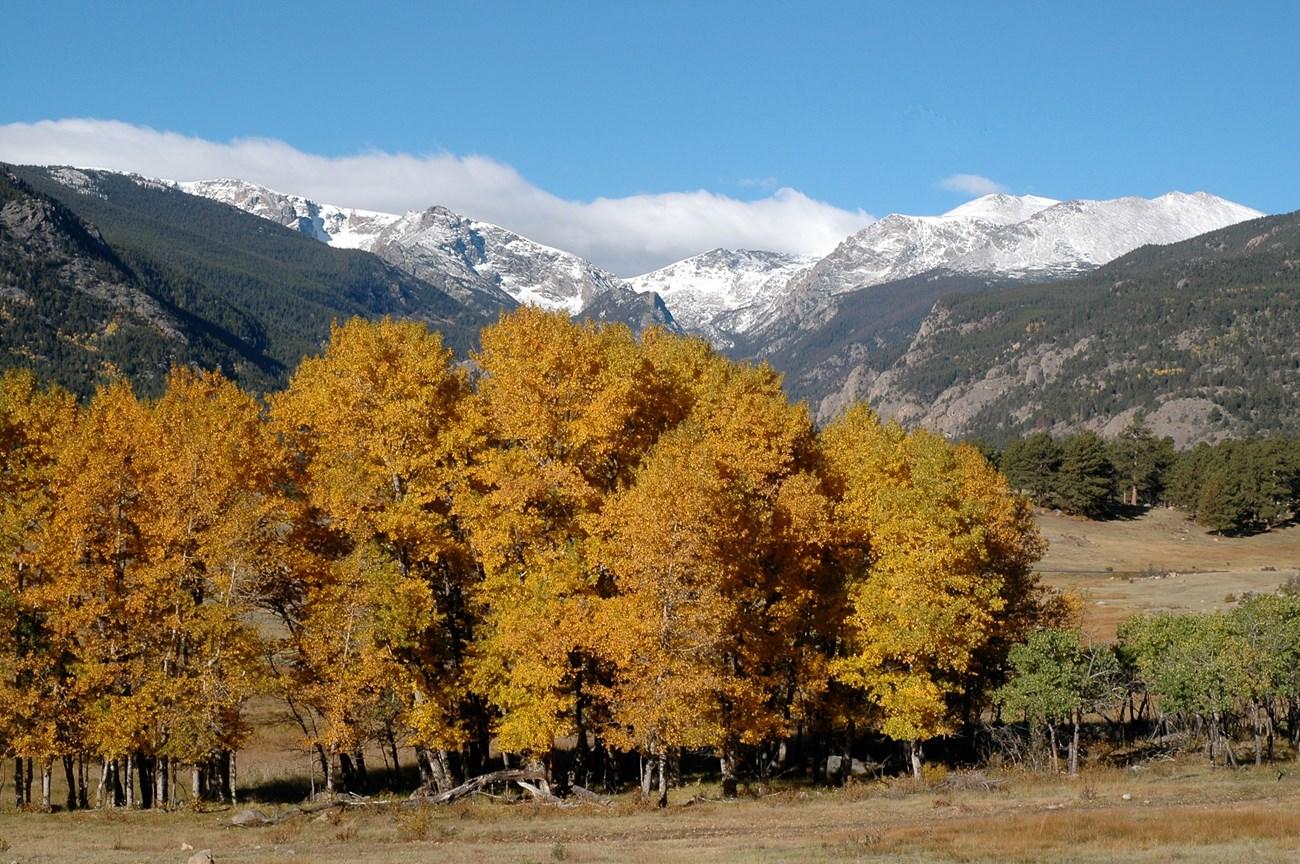
Today, the Colorado River Valley is renowned for its natural beauty and recreational opportunities. The establishment of national parks, wildlife refuges, and conservation areas has helped preserve the valley's unique ecosystems. Activities like rafting, hiking, and fishing attract tourists from around the world, making the valley a popular destination for outdoor enthusiasts.
Neighbouring Regions of Colorado River Valley
The closest regions to Colorado River Valley, if you have time for more than one.




Your all‑in‑one travel companion app
Explore expert travel guides, compare and book tours, experiences, hotels, and more—all from the palm of your hand. Download now for seamless trip planning wherever your wanderlust takes you.


Explore More of Colorado

Looking beyond Colorado River Valley? Discover Colorado for broader travel guides, local hot-spots, and regional highlights.
Explore ColoradoColorado River Valley in Photos
Browse through our photo collection highlighting the charm and character of the destination.
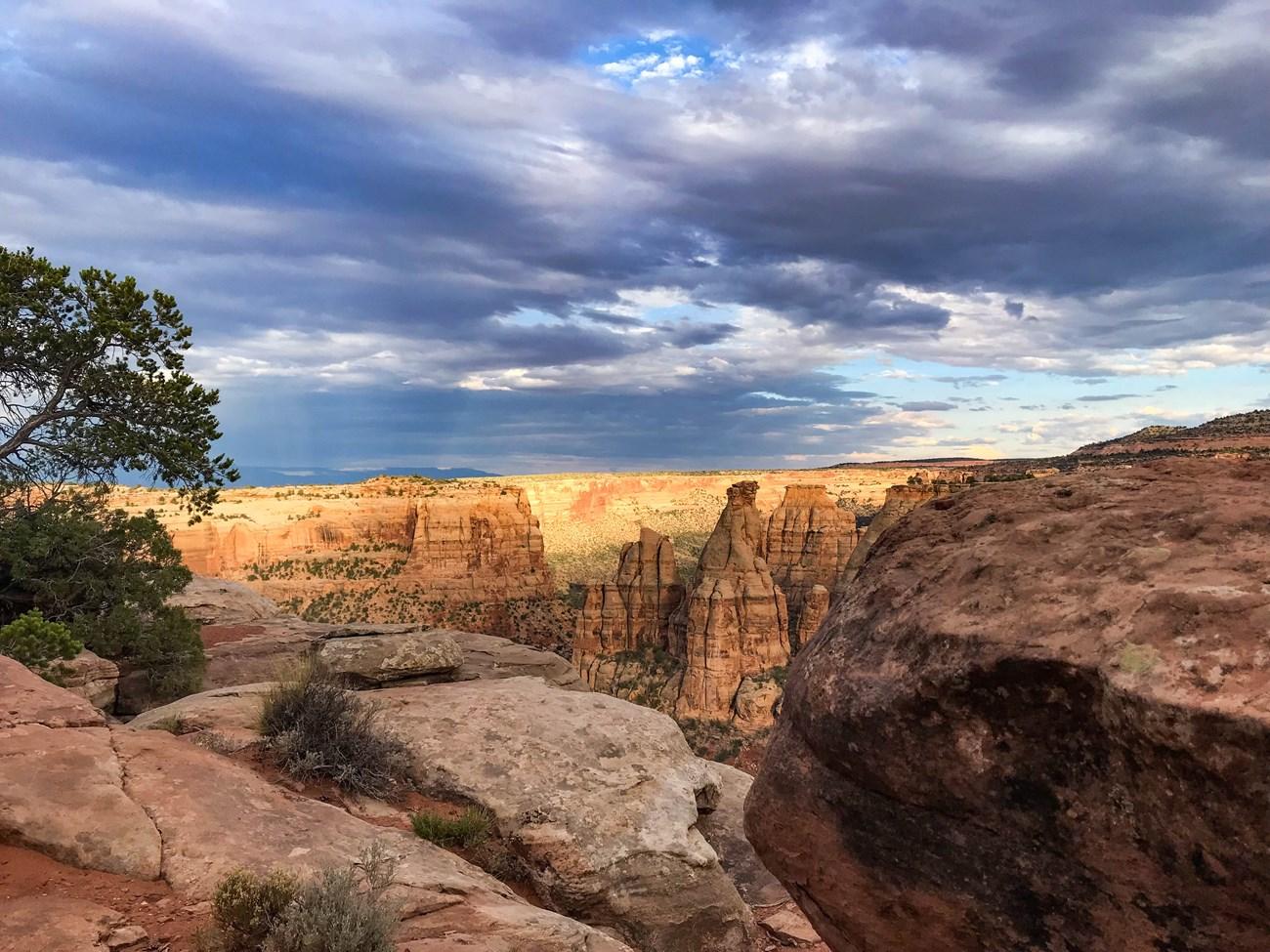


The Majestic Colorado River Valley: Nature's Playground in Colorado
Nestled in the heart of Colorado, the Colorado River Valley offers a stunning blend of rugged landscapes, serene waters, and abundant wildlife. This picturesque destination is a haven for outdoor enthusiasts and nature lovers alike. From towering red rock cliffs to lush green meadows, the valley's diverse scenery is sure to captivate visitors of all ages. The Colorado River itself is a centerpiece of the valley, providing endless opportunities for water-based activities. Adventurers can enjoy white-water rafting, kayaking, and fishing in the river's crystal-clear waters. For those seeking a more relaxed experience, scenic boat tours offer a tranquil way to take in the valley's breathtaking vistas. Beyond the river, the valley is home to numerous hiking and biking trails that wind through its varied terrain. Trails like the Colorado River Trail offer panoramic views of the landscape and are suitable for all skill levels. Wildlife enthusiasts will be delighted by the chance to spot elk, deer, and a variety of bird species in their natural habitats. History buffs will appreciate a visit to the historic towns and sites scattered throughout the valley. These locations offer a glimpse into the rich cultural heritage of the area, from Native American history to the pioneering spirit of early settlers. Local museums and heritage centers provide fascinating insights and exhibits that bring the past to life.