

Elk Mountains, Colorado Travel Guide
Discover the Elk Mountains in Colorado: A haven for outdoor enthusiasts with stunning landscapes, diverse wildlife, and year-round adventure opportunities.
Nestled in the heart of Colorado, the Elk Mountains offer a serene escape for nature lovers and adventure seekers alike. This stunning range is part of the larger Rocky Mountains and boasts some of the most pristine landscapes in the United States. With its towering peaks, lush forests, and crystal-clear streams, the Elk Mountains are a paradise for hikers, photographers, and outdoor enthusiasts. Aspen and Crested Butte, two charming towns at the foothills of the Elk Mountains, serve as perfect bases for exploring this natural wonder. Visitors can enjoy world-class skiing in the winter and breathtaking hikes in the summer. One of the most popular trails is the Maroon Bells, which provides an unforgettable view of the iconic twin peaks reflected in Maroon Lake. For a more challenging adventure, the Capitol Peak offers a thrilling climb with rewarding panoramic vistas. Beyond its natural beauty, the Elk Mountains are rich in wildlife. Keep an eye out for elk, deer, and even the occasional black bear as you wander through this untouched wilderness. The area is also dotted with historical mining sites, offering a glimpse into Colorado's storied past. Whether you're seeking solitude in nature or an adrenaline-pumping adventure, the Elk Mountains are a must-visit destination that promises to leave you in awe.

Know before you go
Hi, I'm Eve. Here are a few practical things to know before exploring Elk Mountains.
- Visit during the fall for spectacular foliage and fewer crowds.
- Wear layers; weather can change quickly in the mountains.
- Carry bear spray and know how to use it, as wildlife encounters are common.
- Book accommodations in advance, especially during peak seasons.
- Check trail conditions before hiking, especially in spring when snowmelt can make paths slippery.
Top City Travel Guides in Elk Mountains
The cities of Elk Mountains, and the easiest places to base yourself.


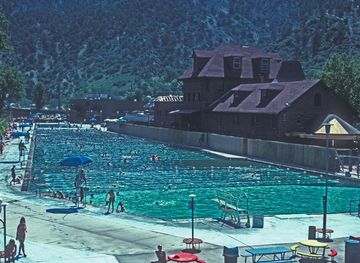
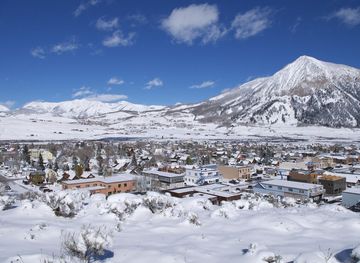

Destinations in Elk Mountains
Resorts, valleys and scenic spots worth a trip of their own.

Explore Elk Mountains: Things to Do, Places to Eat, Hotels & More
Handpicked recommendations for top attractions, local dining, accommodations, and more

Top Attractions & Sightseeing in Elk Mountains
Top-rated picks
Best Attractions

Rocky Mountain National Park
Discover the majestic peaks, pristine lakes, and diverse wildlife of Colorado's iconic Rocky Mountain National Park. Open 24/7, year-round!

Glenwood Caverns Adventure Park
Experience thrilling rides and captivating cave tours at America's only mountaintop theme park in Glenwood Springs, Colorado.

Gunnison National Forest
Explore Colorado's vast Gunnison National Forest: hiking, camping, biking, and stunning wilderness await in this outdoor paradise.

Maroon Bells Scenic Area
Experience the majestic beauty of the Maroon Bells: iconic peaks, pristine lake, and unforgettable alpine scenery in the heart of the Colorado Rockies.

Best landmarks in Elk Mountains
Top-rated picks
Best Landmarks

Maroon Bells Scenic Area
Experience the breathtaking beauty of the Maroon Bells Scenic Area, a must-visit destination for nature lovers and outdoor enthusiasts in Aspen, Colorado.

T-Lazy-7 Ranch and Snowmobiles
Explore the breathtaking winter landscapes of Aspen with thrilling snowmobile adventures at T-Lazy-7 Ranch, perfect for all skill levels and families.

Independence Ghost Town
Discover the rich history and stunning scenery at Independence Ghost Town, a captivating glimpse into Colorado's past amidst breathtaking mountain views.

Ashcroft Ghost Town
Discover the enchanting Ashcroft Ghost Town, a hauntingly beautiful reminder of Colorado's silver mining past, amid breathtaking mountain scenery.

Best restaurants in Elk Mountains
Top-rated picks
Best Restaurants

The Rabbit Hole
Discover exquisite American cuisine at The Rabbit Hole, where fine dining meets a vibrant cocktail culture in downtown Colorado Springs.

Linger
Experience innovative global cuisine at Linger in Denver's Highland neighborhood with stunning rooftop views.

Buckhorn Exchange
Discover Denver's historic Buckhorn Exchange – where exquisite steaks meet exotic flavors in an iconic Western atmosphere.

The Fort
Discover The Fort: An iconic American steakhouse in Morrison, Colorado offering exquisite steaks and craft cocktails amidst stunning scenery.

Best bars in Elk Mountains
Top-rated picks
Best Bars

The Rock Inn Mountain Tavern
Experience the charm of The Rock Inn Mountain Tavern, where delicious American cuisine meets the breathtaking scenery of Estes Park.

Slow Groovin BBQ
Discover the authentic taste of Colorado barbecue at Slow Groovin BBQ, where every bite tells a story of tradition and flavor.

Wheel Bar
Discover the lively Wheel Bar in Estes Park, a cocktail haven blending local charm with a vibrant nightlife experience.

Woody Creek Tavern
Discover the Woody Creek Tavern, where American and Mexican flavors meet in a quirky atmosphere, perfect for unwinding after your Colorado adventures.

Best nightclubs in Elk Mountains
Top-rated picks
Best Nightclubs

Umbrella Bar
Discover the Umbrella Bar: A scenic grill in Crested Butte offering delicious food, refreshing drinks, and breathtaking mountain views.

Cecilia's Nightclub and Cocktail Bar
Experience the vibrant nightlife at Cecilia's Nightclub and Cocktail Bar in Breckenridge, where creative cocktails and lively ambiance await.

The Speakeasy
Discover the vibrant nightlife at The Speakeasy in Longmont, Colorado, where cocktails, live music, and an unforgettable atmosphere await.

Las Adelitas Night Club
Experience vibrant Latin nightlife at Las Adelitas Night Club in Aurora, CO, where music, dance, and culture unite for an unforgettable night out.

Best shops in Elk Mountains
Top-rated picks
Best Shops

Pearl Street Mall
Explore the unique shops and vibrant atmosphere of Pearl Street Mall in Boulder, Colorado – a shopper's paradise and cultural hub.

Sasquatch Outpost
Explore Sasquatch Outpost in Bailey, Colorado, for unique souvenirs and delightful gifts inspired by the Rocky Mountains.

Fifty Two 80's A Totally Awesome Shop
Experience the vibrant nostalgia of the 80's at Fifty Two 80's, a collectible and vintage shop bursting with retro treasures.

Avalanche Ranch
Discover the perfect harmony of relaxation and adventure at Avalanche Ranch, a serene spa and historic retreat in Colorado's stunning landscapes.

Explore Elk Mountains on the Map
A handpicked selection of must-see spots in Elk Mountains, mapped for you.
Elk Mountains Essentials
-
The Elk Mountains are located in western Colorado, with the nearest major airport being Aspen/Pitkin County Airport (ASE). For international travelers, Denver International Airport (DEN) is another option, about 200 miles away. From Denver, you can rent a car or take a scenic bus or train ride to Aspen. If you're driving, the Elk Mountains can be accessed via Interstate 70 and State Highway 82.
-
In the Elk Mountains area, the primary modes of transportation include rental cars, taxis, and shuttle services. The Roaring Fork Transportation Authority (RFTA) operates buses connecting Aspen with nearby towns like Snowmass Village, Basalt, and Glenwood Springs. If you prefer cycling, many areas offer bike rentals, and there are extensive bike paths to explore.
-
The official currency is the United States Dollar (USD). Credit and debit cards are widely accepted, but it is advisable to carry some cash for smaller establishments and tipping. ATMs are available in most towns, but make sure to notify your bank of your travel plans to avoid any issues with card use.
-
The Elk Mountains are generally safe for tourists, but it is always wise to take standard precautions. Avoid leaving valuables in your car and be cautious in isolated areas, especially after dark. The downtown area of Aspen is well-policed, but remain vigilant in more remote parts of the mountains. It's recommended to check local advisories for any specific areas to avoid.
-
In case of emergency, dial 911 for immediate assistance. There are medical facilities in Aspen and nearby towns, including Aspen Valley Hospital. For non-life-threatening situations, there are clinics and pharmacies throughout the area. It's advisable to have travel insurance that covers medical emergencies and outdoor activities.
-
Fashion: Do wear layers and appropriate outdoor gear, as weather can change rapidly. Avoid wearing heavy perfumes or colognes when hiking. Religion: Do respect local cultural events and religious sites. Public Transport: Do have exact change or a pass for bus rides. Don’t eat or drink on public transport. Greetings: Do greet people with a friendly 'hello' or 'hi'. A handshake is common but not mandatory. Eating & Drinking: Do try local specialties and be open to new flavors. Don’t leave large tips; 15-20% is customary.
-
To experience the Elk Mountains like a local, visit during the off-peak seasons of late spring and early fall. Explore local farmers' markets for fresh produce and artisanal goods. Attend community events or festivals if your visit coincides with them. For the best hiking experiences, talk to local rangers or residents who can provide insider tips on lesser-known trails. Don't miss the Maroon Bells, one of the most photographed spots in North America.
When is the best time to visit Elk Mountains?
Useful Local Phrases for Elk Mountains
You don't need to speak the language perfectly. Even learning a few simple words can make conversations warmer—and locals usually appreciate the effort.
— Eve

Here are the phrases I use most often in Elk Mountains. Try a few—you'll be surprised how far they go! 😊
❤️
-
- HelloHowdy
[How-dee] - GoodbyeSee ya later
[See ya lay-ter] - YesYep
[Yep] - NoNope
[Nope] - Please/You're welcomeSure thing
[Shur thing] - Thank youThanks a lot
[Thanks uh lot] - Excuse me/SorryPardon me
[Par-dun me] - How are you?How's it going?
[How's it goin'?] - Fine. And you?Good. And you?
[Good. An' you?] - Do you speak English?Do ya speak English?
[Do ya speak English?] - I don't understandI don't get it
[I don't get it]
- HelloHowdy
-
- I'd like to see the menu, pleaseCan I see the menu?
[Can I see the menu?] - I don't eat meatI'm a vegetarian
[I'm a vege-tair-ian] - Cheers!Cheers!
[Cheers!] - I would like to pay, pleaseCan I get the check?
[Can I get the check?]
- I'd like to see the menu, pleaseCan I see the menu?
-
- Help!Help!
[Help!] - Go away!Leave me alone!
[Leave me alone!] - Call the Police!Call the cops!
[Call the cops!] - Call a doctor!Get a doctor!
[Get a doctor!] - I'm lostI'm turned around
[I'm turned around] - I'm illI'm not feeling well
[I'm not feelin' well]
- Help!Help!
-
- I'd like to buy...I'm looking to buy...
[I'm lookin' to buy...] - I'm just lookingJust browsing
[Just browsin'] - How much is it?What’s the price?
[What's the price?] - That's too expensiveThat costs too much
[That costs too much] - Can you lower the price?Can you make it cheaper?
[Can you make it cheaper?]
- I'd like to buy...I'm looking to buy...
-
- What time is it?What’s the time?
[What's the time?] - It's one o'clockIt's one o'clock
[It's one o'clock] - Half past (10)Half past ten
[Half past ten] - MorningMorning
[Morning] - AfternoonAfternoon
[Afternoon] - EveningEvening
[Evening] - YesterdayYesterday
[Yesterday] - TodayToday
[Today] - TomorrowTomorrow
[Tomorrow] - 1One
[One] - 2Two
[Two] - 3Three
[Three] - 4Four
[Four] - 5Five
[Five] - 6Six
[Six] - 7Seven
[Seven] - 8Eight
[Eight] - 9Nine
[Nine] - 10Ten
[Ten]
- What time is it?What’s the time?
-
- Where's a/the...?Where's the...?
[Where's the...?] - What's the address?What’s the address?
[What's the address?] - Can you show me (on the map)?Can you point it out?
[Can you point it out?] - When's the next (bus)?When's the next bus?
[When's the next bus?] - A ticket (to ....)A ticket to...
[A ticket to...]
- Where's a/the...?Where's the...?
History of Elk Mountains
-
Long before European settlers arrived, the Elk Mountains were inhabited by the Ute people. This Native American tribe thrived in the region, hunting elk and deer, and gathering plants for food and medicine. The Utes had a deep spiritual connection to the land, which they believed housed powerful spirits and deities.
-
In the early 1800s, European explorers began to venture into the Elk Mountains. Notable among them was Captain Zebulon Pike, who mapped parts of the Rockies. The rugged terrain and harsh conditions made exploration challenging, but the promise of untapped resources lured many.
-
The discovery of silver and other precious metals in the late 19th century led to a mining boom in the Elk Mountains. Towns like Crested Butte and Aspen sprang to life almost overnight as prospectors flocked to the area, transforming it into a bustling hub of activity. However, the boom was short-lived, and many towns became ghost towns as resources dwindled.
-
The arrival of the railroad in the late 1800s was a pivotal moment in the history of the Elk Mountains. The Denver and Rio Grande Western Railroad made it easier to transport ore, supplies, and people, accelerating the development of towns and industries. The railroad also opened up the area to tourism, attracting visitors to the breathtaking landscapes.
-
In the mid-20th century, the Elk Mountains became a premier destination for skiing and outdoor recreation. Aspen, in particular, rose to international fame as a ski resort, attracting celebrities and winter sports enthusiasts. The establishment of ski resorts and the promotion of outdoor activities helped to sustain the local economy and preserve the natural beauty of the region.
-
Throughout the 20th and 21st centuries, there have been significant efforts to preserve the natural environment of the Elk Mountains. National forests and wilderness areas have been established to protect the diverse ecosystems and wildlife. These conservation efforts aim to balance the needs of tourism and recreation with the importance of maintaining the pristine condition of the landscape.
Neighbouring Regions of Elk Mountains
The closest regions to Elk Mountains, if you have time for more than one.

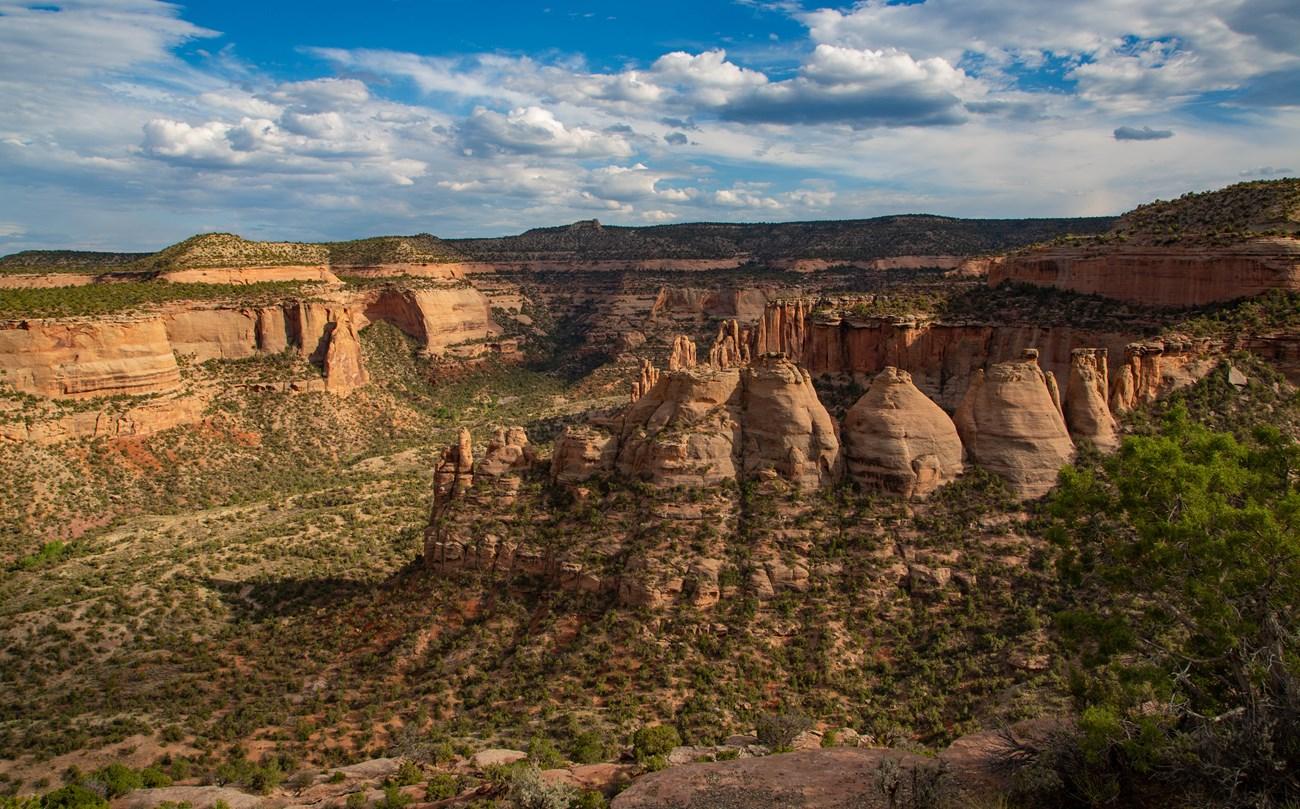
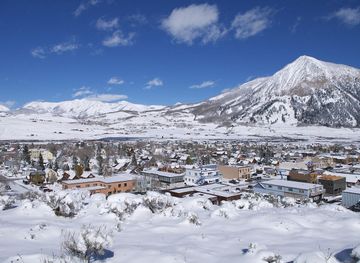


Your all‑in‑one travel companion app
Explore expert travel guides, compare and book tours, experiences, hotels, and more—all from the palm of your hand. Download now for seamless trip planning wherever your wanderlust takes you.


Explore More of Colorado

Looking beyond Elk Mountains? Discover Colorado for broader travel guides, local hot-spots, and regional highlights.
Explore ColoradoElk Mountains in Photos
Browse through our photo collection highlighting the charm and character of the destination.



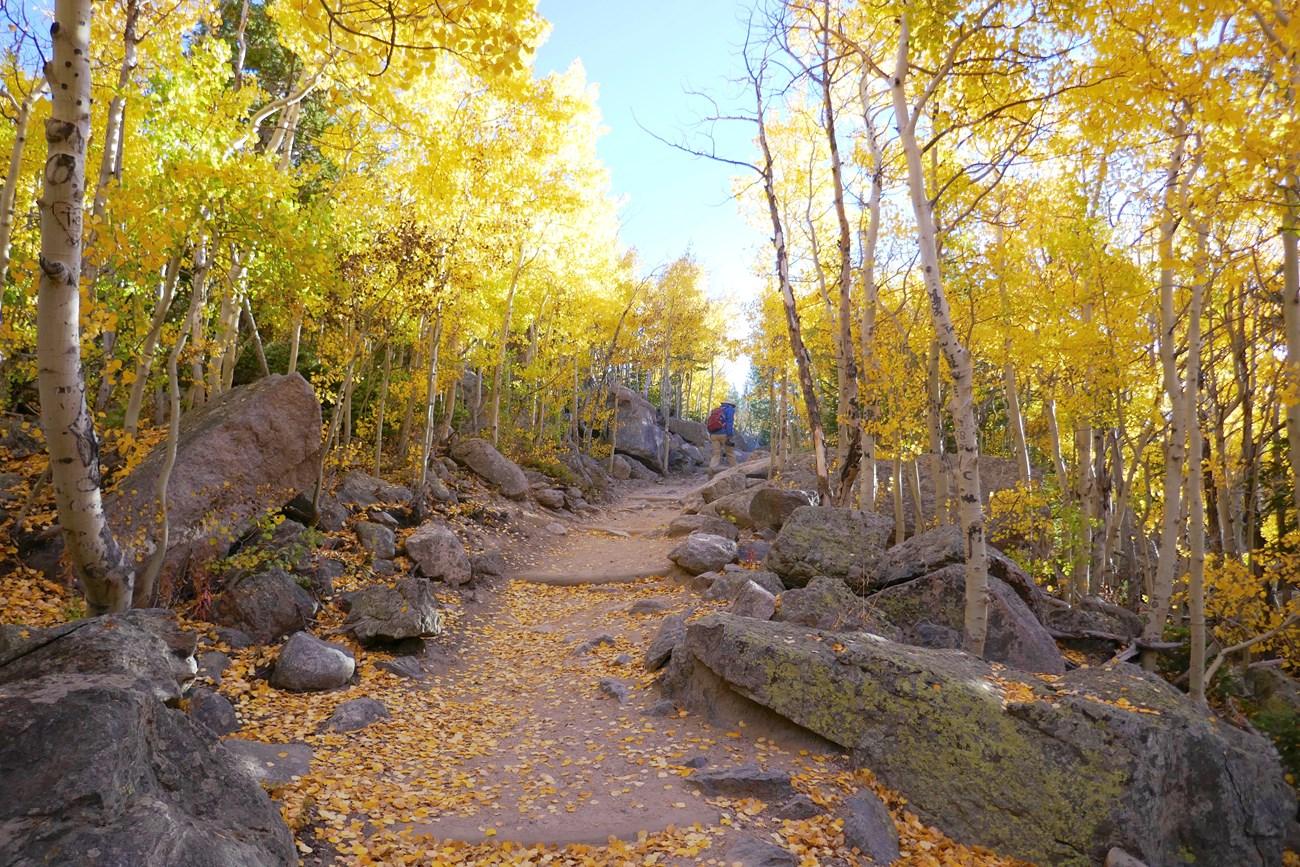
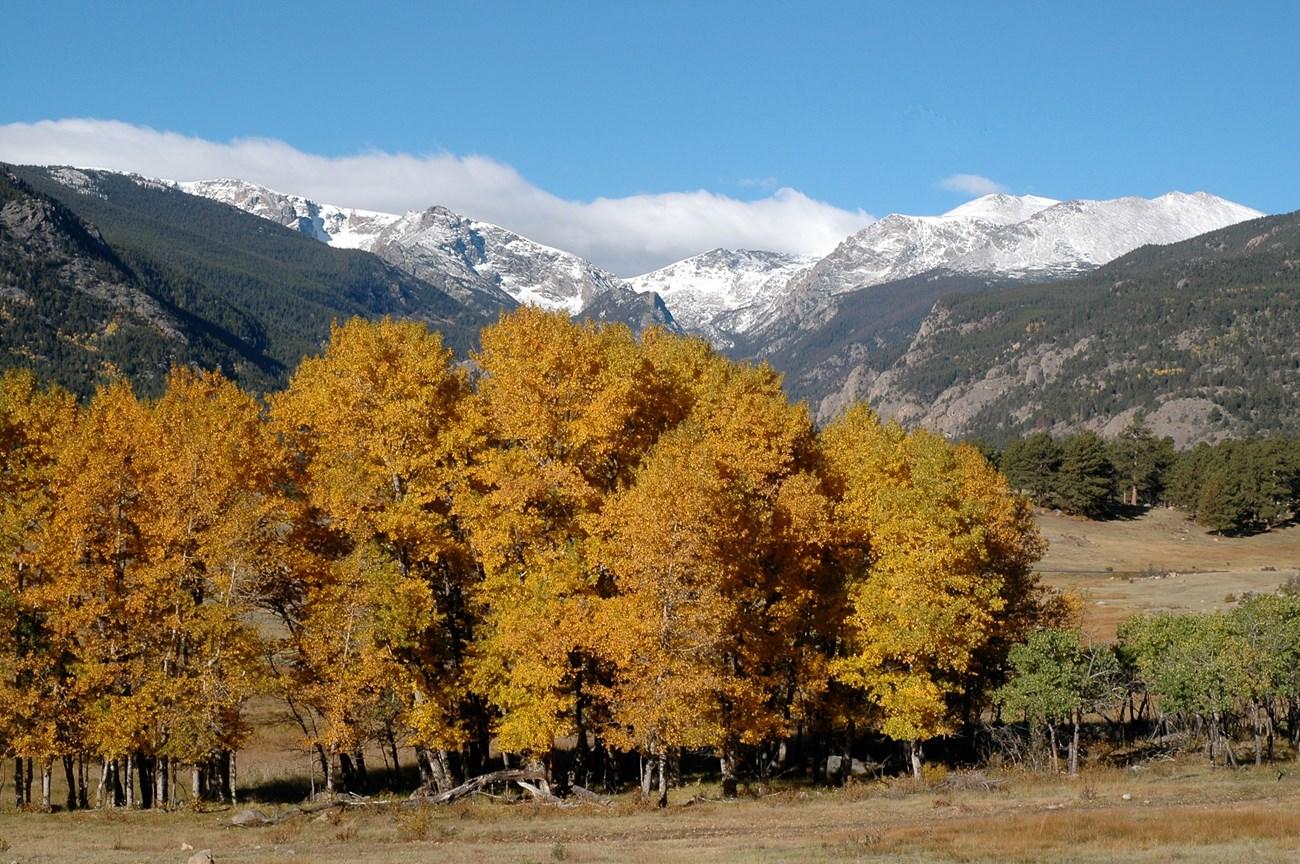
Elk Mountains: Colorado's Hidden Gem
Nestled in the heart of Colorado, the Elk Mountains offer a serene escape for nature lovers and adventure seekers alike. This stunning range is part of the larger Rocky Mountains and boasts some of the most pristine landscapes in the United States. With its towering peaks, lush forests, and crystal-clear streams, the Elk Mountains are a paradise for hikers, photographers, and outdoor enthusiasts. Aspen and Crested Butte, two charming towns at the foothills of the Elk Mountains, serve as perfect bases for exploring this natural wonder. Visitors can enjoy world-class skiing in the winter and breathtaking hikes in the summer. One of the most popular trails is the Maroon Bells, which provides an unforgettable view of the iconic twin peaks reflected in Maroon Lake. For a more challenging adventure, the Capitol Peak offers a thrilling climb with rewarding panoramic vistas. Beyond its natural beauty, the Elk Mountains are rich in wildlife. Keep an eye out for elk, deer, and even the occasional black bear as you wander through this untouched wilderness. The area is also dotted with historical mining sites, offering a glimpse into Colorado's storied past. Whether you're seeking solitude in nature or an adrenaline-pumping adventure, the Elk Mountains are a must-visit destination that promises to leave you in awe.