

Roaring Fork Valley, Colorado Travel Guide
Discover the Roaring Fork Valley: A perfect blend of natural beauty, outdoor adventure, and cultural richness in the heart of Colorado's Rocky Mountains.
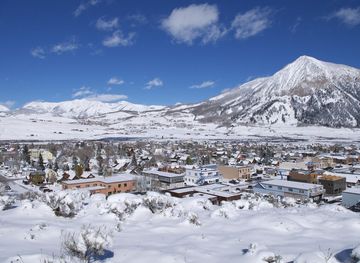
Nestled in the heart of Colorado, the Roaring Fork Valley offers an idyllic escape for nature lovers, adventure seekers, and those looking to unwind in a serene setting. This picturesque valley is framed by the majestic Rocky Mountains and is home to charming towns such as Aspen, Basalt, Carbondale, and Glenwood Springs. Each town brings its own unique flavor to the valley, from the luxury and glamour of Aspen to the laid-back, artsy vibe of Carbondale. Outdoor enthusiasts will find no shortage of activities in the Roaring Fork Valley. In the winter, the valley transforms into a snow-covered wonderland, offering world-class skiing and snowboarding at Aspen Snowmass. When the snow melts away, the valley's trails come alive with hikers and mountain bikers exploring the scenic terrain. Roaring Fork River, from which the valley gets its name, is a haven for fly fishing, kayaking, and white-water rafting. But the Roaring Fork Valley isn't just about outdoor adventure. Visitors can immerse themselves in the rich cultural scene, with numerous art galleries, music festivals, and historic sites to explore. The valley's culinary landscape is equally impressive, featuring farm-to-table restaurants, cozy cafes, and local breweries that highlight the region's agricultural bounty. Whether you're seeking thrills or simply wanting to relax and take in the breathtaking views, the Roaring Fork Valley is a destination that promises unforgettable experiences.

Know before you go
Hi, I'm Eve. Here are a few practical things to know before exploring Roaring Fork Valley.
- Visit during the fall to witness the stunning foliage, especially along the scenic drives.
- Book your accommodations well in advance if visiting during peak ski season or major events.
- Rent a bike or take advantage of the valley's extensive public transportation for easy and eco-friendly travel.
- Explore the local farmer's markets for fresh produce and handmade crafts.
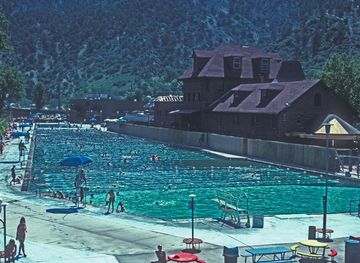
- Take a dip in the Glenwood Hot Springs for a relaxing end to your adventure-filled days.
Top City Travel Guides in Roaring Fork Valley
The cities of Roaring Fork Valley, and the easiest places to base yourself.


Destinations in Roaring Fork Valley
Resorts, valleys and scenic spots worth a trip of their own.

Explore Roaring Fork Valley: Things to Do, Places to Eat, Hotels & More
Handpicked recommendations for top attractions, local dining, accommodations, and more

Top Attractions & Sightseeing in Roaring Fork Valley
Top-rated picks
Best Attractions

Vail Ski Resort
Experience world-class skiing and snowboarding at Vail Ski Resort, a premier destination in the Colorado Rockies with vast terrain and a charming village.

Betty Ford Alpine Gardens
Discover stunning alpine flora at North America's highest botanical garden, a tranquil mountain escape in Vail, Colorado.

John Denver Sanctuary
A peaceful sanctuary in Aspen, Colorado, honoring John Denver's life, music, and love for nature through gardens and song-inscribed stones.

Gerald R. Ford Amphitheater (The Amp)
Discover world-class performances in a stunning outdoor venue nestled in the Rocky Mountains at the Gerald R. Ford Amphitheater in Vail, Colorado.

Best landmarks in Roaring Fork Valley
Top-rated picks
Best Landmarks

Redstone Coke Oven Historic District
Explore the Redstone Coke Oven Historic District, a historical landmark in Colorado showcasing the architectural beauty and industrial history of coke production.

Aspen Historical Society
Explore Aspen's captivating history at the Aspen Historical Society, a must-visit museum showcasing the town's rich cultural heritage.

Piney River Ranch
Experience the beauty and history of Piney River Ranch in Colorado, a perfect getaway for outdoor lovers and cultural enthusiasts alike.

Twin Lakes Historic District
Discover the enchanting Twin Lakes Historic District, where history meets breathtaking nature in the heart of Colorado's Rocky Mountains.

Best restaurants in Roaring Fork Valley
Top-rated picks
Best Restaurants
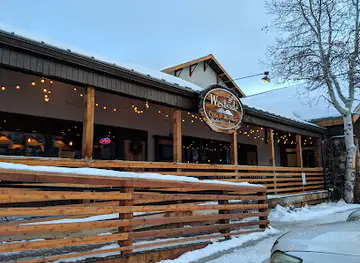
Westside Cafe & Market
Discover the best American cuisine at Westside Cafe & Market in Vail - perfect for breakfast, brunch, or lunch amidst stunning mountain views.
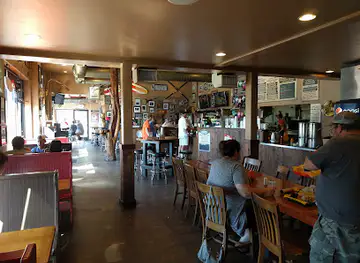
Moe's Original BBQ
Experience authentic Southern barbecue at Moe's Original BBQ in Eagle - where flavor meets hospitality!

Pine Creek Cookhouse
Experience exquisite cuisine with stunning views at Pine Creek Cookhouse in Aspen's Castle Creek Valley – where nature meets gourmet dining.
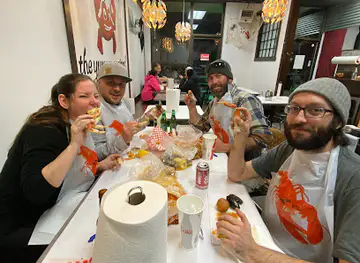
Yummy Seafood
Discover fresh and delicious seafood at Yummy Seafood in Vail, Colorado – where culinary excellence meets stunning mountain views.

Best bars in Roaring Fork Valley
Top-rated picks
Best Bars

Tommyknocker Brewery & Pub
Discover the charm of Tommyknocker Brewery & Pub in Idaho Springs, offering handcrafted beers and delicious pub fare in a scenic Colorado setting.

Glenwood Canyon Brewpub
Explore the flavors of Glenwood Springs at Glenwood Canyon Brewpub, where craft beer and delicious cuisine await in a stunning mountain setting.

Hotel Colorado
Discover the historic Hotel Colorado in Glenwood Springs, where modern luxury meets timeless charm amidst stunning mountain scenery.

Slope & Hatch
Experience the best of American cuisine at Slope & Hatch, Glenwood Springs' top dining destination offering fresh dishes and a vibrant atmosphere.


Best shops in Roaring Fork Valley
Top-rated picks
Best Shops

Outlets at Silverthorne
Experience unbeatable shopping and dining at the Outlets at Silverthorne, set against breathtaking Colorado mountain vistas.

Sweet Coloradough
Discover the delightful flavors of Sweet Coloradough, a charming bakery in Glenwood Springs, Colorado, known for its mouth-watering donuts and inviting atmosphere.

Argo Gold Mill and Tunnel
Explore the Argo Gold Mill and Tunnel, a historical gem in Idaho Springs, Colorado, showcasing the rich heritage of the Gold Rush era.

Goodflower — Dispensary, Carbondale Co.
Explore Goodflower, Carbondale's top cannabis dispensary, offering quality products and expert advice in a welcoming environment.

Explore Roaring Fork Valley on the Map
A handpicked selection of must-see spots in Roaring Fork Valley, mapped for you.
Roaring Fork Valley Essentials
-
Roaring Fork Valley is located in the Rocky Mountains of Colorado. The nearest major airport is Aspen/Pitkin County Airport (ASE), which is about 3 miles from Aspen. For international travelers, Denver International Airport (DEN) is the closest major hub, approximately 220 miles away. From Denver, you can rent a car or take a shuttle service to Roaring Fork Valley, a trip that usually takes around 4 hours by road. Alternatively, you can take a flight from Denver to Aspen/Pitkin County Airport.
-
Roaring Fork Valley has a well-connected public transportation system, including the Roaring Fork Transportation Authority (RFTA) buses that run between Aspen, Snowmass, Basalt, Carbondale, and Glenwood Springs. Taxis and ride-sharing services like Uber and Lyft are also available. For those who prefer driving, renting a car is a convenient option, especially for exploring the surrounding scenic routes and mountain trails.
-
The official currency is the United States Dollar (USD). Credit and debit cards are widely accepted in hotels, restaurants, and shops throughout the valley. ATMs are readily available in all major towns. While most places accept cards, it's a good idea to carry some cash for small purchases or in more remote areas where card payments might not be possible.
-
Roaring Fork Valley is generally a safe destination for tourists. However, it is advisable to take standard safety precautions. Avoid walking alone at night in unfamiliar or poorly-lit areas, and keep an eye on your belongings in crowded places. There are no specific high-crime areas targeting tourists, but staying vigilant and aware of your surroundings is always a good practice.
-
In case of an emergency, dial 911 for immediate assistance. Aspen Valley Hospital and Valley View Hospital in Glenwood Springs provide comprehensive medical services. It is recommended to have travel insurance that covers medical emergencies. For minor health issues, there are several pharmacies throughout the valley where you can purchase over-the-counter medications.
-
Fashion: Do dress in layers, as the weather can change rapidly in the mountains. Casual outdoor wear is common. Avoid overly formal attire unless attending a special event. Religion: Do respect local customs and religious practices. If visiting a place of worship, dress modestly. Public Transport: Do be courteous and offer your seat to elderly passengers. Don’t eat or drink on public transport. Greetings: Do greet people with a friendly 'hello' or 'hi.' A handshake is common in formal settings. Eating & Drinking: Do try local delicacies and farm-to-table dining experiences. Don’t refuse hospitality, as it is considered impolite.
-
To experience Roaring Fork Valley like a local, visit the farmers' markets in Aspen, Basalt, and Carbondale where you can buy fresh, local produce and artisanal products. Engage with locals who are often friendly and willing to share their knowledge of the area. Don't miss the Maroon Bells, one of the most photographed spots in the U.S., and take advantage of the numerous hiking and biking trails. Attend local events such as the Aspen Music Festival or the Carbondale Mountain Fair for a taste of the vibrant community life.
When is the best time to visit Roaring Fork Valley?
Useful Local Phrases for Roaring Fork Valley
You don't need to speak the language perfectly. Even learning a few simple words can make conversations warmer—and locals usually appreciate the effort.
— Eve

Here are the phrases I use most often in Roaring Fork Valley. Try a few—you'll be surprised how far they go! 😊
❤️
-
- HelloHowdy
[haʊdi] - GoodbyeSee ya
[si jə] - YesYep
[jɛp] - NoNah
[nɑ] - Please/You're welcomeSure thing
[ʃʊr θɪŋ] - Thank youThanks
[θæŋks] - Excuse me/SorryMy bad
[maɪ bæd] - How are you?How's it going?
[haʊz ɪt ˈɡoʊɪŋ] - Fine. And you?Good. You?
[ɡʊd. ju?] - Do you speak English?Do ya speak English?
[du jə spiːk ˈɪŋɡlɪʃ] - I don't understandI don't get it
[aɪ doʊnt ɡɛt ɪt]
- HelloHowdy
-
- I'd like to see the menu, pleaseCan I see the menu?
[kæn aɪ si ðə ˈmɛnju] - I don't eat meatI'm a vegetarian
[aɪm ə ˌvɛdʒəˈtɛriən] - Cheers!Cheers!
[ʧɪrz] - I would like to pay, pleaseCan I get the check?
[kæn aɪ ɡɛt ðə ʧɛk]
- I'd like to see the menu, pleaseCan I see the menu?
-
- Help!Help!
[hɛlp] - Go away!Leave me alone!
[liv mi əˈloʊn] - Call the Police!Call the cops!
[kɔl ðə kɑps] - Call a doctor!Get a doctor!
[ɡɛt ə ˈdɑktər] - I'm lostI'm turned around
[aɪm tɜrnd əˈraʊnd] - I'm illI'm not feeling well
[aɪm nɑt ˈfiːlɪŋ wɛl]
- Help!Help!
-
- I'd like to buy...I wanna buy...
[aɪ ˈwɑnə baɪ] - I'm just lookingJust browsing
[dʒʌst ˈbraʊzɪŋ] - How much is it?What's the price?
[wɑts ðə praɪs] - That's too expensiveThat's way too pricey
[ðæts weɪ tu ˈpraɪsi] - Can you lower the price?Can you give me a deal?
[kæn jə ɡɪv mi ə dil]
- I'd like to buy...I wanna buy...
-
- What time is it?What time is it?
[wɑt taɪm ɪz ɪt] - It's one o'clockIt's one o'clock
[ɪts wʌn əˈklɑk] - Half past (10)Half past ten
[hæf pæst tɛn] - MorningMorning
[ˈmɔrnɪŋ] - AfternoonAfternoon
[ˌæftərˈnun] - EveningEvening
[ˈivnɪŋ] - YesterdayYesterday
[ˈjɛstərdeɪ] - TodayToday
[təˈdeɪ] - TomorrowTomorrow
[təˈmɔroʊ] - 1One
[wʌn] - 2Two
[tu] - 3Three
[θri] - 4Four
[fɔr] - 5Five
[faɪv] - 6Six
[sɪks] - 7Seven
[ˈsɛvən] - 8Eight
[eɪt] - 9Nine
[naɪn] - 10Ten
[tɛn]
- What time is it?What time is it?
-
- Where's a/the...?Where's the...?
[wɛrz ðə...?] - What's the address?What's the address?
[wɑts ði əˈdrɛs] - Can you show me (on the map)?Can you show me on the map?
[kæn jə ʃoʊ mi ɑn ðə mæp] - When's the next (bus)?When's the next bus?
[wɛnʔs ðə nɛkst bʌs] - A ticket (to ....)A ticket to...
[ə ˈtɪkɪt tu...]
- Where's a/the...?Where's the...?
History of Roaring Fork Valley
-
Before European settlers arrived, the Roaring Fork Valley was home to the Ute tribe. The Utes, known for their deep connection to the land, utilized the valley's resources for hunting, fishing, and gathering. Seasonal migrations allowed them to take advantage of the valley's diverse ecosystems, from the riverbanks to the mountain slopes.
-
The discovery of silver in the late 19th century transformed the Roaring Fork Valley into a bustling mining hub. The town of Aspen was established in 1879 and quickly grew as prospectors and entrepreneurs flocked to the area. By the mid-1880s, Aspen became one of the nation's leading silver producers, helping to fuel the economic growth of the region.
-
Founded in 1879 during the Colorado Silver Boom, Aspen quickly grew from a small mining camp to a prosperous town. Named after the abundant aspen trees in the area, the town's early years were marked by rapid development, with the construction of elaborate Victorian buildings that still stand as a testament to its rich history.
-
The repeal of the Sherman Silver Purchase Act in 1893 led to the collapse of the silver market, plunging Aspen and the entire Roaring Fork Valley into economic hardship. Many residents left in search of new opportunities, and the valley entered a period of relative quiet, with agriculture and ranching becoming the primary economic activities.
-
In the mid-20th century, Aspen experienced a cultural renaissance. Visionaries like Walter and Elizabeth Paepcke saw the potential in Aspen's serene mountain setting and sought to transform it into a cultural and intellectual center. The establishment of institutions like the Aspen Music Festival and School and the Aspen Institute attracted artists, musicians, and thinkers from around the world.
-
The post-World War II era brought another significant transformation to the Roaring Fork Valley with the development of ski resorts. The opening of Aspen Mountain in 1946 marked the beginning of Aspen's rise as a premier ski destination. The valley's natural beauty and excellent skiing conditions attracted visitors from around the globe, cementing its reputation as a winter sports haven.
-
In recent decades, the residents and organizations within the Roaring Fork Valley have prioritized environmental conservation. Efforts to protect the natural landscape have included the establishment of protected areas and sustainable tourism practices. Initiatives like the Roaring Fork Conservancy work to preserve the health and beauty of the valley's rivers and ecosystems.
-
Today, the Roaring Fork Valley is a blend of historical charm and modern luxury. Aspen remains a cultural and recreational hotspot, known for its world-class skiing, vibrant arts scene, and high-end amenities. Surrounding communities like Basalt, Carbondale, and Glenwood Springs contribute to the valley's rich tapestry, each offering unique experiences and a connection to the valley's storied past.
Neighbouring Regions of Roaring Fork Valley
The closest regions to Roaring Fork Valley, if you have time for more than one.



Your all‑in‑one travel companion app
Explore expert travel guides, compare and book tours, experiences, hotels, and more—all from the palm of your hand. Download now for seamless trip planning wherever your wanderlust takes you.


Explore More of Colorado

Looking beyond Roaring Fork Valley? Discover Colorado for broader travel guides, local hot-spots, and regional highlights.
Explore ColoradoRoaring Fork Valley in Photos
Browse through our photo collection highlighting the charm and character of the destination.




The Enchanting Roaring Fork Valley
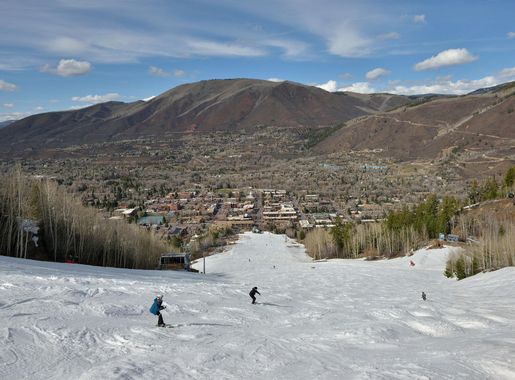
Nestled in the heart of Colorado, the Roaring Fork Valley offers an idyllic escape for nature lovers, adventure seekers, and those looking to unwind in a serene setting. This picturesque valley is framed by the majestic Rocky Mountains and is home to charming towns such as Aspen, Basalt, Carbondale, and Glenwood Springs. Each town brings its own unique flavor to the valley, from the luxury and glamour of Aspen to the laid-back, artsy vibe of Carbondale. Outdoor enthusiasts will find no shortage of activities in the Roaring Fork Valley. In the winter, the valley transforms into a snow-covered wonderland, offering world-class skiing and snowboarding at Aspen Snowmass. When the snow melts away, the valley's trails come alive with hikers and mountain bikers exploring the scenic terrain. Roaring Fork River, from which the valley gets its name, is a haven for fly fishing, kayaking, and white-water rafting. But the Roaring Fork Valley isn't just about outdoor adventure. Visitors can immerse themselves in the rich cultural scene, with numerous art galleries, music festivals, and historic sites to explore. The valley's culinary landscape is equally impressive, featuring farm-to-table restaurants, cozy cafes, and local breweries that highlight the region's agricultural bounty. Whether you're seeking thrills or simply wanting to relax and take in the breathtaking views, the Roaring Fork Valley is a destination that promises unforgettable experiences.