

Free Bimbini Travel Guide & Mobile App
Explore Bimbini with free travel guides. Discover regional history, expert tips, proposed trips, and audio guides on web or mobile app.


Bimbini on Anjouan offers quiet Indian Ocean shores, volcanic landscapes, Comorian village life and a low-key alternative to resort travel.
Read more about Bimbini
When is the best time to visit Bimbini?
Best: June–August · 27–28°C| Month | High (°C) | Rainfall (mm) |
|---|---|---|
| January | 30 | 250 |
| February | 30 | 200 |
| March | 31 | 150 |
| April | 30 | 100 |
| May | 29 | 70 |
| June (best) | 28 | 50 |
| July (best) | 27 | 50 |
| August (best) | 27 | 70 |
| September | 28 | 100 |
| October | 29 | 150 |
| November | 30 | 200 |
| December | 30 | 250 |
Getting to and around Bimbini
How to get there
Transportation
Top city travel guides in Bimbini
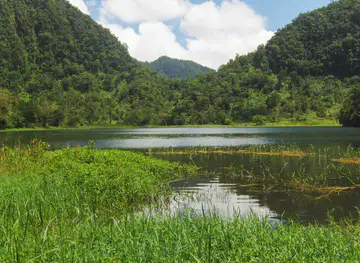
The cities of Bimbini, and the easiest places to base yourself.
-

-


Swipe for more cities
Best attractions in Bimbini
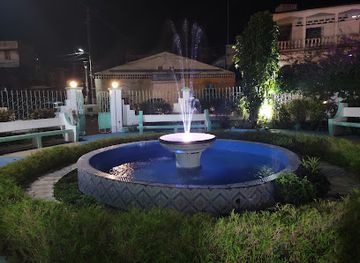
Best landmarks in Bimbini
-
Tourist attraction
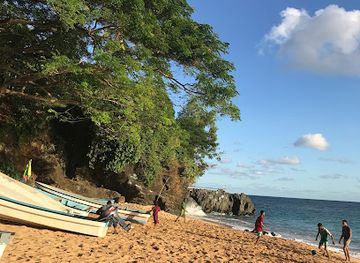
Plage de Moya
Experience the breathtaking beauty of Plage de Moya, a hidden coastal paradise in Comoros perfect for relaxation and adventure.
-
Wellness hotel
Hôtel Le Refuge Kpark
Discover serenity and wellness at Hôtel Le Refuge Kpark, your peaceful retreat nestled in the lush landscapes of Barakani, Comoros.
-
Radio broadcaster
Radio Domoni Inter
Discover the vibrant sounds and stories of Comoros at Radio Domoni Inter, your gateway to local culture and community insights.
-
Movie theater
CANAL+ OUANI
Discover the charm of cinema at CANAL+ OUANI, where local culture meets cinematic adventures in the heart of Comoros.
Explore Bimbini on the map
Plan your trip on one map. See where the top cities, national parks and sights are, and book hotels and experiences in a few clicks.
Best hotels in Bimbini
Best restaurants in Bimbini
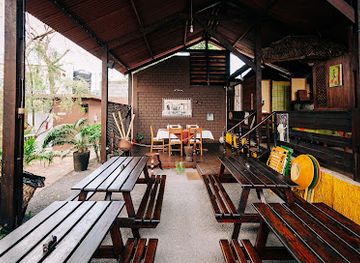
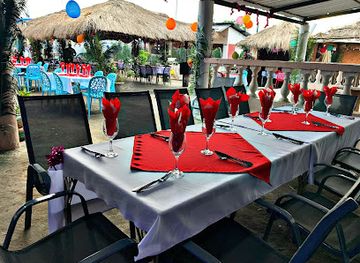
Dining in Bimbini is likely to be simple, local and dependent on household cooking, small eateries and the day’s supplies rather than a formal restaurant scene. Comorian food commonly combines rice or cassava with fish, seafood, chicken, bananas, coconut, vegetables and aromatic spices, while bread, tea and fruit may form part of lighter meals. On Anjouan, ingredients and availability vary between coastal and inland communities, so menus may not be fixed. Visitors should ask locally about places serving food, arrange meals with accommodation in advance when possible and carry snacks for longer journeys. Mutsamudu and other larger settlements outside Bimbini offer a broader choice of cafés, shops and informal dining. Alcohol is not central to the local food culture, and visitors should be sensitive to Islamic customs when eating and drinking in public. Bottled or treated water is the prudent choice, and food hygiene standards should be judged carefully in informal settings without assuming that rural cooking is either inferior or designed for international tastes.
-
Restaurant
New Mumbai Restaurant
Discover the unique blend of Indian and Comorian cuisine at New Mumbai Restaurant in Moroni – a must-visit culinary destination.
-
Restaurant
Restaurant & Grill Le Coraya
Experience authentic Comorian flavors at Restaurant & Grill Le Coraya – where every meal tells a story.
-
Restaurant
MoCafe
Experience the flavors of Comoros at MoCafe - where culinary traditions meet modern dining in Moroni.
-
Restaurant
Restaurant L'Escale
Experience authentic Comorian cuisine at Restaurant L'Escale in Moroni – a must-visit dining destination for food lovers.
Best bars in Bimbini
Bimbini does not have a notable bar or nightclub district, and evening life is more closely connected with family, neighbourhood, religious and community activities than with commercial nightlife. After dark, the most realistic options are a quiet meal, conversation, a walk near accommodation in a well-known area or enjoying the coastal atmosphere from a safe private setting. Alcohol is not a defining part of public life in this predominantly Muslim destination, and visitors should not expect a resort-style drinks scene. Mutsamudu, outside Bimbini, has the island’s broader concentration of cafés, restaurants and evening activity, although it remains a modest urban centre rather than a major club destination. Plan return transport in advance, avoid isolated roads at night and follow local advice about appropriate public behaviour. Music, celebrations and social gatherings may occur on particular occasions, but these are community matters rather than dependable tourist events and should be approached respectfully.
-
Restaurant
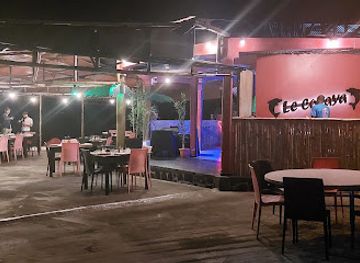
Restaurant & Grill Le Coraya
Experience the vibrant flavors of Comoros at Restaurant & Grill Le Coraya, where local ingredients meet culinary excellence.
-
Restaurant
MoCafe
Discover Moroni's culinary delight at MoCafe, where local flavors and international dishes meet in a cozy atmosphere.
-
Restaurant
Restaurant L'Escale
Discover authentic Comorian cuisine at Restaurant L'Escale, a hidden gem in Moroni offering exquisite flavor and stunning views.
-
Restaurant
New Select Restaurant
Discover the authentic tastes of Comoros at New Select Restaurant in Moroni, where local flavors and a warm atmosphere await you.
Best nightclubs in Bimbini
Bimbini does not have a notable bar or nightclub district, and evening life is more closely connected with family, neighbourhood, religious and community activities than with commercial nightlife. After dark, the most realistic options are a quiet meal, conversation, a walk near accommodation in a well-known area or enjoying the coastal atmosphere from a safe private setting. Alcohol is not a defining part of public life in this predominantly Muslim destination, and visitors should not expect a resort-style drinks scene. Mutsamudu, outside Bimbini, has the island’s broader concentration of cafés, restaurants and evening activity, although it remains a modest urban centre rather than a major club destination. Plan return transport in advance, avoid isolated roads at night and follow local advice about appropriate public behaviour. Music, celebrations and social gatherings may occur on particular occasions, but these are community matters rather than dependable tourist events and should be approached respectfully.
Best shops in Bimbini
Shopping in Bimbini is local and practical, with small shops and informal stalls supplying everyday food, drinks and household necessities rather than a dedicated souvenir market. Travellers may find seasonal fruit, coconuts, spices, fish and locally prepared foods, but availability depends on harvests, fishing and delivery from larger settlements. For a wider choice, Mutsamudu outside Bimbini is the more useful place for groceries, phone credit, basic travel supplies, clothing and locally made products. Regional purchases may include woven items, small handicrafts, spices and food products, although quality and availability vary and should be assessed directly rather than assumed from generic Comorian souvenirs. Carry enough cash, as card payment is unlikely in small village businesses. Bargaining should be polite and moderate, and visitors should not buy coral, shells or wildlife products that could damage coastal habitats. Supporting locally owned traders and paying fairly for guides, drivers and handmade goods is more appropriate than expecting formal tourist retail infrastructure.
-
Supermarket
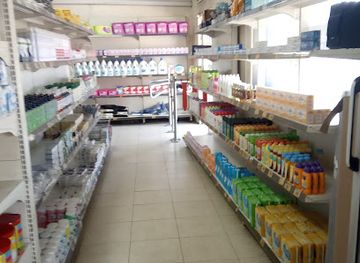
MAG MARKET
Explore MAG MARKET in Moroni, Comoros – a vibrant supermarket showcasing local flavors and culture in the heart of the island.
-
Clothing store
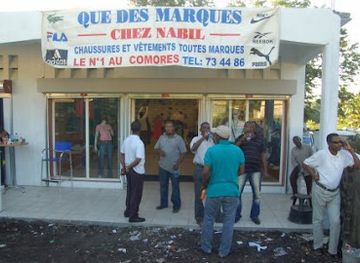
Que Des Marques Chez Nabil
Explore Que Des Marques Chez Nabil in Moroni for stylish European-inspired fashion and a unique shopping experience in the heart of Comoros.
-
 Building materials store
Super A Moroni
Super A Moroni: Your go-to building materials store in the vibrant capital of Moroni, Comoros, offering quality supplies and local expertise.
-
Shopping mall
Place Chindoni
Discover the best of Comoros at Place Chindoni, a vibrant shopping mall filled with local culture, unique products, and delightful dining options.
Get your free copy of our complete guide to Bimbini, delivered straight to you.
Everything on this page, from attractions and restaurants to essentials and local phrases, in one PDF you can read offline, print or share.
Already have an account? Sign in
Your Bimbini guide is ready.
We'll send it to · Not you? Sign out

Getting your guide ready…
We are putting together a fresh copy of the Bimbini guide. This can take up to a minute.
This can take a few moments. If your browser asks, choose Allow so the download can start. You'll find the guide in your Downloads folder.
Nothing happened? Download it again
Sorry, the guide is taking longer than usual. Please try again in a minute, or get it by email instead.
Bimbini essentials
Currency and Payment
Safety
Emergency Situations
Do's and Don'ts
Local Tips
From Eve
Local phrases worth knowing
You don't need to get them perfect. A few words go a long way, and locals appreciate the effort.
Basics
| English | Local | Say it |
|---|---|---|
| Hello | Salama | [sah-lah-mah] |
| Goodbye | Sema | [seh-mah] |
| Yes | Ewe | [eh-weh] |
| No | Ayi | [ah-yee] |
| Please/You're welcome | Tafadhali | [tah-fah-dhah-lee] |
| Thank you | Asante | [ah-sahn-teh] |
| Excuse me/Sorry | Pole | [poh-leh] |
| How are you? | Habari gani? | [hah-bah-ree gah-nee] |
| Fine. And you? | Nzuri. Na wewe? | [n-zoo-ree. nah weh-weh] |
| Do you speak English? | Unazungumza Kiingereza? | [oo-nah-zoong-oom-zah kee-een-geh-reh-zah] |
| I don't understand | Sielewi | [see-eh-leh-wee] |
Eating & Drinking
| English | Local | Say it |
|---|---|---|
| I'd like to see the menu, please | Ningependa kuona menyu, tafadhali | [neen-geh-pen-dah koo-oh-nah meh-nyoo, tah-fah-dhah-lee] |
| I don't eat meat | Sikuli nyama | [see-koo-lee nyah-mah] |
| Cheers! | Afya! | [ah-fyah] |
| I would like to pay, please | Ningependa kulipa, tafadhali | [neen-geh-pen-dah koo-lee-pah, tah-fah-dhah-lee] |
Emergencies
| English | Local | Say it |
|---|---|---|
| Help! | Nisaidie! | [nee-sah-ee-dee-eh] |
| Go away! | Ondoka! | [on-doh-kah] |
| Call the Police! | Piga simu polisi! | [pee-gah see-moo poh-lee-see] |
| Call a doctor! | Piga simu daktari! | [pee-gah see-moo dahk-tah-ree] |
| I'm lost | Nimepotea | [nee-meh-poh-teh-ah] |
| I'm ill | Ninaumwa | [nee-nah-oom-wah] |
Shopping
| English | Local | Say it |
|---|---|---|
| I'd like to buy... | Ningependa kununua... | [neen-geh-pen-dah koo-noo-noo-ah] |
| I'm just looking | Natazama tu | [nah-tah-zah-mah too] |
| How much is it? | Ni kiasi gani? | [nee kee-ah-see gah-nee] |
| That's too expensive | Hiyo ni ghali sana | [hee-yoh nee ghah-lee sah-nah] |
| Can you lower the price? | Unaweza kupunguza bei? | [oo-nah-weh-zah koo-poon-goo-zah beh-ee] |
Time & Numbers
| English | Local | Say it |
|---|---|---|
| What time is it? | Ni saa ngapi? | [nee sah ahn-gah-pee] |
| It's one o'clock | Ni saa moja | [nee sah ah-moh-jah] |
| Half past (10) | Nusu baada ya (10) | [noo-soo bah-dah yah (10)] |
| Morning | Asubuhi | [ah-soo-boo-hee] |
| Afternoon | Mchana | [m-chah-nah] |
| Evening | Jioni | [jee-oh-nee] |
| Yesterday | Jana | [jah-nah] |
| Today | Leo | [leh-oh] |
| Tomorrow | Kesho | [keh-shoh] |
| 1 | Moja | [moh-jah] |
| 2 | Mbili | [m-bee-lee] |
| 3 | Tatu | [tah-too] |
| 4 | Nne | [n-neh] |
| 5 | Tano | [tah-noh] |
| 6 | Sita | [see-tah] |
| 7 | Saba | [sah-bah] |
| 8 | Nane | [nah-neh] |
| 9 | Tisa | [tee-sah] |
| 10 | Kumi | [koo-mee] |
Transport & Directions
| English | Local | Say it |
|---|---|---|
| Where's a/the...? | Wapi ...? | [wah-pee] |
| What's the address? | Anwani ni ipi? | [ahn-wah-nee nee ee-pee] |
| Can you show me (on the map)? | Unaweza kunionyesha (katika ramani)? | [oo-nah-weh-zah koo-nee-oh-nyesh-ah (kah-tee-kah rah-mah-nee)] |
| When's the next (bus)? | Basi ijayo ni lini? | [bah-see ee-jah-yoh nee lee-nee] |
| A ticket (to ....) | Tiketi (kwenda ....) | [tee-keh-tee (k-wen-dah)] |
History of Bimbini
Early settlement and Indian Ocean exchange
Anjouan formed part of the wider western Indian Ocean trading world long before the modern Comorian state existed. African communities, seafarers from the Arabian Peninsula and merchants connected to the Swahili coast contributed to the islands’ settlement and culture. Islam spread through these maritime networks and gradually became central to public and religious life. Bimbini’s own history is best understood within this Anjouanese setting: a coastal village landscape shaped by fishing, farming, inter-island movement and contact with other ports rather than by isolation from the ocean.
The sultanates of Anjouan
From the medieval period into the nineteenth century, Anjouan was governed through local sultanates whose authority was centred on dynastic families, coastal settlements and ties with Indian Ocean commerce. Mutsamudu became an important political and trading centre, while smaller communities across the island supported agriculture, fishing and local exchange. The political structure was not identical to a modern administrative system, so Bimbini should not be treated as a separate historical kingdom. Its past belongs to the much broader history of Anjouan’s sultanate society and its connections with neighbouring islands and overseas merchants.
Plantations, maritime trade and French rule
During the nineteenth century, European influence expanded in the Comoros as France established colonial control over the islands. Colonial rule altered landholding, administration and agricultural production, while commercial crops and maritime trade became increasingly linked to external markets. Anjouan’s terrain supported cultivation in valleys and on slopes, but transport remained difficult and local communities continued to rely heavily on subsistence farming, fishing and small-scale commerce. French institutions left a lasting mark on education, government and language, alongside older Comorian and Islamic traditions.
The Comoros and independence in 1975
The Comoros became independent from France in 1975, although Mayotte, historically part of the archipelago, remained under French administration. The new state inherited colonial administrative boundaries and uneven infrastructure between islands. Anjouan, including its rural coastal communities, faced the practical challenges of connecting settlements, providing public services and developing an economy across mountainous terrain. These national circumstances remain relevant to visitors today, since transport, healthcare and tourism facilities are more limited than in many established Indian Ocean destinations.
Anjouan’s political crisis of the 1990s
Anjouan was at the centre of a major political crisis after declaring, alongside Mohéli, a desire to separate from the Comoros in 1997. The dispute reflected long-running arguments about political representation, public investment and the distribution of power between the islands and the national government. Anjouan was eventually reintegrated into the Union of the Comoros through a process that led to a new federal arrangement in 2001. The episode remains an important part of the island’s modern political memory, even though daily life in places such as Bimbini is primarily organised around community, family and local economic activity.
Contemporary Bimbini and sustainable island travel
In the twenty-first century, Bimbini belongs to a Comorian tourism environment that remains small-scale and unevenly developed. Anjouan’s natural scenery, coastal communities and cultural heritage have potential for carefully managed tourism, but infrastructure, transport reliability and conservation capacity require practical consideration. The contemporary challenge is to welcome visitors without placing excessive pressure on beaches, reefs, freshwater, waste systems or local customs. For Bimbini, this means that low-impact visits, locally arranged services and respect for community priorities are more appropriate than large resort development or high-volume tourism.
Bimbini in Photos
Browse through our photo collection highlighting the charm and character of the destination.
Neighbouring regions of Bimbini
The closest regions to Bimbini, if you have time for more than one.
-

-

-

-

-


Swipe for more regions

