

Bambao Mtrouni, Comoros Travel Guide
Discover Bambao Mtrouni in Comoros: A tranquil village surrounded by lush landscapes, rich cultural heritage, and stunning natural beauty. Perfect for nature lovers and history enthusiasts.
Nestled in the heart of the Comoros archipelago, Bambao Mtrouni is an enchanting village that promises to captivate every traveler. Surrounded by lush greenery and picturesque landscapes, this destination offers a serene escape from the hustle and bustle of city life. The village is known for its rich cultural heritage, warm hospitality, and stunning natural beauty, making it a must-visit for anyone exploring the Comoros. Strolling through Bambao Mtrouni, visitors can admire traditional Comorian architecture and interact with friendly locals who are always eager to share their stories and traditions. The village is also a gateway to some of the most breathtaking natural attractions in the region. From pristine beaches to lush forests and volcanic landscapes, Bambao Mtrouni is a paradise for nature lovers and adventure seekers alike. For those interested in history and culture, Bambao Mtrouni offers a unique glimpse into the island's past. The village is home to several historic sites and landmarks that reflect the rich tapestry of Comorian history. Whether you're exploring ancient ruins, participating in local festivals, or simply enjoying the tranquil environment, Bambao Mtrouni is a destination that offers something for everyone.

Know before you go
Hi, I'm Eve. Here are a few practical things to know before exploring Bambao Mtrouni.
- Visit during the dry season (May to October) for the best weather conditions.
- Bring comfortable walking shoes for exploring the village and nearby natural attractions.
- Learn a few basic phrases in French or Swahili to communicate better with the locals.
- Respect local customs and traditions, especially when visiting cultural and historic sites.
- Don't forget your camera to capture the stunning landscapes and vibrant village life.

Best landmarks in Bambao Mtrouni
Top-rated picks
Best Landmarks

Ngazidja
Experience the natural beauty and rich cultural heritage of Ngazidja Island, a hidden gem in the Comoros archipelago, perfect for adventure and relaxation.
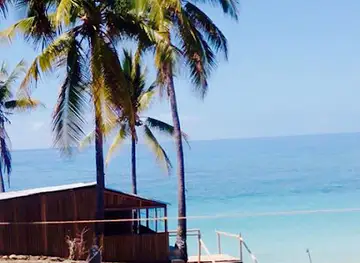
Bouni Beach
Discover the breathtaking beauty of Bouni Beach in Comoros, where pristine sands meet crystal-clear waters, perfect for relaxation and adventure.

Grande Mosquée de Moroni مسجد
Explore the Grande Mosquée de Moroni, a stunning example of Islamic architecture that showcases the rich culture and traditions of the Comoros.

Dos du Dragon
Explore the stunning Dos du Dragon in Mitsamiouli, Comoros, where breathtaking landscapes and serene experiences await every traveler.

Best restaurants in Bambao Mtrouni
Top-rated picks
Best Restaurants

Restaurant & Grill Le Coraya
Experience authentic Comorian cuisine with a twist at Restaurant & Grill Le Coraya - where every meal is a celebration of flavor.

MoCafe
Experience authentic Comorian cuisine at MoCafe in Moroni – a culinary haven for locals and travelers alike.

Restaurant L'Escale
Discover authentic Comorian cuisine at Restaurant L'Escale in Moroni—where local flavors meet warm hospitality.

Wasta Boulangerie snack
Experience authentic Comorian flavors at Wasta Boulangerie in Asgaraly - where every bite tells a story.

Best bars in Bambao Mtrouni
Top-rated picks
Best Bars

Restaurant & Grill Le Coraya
Experience the authentic flavors of Comoros at Restaurant & Grill Le Coraya, a culinary gem offering a delightful menu in a stunning setting.

New Select Restaurant
Discover the flavors of Comoros at New Select Restaurant, where local cuisine meets warm hospitality in the heart of Moroni.

Naoumi Pizza
Experience the best of pizza in Mutsamudu at Naoumi Pizza, where every slice tells a story of flavor and tradition.

chez aladin
Discover the authentic flavors of the Comoros at Chez Aladin, a culinary treasure in Mirontsi offering traditional dishes and a vibrant atmosphere.

Best nightclubs in Bambao Mtrouni
Top-rated picks
Best Nightclubs

نجم القمر
Discover the electrifying nightlife at نجم القمر in Ntsaouéni, Comoros - where music and culture come alive.

Covo dei Paguri Comore
Experience the magic of horseback riding at Covo dei Paguri Comore; a perfect escape for families and horse lovers in a breathtaking natural setting.

Best shops in Bambao Mtrouni
Top-rated picks
Best Shops
Magasin Naantil-lahi
Explore Magasin Naantil-lahi in Mutsamudu for an authentic shopping experience with local flavors and everyday essentials at great prices.

Centre Commercial de Bazimini
Explore the Centre Commercial de Bazimini - a vibrant shopping destination in Comoros that combines culture, cuisine, and unique local finds.

Place Chindoni
Explore Place Chindoni, a vibrant shopping mall in Koimbani, Comoros, offering local culture, shopping, and delightful culinary experiences.

Marché Dodin
Explore the vibrant Marché Dodin, a bustling produce market in Mutsamudu, Comoros, offering a rich array of local flavors and cultural experiences.

Explore Bambao Mtrouni on the Map
A handpicked selection of must-see spots in Bambao Mtrouni, mapped for you.
Bambao Mtrouni Essentials
-
Bambao Mtrouni is located on the island of Grande Comore in the Comoros archipelago. The nearest international airport is Prince Said Ibrahim International Airport (HAH) in Moroni, the capital of Comoros. From the airport, you can take a taxi or arrange for a hotel transfer to Bambao Mtrouni, which is about a 45-minute drive away. There are also domestic flights from other islands in the Comoros to Prince Said Ibrahim International Airport.
-
In Bambao Mtrouni, the most common forms of local transportation are taxis and shared minibuses known as 'buses'. Taxis are relatively affordable and can be hired for short trips within the town or for longer journeys to nearby areas. Shared minibuses operate on fixed routes and are a great way to experience local life. Car rentals are also available, but driving can be challenging due to the condition of the roads and local driving habits.
-
The official currency in Comoros is the Comorian Franc (KMF). Credit cards are not widely accepted, so it is advisable to carry cash. ATMs are available in Moroni, but they can be scarce in Bambao Mtrouni, so make sure to withdraw enough cash before heading out. Major hotels and some restaurants may accept foreign currency such as Euros or US Dollars.
-
Bambao Mtrouni is generally safe for tourists, but it is advisable to take standard precautions. Avoid walking alone at night in unfamiliar areas and be cautious of your belongings in crowded places. While violent crime is rare, petty theft can occur. Be aware of your surroundings and avoid displaying valuable items.
-
In case of an emergency, dial 117 for police assistance and 118 for medical emergencies. The nearest hospital with adequate facilities is in Moroni. It is highly recommended to have travel insurance that covers medical emergencies. For minor health issues, there are local pharmacies where you can purchase over-the-counter medications.
-
Fashion: Do dress modestly, especially in public places and religious sites. Avoid wearing revealing clothing. Religion: Do respect local customs and traditions. Remove your shoes before entering mosques and other religious sites. Public Transport: Do be respectful and avoid loud conversations. Don't eat or drink on public transport. Greetings: Do greet people with a handshake or a slight bow. A smile and a 'Salam Alaykum' (Peace be upon you) are appreciated. Eating & Drinking: Do try local dishes and accept food offerings graciously. Don't refuse hospitality, as it is considered impolite.
-
To experience Bambao Mtrouni like a local, visit the local markets where you can buy fresh produce and traditional Comorian goods. Engage with locals, as they are often friendly and eager to share stories about their culture and history. Don't miss visiting the nearby beaches, which are less crowded and offer stunning views of the Indian Ocean. For a unique experience, participate in a traditional dance or music performance, often organized by local communities.
When is the best time to visit Bambao Mtrouni?
Useful Local Phrases for Bambao Mtrouni
You don't need to speak the language perfectly. Even learning a few simple words can make conversations warmer—and locals usually appreciate the effort.
— Eve

Here are the phrases I use most often in Bambao Mtrouni. Try a few—you'll be surprised how far they go! 😊
❤️
-
- HelloSalama
[sah-lah-mah] - GoodbyeTsy na
[ts-ee nah] - YesEhe
[eh-heh] - NoAyi
[ah-ee] - Please/You're welcomeTsy na
[ts-ee nah] - Thank youMala
[mah-lah] - Excuse me/SorrySama
[sah-mah] - How are you?Mali wa?
[mah-lee wah] - Fine. And you?Salama. Nawe?
[sah-lah-mah nah-weh] - Do you speak English?Uzungumza Kiingereza?
[oo-zoo-ngum-zah kee-ing-eh-reh-zah] - I don't understandSina kuelewa
[see-nah koo-eh-leh-wah]
- HelloSalama
-
- I'd like to see the menu, pleaseNingependa kuona orodha ya chakula, tafadhali
[neen-geh-pen-dah koo-oh-nah oh-roh-dah yah chah-koo-lah tah-fah-dah-lee] - I don't eat meatSikuli nyama
[see-koo-lee nyah-mah] - Cheers!Kila
[kee-lah] - I would like to pay, pleaseNingependa kulipa, tafadhali
[neen-geh-pen-dah koo-lee-pah tah-fah-dah-lee]
- I'd like to see the menu, pleaseNingependa kuona orodha ya chakula, tafadhali
-
- Help!Msaada!
[m-sah-dah] - Go away!Toka!
[toh-kah] - Call the Police!Piga simu polisi!
[pee-gah see-moo poh-lee-see] - Call a doctor!Piga simu daktari!
[pee-gah see-moo dahk-tah-ree] - I'm lostNimepotea
[nee-meh-poh-teh-ah] - I'm illNina ugonjwa
[nee-nah oo-gon-jwah]
- Help!Msaada!
-
- I'd like to buy...Ningependa kununua...
[neen-geh-pen-dah koo-noo-noo-ah] - I'm just lookingNatazama tu
[nah-tah-zah-mah too] - How much is it?Ni kiasi gani?
[nee kee-ah-see gah-nee] - That's too expensiveHiyo ni ghali sana
[hee-yoh nee gah-lee sah-nah] - Can you lower the price?Unaweza kupunguza bei?
[oo-nah-weh-zah koo-pun-goo-zah bay]
- I'd like to buy...Ningependa kununua...
-
- What time is it?Ni saa ngapi?
[nee sah ngah-pee] - It's one o'clockNi saa moja
[nee sah moh-jah] - Half past (10)Nusu ya (10)
[noo-soo yah] - MorningAsubuhi
[ah-soo-boo-hee] - AfternoonMchana
[m-chah-nah] - EveningJioni
[jee-oh-nee] - YesterdayJana
[jah-nah] - TodayLeo
[leh-oh] - TomorrowKesho
[keh-shoh] - 1Moja
[moh-jah] - 2Mbili
[m-bee-lee] - 3Tatu
[tah-too] - 4Nne
[n-neh] - 5Tano
[tah-no] - 6Sita
[see-tah] - 7Saba
[sah-bah] - 8Nane
[nah-neh] - 9Tisa
[tee-sah] - 10Kumi
[koo-mee]
- What time is it?Ni saa ngapi?
-
- Where's a/the...?Wapi...?
[wah-pee] - What's the address?Ni anwani gani?
[nee ahn-wah-nee gah-nee] - Can you show me (on the map)?Unaweza kunionesha (katika ramani)?
[oo-nah-weh-zah koo-nee-oh-neh-shah kah-tee-kah rah-mah-nee] - When's the next (bus)?Basi ijayo ni lini?
[bah-see ee-jah-yoh nee lee-nee] - A ticket (to ....)Tiketi (kwenda ....)
[tee-keh-tee kwen-dah]
- Where's a/the...?Wapi...?
History of Bambao Mtrouni
-
Bambao Mtrouni, situated on the island of Grande Comore, has evidence of ancient settlements dating back to the early centuries AD. Archaeological findings suggest that the area was inhabited by early Austronesian settlers who brought with them advanced maritime technology and agricultural practices.
-
During the 9th and 10th centuries, Bambao Mtrouni became part of the Swahili Coast trading network. The region played an integral role in the exchange of goods such as gold, ivory, and spices. This period saw the introduction of Islam and the Swahili language, which profoundly influenced the local culture and architecture.
-
In the early 16th century, Portuguese explorers arrived on the Comoros Islands, including Bambao Mtrouni. Their arrival marked a significant shift in the region's dynamics as they sought to control the lucrative trade routes. The Portuguese influence, though relatively short-lived, left an indelible mark on the local society and economy.
-
By the 17th century, Bambao Mtrouni had become a prominent part of the Sultanate of Bambao. The sultanate period was characterized by increased political organization and the construction of notable architectural works, including mosques and palaces. The sultanate played a crucial role in the region's administration and cultural development.
-
In the late 19th century, Bambao Mtrouni, along with the rest of the Comoros, came under French colonial rule. This period saw significant changes, including the introduction of French language and education systems. The colonial era also brought about infrastructural developments, which laid the foundation for modern-day Bambao Mtrouni.
-
Following Comoros' independence from France in 1975, Bambao Mtrouni underwent significant social and economic transformations. Efforts were made to revive and preserve the rich cultural heritage of the area. Today, Bambao Mtrouni is known for its vibrant community life, traditional crafts, and scenic landscapes that attract visitors from around the world.
Neighbouring Regions of Bambao Mtrouni
The closest regions to Bambao Mtrouni, if you have time for more than one.




Your all‑in‑one travel companion app
Explore expert travel guides, compare and book tours, experiences, hotels, and more—all from the palm of your hand. Download now for seamless trip planning wherever your wanderlust takes you.


Explore More of Comoros

Looking beyond Bambao Mtrouni? Discover Comoros for broader travel guides, local hot-spots, and regional highlights.
Explore ComorosBambao Mtrouni in Photos
Browse through our photo collection highlighting the charm and character of the destination.


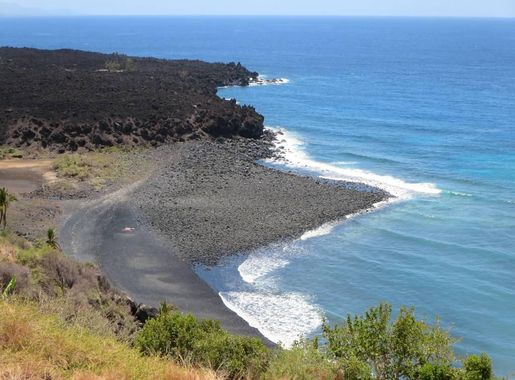






Bambao Mtrouni: The Hidden Gem of Comoros
Nestled in the heart of the Comoros archipelago, Bambao Mtrouni is an enchanting village that promises to captivate every traveler. Surrounded by lush greenery and picturesque landscapes, this destination offers a serene escape from the hustle and bustle of city life. The village is known for its rich cultural heritage, warm hospitality, and stunning natural beauty, making it a must-visit for anyone exploring the Comoros. Strolling through Bambao Mtrouni, visitors can admire traditional Comorian architecture and interact with friendly locals who are always eager to share their stories and traditions. The village is also a gateway to some of the most breathtaking natural attractions in the region. From pristine beaches to lush forests and volcanic landscapes, Bambao Mtrouni is a paradise for nature lovers and adventure seekers alike. For those interested in history and culture, Bambao Mtrouni offers a unique glimpse into the island's past. The village is home to several historic sites and landmarks that reflect the rich tapestry of Comorian history. Whether you're exploring ancient ruins, participating in local festivals, or simply enjoying the tranquil environment, Bambao Mtrouni is a destination that offers something for everyone.