

Free Ndzuwani Travel Guide & Mobile App
Explore Ndzuwani with free travel guides. Discover regional history, expert tips, proposed trips, and audio guides on web or mobile app.


Explore Ndzuwani in the Comoros for historic Mutsamudu, volcanic highlands, fragrant plantations, coastal villages and Indian Ocean culture.
Read more about Ndzuwani
When is the best time to visit Ndzuwani?
Best: June–August · 27–28°C| Month | High (°C) | Rainfall (mm) |
|---|---|---|
| January | 30 | 300 |
| February | 30 | 250 |
| March | 30 | 200 |
| April | 30 | 150 |
| May | 29 | 100 |
| June (best) | 28 | 50 |
| July (best) | 27 | 50 |
| August (best) | 27 | 100 |
| September | 28 | 150 |
| October | 29 | 200 |
| November | 29 | 250 |
| December | 30 | 300 |
Getting to and around Ndzuwani
How to get there
Transportation
Top city travel guides in Ndzuwani
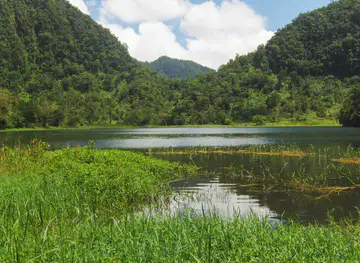
The cities of Ndzuwani, and the easiest places to base yourself.
-

-


Swipe for more cities
Best attractions in Ndzuwani
-
Garden
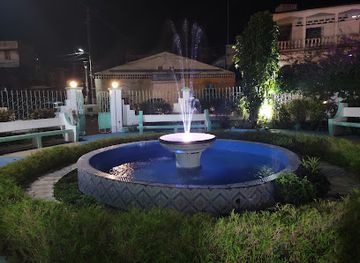
M'roni Public Garden
Escape to tranquility at M'roni Public Garden in Mutsamudu, a serene green space offering a refreshing retreat in the heart of the city.
Best landmarks in Ndzuwani
The old town of Mutsamudu is Ndzuwani's most recognisable historic landmark, with its dense lanes, coastal position, mosques, stone architecture and surviving defensive features reflecting the importance of the settlement in the island's sultanate and trading history. Above the town, the citadel provides a prominent reminder of earlier political authority and defensive needs, as well as broad views over the harbour and surrounding slopes. Domoni is another important historic landmark landscape rather than a single monument: its traditional coastal townscape, Islamic heritage and associations with former rulers express the island's long connection with Indian Ocean commerce. Beyond the built environment, Mount Ntringi is Ndzuwani's defining natural landmark, rising above cultivated valleys and forested uplands. The mountain and surrounding highlands illustrate the island's volcanic origin and ecological variety, while the steep ridges visible from the coast explain why settlement and travel are concentrated in narrow valleys and coastal strips. Conditions and access around the mountain should be checked locally before setting out.
-
Island
Ngazidja
Discover the natural beauty and vibrant culture of Ngazidja, the largest island in Comoros, where stunning landscapes and rich traditions await.
-
 Hotel
HotelMoheli Laka Lodge
Experience a tranquil escape at Moheli Laka Lodge, where nature's beauty meets exceptional hospitality in the heart of the Comoros.
-
Island
Nzwani
Explore Nzwani Island, a hidden gem in the Comoros, where stunning landscapes meet rich cultural heritage and warm island hospitality.
-
Beach pavillion
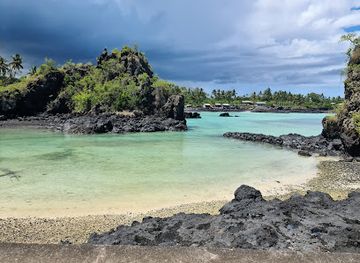
Bouni Beach
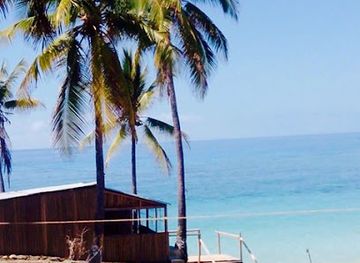
Discover the tranquil beauty of Bouni Beach in Comoros, where pristine sands and azure waters create the perfect getaway for beach lovers.
Explore Ndzuwani on the map
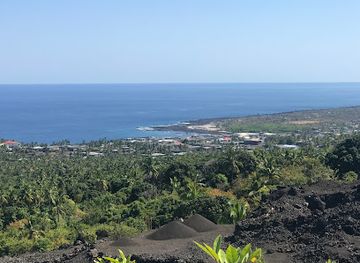
Plan your trip on one map. See where the top cities, national parks and sights are, and book hotels and experiences in a few clicks.
Best hotels in Ndzuwani
Best restaurants in Ndzuwani
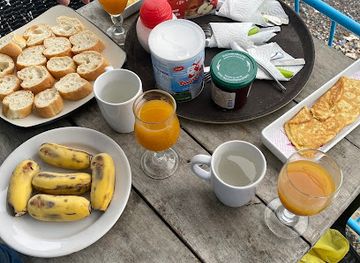
Dining in Ndzuwani is closely connected to household cooking, local markets and the island's coastal and agricultural economy. Rice is a staple, commonly accompanied by fish, seafood, chicken, vegetables, coconut-based sauces and fragrant combinations of cloves or other spices. Cassava, plantain, breadfruit and bananas appear in local meals according to season and household tradition. Mutsamudu and other larger settlements have modest cafés, restaurants and food stalls, while rural areas are more dependent on family-run establishments and pre-arranged meals. Fresh fish is particularly relevant in coastal communities, although availability varies with weather and fishing conditions. Markets provide an opportunity to see local produce, including coconuts, ylang-ylang products, cloves and vanilla, but visitors should distinguish raw ingredients from ready-to-eat food and choose busy stalls with good turnover. French, East African, Arab and wider Indian Ocean influences can be detected in the island's cooking, but dining remains primarily Comorian in its use of rice, spices, coconut and locally available produce.
-
Hotel
Retaj Moroni Hotel
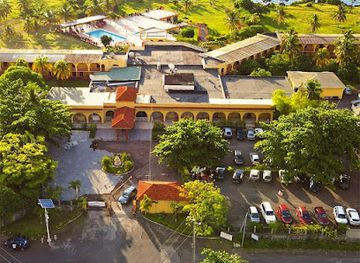
Experience comfort and charm at Retaj Moroni Hotel - your gateway to exploring the beauty of Comoros.
-
Restaurant
Restaurant & Grill Le Coraya
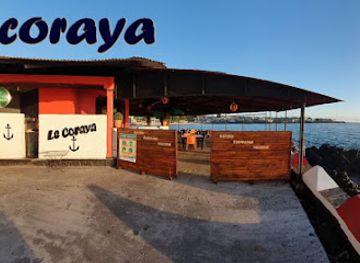
Experience authentic Comorian cuisine at Restaurant & Grill Le Coraya, where every dish tells a story and every bite delights.
-
Restaurant
MoCafe
Discover the rich flavors of Comorian cuisine at MoCafe in Moroni - home to the best biriyani you'll ever taste!
-
Restaurant
Restaurant L'Escale
Discover the flavors of Comoros at Restaurant L'Escale in Moroni—where every meal tells a story.

Best bars in Ndzuwani
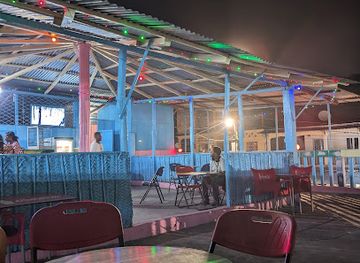
Ndzuwani does not have a large or clearly developed nightclub scene, and evening life is shaped by family gatherings, cafés, restaurants and community activity rather than late-night entertainment districts. In Mutsamudu, visitors may find modest places for tea, coffee, soft drinks or an evening meal, while smaller towns tend to become quiet after dark. Alcohol is not central to public social life because the island is predominantly Muslim, and visitors should not assume that bars or licensed drinking venues are widely available. Live music, weddings and religious or cultural occasions can bring people together, but these are local events rather than a dependable tourist programme. For independent travellers, the practical priorities are arranging a safe return to accommodation, using a trusted driver after dark and respecting the quieter character of residential neighbourhoods.
-
Restaurant
Naoumi Pizza
Discover the delightful taste of authentic pizza at Naoumi Pizza in Mutsamudu, where local flavors meet a cozy dining experience.
-
Restaurant
chez aladin
Discover the authentic flavors of Comoros at Chez Aladin, a must-visit restaurant in Mirontsi offering exquisite local cuisine.
-
Restaurant
Les jardins de Tsantsani
Les Jardins de Tsantsani: A Culinary Gem in Mutsamudu, Comoros, Offering Exquisite Flavors and a Tranquil Dining Experience.
-
French
Al Quittoir
Discover the exquisite flavors of French cuisine at Al Quittoir in Mutsamudu, Comoros, where culinary artistry meets a charming atmosphere.
Best nightclubs in Ndzuwani
Ndzuwani does not have a large or clearly developed nightclub scene, and evening life is shaped by family gatherings, cafés, restaurants and community activity rather than late-night entertainment districts. In Mutsamudu, visitors may find modest places for tea, coffee, soft drinks or an evening meal, while smaller towns tend to become quiet after dark. Alcohol is not central to public social life because the island is predominantly Muslim, and visitors should not assume that bars or licensed drinking venues are widely available. Live music, weddings and religious or cultural occasions can bring people together, but these are local events rather than a dependable tourist programme. For independent travellers, the practical priorities are arranging a safe return to accommodation, using a trusted driver after dark and respecting the quieter character of residential neighbourhoods.
-
Hotel
Retaj Moroni Hotel
Experience comfort and culture at Retaj Moroni Hotel, your ideal base for exploring the stunning landscapes of Comoros.
-
Recreation center
Le Trou Du Prophète
Explore the serene waters and vibrant marine life at Le Trou Du Prophète, a perfect recreation center in the heart of Comoros.
-
Night club
نجم القمر
Discover the vibrant nightlife at نجم القمر, Comoros' premier night club offering a unique blend of local flavors and pulsating beats for an unforgettable experience.
-
Pony club
Covo dei Paguri Comore
Experience the joy of pony riding and care at Covo dei Paguri Comore, a family-friendly pony club nestled in scenic landscapes.


Best shops in Ndzuwani
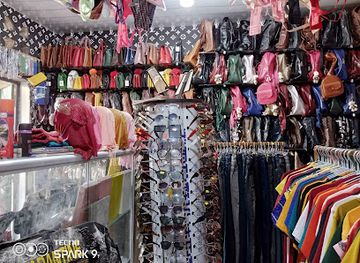
Shopping in Ndzuwani is primarily a matter of markets, small independent traders and locally produced goods rather than large retail centres. Mutsamudu has the broadest choice of everyday shops, food stalls, household goods and clothing, while smaller towns offer more limited markets shaped by local supply. Useful purchases include vanilla, cloves, ylang-ylang-derived products, coconut items, woven goods and other agricultural or craft products, provided their origin and quality are clear. Fresh produce markets reveal the island's seasonal economy, with bananas, cassava, plantains, coconuts and other crops appearing alongside fish and household staples. Visitors should carry cash, check quantities and prices before buying, and pack fragile or aromatic products securely for travel. There is no need to expect a dedicated souvenir quarter: the more meaningful shopping experience comes from meeting established sellers and choosing modest, practical products that support local producers without removing significant cultural or natural objects from the island.
-
Warehouse store
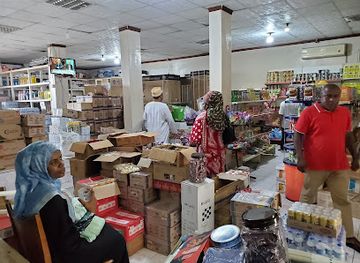
Magasin Naantil-lahi
Explore the vibrant culture of Comoros at Magasin Naantil-lahi, a bustling warehouse store and supermarket in Mutsamudu filled with local delights.
-
Shopping mall
Centre Commercial de Bazimini
Experience the vibrant blend of local culture and modern shopping at the Centre Commercial de Bazimini, a must-visit destination in Bazimini.
-
Shopping mall
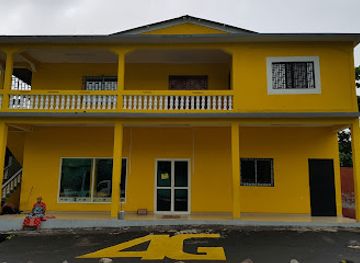
Telma Shops Mutsamudu
Discover unique shopping and local culture at Telma Shops Mutsamudu, a vibrant destination in the heart of Comoros.
-
Supermarket
Magasin karoi
Explore Magasin Karoi, your local supermarket in Mutsamudu, for a taste of Comorian culture and quality products.
Get your free copy of our complete guide to Ndzuwani, delivered straight to you.
Everything on this page, from attractions and restaurants to essentials and local phrases, in one PDF you can read offline, print or share.
Already have an account? Sign in
Your Ndzuwani guide is ready.
We'll send it to · Not you? Sign out

Getting your guide ready…
We are putting together a fresh copy of the Ndzuwani guide. This can take up to a minute.
This can take a few moments. If your browser asks, choose Allow so the download can start. You'll find the guide in your Downloads folder.
Nothing happened? Download it again
Sorry, the guide is taking longer than usual. Please try again in a minute, or get it by email instead.
Ndzuwani essentials
Currency and Payment
Safety
Emergency Situations
Do's and Don'ts
Local Tips
From Eve
Local phrases worth knowing
You don't need to get them perfect. A few words go a long way, and locals appreciate the effort.
Basics
| English | Local | Say it |
|---|---|---|
| Hello | Salama | [sah-lah-mah] |
| Goodbye | Nenda salama | [nen-dah sah-lah-mah] |
| Yes | Ee | [ay] |
| No | Ala | [ah-lah] |
| Please/You’re welcome | Tafadhali | [tah-fah-dah-lee] |
| Thank you | Asante | [ah-sahn-teh] |
| Excuse me/Sorry | Pole | [poh-leh] |
| How are you? | Habari gani? | [hah-bah-ree gah-nee] |
| Fine. And you? | Nzuri. Na wewe? | [n-zoo-ree nah weh-weh] |
| Do you speak English? | Unasema Kiingereza? | [oo-nah-seh-mah kee-een-geh-reh-zah] |
| I don't understand | Sielewi | [see-eh-leh-wee] |
Eating & Drinking
| English | Local | Say it |
|---|---|---|
| I’d like to see the menu, please | Ningependa kuona menyu, tafadhali | [neen-geh-pehn-dah koo-oh-nah men-yoo tah-fah-dah-lee] |
| I don’t eat meat | Sikula nyama | [see-koo-lah nyah-mah] |
| Cheers! | Afya! | [ah-fyah] |
| I would like to pay, please | Ningependa kulipa, tafadhali | [neen-geh-pehn-dah koo-lee-pah tah-fah-dah-lee] |
Emergencies
| English | Local | Say it |
|---|---|---|
| Help! | Msaada! | [m-sah-dah] |
| Go away! | Ondoka! | [on-doh-kah] |
| Call the Police! | Piga simu polisi! | [pee-gah see-moo poh-lee-see] |
| Call a doctor! | Piga simu daktari! | [pee-gah see-moo dahk-tah-ree] |
| I’m lost | Nimepotea | [nee-meh-poh-teh-ah] |
| I’m ill | Nina ugonjwa | [nee-nah oo-gon-jwah] |
Shopping
| English | Local | Say it |
|---|---|---|
| I’d like to buy... | Ningependa kununua... | [neen-geh-pehn-dah koo-noo-noo-ah] |
| I’m just looking | Natazama tu | [nah-tah-zah-mah too] |
| How much is it? | Ni kiasi gani? | [nee kee-ah-see gah-nee] |
| That’s too expensive | Hiyo ni ghali sana | [hee-yoh nee gah-lee sah-nah] |
| Can you lower the price? | Unaweza kupunguza bei? | [oo-nah-weh-zah koo-pun-guh-zah beh-ee] |
Time & Numbers
| English | Local | Say it |
|---|---|---|
| What time is it? | Ni saa ngapi? | [nee sah ngah-pee] |
| It’s one o’clock | Ni saa moja | [nee sah moh-jah] |
| Half past (10) | Nusu ya (saa 10) | [noo-soo yah (sah ten)] |
| Morning | Asubuhi | [ah-soo-boo-hee] |
| Afternoon | Mchana | [m-chah-nah] |
| Evening | Jioni | [jee-oh-nee] |
| Yesterday | Jana | [jah-nah] |
| Today | Leo | [lay-oh] |
| Tomorrow | Kesho | [keh-shoh] |
| 1 | Moja | [moh-jah] |
| 2 | Mbili | [m-bee-lee] |
| 3 | Tatu | [tah-too] |
| 4 | Nne | [n-nay] |
| 5 | Tano | [tah-no] |
| 6 | Sita | [see-tah] |
| 7 | Saba | [sah-bah] |
| 8 | Nane | [nah-neh] |
| 9 | Tisa | [tee-sah] |
| 10 | Kumi | [koo-mee] |
Transport & Directions
| English | Local | Say it |
|---|---|---|
| Where's a/the...? | Iko wapi...? | [ee-koh wah-pee] |
| What's the address? | Nini anwani? | [nee-nee ahn-wah-nee] |
| Can you show me (on the map)? | Unaweza kunionyesha (katika ramani)? | [oo-nah-weh-zah koo-nee-oh-nyah (kah-tee-kah rah-mah-nee)] |
| When's the next (bus)? | Basi inayofuata ni lini? | [bah-see ee-nah-yoh-foo-ah-tah nee lee-nee] |
| A ticket (to ....) | Tiketi (kwa ....) | [tee-keh-tee (kwah)] |
History of Ndzuwani
Early settlement and Indian Ocean connections
Ndzuwani's population emerged from successive movements across the western Indian Ocean, including African, Malagasy, Arab and Persian-linked communities. The island's position between the East African coast, Madagascar and maritime routes towards the wider Indian Ocean encouraged contacts in language, religion, agriculture and trade. Archaeological evidence across the Comoros indicates long-standing settlement and seafaring, although the chronology of early communities is complex. These connections helped establish the cultural foundations that remain visible in Ndzuwani's coastal towns, Islamic traditions and layered family histories.
Islamic towns and the sultanates
From the medieval period onwards, Islam became a central influence in Ndzuwani, particularly in coastal settlements such as Mutsamudu and Domoni. Local rulers and mercantile families governed through sultanates whose authority was connected to trade across the Swahili coast and the wider Indian Ocean. Mosques, stone houses, religious schools and defensive structures developed around these urban centres. The old quarters of Mutsamudu and Domoni preserve elements of this period, although many buildings have been altered, rebuilt or incorporated into modern neighbourhoods.
Plantations, trade and foreign influence
Comorian islands were drawn increasingly into global trading networks during the eighteenth and nineteenth centuries. Cloves, ylang-ylang, vanilla and other tropical products became important sources of commercial value, while coastal ports handled regional exchange. Competition among local rulers and European powers altered the political balance of the islands. Foreign merchants, labour systems and changing land ownership left a lasting imprint on Ndzuwani's economy and settlement patterns, with agriculture continuing to provide much of the island's rural livelihood.
French colonial rule
France established colonial control over the Comoros during the nineteenth century, initially through agreements and interventions involving local rulers before incorporating the islands into its wider imperial administration. Ndzuwani was governed within the colonial structure of the Comoros, and French institutions, education, legal practices and commercial systems expanded alongside existing Islamic and customary authorities. Colonial-era roads, administrative buildings and plantation activity influenced the island's modern geography, while political and social change gradually strengthened demands for self-government.
Independence and the Comorian Union
The Comoros became independent from France in 1975, although Mayotte remained under French administration. Ndzuwani therefore entered independence as part of the new Comorian state, but political tensions, economic difficulties and disputes over the distribution of authority continued. The island's separate historical identity and strong local institutions contributed to repeated debates about autonomy and the relationship between the islands. These issues remain important for understanding contemporary Comorian politics and Ndzuwani's public life.
The 1997 secession crisis
In 1997, Ndzuwani declared its secession from the Comoros, citing political and economic grievances and seeking a different constitutional relationship. The crisis produced prolonged uncertainty, disrupted relations with the federal government and affected transport and commerce. Although the attempted separation was not internationally recognised, it demonstrated the strength of island-level political identity. Later negotiations contributed to a new constitutional arrangement in which the islands received greater autonomy within the Union of the Comoros.
Autonomy and modern Ndzuwani
The 2001 constitutional settlement created an autonomous-island system for the Comoros, giving Ndzuwani its own institutions while retaining union-level responsibilities such as foreign affairs and national security. In 2008, Comorian and African Union-backed forces removed the island's then separatist administration, restoring federal authority. Since then, Ndzuwani has remained part of the Union while continuing to manage many local matters. Its present character combines historic urban centres, subsistence and export agriculture, a large diaspora and gradual improvements in communications and tourism infrastructure.
Ndzuwani in Photos
Browse through our photo collection highlighting the charm and character of the destination.
Neighbouring regions of Ndzuwani
The closest regions to Ndzuwani, if you have time for more than one.
-

-

-

-

-


Swipe for more regions
Explore more

Explore more of Comoros
Discover Comoros - an untouched paradise in the Indian Ocean with pristine beaches, rich culture, and stunning natural beauty for a truly unique travel experience.
Explore Comoros