

Free Mutsamudu Travel Guide & Mobile App
Explore Mutsamudu with free travel guides. Discover regional history, expert tips, proposed trips, and audio guides on web or mobile app.


Explore Mutsamudu in Comoros for a historic medina, volcanic island scenery, harbour life, Islamic architecture and Anjouan’s spice culture.
Read more about Mutsamudu
When is the best time to visit Mutsamudu?
Best: July–September · 28–29°C| Month | High (°C) | Rainfall (mm) |
|---|---|---|
| January | 30 | 250 |
| February | 30 | 230 |
| March | 30 | 200 |
| April | 30 | 150 |
| May | 30 | 100 |
| June | 29 | 50 |
| July (best) | 28 | 30 |
| August (best) | 28 | 30 |
| September (best) | 29 | 50 |
| October | 29 | 100 |
| November | 30 | 150 |
| December | 30 | 200 |
Getting to and around Mutsamudu
How to get there
Transportation
Top city travel guides in Mutsamudu
The cities of Mutsamudu, and the easiest places to base yourself.
-

-


Swipe for more cities
Best attractions in Mutsamudu
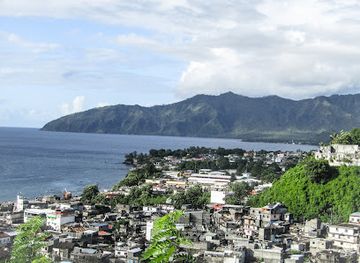
Mutsamudu’s principal attractions are concentrated in and around its historic urban core. The old medina rewards slow exploration through narrow lanes, shaded passages, stone houses, carved doors and small neighbourhood mosques, although it is a living town rather than a preserved open-air museum. Above the settlement, the citadel provides the clearest sense of Mutsamudu’s former defensive and political importance, along with elevated views over the town and harbour where access conditions permit. The waterfront and port are also significant, offering a view of the island’s continuing links with the other Comorian islands. Beyond the centre, Anjouan’s steep volcanic landscape creates opportunities for guided walks, village visits, agricultural excursions and scenic road journeys through coconut, banana, clove and ylang-ylang-growing areas. Visitors interested in nature can explore the island’s greener uplands with local arrangements, but should not expect a highly developed network of marked tourist trails. Markets, small restaurants and religious buildings provide cultural experiences rooted in daily life, while nearby coastal settlements offer a different perspective from the crowded capital. Mutsamudu is best approached as a base for cultural and landscape discovery rather than as a conventional beach resort.
-
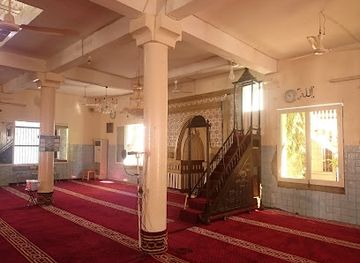
Mosque
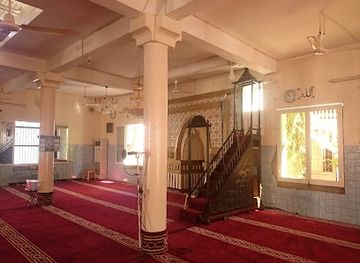
Grande Mosquée de Mutsamudu
Discover the Grande Mosquée de Mutsamudu, a stunning testament to Islamic architecture and community spirit in the heart of Comoros.
-
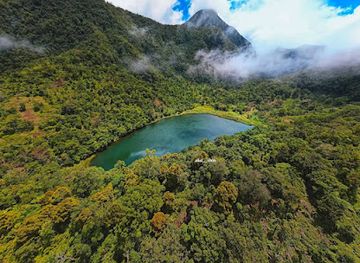
Lake
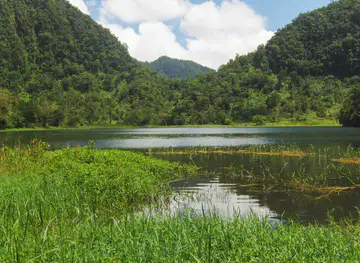
Dzia Landzé
Discover the serene beauty of Dzia Landzé, a breathtaking crater lake in the Comoros Islands, offering tranquility and stunning natural vistas.
-
City park
La Citadelle de Moussa Moudou
Discover the rich history and breathtaking views at La Citadelle de Moussa Moudou, a serene city park in Mutsamudu, Comoros.

Best landmarks in Mutsamudu
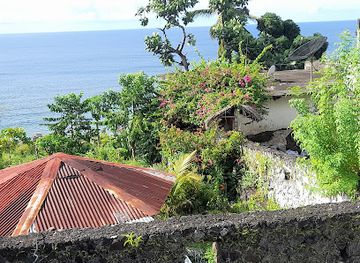
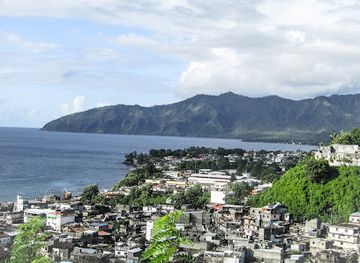
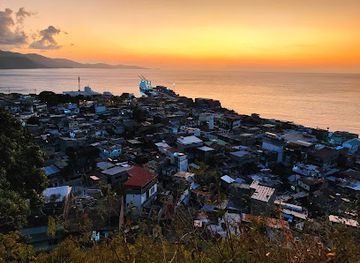
The defining landmark of Mutsamudu is its historic citadel, positioned above the town and associated with the island’s former sultans and defensive history. Its surviving walls and elevated setting express the strategic importance of a capital exposed to maritime contacts and rival powers, even though the site should not be approached as a fully restored fortress complex. The old medina below is itself a landmark landscape, marked by compact lanes, coral-stone and masonry buildings, carved doors and mosques that reflect Anjouan’s Islamic and western Indian Ocean heritage. Mutsamudu’s harbour is another important physical feature: it links the capital to the island’s maritime economy and gives the town its strongest relationship with the sea. The steep volcanic slopes immediately behind the urban area form a dramatic natural backdrop and explain the town’s vertical layout, difficult roads and elevated viewpoints. Rather than a single monumental building, Mutsamudu’s significance lies in the relationship between citadel, medina, harbour and hillside, a layered townscape shaped by sultanate politics, colonial administration and contemporary Comorian life.
-
Island
Nzwani
Discover the enchanting beauty and rich culture of Nzwani, a hidden gem in the Comoros archipelago, perfect for tranquil adventures and cultural experiences.
-
Mosque
Grande Mosquée de Mutsamudu
Explore the Grande Mosquée de Mutsamudu, an architectural masterpiece and cultural heart of Comoros, reflecting the island's rich Islamic heritage.
-
Lake
Dzia Landzé
Explore the tranquil Dzia Landzé Lake in Comoros, a serene escape surrounded by lush nature and vibrant local culture.
-
City park
La Citadelle de Moussa Moudou
Discover the captivating history and stunning views at La Citadelle de Moussa Moudou, a must-visit city park in Mutsamudu, Comoros.
Explore Mutsamudu on the map
Plan your trip on one map. See where the top cities, national parks and sights are, and book hotels and experiences in a few clicks.
Best hotels in Mutsamudu
Best restaurants in Mutsamudu
Dining in Mutsamudu is generally informal and closely connected to Comorian household cooking. Rice is a staple, often accompanied by fish, seafood, chicken, cassava, plantain or vegetables, with coconut, chilli and aromatic spices adding flavour. Small restaurants and family-run cafés may prepare dishes according to what is available that day, so menus can be limited and service unhurried. Fresh fish is particularly relevant in this port town, while local produce may include bananas, coconuts, cassava, cloves, vanilla and other tropical crops. Comorian food reflects wider Indian Ocean influences without being identical to the cuisines of East Africa, Madagascar or the Arabian Peninsula. Tea and coffee are common social drinks, and imported soft drinks are widely available. Visitors should look for market areas and ask accommodation staff for dependable local dining options, as the restaurant scene is modest and can change. During Ramadan, daytime eating arrangements and opening patterns may differ, and alcohol is not central to local dining culture.
-
Restaurant
Naoumi Pizza
Discover Naoumi Pizza in Mutsamudu - where delicious pizzas meet vibrant culture for an unforgettable dining experience.
-
Restaurant
chez aladin
Discover authentic Comorian cuisine at Chez Aladin in Mirontsi - where every meal is a flavorful journey into local culture.
-
 Hotel
HotelComptoir des Iles-Al Quitoir
Discover comfort and authentic Comorian cuisine at Comptoir des Iles-Al Quitoir in Mutsamudu.
-
Resort hotel
Le Florida Hotel Restaurant
Experience authentic Comorian cuisine at Le Florida Hotel Restaurant, where every dish tells a story amidst stunning island views.
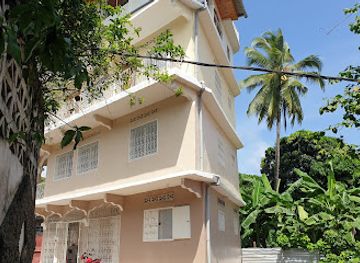
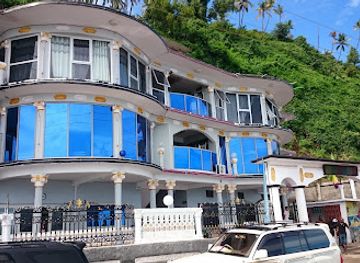
Best bars in Mutsamudu
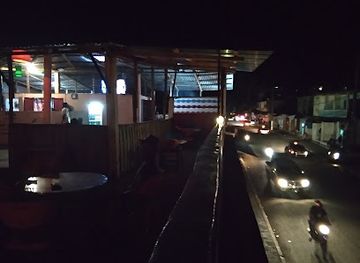
Mutsamudu does not have a large, formal nightclub scene, and evening life is shaped more by family visits, cafés, restaurants, neighbourhood conversation and religious or community rhythms. The central streets and harbour area may become quieter after business hours, while local eateries provide simple evening meals rather than a broad late-night entertainment programme. Travellers should not expect a dependable circuit of cocktail bars, live-music venues or dedicated clubs. Any nightlife available is likely to be discreet and locally oriented, with schedules and venues changing over time. During religious periods, especially Ramadan, public eating and evening activity follow different patterns. The most rewarding evening experience is often an early walk through the lit streets, a meal arranged through a trusted local contact or an opportunity to observe the town’s social life respectfully. Avoid drinking in public and follow the advice of hosts about appropriate places and behaviour.
-
Hotel
Hôtel Le Papillon (île d'Anjouan)
Experience the charm of Hôtel Le Papillon, a cozy hotel in Mutsamudu, perfect for your getaway on the beautiful Île d'Anjouan.
-
Restaurant
Naoumi Pizza
Discover the best pizza in Mutsamudu at Naoumi Pizza, where delicious flavors meet a charming atmosphere.
-
Restaurant
chez aladin
Experience the authentic flavors of Comoros at Chez Aladin, a must-visit restaurant in Mirontsi offering delectable local cuisine.
-
Hotel
Comptoir des Iles-Al Quitoir
Discover the vibrant culture and breathtaking landscapes of Comoros at Comptoir des Iles-Al Quitoir, your perfect retreat in Mutsamudu.
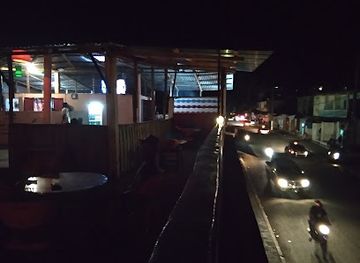
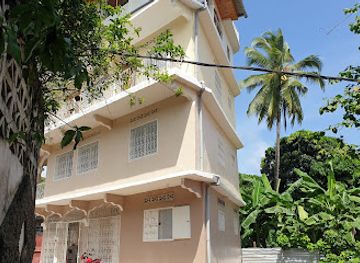
Best nightclubs in Mutsamudu
Mutsamudu does not have a large, formal nightclub scene, and evening life is shaped more by family visits, cafés, restaurants, neighbourhood conversation and religious or community rhythms. The central streets and harbour area may become quieter after business hours, while local eateries provide simple evening meals rather than a broad late-night entertainment programme. Travellers should not expect a dependable circuit of cocktail bars, live-music venues or dedicated clubs. Any nightlife available is likely to be discreet and locally oriented, with schedules and venues changing over time. During religious periods, especially Ramadan, public eating and evening activity follow different patterns. The most rewarding evening experience is often an early walk through the lit streets, a meal arranged through a trusted local contact or an opportunity to observe the town’s social life respectfully. Avoid drinking in public and follow the advice of hosts about appropriate places and behaviour.
-
Night club
نجم القمر
Discover the energetic nightlife of نجم القمر, the top night club in Ntsaouéni, Comoros, where music and dance come alive.
-
Bar
Ahmed Mouslim
Discover the vibrant nightlife at Ahmed Mouslim, a bar in Dindri, Comoros, blending local culture with refreshing drinks and an inviting atmosphere.
Best shops in Mutsamudu
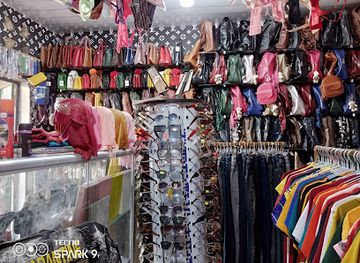
Shopping in Mutsamudu is primarily local and practical, centred on markets, small food shops, street traders and independent retailers rather than large shopping centres. Visitors can look for cloves, vanilla, ylang-ylang-related products, coconut goods, locally grown produce and simple handicrafts, although quality, packaging and export rules should be checked before purchase. Market areas are useful for seeing the ingredients of everyday Comorian cooking, including rice, fish, cassava, plantain and spices. Small shops may also sell textiles, household goods and imported products brought through regional trade networks. The old town and central commercial streets offer more character than a formal retail district, while village markets elsewhere on Anjouan can provide different produce and a less urban setting when transport is arranged. Bargaining may be possible in informal markets, but it should remain courteous and proportionate. Keep receipts for valuable purchases and avoid buying shells, wildlife products or antiquities whose collection or export may be restricted.
-
Island
Nzwani
Explore the natural beauty and cultural richness of Nzwani Island in Comoros, where adventure and tranquility await every traveler.
-
Warehouse store
Magasin Naantil-lahi
Experience the vibrant local culture and diverse offerings at Magasin Naantil-lahi, Mutsamudu's top supermarket and warehouse store.
-
Shopping mall
Centre Commercial de Bazimini
Explore the lively Centre Commercial de Bazimini, where shopping meets local culture and culinary delights in the heart of Comoros.
-
Shopping mall
Telma Shops Mutsamudu
Explore the vibrant shopping experience at Telma Shops Mutsamudu, where local culture meets international brands in a lively atmosphere.

Get your free copy of our complete guide to Mutsamudu, delivered straight to you.
Everything on this page, from attractions and restaurants to essentials and local phrases, in one PDF you can read offline, print or share.
Already have an account? Sign in
Your Mutsamudu guide is ready.
We'll send it to · Not you? Sign out

Getting your guide ready…
We are putting together a fresh copy of the Mutsamudu guide. This can take up to a minute.
This can take a few moments. If your browser asks, choose Allow so the download can start. You'll find the guide in your Downloads folder.
Nothing happened? Download it again
Sorry, the guide is taking longer than usual. Please try again in a minute, or get it by email instead.
Mutsamudu essentials
Currency and Payment
Safety
Emergency Situations
Do's and Don'ts
Local Tips
From Eve
Local phrases worth knowing
You don't need to get them perfect. A few words go a long way, and locals appreciate the effort.
Basics
| English | Local | Say it |
|---|---|---|
| Hello | Salama | [sah-lah-mah] |
| Goodbye | Tsalama | [tsah-lah-mah] |
| Yes | Iye | [ee-yeh] |
| No | Ayi | [ah-yee] |
| Please/You're welcome | Tafadhali | [tah-fah-dah-lee] |
| Thank you | Asante | [ah-sahn-teh] |
| Excuse me/Sorry | Pole | [poh-leh] |
| How are you? | Habari gani? | [hah-bah-ree gah-nee] |
| Fine. And you? | Nzuri. Na wewe? | [n-zoo-ree nah weh-weh] |
| Do you speak English? | Unazungumza Kiingereza? | [oo-nah-zoo-ngum-zah kee-ing-eh-reh-zah] |
| I don't understand | Sielewi | [see-eh-leh-wee] |
Eating & Drinking
| English | Local | Say it |
|---|---|---|
| I'd like to see the menu, please | Ningependa kuona menyu, tafadhali | [neen-geh-pen-dah koo-nah meh-nyoo tah-fah-dah-lee] |
| I don't eat meat | Sikuli nyama | [see-koo-lee nyah-mah] |
| Cheers! | Afya! | [ah-fyah] |
| I would like to pay, please | Ningependa kulipa, tafadhali | [neen-geh-pen-dah koo-lee-pah tah-fah-dah-lee] |
Emergencies
| English | Local | Say it |
|---|---|---|
| Help! | Nisaidie! | [nee-sah-ee-dee-eh] |
| Go away! | Ondoka! | [on-doh-kah] |
| Call the Police! | Piga polisi! | [pee-gah poh-lee-see] |
| Call a doctor! | Piga daktari! | [pee-gah dahk-tah-ree] |
| I'm lost | Nimepotea | [nee-meh-poh-teh-ah] |
| I'm ill | Ninaumwa | [nee-nah-oom-wah] |
Shopping
| English | Local | Say it |
|---|---|---|
| I'd like to buy... | Ningependa kununua... | [neen-geh-pen-dah koo-noo-noo-ah] |
| I'm just looking | Natazama tu | [nah-tah-zah-mah too] |
| How much is it? | Ni kiasi gani? | [nee kee-ah-see gah-nee] |
| That's too expensive | Hiyo ni ghali sana | [hee-yoh nee ghah-lee sah-nah] |
| Can you lower the price? | Unaweza kupunguza bei? | [oo-nah-weh-zah koo-poon-gee-zah bay-ee] |
Time & Numbers
| English | Local | Say it |
|---|---|---|
| What time is it? | Ni saa ngapi? | [nee sah ngah-pee] |
| It's one o'clock | Ni saa moja | [nee sah moh-jah] |
| Half past (10) | Nusu (10) | [noo-soo (10)] |
| Morning | Asubuhi | [ah-soo-boo-hee] |
| Afternoon | Mchana | [m-chah-nah] |
| Evening | Jioni | [jee-oh-nee] |
| Yesterday | Jana | [jah-nah] |
| Today | Leo | [leh-oh] |
| Tomorrow | Kesho | [keh-shoh] |
| 1 | Moja | [moh-jah] |
| 2 | Mbili | [m-bee-lee] |
| 3 | Tatu | [tah-too] |
| 4 | Nne | [n-nay] |
| 5 | Tano | [tah-noh] |
| 6 | Sita | [see-tah] |
| 7 | Saba | [sah-bah] |
| 8 | Nane | [nah-neh] |
| 9 | Tisa | [tee-sah] |
| 10 | Kumi | [koo-mee] |
Transport & Directions
| English | Local | Say it |
|---|---|---|
| Where's a/the...? | Iko wapi...? | [ee-koh wah-pee] |
| What's the address? | Ni anwani gani? | [nee ahn-wah-nee gah-nee] |
| Can you show me (on the map)? | Unaweza kunionesha (katika ramani)? | [oo-nah-weh-zah koo-nee-oh-nesh-ah kah-tee-kah rah-mah-nee] |
| When's the next (bus)? | Basi inayofuata ni lini? | [bah-see ee-nah-yoh-foo-ah-tah nee lee-nee] |
| A ticket (to ....) | Tiketi (ya....) | [tee-keh-tee yah] |
History of Mutsamudu
Early settlement and western Indian Ocean connections
Anjouan has long been connected to maritime networks linking the East African coast, Madagascar, the Arabian Peninsula and other islands of the Comoros. Settlement developed through African, Arab, Persian and Swahili influences, with Islam becoming central to public and cultural life. Mutsamudu emerged as an important coastal settlement because of its harbour and position on Anjouan’s navigable western side. The old town’s compact lanes, mosques and masonry buildings reflect the commercial and religious connections that shaped island society over many centuries.
The Anjouan sultanate and the growth of Mutsamudu
Before European colonial rule, Anjouan was governed by a succession of local sultans whose authority was centred on coastal towns and extended unevenly into the mountainous interior. Mutsamudu became the island’s political capital and a seat of administration, trade and religious learning. Fortifications and substantial houses expressed the importance of the town’s ruling families and merchant communities. The citadel above Mutsamudu belongs to this history of local power and defence, although the surviving remains have been altered by time and later use.
French influence and the colonial period
France established a protectorate over Anjouan in the late nineteenth century, bringing the island into the colonial system that eventually formed the Comoros archipelago under French administration. Mutsamudu became an administrative and commercial centre during this period, while port activity and the export economy connected Anjouan more closely to external markets. Colonial rule changed political authority, land administration and education but did not erase the importance of Islamic institutions, local families or maritime connections in the town.
Independence and the Comorian state
The Comoros became independent from France in 1975, although Mayotte remained under French administration. Mutsamudu consequently became part of the independent Comorian state as the capital of Anjouan. Independence brought new national institutions but also difficult economic and political circumstances, including limited infrastructure, geographical separation between islands and continuing ties to France and the Comorian diaspora. These forces remain relevant to understanding the town’s public life and its uneven tourism development.
Anjouan’s secession crisis in the 1990s
In 1997, Anjouan declared itself separate from the Comorian state during a period of political and economic tension. Mutsamudu was at the centre of the island’s political life and the crisis exposed long-standing grievances concerning autonomy, resources and relations between the islands. The secessionist period was followed by negotiations and a constitutional arrangement that granted the islands greater autonomous government while retaining a federal Union of the Comoros. The episode is an important part of contemporary Anjouan identity and political memory.
Contemporary Mutsamudu and Anjouan
Today Mutsamudu remains Anjouan’s main administrative, commercial and maritime centre. Its economy combines public services, retail, fishing, small-scale agriculture, remittances and trade in products such as cloves, vanilla and ylang-ylang. The historic town survives alongside newer construction and busy everyday commerce, while the island’s steep terrain continues to shape roads, housing and access. Mutsamudu’s modern character is therefore neither purely colonial nor purely traditional: it is a working Comorian town with a visible architectural and maritime inheritance.
Mutsamudu in Photos
Browse through our photo collection highlighting the charm and character of the destination.
Neighbouring regions of Mutsamudu
The closest regions to Mutsamudu, if you have time for more than one.
-

-

-

-

-


Swipe for more regions
Explore more

Explore more of Comoros
Discover Comoros - an untouched paradise in the Indian Ocean with pristine beaches, rich culture, and stunning natural beauty for a truly unique travel experience.
Explore Comoros