

Free Nyumakele Travel Guide & Mobile App
Explore Nyumakele with free travel guides. Discover regional history, expert tips, proposed trips, and audio guides on web or mobile app.


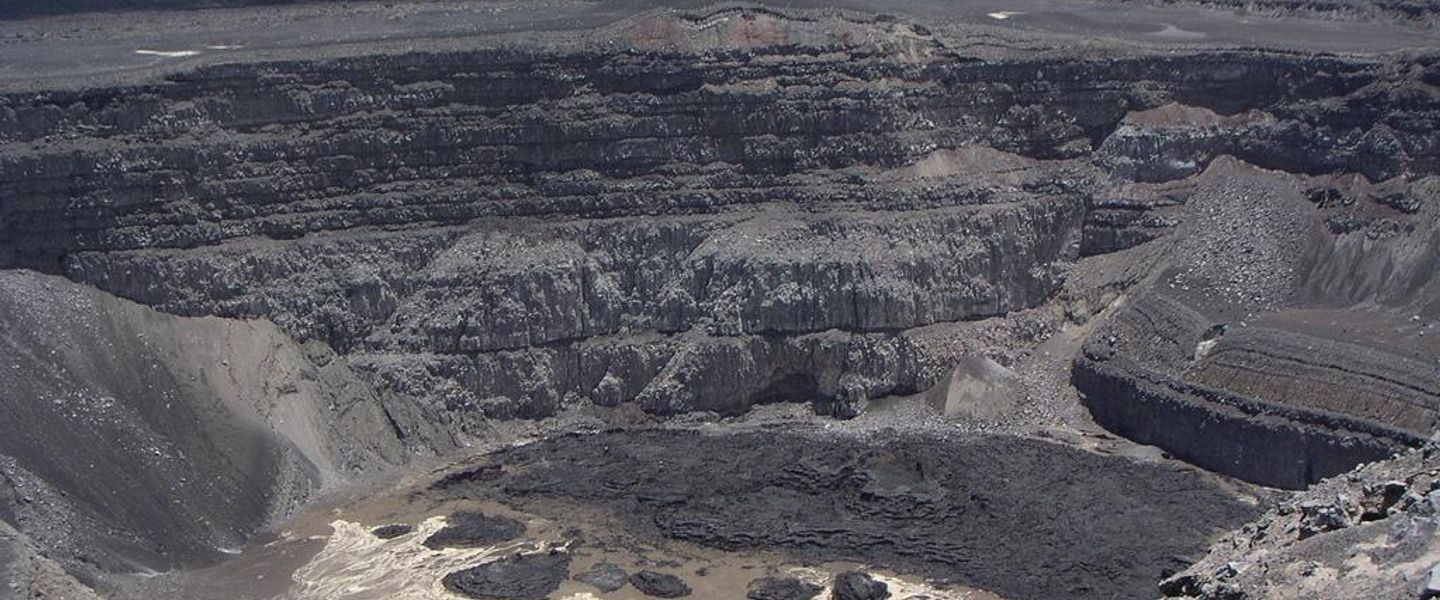


Explore Nyumakele in southern Anjouan for volcanic hills, village life, crater-lake scenery, tropical agriculture and quiet Indian Ocean shores.
Read more about Nyumakele
When is the best time to visit Nyumakele?
Best: June–August · 28°C| Month | High (°C) | Rainfall (mm) |
|---|---|---|
| January | 30 | 250 |
| February | 30 | 230 |
| March | 30 | 210 |
| April | 29 | 170 |
| May | 29 | 130 |
| June (best) | 28 | 110 |
| July (best) | 28 | 100 |
| August (best) | 28 | 100 |
| September | 28 | 130 |
| October | 29 | 170 |
| November | 29 | 210 |
| December | 29 | 250 |
Getting to and around Nyumakele
How to get there
Transportation
Best landmarks in Nyumakele
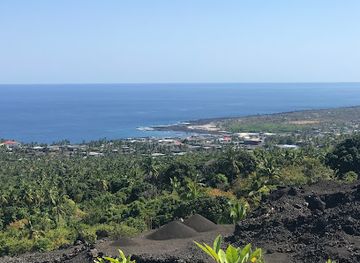
Lake Dzialandzé is Nyumakele’s most distinctive natural landmark, a crater lake whose setting reflects Anjouan’s volcanic formation and mountainous interior. Its importance is scenic and geographical rather than architectural, and reaching it may involve rough tracks, changing weather and locally guided walking. The coastal setting around Moya provides another recognisable feature of the region, where volcanic land meets the Indian Ocean and small settlements are framed by steep green slopes. Across Nyumakele, village mosques and compact settlement clusters form the principal built landmarks, expressing the enduring role of Islam and community life in Anjouan. The region’s cultivated hillsides are also significant: terraces, gardens and plantations show how residents have adapted farming to confined volcanic valleys and sharply rising terrain. Rather than a concentration of grand monuments, Nyumakele’s visual identity comes from the relationship between crater landscapes, narrow roads, villages, agricultural slopes and the sea.
-
Island
Ngazidja
Discover the magical island of Ngazidja, where stunning landscapes, rich culture, and vibrant marine life create an unforgettable travel experience in Comoros.
-
 Hotel
HotelMoheli Laka Lodge
Discover the tranquil beauty of Moheli Laka Lodge in the Comoros, a perfect getaway for relaxation and adventure by the Indian Ocean.
-
Beach pavillion
Bouni Beach
Discover the serene beauty of Bouni Beach in Comoros, where crystal-clear waters meet soft sands, perfect for relaxation and adventure.
-
Recreation center
Le Trou Du Prophète
Discover the breathtaking beauty of Le Trou Du Prophète in Mitsamiouli, a perfect blend of nature, adventure, and local culture in the Comoros.
Explore Nyumakele on the map
Plan your trip on one map. See where the top cities, national parks and sights are, and book hotels and experiences in a few clicks.
Best hotels in Nyumakele
Best restaurants in Nyumakele
Dining in Nyumakele is informal and closely connected to household cooking, local produce and the availability of the day’s catch. Rice is a staple, commonly served with fish, meat, vegetables, beans, coconut-based preparations or spicy sauces. Bananas, cassava and other root crops are important in rural diets, while cloves, vanilla and other aromatic plants reflect Anjouan’s agricultural heritage. Around Moya and larger settlements, visitors may find modest cafés, small local eateries and food stalls, but choices can be limited and opening patterns are not always predictable. Guesthouses and locally arranged accommodation are often the most reliable places to request a meal, particularly outside the main roads. Markets and village shops provide fruit, bread, snacks and drinks for excursions. Seafood is most naturally associated with coastal communities, although availability depends on weather and local supply. Visitors should carry provisions when travelling into the uplands and should ask about ingredients if they have dietary restrictions.
-
Restaurant
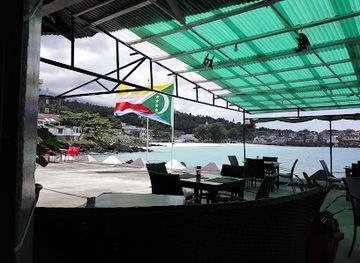
Restaurant & Grill Le Coraya
Discover authentic flavors at Restaurant & Grill Le Coraya in Comoros – where every meal is a celebration of local cuisine.
-
Restaurant
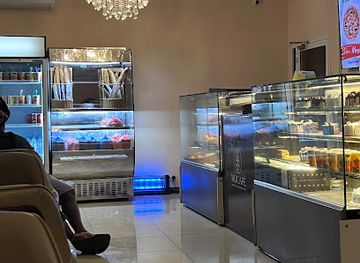
MoCafe
Experience the vibrant flavors of Comoros at MoCafe - where every meal is a celebration of local culture.
-
Restaurant
Restaurant L'Escale
Discover the vibrant culinary scene of Comoros at Restaurant L'Escale—where local flavors meet welcoming ambiance.
-
Restaurant
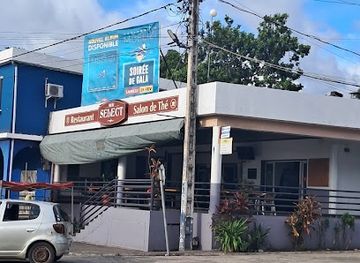
New Select Restaurant
Discover authentic Comorian cuisine at New Select Restaurant in Moroni – where every meal is a delightful journey through flavors.

Best bars in Nyumakele
Nyumakele does not have a major nightclub scene, and evening life is generally centred on family gatherings, neighbourhood conversation, small cafés and modest restaurants rather than late-night entertainment. In keeping with the Comoros’ predominantly Muslim culture, alcohol is not central to public social life and should never be assumed to be available. Moya and the larger villages offer the best chance of finding a simple evening meal or informal meeting place, while rural areas become quiet after dark. Accommodation hosts can advise on appropriate local venues, but visitors should not expect fixed entertainment schedules, cocktail bars or large music clubs. Evening walks should be limited to familiar, well-lit areas, and travellers staying outside settled centres may prefer to spend the night at their accommodation. Occasional celebrations, weddings and community events can bring music and social activity, but these are local occasions rather than dependable tourist nightlife.
-
Hotel
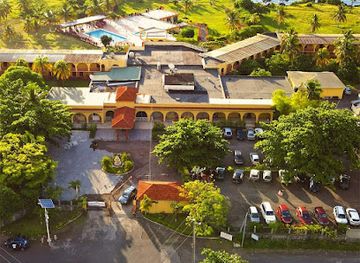
Retaj Moroni Hotel
Discover the perfect blend of comfort and culture at Retaj Moroni Hotel, your ideal base for exploring the enchanting Comoros Islands.
-
Restaurant
Restaurant & Grill Le Coraya
Discover the vibrant tastes of Comorian cuisine at Restaurant & Grill Le Coraya, where every meal is a celebration of local culture and flavor.
-
Hotel
Moheli Laka Lodge
Discover the serene beauty and local flavors at Moheli Laka Lodge, your perfect escape in the heart of Comoros.
-
Restaurant
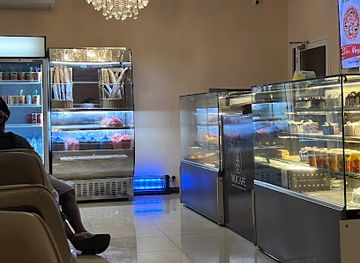
MoCafe
Savor the rich flavors of Comoros at MoCafe, a charming restaurant in Moroni offering a delightful blend of local and French cuisine.
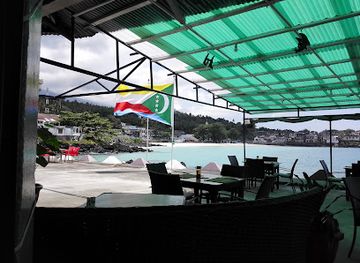
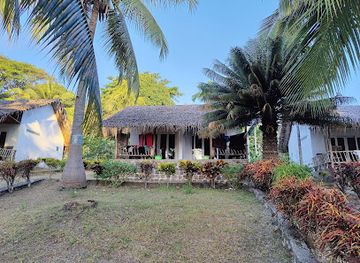
Best nightclubs in Nyumakele
Nyumakele does not have a major nightclub scene, and evening life is generally centred on family gatherings, neighbourhood conversation, small cafés and modest restaurants rather than late-night entertainment. In keeping with the Comoros’ predominantly Muslim culture, alcohol is not central to public social life and should never be assumed to be available. Moya and the larger villages offer the best chance of finding a simple evening meal or informal meeting place, while rural areas become quiet after dark. Accommodation hosts can advise on appropriate local venues, but visitors should not expect fixed entertainment schedules, cocktail bars or large music clubs. Evening walks should be limited to familiar, well-lit areas, and travellers staying outside settled centres may prefer to spend the night at their accommodation. Occasional celebrations, weddings and community events can bring music and social activity, but these are local occasions rather than dependable tourist nightlife.
-
Night club
نجم القمر
Discover the vibrant nightlife of Comoros at Nجم القمر Nightclub in Ntsaouéni, where music and dance come together for an unforgettable experience.
-
Pony club
Covo dei Paguri Comore
Immerse yourself in the beauty of nature and pony rides at Covo dei Paguri Comore, a perfect family-friendly destination for equestrian adventures.

Best shops in Nyumakele
Shopping in Nyumakele is practical and local rather than centred on large retail districts. Village shops and small markets sell fruit, vegetables, rice, snacks, household goods and drinks, while larger settlements on Anjouan provide a broader choice of everyday supplies. Visitors may encounter locally grown spices and aromatic products associated with the island, including cloves and vanilla, although quality, packaging and availability vary. Coconut products, woven goods and small handmade items can sometimes be bought directly from local producers or through personal introductions. Moya and other populated areas are more useful for provisions than for dedicated souvenir shopping, so travellers should not wait until a rural excursion to purchase essentials. Bargaining should be polite and moderate where prices are not fixed, and photographs of vendors or workshops require permission. For dependable gifts, choose clearly labelled local products and carry enough Comorian francs, since small traders generally do not accept cards.
-
Hotel
Moheli Laka Lodge
Discover the tranquility and beauty of Moheli Laka Lodge, where nature meets comfort in the heart of the Comoros archipelago.
-
Beach pavillion
Bouni Beach
Explore the pristine sands and vibrant waters of Bouni Beach, a tropical paradise in the Comoros, perfect for relaxation and adventure.
-
Recreation center
Le Trou Du Prophète
Discover the serene beauty and recreational delights at Le Trou Du Prophète in Mitsamiouli, Comoros, a perfect getaway for nature lovers and adventure seekers.
-
Tourist attraction
Dos du Dragon
Explore the breathtaking vistas of Dos du Dragon in Mitsamiouli, a hidden gem for hiking enthusiasts and nature lovers.

Get your free copy of our complete guide to Nyumakele, delivered straight to you.
Everything on this page, from attractions and restaurants to essentials and local phrases, in one PDF you can read offline, print or share.
Already have an account? Sign in
Your Nyumakele guide is ready.
We'll send it to · Not you? Sign out

Getting your guide ready…
We are putting together a fresh copy of the Nyumakele guide. This can take up to a minute.
This can take a few moments. If your browser asks, choose Allow so the download can start. You'll find the guide in your Downloads folder.
Nothing happened? Download it again
Sorry, the guide is taking longer than usual. Please try again in a minute, or get it by email instead.
Nyumakele essentials
Currency and Payment
Safety
Emergency Situations
Do's and Don'ts
Local Tips
From Eve
Local phrases worth knowing
You don't need to get them perfect. A few words go a long way, and locals appreciate the effort.
Basics
| English | Local | Say it |
|---|---|---|
| Hello | Salama | [sah-lah-mah] |
| Goodbye | Tsyamaka | [tsee-yah-mah-kah] |
| Yes | Ehe | [eh-heh] |
| No | Ala | [ah-lah] |
| Please/You're welcome | Tafadhali | [tah-fah-dah-lee] |
| Thank you | Asante | [ah-sahn-teh] |
| Excuse me/Sorry | Pole | [poh-leh] |
| How are you? | Habari gani? | [hah-bah-ree gah-nee] |
| Fine. And you? | Nzuri. Na wewe? | [nzoor-ee nah weh-weh] |
| Do you speak English? | Unajua Kiingereza? | [oo-nah-joo-ah kee-in-geh-reh-zah] |
| I don't understand | Sielewi | [see-eh-leh-wee] |
Eating & Drinking
| English | Local | Say it |
|---|---|---|
| I'd like to see the menu, please | Ningependa kuona menyu, tafadhali | [neen-geh-pen-dah koo-oh-nah men-yoo tah-fah-dah-lee] |
| I don't eat meat | Sikuli nyama | [see-koo-lee nyah-mah] |
| Cheers! | Afya! | [ah-fyah] |
| I would like to pay, please | Ningependa kulipa, tafadhali | [neen-geh-pen-dah koo-lee-pah tah-fah-dah-lee] |
Emergencies
| English | Local | Say it |
|---|---|---|
| Help! | Msaada! | [m-sah-dah] |
| Go away! | Ondoka! | [on-doh-kah] |
| Call the Police! | Piga simu polisi! | [pee-gah see-moo poh-lee-see] |
| Call a doctor! | Piga simu daktari! | [pee-gah see-moo dahk-tah-ree] |
| I'm lost | Nimepotea | [nee-meh-poh-teh-ah] |
| I'm ill | Ninaumwa | [nee-nah-oom-wah] |
Shopping
| English | Local | Say it |
|---|---|---|
| I'd like to buy... | Ningependa kununua... | [neen-geh-pen-dah koo-noo-nwah] |
| I'm just looking | Natazama tu | [nah-tah-zah-mah too] |
| How much is it? | Ni bei gani? | [nee beh-ee gah-nee] |
| That's too expensive | Hiyo ni ghali sana | [hee-yoh nee gah-lee sah-nah] |
| Can you lower the price? | Unaweza kupunguza bei? | [oo-nah-weh-zah koo-poon-gah-zah beh-ee] |
Time & Numbers
| English | Local | Say it |
|---|---|---|
| What time is it? | Ni saa ngapi? | [nee sah ahn-gah-pee] |
| It's one o'clock | Ni saa moja | [nee sah ah-moh-jah] |
| Half past (10) | Nusu ya (10) | [noo-soo yah ten] |
| Morning | Asubuhi | [ah-soo-boo-hee] |
| Afternoon | Mchana | [m-chah-nah] |
| Evening | Jioni | [jee-oh-nee] |
| Yesterday | Jana | [jah-nah] |
| Today | Leo | [leh-oh] |
| Tomorrow | Kesho | [keh-shoh] |
| 1 | Moja | [moh-jah] |
| 2 | Mbili | [m-bee-lee] |
| 3 | Tatu | [tah-too] |
| 4 | Nne | [n-neh] |
| 5 | Tano | [tah-noh] |
| 6 | Sita | [see-tah] |
| 7 | Saba | [sah-bah] |
| 8 | Nane | [nah-neh] |
| 9 | Tisa | [tee-sah] |
| 10 | Kumi | [koo-mee] |
Transport & Directions
| English | Local | Say it |
|---|---|---|
| Where's a/the...? | Wapi ...? | [wah-pee] |
| What's the address? | Nini anwani? | [nee-nee ahn-wah-nee] |
| Can you show me (on the map)? | Unaweza kunionyesha (katika ramani)? | [oo-nah-weh-zah koo-nee-oh-nyesh-ah kah-tee-kah rah-mah-nee] |
| When's the next (bus)? | Basi inayofuata ni lini? | [bah-see ee-nah-yoh-foo-ah-tah nee lee-nee] |
| A ticket (to ....) | Tiketi (kwenda ....) | [tee-keh-tee kwen-dah] |
History of Nyumakele
Early settlement and Indian Ocean connections
Anjouan’s history developed through successive movements of people across the western Indian Ocean. African communities, Malagasy settlers and seafaring groups connected to the Swahili coast established villages and cultivated the island’s volcanic soils. Arab and Persian merchants later strengthened links with East Africa, Madagascar and the wider Islamic trading world. Nyumakele’s valleys and sheltered southern coastline formed part of this wider island society, whose economy combined farming, fishing and maritime exchange rather than relying on a single urban centre.
The sultanates of Anjouan
From the medieval period, Anjouan was organised around local sultanates and hereditary ruling families whose authority extended through villages, agricultural districts and coastal settlements. Islam became deeply embedded in public and cultural life, while mosques, religious learning and customary law helped shape community organisation. Political power was often connected to control of fertile land, ports and trade networks. The dispersed villages of southern Anjouan reflect this long history of settlement on difficult volcanic terrain.
Plantations and European influence
During the nineteenth century, European commercial interests expanded in the Comoros, particularly through plantation agriculture and the export of crops such as cloves, ylang-ylang and vanilla. France established a protectorate over Anjouan in 1886, and the island was later incorporated into the French colonial administration of the Comoros. The colonial economy altered land use, labour patterns and commercial links, while local farming and village institutions continued alongside plantation production.
Colonial administration and rural transformation
Under French rule, roads, administrative structures and export agriculture became more important, although development remained uneven across Anjouan’s mountainous interior and south. Nyumakele retained a strongly rural character, with communities dependent on cultivation, small-scale trade and connections to coastal settlements. Plantation crops, especially aromatic and spice-producing plants, became part of the island’s enduring economic identity. Many present-day landscapes still combine household gardens with remnants of commercial agriculture.
Independence and the Comorian state
The Comoros became independent from France in 1975, although Mayotte remained under French administration. The new state inherited a scattered island geography, limited infrastructure and substantial differences between urban and rural communities. Nyumakele became part of the independent Union of the Comoros through Anjouan, with local life continuing to revolve around agriculture, village networks, religious institutions and family links across the Indian Ocean.
Anjouan’s political crisis and later integration
Anjouan was at the centre of a major political crisis in the late 1990s, when its authorities sought greater autonomy and later independence from the Comorian state. The crisis affected movement, administration and economic life across the island. In 2008, the Comorian government, supported by regional forces, reasserted control. Subsequent constitutional arrangements gave the islands a degree of autonomous administration, while Nyumakele remained one of Anjouan’s predominantly rural regions.
Nyumakele in Photos
Browse through our photo collection highlighting the charm and character of the destination.
Neighbouring regions of Nyumakele
The closest regions to Nyumakele, if you have time for more than one.
-

-

-

-

-


Swipe for more regions
Explore more

Explore more of Comoros
Discover Comoros - an untouched paradise in the Indian Ocean with pristine beaches, rich culture, and stunning natural beauty for a truly unique travel experience.
Explore Comoros