

Free Hamahamet Travel Guide & Mobile App
Explore Hamahamet with free travel guides. Discover regional history, expert tips, proposed trips, and audio guides on web or mobile app.


Explore Hamahamet on Grande Comore for volcanic landscapes, village heritage, Indian Ocean culture and quietly atmospheric coastal journeys.
Read more about Hamahamet
When is the best time to visit Hamahamet?
Best: June–August · 26–28°C| Month | High (°C) | Rainfall (mm) |
|---|---|---|
| January | 27 | 100 |
| February | 27 | 90 |
| March | 28 | 80 |
| April | 28 | 70 |
| May | 28 | 60 |
| June (best) | 28 | 50 |
| July (best) | 27 | 50 |
| August (best) | 26 | 60 |
| September | 26 | 70 |
| October | 27 | 80 |
| November | 27 | 90 |
| December | 28 | 100 |
Getting to and around Hamahamet
How to get there
Transportation
Best attractions in Hamahamet
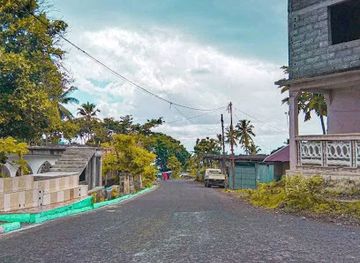
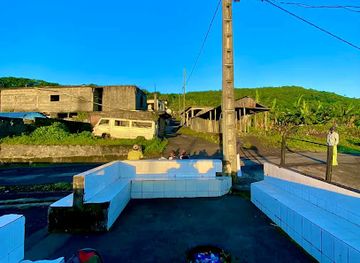
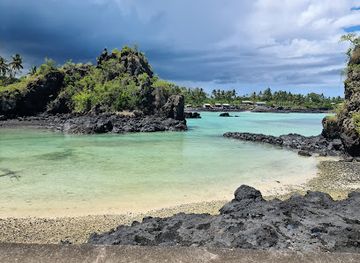
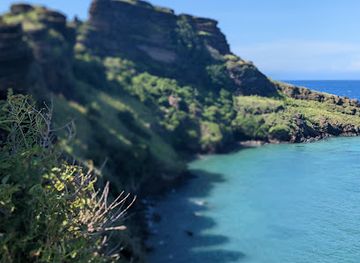
Hamahamet’s attractions are primarily cultural, landscape-based and community-connected rather than organised as a dense collection of ticketed sites. Village walks around Mbéni and neighbouring settlements can reveal mosques, older coral-stone construction, cultivated plots and the changing relationship between traditional buildings and modern concrete homes. Along the coast, black volcanic shores, fishing activity and reef scenery provide opportunities for quiet exploration, photography and locally guided visits, although swimming conditions and access vary considerably. Inland roads lead through coconut-growing areas and the lower volcanic slopes of Grande Comore, where the scenery changes with altitude and rainfall. Small markets and village gatherings offer a more grounded view of island life than formal shows, but visitors should ask permission before photographing people or ceremonies. The region is also a useful base for learning about Comorian cuisine, Islamic heritage and customary social organisation. There are relatively few formal museums or fully developed visitor facilities in Hamahamet, so the quality of an excursion depends on advance planning, local introductions and realistic expectations about roads, signage and services.
-
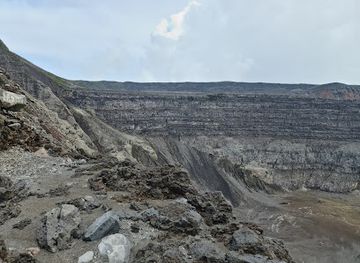
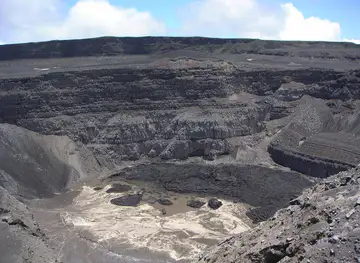
Volcano
Mount Karthala
Discover Mount Karthala, the Comoros' majestic and active volcano. Hike through lush rainforests to witness its dramatic caldera and stunning island views.
-
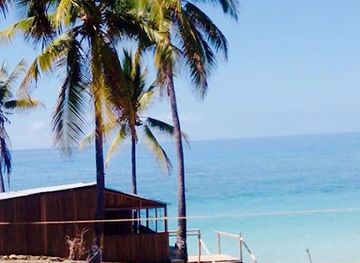
Beach pavillion
Maloudja Bungalows
Escape to Maloudja Bungalows in Mitsamiouli, Comoros, for a tranquil beach getaway and an immersive island experience.
-
Tourist attraction
Bouni Beach
Discover Bouni Beach: Comoros' serene paradise with white sands, turquoise waters, and vibrant local culture, perfect for relaxation and adventure.
-
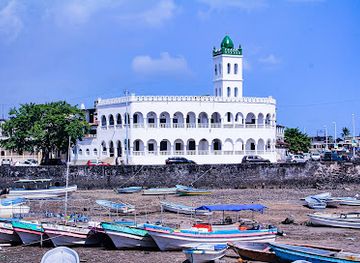
Mosque
MOSQUÉE de Batou Hamahamet , Grande Comores
Discover the Mosquée de Batou Hamahamet in Mbéni, a mesmerizing mosque reflecting the rich cultural heritage and spiritual essence of Grande Comores.

Best landmarks in Hamahamet
The most meaningful landmarks of Hamahamet are often woven into living settlements rather than isolated monuments. Mbéni’s position as a regional centre gives it particular cultural importance, while mosques and coral-stone structures in Hamahamet’s villages reflect the Comoros’ long Islamic and Indian Ocean history. Their significance lies not only in age or appearance but also in continuing use by local communities, so respectful observation is essential. The region’s black volcanic coastline is a geographical landmark in its own right, showing how Grande Comore’s volcanic geology shapes settlement, fishing and travel. Inland, the rising volcanic terrain provides a strong visual setting for villages and cultivated slopes, although the island’s highest volcanic areas extend beyond Hamahamet and should not be presented as landmarks of the region itself. Rather than expecting a single monumental sight, visitors should look for the relationship between mosque architecture, village lanes, ocean-facing settlements and the rugged geology that defines this part of Grande Comore.
-
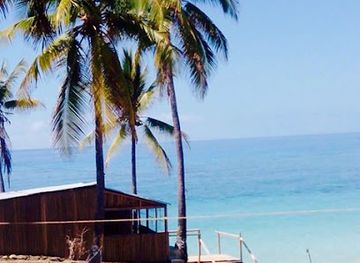
Beach pavillion
Bouni Beach
Discover the serene beauty of Bouni Beach in Comoros, where golden sands meet crystal-clear waters in a tropical paradise.
-
Recreation center
Le Trou Du Prophète
Discover the enchanting Le Trou Du Prophète in Mitsamiouli - a perfect blend of natural beauty, local cuisine, and cultural experiences.
-
Tourist attraction
Dos du Dragon
Experience breathtaking views and the rich cultural heritage of the Comoros at Dos du Dragon, a must-visit tourist attraction in Mitsamiouli.
-
Tour operator
Adore Comores
Explore the beauty and culture of the Comoros Islands with Adore Comores, your trusted tour operator for unforgettable adventures.

Explore Hamahamet on the map
Plan your trip on one map. See where the top cities, national parks and sights are, and book hotels and experiences in a few clicks.
Best hotels in Hamahamet
Best restaurants in Hamahamet
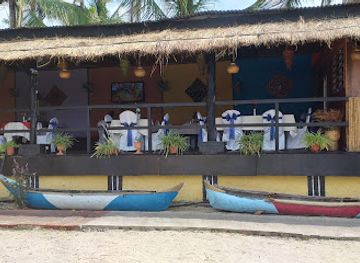
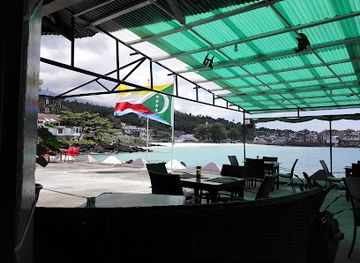
Dining in Hamahamet is informal and closely tied to households, small eateries, markets and locally arranged meals rather than a large restaurant scene. Comorian cooking commonly combines rice or cassava with plantain, breadfruit, coconut, vegetables, spices and fish, while meat and poultry may appear at family meals and communal occasions. Fresh seafood is more likely near fishing communities, although availability depends on the day’s catch and local arrangements. Coconut milk, aromatic greens, chilli and spice blends add character without making every dish heavily hot. Travellers should ask accommodation hosts or local contacts where meals can be arranged, particularly outside larger settlements, and should not expect extensive menus or late service. Markets and small shops are useful for fruit, bottled water and snacks, while tea and coffee may accompany social visits. Regional dining is best approached as part of Comorian hospitality, with advance notice appreciated when a host is preparing food for visitors.
-
Restaurant
New Mumbai Restaurant
Experience authentic Indian cuisine at New Mumbai Restaurant in Moroni – where every meal is a celebration of flavor and culture.
-
Restaurant
Restaurant & Grill Le Coraya
Experience authentic Comorian cuisine at Restaurant & Grill Le Coraya in Itsandra Mdjini – where every meal tells a story.
-
Restaurant
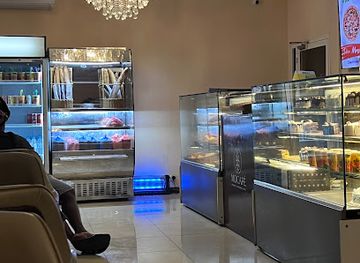
MoCafe
Discover local flavors at MoCafe in Moroni - where every dish tells a story of Comorian heritage.
-
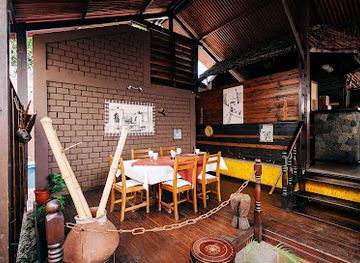
Restaurant
Restaurant L'Escale
Experience authentic Comorian cuisine at Restaurant L'Escale in Moroni - where every dish tells a story.
Best bars in Hamahamet
Hamahamet does not have a prominent nightclub circuit, and evening life is more commonly centred on family visits, village conversation, cafés, small restaurants and community or religious activities. The Comoros is a predominantly Muslim country, so alcohol is not central to public life and should never be assumed to be available in rural settlements. Visitors may find a modest selection of refreshments in larger towns, while nightlife in the conventional clubbing sense is limited. Evening travel should be arranged carefully because lighting, taxis and public transport become less dependable away from main roads. Live music and celebrations can form part of weddings and other important occasions, but these are community events rather than regular tourist entertainment; attend only when invited and observe local expectations about dress, photography and participation.
-
Restaurant
New Mumbai Restaurant
Experience the rich flavors of Comorian cuisine at New Mumbai Restaurant in Moroni, a top-rated destination for food enthusiasts.
-
Restaurant
Restaurant & Grill Le Coraya
Discover the flavors of Comoros at Restaurant & Grill Le Coraya, a must-visit for food lovers seeking an authentic dining experience.
-
Restaurant
MoCafe
Discover the rich flavors of Comorian cuisine at MoCafe, a vibrant restaurant in Moroni, perfect for an unforgettable dining experience.
-
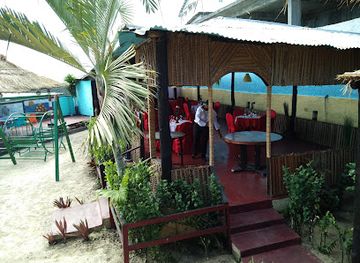
Tourist attraction
Bouni Beach
Experience the tranquil beauty of Bouni Beach in the Comoros, where golden sands meet crystal-clear waters for an unforgettable getaway.


Best nightclubs in Hamahamet
Hamahamet does not have a prominent nightclub circuit, and evening life is more commonly centred on family visits, village conversation, cafés, small restaurants and community or religious activities. The Comoros is a predominantly Muslim country, so alcohol is not central to public life and should never be assumed to be available in rural settlements. Visitors may find a modest selection of refreshments in larger towns, while nightlife in the conventional clubbing sense is limited. Evening travel should be arranged carefully because lighting, taxis and public transport become less dependable away from main roads. Live music and celebrations can form part of weddings and other important occasions, but these are community events rather than regular tourist entertainment; attend only when invited and observe local expectations about dress, photography and participation.
-
 Night club
نجم القمر
Discover the energetic nightlife of Comoros at نجم القمر, where music and culture unite for an unforgettable experience.
Best shops in Hamahamet
Shopping in Hamahamet is practical and local, with small shops, market stalls and village traders supplying food, household goods, clothing and everyday necessities rather than a concentrated retail district. Visitors may find locally grown fruit, coconuts, spices and other ingredients, although selection varies by season and settlement. Handicrafts and woven items can sometimes be obtained through personal contacts or community networks, but buyers should ask about provenance and negotiate courteously without treating local makers as a backdrop for tourism. Mbéni and other larger settlements are more useful for basic supplies, while Moroni, outside Hamahamet, offers a broader choice of shops and services. Suitable regional purchases include Comorian spices, coffee, woven goods and small locally made items, provided they are legally permitted for export and properly packaged. Carry cash, as card payment is uncommon in informal markets and small businesses.
-
Beach pavillion
Bouni Beach
Discover the tranquil beauty of Bouni Beach, a picturesque coastal paradise in Comoros, perfect for relaxation and adventure.
-
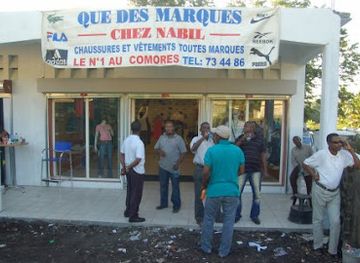
Clothing store
Que Des Marques Chez Nabil
Shop at Que Des Marques Chez Nabil for the latest European fashions in Moroni, Comoros - a stylish stop for all fashion lovers.
-
Building materials store
Super A Moroni
Explore Super A Moroni, your one-stop destination for building materials in Moroni, Comoros, catering to every construction need.
-
Shopping mall
Place Chindoni
Explore the colorful Place Chindoni for shopping, dining, and cultural experiences in the heart of Koimbani, Comoros.
Get your free copy of our complete guide to Hamahamet, delivered straight to you.
Everything on this page, from attractions and restaurants to essentials and local phrases, in one PDF you can read offline, print or share.
Already have an account? Sign in
Your Hamahamet guide is ready.
We'll send it to · Not you? Sign out

Getting your guide ready…
We are putting together a fresh copy of the Hamahamet guide. This can take up to a minute.
This can take a few moments. If your browser asks, choose Allow so the download can start. You'll find the guide in your Downloads folder.
Nothing happened? Download it again
Sorry, the guide is taking longer than usual. Please try again in a minute, or get it by email instead.
Hamahamet essentials
Currency and Payment
Safety
Emergency Situations
Do's and Don'ts
Local Tips
From Eve
Local phrases worth knowing
You don't need to get them perfect. A few words go a long way, and locals appreciate the effort.
Basics
| English | Local | Say it |
|---|---|---|
| Hello | Salama | [sah-lah-mah] |
| Goodbye | Tsalama | [tsah-lah-mah] |
| Yes | Ee | [ee] |
| No | Ayi | [ah-yee] |
| Please/You're welcome | Tafadhali | [tah-fah-dah-lee] |
| Thank you | Asante | [ah-sahn-teh] |
| Excuse me/Sorry | Samahani | [sah-mah-hah-nee] |
| How are you? | Habari gani? | [hah-bah-ree gah-nee] |
| Fine. And you? | Nzuri. Na wewe? | [n-zoo-ree. nah weh-weh] |
| Do you speak English? | Unazungumza Kiingereza? | [oo-nah-zoo-ngum-zah kee-in-ge-reh-zah] |
| I don't understand | Sielewi | [see-eh-leh-wee] |
Eating & Drinking
| English | Local | Say it |
|---|---|---|
| I'd like to see the menu, please | Ningependa kuona menyu, tafadhali | [neen-geh-pen-dah koo-oh-nah men-yu, tah-fah-dah-lee] |
| I don't eat meat | Sikuli nyama | [see-koo-lee nyah-mah] |
| Cheers! | Afya! | [ah-fyah] |
| I would like to pay, please | Ningependa kulipa, tafadhali | [neen-geh-pen-dah koo-lee-pah, tah-fah-dah-lee] |
Emergencies
| English | Local | Say it |
|---|---|---|
| Help! | Msaada! | [m-sah-dah] |
| Go away! | Nenda mbali! | [nen-dah m-bah-lee] |
| Call the Police! | Piga simu polisi! | [pee-gah see-moo po-lee-see] |
| Call a doctor! | Piga simu daktari! | [pee-gah see-moo dahk-tah-ree] |
| I'm lost | Nimepotea | [nee-meh-poh-teh-ah] |
| I'm ill | Nina ugonjwa | [nee-nah oo-gon-jwah] |
Shopping
| English | Local | Say it |
|---|---|---|
| I'd like to buy... | Ningependa kununua... | [neen-geh-pen-dah koo-noo-noo-ah] |
| I'm just looking | Natazama tu | [nah-tah-zah-mah too] |
| How much is it? | Ni pesa ngapi? | [nee peh-sah ngah-pee] |
| That's too expensive | Hiyo ni ghali sana | [hee-yoh nee gah-lee sah-nah] |
| Can you lower the price? | Unaweza kupunguza bei? | [oo-nah-weh-zah koo-poo-ngoo-zah bay-ee] |
Time & Numbers
| English | Local | Say it |
|---|---|---|
| What time is it? | Ni saa ngapi? | [nee sah ngah-pee] |
| It's one o'clock | Ni saa moja | [nee sah moh-jah] |
| Half past (10) | Nusu ya (10) | [noo-soo yah (10)] |
| Morning | Asubuhi | [ah-soo-boo-hee] |
| Afternoon | Mchana | [m-chah-nah] |
| Evening | Jioni | [jee-oh-nee] |
| Yesterday | Jana | [jah-nah] |
| Today | Leo | [leh-oh] |
| Tomorrow | Kesho | [keh-shoh] |
| 1 | Moja | [moh-jah] |
| 2 | Mbili | [m-bee-lee] |
| 3 | Tatu | [tah-too] |
| 4 | Nne | [n-neh] |
| 5 | Tano | [tah-noh] |
| 6 | Sita | [see-tah] |
| 7 | Saba | [sah-bah] |
| 8 | Nane | [nah-neh] |
| 9 | Tisa | [tee-sah] |
| 10 | Kumi | [koo-mee] |
Transport & Directions
| English | Local | Say it |
|---|---|---|
| Where's a/the...? | Iko wapi...? | [ee-koh wah-pee] |
| What's the address? | Nini anwani? | [nee-nee ahn-wah-nee] |
| Can you show me (on the map)? | Unaweza kunionyesha (katika ramani)? | [oo-nah-weh-zah koo-nee-oh-nyesh-ah (kah-tee-kah rah-mah-nee)] |
| When's the next (bus)? | Basi ijayo lini? | [bah-see ee-jah-yoh lee-nee] |
| A ticket (to ....) | Tiketi (kwenda ....) | [tee-keh-tee (kwen-dah ....)] |
History of Hamahamet
Early settlement and Indian Ocean exchange
Grande Comore was settled by communities whose ancestry reflects movements across the western Indian Ocean, including African, Malagasy and later Arab and Persian influences. Over time, farming and fishing villages developed around the island’s volcanic terrain, while maritime links connected Comorian communities with Madagascar, the Swahili coast and Arabian trading networks. The region now called Hamahamet formed part of this wider island society rather than existing in isolation. The movement of people, crops, languages, religious ideas and craft traditions helped create the layered Comorian culture still visible in village life and material heritage.
Islamic sultanates and village authority
From the medieval period onwards, Islam became central to public and private life in the Comoros, while local sultanates and influential families shaped political authority. Settlements in Hamahamet participated in systems of allegiance, marriage, trade and customary obligation that linked coastal communities with the interior. Coral-stone mosques and older village structures bear witness to this period, although much historic fabric has changed through rebuilding and continued occupation. Authority was often negotiated through local communities and families as much as through rulers, a pattern that remains important for understanding Comorian social organisation.
Plantations, foreign influence and the colonial period
European commercial and political influence expanded in the Comoros during the nineteenth century. France established a protectorate over the islands in 1886 and later incorporated them into its colonial administration. Plantation agriculture, export trading and new administrative systems altered landholding and labour patterns, while roads and coastal links were developed unevenly. Hamahamet’s villages remained part of a predominantly rural society, but colonial rule connected the region more directly to commercial networks centred on the island and the wider French Indian Ocean world. These changes also formed part of the background to modern debates about land, authority and identity.
The Comoros within the French colonial federation
The islands were administered within the French colonial framework of the Comoros, with schools, religious institutions, commercial activity and public administration developing at different rates across Grande Comore. French rule coexisted with Islamic learning, customary ceremonies and local forms of authority rather than replacing them completely. In Hamahamet, village organisation and family networks continued to structure everyday life, while colonial institutions introduced new careers and political relationships. The period also encouraged migration and wider connections between the islands, Madagascar, East Africa and France.
Independence in 1975
The Comoros became independent from France in 1975, although Mayotte remained under French administration, creating a continuing political and territorial dispute. Independence brought national institutions to an archipelago whose islands had distinct local histories and strong community identities. Grande Comore, including Hamahamet, experienced the challenges of building government, education, infrastructure and economic opportunity with limited resources. Village associations, religious life and family networks remained influential alongside the new state, helping explain why local ceremonies and communal obligations continue to hold such importance.
Contemporary rural transformation
In recent decades, Hamahamet has experienced gradual change through improved roads in some areas, migration, mobile communication, education and links with the Comorian diaspora. Agriculture, fishing and small-scale commerce remain important, while household economies are often supported by money sent from relatives abroad. Tourism has grown more slowly than in many Indian Ocean destinations, partly because infrastructure is limited and visitor services are concentrated in a few places. The region’s present character therefore combines strong customary continuity with the practical and social effects of global migration.
Hamahamet in Photos
Browse through our photo collection highlighting the charm and character of the destination.
Neighbouring regions of Hamahamet
The closest regions to Hamahamet, if you have time for more than one.
-
-

-

-

-


Swipe for more regions
Explore more

Explore more of Comoros
Discover Comoros - an untouched paradise in the Indian Ocean with pristine beaches, rich culture, and stunning natural beauty for a truly unique travel experience.
Explore Comoros