

Free Mitsamiouli Travel Guide & Mobile App
Explore Mitsamiouli with free travel guides. Discover regional history, expert tips, proposed trips, and audio guides on web or mobile app.


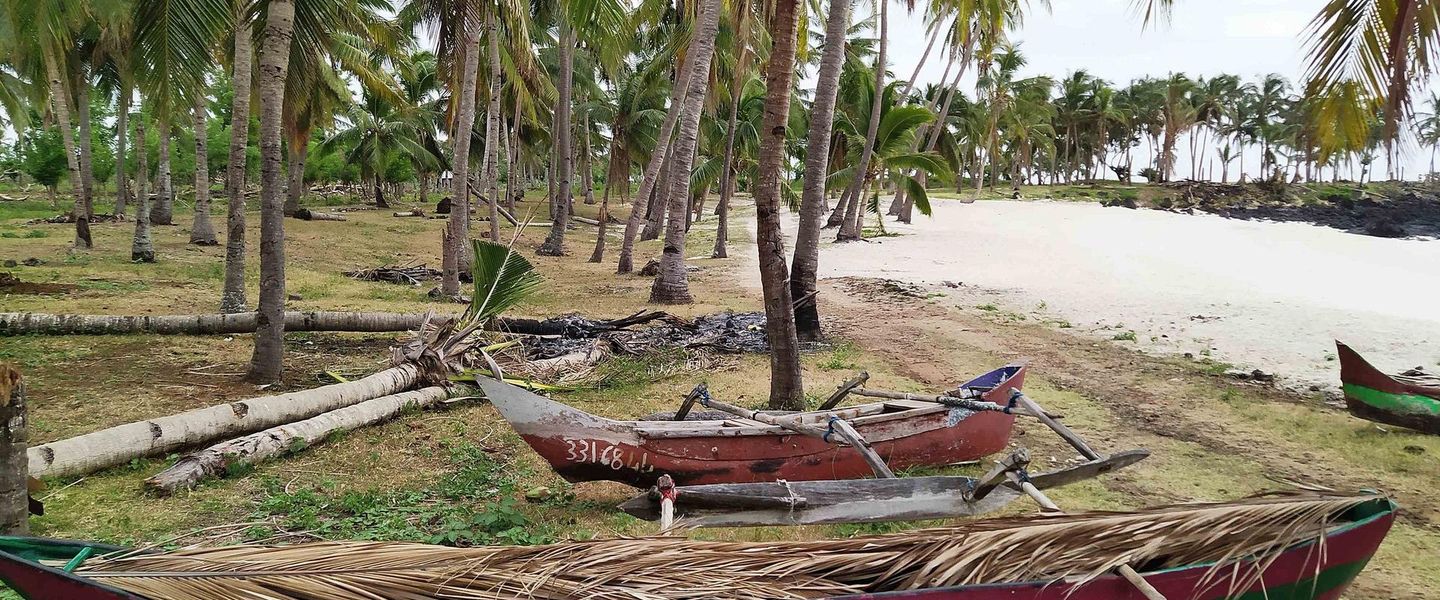


Mitsamiouli offers northern Grande Comore beaches, volcanic scenery, Comorian village life and a calm Indian Ocean coast close to Hahaya airport.
Read more about Mitsamiouli
When is the best time to visit Mitsamiouli?
Best: June–August · 27°C| Month | High (°C) | Rainfall (mm) |
|---|---|---|
| January | 29 | 250 |
| February | 30 | 230 |
| March | 30 | 200 |
| April | 29 | 150 |
| May | 28 | 100 |
| June (best) | 27 | 80 |
| July (best) | 27 | 70 |
| August (best) | 27 | 70 |
| September | 27 | 80 |
| October | 28 | 100 |
| November | 29 | 150 |
| December | 29 | 200 |
Getting to and around Mitsamiouli
How to get there
Transportation
Best attractions in Mitsamiouli
Mitsamiouli’s attractions are primarily coastal, cultural and geographic rather than concentrated in formal museums or large ticketed sites. The town provides access to the northern Grande Comore shoreline, where volcanic rock, sea views and small beach areas create opportunities for walking, photography and carefully supervised swimming. Local advice is important because shore access and bathing conditions vary. The surrounding villages and cultivated landscapes offer a more everyday view of Comorian life, with mosques, family compounds, roadside stalls and tropical vegetation forming the visual character of the area. Visitors interested in geology will find the island’s porous lava terrain and dark volcanic surfaces more revealing than conventional monuments, while birdwatching and coastal observation are best approached as informal activities rather than fully equipped excursions. Mitsamiouli can also be used as a base for exploring nearby parts of northern Grande Comore by arranged vehicle, although distances, roads and service availability require patience. The town is particularly appealing to travellers who want a quieter coastal setting and contact with local rhythms, rather than a packed schedule of visitor facilities.
-
Tourist attraction
Dos du Dragon
Discover the mythical Dos du Dragon in Mitsamiouli, Comoros: a unique volcanic rock formation offering stunning views and cultural immersion.
-
Recreation center
Le Trou Du Prophète
Discover Le Trou Du Prophète in Mitsamiouli, Comoros: a blend of natural beauty, cultural richness, and tranquil recreation.
-
Beach
Plage Gountsini
Experience the untouched beauty of Plage Gountsini, a serene beach in the Comoros perfect for relaxation and adventure amidst nature's wonders.
-
Tourist attraction
Mitsamihuli Mjini
Discover the serene beauty and cultural richness of Mitsamihuli Mjini, a must-visit attraction in the stunning Comoros Islands.


Best landmarks in Mitsamiouli
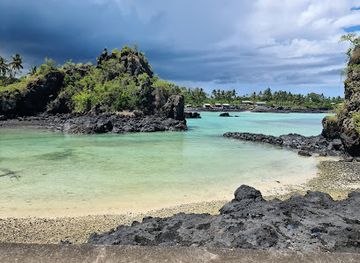
Mitsamiouli’s principal landmarks are environmental and communal rather than monumental. Its volcanic coastline, with dark rock meeting the Indian Ocean, is the defining physical feature and provides a clear sense of Grande Comore’s young geological character. The town’s mosques and streets of concrete and coral-influenced construction reflect the continuing importance of Islam, local building traditions and communal life, although individual religious buildings should be visited only with appropriate permission. Inland views reveal the island’s humid volcanic landscape, where cultivated plots, palms and tropical vegetation spread across porous lava ground. The open coastal horizon is also significant: Grande Comore has long been connected to maritime routes linking East Africa, Madagascar and the Arabian Sea. Rather than a single celebrated monument, Mitsamiouli’s identity is expressed through the relationship between settlement, shore and volcanic terrain. A locally guided walk is the best way to understand features whose meaning may not be apparent from the roadside, while visitors should avoid treating private homes, cemeteries or mosques as casual photographic subjects.
-
Beach pavillion
Maloudja Bungalows
Discover the serene beauty of Maloudja Bungalows in Mitsamiouli, Comoros - a perfect beachside escape with stunning views and cozy accommodations.
-
Recreation center
Le Trou Du Prophète
Explore the serene beauty and vibrant culture at Le Trou Du Prophète, a must-visit recreation center in Mitsamiouli, Comoros.
-
Tourist attraction
Dos du Dragon
Explore the breathtaking beauty of Dos du Dragon, an enchanting tourist attraction in Mitsamiouli, Comoros, perfect for relaxation and cultural exploration.
-
Mosque
Grande Mosquée de Moroni مسجد
Explore the Grande Mosquée de Moroni, a stunning Islamic architectural gem in Comoros, showcasing rich culture and spirituality.


Explore Mitsamiouli on the map
Plan your trip on one map. See where the top cities, national parks and sights are, and book hotels and experiences in a few clicks.
Best hotels in Mitsamiouli
Best restaurants in Mitsamiouli
Dining in Mitsamiouli is based on Comorian home cooking and small local eateries rather than a large restaurant scene. Meals commonly combine rice with fish, seafood, chicken or meat, accompanied by sauces containing coconut, tomato or spices; bananas, cassava, breadfruit and seasonal fruit are also important foods. The island’s coastal position makes locally sourced fish a natural part of the diet, although availability depends on weather and the day’s catch. Visitors should ask accommodation providers to arrange meals in advance, particularly outside the busiest parts of the day. Tea, coffee and soft drinks are widely encountered, while imported products may be less consistent or more expensive. Food stalls and simple cafés offer practical refreshments, but standards and menus vary, so choose places with good local turnover and eat freshly prepared food. Comorian meals are often social and unhurried, reflecting the wider importance of hospitality and family life.
-
Restaurant
New Mumbai Restaurant
Experience culinary excellence at New Mumbai Restaurant in Moroni—where local flavors meet international flair.
-
Restaurant
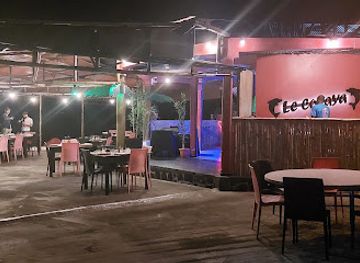
Restaurant & Grill Le Coraya
Discover culinary delights at Restaurant & Grill Le Coraya in Comoros – where fresh flavors meet warm hospitality.
-
Restaurant
MoCafe
Discover MoCafe in Moroni - A cozy restaurant offering delicious local cuisine amidst warm hospitality.
-
Hotel
Hotel restaurant Jardin De La Paix
Experience comfort and tranquility at Hotel Restaurant Jardin De La Paix in Moroni, Comoros - where local flavors meet serene surroundings.


Best bars in Mitsamiouli
Mitsamiouli does not have a substantial nightclub district or a late-night entertainment economy. Evening life centres on family gatherings, conversation, small cafés, local eateries and modest social spaces, with the rhythm of the town shaped strongly by Comorian Muslim customs. Alcohol is not central to public life and may not be available in ordinary restaurants or shops, so visitors should not expect a bar-led holiday. The most rewarding evenings are generally quiet: watching the coast before sunset, sharing a meal arranged through a host, or attending an informal local gathering by invitation. Night-time movement should be planned in advance because taxis and other transport become less dependable after dark. Larger nightlife choices are more likely to be found in Moroni, outside Mitsamiouli, but travelling there and back requires reliable private transport and should not be improvised late at night.
-
Restaurant
New Mumbai Restaurant
Discover the delightful tastes of India at New Mumbai Restaurant in Moroni, Comoros, where every dish tells a story.
-
Restaurant
Restaurant & Grill Le Coraya
Experience the authentic taste of the Comoros at Restaurant & Grill Le Coraya, where fresh ingredients and rich flavors come together in a delightful dining experience.
-
Restaurant
MoCafe
Experience the flavors of the Comoros at MoCafe, a charming restaurant in Moroni offering delicious local cuisine in a welcoming atmosphere.
-
Beach pavillion
Maloudja Bungalows
Experience the serene beauty of Comoros at Maloudja Bungalows, a perfect beach pavilion for relaxation and adventure.



Best nightclubs in Mitsamiouli
Mitsamiouli does not have a substantial nightclub district or a late-night entertainment economy. Evening life centres on family gatherings, conversation, small cafés, local eateries and modest social spaces, with the rhythm of the town shaped strongly by Comorian Muslim customs. Alcohol is not central to public life and may not be available in ordinary restaurants or shops, so visitors should not expect a bar-led holiday. The most rewarding evenings are generally quiet: watching the coast before sunset, sharing a meal arranged through a host, or attending an informal local gathering by invitation. Night-time movement should be planned in advance because taxis and other transport become less dependable after dark. Larger nightlife choices are more likely to be found in Moroni, outside Mitsamiouli, but travelling there and back requires reliable private transport and should not be improvised late at night.
-
 Night club
نجم القمر
Experience the vibrant nightlife at نجم القمر in Ntsaouéni, where music and culture come alive under the Comorian stars.
-
Night club
Asgarali 007 coulé
Discover the vibrant nightlife of Mandza at Asgarali 007 Coulé, a premier night club offering music, dancing, and an unforgettable atmosphere.
Best shops in Mitsamiouli
Shopping in Mitsamiouli is small-scale and practical, centred on neighbourhood shops, roadside stalls and locally arranged produce rather than dedicated visitor retail. Travellers may find seasonal fruit, coconuts, cassava, bananas and other food products, while island agriculture is associated more broadly with vanilla, cloves and ylang-ylang. Availability varies, and packaged goods may be limited compared with Moroni. Useful purchases include snacks, bottled water and basic supplies for journeys around Grande Comore; carry these before setting out for quieter coastal areas. Crafts and souvenirs are more likely to be found through personal contacts, markets or larger towns than in a permanent shopping quarter, so ask a host where local products are genuinely made and sold. Bargaining should be polite and moderate, and visitors should distinguish between locally produced goods and imported items presented for travellers. Mitsamiouli’s retail character is best understood as part of everyday island commerce rather than as a specialist shopping destination.
-
Beach pavillion
Maloudja Bungalows
Discover serenity at Maloudja Bungalows, a perfect beachside escape in Mitsamiouli, Comoros, where relaxation meets adventure amidst stunning ocean views.
-
Recreation center
Le Trou Du Prophète
Experience the beauty of nature and local culture at Le Trou Du Prophète, a captivating recreation center in Mitsamiouli, Comoros.
-
Tourist attraction
Dos du Dragon
Discover the breathtaking beauty of Dos du Dragon, a scenic hiking paradise in Mitsamiouli, Comoros, perfect for nature lovers and adventurers.
-
Clothing store
Que Des Marques Chez Nabil
Discover the best of European fashion blended with Comorian culture at Que Des Marques Chez Nabil in Moroni.



Get your free copy of our complete guide to Mitsamiouli, delivered straight to you.
Everything on this page, from attractions and restaurants to essentials and local phrases, in one PDF you can read offline, print or share.
Already have an account? Sign in
Your Mitsamiouli guide is ready.
We'll send it to · Not you? Sign out

Getting your guide ready…
We are putting together a fresh copy of the Mitsamiouli guide. This can take up to a minute.
This can take a few moments. If your browser asks, choose Allow so the download can start. You'll find the guide in your Downloads folder.
Nothing happened? Download it again
Sorry, the guide is taking longer than usual. Please try again in a minute, or get it by email instead.
Mitsamiouli essentials
Currency and Payment
Safety
Emergency Situations
Do's and Don'ts
Local Tips
From Eve
Local phrases worth knowing
You don't need to get them perfect. A few words go a long way, and locals appreciate the effort.
Basics
| English | Local | Say it |
|---|---|---|
| Hello | Salama | [sah-lah-mah] |
| Goodbye | Sambaza | [sahm-bah-zah] |
| Yes | Ehe | [eh-heh] |
| No | Ayi | [ah-yee] |
| Please/You're welcome | Tafadhali | [tah-fah-dah-lee] |
| Thank you | Asante | [ah-sahn-teh] |
| Excuse me/Sorry | Samahani | [sah-mah-hah-nee] |
| How are you? | Habari gani? | [hah-bah-ree gah-nee] |
| Fine. And you? | Nzuri. Na wewe? | [n-zoo-ree nah weh-weh] |
| Do you speak English? | Unazungumza Kiingereza? | [oo-nah-zoon-gum-zah kee-ing-eh-reh-zah] |
| I don't understand | Sielewi | [see-eh-leh-wee] |
Eating & Drinking
| English | Local | Say it |
|---|---|---|
| I'd like to see the menu, please | Ningependa kuona orodha ya chakula, tafadhali | [neen-geh-peh-ndah koo-oh-nah oh-roh-dhah yah chah-koo-lah tah-fah-dah-lee] |
| I don't eat meat | Sikula nyama | [see-koo-lah nyah-mah] |
| Cheers! | Afya! | [ah-fyah] |
| I would like to pay, please | Ningependa kulipa, tafadhali | [neen-geh-peh-ndah koo-lee-pah tah-fah-dah-lee] |
Emergencies
| English | Local | Say it |
|---|---|---|
| Help! | Msaada! | [m-sah-dah] |
| Go away! | Ondoka! | [on-doh-kah] |
| Call the Police! | Piga simu Polisi! | [pee-gah see-moo poh-lee-see] |
| Call a doctor! | Piga simu daktari! | [pee-gah see-moo dahk-tah-ree] |
| I'm lost | Nimepotea | [nee-meh-poh-teh-ah] |
| I'm ill | Nina ugonjwa | [nee-nah oo-gon-jwah] |
Shopping
| English | Local | Say it |
|---|---|---|
| I'd like to buy... | Ningependa kununua... | [neen-geh-peh-ndah koo-noo-noo-ah] |
| I'm just looking | Natazama tu | [nah-tah-zah-mah too] |
| How much is it? | Ni kiasi gani? | [nee kee-ah-see gah-nee] |
| That's too expensive | Hiyo ni ghali sana | [hee-yoh nee ghah-lee sah-nah] |
| Can you lower the price? | Unaweza kupunguza bei? | [oo-nah-weh-zah koo-poon-guh-zah beh-ee] |
Time & Numbers
| English | Local | Say it |
|---|---|---|
| What time is it? | Ni saa ngapi? | [nee sah ngah-pee] |
| It's one o'clock | Ni saa moja | [nee sah moh-jah] |
| Half past (10) | Nusu ya (10) | [noo-soo yah (10)] |
| Morning | Asubuhi | [ah-soo-boo-hee] |
| Afternoon | Mchana | [m-chah-nah] |
| Evening | Jioni | [jee-oh-nee] |
| Yesterday | Jana | [jah-nah] |
| Today | Leo | [leh-oh] |
| Tomorrow | Kesho | [keh-shoh] |
| 1 | Moja | [moh-jah] |
| 2 | Mbili | [m-bee-lee] |
| 3 | Tatu | [tah-too] |
| 4 | Nne | [n-neh] |
| 5 | Tano | [tah-noh] |
| 6 | Sita | [see-tah] |
| 7 | Saba | [sah-bah] |
| 8 | Nane | [nah-neh] |
| 9 | Tisa | [tee-sah] |
| 10 | Kumi | [koo-mee] |
Transport & Directions
| English | Local | Say it |
|---|---|---|
| Where's a/the...? | Iko wapi...? | [ee-koh wah-pee] |
| What's the address? | Anwani ni ipi? | [ahn-wah-nee nee ee-pee] |
| Can you show me (on the map)? | Unaweza kunionyesha (katika ramani)? | [oo-nah-weh-zah koo-nee-oh-nyesh-ah kah-tee-kah rah-mah-nee] |
| When's the next (bus)? | Basi inayofuata ni lini? | [bah-see ee-nah-yoh-foo-ah-tah nee lee-nee] |
| A ticket (to ....) | Tiketi (ya....) | [tee-keh-tee yah] |
History of Mitsamiouli
Early Settlement and Indian Ocean Exchange
The Comoros were settled through successive movements of people from the African mainland, Madagascar and the wider Indian Ocean world. Grande Comore became part of maritime trading networks linking East Africa, Arabia, Madagascar and island Southeast Asia. Archaeological evidence and linguistic history point to layered settlement rather than a single founding population. Mitsamiouli’s coastal position belongs to this wider history of seafaring, movement and exchange, although the surviving townscape offers fewer monumental remains than some historic centres elsewhere in the archipelago.
Islamic and Swahili Cultural Influences
Islam spread through commercial and scholarly connections across the western Indian Ocean, becoming central to Comorian society over many centuries. Arab and Swahili influences shaped names, religious practice, architecture, political organisation and education, while local communities retained their own languages and customs. In Mitsamiouli, as throughout Grande Comore, mosques and Muslim observance remain important features of public and family life. The island’s culture is therefore best understood as an interconnected Comorian tradition rather than as a simple extension of any one overseas influence.
Sultanates and Local Political Authority
Before colonial rule, Grande Comore was divided among local sultanates and chiefly authorities whose influence varied over time and from one settlement to another. Leaders controlled land, trade and political relationships, while coastal communities participated in wider Indian Ocean commerce. Competition between local authorities and links with foreign merchants created a complex political landscape. Mitsamiouli developed within this island society of village territories and coastal connections, rather than as an isolated settlement. The memory of sultanate-era authority remains part of Grande Comore’s historical identity.
French Colonial Rule and Plantation Economy
France established colonial control over Mayotte in the nineteenth century and later extended its authority across the other Comorian islands, including Grande Comore. Colonial administration altered landholding, labour and trade, while cash crops such as vanilla, cloves and ylang-ylang became important to the islands’ economy. Grande Comore’s volcanic terrain and limited flat land shaped how agriculture developed, with smallholder production remaining significant. French institutions, schooling and language also left a lasting mark on towns such as Mitsamiouli, even as local religious and social structures continued to organise everyday life.
Independence and the Modern Comorian State
The Comoros became independent from France in 1975, although Mayotte remained under French administration. The new state faced political instability, economic constraints and the practical difficulty of governing islands separated by sea. Grande Comore, including Mitsamiouli, has consequently remained closely connected to migration, remittances, agriculture and overseas family networks. Modern public life combines national institutions with strong local and communal identities. Visitors may notice this island geography in transport arrangements, variations in services and the importance of family connections across the Comoros and the wider diaspora.
Volcanic Landscapes and Contemporary Livelihoods
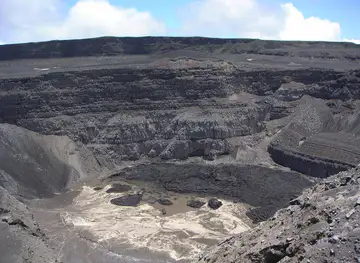
Grande Comore is geologically young and dominated by the active Karthala volcanic system, whose eruptions have repeatedly influenced the island’s landscape and settlement patterns. Mitsamiouli lies within the broader volcanic environment of northern Grande Comore, where porous lava affects water availability and contributes to rugged coastal scenery. Today, livelihoods combine cultivation, fishing, small commerce, public-sector work and income sent by Comorians living abroad. Tourism remains relatively small, and the region’s appeal rests largely on its coastline, everyday culture and volcanic setting rather than on a dense concentration of formal attractions.
Mitsamiouli in Photos
Browse through our photo collection highlighting the charm and character of the destination.
Neighbouring regions of Mitsamiouli
The closest regions to Mitsamiouli, if you have time for more than one.
-

-
-

-

-


Swipe for more regions
Explore more

Explore more of Comoros
Discover Comoros - an untouched paradise in the Indian Ocean with pristine beaches, rich culture, and stunning natural beauty for a truly unique travel experience.
Explore Comoros