

Free Ngazidja Travel Guide & Mobile App
Explore Ngazidja with free travel guides. Discover regional history, expert tips, proposed trips, and audio guides on web or mobile app.


Explore Ngazidja in Comoros for Karthala’s volcanic landscapes, Moroni’s medina, historic coastal towns and Indian Ocean island culture.
When is the best time to visit Ngazidja?
Best: June–August · 25–26°C| Month | High (°C) | Rainfall (mm) |
|---|---|---|
| January | 30 | 206 |
| February | 30 | 173 |
| March | 30 | 231 |
| April | 29 | 194 |
| May | 27 | 97 |
| June (best) | 26 | 49 |
| July (best) | 25 | 36 |
| August (best) | 25 | 49 |
| September | 26 | 73 |
| October | 27 | 110 |
| November | 28 | 146 |
| December | 29 | 183 |
Getting to and around Ngazidja
How to get there
Transportation
Top city travel guides in Ngazidja
The cities of Ngazidja, and the easiest places to base yourself.
-

-
 Iconi
Iconi, Comoros, reveals Grande Comore’s historic sultanates, cliffside heritage, volcanic landscapes, local food and enduring island culture.
Iconi
Iconi, Comoros, reveals Grande Comore’s historic sultanates, cliffside heritage, volcanic landscapes, local food and enduring island culture.

Swipe for more cities
Destinations in Ngazidja
Resorts, valleys and scenic spots worth a trip of their own.

Swipe for more destinations
Best attractions in Ngazidja
Ngazidja’s attractions centre on a combination of active volcanic scenery, coastal landscapes and living cultural heritage. Mount Karthala is the island’s defining natural feature, attracting guided trekking and landscape-focused excursions, although its summit routes require preparation and should not be treated as casual walks. Around the island, black lava formations, coconut-lined shores and small beaches create varied coastal scenery, while Lac Salé near Bangoi Kouni offers an unusual saline volcanic landscape. Moroni’s medina, Volo Volo market and waterfront introduce visitors to the capital’s commercial and architectural character. Historic Iconi, with its old political associations and dramatic coastal setting, is particularly important for understanding Ngazidja’s sultanate history. Smaller settlements such as Itsandra and Mitsamiouli provide further opportunities to observe mosque architecture, village life and the relationship between homes, roads and the sea. Swimming and snorkelling may be possible at suitable coastal locations, but facilities, equipment hire and safety supervision are limited. The island is best approached through locally arranged visits, patient road journeys and respect for religious and community spaces rather than through a conventional resort itinerary.
-
Beach pavillion
Maloudja Bungalows
Experience tranquility at Maloudja Bungalows in Mitsamiouli, Comoros: pristine beaches, cozy accommodations, and authentic island culture.
-
Beach pavillion
Bouni Beach
Discover Bouni Beach in Comoros: white sands, turquoise waters, and cultural experiences await in this coastal paradise.
-
Tourist attraction
Dos du Dragon
Discover Dos du Dragon in Mitsamiouli: a mythical rock formation offering breathtaking views and a glimpse into Comorian folklore.

Best landmarks in Ngazidja
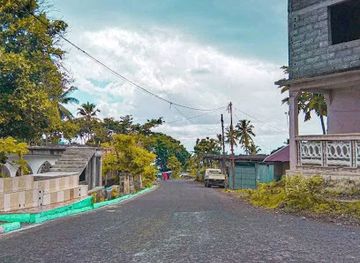
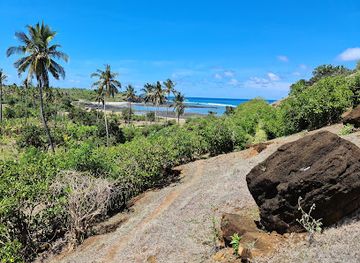
Mount Karthala is Ngazidja’s principal geographical landmark, a broad active volcano whose forested slopes and summit crater dominate the island’s interior. Its significance is geological as well as visual, and repeated eruptions have left lava fields and altered terrain around the massif. In Moroni, the old medina is marked by narrow lanes, coral-stone buildings, carved wooden doors and historic mosques, expressing the capital’s Swahili-Islamic and Indian Ocean connections. The waterfront and port add a continuing maritime dimension to this historic urban landscape. Iconi is one of the island’s most important historic places, associated with former sultanates, old religious buildings and coastal defensive traditions; its position above the sea gives the settlement a strong physical identity. Itsandra also retains traces of historic coastal authority and settlement. Outside the towns, the volcanic coastline itself becomes a landmark, with dark basalt, lava shelves and ocean-facing cliffs contrasting with coconut vegetation. Lac Salé near Bangoi Kouni is another distinctive natural site, a saline body occupying a volcanic depression and surrounded by a stark landscape unlike the island’s more familiar beaches.
-
 Tourist attraction
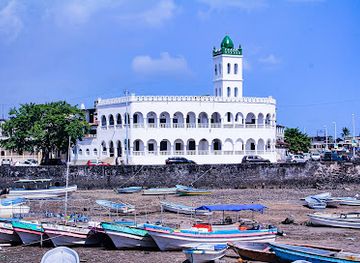
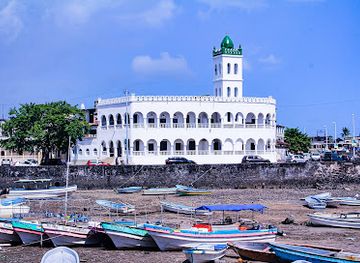
Moroni Waterfront
Experience the breathtaking beauty and vibrant culture of Moroni Waterfront, a must-visit destination in the heart of Comoros.
Explore Ngazidja on the map
Plan your trip on one map. See where the top cities, national parks and sights are, and book hotels and experiences in a few clicks.
Best hotels in Ngazidja
Best restaurants in Ngazidja
Ngazidja’s food reflects the Comorian islands’ position between East Africa, Madagascar, Arabia and the wider Indian Ocean. Meals commonly combine rice with coconut, cassava, plantain, beans, vegetables, fish or other seafood, supported by chilli, cloves, vanilla and other aromatic spices. Pilao-style rice dishes and stewed foods appear in domestic and celebratory cooking, while grilled or fried seafood is especially natural in coastal communities. Moroni has the broadest choice of restaurants, cafés and informal eateries, with menus that may combine Comorian, French, East African and broader Indian Ocean influences. Outside the capital, dining is more likely to be arranged through hotels, guesthouses or family-run establishments, and service can be unhurried. Markets provide an opportunity to see tropical produce, spices and prepared snacks, while local agricultural products such as vanilla, cloves and ylang-ylang connect the table with the island’s trading history. Visitors should carry water and clarify availability before assuming that a rural restaurant will be open.
-
Restaurant
New Mumbai Restaurant
Experience authentic Comorian flavors at New Mumbai Restaurant in Moroni – where every dish tells a story.
-
Restaurant
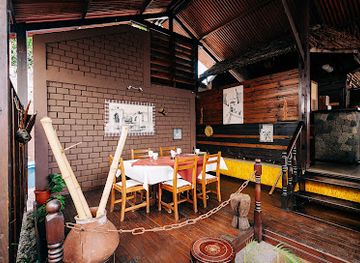
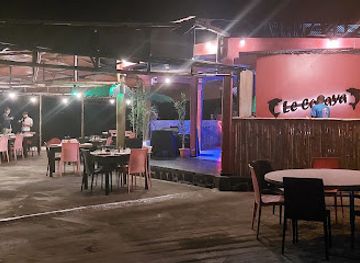
Restaurant & Grill Le Coraya
Experience authentic Comorian cuisine at Restaurant & Grill Le Coraya - where local flavors meet delightful dining in Itsandra Mdjini.
-
Restaurant
MoCafe
Experience the vibrant flavors of Comoros at MoCafe in Moroni – where local meets international cuisine in a warm atmosphere.
-
Restaurant
Restaurant L'Escale
Experience exquisite dining at Restaurant L'Escale in Moroni, where local flavors meet breathtaking views for an unforgettable culinary adventure.

Best bars in Ngazidja
Nightlife on Ngazidja is comparatively low-key and shaped by the island’s Muslim culture, family life and limited late-night visitor infrastructure. Moroni offers the widest selection of hotel bars, cafés and restaurants where visitors can spend the evening, although opening arrangements and alcohol availability vary. In many towns and villages, evening activity centres on conversation, food, social visits and community gatherings rather than nightclubs. Some accommodation venues may serve drinks, but alcohol should never be assumed to be available, particularly outside the capital. Live music and celebrations occur within local cultural life, yet these are not always public tourist events and should be attended only with appropriate invitation or local guidance. The safest evening routine for visitors is to arrange transport in advance, avoid isolated shorelines after dark and follow local advice about suitable places to go.
-
Restaurant
Restaurant & Grill Le Coraya
Experience the rich flavors of Comoros at Restaurant & Grill Le Coraya, where fresh ingredients meet traditional culinary excellence.
-
Restaurant
MoCafe
Experience the rich flavors of Comoros at MoCafe, where tradition meets taste in a cozy atmosphere.
-
Restaurant
Restaurant L'Escale
Discover the culinary treasures of Comoros at Restaurant L'Escale, a vibrant eatery in Moroni offering exquisite local and international dishes.
-
Restaurant
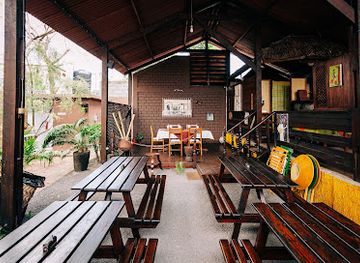
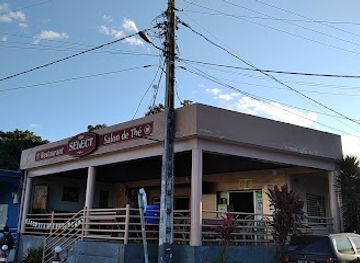
New Select Restaurant
Experience the diverse culinary delights of Moroni at New Select Restaurant, where local flavors meet international cuisine.
Best nightclubs in Ngazidja
Nightlife on Ngazidja is comparatively low-key and shaped by the island’s Muslim culture, family life and limited late-night visitor infrastructure. Moroni offers the widest selection of hotel bars, cafés and restaurants where visitors can spend the evening, although opening arrangements and alcohol availability vary. In many towns and villages, evening activity centres on conversation, food, social visits and community gatherings rather than nightclubs. Some accommodation venues may serve drinks, but alcohol should never be assumed to be available, particularly outside the capital. Live music and celebrations occur within local cultural life, yet these are not always public tourist events and should be attended only with appropriate invitation or local guidance. The safest evening routine for visitors is to arrange transport in advance, avoid isolated shorelines after dark and follow local advice about suitable places to go.
-
Night club
نجم القمر
Experience the vibrant nightlife of Comoros at نجم القمر, where music, dance, and culture intertwine under the stars.
Best shops in Ngazidja
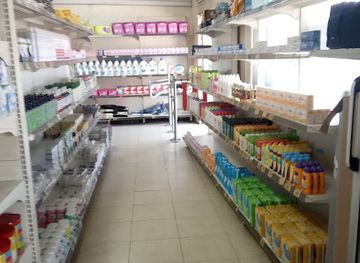
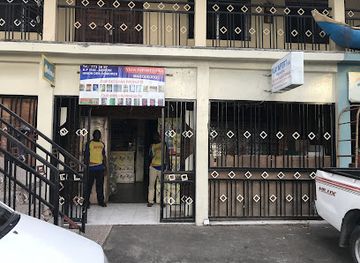
Shopping on Ngazidja is concentrated in Moroni, where Volo Volo market and surrounding commercial streets offer food, household goods, clothing, spices and everyday products rather than a polished souvenir district. Browsing markets is an important way to understand the island’s trade networks, but visitors should compare prices politely and keep valuables secure in crowded areas. Small shops and stalls may sell vanilla, cloves, dried foods, woven items, carved objects and locally produced fragrances associated with Comoros’s aromatic-plant economy. Craft quality and availability vary, so ask sellers about provenance rather than assuming every product was made on Ngazidja. Outside Moroni, shopping is primarily local and practical, with village stalls and small stores serving residents. Appropriate gifts include packaged spices, modest handicrafts and regional food products that can legally be carried to the next destination. Cash is essential for most purchases, and carrying small Comorian-franc notes makes market transactions easier.
-
Supermarket
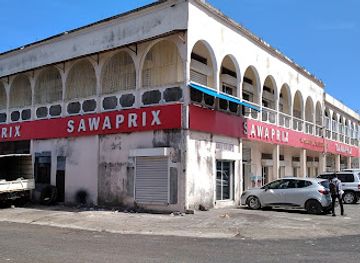
Sawa Prix
Discover local flavors and essentials at Sawa Prix, the vibrant supermarket in Moroni, Comoros, perfect for every traveler.
-
Supermarket
AdaMoon shop
Explore AdaMoon Shop in Tsidje for a delightful shopping experience of local and international products in Comoros.
-
Supermarket
MAG MARKET
Discover the essence of Comorian culture at MAG MARKET, where local life thrives through fresh produce and unique crafts.
-
Grocery store
Vijay Import SARL Magoudjou
Discover the flavors of Comoros at Vijay Import SARL Magoudjou, a local grocery store filled with unique products and friendly service.
Get your free copy of our complete guide to Ngazidja, delivered straight to you.
Everything on this page, from attractions and restaurants to essentials and local phrases, in one PDF you can read offline, print or share.
Already have an account? Sign in
Your Ngazidja guide is ready.
We'll send it to · Not you? Sign out

Getting your guide ready…
We are putting together a fresh copy of the Ngazidja guide. This can take up to a minute.
This can take a few moments. If your browser asks, choose Allow so the download can start. You'll find the guide in your Downloads folder.
Nothing happened? Download it again
Sorry, the guide is taking longer than usual. Please try again in a minute, or get it by email instead.
Ngazidja essentials
Currency and Payment
Safety
Emergency Situations
Do's and Don'ts
Local Tips
From Eve
Local phrases worth knowing
You don't need to get them perfect. A few words go a long way, and locals appreciate the effort.
Basics
| English | Local | Say it |
|---|---|---|
| Hello | Salama | [sah-lah-mah] |
| Goodbye | Tsalama | [tsah-lah-mah] |
| Yes | Ehe | [eh-heh] |
| No | Ayi | [ah-ee] |
| Please/You're welcome | Tafadhali | [tah-fah-dhah-lee] |
| Thank you | Shukrani | [shoo-krah-nee] |
| Excuse me/Sorry | Pole | [poh-leh] |
| How are you? | Habari gani? | [hah-bah-ree gah-nee] |
| Fine. And you? | Nzuri. Na wewe? | [nzoor-ee nah weh-weh] |
| Do you speak English? | Unaongea Kiingereza? | [oo-nah-ohn-geh-rah kee-ing-eh-reh-zah] |
| I don't understand | Sielewi | [see-eh-leh-wee] |
Eating & Drinking
| English | Local | Say it |
|---|---|---|
| I'd like to see the menu, please | Ningependa kuona orodha ya chakula, tafadhali | [neen-geh-pen-dah koo-oh-nah oh-roh-dhah yah chah-koo-lah tah-fah-dhah-lee] |
| I don't eat meat | Sili nyama | [see-lee nyah-mah] |
| Cheers! | Nzuri! | [nzoor-ee] |
| I would like to pay, please | Ningependa kulipa, tafadhali | [neen-geh-pen-dah koo-lee-pah tah-fah-dhah-lee] |
Emergencies
| English | Local | Say it |
|---|---|---|
| Help! | Saidia! | [sah-ee-dee-ah] |
| Go away! | Ondoka! | [on-doh-kah] |
| Call the Police! | Piga simu Polisi! | [pee-gah see-moo poh-lee-see] |
| Call a doctor! | Piga simu daktari! | [pee-gah see-moo dahk-tah-ree] |
| I'm lost | Nimepotea | [nee-meh-poh-teh-ah] |
| I'm ill | Nina ugonjwa | [nee-nah oo-gon-jwah] |
Shopping
| English | Local | Say it |
|---|---|---|
| I'd like to buy... | Ningependa kununua... | [neen-geh-pen-dah koo-noo-noo-ah] |
| I'm just looking | Natazama tu | [nah-tah-zah-mah too] |
| How much is it? | Ni kiasi gani? | [nee kee-ah-see gah-nee] |
| That's too expensive | Hiyo ni ghali sana | [hee-yoh nee gah-lee sah-nah] |
| Can you lower the price? | Unaweza kupunguza bei? | [oo-nah-weh-zah koo-poon-gee-zah beh-ee] |
Time & Numbers
| English | Local | Say it |
|---|---|---|
| What time is it? | Saa ngapi? | [sah-ngah-pee] |
| It's one o'clock | Ni saa moja | [nee sah moh-jah] |
| Half past (10) | Nusu ya (kumi) | [noo-soo yah (koo-mee)] |
| Morning | Asubuhi | [ah-soo-boo-hee] |
| Afternoon | Mchana | [m-chah-nah] |
| Evening | Jioni | [jee-oh-nee] |
| Yesterday | Jana | [jah-nah] |
| Today | Leo | [leh-oh] |
| Tomorrow | Kesho | [keh-shoh] |
| 1 | Moja | [moh-jah] |
| 2 | Mbili | [m-bee-lee] |
| 3 | Tatu | [tah-too] |
| 4 | Nne | [n-ne] |
| 5 | Tano | [tah-no] |
| 6 | Sita | [see-tah] |
| 7 | Saba | [sah-bah] |
| 8 | Nane | [nah-neh] |
| 9 | Tisa | [tee-sah] |
| 10 | Kumi | [koo-mee] |
Transport & Directions
| English | Local | Say it |
|---|---|---|
| Where's a/the...? | Iko wapi ...? | [ee-koh wah-pee] |
| What's the address? | Nini anwani? | [nee-nee ahn-wah-nee] |
| Can you show me (on the map)? | Unaweza kunionyesha (katika ramani)? | [oo-nah-weh-zah koo-nee-oh-nyesh-ah kah-tee-kah rah-mah-nee] |
| When's the next (bus)? | Basi inayofuata ni lini? | [bah-see ee-nah-yoh-foo-ah-tah nee lee-nee] |
| A ticket (to ....) | Tiketi (ya ....) | [tee-keh-tee yah] |
History of Ngazidja
Early Indian Ocean Settlement
Ngazidja formed through successive volcanic activity and was later settled by communities linked to the wider western Indian Ocean. African mainland peoples, Madagascar and seafaring groups from across the region contributed to the islands’ population and culture. Archaeological evidence and oral traditions point to long-standing maritime connections rather than an isolated island society. Agriculture, fishing and inter-island exchange established the foundations of village life, while the island’s sheltered coastal locations encouraged contact with passing traders.
Swahili and Shirazi Influences
From the medieval period, Ngazidja became part of trading networks connecting the East African coast, Arabia, Persia, Madagascar and the wider Indian Ocean. Islam spread through these exchanges, and local ruling families later developed traditions that linked themselves to Shirazi ancestry. The historical record is complex, combining migration, local political authority and commercial relationships rather than a single outside conquest. Mosques, coral-stone construction, Islamic learning and coastal settlements continue to express this layered Swahili-Islamic heritage.
Sultanates and Coastal Rivalries
By the early modern period, Ngazidja was divided among several local sultanates and chiefly territories, including political centres associated with places such as Iconi and Itsandra. Authority was negotiated through dynastic ties, marriage, trade and conflict, while villages maintained strong communal institutions. Fortifications, old mosques, palace remains and historic settlement patterns reflect this era. Rivalry between local rulers and the island’s position on maritime routes made Ngazidja politically important within the Comorian archipelago, even though power remained decentralised.
European Contact and French Protectorate
Portuguese and other European navigators encountered the Comoros during the early modern expansion of Indian Ocean shipping, but European influence became decisive only later. France established a protectorate over Ngazidja in 1886, following agreements with local authorities, and subsequently incorporated the Comoros into its colonial system. Colonial rule reorganised administration and trade while leaving local religious, linguistic and communal structures influential. Cash crops and exported products, including vanilla, cloves and aromatic plants, became increasingly important to the island economy.
Colonial Comoros and the Road to Independence
During the twentieth century, Ngazidja was administered as part of the French colonial territory of the Comoros, with Moroni developing as an administrative and commercial centre. Roads, schools and government institutions expanded unevenly, while migration and labour links connected the islands with Madagascar, mainland East Africa and France. Comoros became independent in 1975, although Mayotte remained under French administration. The political tensions surrounding that division, together with economic and infrastructural challenges, continue to influence the modern Comorian state.
Karthala and the Modern Island Landscape
Ngazidja’s modern history has also been shaped by Mount Karthala, whose repeated eruptions have altered the summit and surrounding lava landscapes. Major eruptions in the twentieth and early twenty-first centuries prompted evacuations and demonstrated the practical importance of volcanic monitoring. The volcano remains both a geological landmark and a reminder of the island’s environmental vulnerability. Today, settlement, farming and transport coexist with active volcanic terrain, while tourism is developing around nature, culture and coastal heritage rather than large-scale resort construction.
Ngazidja in Photos
Browse through our photo collection highlighting the charm and character of the destination.
Neighbouring regions of Ngazidja
The closest regions to Ngazidja, if you have time for more than one.
-

-

-

-

-


Swipe for more regions
Explore more

Explore more of Comoros
Discover Comoros - an untouched paradise in the Indian Ocean with pristine beaches, rich culture, and stunning natural beauty for a truly unique travel experience.
Explore Comoros