

Free Washili Travel Guide & Mobile App
Explore Washili with free travel guides. Discover regional history, expert tips, proposed trips, and audio guides on web or mobile app.


Explore Washili on Grande Comore for volcanic landscapes, village life, tropical farming and a quieter perspective on Comorian culture.
Read more about Washili
When is the best time to visit Washili?
Best: June–August · 26–27°C| Month | High (°C) | Rainfall (mm) |
|---|---|---|
| January | 29 | 250 |
| February | 30 | 200 |
| March | 30 | 150 |
| April | 29 | 120 |
| May | 28 | 100 |
| June (best) | 27 | 80 |
| July (best) | 26 | 70 |
| August (best) | 26 | 70 |
| September | 27 | 80 |
| October | 28 | 100 |
| November | 29 | 150 |
| December | 29 | 200 |
Getting to and around Washili
How to get there
Transportation
Best attractions in Washili
Washili’s attractions are primarily landscape- and community-based rather than a collection of large visitor facilities. Rural roads and footpaths reveal Grande Comore’s porous lava geology, tropical vegetation and cultivation of crops such as coconut, banana, cassava and breadfruit. With local permission, village walks can introduce visitors to mosques, family compounds, wells, gardens and everyday craft or agricultural activity. The experience is observational and should be arranged respectfully rather than approached as informal photographic tourism. Washili also provides a useful setting for understanding how settlements occupy the volcanic interior, while the island’s wider mountain and coastal attractions require separate journeys and should not be folded into the region without checking distances. Birdwatching, nature walks and photography are possible, but facilities, signage and marked paths are limited. Local hosts can advise on weather, terrain and safe routes. Travellers interested in Grande Comore’s more formal heritage, marine environments or major volcanic excursions should plan these independently from a Washili stay, allowing for road conditions and changing transport. The region’s principal attraction is the combination of tropical rural scenery, living Comorian culture and geology encountered at an unhurried pace.
-
Island
Nzwani
Discover Nzwani, Comoros: An island paradise of lush landscapes, aromatic spices, and vibrant Swahili-Shirazi culture.

Best landmarks in Washili
Washili’s most meaningful landmarks are modest, functioning places rather than monumental tourist structures. Village mosques and their associated gathering spaces are important visual and cultural reference points, although they remain places of worship and should be visited only with local permission. Traditional and modern family houses, boundary walls made from volcanic stone and community wells illustrate how settlement has adapted to Grande Comore’s porous geological structure. Lava outcrops, dark volcanic ground and cultivated slopes form a broader natural landmark system, showing the island’s continuing relationship with volcanic activity. The region should not be credited with Mount Karthala or other famous Grande Comore sites unless a specific location has been confirmed as lying within Washili; those excursions may belong to neighbouring districts. Washili’s landmark character is therefore dispersed: a road approaching a village, a mosque rising above palms, a stone enclosure or a cultivation plot can be more representative than a single grand building. Visitors should view these places as part of living communities and seek guidance before entering compounds or photographing them.
-
Island
Ngazidja
Explore the stunning beauty of Ngazidja, a breathtaking island in the Comoros with pristine beaches, rich culture, and vibrant landscapes.
-
 Hotel
Moheli Laka Lodge
Experience the tranquil beauty of Moheli Island at Moheli Laka Lodge, where comfort meets adventure in the heart of the Comoros.
-
Beach pavillion
Bouni Beach
Discover Bouni Beach in Comoros, a stunning beach pavilion perfect for relaxation, snorkeling, and unforgettable sunsets amidst breathtaking natural beauty.
-
Recreation center
Le Trou Du Prophète
Discover the natural beauty and cultural richness of Le Trou Du Prophète in Mitsamiouli, a serene recreation center perfect for relaxation and adventure.


Explore Washili on the map
Plan your trip on one map. See where the top cities, national parks and sights are, and book hotels and experiences in a few clicks.
Best hotels in Washili
Best restaurants in Washili
Dining in Washili is generally home-based or informal rather than structured around a large restaurant scene. Local meals commonly draw on rice, cassava, plantain, banana, coconut, pulses and fish, with meat available according to household or community custom. Grande Comore’s cuisine reflects the wider Indian Ocean, combining African, Arab, Malagasy and South Asian influences, and spices such as cloves and vanilla are important to the islands’ agricultural identity. Small cafés, roadside food sellers and village kitchens may offer simple meals, but choices and opening times can be limited. Visitors staying with local hosts should arrange meals in advance and should not assume that every rural settlement has a regular dining venue. In Moroni and larger island centres, the selection is broader, with Comorian dishes alongside French and regional Indian Ocean cooking. Carrying snacks and drinking water is sensible for excursions. When invited to eat in a home, accept guidance about timing, seating and dietary customs, and clarify payment for arranged meals beforehand.
-
Restaurant
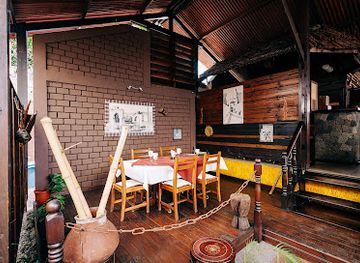
Restaurant & Grill Le Coraya
Discover the flavors of Comoros at Restaurant & Grill Le Coraya – a must-visit for food lovers seeking authentic local cuisine.
-
Restaurant
MoCafe
Experience the vibrant flavors of Moroni at MoCafe – where local cuisine meets warm hospitality in a charming setting.
-
Restaurant
Restaurant L'Escale
Discover authentic Comorian flavors at Restaurant L'Escale in Moroni – where delicious cuisine meets stunning ocean views.
-
Restaurant
New Select Restaurant
Discover authentic Comorian flavors at New Select Restaurant in Moroni - where local cuisine meets warm hospitality.



Best bars in Washili
Washili has little conventional nightlife, and evening life is centred more on family visits, conversation, religious activity and small local eateries than on bars or nightclubs. Alcohol is not central to public social life, reflecting the Comoros’ predominantly Muslim culture, and visitors should avoid assuming that drinks will be available in villages. Some guesthouses or restaurants in larger centres may offer a modest evening service, while Moroni provides the country’s broadest choice of cafés, restaurants and occasional live entertainment outside the region. In Washili, nights are generally quiet, and rural roads have limited lighting, so visitors should return to accommodation before late evening unless travelling with a trusted local host. The best way to experience the region after dark is through respectful participation in an arranged meal or community visit, not by searching for a developed entertainment district. Confirm local expectations about photography, music and gatherings before attending social or religious events.
-
Hotel
Retaj Moroni Hotel
Explore the Comoros Islands from the comfort of Retaj Moroni Hotel, where hospitality meets local charm in a stunning destination.
-
Restaurant
Restaurant & Grill Le Coraya
Experience the vibrant culinary scene of Comoros at Restaurant & Grill Le Coraya, where local flavors and warm hospitality come together.
-
Hotel
Moheli Laka Lodge
Discover the serene beauty of Moheli Laka Lodge, your gateway to the enchanting landscapes and rich culture of the Comoros islands.
-
Restaurant
MoCafe
Experience the flavors of Comoros at MoCafe, Moroni's top spot for delicious local cuisine and a cozy dining atmosphere.


Best nightclubs in Washili
Washili has little conventional nightlife, and evening life is centred more on family visits, conversation, religious activity and small local eateries than on bars or nightclubs. Alcohol is not central to public social life, reflecting the Comoros’ predominantly Muslim culture, and visitors should avoid assuming that drinks will be available in villages. Some guesthouses or restaurants in larger centres may offer a modest evening service, while Moroni provides the country’s broadest choice of cafés, restaurants and occasional live entertainment outside the region. In Washili, nights are generally quiet, and rural roads have limited lighting, so visitors should return to accommodation before late evening unless travelling with a trusted local host. The best way to experience the region after dark is through respectful participation in an arranged meal or community visit, not by searching for a developed entertainment district. Confirm local expectations about photography, music and gatherings before attending social or religious events.
-
Restaurant
Restaurant & Grill Le Coraya
Discover the vibrant flavors of Comoros at Restaurant & Grill Le Coraya, where every meal is a celebration of local cuisine and culture.
-
Restaurant
New Select Restaurant
Discover the flavors of Comoros at New Select Restaurant, a culinary haven in Moroni offering a taste of local tradition.
-
Night club
نجم القمر
Discover the vibrant nightlife of Ntsaouéni at نجم القمر, a lively night club filled with music, dance, and cultural experiences.
-
Pony club
Covo dei Paguri Comore
Explore the joy of pony rides and animal encounters at Covo dei Paguri Comore, a must-visit pony club for families and animal lovers.

Best shops in Washili
Shopping in Washili is local and practical rather than centred on department stores or established souvenir districts. Small village shops and informal stalls may sell household goods, snacks and basic provisions, while agricultural products such as coconuts, bananas, cassava and other seasonal produce appear through personal or local trade. Visitors may find handmade items or locally produced food through a host, but availability is variable and should not be treated as a permanent market schedule. For a wider choice of Comorian crafts, clothing, spices and packaged gifts, Moroni and other larger settlements outside Washili are more reliable. Vanilla, cloves and ylang-ylang are associated with Comorian agriculture, though quality, origin and packaging differ between sellers. Ask whether products are locally made and agree prices politely before purchasing. Carry cash in small Comorian franc denominations, as rural sellers are unlikely to accept cards. Buying directly from producers or artisans through a trusted local contact can be more respectful and useful than bargaining aggressively over small amounts.
-
Restaurant
Restaurant & Grill Le Coraya
Discover the exquisite tastes of Comoros at Restaurant & Grill Le Coraya, where local flavors meet international cuisine in a stunning setting.
-
Beach pavillion
Bouni Beach
Discover the stunning beauty of Bouni Beach in Comoros, where crystal-clear waters meet soft sands for an unforgettable tropical escape.
-
Tourist attraction
Dos du Dragon
Experience breathtaking views and tranquility at Dos du Dragon, a top tourist attraction in Mitsamiouli, Comoros.
-
Travel agency
Akili Travel
Explore the breathtaking landscapes and vibrant wildlife of the Comoros with Akili Travel, your gateway to unforgettable adventures.


Get your free copy of our complete guide to Washili, delivered straight to you.
Everything on this page, from attractions and restaurants to essentials and local phrases, in one PDF you can read offline, print or share.
Already have an account? Sign in
Your Washili guide is ready.
We'll send it to · Not you? Sign out

Getting your guide ready…
We are putting together a fresh copy of the Washili guide. This can take up to a minute.
This can take a few moments. If your browser asks, choose Allow so the download can start. You'll find the guide in your Downloads folder.
Nothing happened? Download it again
Sorry, the guide is taking longer than usual. Please try again in a minute, or get it by email instead.
Washili essentials
Currency and Payment
Safety
Emergency Situations
Do's and Don'ts
Local Tips
From Eve
Local phrases worth knowing
You don't need to get them perfect. A few words go a long way, and locals appreciate the effort.
Basics
| English | Local | Say it |
|---|---|---|
| Hello | Salama | [sah-lah-mah] |
| Goodbye | Tsalama | [tsah-lah-mah] |
| Yes | Ehe | [eh-heh] |
| No | Ala | [ah-lah] |
| Please/You're welcome | Tafadhali | [tah-fah-dah-lee] |
| Thank you | Asante | [ah-sahn-teh] |
| Excuse me/Sorry | Pole | [poh-leh] |
| How are you? | Habari gani? | [hah-bah-ree gah-nee] |
| Fine. And you? | Nzuri. Na wewe? | [n-zoo-ree nah weh-weh] |
| Do you speak English? | Unazungumza Kiingereza? | [oo-nah-zoon-goom-zah kee-ing-er-ezah] |
| I don't understand | Sielewi | [see-eh-leh-wee] |
Eating & Drinking
| English | Local | Say it |
|---|---|---|
| I'd like to see the menu, please | Ningependa kuona menyu, tafadhali | [neen-geh-pen-dah koo-oh-nah men-yoo tah-fah-dah-lee] |
| I don't eat meat | Sikuli nyama | [see-koo-lee nyah-mah] |
| Cheers! | Afya! | [ah-fyah] |
| I would like to pay, please | Ningependa kulipa, tafadhali | [neen-geh-pen-dah koo-lee-pah tah-fah-dah-lee] |
Emergencies
| English | Local | Say it |
|---|---|---|
| Help! | Nisaidie! | [nee-sah-ee-dee-eh] |
| Go away! | Nenda mbali! | [nen-dah mah-lee] |
| Call the Police! | Piga simu Polisi! | [pee-gah see-moo poh-lee-see] |
| Call a doctor! | Piga simu daktari! | [pee-gah see-moo dahk-tah-ree] |
| I'm lost | Nimepotea | [nee-meh-poh-teh-ah] |
| I'm ill | Nina ugonjwa | [nee-nah oo-gon-jwah] |
Shopping
| English | Local | Say it |
|---|---|---|
| I'd like to buy... | Ningependa kununua... | [neen-geh-pen-dah koo-noo-noo-ah] |
| I'm just looking | Natazama tu | [nah-tah-zah-mah too] |
| How much is it? | Ni shilingi ngapi? | [nee shee-lin-gee ngah-pee] |
| That's too expensive | Hiyo ni ghali sana | [hee-yoh nee gah-lee sah-nah] |
| Can you lower the price? | Unaweza kupunguza bei? | [oo-nah-weh-zah koo-poon-goo-zah beh-ee] |
Time & Numbers
| English | Local | Say it |
|---|---|---|
| What time is it? | Saa ngapi? | [sah ngah-pee] |
| It's one o'clock | Saa moja | [sah moh-jah] |
| Half past (10) | Nusu ya saa kumi | [noo-soo yah sah kah-mee] |
| Morning | Asubuhi | [ah-soo-boo-hee] |
| Afternoon | Mchana | [m-chah-nah] |
| Evening | Jioni | [jee-oh-nee] |
| Yesterday | Jana | [jah-nah] |
| Today | Leo | [leh-oh] |
| Tomorrow | Kesho | [keh-shoh] |
| 1 | Moja | [moh-jah] |
| 2 | Mbili | [m-bee-lee] |
| 3 | Tatu | [tah-too] |
| 4 | Nne | [n-neh] |
| 5 | Tano | [tah-noh] |
| 6 | Sita | [see-tah] |
| 7 | Saba | [sah-bah] |
| 8 | Nane | [nah-neh] |
| 9 | Tisa | [tee-sah] |
| 10 | Kumi | [koo-mee] |
Transport & Directions
| English | Local | Say it |
|---|---|---|
| Where's a/the...? | Iko wapi...? | [ee-koh wah-pee] |
| What's the address? | Anwani ni ipi? | [ahn-wah-nee nee ee-pee] |
| Can you show me (on the map)? | Unaweza kunionyesha (katika ramani)? | [oo-nah-weh-zah koo-nee-oh-nyesh-ah kah-tee-kah rah-mah-nee] |
| When's the next (bus)? | Basi inayofuata ni lini? | [bah-see ee-nah-yo-foo-ah-tah nee lee-nee] |
| A ticket (to ....) | Tiketi (ya ....) | [tee-keh-tee yah] |
History of Washili
Early Indian Ocean Settlement
Grande Comore was settled through successive movements of people across the western Indian Ocean. African and Austronesian influences, followed by contacts with Arab and Swahili-speaking traders, helped shape the island’s language, agriculture and maritime culture. Washili belongs to this wider Grande Comorian landscape rather than to an isolated inland tradition: villages developed within networks linking the interior to the coast, while crops such as coconut, banana and breadfruit became part of everyday life. Archaeological and historical evidence across the Comoros is uneven, so the early story is best understood through the island group’s broader Indian Ocean connections.
Sultanates and Swahili-Islamic Culture
From the medieval period onwards, Muslim trading networks connected the Comoros with the East African coast, Madagascar, Arabia and the Indian Ocean world. Local sultanates and ruling families emerged, and Islam became central to public, family and educational life. On Grande Comore, these influences remain visible in mosque architecture, religious practice, naming traditions and the historical importance of coastal and inland communities. Washili’s present-day cultural identity reflects this long process of exchange, in which local African traditions interacted with Swahili, Arab and Malagasy influences.
Political Rivalries and Foreign Influence
Grande Comore’s sultanates were involved in shifting alliances and rivalries, while foreign traders and powers competed for influence in the archipelago. Portuguese, French and other maritime interests appeared in the wider Comorian region, although local authorities continued to shape political life for much of the pre-colonial period. Competition between ruling houses and coastal centres affected land, authority and trade, creating a complex political background for communities across the island, including the rural districts that now form Washili.
French Protectorate and Colonial Rule
France established a protectorate over the Comoros in the late nineteenth century, and the islands were later administered within the French colonial system. Colonial rule altered land administration, education, commerce and the movement of people, while plantation agriculture and export-oriented production became more important. Grande Comore’s volcanic soils and tropical climate supported crops including vanilla, cloves and ylang-ylang, although the benefits of the colonial economy were unevenly distributed. In Washili, the enduring rural settlement pattern coexists with institutions and infrastructure introduced or expanded during this period.
Independence and the Union of the Comoros
The Comoros became independent from France in 1975, though Mayotte followed a separate political path and remains a French department. Since independence, the Union of the Comoros has experienced political instability, changes of government and economic pressures, while communities have continued to rely heavily on family networks, agriculture, remittances and small-scale trade. Washili is part of Grande Comore, or Ngazidja, one of the country’s principal islands, and its contemporary identity is inseparable from this national history and the island’s strong local affiliations.
Volcanic Landscapes and Contemporary Rural Change
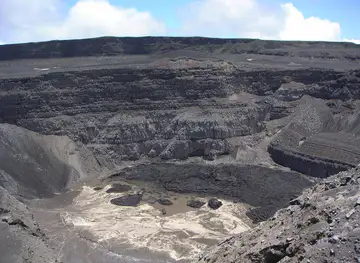
Grande Comore remains geologically active, with Mount Karthala dominating the island’s volcanic history and influencing settlement, soils and perceptions of the landscape. Washili’s environment is shaped by lava, rainfall infiltration and tropical cultivation rather than by large rivers or extensive flat farmland. In recent decades, improved roads, mobile communications, education and overseas remittances have brought change to rural communities, but village life, Islamic institutions, extended family ties and agricultural practices remain important features of the region.
Washili in Photos
Browse through our photo collection highlighting the charm and character of the destination.
Neighbouring regions of Washili
The closest regions to Washili, if you have time for more than one.
-

-

-
-

-


Swipe for more regions
Explore more

Explore more of Comoros
Discover Comoros - an untouched paradise in the Indian Ocean with pristine beaches, rich culture, and stunning natural beauty for a truly unique travel experience.
Explore Comoros