

Free Mbude Travel Guide & Mobile App
Explore Mbude with free travel guides. Discover regional history, expert tips, proposed trips, and audio guides on web or mobile app.


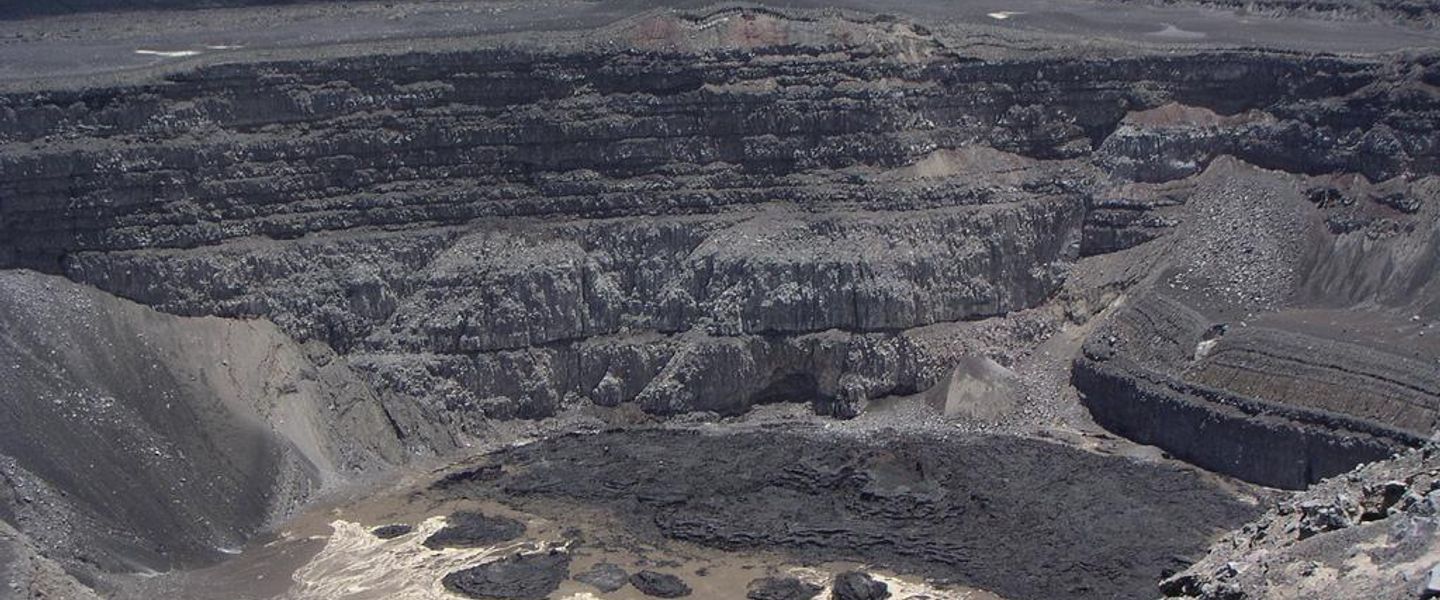


Mbude in Grande Comore offers volcanic landscapes, Indian Ocean villages, Islamic heritage and a quieter northern-island travel experience.
Read more about Mbude
When is the best time to visit Mbude?
Best: June–August · 26–27°C| Month | High (°C) | Rainfall (mm) |
|---|---|---|
| January | 29 | 200 |
| February | 29 | 170 |
| March | 29 | 150 |
| April | 29 | 130 |
| May | 28 | 110 |
| June (best) | 27 | 90 |
| July (best) | 26 | 70 |
| August (best) | 26 | 70 |
| September | 27 | 90 |
| October | 28 | 110 |
| November | 29 | 130 |
| December | 29 | 150 |
Getting to and around Mbude
How to get there
Transportation
Top city travel guides in Mbude
The cities of Mbude, and the easiest places to base yourself.
-

-
 Iconi
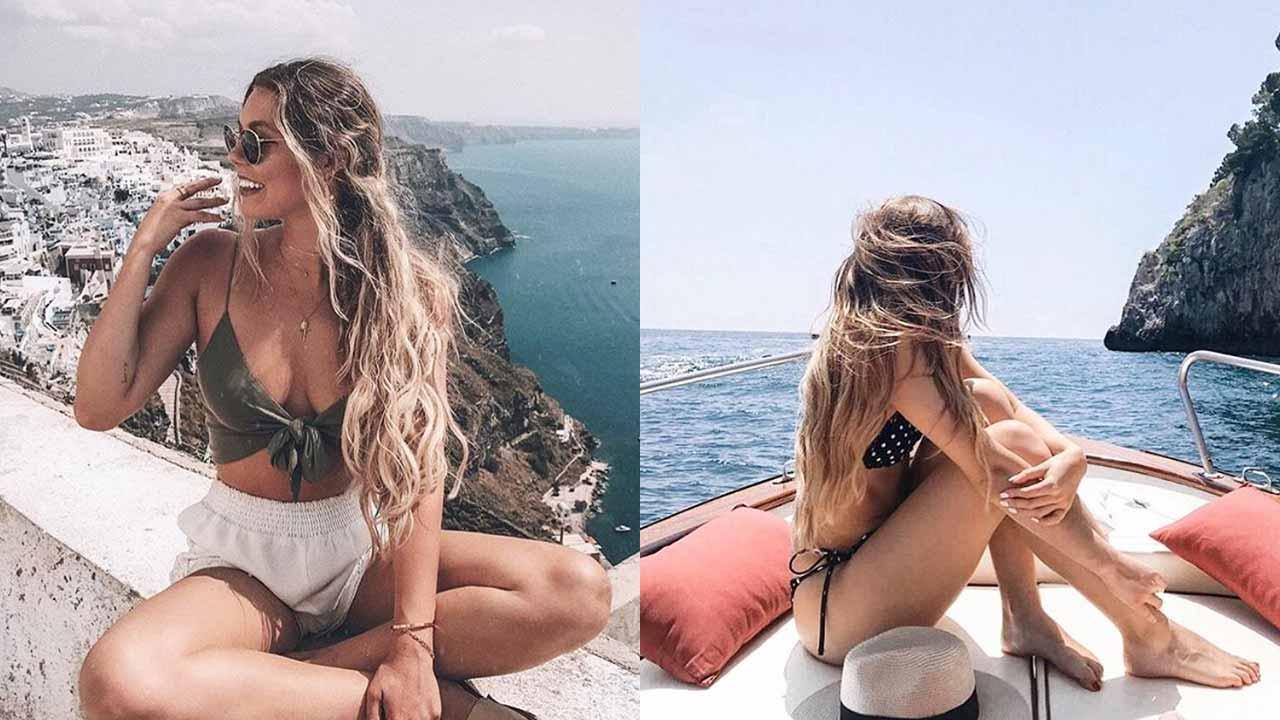
Iconi, Comoros, reveals Grande Comore’s historic sultanates, cliffside heritage, volcanic landscapes, local food and enduring island culture.
Iconi
Iconi, Comoros, reveals Grande Comore’s historic sultanates, cliffside heritage, volcanic landscapes, local food and enduring island culture.

Swipe for more cities
Destinations in Mbude
Resorts, valleys and scenic spots worth a trip of their own.

Swipe for more destinations
Best attractions in Mbude
-
Island
Ngazidja
Discover the enchanting Ngazidja, the largest island in Comoros, known for its stunning landscapes, rich cultural heritage, and pristine beaches.
-
Mosque
Grande Mosquée de Moroni مسجد
Explore the Grande Mosquée de Moroni, a stunning architectural masterpiece that embodies the rich Islamic heritage of the Comoros Islands.
-
Volcano
Karthala
Discover the awe-inspiring Karthala Volcano in Comoros, a breathtaking destination for nature lovers and adventure seekers alike.
-
Mosque
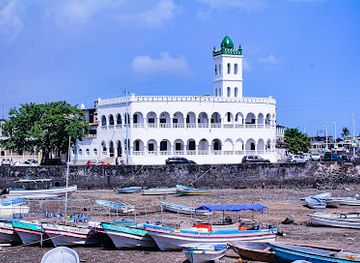
Moroni Comores
Discover Moroni's oldest mosque, a historic landmark showcasing Comoros' rich cultural heritage and enduring Islamic traditions since 1427.
Best landmarks in Mbude
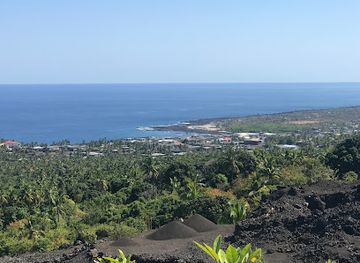
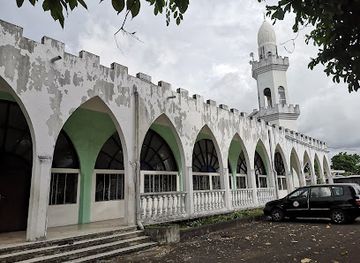
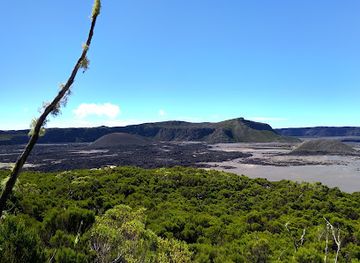
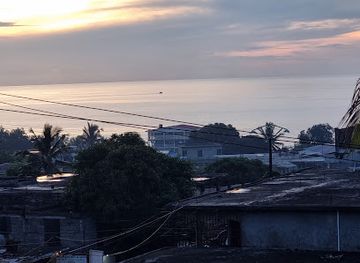
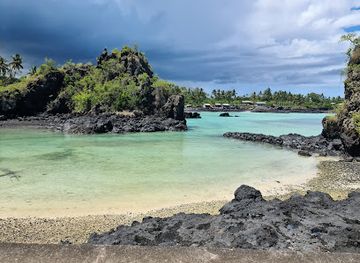
Mbude’s most distinctive landmarks are the physical features and community structures that express Grande Comore’s character. The island’s black basalt coastline is a defining natural landmark, contrasting with coconut vegetation and the blue waters of the western Indian Ocean. Mosques and village gathering places form important visual and social reference points, although visitors should treat them as active religious spaces rather than tourist monuments. Across Grande Comore, the volcanic terrain leading towards Mount Karthala provides the region’s largest geographical landmark, with lava formations and elevated landscapes showing the island’s continuing geological history. The coastal road and the compact settlements it links are also significant, revealing how communities occupy a narrow, cultivated belt between ocean and volcanic uplands. Around Mbude, these landmarks are experienced through movement, observation and local explanation rather than through formal interpretation centres. Their significance lies in the relationship between geology, faith, settlement and maritime life.
-
Island
Ngazidja
Explore the natural beauty and rich culture of Ngazidja, the largest island in the Comoros archipelago, perfect for adventure seekers and culture enthusiasts.
-
International airport
Prince Said Ibrahim International Airport
Explore the enchanting Comoros from Prince Said Ibrahim International Airport, your first step into a paradise of culture and natural beauty.
-
 Hotel
HotelMoheli Laka Lodge
Experience the beauty of Moheli Laka Lodge, where luxury meets nature in the stunning landscapes of the Comoros islands.
-
Beach pavillion
Bouni Beach
Discover the serene beauty of Bouni Beach in Comoros, a perfect blend of relaxation and adventure amidst tropical paradise.
Explore Mbude on the map
Plan your trip on one map. See where the top cities, national parks and sights are, and book hotels and experiences in a few clicks.
Best hotels in Mbude
Best restaurants in Mbude
Dining around Mbude is generally home-based, small-scale or linked to guest accommodation rather than organised around a large restaurant quarter. Comorian cooking draws on the ingredients and techniques of the western Indian Ocean, with rice, cassava, plantain, coconut, spices, vegetables, fish and meat appearing in everyday meals. Fresh seafood may be available in coastal communities, but supply and menus depend on the day’s catch. Visitors may encounter dishes influenced by Swahili, Arab, Malagasy and French traditions, including spiced rice preparations, coconut-based sauces and grilled foods. Moroni and larger settlements offer a broader choice of cafés and restaurants, while rural areas require advance planning and patience. Bottled water should be obtained from a reliable source, and travellers with dietary restrictions should explain them clearly in French or through a local host. Shopping at a market or accepting a meal arranged by an accommodation provider can provide a more authentic introduction to local ingredients than seeking international cuisine.
-
Restaurant
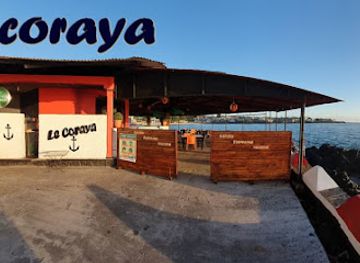
Restaurant & Grill Le Coraya
Discover the essence of Comorian cuisine at Restaurant & Grill Le Coraya—where every meal is a celebration of local flavors.
-
Restaurant
MoCafe
Discover authentic Comorian flavors at MoCafe in Moroni - where every meal tells a story.
-
Restaurant
Restaurant L'Escale
Experience authentic Comorian cuisine at Restaurant L'Escale in Moroni - where every dish tells a story of flavor and tradition.
-
Restaurant
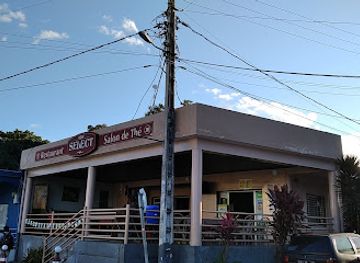
New Select Restaurant
Experience authentic Comorian cuisine at New Select Restaurant in Moroni – where flavors meet tradition.
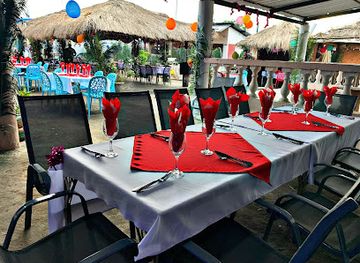
Best bars in Mbude
Mbude has a quiet evening scene shaped by village life, family gatherings and religious customs rather than by clubs or a concentrated bar district. After dark, social activity is more likely to centre on homes, small cafés, local food outlets or conversations with hosts. Alcohol is not central to public life in this predominantly Muslim region, and visitors should not assume that drinks will be served in ordinary restaurants or guesthouses. Moroni, outside Mbude, provides the widest choice of formal evening venues, though nightlife remains modest by international-city standards. Travellers staying in Mbude should arrange evening transport in advance, avoid walking unfamiliar roads late at night and respect residential quiet. Live music and celebrations may occur, but they are generally local or occasional rather than dependable scheduled entertainment.
-
Restaurant
Restaurant & Grill Le Coraya
Experience the rich flavors of Comoros at Restaurant & Grill Le Coraya, where local cuisine meets exceptional hospitality in a stunning setting.
-
Restaurant
Restaurant L'Escale
Discover the vibrant flavors of the Comoros Islands at Restaurant L'Escale, the perfect dining experience in Moroni for every traveler.
-
Restaurant
New Select Restaurant
Discover the vibrant culinary scene in Moroni at New Select Restaurant, where local flavors and warm hospitality await you.
-
Restaurant
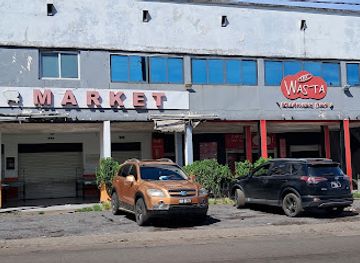
Wasta Boulangerie snack
Discover the delectable flavors of Comoros at Wasta Boulangerie, a cozy eatery serving fresh pastries and local snacks in Asgaraly.

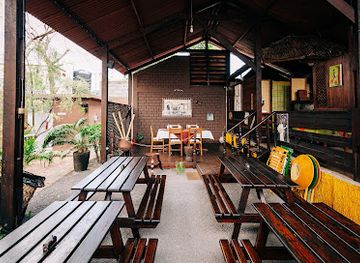
Best nightclubs in Mbude
Mbude has a quiet evening scene shaped by village life, family gatherings and religious customs rather than by clubs or a concentrated bar district. After dark, social activity is more likely to centre on homes, small cafés, local food outlets or conversations with hosts. Alcohol is not central to public life in this predominantly Muslim region, and visitors should not assume that drinks will be served in ordinary restaurants or guesthouses. Moroni, outside Mbude, provides the widest choice of formal evening venues, though nightlife remains modest by international-city standards. Travellers staying in Mbude should arrange evening transport in advance, avoid walking unfamiliar roads late at night and respect residential quiet. Live music and celebrations may occur, but they are generally local or occasional rather than dependable scheduled entertainment.
-
Night club
نجم القمر
Experience the vibrant nightlife of Comoros at Nجم القمر, where the rhythm of the night beckons you to dance and celebrate.
-
Bar
Chr
Experience the vibrant atmosphere at Chr Bar in Vanambouani, where refreshing drinks meet stunning views and local culture.
-
Pony club
Covo dei Paguri Comore
Experience the magic of pony riding in the scenic beauty of Comore at Covo dei Paguri Comore, a perfect spot for family adventures.

Best shops in Mbude
Shopping in and around Mbude is practical and local, with small shops and market stalls supplying food, household goods and everyday necessities rather than a large souvenir trade. Travellers may find locally grown produce, coconuts, spices, fruit and prepared foods, while craft and textile availability varies by village and season. Moroni, outside the region, offers the broadest choice of shops, markets and services on Grande Comore, making it sensible to buy specialist supplies, toiletries or gifts there before travelling north. Regional keepsakes may include woven items, locally made clothing, food products or small craft pieces, but quality and availability should be assessed individually. Bargaining is not appropriate everywhere; ask the price politely and agree it before purchase when negotiation is customary. Supporting small traders and buying directly from producers can be useful, provided visitors respect permissions around photographs, stalls and private property.
-
Hotel
Moheli Laka Lodge
Experience the tranquil beauty of Moheli Laka Lodge, where luxury meets nature in the heart of Comoros.
-
Beach pavillion
Bouni Beach
Discover the serene beauty of Bouni Beach in Comoros, where crystal-clear waters and golden sands await your exploration.
-
Recreation center
Le Trou Du Prophète
Experience the serene beauty and recreational charm of Le Trou Du Prophète in Mitsamiouli, Comoros, the ultimate destination for relaxation and adventure.
-
Tourist attraction
Dos du Dragon
Experience the breathtaking views and vibrant culture at Dos du Dragon, a hidden gem in Mitsamiouli, Comoros.

Get your free copy of our complete guide to Mbude, delivered straight to you.
Everything on this page, from attractions and restaurants to essentials and local phrases, in one PDF you can read offline, print or share.
Already have an account? Sign in
Your Mbude guide is ready.
We'll send it to · Not you? Sign out

Getting your guide ready…
We are putting together a fresh copy of the Mbude guide. This can take up to a minute.
This can take a few moments. If your browser asks, choose Allow so the download can start. You'll find the guide in your Downloads folder.
Nothing happened? Download it again
Sorry, the guide is taking longer than usual. Please try again in a minute, or get it by email instead.
Mbude essentials
Currency and Payment
Safety
Emergency Situations
Do's and Don'ts
Local Tips
From Eve
Local phrases worth knowing
You don't need to get them perfect. A few words go a long way, and locals appreciate the effort.
Basics
| English | Local | Say it |
|---|---|---|
| Hello | Salama | [sah-lah-mah] |
| Goodbye | Tsalama | [tsah-lah-mah] |
| Yes | Ehe | [eh-heh] |
| No | Ayi | [ah-yee] |
| Please/You’re welcome | Tafadhali | [tah-fah-dhah-lee] |
| Thank you | Asante | [ah-sahn-teh] |
| Excuse me/Sorry | Samahani | [sah-mah-hah-nee] |
| How are you? | Habari gani? | [hah-bah-ree gah-nee] |
| Fine. And you? | Nzuri. Na wewe? | [n-zoo-ree. nah weh-weh] |
| Do you speak English? | Unazungumza Kiingereza? | [oo-nah-zoon-gum-zah kee-in-geh-reh-zah] |
| I don't understand | Sielewi | [see-eh-leh-wee] |
Eating & Drinking
| English | Local | Say it |
|---|---|---|
| I’d like to see the menu, please | Ningependa kuona menyu, tafadhali | [neen-geh-pen-dah koo-oh-nah men-yoo, tah-fah-dhah-lee] |
| I don't eat meat | Sili nyama | [see-lee nyah-mah] |
| Cheers! | Afya! | [ah-fyah] |
| I would like to pay, please | Ningependa kulipa, tafadhali | [neen-geh-pen-dah koo-lee-pah, tah-fah-dhah-lee] |
Emergencies
| English | Local | Say it |
|---|---|---|
| Help! | Msaidie! | [m-sah-ee-dee-eh] |
| Go away! | Nenda mbali! | [nen-dah m-bah-lee] |
| Call the Police! | Piga simu polisi! | [pee-gah see-moo poh-lee-see] |
| Call a doctor! | Piga simu daktari! | [pee-gah see-moo dahk-tah-ree] |
| I’m lost | Nimepotea | [nee-meh-poh-teh-ah] |
| I’m ill | Niko mgonjwa | [nee-koh m-gohn-jwah] |
Shopping
| English | Local | Say it |
|---|---|---|
| I’d like to buy... | Ningependa kununua... | [neen-geh-pen-dah koo-noo-noo-ah] |
| I’m just looking | Natazama tu | [nah-tah-zah-mah too] |
| How much is it? | Ni bei gani? | [nee beh-ee gah-nee] |
| That’s too expensive | Hiyo ni ghali sana | [hee-yoh nee gah-lee sah-nah] |
| Can you lower the price? | Unaweza kupunguza bei? | [oo-nah-weh-zah koo-poon-goo-zah beh-ee] |
Time & Numbers
| English | Local | Say it |
|---|---|---|
| What time is it? | Ni saa ngapi? | [nee sah ngah-pee] |
| It’s one o'clock | Ni saa moja | [nee sah moh-jah] |
| Half past (10) | Nusu baada ya (10) | [noo-soo bah-dah yah (10)] |
| Morning | Asubuhi | [ah-soo-boo-hee] |
| Afternoon | Mchana | [m-chah-nah] |
| Evening | Jioni | [jee-oh-nee] |
| Yesterday | Jana | [jah-nah] |
| Today | Leo | [leh-oh] |
| Tomorrow | Kesho | [keh-shoh] |
| 1 | Moja | [moh-jah] |
| 2 | Mbili | [m-bee-lee] |
| 3 | Tatu | [tah-too] |
| 4 | Nne | [n-neh] |
| 5 | Tano | [tah-noh] |
| 6 | Sita | [see-tah] |
| 7 | Saba | [sah-bah] |
| 8 | Nane | [nah-neh] |
| 9 | Tisa | [tee-sah] |
| 10 | Kumi | [koo-mee] |
Transport & Directions
| English | Local | Say it |
|---|---|---|
| Where's a/the...? | Wapi...? | [wah-pee] |
| What's the address? | Nini anwani? | [nee-nee ahn-wah-nee] |
| Can you show me (on the map)? | Unaweza kunionyesha (katika ramani)? | [oo-nah-weh-zah koo-nee-oh-nyesh-ah (kah-tee-kah rah-mah-nee)] |
| When's the next (bus)? | Basi inayofuata ni lini? | [bah-see ee-nah-yoh-foo-ah-tah nee lee-nee] |
| A ticket (to ....) | Tiketi (kwenda ....) | [tee-keh-tee (kwehn-dah)] |
History of Mbude
Early Settlement and Indian Ocean Exchange
The Comoro Islands were settled through successive movements of people across the western Indian Ocean, including African, Malagasy and Austronesian-linked communities. Grande Comore’s position between the East African coast, Madagascar and the wider Indian Ocean encouraged maritime exchange and the movement of crops, technologies and languages. Although archaeological evidence is more visible in some parts of the archipelago than around Mbude itself, the region belongs to this long history of seaborne settlement. The island’s volcanic environment, coastal access and fertile pockets helped sustain communities whose connections extended well beyond the immediate shoreline.
Swahili and Islamic Coastal Culture
From the medieval period onwards, Comorian coastal society became closely connected to Swahili-speaking trading networks and Muslim communities. Arab and Persian influences contributed to the development of Islam, Islamic scholarship and sultanate traditions, while African cultural foundations remained central. Grande Comore’s settlements formed part of a wider maritime world linked with the East African coast, Madagascar and ports around the Indian Ocean. Mosques, Islamic social customs, family lineages and the use of Comorian languages together reflect this layered history, which remains important in villages around Mbude.
Sultanates and Local Political Authority
Before colonial rule, Grande Comore was divided among local sultanates and chiefly authorities rather than governed as a single modern state. Political power was connected to settlement, land, marriage alliances, religious learning and control of coastal commerce. These arrangements changed over time as rulers competed and external traders became more influential. The island’s villages developed distinct identities within this wider political landscape. In and around Mbude, the continuing importance of local families, community relationships and religious institutions can be understood against this long tradition of decentralised authority.
French Protectorate and Colonial Rule
France established a protectorate over the Comoros in the late nineteenth century and later incorporated the islands into its colonial administration. The colonial period brought new legal and administrative structures, stronger links with Madagascar and the wider French Empire, and an economy shaped by plantations and export agriculture. Grande Comore did not become an industrial centre, but colonial rule altered land ownership, education, transport and political authority. French remains important in administration and education today, while Comorian and Arabic continue to express local cultural and religious life.
Independence in 1975
The Comoros declared independence from France in 1975, although Mayotte chose to remain under French administration. The new Union of the Comoros inherited the social and economic challenges of a small, geographically dispersed island state, including limited infrastructure and dependence on overseas connections. Grande Comore became the country’s political centre because Moroni lies on the island’s western coast. Mbude and other northern communities have remained part of the national effort to improve roads, public services, communications and economic opportunities beyond the capital.
Volcanic Landscapes and Contemporary Life
Grande Comore’s modern identity is inseparable from its volcanic geology. Mount Karthala and the island’s lava fields have influenced settlement, agriculture, water access and travel, while eruptions have periodically altered the landscape. Much of the population continues to combine village-based social life with farming, fishing, commerce and work linked to the capital or overseas communities. Around Mbude, contemporary life therefore reflects both continuity and change: ancient Indian Ocean connections, Islamic traditions and close-knit communities exist alongside mobile phones, migration, modern education and growing interest in locally managed tourism.
Mbude in Photos
Browse through our photo collection highlighting the charm and character of the destination.
Neighbouring regions of Mbude
The closest regions to Mbude, if you have time for more than one.
-

-

-

-

-


Swipe for more regions
Explore more

Explore more of Comoros
Discover Comoros - an untouched paradise in the Indian Ocean with pristine beaches, rich culture, and stunning natural beauty for a truly unique travel experience.
Explore Comoros