

Free Grand Comore Travel Guide & Mobile App
Explore Grand Comore with free travel guides. Discover regional history, expert tips, proposed trips, and audio guides on web or mobile app.


Explore Grand Comore’s volcanic Karthala, historic Moroni, black-lava coastlines, marine life and distinctive island culture in the Comoros.
Read more about Grand Comore
When is the best time to visit Grand Comore?
Best: June–August · 26–27°C| Month | High (°C) | Rainfall (mm) |
|---|---|---|
| January | 30 | 300 |
| February | 30 | 250 |
| March | 30 | 200 |
| April | 29 | 150 |
| May | 28 | 70 |
| June (best) | 27 | 50 |
| July (best) | 26 | 50 |
| August (best) | 26 | 50 |
| September | 27 | 70 |
| October | 28 | 150 |
| November | 29 | 200 |
| December | 30 | 250 |
Getting to and around Grand Comore
How to get there
Transportation
Top city travel guides in Grand Comore
The cities of Grand Comore, and the easiest places to base yourself.
-

-
 Iconi
Iconi, Comoros, reveals Grande Comore’s historic sultanates, cliffside heritage, volcanic landscapes, local food and enduring island culture.

Swipe for more cities
Destinations in Grand Comore
Resorts, valleys and scenic spots worth a trip of their own.

Swipe for more destinations
Best attractions in Grand Comore
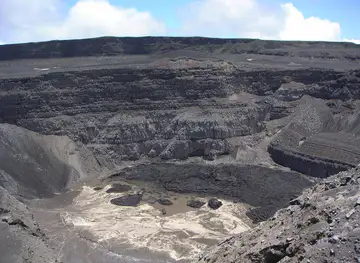
Grand Comore's attractions are primarily geological, coastal and cultural rather than purpose-built resort facilities. Mount Karthala is the defining natural feature, with guided walks offering views across lava fields, forest and the enormous volcanic caldera when weather and access conditions permit. Around the coast, black-lava shores, coves, natural bathing pools and beaches near places such as Chomoni provide opportunities for swimming, snorkelling and boat-based exploration, although equipment and changing facilities may be limited. Moroni offers the island's strongest concentration of cultural experiences, including the old town, harbour, mosques, markets and everyday urban life. The historic town of Iconi adds an important perspective on Comorian sultanates and coastal settlement. Northern coastal areas around Mitsamiouli are suited to scenic drives and marine excursions, while village roads reveal plantations of coconut, banana and ylang-ylang between volcanic outcrops. The island is best experienced through a combination of short coastal stops, guided inland walks and time spent observing its settlements rather than through a tightly scheduled list of ticketed attractions.
-
Volcano
Mount Karthala
Hike to the summit of Comoros' highest point, an active volcano offering stunning views & unique biodiversity. A challenging, rewarding adventure.
-
Tourist attraction
PLACE ULANGA
Discover Place Ulanga in Domoni, Comoros: A serene escape into lush landscapes, vibrant flora, and rich Comorian culture.


Best landmarks in Grand Comore
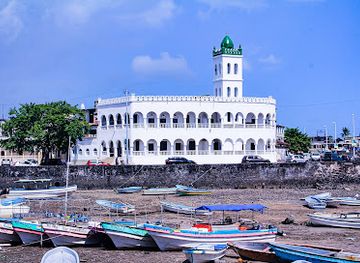
Mount Karthala is Grand Comore's most commanding landmark, rising above the island as an active volcano whose broad summit caldera and successive lava flows explain much of the island's rugged terrain. In Moroni, the Old Friday Mosque is a prominent coral-stone building beside the harbour and an enduring symbol of the capital's Islamic and maritime history. The old quarter's narrow lanes, weathered walls and buildings shaped by Swahili, Arab and colonial influences form a historic urban landscape rather than a single monumental site. Iconi is another important landmark setting, with remnants and traces associated with former sultanate power, historic coastal settlement and the town's dramatic volcanic shoreline. Around Grand Comore, dark lava fields and black-sand coastal formations are landmarks in their own right, showing how recent eruptions have changed the island. These places are best approached with respect for religious functions, private property and fragile geological surfaces.
-
Island
Ngazidja
Explore the stunning landscapes and rich culture of Ngazidja, the largest island in the Comoros archipelago, where adventure meets relaxation.
-
Volcano
Mount Karthala
Explore the breathtaking beauty of Mount Karthala, an active volcano in the Comoros, offering stunning views and rich biodiversity for every adventurous traveler.
-
Hotel
Hotel restaurant Jardin De La Paix
Experience tranquility and exquisite flavors at Jardin De La Paix, a serene hotel and restaurant in the heart of Moroni, Comoros.
-
Beach pavillion
Maloudja Bungalows
Experience the picturesque beauty of Maloudja Bungalows in Mitsamiouli, Comoros - your ultimate beachside retreat.


Explore Grand Comore on the map
Plan your trip on one map. See where the top cities, national parks and sights are, and book hotels and experiences in a few clicks.
Best hotels in Grand Comore
Best restaurants in Grand Comore
Dining on Grand Comore is closely connected to island agriculture, fishing and the wider Swahili and Indian Ocean culinary tradition. Rice is commonly served with fish or seafood, coconut-based sauces, cassava, plantains, breadfruit and vegetables seasoned with aromatic spices. Moroni has the broadest selection of restaurants and cafés, ranging from Comorian and French-influenced cooking to Indian Ocean dishes, while smaller towns generally offer simpler meals through local eateries, guesthouses and informal food stalls. Fresh fish and octopus are particularly relevant along the coast, although availability depends on weather and fishing conditions. Markets are useful for fruit, cassava, coconuts and snacks, but prepared food standards vary, so choose busy establishments and use sensible precautions with water and uncooked ingredients. Meals may be leisurely and service informal; advance arrangements are sensible when dining outside Moroni or when staying in a small guesthouse.
-
Restaurant
New Mumbai Restaurant
Savor authentic Indian cuisine at New Mumbai Restaurant in Moroni - where every dish tells a story.
-
Restaurant
Restaurant & Grill Le Coraya
Discover authentic Comorian cuisine at Restaurant & Grill Le Coraya – where flavors meet breathtaking views in Itsandra.
-
Restaurant
MoCafe
Discover exquisite flavors at MoCafe in Moroni - where local delicacies meet global cuisine in an inviting atmosphere.
-
Restaurant
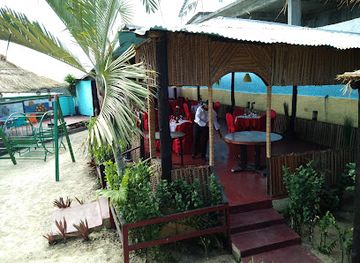
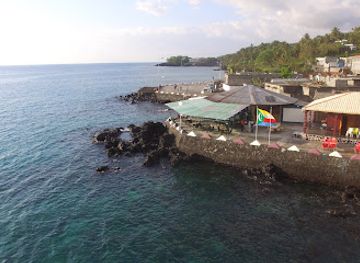
Restaurant L'Escale
Experience authentic Comorian cuisine at Restaurant L'Escale in Moroni - a culinary gem by the sea offering fresh flavors and stunning views.


Best bars in Grand Comore
Grand Comore does not have a large, internationally oriented nightclub scene. Evening life is concentrated in Moroni, where cafés, hotel restaurants and a limited number of informal venues provide places to meet, eat and talk. In smaller towns and villages, social life generally centres on family gatherings, local restaurants, community occasions and conversations after sunset rather than late-night entertainment districts. Comoros is a predominantly Muslim country, and alcohol is not central to public life; availability varies and visitors should follow the policies of their accommodation and local venues. Live music and dancing may appear at celebrations, but events are often community-based and changeable rather than part of a regular tourist calendar. Plan evening transport in advance, as taxis and street lighting can be limited beyond the capital.
-
Restaurant
New Mumbai Restaurant
Experience the rich flavors of India at New Mumbai Restaurant in Moroni, where every dish tells a story of tradition and taste.
-
Restaurant
Restaurant & Grill Le Coraya
Experience the flavors of Comoros at Restaurant & Grill Le Coraya, where local dishes meet international culinary artistry.
-
Restaurant
MoCafe
Discover the flavors of Comoros at MoCafe, a delightful restaurant offering local and international cuisine in Moroni.
-
Restaurant
New Select Restaurant
Experience the authentic taste of Comoros at New Select Restaurant, where local flavors meet delightful hospitality in Moroni.



Best nightclubs in Grand Comore
Grand Comore does not have a large, internationally oriented nightclub scene. Evening life is concentrated in Moroni, where cafés, hotel restaurants and a limited number of informal venues provide places to meet, eat and talk. In smaller towns and villages, social life generally centres on family gatherings, local restaurants, community occasions and conversations after sunset rather than late-night entertainment districts. Comoros is a predominantly Muslim country, and alcohol is not central to public life; availability varies and visitors should follow the policies of their accommodation and local venues. Live music and dancing may appear at celebrations, but events are often community-based and changeable rather than part of a regular tourist calendar. Plan evening transport in advance, as taxis and street lighting can be limited beyond the capital.
-
Restaurant
Le coelecanthe restaurant et piscine
Discover the flavors of Comoros at Le Coelecanthe Restaurant et Piscine, where culinary excellence meets breathtaking views in Moroni.
-
Restaurant
Plage de Chomoni
Experience the best of Comorian cuisine at Plage de Chomoni, where local flavors meet breathtaking ocean views for an unforgettable dining experience.
-
 Night club
نجم القمر
Experience the vibrant nightlife at نجم القمر, the premier nightclub in Ntsaouéni, Comoros, where music and culture unite.
-
Pony club
Covo dei Paguri Comore
Discover the magic of pony riding at Covo dei Paguri Comore, where adventure meets education in a stunning natural setting.


Best shops in Grand Comore
Shopping on Grand Comore is modest in scale and most useful for locally made or locally grown goods rather than international brands. Moroni has the widest choice of small shops, market stalls and craft sellers, while village markets offer fruit, coconuts, spices, woven items and everyday produce. Regional products associated with the Comoros include ylang-ylang, vanilla, cloves and other aromatic crops, although quality, packaging and export restrictions should be checked before purchase. Visitors may find carved objects, woven goods, jewellery and textiles, but provenance and materials vary, so buy directly from makers or established sellers where possible. The capital is also the most practical place for essentials, gifts and food supplies before travelling around the island. Bargaining may be accepted in informal markets but should remain courteous; avoid purchasing coral, shells, archaeological objects or wildlife products, and remember that fragile food or plant products may face customs restrictions when taken abroad.
-
Supermarket
Sawa Prix
Discover the vibrant flavors of Comoros at Sawa Prix, your ultimate supermarket destination in Moroni for local and imported goods.
-
Supermarket
Comores Market VoloVolo
Explore the vibrant flavors of Comoros at Comores Market VoloVolo, where local produce meets cultural richness.
-
Supermarket
Comores Market
Explore the flavors of Comoros at Comores Market, a vibrant supermarket offering local delicacies and everyday essentials in Moroni.
-
Supermarket
AdaMoon shop
Explore AdaMoon shop in Tsidje for a unique selection of local products, fresh produce, and authentic Comorian souvenirs.


Get your free copy of our complete guide to Grand Comore, delivered straight to you.
Everything on this page, from attractions and restaurants to essentials and local phrases, in one PDF you can read offline, print or share.
Already have an account? Sign in
Your Grand Comore guide is ready.
We'll send it to · Not you? Sign out

Getting your guide ready…
We are putting together a fresh copy of the Grand Comore guide. This can take up to a minute.
This can take a few moments. If your browser asks, choose Allow so the download can start. You'll find the guide in your Downloads folder.
Nothing happened? Download it again
Sorry, the guide is taking longer than usual. Please try again in a minute, or get it by email instead.
Grand Comore essentials
Currency and Payment
Safety
Emergency Situations
Do's and Don'ts
Local Tips
From Eve
Local phrases worth knowing
You don't need to get them perfect. A few words go a long way, and locals appreciate the effort.
Basics
| English | Local | Say it |
|---|---|---|
| Hello | Salama | [sah-lah-mah] |
| Goodbye | Akwala | [ah-kwah-lah] |
| Yes | Ehe | [eh-heh] |
| No | Ayi | [ah-yee] |
| Please/You're welcome | Tafadhali | [tah-fah-dhah-lee] |
| Thank you | Asante | [ah-sahn-teh] |
| Excuse me/Sorry | Samahani | [sah-mah-hah-nee] |
| How are you? | Habari gani? | [hah-bah-ree gah-nee] |
| Fine. And you? | Nzuri. Na wewe? | [n-zoo-ree nah weh-weh] |
| Do you speak English? | Unazungumza Kiingereza? | [oo-nah-zoon-gum-zah kee-in-ge-reh-zah] |
| I don't understand | Sielewi | [see-eh-leh-wee] |
Eating & Drinking
| English | Local | Say it |
|---|---|---|
| I'd like to see the menu, please | Ningependa kuona menyu, tafadhali | [neen-geh-pen-dah koo-nah men-yoo tah-fah-dhah-lee] |
| I don't eat meat | Sikula nyama | [see-koo-lah nyah-mah] |
| Cheers! | Afya! | [ah-fyah] |
| I would like to pay, please | Ningependa kulipa, tafadhali | [neen-geh-pen-dah koo-lee-pah tah-fah-dhah-lee] |
Emergencies
| English | Local | Say it |
|---|---|---|
| Help! | Nisaidie! | [nee-sah-ee-dee-eh] |
| Go away! | Ondoka! | [on-doh-kah] |
| Call the Police! | Pigia Polisi! | [pee-gee-ah poh-lee-see] |
| Call a doctor! | Pigia daktari! | [pee-gee-ah dahk-tah-ree] |
| I'm lost | Nimepotea | [nee-meh-poh-teh-ah] |
| I'm ill | Ninaumwa | [nee-nah-oom-wah] |
Shopping
| English | Local | Say it |
|---|---|---|
| I'd like to buy... | Ningependa kununua... | [neen-geh-pen-dah koo-noo-noo-ah] |
| I'm just looking | Natazama tu | [nah-tah-zah-mah too] |
| How much is it? | Ni kiasi gani? | [nee kee-ah-see gah-nee] |
| That's too expensive | Hiyo ni ghali sana | [hee-yoh nee gah-lee sah-nah] |
| Can you lower the price? | Unaweza kupunguza bei? | [oo-nah-weh-zah koo-poon-goo-zah bay-ee] |
Time & Numbers
| English | Local | Say it |
|---|---|---|
| What time is it? | Ni saa ngapi? | [nee sah nah-gee] |
| It's one o'clock | Ni saa moja | [nee sah moh-jah] |
| Half past (10) | Nusu ya (10) | [noo-soo yah (10)] |
| Morning | Asubuhi | [ah-soo-boo-hee] |
| Afternoon | Mchana | [m-chah-nah] |
| Evening | Jioni | [jee-oh-nee] |
| Yesterday | Jana | [jah-nah] |
| Today | Leo | [leh-oh] |
| Tomorrow | Kesho | [keh-shoh] |
| 1 | Moja | [moh-jah] |
| 2 | Mbili | [m-bee-lee] |
| 3 | Tatu | [tah-too] |
| 4 | Nne | [n-neh] |
| 5 | Tano | [tah-noh] |
| 6 | Sita | [see-tah] |
| 7 | Saba | [sah-bah] |
| 8 | Nane | [nah-neh] |
| 9 | Tisa | [tee-sah] |
| 10 | Kumi | [koo-mee] |
Transport & Directions
| English | Local | Say it |
|---|---|---|
| Where's a/the...? | Iko wapi...? | [ee-koh wah-pee] |
| What's the address? | Nini anwani? | [nee-nee ahn-wah-nee] |
| Can you show me (on the map)? | Unaweza kunionyesha (katika ramani)? | [oo-nah-weh-zah koo-nee-oh-nyesh-ah (kah-tee-kah rah-mah-nee)] |
| When's the next (bus)? | Basi inayofuata ni lini? | [bah-see ee-nah-yoh-foo-ah-tah nee lee-nee] |
| A ticket (to ....) | Tiketi (ya ....) | [tee-keh-tee (yah ....)] |
History of Grand Comore
Early settlement and Indian Ocean exchange
Grand Comore's population emerged through successive movements across the western Indian Ocean, including Austronesian-linked seafarers, peoples from the African mainland and later migrants from Arabia and the Persian Gulf. Swahili cultural connections, maritime trade and Islam shaped coastal communities over many centuries. Archaeological and linguistic evidence reflects the island's position within an Indian Ocean world rather than an isolated development, while farming, fishing and seaborne commerce provided the foundations of settlement.
Islamic sultanates and coastal towns
From the medieval period, Grand Comore was organised through local sultanates and chiefly territories, with authority concentrated in important coastal settlements. Arab and Swahili influences were expressed through Islam, dynastic traditions, architecture and trade. Towns such as Iconi retain associations with the island's sultanate past, while mosques, coral-stone structures and historic urban quarters show how political power and religious life were connected to the maritime economy.
Plantations, trade and foreign influence
The islands became increasingly connected to regional and international commerce through the movement of spices, food crops and other products. Grand Comore's volcanic soils supported coconut, ylang-ylang, vanilla and other cultivated plants, although agriculture remained closely tied to village life and subsistence. Rival European interests and changing commercial networks gradually weakened the independence of local rulers, bringing the Comoros into a more formal colonial relationship with France.
French colonial rule
France established colonial control over the Comoros during the nineteenth century, and Grand Comore was administered within the French colonial system alongside the other islands. Colonial rule altered landholding, trade, education and political authority, while cash crops and export-oriented agriculture became more significant. French institutions and the French language remain part of public life, but colonial history is also remembered through unequal power relationships and the persistence of local Islamic, African and island traditions.
Independence and the formation of the Comorian state
The Comoros became independent from France in 1975, with Moroni on Grand Comore serving as the capital of the new republic. The transition was politically unsettled, and the country experienced coups, changes of government and debates over the relationship between the islands. Mayotte, another island of the archipelago, remained under French administration, a division that continues to influence Comorian national identity and regional politics.
Karthala and life in a volcanic environment
Grand Comore's modern history is inseparable from Mount Karthala, whose repeated eruptions have reshaped the island and affected settlements, roads and agriculture. The volcano remains active, and its broad caldera is both a scientific feature and a major element of local geography. Contemporary Grand Comore combines urban growth around Moroni with village-based agriculture, fishing, migration networks and a developing interest in carefully managed cultural and nature tourism.
Grand Comore in Photos
Browse through our photo collection highlighting the charm and character of the destination.
Neighbouring regions of Grand Comore
The closest regions to Grand Comore, if you have time for more than one.
-

-
-

-

-


Swipe for more regions
Explore more

Explore more of Comoros
Discover Comoros - an untouched paradise in the Indian Ocean with pristine beaches, rich culture, and stunning natural beauty for a truly unique travel experience.
Explore Comoros