

Mamoudzou Beach Travel Guide - Free Web & App
Your ultimate guide to Mamoudzou Beach. Discover top landmarks, proposed trips, and local tips. Free on the web or via the Evendo companion app.


Discover the tranquil beauty and rich culture of Mamoudzou Beach in Comoros, where turquoise waters meet white sands and vibrant local traditions.
Read more about Mamoudzou Beach
When is the best time to visit Mamoudzou Beach?
Best: June–August · 30°C| Month | High (°C) | Rainfall (mm) |
|---|---|---|
| January | 31 | 298 |
| February | 31 | 270 |
| March | 31 | 247 |
| April | 31 | 165 |
| May | 31 | 118 |
| June (best) | 30 | 91 |
| July (best) | 30 | 83 |
| August (best) | 30 | 88 |
| September | 31 | 112 |
| October | 31 | 160 |
| November | 32 | 222 |
| December | 32 | 271 |
Getting to and around Mamoudzou Beach
How to get there
Transportation
Best attractions in Mamoudzou Beach
Mamoudzou Beach in Comoros offers visitors a unique blend of natural beauty and cultural experiences. The pristine white sandy beach is perfect for sunbathing and swimming, while the crystal-clear waters provide opportunities for snorkeling and diving to explore the vibrant marine life. The bustling local market nearby offers a taste of authentic Comorian culture, with colorful stalls selling local handicrafts, spices, and fresh produce. Visitors can also explore the historic Old Town, with its charming colonial architecture and traditional Malagasy influences. Whether relaxing on the beach, shopping for souvenirs, or immersing in the rich history and culture, Mamoudzou Beach has something for every traveler to enjoy.
-
Hiking area
Pointe Mahabou
Discover Pointe Mahabou in Mamoudzou: Hike scenic trails, explore lush landscapes, and enjoy breathtaking coastal views in Mayotte's natural paradise.
-
Adventure sports
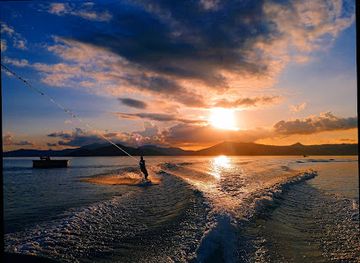
Wake Up Maluja
Experience thrilling water sports in Mayotte's stunning lagoon with personalized coaching for all levels at Wake Up Maluja.

Best landmarks in Mamoudzou Beach
Mamoudzou Beach in Comoros is a treasure trove of landmarks waiting to be explored by visitors. From the iconic Tsingy de Mamoudzou rock formations to the vibrant Dar es Salaam Market, there is something for everyone. Take a leisurely stroll along the bustling waterfront promenade, visit the historic Old Town with its charming colonial architecture, and don't miss the opportunity to sample fresh seafood at the local restaurants. Whether you're interested in history, culture, or simply soaking up the sun on the pristine beaches, Mamoudzou Beach has it all.
-
Adventure sports
Wake Up Maluja
Experience thrilling adventure sports at Wake Up Maluja in Mamoudzou, Mayotte – a paradise for nature lovers and adrenaline seekers.

Explore Mamoudzou Beach on the map
Plan your trip on one map. See where the top attractions, landmarks, restaurants and hotels are, and book hotels and experiences in a few clicks.
Best hotels in Mamoudzou Beach
Best restaurants in Mamoudzou Beach
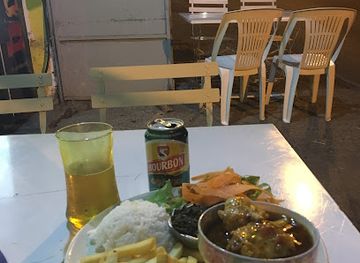
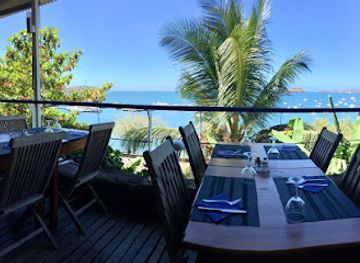
Mamoudzou Beach offers a delightful dining scene for visitors to indulge in. From charming beachfront cafes serving fresh seafood to bustling market stalls offering local delicacies, there is a diverse range of culinary experiences to explore. Savor traditional Comorian dishes like langouste au curry (lobster curry) or coconut-infused fish stew, or opt for international cuisine at upscale restaurants with stunning ocean views. With a mix of flavors and atmospheres, dining at Mamoudzou Beach is sure to be a memorable part of your travel experience.
-
Restaurant
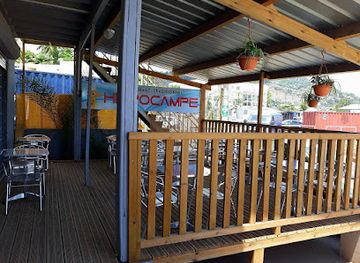
Hippocampe Restaurant
Experience authentic Mayotte cuisine at Hippocampe Restaurant in Mamoudzou – where every dish tells a story.
-
Restaurant
Auberge du Rond-point
Experience authentic Mayotte cuisine at Auberge du Rond-point, where fresh local ingredients meet warm hospitality in Mamoudzou.
-
Restaurant
Le Citron Vert
Experience authentic Mayotte cuisine at Le Citron Vert in Mamoudzou – where fresh ingredients meet local tradition.
-
Restaurant
Le Moana
Discover authentic Mayotte cuisine at Le Moana – where fresh flavors meet warm hospitality in the heart of Mamoudzou.
Best bars in Mamoudzou Beach
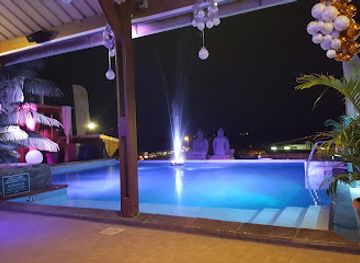
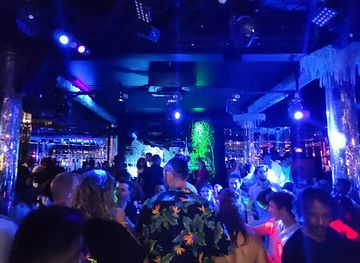
Mamoudzou Beach offers a vibrant nightlife scene with a variety of bars and nightclubs catering to different tastes. From laid-back beachfront bars where you can enjoy a cocktail while watching the sunset, to lively clubs with live music and dancing, there is something for everyone. Local DJs spin a mix of traditional and contemporary music, creating a lively atmosphere that is perfect for mingling with locals and other tourists. The beachfront setting adds a unique charm to the nightlife experience, making it a must-visit destination for those looking to unwind and have a great time after a day of exploring the island.
-
Bar
Le Mermoz
Experience the vibrant atmosphere of Le Mermoz in Mamoudzou, where cocktails, tapas, and relaxation come together for an unforgettable night.
Best nightclubs in Mamoudzou Beach
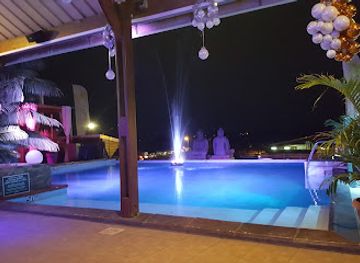
Mamoudzou Beach offers a vibrant nightlife scene with a variety of bars and nightclubs catering to different tastes. From laid-back beachfront bars where you can enjoy a cocktail while watching the sunset, to lively clubs with live music and dancing, there is something for everyone. Local DJs spin a mix of traditional and contemporary music, creating a lively atmosphere that is perfect for mingling with locals and other tourists. The beachfront setting adds a unique charm to the nightlife experience, making it a must-visit destination for those looking to unwind and have a great time after a day of exploring the island.
-
Restaurant
Le 5/5
Experience delectable pizzas, vibrant cocktails, and lively entertainment at Le 5/5, a must-visit restaurant and bar in Mamoudzou, Mayotte.
-
Bar
Le Mermoz
Discover the vibrant atmosphere of Le Mermoz, a must-visit bar in Mamoudzou, offering cocktails, tapas, and an unforgettable hookah experience.
-
Night club
Le Loft
Experience the vibrant nightlife at Le Loft, Mayotte's premier night club and bar, where music, dance, and cocktails come together for an unforgettable evening.
-
Disco club
Le Mahaba Club
Experience the vibrant nightlife of Mamoudzou at Le Mahaba Club, the ultimate disco destination in Mayotte for dancing and socializing.

Best shops in Mamoudzou Beach
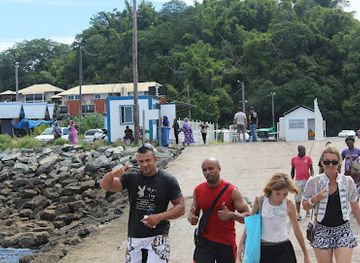
The shopping scene at Mamoudzou Beach offers a unique blend of traditional markets and modern boutiques, providing visitors with a vibrant shopping experience. From colorful stalls selling local handicrafts and spices to trendy shops offering stylish clothing and accessories, there is something for every taste and budget. Don't miss the opportunity to haggle with friendly vendors and sample delicious street food while exploring the bustling market streets. Whether you're looking for souvenirs to bring back home or simply want to immerse yourself in the local culture, Mamoudzou Beach's shopping scene is sure to delight and surprise you.
-
Hiking area
Pointe Mahabou
Explore the breathtaking hiking trails of Pointe Mahabou in Mamoudzou, Mayotte, where stunning ocean views meet lush landscapes.
Get your free copy of our complete guide to Mamoudzou Beach, delivered straight to you.
Everything on this page, from attractions and restaurants to essentials and local phrases, in one PDF you can read offline, print or share.
Already have an account? Sign in
Your Mamoudzou Beach guide is ready.
We'll send it to · Not you? Sign out

Getting your guide ready…
We are putting together a fresh copy of the Mamoudzou Beach guide. This can take up to a minute.
This can take a few moments. If your browser asks, choose Allow so the download can start. You'll find the guide in your Downloads folder.
Nothing happened? Download it again
Sorry, the guide is taking longer than usual. Please try again in a minute, or get it by email instead.
Mamoudzou Beach essentials
Currency and Payment
Safety
Emergency Situations
Do's and Don'ts
Local Tips
From Eve
Local phrases worth knowing
You don't need to get them perfect. A few words go a long way, and locals appreciate the effort.
Basics
| English | Local | Say it |
|---|---|---|
| Hello | Shikomana | [shee-koh-mah-nah] |
| Goodbye | Voyah | [voy-ah] |
| Yes | Eeh | [eeh] |
| No | Tsi | [tsee] |
| Please/You're welcome | Tafadhali | [tah-fah-dah-lee] |
| Thank you | Asante | [ah-sahn-teh] |
| Excuse me/Sorry | Samahani | [sah-mah-hah-nee] |
| How are you? | U hali gani? | [oo hah-lee gah-nee] |
| Fine. And you? | Mzuri. Na wewe? | [mzoo-ree. nah weh-weh] |
| Do you speak English? | Unazungumza Kiingereza? | [oo-nah-zoon-goom-zah kee-een-geh-reh-zah] |
| I don't understand | Sielewi | [see-eh-leh-wee] |
Eating & Drinking
| English | Local | Say it |
|---|---|---|
| I'd like to see the menu, please | Ningependa kuona menyu, tafadhali | [nee-ngeh-pehn-dah kwoh-nah meh-nyoo, tah-fah-dah-lee] |
| I don't eat meat | Sili nyama | [see-lee nyah-mah] |
| Cheers! | Afya! | [ah-fyah] |
| I would like to pay, please | Ningependa kulipa, tafadhali | [nee-ngeh-pehn-dah koo-lee-pah, tah-fah-dah-lee] |
Emergencies
| English | Local | Say it |
|---|---|---|
| Help! | Msaada! | [msah-ah-dah] |
| Go away! | Ondoka! | [ohn-doh-kah] |
| Call the Police! | Piga simu polisi! | [pee-gah see-moo poh-lee-see] |
| Call a doctor! | Piga simu daktari! | [pee-gah see-moo dahk-tah-ree] |
| I'm lost | Nimepotea | [nee-meh-poh-teh-ah] |
| I'm ill | Ninaumwa | [nee-nah-oom-wah] |
Shopping
| English | Local | Say it |
|---|---|---|
| I'd like to buy... | Ningependa kununua... | [nee-ngeh-pehn-dah koo-noo-noo-ah] |
| I'm just looking | Ninatazama tu | [nee-nah-tah-zah-mah too] |
| How much is it? | Bei ni kiasi gani? | [beh-ee nee kee-ah-see gah-nee] |
| That's too expensive | Hilo ni ghali sana | [hee-loh nee gah-lee sah-nah] |
| Can you lower the price? | Unaweza kupunguza bei? | [oo-nah-weh-zah koo-poon-goo-zah beh-ee] |
Time & Numbers
| English | Local | Say it |
|---|---|---|
| What time is it? | Ni saa ngapi? | [nee sah-ah ngah-pee] |
| It's one o'clock | Saa moja | [sah-ah moh-jah] |
| Half past (10) | Nusu saa kumi | [noo-soo sah-ah koo-mee] |
| Morning | Asubuhi | [ah-soo-boo-hee] |
| Afternoon | Mchana | [mchah-nah] |
| Evening | Jioni | [joh-ee-nee] |
| Yesterday | Jana | [jah-nah] |
| Today | Leo | [leh-oh] |
| Tomorrow | Kesho | [keh-shoh] |
| 1 | Moja | [moh-jah] |
| 2 | Mbili | [mbee-lee] |
| 3 | Tatu | [tah-too] |
| 4 | Nne | [nneh] |
| 5 | Tano | [tah-noh] |
| 6 | Sita | [see-tah] |
| 7 | Saba | [sah-bah] |
| 8 | Nane | [nah-neh] |
| 9 | Kenda | [ken-dah] |
| 10 | Kumi | [koo-mee] |
Transport & Directions
| English | Local | Say it |
|---|---|---|
| Where's a/the...? | Iko wapi...? | [ee-koh wah-pee] |
| What's the address? | Anwani ni ipi? | [ahn-wah-nee nee ee-pee] |
| Can you show me (on the map)? | Unaweza kunionyesha (kwenye ramani)? | [oo-nah-weh-zah koo-nee-oh-nyeh-shah (kweh-neh rah-mah-nee)] |
| When's the next (bus)? | Basi la pili ni saa ngapi? | [bah-see lah pee-lee nee sah-ah ngah-pee] |
| A ticket (to ....) | Tiketi (kwenda ....) | [tee-keh-tee (kwehn-dah)] |
History of Mamoudzou Beach
The Early Settlers of Mamoudzou
Mamoudzou Beach and its surrounding areas have been inhabited for centuries. The earliest settlers were likely of African and Malagasy origin, arriving well before European explorers set foot on the island. These early communities were primarily fishermen and traders, utilizing the rich marine resources and strategic position of the island in the Indian Ocean.
Colonial Influence and the French Protectorate
In the mid-19th century, the Comoros Islands, including Mamoudzou, fell under French influence. By 1886, the islands became a French protectorate, which led to significant changes in the region's administration, economy, and society. Mamoudzou Beach saw increased activity as the French established administrative centers and began developing the port facilities to support the growing maritime trade.
World War II and Strategic Importance
During World War II, the strategic importance of the Comoros Islands, including Mamoudzou, became evident. The islands served as a crucial refueling and supply station for Allied naval forces operating in the Indian Ocean. Mamoudzou Beach witnessed increased military presence and infrastructure development to support these wartime activities.
Post-Independence Era
Following the Comoros' independence from France in 1975, Mamoudzou Beach transitioned into a new era. The beach and its surrounding areas became a focal point for local development and cultural preservation. Efforts were made to promote tourism and highlight the unique cultural heritage of the Comorian people, including traditional music, dance, and cuisine.
Modern-Day Mamoudzou Beach
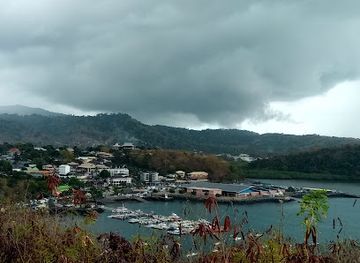
Today, Mamoudzou Beach is a vibrant destination that attracts visitors from around the world. The blend of historical influences and modern amenities makes it a unique place to explore. The beach continues to be a hub for local fishermen, while also offering various water sports and recreational activities for tourists. Cultural festivals and events are frequently held, celebrating the rich history and traditions of the Comorian people.
Mamoudzou Beach in Photos
Browse through our photo collection highlighting the charm and character of the destination.
Neighbouring destination travel guides
The closest destinations to Mamoudzou Beach, if you have time for more than one.
-

-

-

-

-


Swipe for more destinations
Explore more

Explore more of Comoros
Discover Comoros - an untouched paradise in the Indian Ocean with pristine beaches, rich culture, and stunning natural beauty for a truly unique travel experience.
Explore Comoros