

Free Sima Travel Guide & Mobile App
Explore Sima with free travel guides. Discover regional history, expert tips, proposed trips, and audio guides on web or mobile app.


Sima, on Anjouan in Comoros, offers volcanic landscapes, coastal villages, tropical agriculture and an intimate view of island life.
Read more about Sima
When is the best time to visit Sima?
Best: June–August · 28°C| Month | High (°C) | Rainfall (mm) |
|---|---|---|
| January | 30 | 270 |
| February | 30 | 300 |
| March | 30 | 310 |
| April | 30 | 260 |
| May | 29 | 130 |
| June (best) | 28 | 70 |
| July (best) | 28 | 60 |
| August (best) | 28 | 70 |
| September | 28 | 100 |
| October | 29 | 140 |
| November | 29 | 170 |
| December | 30 | 240 |
Getting to and around Sima
How to get there
Transportation
Best attractions in Sima
Sima’s attractions are primarily environmental and cultural rather than organised around a large collection of ticketed sights. The commune’s western Anjouan setting brings together volcanic hills, tropical vegetation, cultivated slopes and nearby coastal settlements, making it suitable for slow exploration, short walks and locally guided excursions. Viewpoints along the island roads can reveal the close relationship between villages, plantations and the sea, although access and safety should be checked after rain. Village mosques, markets and ordinary streets provide insight into Comorian religious and social life, while coastal areas offer opportunities for quiet observation and, where conditions permit, swimming or snorkelling. The wider Anjouan landscape adds steep interior country, forested slopes and historic settlements, but journeys beyond Sima require planning because roads are winding and public transport is not arranged for sightseeing. Travellers should prioritise locally organised visits, respect private and cultivated land, and avoid assuming that an attractive unmarked path is a formal trail. The appeal lies in the combination of scenery and lived-in culture rather than in a single headline attraction.
-
Tourist attraction
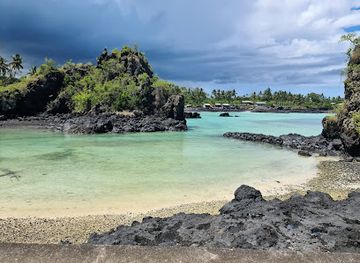
Plage de Moya
Discover Plage de Moya in Anjouan, Comoros: a serene beach with clear waters, vibrant marine life, and a taste of local culture.

Best landmarks in Sima
Sima’s most meaningful landmarks are woven into its settlement and landscape rather than concentrated in monumental complexes. Its mosques, including the principal mosque buildings serving the town and surrounding villages, express the central place of Islam in Anjouanese public life; visitors should view them respectfully and enter only with permission. Traditional village compounds and older houses, where they survive, show how local architecture adapts to a tropical climate and close-knit community patterns, although many are private rather than visitor attractions. The volcanic slopes behind Sima are geographical landmarks in their own right, rising sharply above cultivated ground and shaping roads, views and settlement. The coast provides another defining edge, with headlands, inlets and working shoreline areas that should be explored cautiously and with local advice. These landmarks are best understood as parts of a continuous cultural landscape: mosque, village, plantation, road and mountain are connected by the history of Anjouan rather than presented as isolated monuments.
-
Island
Ngazidja
Explore Ngazidja, the largest island in the Comoros, where lush landscapes and rich culture await your discovery in a tropical paradise.
-
Beach pavillion
Bouni Beach
Experience the tranquil beauty of Bouni Beach in Comoros, where golden sands meet azure waters, perfect for relaxation and adventure.
-
Recreation center
Le Trou Du Prophète
Discover the breathtaking beauty of Le Trou Du Prophète in Mitsamiouli, a serene oasis perfect for relaxation and adventure amidst nature.
-
Tourist attraction
Dos du Dragon
Discover the natural beauty and tranquility of Dos du Dragon, a must-visit tourist attraction in Mitsamiouli, Comoros, perfect for relaxation and adventure.



Explore Sima on the map
Plan your trip on one map. See where the top cities, national parks and sights are, and book hotels and experiences in a few clicks.
Best hotels in Sima
Best restaurants in Sima
Dining in Sima is simple, local and closely tied to what households, fishermen and small traders can obtain on the day. Rice commonly accompanies fish, meat or chicken in sauces flavoured with coconut, spices and local herbs, while plantain, cassava, breadfruit and bananas reflect the tropical agricultural setting. Fresh fish may be available near the coast, although selection and serving times vary, and visitors should ask locally rather than expect a permanent seafood menu. Small cafés, market stalls and family-run eateries are more characteristic than formal restaurants; larger choices are more likely around Mutsamudu, outside Sima. Comorian food shares elements with the wider Swahili and Indian Ocean culinary world, but meals in Anjouan are shaped by island produce, Islamic dietary customs and household traditions. Carry snacks and drinking water for journeys, and confirm arrangements in advance if travelling with dietary restrictions.
-
Hotel
Retaj Moroni Hotel
Experience comfort and local charm at Retaj Moroni Hotel – your gateway to exploring the beautiful Comoros islands.
-
Restaurant
Restaurant & Grill Le Coraya
Experience authentic Comorian cuisine at Restaurant & Grill Le Coraya in Itsandra - a paradise for food lovers amidst stunning views.
-
Restaurant
MoCafe
Experience the vibrant flavors of Comorian cuisine at MoCafe in Moroni - a must-visit restaurant for every traveler.
-
Restaurant
Restaurant L'Escale
Experience authentic Comorian cuisine at Restaurant L'Escale in Moroni, where local flavors meet warm hospitality.


Best bars in Sima
Sima does not have a major nightclub district, and evening life is generally centred on family gatherings, conversation, small cafés and local restaurants rather than late commercial entertainment. As a predominantly Muslim community, public drinking is not the defining feature of social life, and visitors should behave discreetly and respect local expectations. Evening activity is more noticeable in larger settlements elsewhere on Anjouan, particularly around Mutsamudu, but venues and opening arrangements can change. In Sima, the most realistic evening experience is a locally arranged meal, a quiet walk in a settled and well-known area, or conversation with hosts. Avoid isolated coastal roads after dark and arrange transport before leaving accommodation, as taxis and other vehicles may be difficult to find later in the evening.
-
Restaurant
New Mumbai Restaurant
Discover the authentic flavors of Comoros at New Mumbai Restaurant in Moroni, where every dish tells a story of culture and tradition.
-
Restaurant
Restaurant & Grill Le Coraya
Experience the vibrant flavors of Comoros at Restaurant & Grill Le Coraya, where culinary tradition meets modern dining in a stunning setting.
-
Restaurant
MoCafe
Discover the authentic flavors of Comoros at MoCafe, a cozy restaurant in Moroni, offering traditional dishes and a welcoming atmosphere.
-
Restaurant
New Select Restaurant
Discover the rich flavors of Moroni at New Select Restaurant, where local cuisine meets warm hospitality in a vibrant dining environment.


Best nightclubs in Sima
Sima does not have a major nightclub district, and evening life is generally centred on family gatherings, conversation, small cafés and local restaurants rather than late commercial entertainment. As a predominantly Muslim community, public drinking is not the defining feature of social life, and visitors should behave discreetly and respect local expectations. Evening activity is more noticeable in larger settlements elsewhere on Anjouan, particularly around Mutsamudu, but venues and opening arrangements can change. In Sima, the most realistic evening experience is a locally arranged meal, a quiet walk in a settled and well-known area, or conversation with hosts. Avoid isolated coastal roads after dark and arrange transport before leaving accommodation, as taxis and other vehicles may be difficult to find later in the evening.
-
 Night club
نجم القمر
Discover the lively nightlife of Ntsaouéni at نجم القمر, where music, dancing, and unforgettable experiences await you.
-
Pony club
Covo dei Paguri Comore
Experience the charm of horseback riding at Covo dei Paguri Comore, where adventure and nature unite for an unforgettable day.
Best shops in Sima
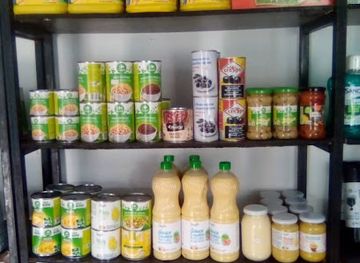
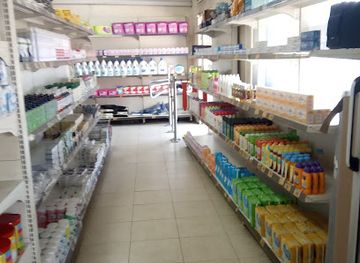
Shopping in Sima is primarily practical and local, with small shops and village trading points supplying food, household goods and daily necessities rather than a formal souvenir economy. Seasonal produce such as bananas, coconuts, cassava, breadfruit and other tropical goods may appear in local markets, while spices and agricultural products reflect Anjouan’s long plantation history. Visitors may find small quantities of vanilla, cloves or ylang-ylang-related products, but quality, packaging and availability vary, so purchases should be made through trusted local sellers. For a broader choice of clothing, household goods, crafts and food products, Mutsamudu and other larger settlements on Anjouan are more practical than Sima. Carry cash in Comorian francs, ask before photographing market activity and avoid buying items made from protected wildlife or removing natural material from the coast. The most appropriate purchases are useful local produce and fairly priced goods from established traders.
-
Supermarket
AdaMoon shop
Experience the vibrant local culture at AdaMoon Shop in Tsidje, your go-to supermarket for unique Comorian flavors and essentials.
-
Supermarket
MAG MARKET
Discover local flavors and fresh goods at MAG MARKET, the premier supermarket in Moroni, Comoros, perfect for tourists and locals alike.
-
Grocery store
Vijay Import SARL Magoudjou
Experience the local culture at Vijay Import SARL in Moroni, a grocery store offering fresh produce and unique Comorian products.
-
Clothing store
Que Des Marques Chez Nabil
Discover unique clothing that blends European styles with the vibrant culture of the Comoros at Que Des Marques Chez Nabil.


Get your free copy of our complete guide to Sima, delivered straight to you.
Everything on this page, from attractions and restaurants to essentials and local phrases, in one PDF you can read offline, print or share.
Already have an account? Sign in
Your Sima guide is ready.
We'll send it to · Not you? Sign out

Getting your guide ready…
We are putting together a fresh copy of the Sima guide. This can take up to a minute.
This can take a few moments. If your browser asks, choose Allow so the download can start. You'll find the guide in your Downloads folder.
Nothing happened? Download it again
Sorry, the guide is taking longer than usual. Please try again in a minute, or get it by email instead.
Sima essentials
Currency and Payment
Safety
Emergency Situations
Do's and Don'ts
Local Tips
From Eve
Local phrases worth knowing
You don't need to get them perfect. A few words go a long way, and locals appreciate the effort.
Basics
| English | Local | Say it |
|---|---|---|
| Hello | Salama | [sah-lah-mah] |
| Goodbye | Tsalama | [tsah-lah-mah] |
| Yes | Ehe | [eh-heh] |
| No | Ayo | [ah-yoh] |
| Please/You're welcome | Tafadhali | [tah-fah-dah-lee] |
| Thank you | Asante | [ah-sahn-teh] |
| Excuse me/Sorry | Pole | [poh-leh] |
| How are you? | Habari gani? | [hah-bah-ree gah-nee] |
| Fine. And you? | Nzuri. Na wewe? | [n-zoo-ree nah weh-weh] |
| Do you speak English? | Unazungumza Kiingereza? | [oo-nah-zoo-ngum-zah kee-in-geh-reh-zah] |
| I don't understand | Sielewi | [see-eh-leh-wee] |
Eating & Drinking
| English | Local | Say it |
|---|---|---|
| I'd like to see the menu, please | Ningependa kuona menyu, tafadhali | [neen-geh-pen-dah koo-oh-nah men-yoo tah-fah-dah-lee] |
| I don't eat meat | Sili nyama | [see-lee nyah-mah] |
| Cheers! | Afya! | [ah-fyah] |
| I would like to pay, please | Ningependa kulipa, tafadhali | [neen-geh-pen-dah koo-lee-pah tah-fah-dah-lee] |
Emergencies
| English | Local | Say it |
|---|---|---|
| Help! | Nisaidie! | [nee-sah-ee-dee-eh] |
| Go away! | Nenda mbali! | [nen-dah mah-bee-lee] |
| Call the Police! | Piga simu polisi! | [pee-gah see-moo poh-lee-see] |
| Call a doctor! | Piga simu daktari! | [pee-gah see-moo dahk-tah-ree] |
| I'm lost | Nimepotea | [nee-meh-poh-teh-ah] |
| I'm ill | Nina ugonjwa | [nee-nah oo-gon-jwah] |
Shopping
| English | Local | Say it |
|---|---|---|
| I'd like to buy... | Ningependa kununua... | [neen-geh-pen-dah koo-noo-noo-ah] |
| I'm just looking | Natazama tu | [nah-tah-zah-mah too] |
| How much is it? | Inagharimu kiasi gani? | [ee-nah-gah-ree-moo kee-ah-see gah-nee] |
| That's too expensive | Hiyo ni ghali sana | [hee-yoh nee gah-lee sah-nah] |
| Can you lower the price? | Unaweza kupunguza bei? | [oo-nah-weh-zah koo-poon-guh-zah bay-ee] |
Time & Numbers
| English | Local | Say it |
|---|---|---|
| What time is it? | Ni saa ngapi? | [nee sah ngah-pee] |
| It's one o'clock | Ni saa moja | [nee sah moh-jah] |
| Half past (10) | Nusu ya (10) | [noo-soo yah (ten)] |
| Morning | Asubuhi | [ah-soo-boo-hee] |
| Afternoon | Mchana | [m-chah-nah] |
| Evening | Jioni | [jee-oh-nee] |
| Yesterday | Jana | [jah-nah] |
| Today | Leo | [leh-oh] |
| Tomorrow | Kesho | [keh-shoh] |
| 1 | Moja | [moh-jah] |
| 2 | Mbili | [m-bee-lee] |
| 3 | Tatu | [tah-too] |
| 4 | Nne | [n-neh] |
| 5 | Tano | [tah-noh] |
| 6 | Sita | [see-tah] |
| 7 | Saba | [sah-bah] |
| 8 | Nane | [nah-neh] |
| 9 | Tisa | [tee-sah] |
| 10 | Kumi | [koo-mee] |
Transport & Directions
| English | Local | Say it |
|---|---|---|
| Where's a/the...? | Iko wapi...? | [ee-koh wah-pee] |
| What's the address? | Anwani ni ipi? | [ahn-wah-nee nee ee-pee] |
| Can you show me (on the map)? | Unaweza kunionyesha (katika ramani)? | [oo-nah-weh-zah koo-nee-oh-nyesh-ah kah-tee-kah rah-mah-nee] |
| When's the next (bus)? | Basi ijayo ni lini? | [bah-see ee-jah-yoh nee lee-nee] |
| A ticket (to ....) | Tiketi (ya ....) | [tee-keh-tee yah] |
History of Sima
Early Indian Ocean Settlement
Anjouan’s history developed through successive movements of people across the western Indian Ocean. African communities, Arab and Persian-linked traders, and Swahili coastal networks contributed to the island’s settlement, language and Islamic culture. The villages around Sima belong to this wider island society, whose position between Madagascar, the East African coast and the northern Indian Ocean encouraged maritime exchange. Archaeological remains and longstanding settlement patterns indicate that Anjouan was connected to regional trade well before European colonial rule, although much of its early history is preserved through a combination of material evidence, oral tradition and later written accounts.
The Sultanates of Anjouan
From the medieval and early modern periods, Anjouan was governed through local sultanates centred on towns and ruling families. Political authority was closely linked to Islam, landholding, maritime commerce and relationships between coastal settlements and the interior. Sima formed part of this Anjouanese world rather than developing as an isolated community. Mosques, family networks, agricultural customs and the organisation of villages continue to reflect historical connections between the island’s coastal and upland populations.
Plantations and European Influence
European commercial and political influence expanded in the Comoros during the nineteenth century, when plantations and export agriculture became increasingly important. French power was formalised through a protectorate over Anjouan in 1886, followed by incorporation into the French colonial administration of the Comoros. Cash crops such as ylang-ylang, cloves and vanilla became significant across the islands. Around Sima, agriculture remained closely tied to household life and the hills, while colonial rule altered landholding, administration, labour relations and the direction of overseas trade.
Colonial Comoros and Labour Migration
During the twentieth century, Anjouan was administered as part of the French colonial territory of the Comoros, with Mayotte following a separate political trajectory after the islands’ decolonisation. Colonial institutions, mission and government schooling, export agriculture and new administrative divisions reshaped local society. Limited economic opportunities also encouraged migration within the archipelago and towards neighbouring islands and overseas territories. These movements remain important to Comorian families, including communities connected to Sima, and help explain the strong links between island villages and relatives abroad.
Independence and the Union of the Comoros
The Comoros became independent from France in 1975, although Mayotte remained under French administration. The independent state eventually comprised Grande Comore, Mohéli and Anjouan, and political tensions between the islands have periodically affected national life. Anjouan declared separation in 1997 before returning to the Union of the Comoros after negotiations and an island referendum in 2001. Sima’s contemporary identity is therefore shaped by both local Anjouanese traditions and the constitutional, economic and administrative framework of the Comorian Union.
A Rural and Connected Present
Modern Sima reflects the continuing importance of agriculture, coastal activity, family networks and small-scale commerce. Roads, mobile communications and migration have connected the commune more closely with Mutsamudu and other parts of Anjouan, but steep terrain and limited infrastructure still influence daily travel. The area’s future visitor economy depends on improving access and services without displacing established communities or placing excessive pressure on water, coastlines and cultivated land. For travellers, this is a region best understood through its living landscape rather than through a concentration of monumental sites.
Sima in Photos
Browse through our photo collection highlighting the charm and character of the destination.
Neighbouring regions of Sima
The closest regions to Sima, if you have time for more than one.
-
-

-

-

-


Swipe for more regions
Explore more

Explore more of Comoros
Discover Comoros - an untouched paradise in the Indian Ocean with pristine beaches, rich culture, and stunning natural beauty for a truly unique travel experience.
Explore Comoros