American Museum of Natural History: A World of Discovery
Explore millions of specimens and artifacts at one of the world's leading natural history museums, from dinosaurs to outer space, in New York City.
The American Museum of Natural History, located in New York City, is one of the world's preeminent institutions for exploring the natural world and human cultures. With millions of specimens and artifacts, the museum offers a journey through the planet's history, from dinosaurs to outer space.
A brief summary to American Museum of Natural History
- 200 Central Park W, New York, Manhattan, New York, 10024, US
- +1212-769-5100
- Visit website
- Monday 10 am-5:30 pm
- Tuesday 10 am-5:30 pm
- Wednesday 10 am-5:30 pm
- Thursday 10 am-5:30 pm
- Friday 10 am-5:30 pm
- Saturday 10 am-5:30 pm
- Sunday 10 am-5:30 pm
Local tips
- Purchase tickets in advance online to save time and guarantee entry, especially during peak season.
- New York State residents can take advantage of the 'Pay What You Wish' option for general admission.
- Download the museum's free Explorer app for maps, turn-by-turn directions, and information about exhibits.
- Visit on weekdays or early Sunday mornings for a less crowded experience.
- Allow at least 3-5 hours to explore the museum's highlights, or plan for a longer visit to see special exhibitions.

Getting There
-
Public Transport
The American Museum of Natural History is easily accessible by subway. Take the B (weekdays only) or C train to the 81st Street/Museum of Natural History station, which is directly across the street from the museum's main entrance on Central Park West. Alternatively, take the 1 train to the 79th Street station on Broadway, about two blocks west of the museum. A single subway ride costs $2.90.
-
Bus
Several bus lines stop near the American Museum of Natural History, including the M79, M10, M11, M86, and M104. The M79 bus stops right next to the museum on West 81st Street. A single bus ride also costs $2.90.
-
Taxi/Ride-share
Taxis and ride-sharing services like Uber and Lyft are readily available in Manhattan. A taxi ride from Times Square to the museum typically takes about 10-15 minutes, depending on traffic. The estimated fare for such a trip is $15-$25. Note that traffic can be heavy, especially during peak hours.
-
Driving
If driving, the museum is located on Central Park West between 77th and 81st Streets. There is a parking garage at 81st Street between Central Park West and Columbus Avenue. Parking rates range from $33 for up to 2 hours, $40 for 2-5 hours, $50 for 5-10 hours, and $55 for the maximum stay until closing. Limited street parking may be available, but it can be difficult to find.
Discover more about American Museum of Natural History
Iconic landmarks you can’t miss

Upper West Side/Central Park West Historic District
0.3 km
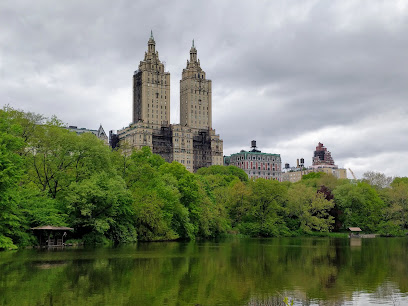
Explore the Upper West Side/Central Park West Historic District, where history meets vibrant city life amidst stunning architecture and lush landscapes.
Graffiti in the city
0.3 km
Discover the vibrant street art of Manhattan, where every corner tells a story through stunning graffiti murals and creative expressions.
The San Remo
0.4 km
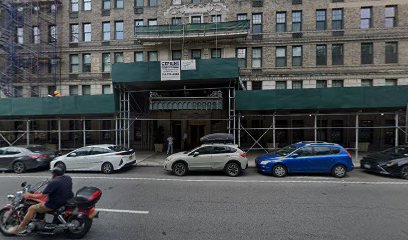
Explore The San Remo, a historic architectural gem on Central Park West, embodying the luxury and culture of Manhattan's iconic skyline.
The Dakota
0.6 km
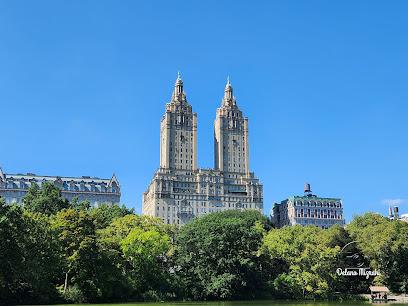
Discover The Dakota, a historic landmark in New York City known for its stunning Gothic architecture and rich cultural history.
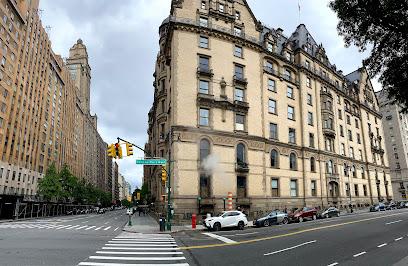
W 72nd St
0.7 km
Discover the vibrant charm of W 72nd St in New York City, a must-visit destination for culture, cuisine, and iconic city life.
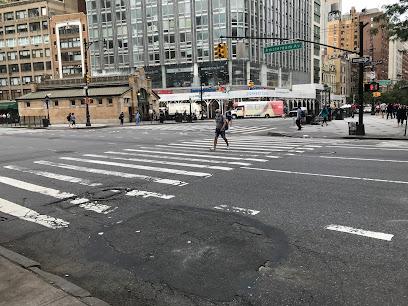
Verdi Square
0.7 km
Experience the serene beauty of Verdi Square, a charming oasis in the heart of Manhattan, perfect for relaxation and cultural immersion.
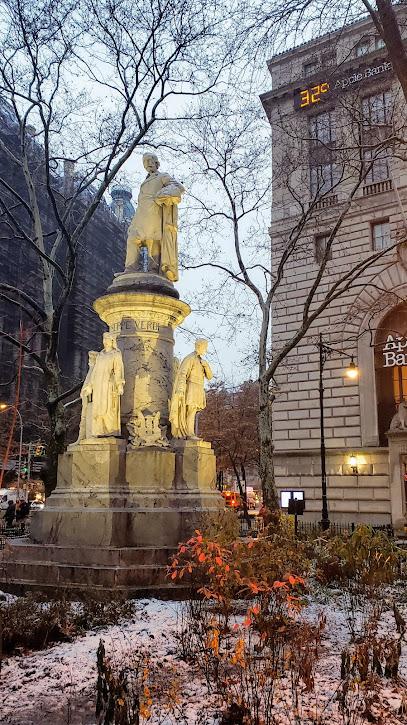
Central Park
0.7 km
Experience the serene beauty and cultural richness of Central Park, the iconic urban oasis in the heart of New York City.
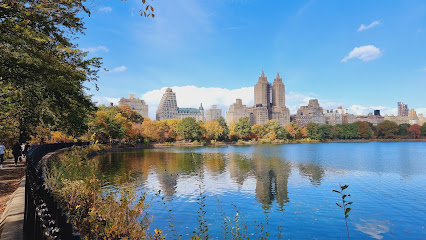
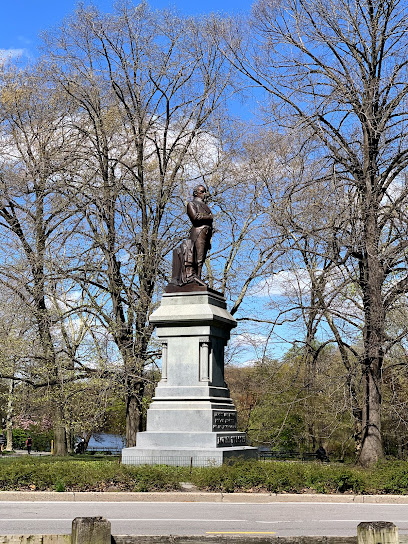
Daniel Webster Monument
0.7 km
Explore the Daniel Webster Monument in Central Park, a stunning tribute to American history and eloquence amidst nature's beauty.
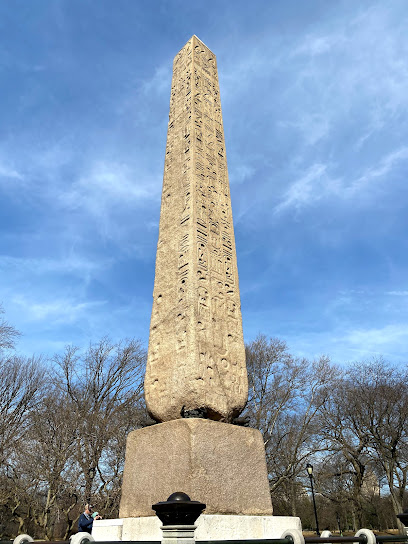
The Obelisk
0.7 km
Explore The Obelisk in Central Park, a 3,500-year-old Egyptian monument, and behold history and art in one breathtaking landmark.
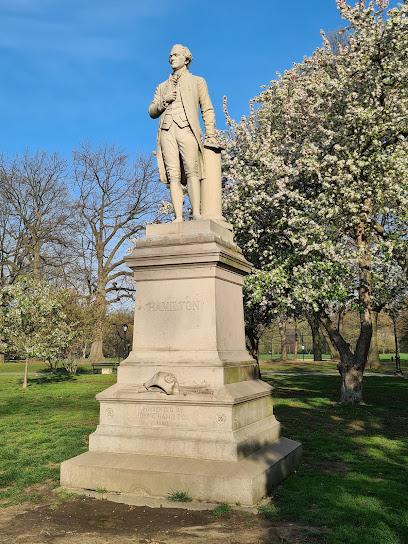
Alexander Hamilton Monument
0.8 km
Discover the Alexander Hamilton Monument in Central Park, a stunning sculpture celebrating the legacy of one of America's founding fathers amidst tranquil green surroundings.
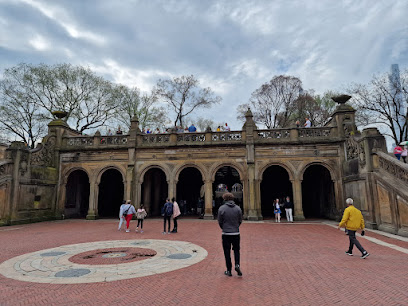
Bethesda Terrace
0.9 km
Explore Bethesda Terrace, a historic gem in Central Park, where stunning architecture meets breathtaking views of New York City.
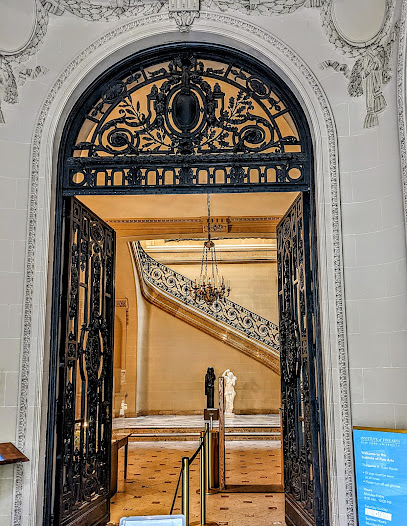
Metropolitan Museum Historic District
1.0 km
Discover the rich history and stunning architecture of the Metropolitan Museum Historic District, a cultural gem in New York City.
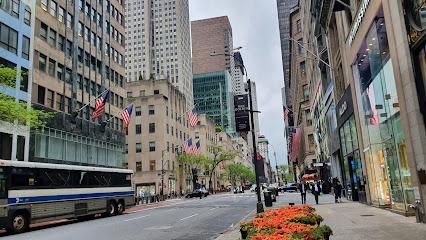
5th Ave
1.0 km
Discover the charm of 5th Avenue, a must-see destination in New York City filled with shopping, culture, and iconic landmarks.
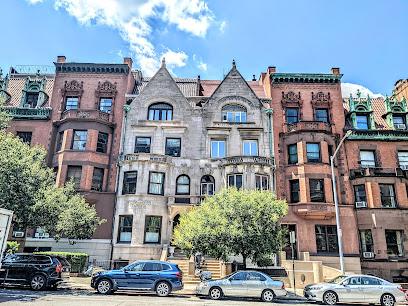
Riverside-West End Historic District
1.1 km
Discover the Riverside-West End Historic District, a stunning historical landmark in Manhattan showcasing beautiful architecture and rich cultural heritage.
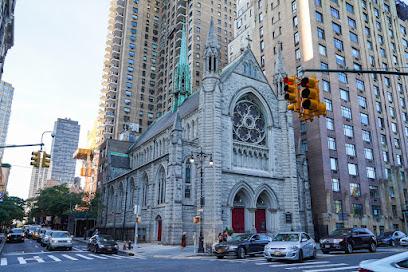
Holy Trinity Lutheran Church
1.1 km
Explore the historic Holy Trinity Lutheran Church in Manhattan, a serene retreat showcasing stunning architecture and a vibrant cultural community.
Unmissable attractions to see

New-York Historical Society
0.2 km
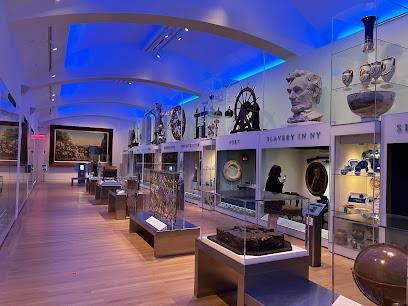
Discover New York's rich heritage at the New-York Historical Society, featuring art, artifacts, and interactive exhibits that showcase the city's vibrant history.
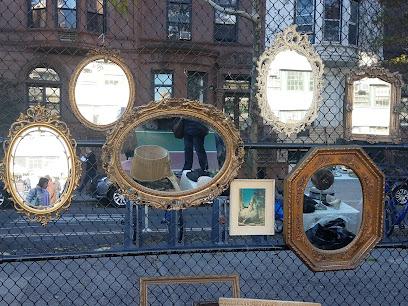
Grand Bazaar NYC
0.3 km
Explore Grand Bazaar NYC, a vibrant flea market in Manhattan filled with vintage finds, delicious food, and local artistry, perfect for every tourist.
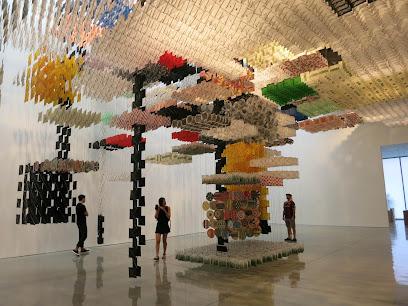
New York Art Tours
0.3 km
Dive into New York's Art Scene with Guided Tours Showcasing Galleries, Street Art, and Local Artists in an Unforgettable Experience.
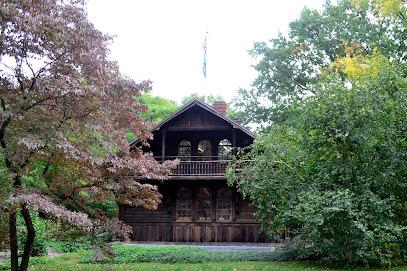
Swedish Cottage Marionette Theatre
0.3 km
Discover the enchanting world of puppetry at the Swedish Cottage Marionette Theatre in Central Park, where captivating performances delight audiences of all ages.
Shakespeare Garden
0.4 km
Discover the beauty of Shakespeare Garden in Central Park, a serene escape filled with blooms, literary charm, and tranquil pathways for all visitors.
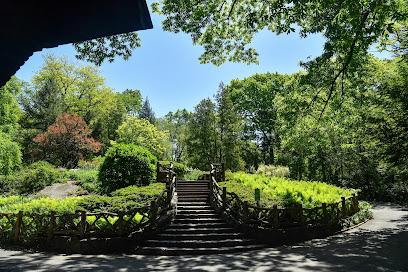
Delacorte Theater
0.5 km
Discover the Delacorte Theater in Central Park - a unique outdoor venue for world-class Shakespeare performances and unforgettable experiences.
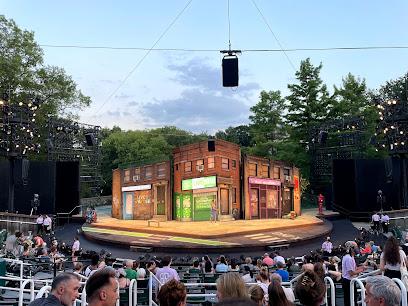
Belvedere Castle
0.5 km
Discover the enchanting Belvedere Castle in Central Park, a historical landmark offering breathtaking views and a glimpse into New York's rich heritage.

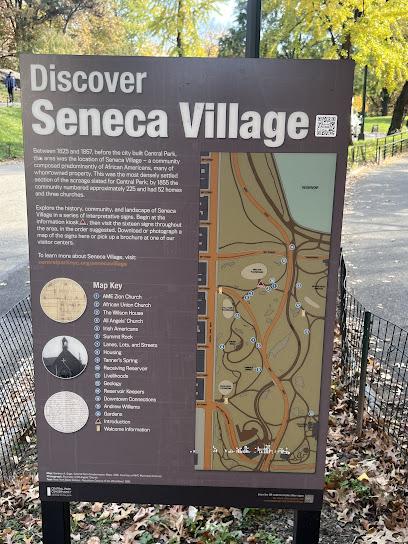
Seneca Village Site
0.5 km
Uncover the rich history of the Seneca Village Site in Central Park, a significant African American settlement that shaped New York City's legacy.
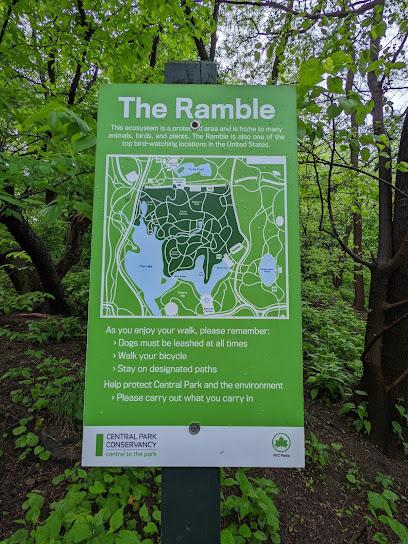
The Ramble
0.5 km
Explore the enchanting Ramble, a serene woodland oasis in Central Park, perfect for nature lovers and urban explorers seeking tranquility.
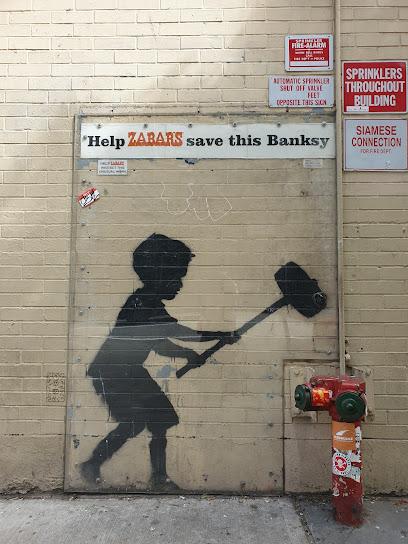
Banksy "Hammer Boy" Mural
0.5 km
Explore the Banksy Hammer Boy Mural in Manhattan, New York - a striking piece of street art that embodies the spirit of contemporary urban culture.
Essential places to dine

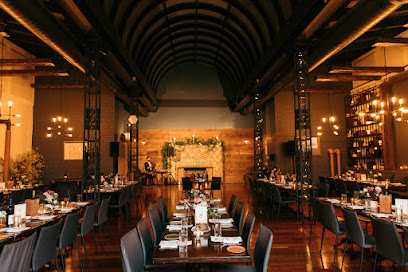
The Milling Room
0.3 km
Experience the essence of American cuisine at The Milling Room in Manhattan, where fresh ingredients meet innovative cooking.
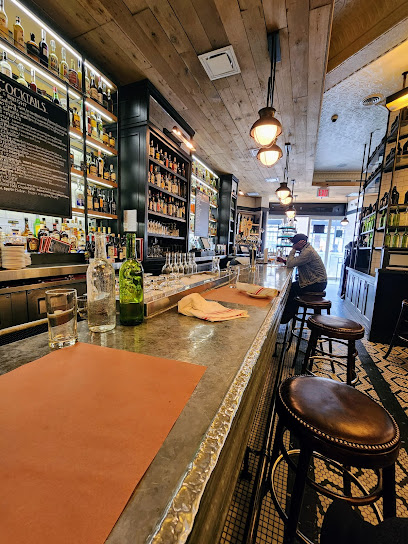
The Smith
1.3 km
Savor exquisite American cuisine at The Smith in Manhattan—your go-to spot for breakfast, brunch, lunch, and oysters.
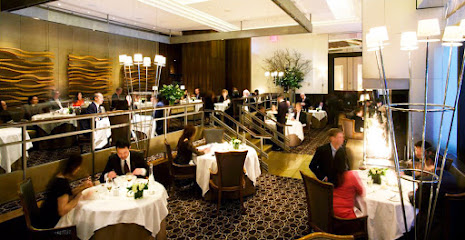
Per Se
1.6 km
Experience exquisite French fine dining at Per Se with stunning Central Park views and unforgettable culinary artistry.
ROBERT
1.7 km
Savor exquisite American cuisine with breathtaking views at Robert in Manhattan's Columbus Circle.
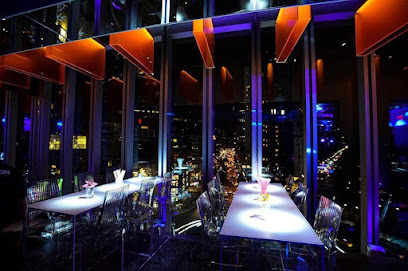
The Modern
2.3 km
Experience fine dining at The Modern in NYC - where American and French cuisines meet artful presentation in an exquisite setting.
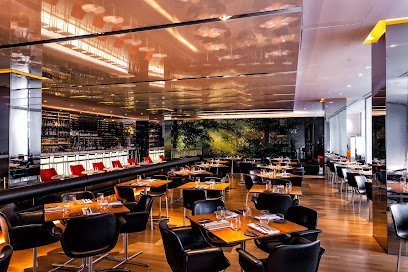
Ellen's Stardust Diner
2.3 km
Experience Broadway magic while savoring classic American dishes at Ellen's Stardust Diner in New York City.
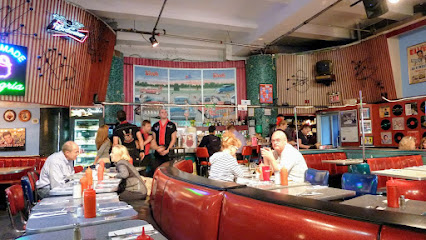
Le Bernardin
2.3 km
Discover unparalleled seafood delights at Le Bernardin – New York's premier French fine dining destination offering exquisite tastes and elegant ambiance.
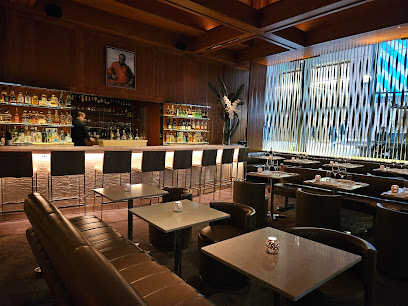
Cafe Archetypus
3.4 km
Discover Cafe Archetypus in Edgewater: A charming cafe offering artisanal coffee and delicious pastries with stunning river views.
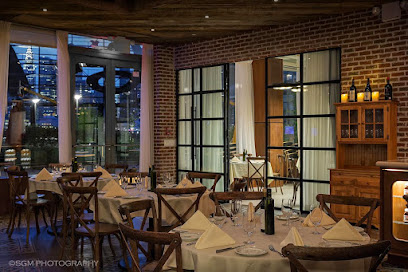
Maiella
4.1 km
Experience exquisite Italian dining at Maiella in Queens with stunning skyline views and authentic flavors.
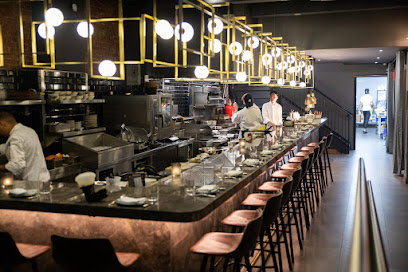
Hortus NYC
4.1 km
Experience unique Asian fusion flavors at Hortus NYC, where Korean culinary traditions meet modern innovation in Manhattan.
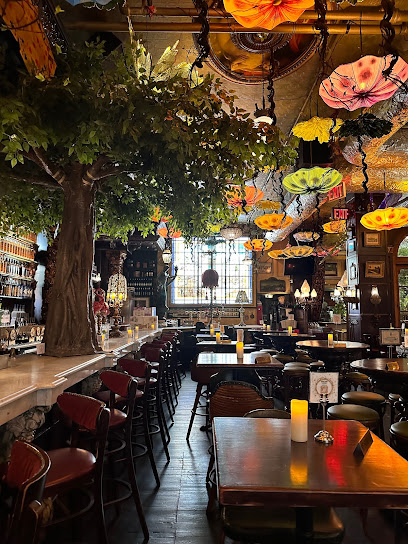
Oscar Wilde
4.2 km
Discover Oscar Wilde: A Victorian-inspired bistro and bar offering exquisite New American cuisine in the heart of Manhattan.
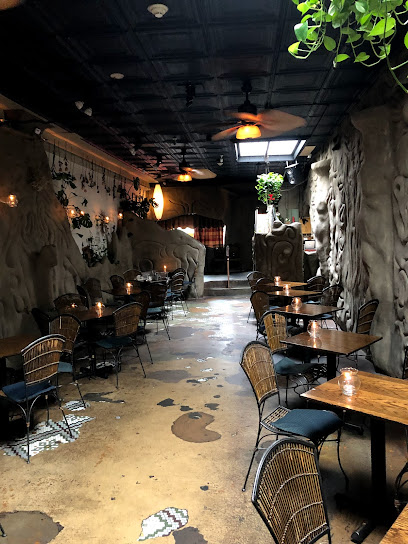
American Brass
4.3 km
Discover American Brass: A Culinary Haven in Long Island City Offering Fresh Seafood & Prime Steaks with Stunning Views.
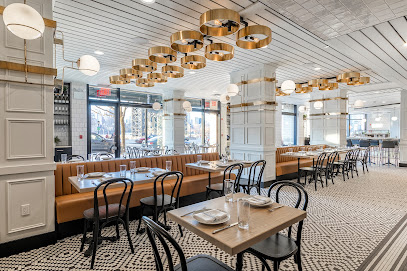
Upland
4.5 km
Experience the best of Californian-Italian cuisine at Upland in Manhattan - where vibrant flavors meet chic ambiance.
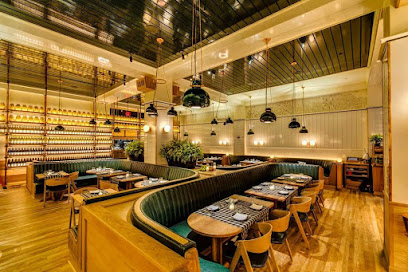
Eleven Madison Park
4.6 km
Experience the pinnacle of plant-based fine dining at Eleven Madison Park in Manhattan – where culinary artistry meets sustainability.
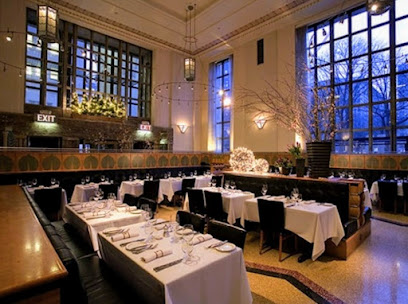
Jackson's Eatery | Bar
4.7 km
Discover Jackson's Eatery | Bar in Long Island City: A perfect blend of American cuisine and vibrant atmosphere awaits you.
Markets, malls and hidden boutiques

The Museum Shop
0.0 km
Explore The Museum Shop for unique gifts inspired by nature and science at the American Museum of Natural History in New York City.
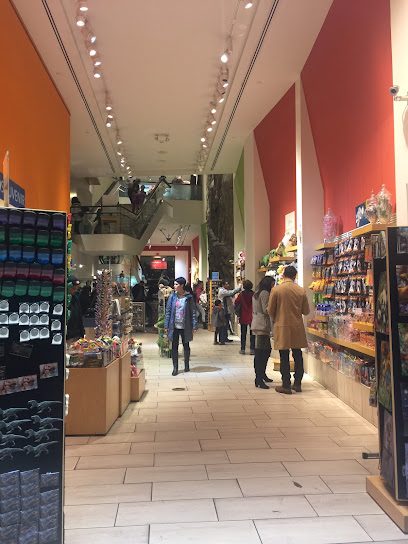
HINA
0.3 km
Discover unique home goods at HINA, where local charm meets modern design in the heart of the city.

Really Great Things NYC Boutique
0.8 km
Explore unique women's fashion, custom tailoring, and couture pieces at Really Great Things NYC Boutique in the heart of Manhattan.
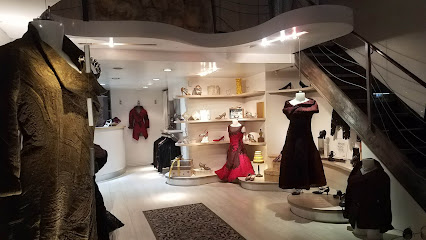
Unique Boutique
2.0 km
Explore Unique Boutique, a charming thrift store in Manhattan, for one-of-a-kind vintage finds and eco-friendly shopping.
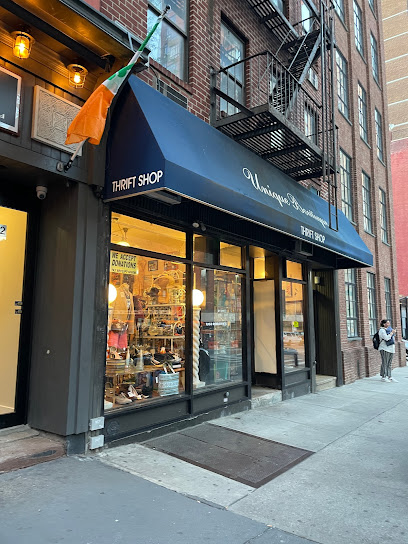
New York Attitude Gift shop
2.1 km
Explore New York Attitude Gift Shop for unique souvenirs and a cozy bar atmosphere, capturing the vibrant spirit of the Big Apple.
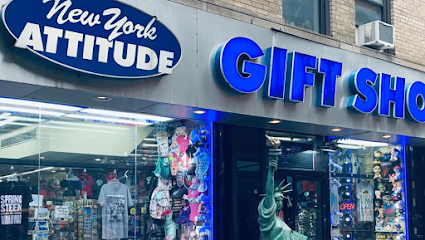
I Love NY by Phantom of Broadway
2.3 km
Discover the spirit of New York at I Love NY by Phantom of Broadway, where every souvenir tells a story.
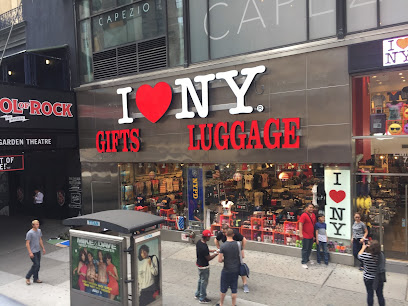
Ny's Best Gift Shop
2.4 km
Explore Ny's Best Gift Shop for unique souvenirs and local treasures amidst the vibrant streets of Manhattan.
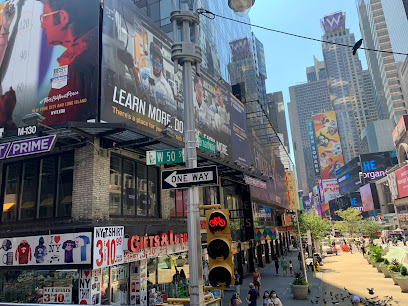
Gifts on the Square
2.5 km
Explore Gifts on the Square for unique souvenirs and gifts that embody the vibrant spirit of New York City, right in the heart of Times Square.
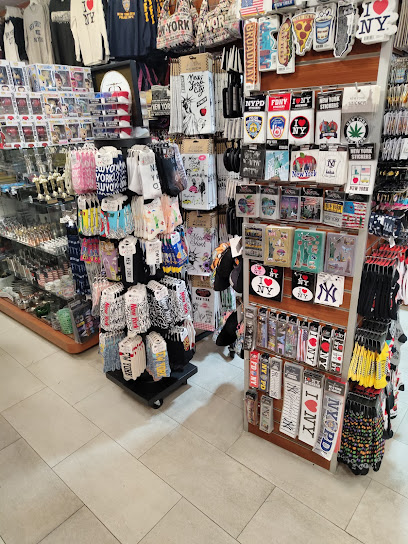
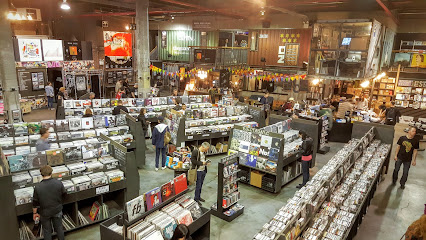
Rough Trade
2.5 km
Discover the vibrant music culture of New York City at Rough Trade, a record store and cultural hub for music lovers.
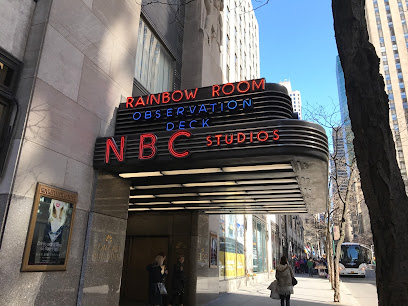
The Shop at NBC Studios
2.5 km
Explore unique souvenirs and NBC-themed gifts at The Shop at NBC Studios, a must-visit destination in the heart of New York City.
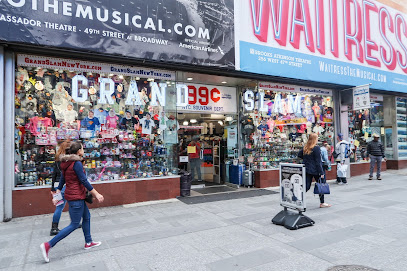
Grand Slam New York
2.6 km
Explore the heart of Manhattan at Grand Slam New York, your go-to gift shop for souvenirs, toys, and sporting goods in the city that never sleeps.
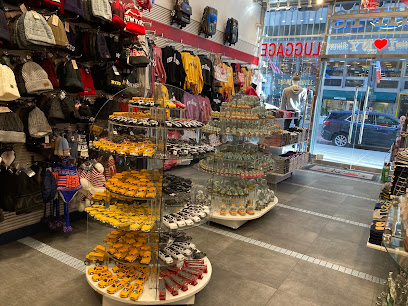
I Love NY Gifts by Phantom of Broadway
2.8 km
Explore I Love NY Gifts by Phantom of Broadway for the best selection of New York souvenirs and unique memorabilia that capture the city's essence.
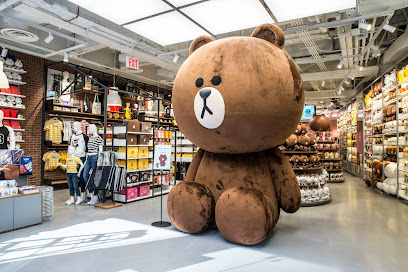
Line Friends New York Times Square Store
2.8 km
Explore the whimsical world of Line Friends at the iconic Times Square store, a treasure trove of toys, fashion, and exclusive merchandise.
Domus - unaffected living
2.8 km
Explore Domus in Manhattan, a hidden gem for unique gifts and home decor reflecting the vibrant spirit of New York City.
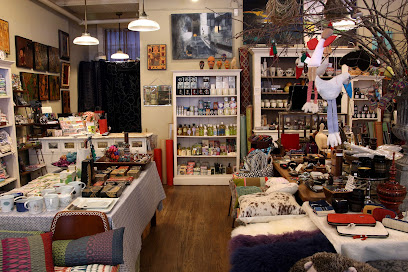
Shopping Girlfriend NYC
3.2 km
Discover the ultimate shopping experience at Shopping Girlfriend NYC, where fashion meets style in the heart of Manhattan.
Essential bars & hidden hideouts

Tanner Smith's
2.0 km
Discover Tanner Smith's, a stylish gastropub in Manhattan offering exquisite cocktails and modern American cuisine for an unforgettable dining experience.
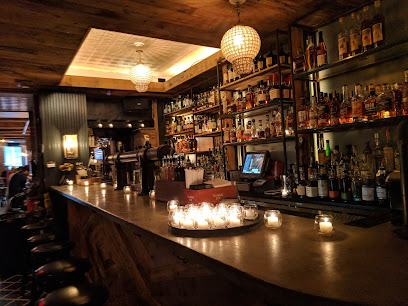
PIMCO
2.3 km
Discover PIMCO, a key financial institution offering breathtaking views and a taste of Manhattan's vibrant economic life.
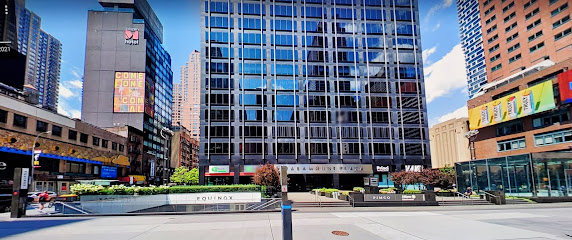
Strangelove Bar Nyc
2.7 km
Discover the eclectic ambiance of Strangelove Bar NYC, where craft cocktails meet a punk-rock vibe in the heart of Manhattan's nightlife.
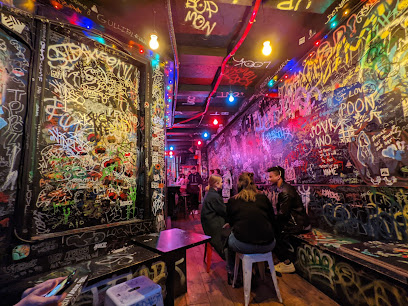
Hudson Blue Bar & View
3.1 km
Discover Hudson Blue Bar & View: your ultimate destination for sports, stunning views, and delicious food in Weehawken, New Jersey.
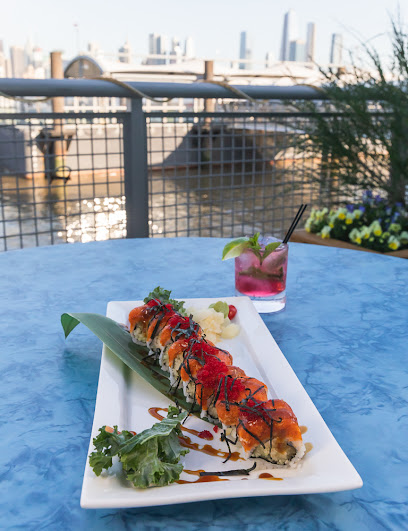
Raines Law Room at The William
3.5 km
Experience the charm of Raines Law Room at The William, a cocktail bar in Manhattan known for unique drinks and a cozy atmosphere.
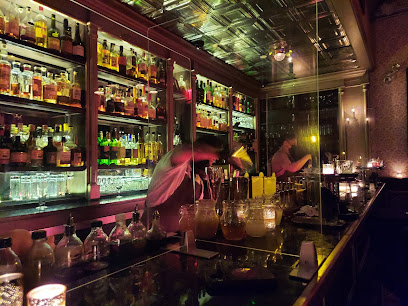
Bo Peep Cocktail and Highball Store
3.6 km
Discover the enchanting blend of live piano music and handcrafted cocktails at Bo Peep Cocktail and Highball Store in Manhattan.
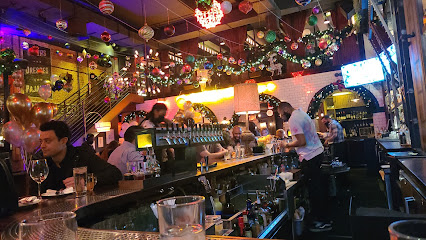
Lost in Paradise Rooftop
4.0 km
Discover Lost in Paradise Rooftop, an enchanting cocktail bar in Queens, offering breathtaking skyline views and expertly crafted drinks.
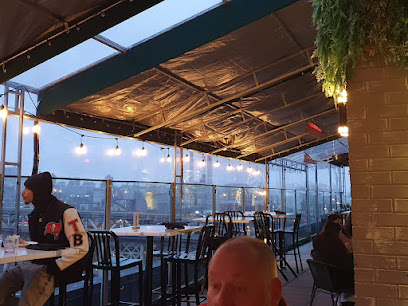
The Shannon Pot
4.2 km
Experience authentic Irish hospitality at The Shannon Pot, a cozy pub in Queens serving delicious food and a wide selection of drinks.
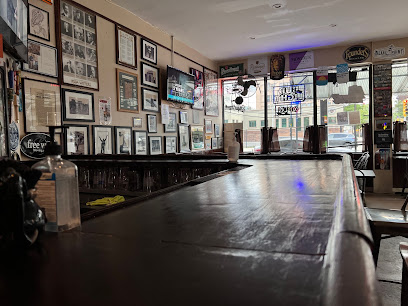
LIC Bar
4.2 km
Experience vibrant nightlife at LIC Bar in Long Island City, where great drinks and lively dancing create unforgettable memories.
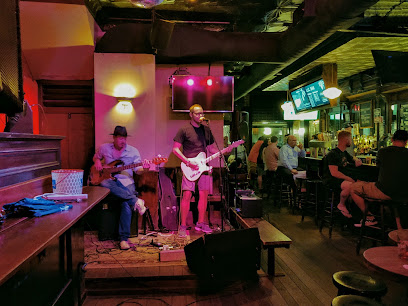
Patent Pending
4.2 km
Experience the art of cocktail making at Patent Pending, a must-visit bar in Manhattan known for its innovative drinks and stylish ambiance.
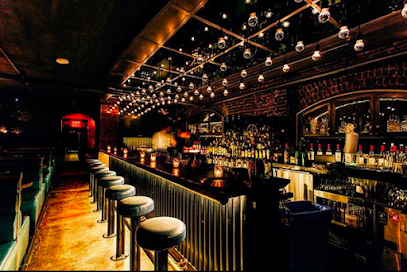
THE HUNTRESS whiskey, wings n’ other things
4.3 km
Experience the vibrant flavors of The Huntress in Long Island City, where gourmet wings, craft beer, and a lively atmosphere come together for an unforgettable dining experience.
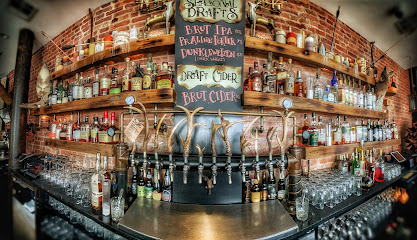
Gantry Bar & Kitchen
4.4 km
Experience the vibrant atmosphere of Gantry Bar & Kitchen in Long Island City, serving delicious food and cocktails with a stunning Manhattan skyline view.
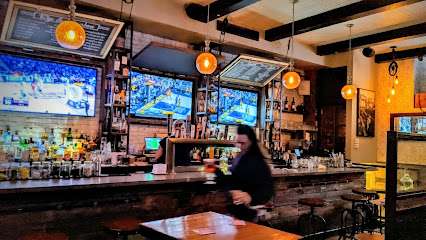
Dominie's Hoek
4.5 km
Discover the vibrant nightlife and eclectic atmosphere of Dominie's Hoek, a must-visit bar in Long Island City for craft drinks and local vibes.
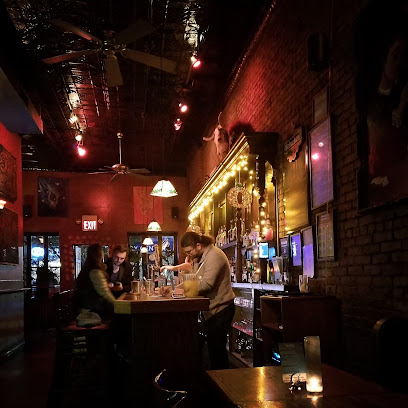
The Beast Next Door
4.6 km
Discover The Beast Next Door, a cocktail bar in Long Island City, Queens, known for its inventive drinks and inviting atmosphere, perfect for any night out.
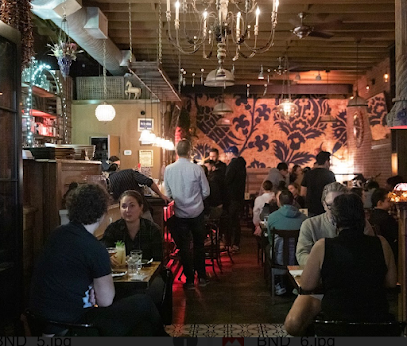
The Infamous
4.6 km
Experience the vibrant nightlife of Long Island City at The Infamous, a trendy bar offering craft cocktails and a unique atmosphere.
Nightclubs & after hour spots

Club 51 NYC
2.4 km
Dive into the electric atmosphere of Club 51 NYC, where New York's nightlife comes alive with pulsating beats and vibrant energy.
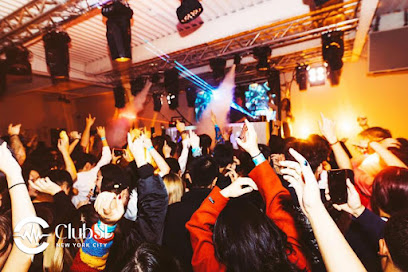
Musica Club NYC
2.5 km
Musica Club NYC: A vibrant night club in Manhattan offering eclectic music, signature drinks, and an unforgettable party atmosphere.
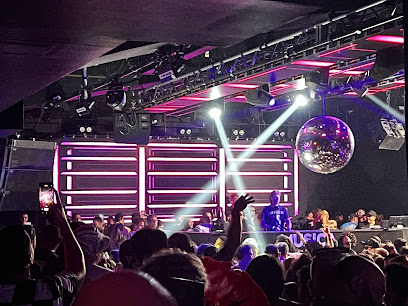
Paradise Club
2.6 km
Dive into the heart of New York's nightlife at Paradise Club, where electrifying beats and unforgettable performances await.
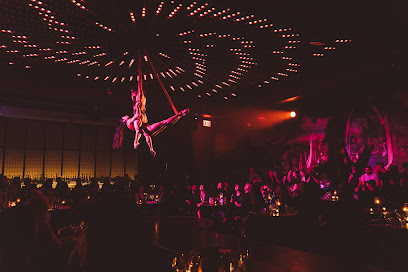
Night Encounters New York
2.6 km
Unleash your inner night owl at Night Encounters New York, where the rhythm of the city comes alive under dazzling lights.
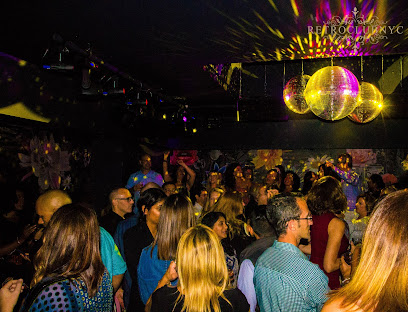
Retroclubnyc
2.9 km
Retroclubnyc: The ultimate nightlife destination in New York City, blending electrifying music, dance, and vibrant atmosphere for an unforgettable experience.
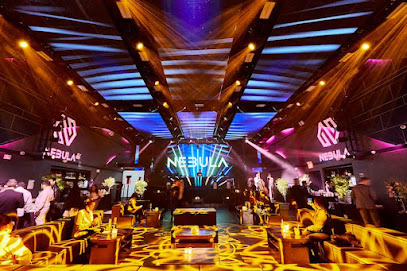
Nebula
3.1 km
Discover Nebula, a premier night club in Manhattan where electrifying beats meet vibrant nightlife in the heart of New York City.
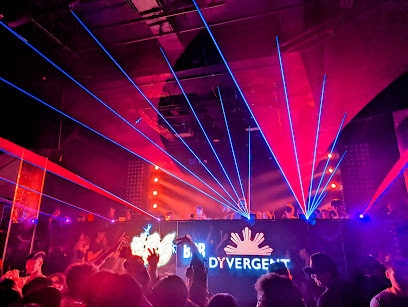
Mission NYC
4.1 km
Discover the electrifying nightlife at Mission NYC, a premier night club in the heart of Manhattan, offering an unforgettable party experience.
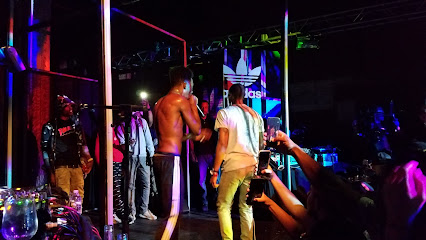
The Tunnel Nightclub
4.2 km
Dive into the vibrant nightlife of Manhattan at The Tunnel Nightclub - where electrifying music meets an unforgettable party atmosphere.
Azucar Night Club
4.3 km
Discover the vibrant nightlife of Azucar Night Club in Union City, NJ - where music, dance, and culture meet for an unforgettable experience.
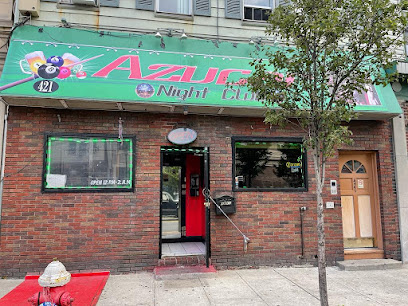
Doha Bar Lounge- Brunch, Nightclub & Restaurant
4.7 km
Discover Doha Bar Lounge in Queens - a vibrant blend of nightlife, delicious brunches, and Latin American flavors, perfect for every occasion.
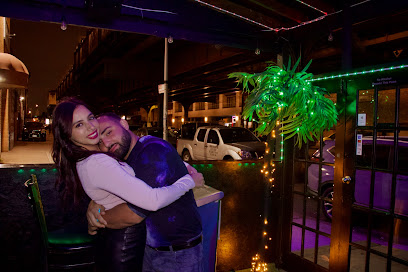
Electric Room
5.0 km
Discover Electric Room: An underground bar and lounge in NYC offering signature cocktails, vibrant events, and an unforgettable nightlife experience.
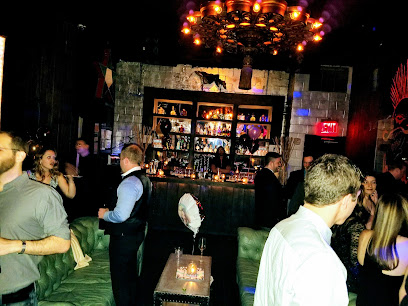
TAO Downtown Nightclub
5.0 km
Dive into the electrifying nightlife at TAO Downtown Nightclub, where stunning decor meets unforgettable music and entertainment in New York City.
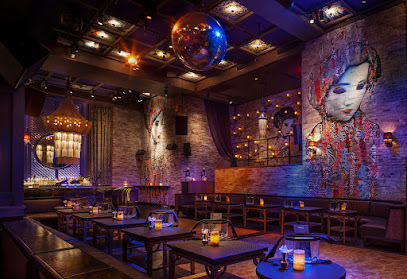
Red Rabbit Club
5.1 km
Dive into the vibrant nightlife of New York City at Red Rabbit Club, where music, dancing, and fun collide for an unforgettable experience!
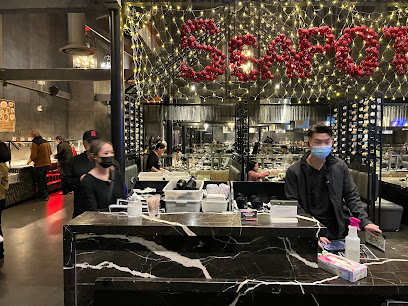
Caraballo's Place
5.2 km
Discover the pulsating nightlife at Caraballo's Place, a vibrant night club in the Bronx offering energetic music and a lively atmosphere.
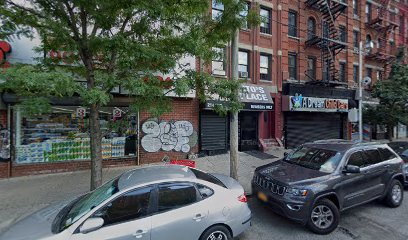
The Living Room Il
5.2 km
Discover the lively atmosphere of The Living Room Il, a vibrant Bronx lounge perfect for socializing and enjoying local nightlife.