

Free Greenwich Travel Guide & Mobile App
Plan your Greenwich trip with Evendo. Get free guides to top attractions, restaurants, hotels, and bars. Web access or download the mobile app.


Greenwich, Connecticut combines coastal scenery, historic estates, museums, village shopping and New England culture with easy access to New York City.
Coastal Heritage and Village Life
Greenwich occupies the southwestern corner of Connecticut, where Long Island Sound shapes a landscape of rocky shores, wooded coves, elegant residential districts and compact village centres. Although less than an hour from Manhattan by train, the town has a distinct New England identity, expressed through clapboard houses, historic churches, stone walls and tree-lined roads. Greenwich Avenue forms the commercial centre, with independent shops, galleries, cafés and restaurants arranged along a lively but polished main street.Read more about Greenwich
Museums, Estates and Open Landscapes
A Town Shaped by Water and Proximity
When is the best time to visit Greenwich?
Best: June, August–September · 23–27°C| Month | High (°C) | Rainfall (mm) |
|---|---|---|
| January | 3 | 89 |
| February | 4 | 82 |
| March | 9 | 91 |
| April | 15 | 99 |
| May | 20 | 102 |
| June (best) | 25 | 97 |
| July | 29 | 97 |
| August (best) | 27 | 97 |
| September (best) | 23 | 90 |
| October | 17 | 96 |
| November | 11 | 96 |
| December | 4 | 96 |
Getting to and around Greenwich
How to get there
Transportation
Best attractions in Greenwich
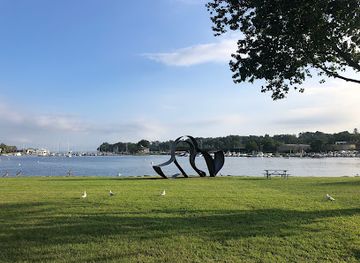
Greenwich offers a varied day of sightseeing across its villages, shoreline and wooded interior. The Bruce Museum combines art, natural history and science exhibitions in a setting near Bruce Park, while the Bush-Holley House in Cos Cob introduces visitors to the town’s colonial past and the artists of the Cos Cob Art Colony. Greenwich Point Park is the principal coastal draw, with beaches, walking areas, salt marshes and broad views over Long Island Sound, subject to local access arrangements. The Greenwich Audubon Center provides marked trails through meadows, woodland and wetland habitat, and is especially suited to visitors interested in birds and conservation. Downtown Greenwich centres on Greenwich Avenue, where galleries, cafés and independent shops create an easy walking route, while Byram Park supplies another waterfront setting near the western edge of town. Together, these attractions reveal a place shaped by both metropolitan connections and a long relationship with its coastal landscape.
-
Tourist attraction
Bruce Museum
Explore art, science, and natural history at the Bruce Museum in Greenwich, Connecticut. Diverse exhibits and engaging programs for all ages.
11 min walk · 0.9 km from city centre
-
Tourist attraction
Cos Cob Park
Experience the natural beauty and serene ambiance of Cos Cob Park in Greenwich, Connecticut, a perfect destination for relaxation and recreation.
8 min drive · 2.7 km from city centre
-
Tourist attraction
Greenwich Audubon Center
Explore diverse habitats, spot unique wildlife, and discover the beauty of nature at the historic Greenwich Audubon Center in Connecticut.
28 min drive · 9.3 km from city centre
-
Park
Roger Sherman Baldwin Park
Experience the beauty of nature and recreational activities in Roger Sherman Baldwin Park, a must-visit destination in Greenwich, Connecticut.
12 min walk · 1.0 km from city centre


Best landmarks in Greenwich
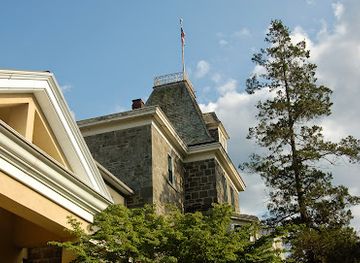
Greenwich’s landmarks express its colonial beginnings, maritime setting and later cultural development. Putnam Cottage, a small eighteenth-century building on the Boston Post Road, is associated with the Revolutionary War and General Israel Putnam’s escape from British troops. The Bush-Holley House in Cos Cob is significant both as an early colonial house and as a centre connected with the Cos Cob Art Colony, an important chapter in American Impressionism. The First Congregational Church of Greenwich, with roots reaching back to the town’s early religious history, represents the civic and spiritual institutions around which settlement developed. Greenwich Avenue provides a more urban landmark landscape, lined with historic commercial façades and civic buildings, while the stone walls, harbours and shore structures of the older villages convey the town’s agricultural and maritime past. Greenwich Point’s peninsula is also a defining geographical landmark, linking public recreation with the long history of Long Island Sound.
-
 Hotel
The J House Greenwich
Discover luxury, comfort, and convenience at The J House Greenwich, your perfect getaway in Riverside, Connecticut.
12 min drive · 4.0 km from city centre
-
Park
Bruce Park
Discover the natural beauty and serene landscapes of Bruce Park in Greenwich, Connecticut, perfect for relaxation and family fun.
5 min drive · 1.6 km from city centre
-
Art museum
Bruce Museum
Uncover the intersection of art and science at the Bruce Museum, a premier cultural attraction in Greenwich, Connecticut.
11 min walk · 0.9 km from city centre
-
Park
Greenwich Point Park
Explore the lush landscapes and stunning coastal views of Greenwich Point Park, a serene retreat for nature lovers and adventure seekers.
16 min drive · 5.3 km from city centre


Explore Greenwich on the map
Plan your Greenwich trip on one map. See where the top attractions, landmarks, restaurants, bars and hotels are, find what's near where you're staying, and book hotels and experiences in a few clicks.
Best hotels in Greenwich
Best restaurants in Greenwich
Greenwich’s dining scene reflects its affluent suburban setting and its proximity to New York, with refined restaurants, cafés, bakeries, casual eateries and international cuisines concentrated around Greenwich Avenue and the town’s village centres. Seafood is a natural presence in a community bordering Long Island Sound, while familiar American dishes, seasonal produce and contemporary interpretations of New England cooking appear across menus. Cos Cob, Old Greenwich and Riverside add neighbourhood restaurants with a less concentrated atmosphere, and cafés are well suited to a morning around the shops or a break between museum visits. Visitors will also find Italian, French, Asian and Latin American influences alongside American staples, reflecting the area’s diverse population. Dining tends to be more restaurant-led than market-led, so food experiences are found primarily in established eateries, specialist bakeries and informal village cafés rather than a single central food bazaar.
-
Breakfast
Glory Days Diner
Discover the heartwarming flavors of America at Glory Days Diner in Greenwich – where breakfast dreams come true.
10 min walk · 0.8 km from city centre
-
American
Little Pub Greenwich
Discover Little Pub Greenwich in Cos Cob - where delicious American cuisine meets a cozy atmosphere perfect for tourists seeking comfort food.
10 min drive · 3.5 km from city centre
-
French
l'escale restaurant
Experience authentic French cuisine at L'Escale Restaurant in Greenwich; where exquisite flavors meet breathtaking waterfront views.
12 min walk · 1.0 km from city centre
-
Hamburger
Burgers, Shakes & Fries
Discover mouthwatering burgers and irresistible shakes at Burgers, Shakes & Fries in Greenwich - the ultimate American dining experience.
10 min drive · 3.4 km from city centre


Best bars in Greenwich
Greenwich has a measured evening scene rather than a dense nightlife district. The main concentration of bars and restaurants is around Greenwich Avenue, with additional venues in Cos Cob, Old Greenwich and Riverside offering cocktails, wine, beer and relaxed meals in neighbourhood settings. Evening activity is generally social and dining-oriented, with polished lounges and pub-style spaces more common than large nightclubs. Live music and cultural programming may appear through local arts organisations, theatres and seasonal events, but schedules vary and should be checked independently. The town’s proximity to New York makes larger concerts, theatre productions and late-night clubbing accessible by rail or car, while within Greenwich itself the atmosphere usually becomes quieter outside the central commercial areas. Taxis or pre-arranged transport are sensible for returning from venues in different villages, particularly when services are less frequent late at night.
-
American
Little Pub Greenwich
Experience the vibrant atmosphere and mouthwatering American cuisine at Little Pub Greenwich, where every meal is a celebration of flavor and fun.
10 min drive · 3.5 km from city centre
-
French
l'escale restaurant
Experience exquisite French cuisine at L'Escale, a coastal gem in Greenwich, where culinary artistry meets stunning waterfront views.
12 min walk · 1.0 km from city centre
-
Restaurant
Lugano Salumeria & Wine Bar
Experience the essence of Italian dining at Lugano Salumeria & Wine Bar, where exquisite flavors and a cozy ambiance await you in Old Greenwich.
15 min drive · 5.1 km from city centre
-
American
The Ginger Man
Discover the vibrant flavors of American cuisine and delightful brunch experiences at The Ginger Man in picturesque Greenwich.
5 min walk · 0.4 km from city centre


Best nightclubs in Greenwich
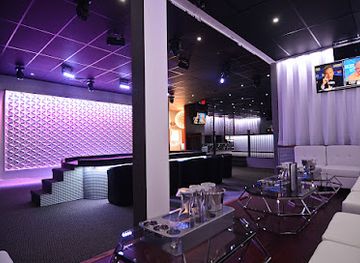
Greenwich has a measured evening scene rather than a dense nightlife district. The main concentration of bars and restaurants is around Greenwich Avenue, with additional venues in Cos Cob, Old Greenwich and Riverside offering cocktails, wine, beer and relaxed meals in neighbourhood settings. Evening activity is generally social and dining-oriented, with polished lounges and pub-style spaces more common than large nightclubs. Live music and cultural programming may appear through local arts organisations, theatres and seasonal events, but schedules vary and should be checked independently. The town’s proximity to New York makes larger concerts, theatre productions and late-night clubbing accessible by rail or car, while within Greenwich itself the atmosphere usually becomes quieter outside the central commercial areas. Taxis or pre-arranged transport are sensible for returning from venues in different villages, particularly when services are less frequent late at night.
-
Gastropub
OG Social Club
Discover the OG Social Club, where gastropub meets family dining and sports excitement in Old Greenwich.
15 min drive · 5.1 km from city centre
-
Bar
Harvest Wine Bar & Restaurant
Savor exquisite New American cuisine and an extensive wine selection at Harvest Wine Bar & Restaurant in Greenwich, Connecticut.
6 min walk · 0.5 km from city centre
-
Night club
Mystique Stamford
Discover Stamford's nightlife at Mystique Stamford, where music, dance, and cocktails come together for an unforgettable experience.
31 min drive · 11 km from city centre
-
Bar
Gallery at Beamers
Discover the exhilarating nightlife at Gallery at Beamers, where vibrant music and delicious cocktails create unforgettable memories in Stamford.
20 min drive · 6.8 km from city centre



Best shops in Greenwich
Shopping in Greenwich is centred on Greenwich Avenue, the town’s principal commercial street, where independent boutiques, galleries, jewellers, homeware shops, bookshops, cafés and national retailers share a walkable setting. Side streets and nearby districts add specialist stores and small businesses, while Old Greenwich and Cos Cob offer a more local village scale for clothing, gifts, food and everyday purchases. The retail character is polished rather than bazaar-like, and visitors will find contemporary fashion and design alongside New England-inspired home goods, artwork and regional food products. Greenwich does not have a single grand traditional market defining its identity, although seasonal farmers’ markets and community events may provide opportunities to buy fresh produce and locally made goods. Shopping is closely linked to the town’s architecture and streetscape, making a browse through the commercial centre as much a neighbourhood experience as a retail excursion.
-
Consignment shop
CODOGIRL®️
Explore CODOGIRL®️ in Greenwich, CT, where vintage fashion and modern style converge in a delightful consignment shopping experience.
5 min walk · 0.4 km from city centre
-
Women's clothing store
Brandy Melville
Explore Brandy Melville in Greenwich for stylish women's clothing and a trendy shopping experience in the heart of Connecticut.
7 min walk · 0.5 km from city centre
-
Consignment shop
Consigned Designs
Discover unique fashion treasures at Consigned Designs, Greenwich's premier consignment shop for clothing, handbags, and accessories.
6 min walk · 0.5 km from city centre
-
Gift shop
Funky Monkey Toys & Books
Discover a treasure trove of toys and books at Funky Monkey Toys & Books in Greenwich, CT – the ultimate destination for children's gifts!
5 min walk · 0.4 km from city centre


Get your free copy of our complete guide to Greenwich, delivered straight to you.
Everything on this page, from attractions and restaurants to essentials and local phrases, in one PDF you can read offline, print or share.
Already have an account? Sign in
Your Greenwich guide is ready.
We'll send it to · Not you? Sign out

Getting your guide ready…
We are putting together a fresh copy of the Greenwich guide. This can take up to a minute.
This can take a few moments. If your browser asks, choose Allow so the download can start. You'll find the guide in your Downloads folder.
Nothing happened? Download it again
Sorry, the guide is taking longer than usual. Please try again in a minute, or get it by email instead.
Greenwich essentials
Currency and Payment
Safety
Emergency Situations
Do's and Don'ts
Local Tips
From Eve
Local phrases worth knowing
You don't need to get them perfect. A few words go a long way, and locals appreciate the effort.
Basics
| English | Local | Say it |
|---|---|---|
| Hello | Hey | [hey] |
| Goodbye | See ya | [see yuh] |
| Yes | Yep | [yep] |
| No | Nah | [nah] |
| Please/You're welcome | Please/No problem | [pleez/no problum] |
| Thank you | Thanks | [thaynks] |
| Excuse me/Sorry | Pardon me/My bad | [pahrdn mee/my bad] |
| How are you? | How you doin'? | [how yuh doin] |
| Fine. And you? | Good. You? | [gud yuh] |
| Do you speak English? | Ya speak English? | [yuh speak inglish] |
| I don't understand | I don't get it | [I don't get it] |
Eating & Drinking
| English | Local | Say it |
|---|---|---|
| I'd like to see the menu, please | Can I see the menu? | [can eye see the menu] |
| I don't eat meat | I don't do meat | [I don't do meat] |
| Cheers! | Cheers! | [Cheers!] |
| I would like to pay, please | I'll pay now, thanks | [I'll pay now, thanks] |
Emergencies
| English | Local | Say it |
|---|---|---|
| Help! | Help! | [Help!] |
| Go away! | Get lost! | [get lost] |
| Call the Police! | Call the cops! | [call the cops] |
| Call a doctor! | Get a doctor! | [get a doctor] |
| I'm lost | I'm lost | [I'm lost] |
| I'm ill | I'm sick | [I'm sick] |
Shopping
| English | Local | Say it |
|---|---|---|
| I'd like to buy... | I wanna buy... | [I wanna buy] |
| I'm just looking | Just browsing | [just browsing] |
| How much is it? | How much? | [how much] |
| That's too expensive | That's pricey | [that's pricey] |
| Can you lower the price? | Can you do a deal? | [can you do a deal] |
Time & Numbers
| English | Local | Say it |
|---|---|---|
| What time is it? | What time is it? | [what time is it] |
| It's one o'clock | It's one | [It's one] |
| Half past (10) | Ten thirty | [ten thirty] |
| Morning | Morning | [Morning] |
| Afternoon | Afternoon | [Afternoon] |
| Evening | Evening | [Evening] |
| Yesterday | Yesterday | [Yesterday] |
| Today | Today | [Today] |
| Tomorrow | Tomorrow | [Tomorrow] |
| 1 | One | [One] |
| 2 | Two | [Two] |
| 3 | Three | [Three] |
| 4 | Four | [Four] |
| 5 | Five | [Five] |
| 6 | Six | [Six] |
| 7 | Seven | [Seven] |
| 8 | Eight | [Eight] |
| 9 | Nine | [Nine] |
| 10 | Ten | [Ten] |
Transport & Directions
| English | Local | Say it |
|---|---|---|
| Where's a/the...? | Where's the...? | [Where's the] |
| What's the address? | What's the address? | [What's the address] |
| Can you show me (on the map)? | Can you show me (on the map)? | [Can you show me (on the map)] |
| When's the next (bus)? | When's the next (bus)? | [When's the next (bus)] |
| A ticket (to ....) | A ticket (to ....) | [A ticket (to ....)] |
History of Greenwich
Indigenous Coastal Homelands
Before English settlement, the Greenwich area formed part of the coastal homeland of the Siwanoy, a Munsee-speaking Indigenous people connected with the wider Wappinger cultural world. Communities used the shores, islands, tidal wetlands and inland forests for fishing, hunting, cultivation and seasonal movement. European settlement altered these patterns through land transactions, increasing displacement and the spread of colonial institutions. The coastline that now defines Greenwich Point and the harbours therefore carries a history far older than the town’s seventeenth-century founding, while surviving place names and archaeological evidence offer reminders of Indigenous presence and stewardship.
English Settlement and Parish Formation
English colonists from the nearby New Haven and Stamford settlements established Greenwich in the 1640s, with the town commonly dating its foundation to 1640. Farmsteads spread across a landscape of forests, streams and improved fields, while small communities developed around local roads and religious life. Greenwich was incorporated as a town in 1665, placing it within the political framework of the Connecticut Colony. Agriculture, coastal access and exchange with neighbouring settlements shaped its early economy, and the dispersed settlement pattern helped create the distinct village identities that later emerged at places such as Cos Cob, Byram and Old Greenwich.
Revolutionary Conflict and Recovery
Greenwich was drawn into the American Revolution through its position on Long Island Sound and its proximity to British-held New York. In February 1779, British forces under General William Tryon raided Greenwich, causing destruction and disrupting local households and commerce. Putnam Cottage, associated with General Israel Putnam, preserves one of the town’s best-known Revolutionary-era stories, although later tradition has added dramatic elements to the account of his escape from pursuing troops. After independence, Greenwich resumed its agricultural, maritime and commercial life, gradually strengthening connections with the expanding settlements and ports of the region.
Maritime Trade and Industrial Growth
During the nineteenth century, Greenwich developed through a mixture of farming, coastal trade, shipbuilding, mills and small industries. Cos Cob became an important community around the Mianus River and harbour, while oyster cultivation and other maritime activities linked residents to Long Island Sound. The arrival of the railway in 1848 transformed the town’s relationship with New York, making commuting and the movement of goods more practical. Rail access encouraged summer visitors and later suburban growth, while villages along the line acquired the commercial buildings, houses and civic institutions that still give Greenwich much of its architectural texture.
Art Colonies and Suburban Transformation
At the turn of the twentieth century, Greenwich attracted artists who found useful studios, coastal light and a relatively accessible setting near New York. The Cos Cob Art Colony, associated with painters including John Henry Twachtman, J. Alden Weir and Childe Hassam, became an important centre of American Impressionism; the Bush-Holley House is closely connected with this period. Over the twentieth century, improved roads, commuter rail and expanding metropolitan influence accelerated suburban development. Greenwich retained its separate village centres and open spaces, however, while institutions such as the Bruce Museum and protected areas at Greenwich Point helped sustain a public cultural and environmental identity.
Greenwich in Photos
Browse through our photo collection highlighting the charm and character of the destination.
Cities near Greenwich
The closest cities to Greenwich, if you have time for more than one stop.
-
-

-

-

-


Swipe for more cities
Explore more

Explore more of Connecticut
Discover Connecticut: A blend of charming coastal towns, rich history, and scenic landscapes, perfect for nature lovers, history buffs, and cultural enthusiasts.
Explore Connecticut