

Free Windham County Travel Guide & Mobile App
Explore Windham County with free travel guides. Discover regional history, expert tips, proposed trips, and audio guides on web or mobile app.


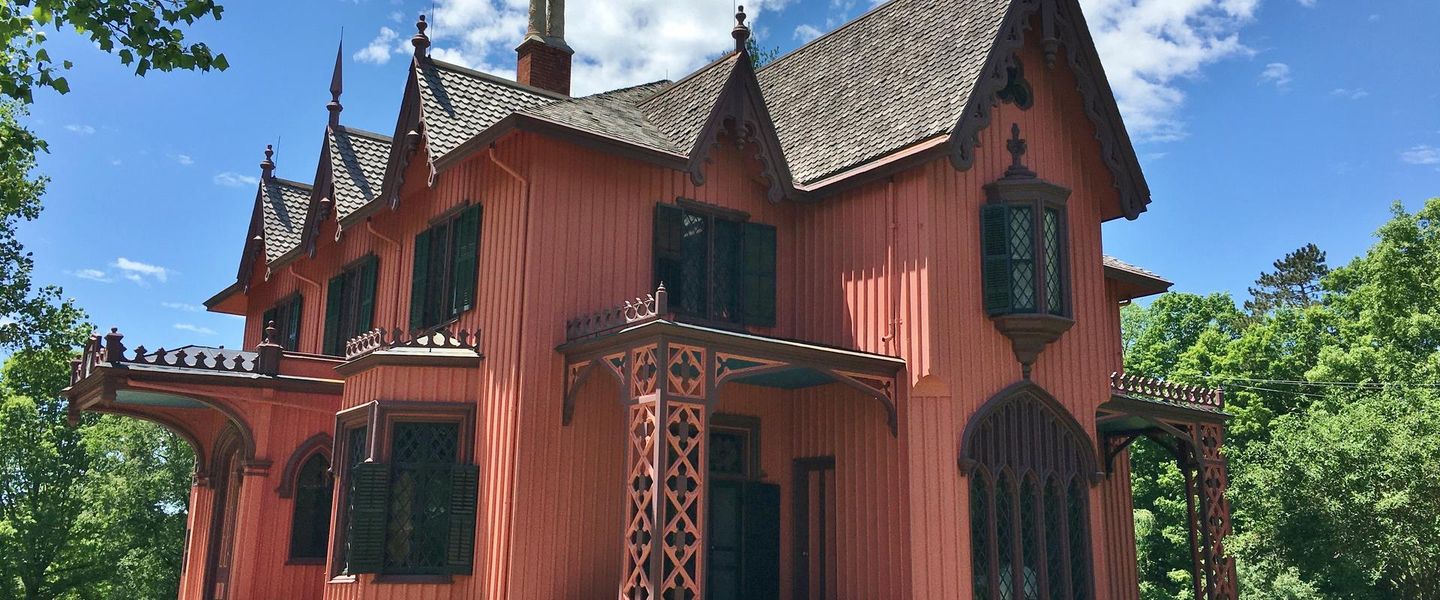


Windham County, Connecticut pairs historic mill towns and farm country with woodland trails, museums, railway heritage and small-town New England character.
Read more about Windham County
Getting to and around Windham County
How to get there
Transportation
Destinations in Windham County
Resorts, valleys and scenic spots worth a trip of their own.

Swipe for more destinations
Best attractions in Windham County
Windham County’s attractions combine rural recreation with an unusually concentrated record of New England industrial and educational history. Willimantic’s Windham Textile and History Museum explains the rise of textile manufacturing and the social world around the mills, while the town’s former industrial buildings and river corridor provide context beyond the museum itself. Putnam offers galleries, antiques and historic commercial architecture around its compact centre. Historic-house visitors can explore Roseland Cottage in Woodstock, a highly distinctive Gothic Revival summer residence, and the Prudence Crandall Museum in Canterbury, which interprets the nineteenth-century school for African American girls. For outdoor activity, Mashamoquet Brook State Park in Pomfret has woodland trails, streams and unusual rock formations, while Old Furnace State Park in Killingly combines walking with an early industrial site. The Air Line State Park Trail offers walking and cycling on a former railway route through several towns. Around Mansfield, the University of Connecticut provides museums, performances and academic attractions, while farms and seasonal agricultural venues broaden the county’s appeal beyond formal sights.
-
 Resort hotel
Foxwoods Resort Casino
Discover the ultimate getaway at Foxwoods Resort Casino, where luxury meets adventure in the heart of Connecticut.
-
Theme park
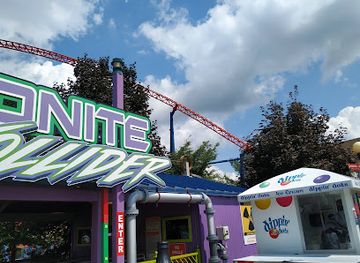
Six Flags New England
Experience the thrill of rides, entertainment, and family fun at Six Flags New England, a top theme park destination in Massachusetts.
-
Aquarium
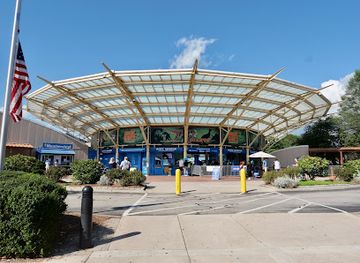
Mystic Aquarium
Explore the breathtaking marine life and conservation efforts at Mystic Aquarium, a must-see tourist attraction in Mystic, Connecticut.
-
History museum
Old Sturbridge Village
Experience 1830s New England at this living history museum with costumed historians, antique buildings, and traditional craft demonstrations.

Best landmarks in Windham County
Windham County’s most recognisable landmarks express its mixture of domestic architecture, industrial history and wooded inland scenery. Roseland Cottage in Woodstock is distinguished by its ornate Gothic Revival design, vivid exterior decoration and association with the Bowen family’s nineteenth-century summer life. In Canterbury, the Prudence Crandall Museum occupies the former boarding school where Crandall educated African American girls, giving the building national historical significance as well as local importance. Willimantic’s surviving mills and riverfront structures form a powerful industrial landmark, recalling the town’s textile economy and railway connections. The stone and timber remains associated with Old Furnace State Park in Killingly point to an earlier period of iron production. Mashamoquet Brook’s distinctive rock formations provide a natural counterpoint to the county’s architecture, while the Air Line State Park Trail preserves the long, engineered contours of a former railway. In Putnam and Danielson, historic commercial buildings and traditional civic streetscapes offer smaller-scale landmarks shaped by trade, transport and local government.
-
State park
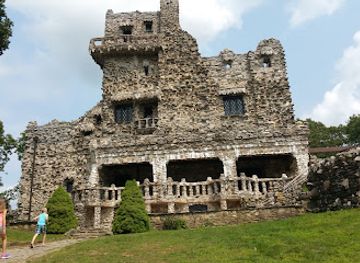
Gillette Castle State Park
Experience the magic of history and nature at Gillette Castle State Park, a unique blend of stunning architecture and breathtaking landscapes in Connecticut.
-
Historical place museum
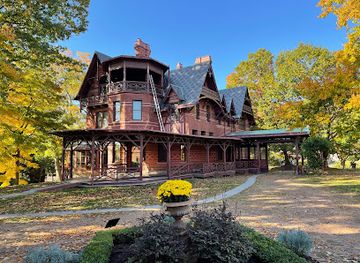
The Mark Twain House & Museum
Discover the fascinating life of Mark Twain at his historic home in Hartford, filled with literary treasures and captivating stories.
-
State park
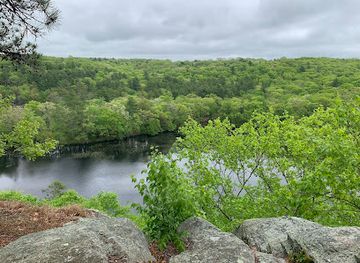
Old Furnace State Park
Experience the tranquility and beauty of Old Furnace State Park in Danielson, Connecticut—a perfect getaway for nature lovers and adventurers alike.
-
Historical place museum
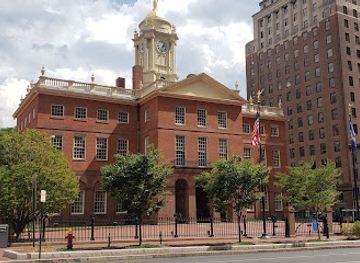
Connecticut's Old State House
Discover the rich history of Connecticut at the Old State House, a stunning museum showcasing the state's political heritage and architectural beauty.
Explore Windham County on the map
Plan your trip on one map. See where the top cities, national parks and sights are, and book hotels and experiences in a few clicks.
Best hotels in Windham County
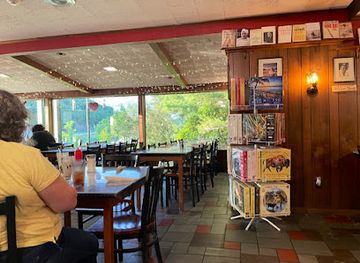
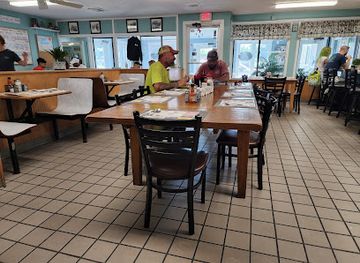
Best restaurants in Windham County
Dining in Windham County reflects its farming landscape, mill-town history and small-town New England setting. Willimantic has the county’s broadest choice of independent cafés, restaurants and international cooking, while Putnam is known for a compact dining scene that includes bistros, bakeries, pubs and restaurants in or near its historic centre. Rural towns offer traditional American meals, family-run establishments, country inns and seasonal farm-based businesses rather than a dense restaurant strip. Local menus may feature Connecticut-style seafood, clam chowder, burgers, locally grown vegetables, apples, pumpkins, dairy products and baked goods, although these foods belong to the wider regional tradition rather than to Windham County alone. Farm stands and autumn harvest outlets are useful places to find cider, preserves and fresh produce. Craft breweries and other small drinks producers add variety, but opening arrangements and food service can be seasonal, so visitors should check directly before making a special journey.
-
Barbecue
Black Dog Bar and Grille
Discover the ultimate BBQ experience at Black Dog Bar and Grille in Putnam, CT—where flavor meets fun!
-
Family-friendly
The Traveler Restaurant
Experience the perfect blend of family dining and literary charm at The Traveler Restaurant in Union, CT.
-
American
The Vanilla Bean Cafe
Experience the charm of The Vanilla Bean Cafe in Pomfret Center – where American comfort food meets creativity in every bite.
-
Breakfast
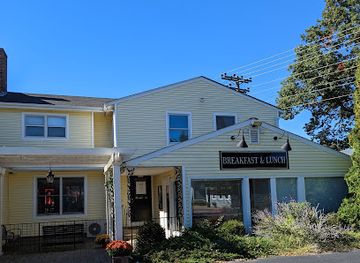
That Breakfast Place
Discover delightful breakfast dishes at That Breakfast Place in Willimantic - where every bite feels like home.

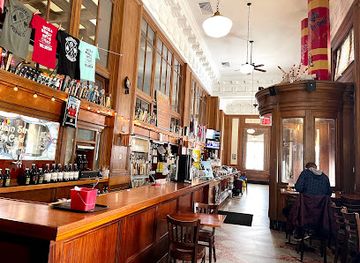
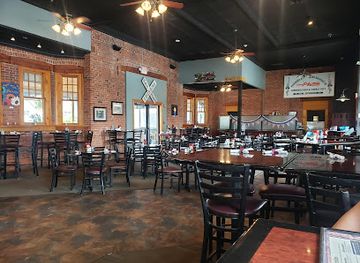
Best bars in Windham County
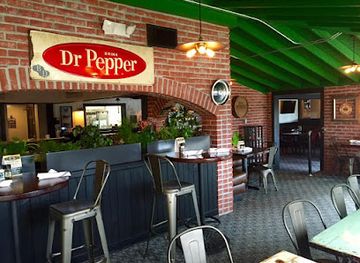
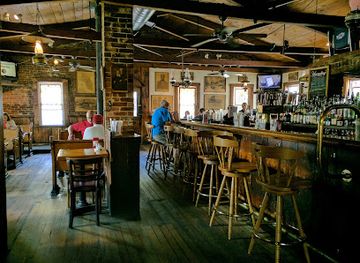
Evenings in Windham County are centred more on pubs, restaurants, breweries, live music and community events than on a large nightclub scene. Willimantic has the most varied evening choices, with venues connected to its student, arts and restaurant communities, while Putnam offers a more compact selection of bars, dining rooms and evening events. Smaller towns tend towards taverns, historic inns and restaurants where conversation is more important than late-night entertainment. The University of Connecticut’s Mansfield campus contributes performances and cultural programming, although it is not a conventional nightlife district. Seasonal festivals, concerts and brewery events can add activity, but they change from year to year. Rural distances and limited late public transport make a car-free evening itinerary difficult outside the main centres, so plan transport in advance and never drink and drive.
-
Bar
Black Dog Bar and Grille
Enjoy a delightful mix of barbecue and pizza at Black Dog Bar and Grille, the heart of Putnam's culinary scene.
-
Pub
Bidwell Tavern
Discover the heart of Coventry at Bidwell Tavern, where delicious chicken wings and a friendly atmosphere await every visitor.
-
Brewpub
Willimantic Brewing Company
Experience the perfect blend of craft brews and American cuisine at Willimantic Brewing Company in Connecticut's charming town.
-
Brewpub
The Crossings Restaurant & Brew Pub
Discover the flavors of America at The Crossings Restaurant & Brew Pub in Putnam, where craft beer meets delicious American cuisine.
Best nightclubs in Windham County
Evenings in Windham County are centred more on pubs, restaurants, breweries, live music and community events than on a large nightclub scene. Willimantic has the most varied evening choices, with venues connected to its student, arts and restaurant communities, while Putnam offers a more compact selection of bars, dining rooms and evening events. Smaller towns tend towards taverns, historic inns and restaurants where conversation is more important than late-night entertainment. The University of Connecticut’s Mansfield campus contributes performances and cultural programming, although it is not a conventional nightlife district. Seasonal festivals, concerts and brewery events can add activity, but they change from year to year. Rural distances and limited late public transport make a car-free evening itinerary difficult outside the main centres, so plan transport in advance and never drink and drive.
-
Bar
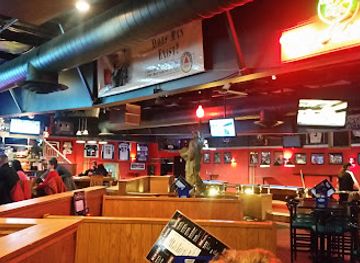
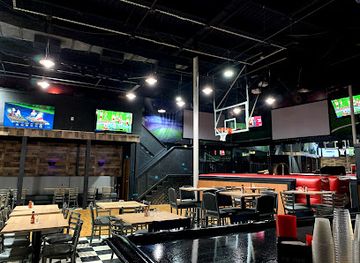
The Sports Bar
Experience the thrill of live sports at The Sports Bar in North Windham, where great food and drinks meet exciting game day atmospheres.
-
Night club
Shrine Nightclub
Discover the electrifying nightlife at Shrine Nightclub in Mashantucket, CT, where vibrant music and an unforgettable atmosphere await.
-
Night club
Vibz Uptown
Vibz Uptown: Where Hartford's nightlife comes alive with great music, vibrant energy, and unforgettable moments.

Best shops in Windham County
Shopping in Windham County is strongest in its small historic centres, farm districts and independent retail clusters rather than in large enclosed malls. Putnam is the best-known destination for antiques, collectibles, galleries, home furnishings and independent shops, with businesses concentrated around its traditional downtown. Willimantic combines practical high-street retail with cafés, arts-related shops and locally oriented businesses, while Danielson serves as another commercial centre for the surrounding towns. Farm stands and seasonal markets are important sources of apples, pumpkins, maple products, honey, preserves, dairy goods and baked items; availability changes with the agricultural calendar. Visitors may also find locally made crafts, pottery, artwork, books and textile-related gifts, particularly through galleries and cultural organisations. Because many shops are independently run, opening days can vary, especially outside the main towns and during winter. A regional shopping itinerary is therefore best combined with museums, historic sites or scenic drives rather than treated as a single retail excursion.
-
Tourist attraction
Nature's Art Village
Explore Nature's Art Village: A Unique Blend of Art, Shopping, and Family Fun in Oakdale, Connecticut.
-
Shopping mall
East Brook Mall
Explore East Brook Mall in Mansfield Center, CT, where shopping meets dining and entertainment in a vibrant atmosphere for all ages.
-
Department store
Kohl's
Discover fantastic deals and trendy styles at Kohl's in Willimantic, a must-visit department store for all your shopping needs.
-
Shopping mall
Willimantic Plaza
Explore Willimantic Plaza, a vibrant shopping mall in Connecticut offering a diverse range of stores, dining options, and community events for a perfect day out.

Get your free copy of our complete guide to Windham County, delivered straight to you.
Everything on this page, from attractions and restaurants to essentials and local phrases, in one PDF you can read offline, print or share.
Already have an account? Sign in
Your Windham County guide is ready.
We'll send it to · Not you? Sign out

Getting your guide ready…
We are putting together a fresh copy of the Windham County guide. This can take up to a minute.
This can take a few moments. If your browser asks, choose Allow so the download can start. You'll find the guide in your Downloads folder.
Nothing happened? Download it again
Sorry, the guide is taking longer than usual. Please try again in a minute, or get it by email instead.
Windham County essentials
Currency and Payment
Safety
Emergency Situations
Do's and Don'ts
Local Tips
From Eve
Local phrases worth knowing
You don't need to get them perfect. A few words go a long way, and locals appreciate the effort.
Basics
| English | Local | Say it |
|---|---|---|
| Hello | Hi | [hai] |
| Goodbye | See you later | [see yuh lay-tuh] |
| Yes | Yeah | [yeh] |
| No | Nope | [nohp] |
| Please/You're welcome | Sure thing | [shohr thing] |
| Thank you | Thanks | [thangs] |
| Excuse me/Sorry | Excuse me | [ik-skyoos mee] |
| How are you? | How's it going? | [how's it goin'?] |
| Fine. And you? | Good. You? | [guhd. yuh?] |
| Do you speak English? | Do you speak English? | [do you speak ing-glish?] |
| I don't understand | I don’t get it | [I don't get it] |
Eating & Drinking
| English | Local | Say it |
|---|---|---|
| I'd like to see the menu, please | Can I see the menu? | [can I see the men-oo?] |
| I don't eat meat | I’m a vegetarian | [I’m a vege-tair-ee-an] |
| Cheers! | Cheers! | [cheers!] |
| I would like to pay, please | Can I get the check? | [can I get the chek?] |
Emergencies
| English | Local | Say it |
|---|---|---|
| Help! | Help! | [help!] |
| Go away! | Leave me alone! | [leave me uh-lone!] |
| Call the Police! | Call the cops! | [call the cops!] |
| Call a doctor! | Get a doctor! | [get a doc-tuh!] |
| I'm lost | I’m lost | [I’m lost] |
| I'm ill | I’m not feeling well | [I’m not feelin' well] |
Shopping
| English | Local | Say it |
|---|---|---|
| I'd like to buy... | I want to buy... | [I want to buy...] |
| I'm just looking | Just browsing | [just browsin'] |
| How much is it? | How much? | [how much?] |
| That's too expensive | That's pricey | [that's pricy] |
| Can you lower the price? | Can you do any better? | [can you do any bettuh?] |
Time & Numbers
| English | Local | Say it |
|---|---|---|
| What time is it? | What time? | [what time?] |
| It's one o'clock | It's one | [it's won] |
| Half past (10) | Half past ten | [half past ten] |
| Morning | Morning | [morning] |
| Afternoon | Afternoon | [afternoon] |
| Evening | Evening | [evening] |
| Yesterday | Yesterday | [yestuhday] |
| Today | Today | [today] |
| Tomorrow | Tomorrow | [tomorrow] |
| 1 | One | [won] |
| 2 | Two | [too] |
| 3 | Three | [three] |
| 4 | Four | [for] |
| 5 | Five | [five] |
| 6 | Six | [siks] |
| 7 | Seven | [sev-en] |
| 8 | Eight | [ate] |
| 9 | Nine | [nine] |
| 10 | Ten | [ten] |
Transport & Directions
| English | Local | Say it |
|---|---|---|
| Where's a/the...? | Where's the...? | [where's the...?] |
| What's the address? | What’s the address? | [what’s the uh-dress?] |
| Can you show me (on the map)? | Can you point it out? | [can you point it out?] |
| When's the next (bus)? | When's the next bus? | [when's the next bus?] |
| A ticket (to ....) | A ticket to... | [a tiket to...] |
History of Windham County
Nipmuc Homelands and Colonial Settlement
Before European settlement, the region formed part of the homeland of the Nipmuc, whose communities used the rivers, woodlands and fertile areas of inland southern New England. English colonisation expanded during the seventeenth and eighteenth centuries, establishing farms and town centres across what became Windham County. Many later roads and property boundaries followed older routes through the landscape, although colonial settlement brought displacement, conflict and profound disruption to Indigenous communities.
County Formation and Early Agriculture, 1726
Windham County was established in 1726 as Connecticut’s eastern frontier became more densely settled. Small farms produced grain, livestock and household goods, while gristmills and sawmills appeared along waterways. Towns such as Woodstock, Pomfret, Brooklyn and Canterbury developed around meetinghouses, crossroads and fertile uplands. The county’s dispersed settlement pattern, with villages separated by open farmland and forest, still shapes its geography and visitor experience.
The Prudence Crandall School, 1833–1834
In Canterbury, educator Prudence Crandall opened a school for African American girls in 1833 after a white student’s attendance provoked opposition. The school attracted pupils from several states and became the target of local hostility and legal action under Connecticut’s so-called Black Law. Although it closed in 1834, the episode remains a significant chapter in the history of African American education, abolitionism and civil rights. The former school is preserved as the Prudence Crandall Museum.
Textile Industry and Willimantic’s Mill Town
Nineteenth-century industrialisation transformed the Willimantic River valley. Water power and later steam supported textile production, while the growth of the Willimantic Linen Company made the town an important manufacturing centre. Railways connected the mills with wider markets and brought workers, goods and investment to the county. Mill buildings, worker housing and surviving transport corridors preserve the physical legacy of an industry that shaped local employment and urban growth.
Railways, Ironworking and Regional Trade
Rail connections expanded across eastern Connecticut during the nineteenth century, linking agricultural communities and mill towns with New England’s commercial network. The lines carried raw materials, finished textiles and farm produce, and encouraged the growth of stations and compact business districts. Earlier ironworking is represented by sites such as the Old Furnace area in Killingly, where local natural resources supported small-scale industry before modern manufacturing. Former railway rights of way now serve recreational purposes.
Agricultural Education and the University of Connecticut
The institution now known as the University of Connecticut began in 1881 as the Storrs Agricultural School in Mansfield. Its development reflected a wider American interest in scientific farming and practical education. As the university expanded, it became a major cultural, educational and economic presence in the county while retaining connections with agricultural research and rural life. Its campus and associated institutions add a substantial academic dimension to Windham County.
Industrial Decline and Heritage Preservation
After the Second World War, textile production and other traditional industries declined across New England, affecting towns such as Willimantic and Danielson. Former mills and railway corridors acquired new uses, while local organisations worked to preserve historic houses, industrial buildings and agricultural landscapes. Museums, state parks, cultural venues and restored town centres now interpret the county’s past rather than simply commemorating it, linking industrial history with contemporary heritage tourism.
Windham County in Photos
Browse through our photo collection highlighting the charm and character of the destination.
Neighbouring regions of Windham County
The closest regions to Windham County, if you have time for more than one.
-

-

-

-

-


Swipe for more regions
Explore more

Explore more of Connecticut
Discover Connecticut: A blend of charming coastal towns, rich history, and scenic landscapes, perfect for nature lovers, history buffs, and cultural enthusiasts.
Explore Connecticut