

Free Tolland County Travel Guide & Mobile App
Explore Tolland County with free travel guides. Discover regional history, expert tips, proposed trips, and audio guides on web or mobile app.


Explore Tolland County’s wooded hills, UConn culture, historic villages, reservoirs, farms and four-season outdoor recreation in eastern Connecticut.
Read more about Tolland County
Getting to and around Tolland County
How to get there
Transportation
Top city travel guides in Tolland County
The cities of Tolland County, and the easiest places to base yourself.
-

-
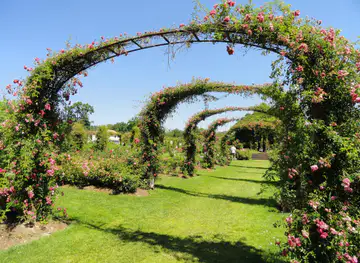


Swipe for more cities
Best attractions in Tolland County
Tolland County’s attractions are distributed across a landscape of university buildings, historic villages, working farms, reservoirs and public forest. In Mansfield, the University of Connecticut provides the county’s strongest concentration of museums, performance spaces, galleries and sporting facilities, with the Ballard Institute and Museum of Puppetry offering a particularly distinctive cultural focus. Coventry’s Nathan Hale Homestead interprets the early life of the Revolutionary-era figure, while Stafford Springs preserves the atmosphere of a former industrial centre. Mansfield Hollow State Park is the principal outdoor recreation area, offering boating, fishing, picnicking and walking around a reservoir bordered by woodland. Shenipsit and Nipmuck state forests, Bolton Notch State Park and the northern hills provide opportunities for hiking, wildlife observation and seasonal foliage viewing. Rail-trail sections, farm stands and orchards add a more everyday dimension to the visitor experience. The county is less about a dense sequence of ticketed attractions than about combining accessible heritage sites with the changing scenery of eastern Connecticut’s uplands.
-
State park
Bigelow Hollow State Park
Explore the stunning landscapes of Bigelow Hollow State Park, a serene escape for outdoor enthusiasts and nature lovers in Connecticut.
-
Park
Valley Falls Park
Explore Valley Falls Park in Vernon, CT: A serene park featuring scenic waterfalls, hiking trails, and picnic areas amidst stunning natural beauty.
-
Adventure sports center
The Adventure Park at Storrs
Experience thrilling heights and outdoor adventures at The Adventure Park at Storrs, Connecticut's premier treetop climbing and zipline destination.
-
State park
Shenipsit State Forest-Soapstone Mountain
Hike to panoramic views, explore historic trails, and discover the legacy of the CCC at Shenipsit State Forest and Soapstone Mountain in Somers, CT.


Best landmarks in Tolland County
The Nathan Hale Homestead in Coventry is Tolland County’s most recognisable historic landmark, a preserved eighteenth-century house associated with the Connecticut-born Revolutionary figure and an important reminder of the county’s colonial farmsteading landscape. In Mansfield, the University of Connecticut campus is a major contemporary landmark, its buildings and open spaces representing the transformation of the former Storrs agricultural school into a large public research university. Mansfield Hollow Dam and Reservoir form one of the county’s clearest engineered landscapes, where water management, recreation and forest meet. Stafford Springs retains physical traces of its nineteenth-century industrial identity in historic commercial buildings, mill-related sites and the town’s long association with mineral springs and manufacturing. The wooded ridges and open water of Shenipsit State Forest, Nipmuck State Forest and Mansfield Hollow State Park are natural landmarks rather than single monuments, defining the county’s visual character. In the smaller towns, historic greens, churches, farmhouses and former mill settlements provide a dispersed architectural record of rural Connecticut rather than one concentrated historic quarter.
-
Historical place museum
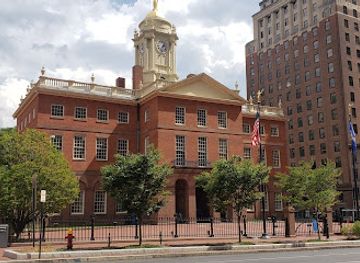
Connecticut's Old State House
Explore Connecticut's rich history at the Old State House, a captivating museum showcasing the state's vital role in American politics and culture.
-
Museum
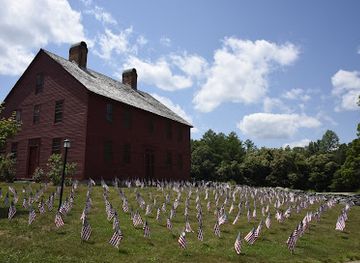
Nathan Hale Homestead Museum
Explore the Nathan Hale Homestead Museum and step back into the 18th century, experiencing the life of America's hero and the charm of New England.
-
Historical place
Main Street Historic District
Discover the rich history and vibrant culture of Main Street Historic District in Willimantic, Connecticut, with charming shops and beautiful architecture.
-
Museum
Tolland Jail Museum
Explore the Tolland Jail Museum in Connecticut and uncover the intriguing stories of the past within its historic walls, a gem for history enthusiasts and curious minds.


Explore Tolland County on the map
Plan your trip on one map. See where the top cities, national parks and sights are, and book hotels and experiences in a few clicks.
Best hotels in Tolland County
Best restaurants in Tolland County
Dining in Tolland County is informal and locally varied, reflecting both New England traditions and the international community connected with the University of Connecticut. Storrs has the broadest selection of cafés, takeaway counters and restaurants, including cuisines shaped by students, staff and residents from around the world. Across the county, independent diners, pizzerias, pubs, bakeries and family-run restaurants provide familiar American and regional dishes, while rural establishments often emphasise relaxed meals rather than elaborate dining rooms. Farm stands, orchards and seasonal markets contribute apples, pumpkins, sweet corn, berries, maple products and other Connecticut produce when available. Stafford Springs, Coventry, Vernon and Ellington offer additional places to eat, with local patterns changing as businesses open and close. Visitors should expect New England seafood and clam-based dishes to be available, although the county is inland rather than a coastal food destination. Tipping at table-service restaurants follows customary United States practice, and displayed prices generally exclude sales tax.
-
Breakfast
Vernon Diner
Discover the flavors of classic American breakfasts at Vernon Diner in Connecticut - where delicious meals meet warm hospitality.
-
American
The Mill on the River
Discover fine American dining at The Mill on the River in South Windsor—where exquisite cuisine meets breathtaking riverside views.
-
Restaurant
River: A Waterfront Restaurant and Bar
Experience exquisite waterfront dining at River Restaurant and Bar in Wethersfield – where delicious cuisine meets stunning river views.
-
American
Wood-n-Tap - Vernon
Discover the essence of American cuisine at Wood-n-Tap in Vernon - where great food meets a vibrant atmosphere.


Best bars in Tolland County
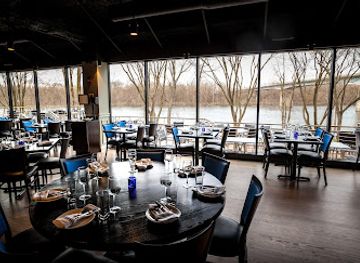
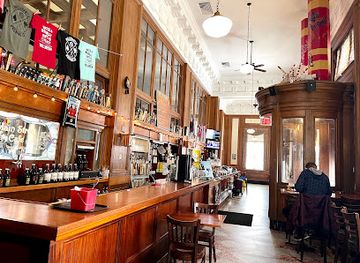
Evening life in Tolland County centres on pubs, breweries, casual restaurants, cafés and university events rather than a large nightclub district. Storrs has the liveliest concentration of student-oriented venues, especially during the academic year, alongside performances and lectures connected with the University of Connecticut. Vernon, Coventry, Stafford Springs and other town centres offer more traditional local evenings in pubs and restaurants, sometimes with live music or community events. Rural areas become quiet earlier, and a car or pre-arranged transport is important when travelling between dispersed venues. The county’s nightlife is therefore best understood as social and local rather than club-focused: dinner, a drink, a campus performance or seasonal event usually forms the evening’s centre. Check current arrangements directly, particularly outside term time, as opening patterns and event schedules can change.
-
Pub
Bidwell Tavern
Discover Bidwell Tavern, where delicious chicken wings and a cozy pub atmosphere come together in Coventry, CT, perfect for food lovers and fun seekers.
-
American
The Main Pub
Experience the best of American cuisine and live music at The Main Pub in Manchester, a vibrant spot for food lovers and music enthusiasts alike.
-
American
Wood-n-Tap - Vernon
Experience the best of American dining at Wood-n-Tap Vernon, where delicious food and unique drinks create unforgettable memories.
-
Brewpub
Willimantic Brewing Company
Experience the vibrant atmosphere and delicious craft brews at Willimantic Brewing Company, a top destination for food and beer lovers in Connecticut.
Best nightclubs in Tolland County
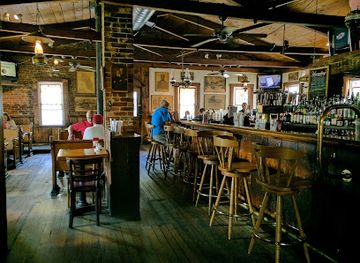
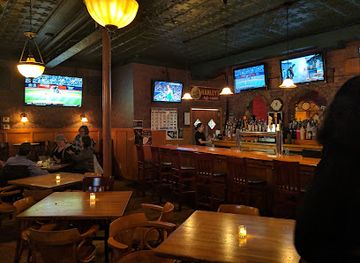
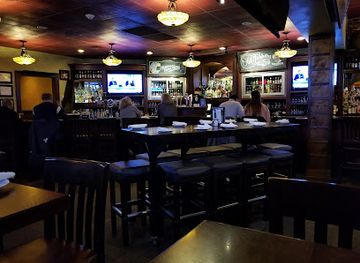
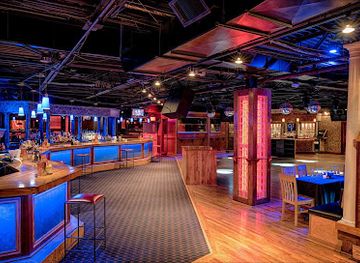
Evening life in Tolland County centres on pubs, breweries, casual restaurants, cafés and university events rather than a large nightclub district. Storrs has the liveliest concentration of student-oriented venues, especially during the academic year, alongside performances and lectures connected with the University of Connecticut. Vernon, Coventry, Stafford Springs and other town centres offer more traditional local evenings in pubs and restaurants, sometimes with live music or community events. Rural areas become quiet earlier, and a car or pre-arranged transport is important when travelling between dispersed venues. The county’s nightlife is therefore best understood as social and local rather than club-focused: dinner, a drink, a campus performance or seasonal event usually forms the evening’s centre. Check current arrangements directly, particularly outside term time, as opening patterns and event schedules can change.
-
Bar
The Lady
Discover vibrant nightlife at The Lady in Hartford, a dynamic bar, restaurant, and arcade perfect for fun evenings and unforgettable memories.
-
Night club
Club Vandome
Experience the vibrant nightlife of New Haven at Club Vandome, where electrifying music and unforgettable dance moments await you.
-
Grill
The Spot Bar and Grill
Experience the vibrant flavors and lively atmosphere at The Spot Bar and Grill in Tolland, Connecticut - a must-visit for food lovers and travelers alike.
-
Night club
Shrine Nightclub
Unleash your nightlife spirit at Shrine Nightclub, the ultimate destination for music, dance, and vibrant energy in Mashantucket, CT.



Best shops in Tolland County
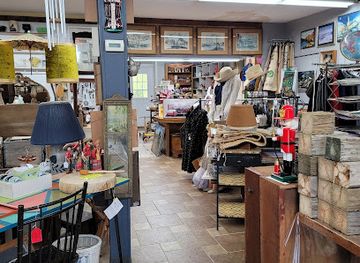
Shopping in Tolland County is mainly local and practical, with the strongest character found in market towns, independent high streets, farm outlets and the Storrs area around the University of Connecticut. Visitors can look for seasonal fruit and vegetables, maple products, baked goods, flowers, pumpkins and other produce at farm stands and orchards, although availability follows the agricultural calendar. Storrs offers university-related goods, books, clothing and a changing mix of independent food and service businesses, while Coventry, Vernon, Stafford Springs and Ellington provide smaller selections of antiques, gifts, cafés, speciality food and everyday shopping. Craft fairs, seasonal markets and community events may bring together local makers selling artwork, pottery, textiles or handmade gifts, but dates and locations vary. The county is not primarily a luxury-shopping destination; its most representative purchases are edible Connecticut products, farm goods, books, locally made crafts and practical items associated with rural New England life.
-
Gift shop
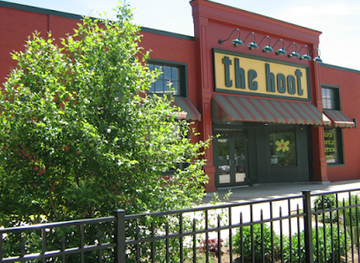
The Hoot
Explore The Hoot in Mansfield Center, CT - an enchanting gift shop with unique treasures for every occasion, from jewelry to toys and more.
-
Cannabis store
Budr Cannabis - Tolland
Discover Budr Cannabis in Tolland, where quality meets community in a welcoming environment for cannabis enthusiasts.
-
Antique store
Trailside Treasure
Explore Trailside Treasure in Columbia, CT – a haven for antique lovers, DIY artists, and seekers of unique finds.
-
Gift shop
Let's Get Wired LLC
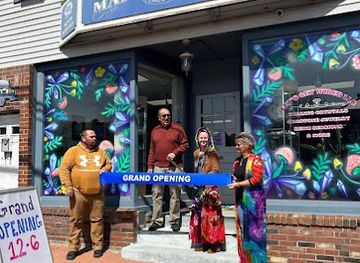
Explore a unique gift shop in Stafford Springs, CT, offering holistic products, jewelry, and metaphysical supplies for a meaningful experience.

Get your free copy of our complete guide to Tolland County, delivered straight to you.
Everything on this page, from attractions and restaurants to essentials and local phrases, in one PDF you can read offline, print or share.
Already have an account? Sign in
Your Tolland County guide is ready.
We'll send it to · Not you? Sign out

Getting your guide ready…
We are putting together a fresh copy of the Tolland County guide. This can take up to a minute.
This can take a few moments. If your browser asks, choose Allow so the download can start. You'll find the guide in your Downloads folder.
Nothing happened? Download it again
Sorry, the guide is taking longer than usual. Please try again in a minute, or get it by email instead.
Tolland County essentials
Currency and Payment
Safety
Emergency Situations
Do's and Don'ts
Local Tips
From Eve
Local phrases worth knowing
You don't need to get them perfect. A few words go a long way, and locals appreciate the effort.
Basics
| English | Local | Say it |
|---|---|---|
| Hello | Hi | [hai] |
| Goodbye | See ya | [si ya] |
| Yes | Yup | [yup] |
| No | Nah | [nah] |
| Please/You're welcome | No problem | [no prob-lem] |
| Thank you | Thanks | [thanks] |
| Excuse me/Sorry | Sorry | [sor-ree] |
| How are you? | How ya doin'? | [how ya doin'] |
| Fine. And you? | Good. You? | [gud. you?] |
| Do you speak English? | Do ya speak English? | [do ya speak ing-glish?] |
| I don't understand | I don't get it | [I don't get it] |
Eating & Drinking
| English | Local | Say it |
|---|---|---|
| I'd like to see the menu, please | Can I see the menu? | [can I see the men-yu?] |
| I don't eat meat | I'm vegetarian | [I'm vege-tay-rian] |
| Cheers! | Cheers! | [cheers] |
| I would like to pay, please | Can I get the check? | [can I get the chek?] |
Emergencies
| English | Local | Say it |
|---|---|---|
| Help! | Help! | [help] |
| Go away! | Leave me alone! | [leave me a-lone] |
| Call the Police! | Call the cops! | [call the cops] |
| Call a doctor! | Get a doctor! | [get a doc-tor] |
| I'm lost | I'm turned around | [I'm turned a-round] |
| I'm ill | I'm not feeling well | [I'm not feel-ing well] |
Shopping
| English | Local | Say it |
|---|---|---|
| I'd like to buy... | I wanna buy... | [I wanna buy...] |
| I'm just looking | Just browsing | [just brows-ing] |
| How much is it? | What’s the price? | [what's the price?] |
| That's too expensive | That's pricey | [that's pry-see] |
| Can you lower the price? | Can you give me a better deal? | [can you give me a bet-ter deal?] |
Time & Numbers
| English | Local | Say it |
|---|---|---|
| What time is it? | What time is it? | [what time is it?] |
| It's one o'clock | It's one | [it's one] |
| Half past (10) | Half past ten | [half past ten] |
| Morning | Morning | [morning] |
| Afternoon | Afternoon | [af-ter-noon] |
| Evening | Evening | [eve-ning] |
| Yesterday | Yesterday | [yes-ter-day] |
| Today | Today | [to-day] |
| Tomorrow | Tomorrow | [to-mor-row] |
| 1 | One | [one] |
| 2 | Two | [two] |
| 3 | Three | [three] |
| 4 | Four | [four] |
| 5 | Five | [five] |
| 6 | Six | [six] |
| 7 | Seven | [sev-en] |
| 8 | Eight | [eight] |
| 9 | Nine | [nine] |
| 10 | Ten | [ten] |
Transport & Directions
| English | Local | Say it |
|---|---|---|
| Where's a/the...? | Where’s the...? | [where's the...?] |
| What's the address? | What's the address? | [what's the ad-dress?] |
| Can you show me (on the map)? | Can you point it out? | [can you point it out?] |
| When's the next (bus)? | When's the next bus? | [when's the next bus?] |
| A ticket (to ....) | One ticket to... | [one tik-et to...] |
History of Tolland County
Indigenous Landscapes and Nipmuc Heritage
Before European settlement, the lands of present-day Tolland County formed part of a wider Indigenous landscape used for hunting, fishing, agriculture and travel. Nipmuc communities were particularly associated with inland central New England, while neighbouring peoples also maintained connections across what is now Connecticut and Massachusetts. Rivers, wetlands and upland paths shaped movement through the region. Indigenous history is often less visible in the built landscape today, but it remains important to understanding the county’s place names, geography and later patterns of land use.
Colonial Settlement and Town Formation
English colonial settlement expanded into north-eastern Connecticut during the eighteenth century, creating farming communities in what became towns such as Coventry, Mansfield, Stafford and Tolland. Town greens, meetinghouses, gristmills and scattered farmsteads reflected a decentralised rural society. The terrain was less suited to large plantation agriculture than the coastal lowlands, so families relied on mixed farming, livestock, timber and small-scale trade. Many surviving roads and historic buildings follow these early settlement patterns.
Revolutionary Connecticut and Nathan Hale
Tolland County was connected to the political and military upheaval of the American Revolution. Nathan Hale was born in Coventry in 1755 and later became a Continental Army officer; he was captured and executed by the British in 1776. The Nathan Hale Homestead preserves the setting associated with his early life and offers context for the responsibilities, loyalties and conflicts faced by Connecticut families during the revolutionary period. The county itself remained primarily agricultural, but its residents were drawn into the broader war effort.
Water Power, Iron and Manufacturing
During the nineteenth century, streams and rivers helped transform parts of Tolland County from farming districts into industrial communities. Stafford Springs became associated with ironworking, textiles and other water-powered enterprises, while mills operated in several towns where local waterways provided energy. Industrial development was generally smaller in scale than in Connecticut’s major manufacturing cities, yet it created new villages, supplied regional markets and linked the county to expanding transport networks. Mill buildings, dams and altered waterways are reminders of this period.
Railways and the Changing Rural Economy
Railway construction in the nineteenth century connected inland towns with Hartford, New London and wider New England markets. Lines carried agricultural produce, raw materials and manufactured goods, while stations encouraged the growth of commercial centres. Some former rail corridors now serve as walking and cycling trails, including sections associated with the Hop River State Park Trail. Rail access also contributed to the gradual shift from isolated farming communities towards a more integrated regional economy.
The Founding and Growth of UConn
The institution now known as the University of Connecticut began in 1881 as the Storrs Agricultural School, established on land connected with the Storrs family. It developed into a major public research university and became the defining modern institution of Mansfield and the surrounding county. Its growth brought education, scientific research, arts programming, housing and international communities to an area still marked by farms and forests. Storrs today combines campus life with the wider rural character of eastern Connecticut.
Reservoirs, Conservation and the Modern County
Twentieth-century planning altered the county’s waterways and landscapes through flood control, water-supply projects, public forests and recreation areas. Mansfield Hollow Reservoir and the surrounding state park became important for boating, fishing and outdoor leisure, while state forests helped conserve large tracts of upland woodland. At the same time, improved roads and suburban growth brought more residents who work or study beyond the county. Tolland County consequently developed as a meeting point of rural land use, university life, conservation and metropolitan commuting.
Tolland County in Photos
Browse through our photo collection highlighting the charm and character of the destination.
Neighbouring regions of Tolland County
The closest regions to Tolland County, if you have time for more than one.
-

-
-

-

-


Swipe for more regions
Explore more

Explore more of Connecticut
Discover Connecticut: A blend of charming coastal towns, rich history, and scenic landscapes, perfect for nature lovers, history buffs, and cultural enthusiasts.
Explore Connecticut