

Free The Quiet Corner Travel Guide & Mobile App
Explore The Quiet Corner with free travel guides. Discover regional history, expert tips, proposed trips, and audio guides on web or mobile app.


The Quiet Corner of Connecticut offers forest trails, mill towns, historic villages, farm stands and a slower New England travel experience.
Read more about The Quiet Corner
Getting to and around The Quiet Corner
How to get there
Transportation
Destinations in The Quiet Corner
Resorts, valleys and scenic spots worth a trip of their own.

Swipe for more destinations
Best attractions in The Quiet Corner
The Quiet Corner’s attractions are dispersed across a landscape of forests, farms, reservoirs and former mill valleys. Outdoor visitors can explore Bigelow Hollow State Park and Nipmuck State Forest near Union, Natchaug State Forest, Mashamoquet Brook State Park near Pomfret and sections of the Air Line State Park Trail. These areas support walking, cycling, paddling, fishing and seasonal wildlife observation, with conditions that vary considerably after rain and during winter. Historic attractions include Roseland Cottage in Woodstock, the Prudence Crandall Museum in Canterbury and the industrial streetscape of Putnam. Storrs offers the Ballard Institute and Museum of Puppetry, while local farms and seasonal agricultural events provide a more contemporary view of rural life. Small galleries, theatres, craft studios and preserved village buildings add cultural interest, although opening arrangements are often seasonal. The region rewards visitors who combine one substantial outdoor stop with a town, museum or farm visit rather than attempting to cover every attraction in a single day.
-
Aquarium
The Maritime Aquarium at Norwalk
Discover the magic of marine life at The Maritime Aquarium at Norwalk, where education meets fun in the heart of Connecticut.
-
Garden
Elizabeth Park Conservancy
Explore the lush landscapes and historical charm of Elizabeth Park Conservancy, a premier garden oasis in West Hartford, Connecticut.
-
Zoo
Connecticut's Beardsley Zoo
Discover amazing animals from the Americas and Northern Asia at Connecticut's only zoo, nestled in Bridgeport's historic Beardsley Park.
-
Museum
Mystic Seaport Museum
Dive into America's maritime history at Mystic Seaport Museum, a vibrant destination filled with historic ships, interactive exhibits, and family-friendly activities.


Best landmarks in The Quiet Corner
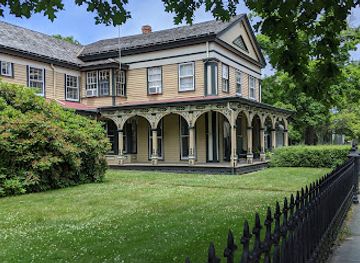
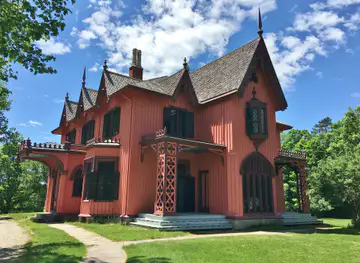
Roseland Cottage in Woodstock is one of the Quiet Corner’s most recognisable landmarks, distinguished by its vivid Gothic Revival architecture, ornate interior and formal grounds. In Canterbury, the Prudence Crandall Museum preserves the former school associated with Crandall’s pioneering education of African American girls and gives the town a landmark of national historical significance. Putnam’s former mill buildings, railway-era streets and bridges along the Quinebaug River express the industrial history that shaped the region’s principal town. Rural landmarks are equally important: the village greens and historic churches of Woodstock and Pomfret preserve the visual structure of colonial-era communities, while covered bridges and stone walls evoke older transport and farming landscapes. Bigelow Hollow’s wooded hills and Breakneck Pond provide a natural landmark within the eastern uplands, and the long, straight course of the Air Line State Park Trail recalls the railway infrastructure that once connected inland Connecticut with major markets. Together, these places show the region as a meeting point of rural scenery, civic history and water-powered industry.
-
State park
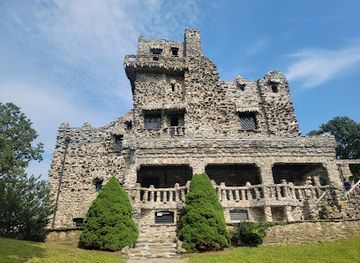
Gillette Castle State Park
Explore Gillette Castle State Park, a stunning blend of history and nature in East Haddam, Connecticut, featuring breathtaking views and enchanting trails.
-
Park
New Haven Green
Discover the historic charm and vibrant community of New Haven Green, a serene park surrounded by culture and history in Connecticut.
-
Park
East Rock Park
Experience the natural beauty and recreational haven of East Rock Park in New Haven, Connecticut, a must-visit for nature lovers and outdoor enthusiasts.
-
State park
Wadsworth Falls State Park
Discover the serene beauty of Wadsworth Falls State Park, a stunning state park in Connecticut featuring majestic waterfalls, hiking trails, and abundant wildlife.


Explore The Quiet Corner on the map
Plan your trip on one map. See where the top cities, national parks and sights are, and book hotels and experiences in a few clicks.
Best hotels in The Quiet Corner
Best restaurants in The Quiet Corner
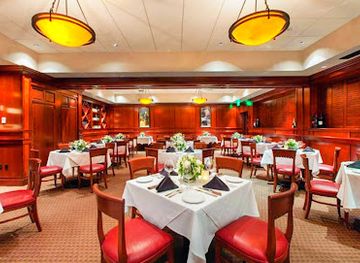
Dining in the Quiet Corner reflects northeastern Connecticut’s rural setting and its connections to wider New England. Putnam has the greatest concentration of restaurants, cafés and converted mill or warehouse spaces, while Storrs serves a mixed university and local population. Country inns, family-run restaurants and village eateries are common beyond the larger centres, with menus often built around familiar New England cooking, burgers, soups, baked goods and seasonal produce. Farm stands and farmers’ markets are useful for fruit, vegetables, maple syrup, cider, honey, cheeses and freshly prepared items, while autumn brings apples, pumpkins and harvest products. Seafood is available, but the region is inland rather than a coastal culinary centre. Craft beer and locally made spirits appear in the wider dining scene, alongside coffee shops and bakeries. Reservations are sensible for popular restaurants and busy seasonal weekends, particularly when fairs, foliage travel or university events increase demand.
-
American
J Timothy's Taverne
Discover the charm of J Timothy's Taverne - where American classics meet local hospitality in Plainville.
-
Italian
Viron Rondo Osteria
Discover the rich flavors of Italy at Viron Rondo Osteria in Cheshire, CT—where every dish tells a story.
-
Barbecue
Black Dog Bar and Grille
Experience delicious barbecue and mouthwatering pizza at Black Dog Bar and Grille in Putnam – your perfect dining destination!
-
American
Sugar Factory Foxwoods
Experience the whimsical world of Sugar Factory Foxwoods—where American cuisine meets extraordinary desserts and creative cocktails.


Best bars in The Quiet Corner
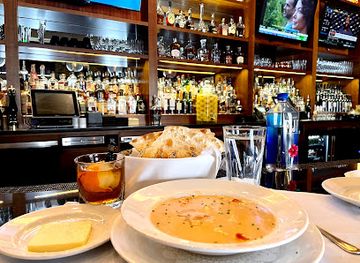
Evening life in the Quiet Corner is centred on pubs, restaurants, breweries, cafés and occasional live-music venues rather than a large nightclub scene. Putnam provides the region’s most concentrated choice of bars and evening restaurants, especially in and around its historic downtown and converted industrial buildings. Storrs has a younger, university-influenced atmosphere, although activity varies with the academic calendar. In smaller towns, evenings tend to be quieter and may revolve around a local pub, a restaurant, community performance or seasonal event. Breweries and taprooms contribute to the region’s contemporary drinking culture, but visitors should check current opening arrangements and transport options before travelling into rural areas. Alcohol is not necessary to enjoy the region, and a scenic walk, theatre performance or meal can be a more characteristic evening experience than late-night entertainment.
-
Fine Dining
The Capital Grille
Experience the pinnacle of fine dining at The Capital Grille in Hartford, offering exceptional steaks and an extensive selection of wines.
-
Spanish
Barcelona Wine Bar
Savor authentic Spanish tapas and exquisite wines in a cozy setting at Barcelona Wine Bar, where culinary tradition meets modern flair.
-
Fine Dining
Fleming’s Prime Steakhouse & Wine Bar
Experience an unforgettable culinary journey at Fleming’s Prime Steakhouse & Wine Bar, where exceptional steaks and fine wines await in West Hartford.
-
American
85 Main
Experience the best of American cuisine with an international twist at 85 Main in Putnam, CT, known for its sushi and exquisite wine selection.

Best nightclubs in The Quiet Corner
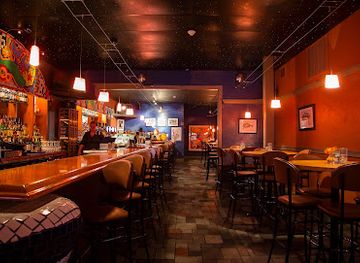
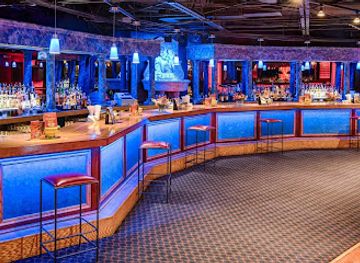
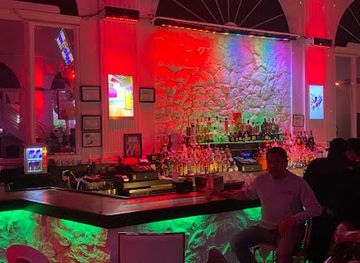
Evening life in the Quiet Corner is centred on pubs, restaurants, breweries, cafés and occasional live-music venues rather than a large nightclub scene. Putnam provides the region’s most concentrated choice of bars and evening restaurants, especially in and around its historic downtown and converted industrial buildings. Storrs has a younger, university-influenced atmosphere, although activity varies with the academic calendar. In smaller towns, evenings tend to be quieter and may revolve around a local pub, a restaurant, community performance or seasonal event. Breweries and taprooms contribute to the region’s contemporary drinking culture, but visitors should check current opening arrangements and transport options before travelling into rural areas. Alcohol is not necessary to enjoy the region, and a scenic walk, theatre performance or meal can be a more characteristic evening experience than late-night entertainment.
-
Bar
The Lady
Discover Hartford's nightlife at The Lady, where a bar, restaurant, and arcade unite for an unforgettable evening of fun and flavor.
-
Night club
Club Vandome
Discover the electrifying nightlife at Club Vandome, New Haven's vibrant night club, perfect for dancing, drinks, and socializing.
-
Night club
Shrine Nightclub
Discover the electrifying atmosphere of Shrine Nightclub at Foxwoods, where music and vibrant nightlife come alive in Connecticut.
-
Night club
The Palms Night Club
Discover the electrifying nightlife at The Palms Night Club in Stamford, CT, where great music meets an unforgettable atmosphere.


Best shops in The Quiet Corner
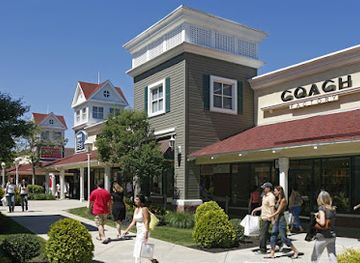
Shopping in the Quiet Corner is concentrated in small downtowns rather than large retail complexes. Putnam is the principal browsing centre, with independent shops, antiques, galleries, books, gifts and food businesses occupying historic commercial buildings near the Quinebaug River. Storrs and nearby Mansfield add university-oriented shops and everyday services, while Woodstock, Pomfret and other villages offer more occasional, studio-based or seasonal browsing. Farm stands and local markets are often the best places to buy maple syrup, honey, cider, preserves, baked goods, flowers and other Connecticut-grown products. Antiques and vintage items are a recurring feature of the regional shopping landscape, reflecting the area’s older houses and mill-town heritage. Craft studios and galleries may sell ceramics, textiles, jewellery, paintings and woodwork, but opening days can be limited outside the main season. Visitors should distinguish durable local products from generic souvenirs and check market dates before making a special journey.
-
Outlet mall
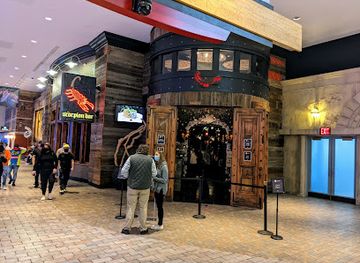
Tanger Outlets Foxwoods
Discover unbeatable deals and a vibrant shopping atmosphere at Tanger Outlets Foxwoods, where style meets savings.
-
Outlet mall
Clinton Premium Outlets
Discover unbeatable deals and a delightful shopping experience at Clinton Premium Outlets in Connecticut, where brands meet savings.
-
Shopping mall
The Shops at Evergreen Walk
Discover a premier shopping and dining experience at The Shops at Evergreen Walk, South Windsor's top outdoor shopping mall.
-
Outlet mall
Westbrook Outlets
Discover unbeatable deals and a charming shopping atmosphere at Westbrook Outlets, your go-to destination for designer brands in Connecticut.

Get your free copy of our complete guide to The Quiet Corner, delivered straight to you.
Everything on this page, from attractions and restaurants to essentials and local phrases, in one PDF you can read offline, print or share.
Already have an account? Sign in
Your The Quiet Corner guide is ready.
We'll send it to · Not you? Sign out

Getting your guide ready…
We are putting together a fresh copy of the The Quiet Corner guide. This can take up to a minute.
This can take a few moments. If your browser asks, choose Allow so the download can start. You'll find the guide in your Downloads folder.
Nothing happened? Download it again
Sorry, the guide is taking longer than usual. Please try again in a minute, or get it by email instead.
The Quiet Corner essentials
Currency and Payment
Safety
Emergency Situations
Do's and Don'ts
Local Tips
From Eve
Local phrases worth knowing
You don't need to get them perfect. A few words go a long way, and locals appreciate the effort.
Basics
| English | Local | Say it |
|---|---|---|
| Hello | Hi | [hai] |
| Goodbye | See you later | [si yu ley-ter] |
| Yes | Yeah | [yeh] |
| No | Nope | [nohp] |
| Please/You're welcome | You're welcome | [yu're wel-kum] |
| Thank you | Thanks | [thangs] |
| Excuse me/Sorry | Excuse me | [eks-kyoos me] |
| How are you? | How ya doin'? | [how ya doin'?] |
| Fine. And you? | Good. You? | [gud. yu?] |
| Do you speak English? | Do ya speak English? | [do ya speek ing-glish?] |
| I don't understand | I don't get it | [I don't get it] |
Eating & Drinking
| English | Local | Say it |
|---|---|---|
| I'd like to see the menu, please | Can I see the menu? | [kan I si the men-yu?] |
| I don't eat meat | I don't eat meat | [I don't eat meat] |
| Cheers! | Cheers! | [cheers!] |
| I would like to pay, please | Can I get the check? | [kan I get the chek?] |
Emergencies
| English | Local | Say it |
|---|---|---|
| Help! | Help! | [help!] |
| Go away! | Leave me alone! | [leev me a-lone!] |
| Call the Police! | Call the cops! | [kal the kops!] |
| Call a doctor! | Get a doctor! | [get a dok-tor!] |
| I'm lost | I'm lost | [I'm lost] |
| I'm ill | I'm not feeling well | [I'm not feel-ing wel] |
Shopping
| English | Local | Say it |
|---|---|---|
| I'd like to buy... | I wanna buy... | [I wanna buy...] |
| I'm just looking | Just browsing | [just brow-zing] |
| How much is it? | What's the price? | [whats the prys?] |
| That's too expensive | That's a bit pricey | [thats a bit pry-see] |
| Can you lower the price? | Can you give me a better price? | [kan you giv me a beter prys?] |
Time & Numbers
| English | Local | Say it |
|---|---|---|
| What time is it? | What time is it? | [what time is it?] |
| It's one o'clock | It's one | [its wun] |
| Half past (10) | Half past ten | [haf past ten] |
| Morning | Morning | [mor-ning] |
| Afternoon | Afternoon | [af-ter-noon] |
| Evening | Evening | [eev-ning] |
| Yesterday | Yesterday | [yes-ter-day] |
| Today | Today | [to-day] |
| Tomorrow | Tomorrow | [to-mor-row] |
| 1 | One | [wun] |
| 2 | Two | [too] |
| 3 | Three | [three] |
| 4 | Four | [for] |
| 5 | Five | [fiv] |
| 6 | Six | [siks] |
| 7 | Seven | [sev-en] |
| 8 | Eight | [ate] |
| 9 | Nine | [nayn] |
| 10 | Ten | [ten] |
Transport & Directions
| English | Local | Say it |
|---|---|---|
| Where's a/the...? | Where's the...? | [wheres the...?] |
| What's the address? | What's the address? | [whats the ad-dress?] |
| Can you show me (on the map)? | Can you point it out? | [kan you point it out?] |
| When's the next (bus)? | When's the next bus? | [whens the next bus?] |
| A ticket (to ....) | A ticket to ... | [a tik-it to ...] |
History of The Quiet Corner
Indigenous Landscapes Before European Settlement
Long before colonial settlement, the forests, rivers and wetlands of northeastern Connecticut were used and managed by Indigenous peoples, including communities associated with the Nipmuc and Mohegan cultural worlds. Rivers such as the Quinebaug and Natchaug provided routes, fishing grounds and access to fertile areas, while seasonal movement connected uplands, wetlands and river valleys. European colonisation transformed these patterns through land division, settlement and the spread of agriculture. Indigenous history remains an essential part of understanding the region, even though many surviving buildings and public narratives focus more heavily on the colonial period.
Colonial Farms and Congregational Villages
English settlement expanded across the northeast during the seventeenth and eighteenth centuries, creating dispersed farms, gristmills, meeting houses and village greens. Towns such as Woodstock, Pomfret, Canterbury and Brooklyn developed around agriculture and local trade rather than dense urban centres. Congregational churches and town meetings influenced civic life, while roads gradually connected inland communities with markets beyond the region. The surviving pattern of white churches, historic houses, stone walls and open fields reflects this period of settlement and the agricultural economy that followed.
The American Revolution and a Changing Republic
Residents of northeastern Connecticut participated in the political and military upheavals of the American Revolution, as did communities throughout the colony. The region was not a single battlefield landscape, but its farms and roads were connected to the wider mobilisation of men, supplies and political opinion. After independence, local towns adjusted to a republican system of government and expanding commercial networks. The period also saw the growth of schools, academies and civic institutions, including educational traditions that would later be associated with women’s rights and reform.
Water-Powered Industry and Mill Towns
During the nineteenth century, streams and rivers powered sawmills, gristmills, textile works and other small industries. Putnam grew into an important mill and railway town in the Quinebaug Valley, while other communities developed around factories and water-powered sites. Railways connected eastern Connecticut to wider markets and encouraged the movement of raw materials, workers and finished goods. Industrial expansion altered the rural landscape without eliminating it; farms, forests and factories continued to exist alongside one another. Former mill buildings and railway corridors remain among the clearest reminders of this transformation.
Reform, Education and Women’s Rights
Canterbury is associated with Prudence Crandall, who established a school for African American girls in 1833. The school faced intense local opposition and legal pressure before closing, but its history became an important part of the national story of education, abolition and civil rights. The Prudence Crandall Museum interprets this episode and places it within the wider reform movements of nineteenth-century New England. The region also developed a broader educational culture through academies, colleges and public institutions, linking rural Connecticut to national debates about opportunity and equality.
Railways, Industrial Decline and Rural Preservation
Railway connections helped local industries prosper during the nineteenth and early twentieth centuries, but changing production patterns and the decline of many textile operations later left mill towns with vacant factories and altered economies. Some industrial buildings were adapted for shops, studios, restaurants and community uses, particularly in Putnam. Disused railway alignments became sections of the Air Line State Park Trail and other recreational routes. At the same time, land trusts, state forests and historic-preservation organisations helped protect open space, farms and buildings that now shape the Quiet Corner’s contemporary identity.
The Quiet Corner in Photos
Browse through our photo collection highlighting the charm and character of the destination.
Neighbouring regions of The Quiet Corner
The closest regions to The Quiet Corner, if you have time for more than one.
-
-

-

-
-


Swipe for more regions
Explore more

Explore more of Connecticut
Discover Connecticut: A blend of charming coastal towns, rich history, and scenic landscapes, perfect for nature lovers, history buffs, and cultural enthusiasts.
Explore Connecticut