

Free Southeastern Connecticut Travel Guide & Mobile App
Explore Southeastern Connecticut with free travel guides. Discover regional history, expert tips, proposed trips, and audio guides on web or mobile app.


Southeastern Connecticut combines Mystic's maritime heritage, coastal villages, Indigenous history, beaches, forests and New England seafood.
Read more about Southeastern Connecticut
Getting to and around Southeastern Connecticut
How to get there
Transportation
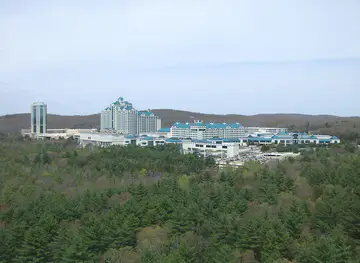
Destinations in Southeastern Connecticut
Resorts, valleys and scenic spots worth a trip of their own.
-

-

-

-


Swipe for more destinations
Best attractions in Southeastern Connecticut
Southeastern Connecticut's attractions extend well beyond Mystic's famous maritime institutions. Mystic Seaport Museum recreates and interprets a historic seafaring community through vessels, workshops, buildings and demonstrations, while Mystic Aquarium focuses on marine life and conservation. Groton offers the Submarine Force Museum and USS Nautilus, as well as Fort Griswold Battlefield State Park and shoreline walking at Bluff Point and Haley Farm. In Ledyard, the Mashantucket Pequot Museum and Research Center provides substantial Indigenous and regional historical interpretation, while Foxwoods is a large resort and entertainment complex. Mohegan Sun occupies a separate Thames Valley setting in Uncasville. New London contributes galleries, historic streets and cultural venues, and coastal parks around Waterford and Stonington provide beaches, marshes and open-air recreation. Norwich's museums, historic architecture and river setting add an inland perspective, making the region's visitor offering a combination of maritime history, Indigenous heritage, military institutions, casinos, wildlife and accessible coastal landscapes.
-
Tourist attraction
Mystic Aquarium
Discover the wonders of the deep at Mystic Aquarium, home to beluga whales, sea lions, penguins, and interactive marine exhibits.
-
Museum
Mystic Seaport Museum
Discover the rich maritime history and vibrant culture at Mystic Seaport Museum, a family-friendly destination in Connecticut.
-
State park
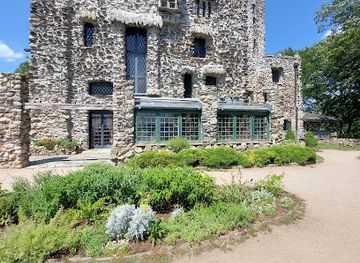
Gillette Castle State Park
Discover the magic of Gillette Castle State Park, where history and nature blend beautifully in Connecticut's scenic landscape.
-
State park
Bluff Point State Park
Experience the breathtaking landscapes and rich history of Bluff Point State Park in Groton, Connecticut, perfect for outdoor enthusiasts and nature lovers.


Best landmarks in Southeastern Connecticut
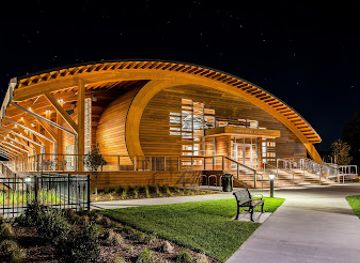
The region's most recognisable landmarks reflect its position between river, sea and historic New England communities. Mystic River Bascule Bridge is an active piece of local infrastructure and a visual focus for the village, while the preserved vessels and waterfront buildings of Mystic Seaport express the area's maritime identity. In Groton, Fort Griswold's earthen works and monuments mark the Revolutionary War assault of 1781, and the nearby USS Nautilus represents the modern submarine history of the Thames River. New London's waterfront and historic civic and commercial architecture recall its former importance as a whaling and shipping port. Stonington Borough is itself a landmark landscape, with a narrow peninsula of nineteenth-century houses, churches, harbour views and remnants of a fortified coastal past. The Mashantucket Pequot Museum is an architecturally distinctive cultural landmark as well as a centre for Indigenous historical interpretation. Along the coast, Bluff Point's wooded peninsula, salt marshes and open views towards Long Island Sound provide a natural counterpoint to the region's built heritage.
-
Casino
Mohegan Sun
Experience the ultimate entertainment at Mohegan Sun, where luxurious accommodations, vibrant nightlife, and world-class dining converge.
-
Aquarium
Mystic Aquarium
Explore the depths of marine life at Mystic Aquarium, where conservation meets education in an unforgettable family-friendly adventure.
-
Park
Ocean Beach Park
Experience the beauty and excitement of Ocean Beach Park, a premier destination in New London, Connecticut, featuring stunning beaches, a water park, and lush green spaces.
-
Zoo
Connecticut's Beardsley Zoo
Discover Connecticut's Beardsley Zoo: A Family-Friendly Adventure with Over 300 Animals and Engaging Conservation Education.


Explore Southeastern Connecticut on the map
Plan your trip on one map. See where the top cities, national parks and sights are, and book hotels and experiences in a few clicks.
Best hotels in Southeastern Connecticut
Best restaurants in Southeastern Connecticut
Food in southeastern Connecticut is shaped by Long Island Sound, New England agriculture and the region's long history of immigration and maritime trade. Seafood restaurants and long-established clam shacks serve oysters, clams, lobster, fried fish, crab and chowder, with menus changing according to season and supply. Mystic and Stonington offer a broad range of waterfront and village dining, from cafés and bakeries to contemporary restaurants, while New London has an especially varied independent scene with Italian-American, Latin American, Asian and modern American influences. Traditional taverns and rural inns remain useful places to find hearty regional cooking, local beer and seasonal produce. Farmers' markets and farm stands provide fruit, vegetables, baked goods and prepared foods during the warmer months. Visitors should distinguish genuinely local seafood and farm produce from dishes simply marketed as New England fare, and should expect Connecticut sales tax and customary tipping to be added to restaurant bills.
-
Pizza
Mystic Pizza
Experience delicious pizza at Mystic Pizza in Connecticut - a culinary gem with a Hollywood twist!
-
Seafood
Captain Scott's Lobster Dock
Discover fresh seafood delights at Captain Scott's Lobster Dock in New London, where every meal is a celebration of coastal flavors.
-
Breakfast
The Mystic Diner & Restaurant
Discover delightful breakfasts and Greek flavors at The Mystic Diner & Restaurant - where comfort food meets family-friendly dining in Mystic.
-
American
Engine Room
Experience the best of American cuisine at The Engine Room in Mystic - where delightful dishes meet vibrant cocktails in a cozy atmosphere.


Best bars in Southeastern Connecticut
Evening life in southeastern Connecticut is concentrated in Mystic, New London, Groton and the casino resorts rather than spread evenly across the countryside. Mystic has wine bars, breweries, cocktail-led venues, pubs and restaurants that suit a relatively early, walkable evening, while New London offers bars, live music, performance spaces and a more varied arts-oriented nightlife. Groton and the Thames waterfront have traditional pubs and casual drinking venues, with activity often shaped by naval, university and event calendars. Foxwoods and Mohegan Sun provide the region's largest concentration of concerts, comedy, gaming, restaurants and late-night entertainment, although individual programmes and opening arrangements change. In rural towns, the evening scene generally centres on local taverns, restaurants and seasonal events rather than nightclubs. Arrange transport in advance when staying outside town centres and drink responsibly.
-
Casino
Mohegan Sun
Discover the allure of Mohegan Sun, a premier casino resort in Connecticut offering gaming, dining, and world-class entertainment for every type of traveler.
-
Breakfast
The Mystic Diner & Restaurant
Experience the delicious charm of The Mystic Diner & Restaurant, a local favorite for breakfast and lunch in beautiful Mystic, Connecticut.
-
American
Engine Room
Discover Engine Room in Mystic, CT: A vibrant American restaurant known for inventive cocktails and locally sourced cuisine in a charming atmosphere.
-
Seafood
S&P Oyster Restaurant and Bar
Experience the finest seafood at S&P Oyster Restaurant and Bar, a culinary gem in the heart of Mystic, Connecticut, perfect for all seafood lovers.


Best nightclubs in Southeastern Connecticut
Evening life in southeastern Connecticut is concentrated in Mystic, New London, Groton and the casino resorts rather than spread evenly across the countryside. Mystic has wine bars, breweries, cocktail-led venues, pubs and restaurants that suit a relatively early, walkable evening, while New London offers bars, live music, performance spaces and a more varied arts-oriented nightlife. Groton and the Thames waterfront have traditional pubs and casual drinking venues, with activity often shaped by naval, university and event calendars. Foxwoods and Mohegan Sun provide the region's largest concentration of concerts, comedy, gaming, restaurants and late-night entertainment, although individual programmes and opening arrangements change. In rural towns, the evening scene generally centres on local taverns, restaurants and seasonal events rather than nightclubs. Arrange transport in advance when staying outside town centres and drink responsibly.
-
Restaurant
Comix Roadhouse
Discover Comix Roadhouse: A vibrant restaurant and live music venue in Uncasville, offering great food and unforgettable entertainment experiences.
-
New American
Oyster Club
Discover the essence of New England dining at Oyster Club, where fresh seafood meets artisanal craftsmanship in a cozy atmosphere.
-
Irish
Friar Tuck's Tavern
Discover the lively ambiance and delicious Irish-British cuisine at Friar Tuck's Tavern, a favorite dining spot in Mystic, Connecticut.
-
Restaurant
Chapter One Food and Drink Mystic CT
Discover culinary excellence and vibrant nightlife at Chapter One Food and Drink, Mystic's premier restaurant and bar destination.


Best shops in Southeastern Connecticut
Shopping is strongest in Mystic, Stonington Borough, New London and selected village and town centres, where independent shops, galleries, bookshops, clothing stores and food businesses occupy historic streets. Mystic offers maritime-themed goods, art, crafts, sweets and regional food products, while Stonington has a more compact selection of galleries, homewares and small specialist retailers. New London combines independent shops and arts-oriented businesses with a more urban high-street character, although retail occupancy changes over time. Farm stands and seasonal farmers' markets are useful for Connecticut produce, baked goods, preserves, maple products and locally made foods. Museum shops provide books and carefully curated maritime or Indigenous-history merchandise, with purchases at tribal cultural institutions best approached respectfully rather than as generic souvenirs. Larger commercial shopping and chain stores are found around Norwich, Groton and the casino resorts, but the region's more distinctive purchases are generally food, artwork, books, nautical objects and locally made crafts.
-
Outlet mall
Tanger Outlets Foxwoods
Discover incredible savings and a vibrant shopping experience at Tanger Outlets Foxwoods, a premier outlet mall in Mashantucket, Connecticut.
-
Shopping mall
Danbury Fair
Explore the vibrant shopping, dining, and entertainment options at Danbury Fair, Connecticut's premier shopping mall.
-
Shopping mall
Olde Mistick Village
Explore Olde Mistick Village: A charming shopping and dining destination in Mystic, Connecticut, filled with unique boutiques and delightful eateries.
-
Outlet mall
Clinton Premium Outlets
Discover unbeatable deals at Clinton Premium Outlets, where designer brands and delicious dining come together for a perfect shopping experience.

Get your free copy of our complete guide to Southeastern Connecticut, delivered straight to you.
Everything on this page, from attractions and restaurants to essentials and local phrases, in one PDF you can read offline, print or share.
Already have an account? Sign in
Your Southeastern Connecticut guide is ready.
We'll send it to · Not you? Sign out

Getting your guide ready…
We are putting together a fresh copy of the Southeastern Connecticut guide. This can take up to a minute.
This can take a few moments. If your browser asks, choose Allow so the download can start. You'll find the guide in your Downloads folder.
Nothing happened? Download it again
Sorry, the guide is taking longer than usual. Please try again in a minute, or get it by email instead.
Southeastern Connecticut essentials
Currency and Payment
Safety
Emergency Situations
Do's and Don'ts
Local Tips
From Eve
Local phrases worth knowing
You don't need to get them perfect. A few words go a long way, and locals appreciate the effort.
Basics
| English | Local | Say it |
|---|---|---|
| Hello | Hey there | [Hey thair] |
| Goodbye | See ya | [See yah] |
| Yes | Yeah | [Yah] |
| No | Nah | [Nah] |
| Please/You're welcome | Sure thing | [Shur thing] |
| Thank you | Thanks | [Thangs] |
| Excuse me/Sorry | Sorry about that | [Sorree abowt that] |
| How are you? | How ya doin'? | [How yah doin'?] |
| Fine. And you? | Good. You? | [Gude. You?] |
| Do you speak English? | You speakin' English? | [Yoo speekin' English?] |
| I don't understand | I ain't gettin' it | [I ain't gettin' it] |
Eating & Drinking
| English | Local | Say it |
|---|---|---|
| I'd like to see the menu, please | Can I see the menu? | [Can I see tha menoo?] |
| I don't eat meat | I don't do meat | [I don't do meet] |
| Cheers! | Cheers! | [Cheers!] |
| I would like to pay, please | Can I get the check? | [Can I get tha chek?] |
Emergencies
| English | Local | Say it |
|---|---|---|
| Help! | Help! | [Help!] |
| Go away! | Get lost! | [Get lost!] |
| Call the Police! | Call the cops! | [Call tha cops!] |
| Call a doctor! | Get a doctor! | [Get a doktor!] |
| I'm lost | I'm turned around | [I'm turned arownd] |
| I'm ill | I'm not feelin' well | [I'm not feelin' wel] |
Shopping
| English | Local | Say it |
|---|---|---|
| I'd like to buy... | I wanna buy... | [I wanna bye...] |
| I'm just looking | Just browsin' | [Just browsin'] |
| How much is it? | What's the price? | [What's tha price?] |
| That's too expensive | That's a bit much | [That's a bit much] |
| Can you lower the price? | Can you drop the price? | [Can you drop tha price?] |
Time & Numbers
| English | Local | Say it |
|---|---|---|
| What time is it? | What's the time? | [What's tha time?] |
| It's one o'clock | It's one | [It's wun] |
| Half past (10) | Half past ten | [Half past ten] |
| Morning | Morning | [Mornin'] |
| Afternoon | Afternoon | [Aftanoon] |
| Evening | Evening | [Evinin'] |
| Yesterday | Yesterday | [Yesturday] |
| Today | Today | [Tuday] |
| Tomorrow | Tomorrow | [Tomorow] |
| 1 | One | [Wun] |
| 2 | Two | [Too] |
| 3 | Three | [Three] |
| 4 | Four | [For] |
| 5 | Five | [Fiv] |
| 6 | Six | [Six] |
| 7 | Seven | [Sev'n] |
| 8 | Eight | [Ayt] |
| 9 | Nine | [Nin] |
| 10 | Ten | [Ten] |
Transport & Directions
| English | Local | Say it |
|---|---|---|
| Where's a/the...? | Where's the...? | [Where's tha...?] |
| What's the address? | What's the addy? | [What's tha addy?] |
| Can you show me (on the map)? | Can you point it out? | [Can you point it out?] |
| When's the next (bus)? | When's the next bus? | [When's tha next bus?] |
| A ticket (to ....) | A ticket to... | [A tikit to...] |
History of Southeastern Connecticut
Indigenous Nations and Coastal Trade Before European Settlement
Long before English colonisation, southeastern Connecticut was home to Indigenous peoples including the Pequot and Mohegan nations, whose communities used the region's rivers, forests, shoreline and agricultural lands. The Thames River and Long Island Sound supported travel, fishing and exchange, while established political relationships connected the area to neighbouring communities. The Mashantucket Pequot Museum and Research Center in Ledyard presents this history through archaeological evidence, oral traditions and historical interpretation. Indigenous presence is not only a pre-colonial subject: the Mashantucket Pequot Tribal Nation and Mohegan Tribe remain important contemporary communities in the region.
Colonial Settlement and the Pequot War, 1630s
English settlement expanded along the lower Thames and coastal Connecticut during the seventeenth century, bringing land disputes, trade and political tension with Indigenous nations. The Pequot War of 1636–37 was a major conflict in the colonial history of southern New England, involving the Pequot, English colonists and their Indigenous allies. Its consequences included the destruction of Pequot communities and the dispersal and enslavement of survivors. The episode remains historically sensitive and is best understood through Indigenous as well as colonial perspectives, particularly at the Mashantucket Pequot Museum.
New London, Norwich and the Growth of Maritime Commerce
New London developed as a port at the mouth of the Thames River, while Norwich grew upstream as an inland commercial centre linked to agriculture, manufacturing and river transport. During the eighteenth and nineteenth centuries, the Thames corridor handled coastal trade and supported shipbuilding, fishing and overseas commerce. Whaling became especially important to New London, leaving a legacy visible in historic buildings, maritime collections and the city's waterfront geography. Stonington and Mystic also developed through coastal shipping, shipbuilding and fishing, producing the village streetscapes and harbour traditions that remain central to the region's identity.
Revolutionary War and Fort Griswold, 1781
Southeastern Connecticut's strategic waterways made it significant during the American Revolution. In September 1781, British forces attacked New London and Groton, burning parts of the port and assaulting Fort Griswold on the eastern bank of the Thames. The fort's defenders were overwhelmed after fierce fighting, and the event became one of the region's defining Revolutionary War episodes. Fort Griswold Battlefield State Park preserves the earthworks and commemorative landscape, while the nearby Ebenezer Avery House adds context about the community affected by the battle.
Industrialisation and the Thames River Corridor
The nineteenth century brought mills, foundries, railways and expanding manufacturing to southeastern Connecticut. Norwich became a prominent industrial town, with textile and metal production shaping its streets, workforce and riverfront. Rail connections strengthened links between the Thames Valley, coastal ports and larger New England markets. Although many earlier industries have disappeared or changed purpose, their influence remains visible in historic mills, commercial buildings and the urban form of Norwich and New London. This industrial development also connected the region to wider patterns of immigration, labour and economic change in the United States.
Naval Shipbuilding and Submarine History at Groton
Groton became closely associated with the United States Navy and submarine construction during the twentieth century. The Electric Boat company, founded in the region in the nineteenth century and later based in Groton, played a major role in the development and construction of submarines. The area's naval importance expanded through the establishment of submarine facilities and the nearby Naval Submarine Base New London. The Submarine Force Museum and the historic submarine USS Nautilus interpret this technical and military history, while the naval presence continues to influence the Thames River economy and landscape.
Tourism, Tribal Enterprise and Regional Reinvention
From the late nineteenth century onwards, coastal tourism grew around steamboat travel, seaside resorts, historic villages and the appeal of Long Island Sound. Mystic's maritime heritage was later consolidated through the creation and expansion of Mystic Seaport Museum, while the aquarium and restored village strengthened its role as a visitor centre. In the late twentieth century, the Mashantucket Pequot Tribal Nation's Foxwoods Resort Casino and the Mohegan Tribe's Mohegan Sun transformed the region's entertainment economy. These developments exist alongside, rather than replacing, the area's maritime, Indigenous, industrial and military histories.
Southeastern Connecticut in Photos
Browse through our photo collection highlighting the charm and character of the destination.
Neighbouring regions of Southeastern Connecticut
The closest regions to Southeastern Connecticut, if you have time for more than one.
-
-

-

-

-


Swipe for more regions
Explore more

Explore more of Connecticut
Discover Connecticut: A blend of charming coastal towns, rich history, and scenic landscapes, perfect for nature lovers, history buffs, and cultural enthusiasts.
Explore Connecticut