

Free Eastern Connecticut Travel Guide & Mobile App
Explore Eastern Connecticut with free travel guides. Discover regional history, expert tips, proposed trips, and audio guides on web or mobile app.


Eastern Connecticut blends Mystic maritime heritage, Long Island Sound shores, forested state parks, historic mill towns and Indigenous culture.
Read more about Eastern Connecticut
Getting to and around Eastern Connecticut
How to get there
Transportation
Top city travel guides in Eastern Connecticut
The cities of Eastern Connecticut, and the easiest places to base yourself.
-

-
-
-


Swipe for more cities
Destinations in Eastern Connecticut
Resorts, valleys and scenic spots worth a trip of their own.
-

-

-

-

-

-


Swipe for more destinations
Best attractions in Eastern Connecticut
Eastern Connecticut's attractions range from major maritime institutions to quiet landscapes and historic industrial communities. In Mystic, Mystic Seaport Museum presents New England's seafaring past through vessels, waterfront buildings and working demonstrations, while Mystic Aquarium focuses on marine wildlife. Groton's Submarine Force Museum and USS Nautilus explain the region's continuing naval importance. The Mashantucket Pequot Museum and Research Center offers substantial interpretation of Indigenous history and culture, and the Mohegan Sun and Foxwoods complexes add entertainment, dining and accommodation on tribal lands. Inland, historic districts and former mill buildings in Norwich, Willimantic, Putnam and other river towns reveal the region's industrial past. Pachaug State Forest, Mansfield Hollow State Park, Bluff Point State Park and the trails of the Last Green Valley provide walking, cycling, birdwatching and seasonal scenery. Coastal visitors can explore the Thames River waterfront, Stonington Borough and the smaller coves and beaches of southeastern Connecticut, while East Haddam's natural and cultural sites add a river-valley dimension.
-
Park
East Rock Park
Experience the serene landscapes and panoramic views at East Rock Park, a must-visit destination in New Haven, Connecticut for nature lovers and outdoor adventurers.
-
Park
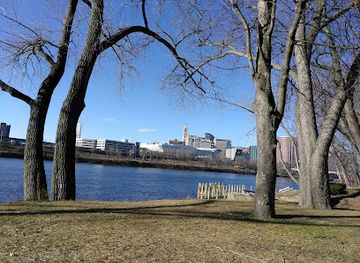
Great River Park
A scenic riverside park in East Hartford with a riverwalk, amphitheater, and stunning views of the Hartford skyline.
-
Rail museum
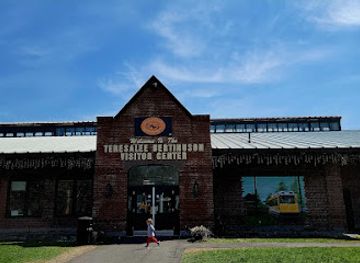
Connecticut Trolley Museum
Explore the rich history of rail transportation at the Connecticut Trolley Museum, featuring vintage trolleys, scenic rides, and engaging exhibits.
-
History museum
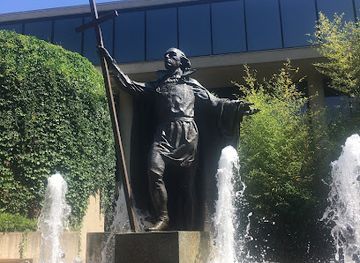
Blessed Michael McGivney Pilgrimage Center (formerly Knights of Columbus Museum)
Explore the life and legacy of Father Michael J. McGivney and the Knights of Columbus at this New Haven pilgrimage center.

Best landmarks in Eastern Connecticut
The most recognisable landmarks of Eastern Connecticut reflect its maritime, Indigenous, industrial and river-valley histories. The historic waterfront of Mystic Seaport Museum, with its tall ships and preserved nineteenth-century buildings, is an emblematic interpretation of New England's seafaring past. The stone Old Lighthouse Museum on Stonington Point marks the maritime character of the southeastern coast, while the Thames River and the port landscapes of New London and Groton remain central geographical features. The Submarine Force Museum and USS Nautilus are powerful reminders of Groton's naval identity. In Mashantucket, the Mashantucket Pequot Museum and Research Center is an important cultural landmark, not merely a visitor attraction. Inland, the Slater Memorial Museum and the historic civic core of Norwich reflect the city's long commercial and industrial history, while former mill complexes along the Quinebaug and Shetucket rivers mark the corridor that drove nineteenth-century manufacturing. The wooded ridges, wetlands and waterways of Pachaug State Forest and the Last Green Valley form a less architectural but equally defining regional landmark landscape.
-
Museum
Mystic Seaport Museum
Immerse yourself in maritime history at Mystic Seaport Museum, where ships, art, and adventure come together in scenic Mystic, Connecticut.
-
State park
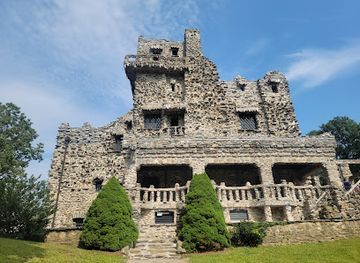
Gillette Castle State Park
Explore the Historic Charm and Natural Beauty of Gillette Castle State Park in East Haddam, Connecticut, a Unique Blend of Nature and History.
-
Park
New Haven Green
Explore New Haven Green, a historic park in downtown New Haven, CT, blending nature, culture, and community in a vibrant urban setting.
-
Historical place museum
The Mark Twain House & Museum
Step into the world of Mark Twain at his historic house and museum in Hartford, CT, where literature and history come alive.


Explore Eastern Connecticut on the map
Plan your trip on one map. See where the top cities, national parks and sights are, and book hotels and experiences in a few clicks.
Best hotels in Eastern Connecticut
Best restaurants in Eastern Connecticut
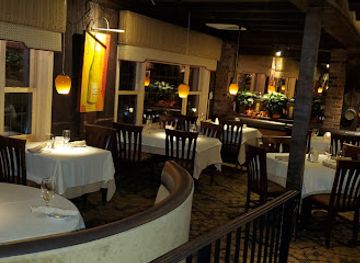
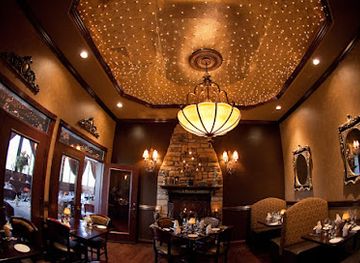
Dining in Eastern Connecticut combines coastal New England cooking, inland farm produce and the broad restaurant choice found in larger towns and casino resorts. Mystic and Stonington are known for seafood-focused restaurants, cafés, bakeries and waterfront dining, with menus often built around shellfish, fish, oysters and seasonal produce. New London and Norwich offer more varied international and contemporary food scenes alongside longstanding diners and neighbourhood restaurants. Inland farms contribute vegetables, apples, dairy products and other seasonal ingredients, while breweries, farm shops and farmers' markets provide opportunities to sample local products. Traditional New England fare, clam chowder, lobster rolls and fried seafood are widely available but belong to the wider regional cuisine rather than being exclusive to Eastern Connecticut. Rural inns, pubs and casual restaurants are useful stops around the Quinebaug and Shetucket valleys, although opening days and evening choices can be limited outside the principal towns.
-
American
Engine Room
Discover Engine Room in Mystic: where American cuisine meets vibrant bar culture in a welcoming atmosphere.
-
American
The Mill on the River
Experience fine American dining at The Mill on the River with stunning views and exceptional service in South Windsor.
-
Italian
Cava
Indulge in authentic Italian cuisine at Cava - where fine dining meets vibrant atmosphere in Southington.
-
Family-friendly
The Traveler Restaurant
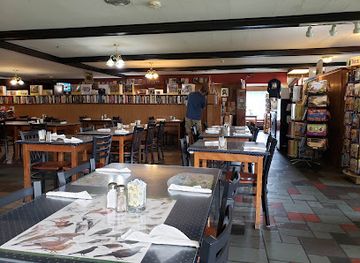
Discover delightful American cuisine combined with a unique bookstore experience at The Traveler Restaurant in Union, Connecticut.
Best bars in Eastern Connecticut
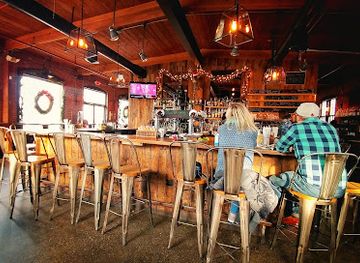
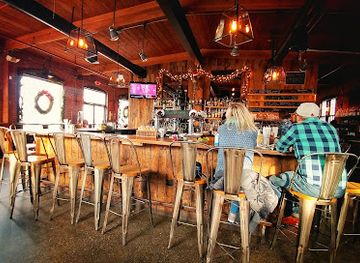
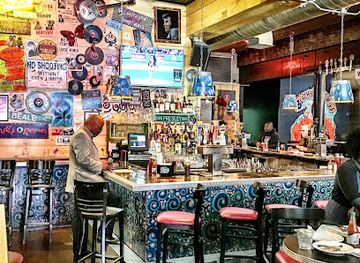
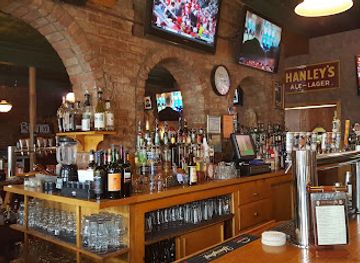
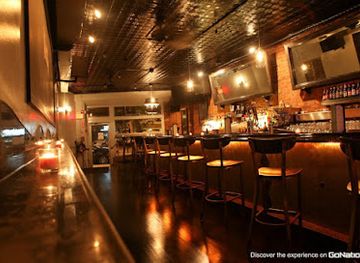
Nightlife in Eastern Connecticut is concentrated in Mystic, New London, Norwich, the casino resorts and a handful of larger inland towns rather than spread evenly across the countryside. Mystic and New London offer pubs, breweries, cocktail bars, restaurants and live-music venues, with New London also benefiting from theatre and arts activity. Norwich has historic taverns, restaurants and a modest evening scene, while Putnam and Willimantic provide bars, cafés and occasional live entertainment linked to their arts and student communities. Mohegan Sun and Foxwoods have the region's largest concentration of evening entertainment, including concerts, gaming, bars and late-night venues, though programmes and operating arrangements change. In rural areas, the evening typically centres on a pub, restaurant, brewery or community performance rather than a nightclub. Visitors should arrange transport in advance when staying outside the main towns.
-
American
Engine Room
Discover the vibrant flavors of America at Engine Room, Mystic's go-to spot for delicious cuisine and a lively atmosphere.
-
Barbecue
Black-Eyed Sally's Southern Kitchen & Bar
Discover the essence of Southern cooking and vibrant live music at Black-Eyed Sally's Southern Kitchen & Bar in Hartford.
-
American
The Main Pub
Experience vibrant American dining and live music at The Main Pub in Manchester, where great food meets an electrifying atmosphere.
-
Buffet
Royal Buffet
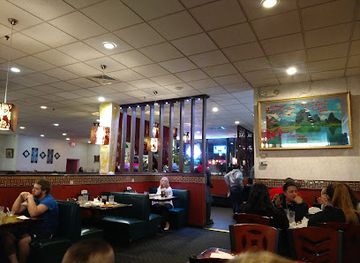
Discover Royal Buffet in Willimantic, where diverse cuisines and a welcoming atmosphere come together for an unforgettable dining experience.
Best nightclubs in Eastern Connecticut
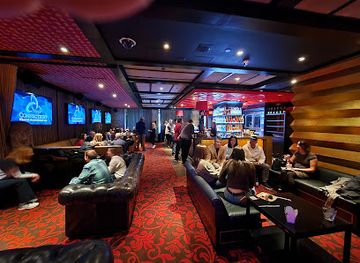
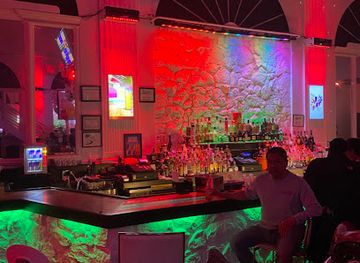
Nightlife in Eastern Connecticut is concentrated in Mystic, New London, Norwich, the casino resorts and a handful of larger inland towns rather than spread evenly across the countryside. Mystic and New London offer pubs, breweries, cocktail bars, restaurants and live-music venues, with New London also benefiting from theatre and arts activity. Norwich has historic taverns, restaurants and a modest evening scene, while Putnam and Willimantic provide bars, cafés and occasional live entertainment linked to their arts and student communities. Mohegan Sun and Foxwoods have the region's largest concentration of evening entertainment, including concerts, gaming, bars and late-night venues, though programmes and operating arrangements change. In rural areas, the evening typically centres on a pub, restaurant, brewery or community performance rather than a nightclub. Visitors should arrange transport in advance when staying outside the main towns.
-
Lounge
Taes Lounge
Experience the vibrant nightlife of Bridgeport at Taes Lounge, where affordable drinks and a welcoming atmosphere await.
-
Lounge
Diesel Lounge
Experience the vibrant atmosphere and crafted cocktails at Diesel Lounge in New Haven's charming East Rock neighborhood.
-
Night club
Shrine Nightclub
Discover the vibrant nightlife of Shrine Nightclub in Mashantucket, where electrifying beats and stylish ambiance create the ultimate party experience.
-
Night club
The Palms Night Club
Discover the vibrant nightlife at The Palms Night Club in downtown Stamford, where unforgettable parties and great music come together.
Best shops in Eastern Connecticut
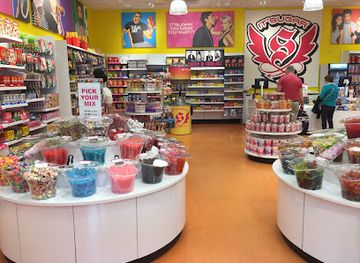
Shopping in Eastern Connecticut is strongest in historic town centres, coastal communities, independent galleries and seasonal markets rather than in one dominant retail district. Mystic and Stonington Borough have shops selling books, clothing, homewares, art, nautical objects and locally made gifts, while New London and Norwich combine independent businesses with ordinary high-street services and larger retail areas. Farm stands and farmers' markets offer seasonal fruit, vegetables, baked goods, honey, dairy products and other Connecticut produce, particularly from late spring through autumn. Craft breweries, distilleries, galleries and studio shops provide regionally connected purchases, although product ranges vary by season. The casino resorts at Foxwoods and Mohegan Sun contain extensive retail and entertainment facilities, but they represent a different commercial environment from the small-town shops of the river valleys. For heritage-related souvenirs, maritime books, local art, food products and practical outdoor goods are generally more distinctive than generic tourist merchandise.
-
Outlet mall
Tanger Outlets Foxwoods
Discover unbeatable deals and a diverse shopping experience at Tanger Outlets Foxwoods, the ultimate retail destination in Connecticut.
-
Shopping mall
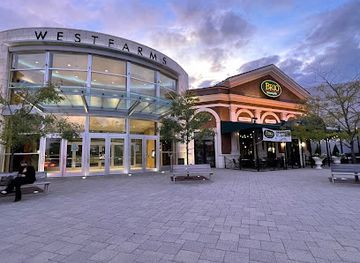
Westfarms
Discover the vibrant shopping experience at Westfarms, where fashion meets fun in the heart of Farmington, Connecticut.
-
Shopping mall
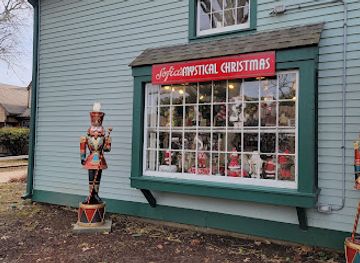
Olde Mistick Village
Discover Olde Mistick Village: a picturesque shopping haven filled with unique boutiques, charming eateries, and seasonal festivities in Mystic, Connecticut.
-
Shopping mall
The Shoppes at Buckland Hills
Discover a shopping paradise at The Shoppes at Buckland Hills in Manchester, CT - where retail meets dining and entertainment.
Get your free copy of our complete guide to Eastern Connecticut, delivered straight to you.
Everything on this page, from attractions and restaurants to essentials and local phrases, in one PDF you can read offline, print or share.
Already have an account? Sign in
Your Eastern Connecticut guide is ready.
We'll send it to · Not you? Sign out

Getting your guide ready…
We are putting together a fresh copy of the Eastern Connecticut guide. This can take up to a minute.
This can take a few moments. If your browser asks, choose Allow so the download can start. You'll find the guide in your Downloads folder.
Nothing happened? Download it again
Sorry, the guide is taking longer than usual. Please try again in a minute, or get it by email instead.
Eastern Connecticut essentials
Currency and Payment
Safety
Emergency Situations
Do's and Don'ts
Local Tips
From Eve
Local phrases worth knowing
You don't need to get them perfect. A few words go a long way, and locals appreciate the effort.
Basics
| English | Local | Say it |
|---|---|---|
| Hello | Hi | [hī] |
| Goodbye | See ya | [sē yə] |
| Yes | Yeah | [yā] |
| No | Nope | [nōp] |
| Please/You're welcome | Please/You're welcome | [plēz/yo͞or ˈwelkəm] |
| Thank you | Thanks | [thangks] |
| Excuse me/Sorry | Excuse me/Sorry | [ikˈskyo͞oz mē/ˈsɔrē] |
| How are you? | How ya doin'? | [hō yə ˈdo͞oin] |
| Fine. And you? | Good. You? | [gʊd. yə?] |
| Do you speak English? | Do you speak English? | [dō yə spēk ˈiNGɡlɪsh?] |
| I don't understand | I don't get it | [ī dōnt gɛt ɪt] |
Eating & Drinking
| English | Local | Say it |
|---|---|---|
| I'd like to see the menu, please | Can I see the menu? | [kən ī sē thə ˈmɛnyu] |
| I don't eat meat | I don't eat meat | [ī dōnt ēat mēt] |
| Cheers! | Cheers! | [chērz] |
| I would like to pay, please | Can I get the check, please? | [kən ī gɛt thə ʧɛk plēz] |
Emergencies
| English | Local | Say it |
|---|---|---|
| Help! | Help! | [hɛlp] |
| Go away! | Get lost! | [ɡɛt lɔst] |
| Call the Police! | Call the cops! | [kɔl ðə kɑps] |
| Call a doctor! | Get a doctor! | [ɡɛt ə ˈdɑktər] |
| I'm lost | I'm lost | [aɪm lɔst] |
| I'm ill | I'm not feeling well | [aɪm nɑt ˈfiːlɪŋ wɛl] |
Shopping
| English | Local | Say it |
|---|---|---|
| I'd like to buy... | I want to buy... | [ī wɑnt tə bī...] |
| I'm just looking | Just browsing | [jʌst ˈbraʊzɪŋ] |
| How much is it? | What's the price? | [wʌts thə praɪs?] |
| That's too expensive | That's way too pricey | [ðæts weɪ tu ˈpraɪsi] |
| Can you lower the price? | Can you make it cheaper? | [kən yə meɪk ɪt ˈʧipər] |
Time & Numbers
| English | Local | Say it |
|---|---|---|
| What time is it? | What time is it? | [wʌt taɪm ɪt?] |
| It's one o'clock | It's one o'clock | [ɪts wʌn əˈklɔk] |
| Half past (10) | Half past ten | [hæf pæst tɛn] |
| Morning | Morning | [ˈmɔrnɪŋ] |
| Afternoon | Afternoon | [ˌæftərˈnun] |
| Evening | Evening | [ˈivnɪŋ] |
| Yesterday | Yesterday | [ˈjɛstərˌdeɪ] |
| Today | Today | [təˈdeɪ] |
| Tomorrow | Tomorrow | [təˈmɔroʊ] |
| 1 | One | [wʌn] |
| 2 | Two | [tu] |
| 3 | Three | [θri] |
| 4 | Four | [fɔr] |
| 5 | Five | [faɪv] |
| 6 | Six | [sɪks] |
| 7 | Seven | [sɛvən] |
| 8 | Eight | [eɪt] |
| 9 | Nine | [naɪn] |
| 10 | Ten | [tɛn] |
Transport & Directions
| English | Local | Say it |
|---|---|---|
| Where's a/the...? | Where's the...? | [wɛrz ðə...?] |
| What's the address? | What's the address? | [wʌts ðə əˈdrɛs?] |
| Can you show me (on the map)? | Can you point it out on the map? | [kən yə pɔɪnt ɪt aʊt ɑn ðə mæp?] |
| When's the next (bus)? | When's the next bus? | [wɛn's ðə nɛkst bʌs?] |
| A ticket (to ....) | A ticket to ... | [ə ˈtɪkɪt tə ...] |
History of Eastern Connecticut
Indigenous Homelands and Early Coastal Exchange
Eastern Connecticut lies within the traditional homelands of several Native peoples, including the Mohegan and Mashantucket Pequot communities. The Thames, Mystic, Quinebaug and Shetucket river systems supported travel, fishing, farming and exchange long before European settlement. Coastal and inland communities maintained their own political relationships and territories, while European traders and settlers increasingly entered the region during the seventeenth century. Indigenous history remains a living part of the region through the Mohegan Tribe and the Mashantucket Pequot Tribal Nation, as well as museums and cultural programmes that interpret this heritage.
Colonial Settlement and the Pequot War, Seventeenth Century
English settlement expanded along the rivers and coast during the 1630s and 1640s. The Pequot War of 1636–37, fought principally in southeastern Connecticut, profoundly altered the political balance of southern New England and had devastating consequences for the Pequot people. Norwich was established in 1659 at the junction of the Yantic and Shetucket rivers, while New London developed as a port soon afterwards. Colonial agriculture, trade and maritime activity grew alongside continuing conflict, negotiation and dispossession affecting Native communities.
Ports, Commerce and the Revolutionary Era
New London, Norwich and smaller river settlements became centres of shipping, coastal trade and regional commerce during the eighteenth century. New London's harbour connected eastern Connecticut with other Atlantic ports, while the inland rivers supported mills and transport. The area participated in the American Revolution through privateering, supply and military service. British forces attacked and burned parts of New London in 1781 during the raid associated with Benedict Arnold, a native of Norwich whose later defection made him a particularly contentious figure in regional memory.
Maritime Industry and Whaling, Eighteenth and Nineteenth Centuries
The ports of New London and Stonington were involved in fishing, coastal shipping and the broader Atlantic economy, including the nineteenth-century whaling trade. Wealth generated through maritime commerce shaped streetscapes, churches and civic buildings, while shipbuilding and marine services supported the working waterfront. New London later became an important centre for submarine activity and naval industry. The surviving maritime collections and historic vessels at Mystic Seaport Museum preserve the technologies, labour and social history of this coastal economy.
Mills, Railways and Industrial Towns
The rivers of northeastern and central Eastern Connecticut powered textile, paper and other manufacturing enterprises during the nineteenth century. Towns including Willimantic, Putnam, Danielson, Baltic and Norwich grew around mills, workers' housing, warehouses and rail connections. The arrival of railways linked these communities with Hartford, Providence, Boston and the coast, accelerating the movement of raw materials and finished goods. Many mills later declined or closed, but their buildings, canals, rail corridors and historic districts remain visible reminders of the region's industrial transformation.
Naval and Submarine Connecticut
Groton and New London became closely associated with the United States Navy and submarine development, particularly after the establishment of the naval submarine base at Groton in the early twentieth century. The Electric Boat company, based in Groton, has built submarines for the US Navy for more than a century. The Submarine Force Museum and the preserved USS Nautilus interpret this history, while the region's economy and identity continue to reflect the importance of shipbuilding, engineering and military service.
Tribal Revitalisation and the Modern Visitor Economy
The late twentieth century brought a major transformation through the federal recognition and economic development of the Mashantucket Pequot Tribal Nation and the Mohegan Tribe. Foxwoods Resort Casino in Mashantucket and Mohegan Sun in Uncasville became large-scale entertainment and hospitality destinations, creating employment and investment while also prompting wider public attention to tribal sovereignty and history. Alongside these developments, Eastern Connecticut has expanded heritage tourism, environmental conservation, arts programming and cultural interpretation, giving historic villages and rural landscapes renewed importance.
Eastern Connecticut in Photos
Browse through our photo collection highlighting the charm and character of the destination.
Neighbouring regions of Eastern Connecticut
The closest regions to Eastern Connecticut, if you have time for more than one.
-
-
-
-

-


Swipe for more regions
Explore more

Explore more of Connecticut
Discover Connecticut: A blend of charming coastal towns, rich history, and scenic landscapes, perfect for nature lovers, history buffs, and cultural enthusiasts.
Explore Connecticut