

Free Denguélé Travel Guide & Mobile App
Explore Denguélé with free travel guides. Discover regional history, expert tips, proposed trips, and audio guides on web or mobile app.


Explore Denguélé in north-west Côte d’Ivoire for savanna scenery, Malinké culture, Odienné’s markets and historic Sahelian architecture.
Read more about Denguélé
When is the best time to visit Denguélé?
Best: November–January · 30°C| Month | High (°C) | Rainfall (mm) |
|---|---|---|
| January (best) | 30 | 1 |
| February | 31 | 3 |
| March | 32 | 5 |
| April | 33 | 10 |
| May | 32 | 20 |
| June | 30 | 25 |
| July | 29 | 30 |
| August | 29 | 30 |
| September | 29 | 25 |
| October | 30 | 20 |
| November (best) | 30 | 10 |
| December (best) | 30 | 3 |
Getting to and around Denguélé
How to get there
Transportation
Best attractions in Denguélé
Denguélé’s attractions are primarily cultural, historical and landscape-based. Odienné provides the region’s main introduction, with markets, everyday commercial life and access to the surrounding savanna. Nearby Mount Denguélé is the district’s most distinctive natural feature, offering a rocky landmark and broad views over the plain for visitors equipped for an independent outdoor excursion with local guidance. Samatiguila is important for its historic earthen mosque and its connection with Islamic scholarship in the northern savanna; visits should respect the fact that it remains a working religious site. Minignan and the settlements of Folon offer a quieter view of regional life, with agriculture, local trade and cross-border cultural connections shaping the landscape. Travellers should not expect a large concentration of museums, theme parks or developed wildlife reserves. Instead, the appeal lies in combining a town stay with carefully arranged journeys through villages, cultivated areas and open country. The dry and wet seasons produce markedly different scenery, while local guides can provide the cultural and practical context that independent sightseeing may miss.
-
Tourist attraction
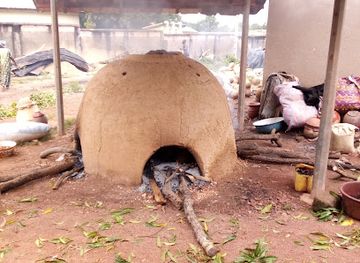
Denguelé poterie
Explore the vibrant artistry of Denguelé Poterie in Odienne, a cultural gem showcasing exquisite handcrafted pottery and local craftsmanship.
Best landmarks in Denguélé
Mount Denguélé is the defining natural landmark of the district, rising as a conspicuous rocky feature above the savanna near Odienné and providing a geographical symbol for the region. Its importance is visual and regional rather than that of a heavily developed visitor attraction, so access should be planned with local advice. The historic mosque at Samatiguila is Denguélé’s most significant architectural landmark. Built in the earthen Sudano-Sahelian tradition, it expresses the influence of Islam, scholarship and long-distance exchange across the northern savanna, while its continuing religious use gives it meaning beyond its historic appearance. Odienné’s urban fabric, markets and religious buildings are also important markers of the district’s contemporary identity, although they are experienced as living parts of the town rather than as a single preserved monument. Across Denguélé, village mosques, earthen compounds, cultivated plains and rocky horizons form a wider cultural landscape that reflects local materials, climate and settlement patterns. Visitors should seek permission before entering religious spaces or photographing community landmarks.
-
Mosque
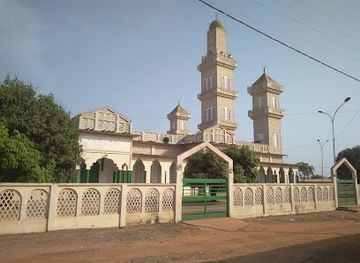
Grande Mosquée d'Odienné
Discover the architectural beauty and spiritual significance of Odienné's iconic Grande Mosquée, offering panoramic city views from its historic minaret.
-
Tourist attraction
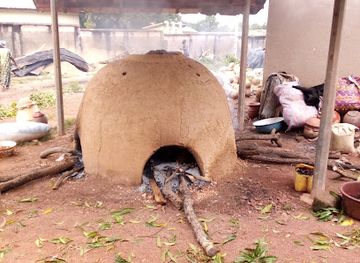
Denguelé poterie
Experience the artistry of Denguelé: Witness traditional pottery making in Odienné and support local women artisans preserving their heritage.
Explore Denguélé on the map
Plan your trip on one map. See where the top cities, national parks and sights are, and book hotels and experiences in a few clicks.
Best hotels in Denguélé
Best restaurants in Denguélé
Dining in Denguélé is closely connected to northern Ivorian home cooking, market trade and the availability of seasonal produce. In Odienné, visitors can expect simple restaurants, street-food stalls and local eateries serving rice, maize, millet, yams and cassava with grilled meat, fish or richly seasoned sauces. Chicken and beef are common, while regional meals may also include legumes, leafy vegetables and preparations using groundnuts. Small cafés and roadside food stands are useful for breakfast and refreshments, although choices become more limited outside the main town. Markets provide an opportunity to see cereals, shea products, fruit and other agricultural goods moving through the local economy. Food traditions overlap with those of neighbouring northern Côte d’Ivoire and the wider Mande-speaking region rather than belonging exclusively to Denguélé. Visitors should expect straightforward, filling meals rather than a formal restaurant scene, and should carry drinking water when travelling into rural areas.
-
Restaurant
Bushman Café
Discover authentic Ivorian cuisine at Bushman Café in Cocody, Abidjan - where local flavors meet warm hospitality.
-
Restaurant
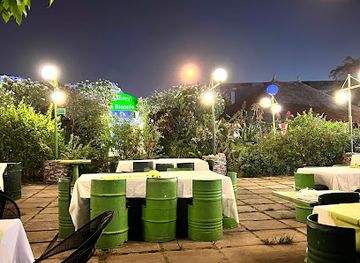
Le Débarcadère
Experience the vibrant flavors of Ivorian cuisine at Le Débarcadère in Abidjan – where culinary excellence meets breathtaking views.
-
Restaurant
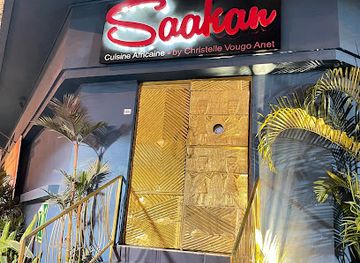
Restaurant Saakan
Experience exquisite Ivorian and international cuisine at Restaurant Saakan in Abidjan's vibrant Plateau district.
-
Restaurant
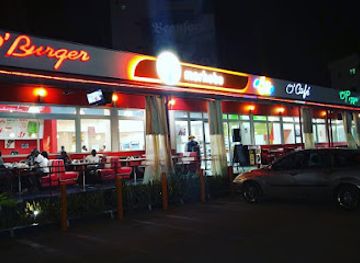
O'Good Food
Experience the vibrant flavors of Abidjan at O'Good Food – where local meets international cuisine in a delightful setting.
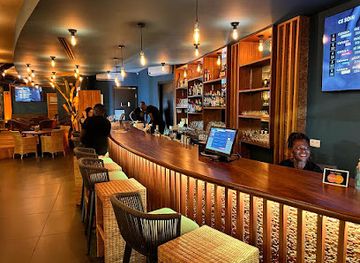
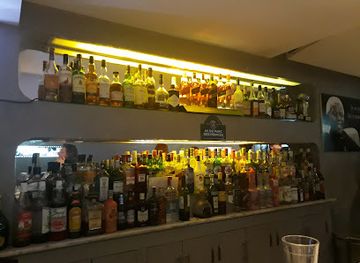
Best bars in Denguélé
Denguélé has a modest evening scene centred on Odienné rather than a developed nightclub circuit. Local maquis, cafés and neighbourhood bars provide informal places to eat, talk and listen to music, while some restaurants remain open into the evening. In smaller towns such as Minignan, nightlife is quieter and commonly revolves around family visits, food stalls, community conversation and occasional music rather than late-night entertainment. Alcohol is available in appropriate settings, but visitors should follow local social expectations and dress and behave discreetly near religious sites. Evening travel between towns is not advisable without reliable transport, particularly on poorly lit roads. The most rewarding after-dark experiences are generally low-key: observing town life from a suitable public venue, sharing a meal or attending a locally arranged cultural occasion rather than searching for large clubs or a fixed entertainment district.
-
Lounge
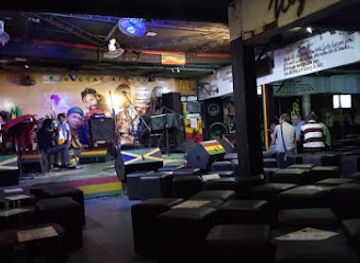
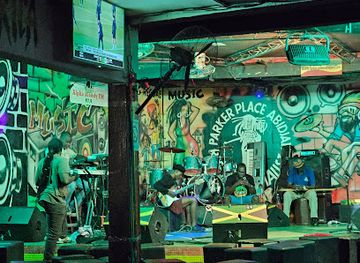
Parker Place
Experience the vibrant nightlife at Parker Place, Abidjan's premier lounge and live music venue, where rhythm and flavor come together.
-
Restaurant
L'EDEN Abidjan | Food Sky Bar
Discover the culinary heights of Abidjan at L'EDEN, a vibrant sky bar offering exquisite tapas and live music with breathtaking city views.
-
Bar
Le bar blanc
Discover the lively atmosphere of Le Bar Blanc in Abidjan, where great drinks and vibrant nightlife come together for an unforgettable experience.
-
Lounge
Swell Lounge
Experience the vibrant nightlife of Abidjan at Swell Lounge, where modern elegance meets lively entertainment in a chic setting.
Best nightclubs in Denguélé
Denguélé has a modest evening scene centred on Odienné rather than a developed nightclub circuit. Local maquis, cafés and neighbourhood bars provide informal places to eat, talk and listen to music, while some restaurants remain open into the evening. In smaller towns such as Minignan, nightlife is quieter and commonly revolves around family visits, food stalls, community conversation and occasional music rather than late-night entertainment. Alcohol is available in appropriate settings, but visitors should follow local social expectations and dress and behave discreetly near religious sites. Evening travel between towns is not advisable without reliable transport, particularly on poorly lit roads. The most rewarding after-dark experiences are generally low-key: observing town life from a suitable public venue, sharing a meal or attending a locally arranged cultural occasion rather than searching for large clubs or a fixed entertainment district.
-
Lounge
Parker Place
Experience the vibrant nightlife of Abidjan at Parker Place, a premier lounge with live music and a lively atmosphere.
-
Bar
Life Star
Discover the vibrant nightlife at Life Star, Abidjan's premier bar offering signature cocktails and a lively atmosphere.
-
Lounge
SKINNY LOUNGE
Discover the vibrant nightlife at Skinny Lounge in Abidjan, where cocktails flow and memories are made under the stars.
-
Cocktail bar
Ninety Degree 90°
Experience the vibrant nightlife at Ninety Degree 90°, Abidjan's premier cocktail bar with live music and expertly crafted drinks.
Best shops in Denguélé
Shopping in Denguélé is concentrated in Odienné’s markets and everyday commercial streets, with smaller market centres serving Minignan and other towns. The most useful purchases are locally traded food products and practical goods rather than specialist tourist souvenirs. Depending on the season, visitors may find cereals, shea products, dried foods, fruit, spices and agricultural produce associated with the northern savanna. Informal stalls and small shops offer a closer view of how the region’s cross-border trading economy works, while crafts and textiles may be available through local contacts rather than in dedicated souvenir centres. Bargaining can be appropriate in markets, but it should be conducted courteously and with awareness of local prices. Carry cash, as card payments are uncommon outside larger businesses in Odienné. When buying agricultural or handmade products, ask about permitted transport across national borders if continuing towards Mali or Guinea, since customs rules and restrictions apply.
-
Produce market
Marché d'Odienné
Discover the vibrant and authentic experience of Marché d'Odiennée, where local culture and fresh produce come together in a lively atmosphere.
-
Store
Sococe CI odienne
Explore the vibrant local culture and unique offerings at Sococe CI in Odienne, the perfect shopping destination for authentic souvenirs.
-
Shopping mall
AZ SANGARE SERVICE
Discover local culture and shopping at AZ Sangare Service, the vibrant shopping mall in the heart of Odienné, Côte d'Ivoire.
-
 Shopping mall
Boulangerie Moderne de Tiémé
Experience the delightful flavors of Ivory Coast at Boulangerie Moderne de Tiémé, where fresh pastries and warm hospitality await you.
Get your free copy of our complete guide to Denguélé, delivered straight to you.
Everything on this page, from attractions and restaurants to essentials and local phrases, in one PDF you can read offline, print or share.
Already have an account? Sign in
Your Denguélé guide is ready.
We'll send it to · Not you? Sign out

Getting your guide ready…
We are putting together a fresh copy of the Denguélé guide. This can take up to a minute.
This can take a few moments. If your browser asks, choose Allow so the download can start. You'll find the guide in your Downloads folder.
Nothing happened? Download it again
Sorry, the guide is taking longer than usual. Please try again in a minute, or get it by email instead.
Denguélé essentials
Currency and Payment
Safety
Emergency Situations
Do's and Don'ts
Local Tips
From Eve
Local phrases worth knowing
You don't need to get them perfect. A few words go a long way, and locals appreciate the effort.
Basics
| English | Local | Say it |
|---|---|---|
| Hello | Salut | [sah-loo] |
| Goodbye | Au revoir | [oh ruh-vwar] |
| Yes | Oui | [wee] |
| No | Non | [noh] |
| Please/You're welcome | S'il vous plaît | [seel voo pleh] |
| Thank you | Merci | [mehr-see] |
| Excuse me/Sorry | Excusez-moi | [ex-kew-zay mwah] |
| How are you? | Comment ça va? | [koh-mohn sah vah] |
| Fine. And you? | Bien. Et vous? | [byan eh voo] |
| Do you speak English? | Parlez-vous anglais? | [par-lay voo ahn-glay] |
| I don't understand | Je ne comprends pas | [zhuh nuh kohm-prahn pah] |
Eating & Drinking
| English | Local | Say it |
|---|---|---|
| I'd like to see the menu, please | Je voudrais voir le menu, s'il vous plaît | [zhuh voo-dray vwar luh meh-nu, seel voo pleh] |
| I don't eat meat | Je ne mange pas de viande | [zhuh nuh mahnzh pah duh vyahnd] |
| Cheers! | Santé! | [sahn-tay] |
| I would like to pay, please | Je voudrais payer, s'il vous plaît | [zhuh voo-dray pay-ay, seel voo pleh] |
Emergencies
| English | Local | Say it |
|---|---|---|
| Help! | À l'aide! | [ah led] |
| Go away! | Allez-vous-en! | [ah-lay voo-zahn] |
| Call the Police! | Appelez la police! | [ah-peh-lay lah poh-lees] |
| Call a doctor! | Appelez un docteur! | [ah-peh-lay uhn dok-teur] |
| I'm lost | Je suis perdu | [zhuh swee pair-due] |
| I'm ill | Je suis malade | [zhuh swee mah-lahd] |
Shopping
| English | Local | Say it |
|---|---|---|
| I'd like to buy... | Je voudrais acheter... | [zhuh voo-dray ah-sheh-tay] |
| I'm just looking | Je regarde juste | [zhuh ruh-gard zhoost] |
| How much is it? | C'est combien? | [say kohm-byen] |
| That's too expensive | C'est trop cher | [say troh shair] |
| Can you lower the price? | Pouvez-vous baisser le prix? | [poo-vay voo beh-say luh pree] |
Time & Numbers
| English | Local | Say it |
|---|---|---|
| What time is it? | Quelle heure est-il? | [kel uhr eh-teel] |
| It's one o'clock | Il est une heure | [eel eh tün uhr] |
| Half past (10) | Dix heures et demie | [dees uhr eh duh-mee] |
| Morning | Matin | [mah-tahn] |
| Afternoon | Après-midi | [ah-pray mee-dee] |
| Evening | Soir | [swahr] |
| Yesterday | Hier | [ee-air] |
| Today | Aujourd'hui | [oh-zhoor-dwee] |
| Tomorrow | Demain | [duh-mahn] |
| 1 | Un | [uhn] |
| 2 | Deux | [duh] |
| 3 | Trois | [twah] |
| 4 | Quatre | [katr] |
| 5 | Cinq | [sank] |
| 6 | Six | [sees] |
| 7 | Sept | [set] |
| 8 | Huit | [weet] |
| 9 | Neuf | [nurf] |
| 10 | Dix | [dees] |
Transport & Directions
| English | Local | Say it |
|---|---|---|
| Where's a/the...? | Où est un/une...? | [oo eh uhn/oon] |
| What's the address? | Quelle est l'adresse? | [kel eh luh-dress] |
| Can you show me (on the map)? | Pouvez-vous me montrer (sur la carte)? | [poo-vay voo muh mohn-tray (sur lah kart)] |
| When's the next (bus)? | Quand est le prochain (bus)? | [kahn eh luh proh-shan (boos)] |
| A ticket (to ....) | Un billet (pour....) | [uhn bee-yay (poor....)] |
History of Denguélé
Early settlement and savanna exchange
The north-western Côte d’Ivoire has long been inhabited by communities adapted to the savanna environment, with settlement, farming and livestock keeping organised around seasonal water and fertile patches of land. Archaeological evidence and regional oral traditions point to long histories of movement and exchange rather than isolation. The area’s position between the Upper Niger basin, the forest–savanna transition and routes towards the southern coast allowed goods, ideas and religious influences to circulate across present-day national boundaries.
Mande-speaking communities and regional networks
Denguélé developed within the wider cultural world of Mande-speaking peoples, including Malinké communities whose connections extended across modern Côte d’Ivoire, Mali and Guinea. Trade, Islamic scholarship, family alliances and political relationships linked settlements across this zone. Odienné and surrounding communities became part of these networks, while local authority was shaped through a mixture of customary leadership, religious influence and commercial relationships. The modern borders of Côte d’Ivoire do not fully reflect the older social and economic geography of the region.
Islamic scholarship and the heritage of Samatiguila
Islam became an important force in Denguélé through trans-Saharan and regional commercial connections, travelling merchants and religious scholars. Samatiguila emerged as a notable centre of Islamic learning and worship, and its historic earthen mosque remains a visible expression of that legacy. The mosque’s Sudano-Sahelian architectural language, using local earth and carefully maintained surfaces, belongs to a broad tradition shared across the savanna. Its significance lies not only in its appearance but also in its continuing place within community life.
French colonial expansion and administrative change
French military and administrative expansion reached the north-western hinterland of Côte d’Ivoire during the late nineteenth and early twentieth centuries, bringing existing local polities and trading networks into a new colonial system. Boundaries, taxation, transport routes and administrative centres were reorganised, while relations with neighbouring territories were increasingly regulated through colonial frontiers. Odienné gained importance as an administrative and commercial centre during this period. Colonial rule also tied the region more closely to the economic and political structures that later shaped independent Côte d’Ivoire.
Independence and the development of northern Côte d’Ivoire
After Côte d’Ivoire gained independence in 1960, Denguélé remained an important northern region but faced the practical challenges of distance from the southern economic core. Public administration, roads, schooling, agricultural programmes and market links gradually expanded. Cotton, food crops, livestock and later cashew production became significant parts of rural livelihoods, although farming remains exposed to rainfall and price fluctuations. Odienné’s role as a regional centre continued, serving communities in both Kabadougou and the wider north-west.
Cross-border connections in contemporary Denguélé
Denguélé’s location beside Mali and Guinea continues to influence commerce, mobility and cultural life. Cross-border relationships are shaped by family ties, shared languages, seasonal trade and the movement of agricultural goods, while Côte d’Ivoire’s national administration and currency provide the region’s formal framework. Since the political and economic crises that affected northern Côte d’Ivoire in the early twenty-first century, infrastructure, security and regional integration have remained important concerns. Today, Denguélé combines a distinctly northern cultural identity with its place within the contemporary Ivorian state.
Denguélé in Photos
Browse through our photo collection highlighting the charm and character of the destination.
Neighbouring regions of Denguélé
The closest regions to Denguélé, if you have time for more than one.
-

-

-

-

-


Swipe for more regions
Explore more

Explore more of Cote d'Ivoire
Discover the vibrant culture, stunning landscapes, and rich heritage of Cote d'Ivoire, the jewel of West Africa.
Explore Cote d'Ivoire