
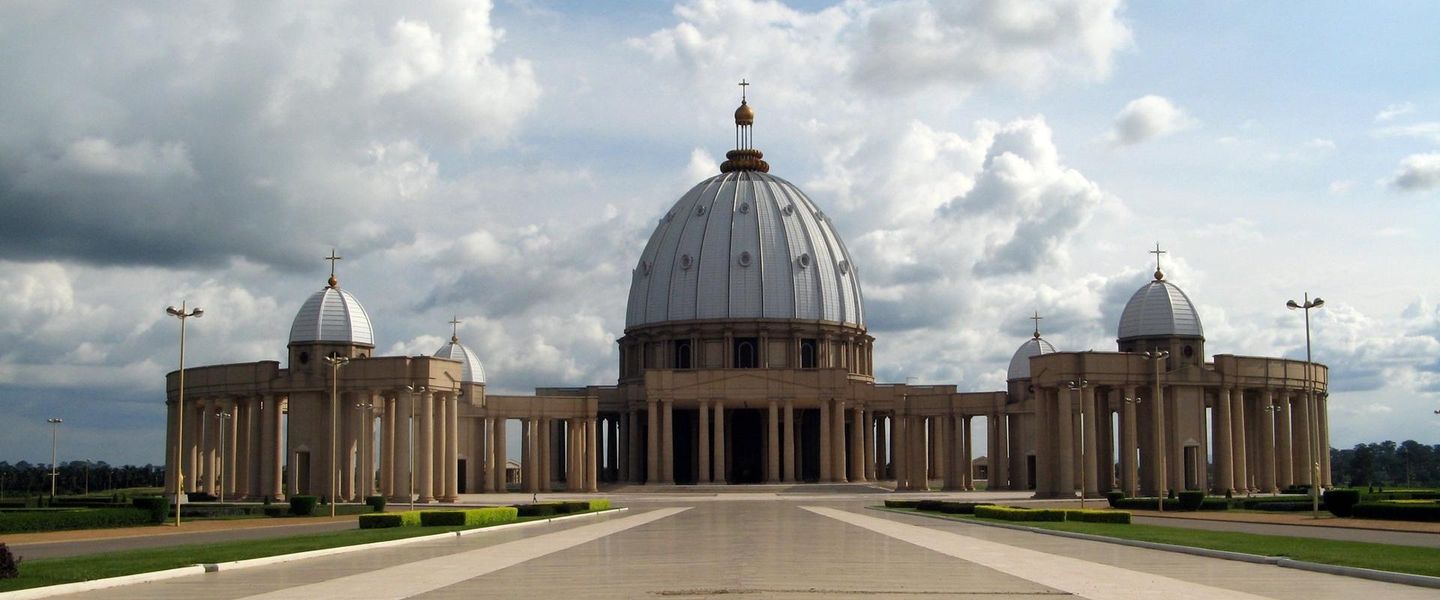
Vallée du Bandama, Cote d'Ivoire Travel Guide
Discover Vallée du Bandama in Cote d'Ivoire: A region of natural beauty, cultural heritage, and vibrant wildlife, perfect for nature lovers and history enthusiasts.
Vallée du Bandama, located in the central part of Cote d'Ivoire, is a region rich in natural beauty and cultural heritage. The valley is named after the Bandama River, which flows gracefully through it, providing life and lush greenery to the area. As you explore Vallée du Bandama, you'll be mesmerized by the stunning landscapes, which include rolling hills, dense forests, and serene riversides. The region is also known for its vibrant wildlife, making it a paradise for nature lovers and adventure seekers alike. One of the most remarkable attractions in Vallée du Bandama is the sacred city of Kong. This historic city offers a glimpse into the ancient traditions and architecture of the region. Visitors can wander through the narrow streets lined with traditional mud-brick houses, visit the grand mosque, and learn about the rich history of the local people. The city of Bouaké, the second-largest city in Cote d'Ivoire, is also located in Vallée du Bandama. Bouaké is a bustling urban center that perfectly balances modern amenities with a deep-rooted cultural heritage. The region is also renowned for its craft markets, where you can purchase beautiful handmade items such as textiles, pottery, and jewelry. The warmth and hospitality of the local people will make your visit to Vallée du Bandama unforgettable. Whether you're exploring the natural wonders, delving into the rich history, or simply enjoying the local cuisine, Vallée du Bandama offers a unique and enriching travel experience.

Know before you go
Hi, I'm Eve. Here are a few practical things to know before exploring Vallée du Bandama.
- Visit the sacred city of Kong early in the morning to avoid crowds and experience the serene atmosphere.
- Hire a local guide to explore the forests and learn about the unique wildlife and plants in the region.
- Don't miss the craft markets in Bouaké; they are the perfect place to buy authentic souvenirs.
- Try the local cuisine, especially dishes made with fresh fish from the Bandama River.
- Respect local customs and traditions, especially when visiting sacred sites like the grand mosque in Kong.
Top City Travel Guides in Vallée du Bandama
The cities of Vallée du Bandama, and the easiest places to base yourself.

Destinations in Vallée du Bandama
Resorts, valleys and scenic spots worth a trip of their own.


Explore Vallée du Bandama: Things to Do, Places to Eat, Hotels & More
Handpicked recommendations for top attractions, local dining, accommodations, and more

Top Attractions & Sightseeing in Vallée du Bandama
Top-rated picks
Best Attractions

Bouake Central Mosque مسجد
Explore the architectural beauty and cultural significance of Bouake Central Mosque, a must-visit landmark in the heart of Bouake.

Grand bassam
Escape to Kaku Kyk Kanebo Kering near Grand-Bassam: Hike scenic trails, discover diverse wildlife, and immerse yourself in Ivory Coast's natural beauty.
MOAYEKRO
Discover Moayekro in Bouaké: An enchanting Ivorian retreat with lush landscapes, cultural experiences, and tranquil activities for an unforgettable escape.
Fatim
Discover Fatim in Mandanou, Ivory Coast: Where natural beauty meets cultural richness, offering an authentic Ivorian experience.

Best landmarks in Vallée du Bandama
Top-rated picks
Best Landmarks

Rocher du Bandama
Explore the breathtaking Rocher du Bandama, a natural wonder in Côte d'Ivoire with panoramic views and rich biodiversity.

Bouake Central Mosque مسجد
Discover the architectural beauty and spiritual significance of Bouake Central Mosque, a cultural landmark in the heart of Côte d'Ivoire.

Monastère Bénédictin Sainte-Marie
Discover serenity at Monastère Bénédictin Sainte-Marie in Bouaké, a peaceful retreat offering contemplation and locally crafted goods.

DALOA
Discover Daloa, Ivory Coast: a vibrant hub of cocoa, culture, and natural beauty, offering an authentic Ivorian experience off the beaten path.

Best restaurants in Vallée du Bandama
Top-rated picks
Best Restaurants

Restaurant Le Chef
Experience authentic Ivorian cuisine at Restaurant Le Chef in Bouake - where every dish tells a story of rich flavors and local culture.

Hôtel Mon Afrik
Discover comfort and local flavors at Hôtel Mon Afrik in Bouaké – your perfect getaway in Ivory Coast.

Black and White
Experience authentic Ivorian cuisine at Black and White Restaurant in Bouake - where local flavors meet international flair.

QUEEN'S RESTAURANT BOUAKE KENNEDY
Experience the vibrant flavors of Côte d'Ivoire at Queen's Restaurant Bouaké Kennedy with an enticing buffet and delicious pizzas.

Best bars in Vallée du Bandama
Top-rated picks
Best Bars
Bar Katana
Experience Bouaké's vibrant nightlife at Bar Katana with local flavors and an inviting atmosphere perfect for socializing.

LA PARISIENNE LOUNGE
Discover the vibrant nightlife at La Parisienne Lounge, Bouaké's premier bar for refreshing drinks and lively ambiance.

Katio’beach
Discover the vibrant atmosphere of Katio'beach, a coastal bar offering refreshing drinks and stunning views on the beautiful shores of Côte d'Ivoire.

Rumba Maquis Bar vip
Experience the vibrant nightlife of Bouake at Rumba Maquis Bar, where lively music meets delicious local flavors in an electrifying atmosphere.

Best nightclubs in Vallée du Bandama
Top-rated picks
Best Nightclubs

Mixx Night Club
Discover the vibrant nightlife of Abidjan at Mixx Night Club, where music and dance come alive in an electrifying atmosphere.

Notorious
Discover the electrifying nightlife of Abidjan at Notorious, a vibrant disco club and restaurant that promises unforgettable experiences.

40/40 Club Abidjan
Explore the vibrant nightlife of Abidjan at 40/40 Club, a premier destination for dancing, socializing, and unforgettable experiences.

Full Options Bar VIP Bouaké
Discover the electric nightlife at Full Options Bar VIP Bouaké, a top destination for adult entertainment and vibrant socializing in Côte d'Ivoire.

Best shops in Vallée du Bandama
Top-rated picks
Best Shops

RCK COMPUTERS
Discover RCK Computers in Côte d'Ivoire, your go-to tech store for laptops, accessories, and expert repairs in a friendly atmosphere.
Marché
Discover the vibrant Marché in Beoumi, where shopping, local cuisine, and culture come together for an unforgettable experience.
TOGBASSO
Immerse yourself in the vibrant culture of Ivory Coast at TOGBASSO, where unique handcrafted treasures await every traveler.
Boutique n'dotre
Discover the vibrant local culture and flavors at Boutique n'dotre, a must-visit supermarket in Mandanou for all your shopping needs.

Explore Vallée du Bandama on the Map
A handpicked selection of must-see spots in Vallée du Bandama, mapped for you.
Vallée du Bandama Essentials
-
Vallée du Bandama can be accessed via the international airport in Abidjan (Félix Houphouët-Boigny International Airport), which is the main gateway to Côte d'Ivoire. From Abidjan, you can take a domestic flight to Bouaké, the largest city in the Vallée du Bandama region. Alternatively, you can travel by road; the journey from Abidjan to Bouaké takes approximately 5-6 hours by car or bus. There are regular bus services and private taxis available for this route.
-
Within Vallée du Bandama, transportation options include taxis, minibuses (locally known as 'gbakas'), and motorbike taxis. Taxis are readily available in cities like Bouaké and are a convenient way to get around. For intercity travel, buses and shared taxis are common. Renting a car is also an option, but be aware of local driving conditions and road safety.
-
The official currency in Côte d'Ivoire is the West African CFA franc (XOF). Credit cards are accepted in major hotels, restaurants, and shops in larger cities, but cash is preferred in smaller towns and local markets. ATMs are available in Bouaké and other larger towns, but it's a good idea to carry sufficient cash for travel in rural areas.
-
While Vallée du Bandama is generally safe, it is advisable to take standard precautions. Avoid walking alone at night in unfamiliar areas and be cautious in crowded places to prevent pickpocketing. Areas with higher crime rates include some neighborhoods in Bouaké, so it is best to stay in well-lit and populated areas. Always keep an eye on your belongings and avoid displaying valuable items in public.
-
In case of an emergency, dial 170 for police assistance and 185 for medical emergencies. Major hospitals and clinics are located in Bouaké, providing medical services. It is highly recommended to have travel insurance that covers medical emergencies. Pharmacies are available in larger towns for over-the-counter medications.
-
Fashion: Do dress modestly, especially when visiting religious or traditional sites. Avoid wearing revealing clothing. Religion: Do respect local customs and traditions, including removing shoes before entering certain religious sites. Public Transport: Do be polite and respectful to fellow passengers. Don't eat or drink on public transport. Greetings: Do greet people with a handshake and a smile. It is polite to ask about someone's health and family. Eating & Drinking: Do try local dishes and accept food offerings graciously. Don't refuse hospitality, as it is considered impolite.
-
To experience Vallée du Bandama like a local, visit the vibrant markets in Bouaké where you can buy fresh produce, textiles, and traditional crafts. Engage with locals, who are often friendly and willing to share stories about the region's history and culture. Don’t miss the opportunity to visit the Bandama River and the Sacred Forest of Koffikro. For a unique cultural experience, attend local festivals and traditional ceremonies.
When is the best time to visit Vallée du Bandama?
Useful Local Phrases for Vallée du Bandama
You don't need to speak the language perfectly. Even learning a few simple words can make conversations warmer—and locals usually appreciate the effort.
— Eve

Here are the phrases I use most often in Vallée du Bandama. Try a few—you'll be surprised how far they go! 😊
❤️
-
- HelloSalut
[sah-loo] - GoodbyeAu revoir
[oh ruh-vwahr] - YesOui
[wee] - NoNon
[noh] - Please/You're welcomeS'il vous plaît
[seel voo pleh] - Thank youMerci
[mehr-see] - Excuse me/SorryExcusez-moi
[ehk-skew-zay mwah] - How are you?Comment ça va?
[koh-mohn sah vah] - Fine. And you?Bien. Et vous?
[byehn. eh voo] - Do you speak English?Parlez-vous anglais?
[par-lay voo ahn-glay] - I don't understandJe ne comprends pas
[zhuh nuh kom-prahn pah]
- HelloSalut
-
- I'd like to see the menu, pleaseJe voudrais voir le menu, s'il vous plaît
[zhuh voo-dray vwar luh meh-nu, seel voo pleh] - I don't eat meatJe ne mange pas de viande
[zhuh nuh mahnj pah duh vyahnd] - Cheers!Santé!
[sahn-tay] - I would like to pay, pleaseJe voudrais payer, s'il vous plaît
[zhuh voo-dray pay-ay, seel voo pleh]
- I'd like to see the menu, pleaseJe voudrais voir le menu, s'il vous plaît
-
- Help!Au secours!
[oh suh-koor] - Go away!Allez-vous-en!
[ah-lay voo zahn] - Call the Police!Appelez la police!
[ah-peh-lay lah poh-lees] - Call a doctor!Appelez un médecin!
[ah-peh-lay uhn may-deh-sin] - I'm lostJe suis perdu
[zhuh swee pair-doo] - I'm illJe suis malade
[zhuh swee mah-lahd]
- Help!Au secours!
-
- I'd like to buy...Je voudrais acheter...
[zhuh voo-dray ah-sheh-tay] - I'm just lookingJe regarde juste
[zhuh reh-gard zhoost] - How much is it?C'est combien?
[seh kohm-byen] - That's too expensiveC'est trop cher
[seh troh shair] - Can you lower the price?Pouvez-vous baisser le prix?
[poo-vay voo beh-say luh pree]
- I'd like to buy...Je voudrais acheter...
-
- What time is it?Quelle heure est-il?
[kel uhr eh-teel] - It's one o'clockIl est une heure
[eel eh oon uhr] - Half past (10)Dix heures et demie
[dees uhr eh duh-mee] - MorningMatin
[mah-tahn] - AfternoonAprès-midi
[ah-pray mee-dee] - EveningSoir
[swahr] - YesterdayHier
[ee-air] - TodayAujourd'hui
[oh-zhoor dwee] - TomorrowDemain
[duh-man] - 1Un
[uhn] - 2Deux
[duh] - 3Trois
[twa] - 4Quatre
[katr] - 5Cinq
[sank] - 6Six
[sees] - 7Sept
[set] - 8Huit
[weet] - 9Neuf
[nuhf] - 10Dix
[dees]
- What time is it?Quelle heure est-il?
-
- Where's a/the...?Où est un/une...?
[oo eh uhn/oon] - What's the address?Quelle est l'adresse?
[kel eh lah-dress] - Can you show me (on the map)?Pouvez-vous me montrer (sur la carte)?
[poo-vay voo meh mon-tray (soor lah kart)] - When's the next (bus)?Quand est le prochain (bus)?
[kahn eh luh pro-shen (boos)] - A ticket (to ....)Un billet (pour....)
[uhn bee-yay (poor....)]
- Where's a/the...?Où est un/une...?
History of Vallée du Bandama
-
Before the arrival of European colonizers, Vallée du Bandama was home to various indigenous tribes, including the Baoulé and the Senufo. These tribes developed rich cultural traditions, including intricate wooden carvings, colorful textiles, and complex social hierarchies. The Baoulé are particularly noted for their skill in agriculture and trade, cultivating crops such as yams, maize, and cocoa.
-
In the late 19th century, French colonial forces established control over the region, incorporating it into French West Africa. The colonial period saw the construction of infrastructure such as railways and roads, which facilitated the export of agricultural products. However, it also brought significant changes to the local way of life, including the introduction of Christianity and Western education.
-
Vallée du Bandama played a significant role in the movement for Ivorian independence. Key figures from the region, including political leaders and intellectuals, contributed to the national dialogue on self-governance. The region's economic strength, based on agriculture and trade, also provided a foundation for the emerging independent state.
-
Following Côte d'Ivoire's independence from France in 1960, Vallée du Bandama experienced a period of rapid development. The government invested in infrastructure, healthcare, and education, aiming to improve the quality of life for its residents. The region's agricultural sector continued to thrive, with cocoa and coffee remaining key exports.
-
Vallée du Bandama is renowned for its vibrant cultural heritage. Traditional festivals, such as the Yam Festival celebrated by the Baoulé people, highlight the region's rich history and customs. These events feature traditional music, dance, and rituals, providing a glimpse into the cultural fabric that has been woven over centuries.
-
In recent decades, Vallée du Bandama has faced challenges such as deforestation, climate change, and economic pressures. However, local and international efforts are underway to preserve the region's natural and cultural heritage. Conservation projects aim to protect the area's biodiversity, while cultural programs work to maintain and promote traditional practices.
Neighbouring Regions of Vallée du Bandama
The closest regions to Vallée du Bandama, if you have time for more than one.


Your all‑in‑one travel companion app
Explore expert travel guides, compare and book tours, experiences, hotels, and more—all from the palm of your hand. Download now for seamless trip planning wherever your wanderlust takes you.


Explore More of Cote d'Ivoire

Looking beyond Vallée du Bandama? Discover Cote d'Ivoire for broader travel guides, local hot-spots, and regional highlights.
Explore Cote d'IvoireVallée du Bandama in Photos
Browse through our photo collection highlighting the charm and character of the destination.
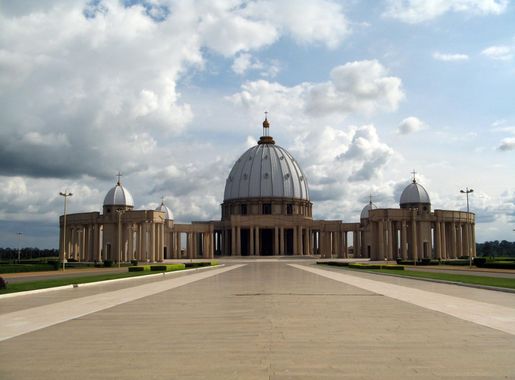


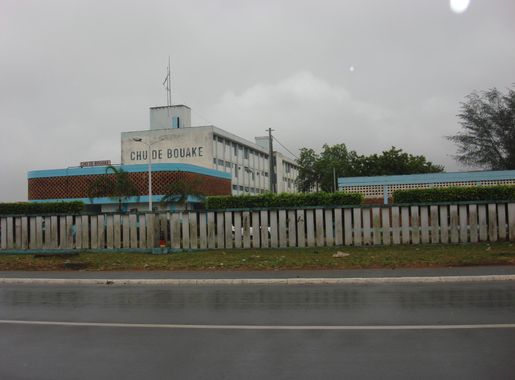

Vallée du Bandama: The Heartbeat of Cote d'Ivoire
Vallée du Bandama, located in the central part of Cote d'Ivoire, is a region rich in natural beauty and cultural heritage. The valley is named after the Bandama River, which flows gracefully through it, providing life and lush greenery to the area. As you explore Vallée du Bandama, you'll be mesmerized by the stunning landscapes, which include rolling hills, dense forests, and serene riversides. The region is also known for its vibrant wildlife, making it a paradise for nature lovers and adventure seekers alike. One of the most remarkable attractions in Vallée du Bandama is the sacred city of Kong. This historic city offers a glimpse into the ancient traditions and architecture of the region. Visitors can wander through the narrow streets lined with traditional mud-brick houses, visit the grand mosque, and learn about the rich history of the local people. The city of Bouaké, the second-largest city in Cote d'Ivoire, is also located in Vallée du Bandama. Bouaké is a bustling urban center that perfectly balances modern amenities with a deep-rooted cultural heritage. The region is also renowned for its craft markets, where you can purchase beautiful handmade items such as textiles, pottery, and jewelry. The warmth and hospitality of the local people will make your visit to Vallée du Bandama unforgettable. Whether you're exploring the natural wonders, delving into the rich history, or simply enjoying the local cuisine, Vallée du Bandama offers a unique and enriching travel experience.