

Free Woroba Travel Guide & Mobile App
Explore Woroba with free travel guides. Discover regional history, expert tips, proposed trips, and audio guides on web or mobile app.


Explore Woroba in north-western Côte d’Ivoire for Malinké heritage, savanna landscapes, market towns and the historic centres of Touba, Mankono and Séguéla.
Read more about Woroba
When is the best time to visit Woroba?
Best: December–February · 30–32°C| Month | High (°C) | Rainfall (mm) |
|---|---|---|
| January (best) | 31 | 5 |
| February (best) | 32 | 10 |
| March | 33 | 30 |
| April | 32 | 80 |
| May | 31 | 120 |
| June | 30 | 170 |
| July | 29 | 200 |
| August | 29 | 210 |
| September | 30 | 170 |
| October | 31 | 120 |
| November | 31 | 50 |
| December (best) | 30 | 20 |
Getting to and around Woroba
How to get there
Transportation
Top city travel guides in Woroba
The cities of Woroba, and the easiest places to base yourself.
-

-


Swipe for more cities
Destinations in Woroba
Resorts, valleys and scenic spots worth a trip of their own.

Swipe for more destinations
Best attractions in Woroba
Woroba’s attractions are primarily cultural, geographical and experiential rather than built for mass tourism. Touba, Mankono and Séguéla offer contrasting introductions to the district’s history, commerce and Malinké heritage, while their markets provide a way to observe the exchange of food, household goods, clothing and agricultural produce. Religious architecture and local Islamic traditions are significant, but visitors should arrange access respectfully and avoid treating places of worship as photographic displays. Outside the towns, the Bafing River and seasonal waterways contribute to a landscape of wooded savanna, cultivated fields and open horizons. Rural journeys can reveal farming practices, village life and the movement of livestock, although they require reliable transport and local guidance. Séguéla’s association with diamond mining gives the surrounding area an important modern economic history, but mining sites are not casual sightseeing venues and should only be approached with appropriate permission. The region is best experienced through slow travel, conversations, markets, landscape observation and visits arranged with people who understand local customs.
-
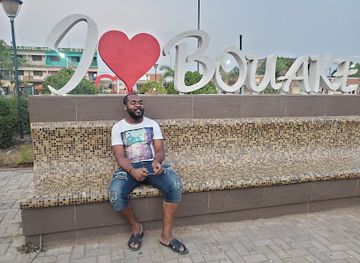
Children's amusement center
Place de la Paix ( La Promenade Orange )
A revitalized public square in Bouaké offering leisure, sports, and cultural events for locals and tourists alike.
-
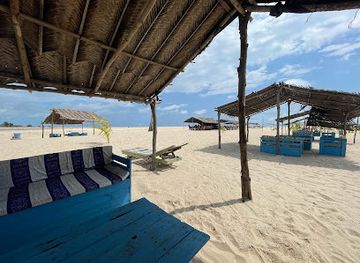
Beach pavillion
Assinie Beach
Discover Assinie Beach: Côte d'Ivoire's coastal paradise with pristine sands, vibrant culture, and thrilling water sports. Your ultimate getaway awaits!
-
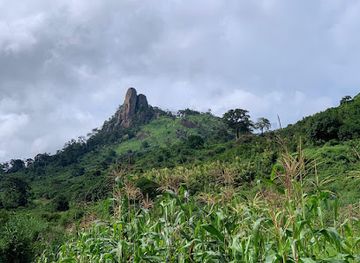
Mountain peak
La Dent de Man
Hike Ivory Coast's iconic La Dent de Man for stunning views, cultural immersion, and an unforgettable adventure in the heart of West Africa.
-
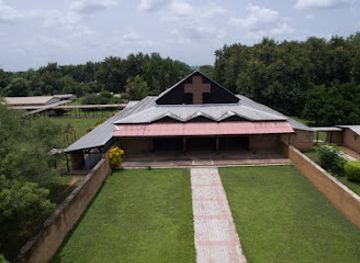
Monastery
Monastère Bénédictin Sainte-Marie
Discover peace and spirituality at the Monastère Bénédictin Sainte-Marie in Bouaké, a serene retreat steeped in history and beautiful architecture.
Best landmarks in Woroba
Woroba’s most significant landmarks are found in its principal towns and in the landscapes that connect them. Touba, Mankono and Séguéla each function as historic regional centres, with mosques, civic buildings, markets and established streets reflecting the district’s roles in trade, administration and religious life. Their importance is less about a single monumental structure than about the continuity of town life within the north-western savanna. The Bafing River is a major geographical feature of the district, helping define the environment of the Bafing region and the routes through which communities have moved and traded. Seasonal waterways, wooded plains and low uplands form a broad natural landmark system rather than a single viewpoint. Around Séguéla, landscapes shaped by diamond mining carry historical significance, but active or former workings should be approached only with permission and local guidance. The strongest landmarks in Woroba therefore combine urban history, religious heritage, river geography and the visible relationship between settlement and savanna.
-
Basilica
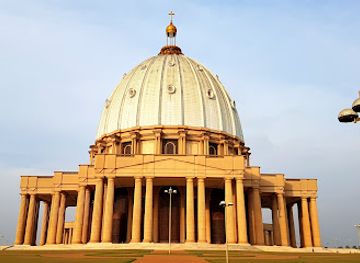
The Basilica of Our Lady of Peace of Yamoussoukro
Discover the world's largest church in Yamoussoukro, Ivory Coast: a symbol of peace, faith, and architectural grandeur inspired by St. Peter's Basilica.
-
Tourist attraction
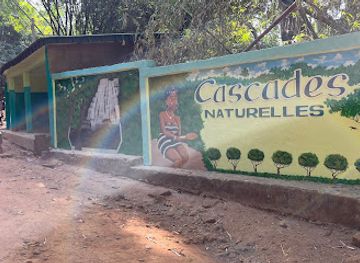
Man's Waterfalls
Discover the breathtaking beauty of Man's Waterfalls in Ivory Coast: a serene escape into nature's embrace, perfect for adventure and relaxation.
Explore Woroba on the map
Plan your trip on one map. See where the top cities, national parks and sights are, and book hotels and experiences in a few clicks.
Best hotels in Woroba
Best restaurants in Woroba
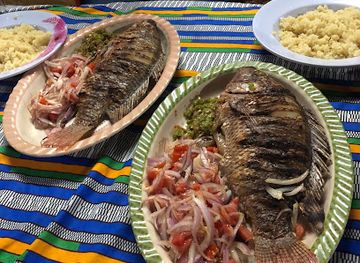
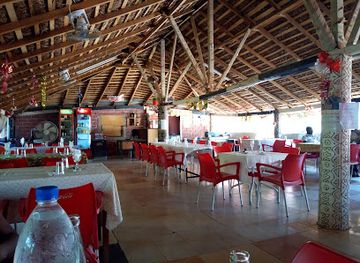
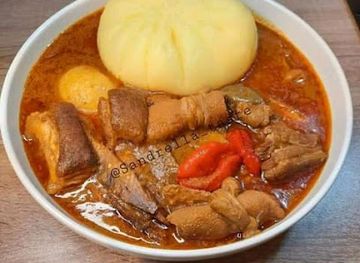
Dining in Woroba is centred on everyday Ivorian and West African cooking rather than a formal restaurant scene. In Touba, Mankono and Séguéla, visitors can expect simple eateries, hotel dining rooms, cafés and street-side food stalls serving rice, sauces, grilled meat, chicken, fish where available, plantain, cassava and maize-based dishes. Malinké and northern culinary influences are visible in the use of grains, smoked or dried ingredients, groundnut-based sauces and hearty preparations suited to the savanna climate, although recipes vary from household to household. Local markets are useful for fruit, bread, snacks and seasonal produce, while roadside stops may offer grilled foods and sweet drinks. Cleanliness, refrigeration and opening arrangements can vary, so choose busy establishments with good local reputations and carry drinking water. Visitors should not assume that dishes are available at every meal; advance notice is sensible when staying in smaller towns or travelling into rural areas.
-
African
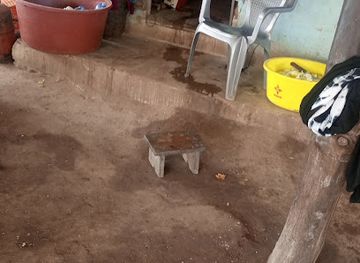
Restaurant Lavikam
Savor authentic African cuisine at Restaurant Lavikam in Yamoussoukro—where every dish is a celebration of tradition.
-
Restaurant
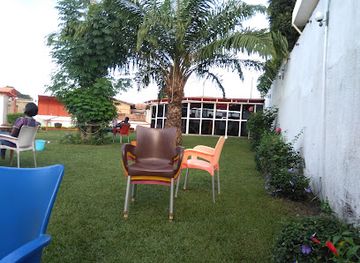
Chez Pailles
Experience authentic Ivorian cuisine at Chez Pailles in Man—where every meal is a celebration of local flavors and hospitality.
-
Restaurant
carefour Kanawolo resto
Experience authentic Ivorian cuisine at Carrefour Kanawolo Resto – where flavor meets affordability in a vibrant setting.
-
Restaurant
Glacier Nonnon Cote d'Ivoire
Experience authentic Ivorian cuisine at Glacier Nonnon in Bouaké – where local flavors meet warm hospitality.
Best bars in Woroba
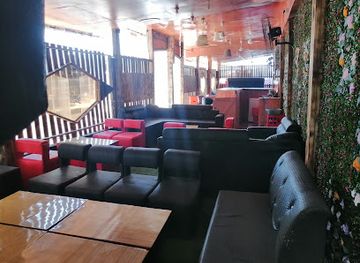
Evening life in Woroba is comparatively low-key and is concentrated in the main towns rather than in a large nightclub circuit. Hotel bars, cafés, local drinking places and informal meeting spots provide spaces for conversation, football and music, while some venues serve Ivorian beer, soft drinks and simple food. Séguéla, Touba and Mankono offer more choice than rural communities, but opening arrangements and entertainment can change, so local advice is more reliable than fixed expectations. Traditional social life may include family visits, community gatherings and religious activities rather than late-night entertainment. Visitors should dress and behave respectfully, particularly near mosques and during religious periods, and should arrange a safe return to their accommodation because street lighting and transport become limited outside central areas.
-
Bar
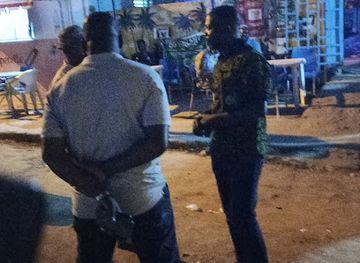
Maquis TROPIC
Experience the lively atmosphere and authentic drinks at Maquis TROPIC, Seguela's must-visit bar for tourists seeking local flavor.
-
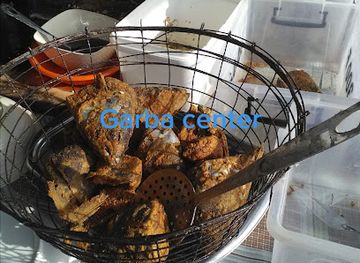
Fast Food
Beoumi côte d'ivoire
Explore the unique fast food scene in Beoumi, Côte d'Ivoire, where local flavors and vibrant culture come together for an unforgettable dining experience.
-
Fast Food
ESPACE CORRIDOR CHEZ JC
Discover the vibrant flavors of Ivorian fast food at ESPACE CORRIDOR CHEZ JC in Beoumi, where every bite is a delightful experience.
-
Bar
Maquis Le repos forestier
Experience the essence of Seguela at Maquis Le Repos Forestier, where local cuisine meets a cozy atmosphere for a memorable dining experience.
Best nightclubs in Woroba
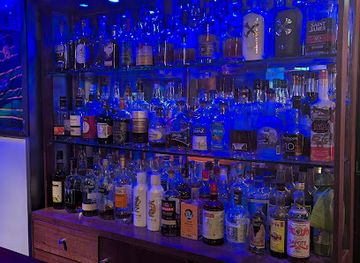
Evening life in Woroba is comparatively low-key and is concentrated in the main towns rather than in a large nightclub circuit. Hotel bars, cafés, local drinking places and informal meeting spots provide spaces for conversation, football and music, while some venues serve Ivorian beer, soft drinks and simple food. Séguéla, Touba and Mankono offer more choice than rural communities, but opening arrangements and entertainment can change, so local advice is more reliable than fixed expectations. Traditional social life may include family visits, community gatherings and religious activities rather than late-night entertainment. Visitors should dress and behave respectfully, particularly near mosques and during religious periods, and should arrange a safe return to their accommodation because street lighting and transport become limited outside central areas.
-
Disco club
Mixx Night Club
Dance the night away at Mixx Night Club, Abidjan's premier disco destination featuring vibrant music, lively crowds, and unforgettable experiences.
-
Night club
Alizée Club
Experience the vibrant nightlife of Abidjan at Alizée Club, where music, dancing, and unforgettable memories await.
-
Disco club
The Trafic club - Abidjan
Experience the vibrant nightlife at The Trafic Club in Abidjan, where music, dance, and unforgettable memories await you every night.
-
Club
40/40 Club Abidjan
Discover the electrifying nightlife of Abidjan at 40/40 Club, where vibrant music and dancing create unforgettable memories.


Best shops in Woroba
Shopping in Woroba is focused on local markets, small high streets and practical trade rather than large commercial centres. The markets of Touba, Mankono and Séguéla are places to find clothing, household goods, grains, fruit, vegetables, livestock-related products and everyday Ivorian foods. Visitors may also encounter locally made textiles, woven items, leather goods and small craft products, although selection varies and should not be assumed to be available year-round. Regional food products and packaged goods make more dependable souvenirs than fragile handicrafts, while locally purchased fabric can be useful if a tailor or experienced vendor is recommended by a resident. Bargaining may be appropriate in some informal settings, but it should be conducted courteously and without treating low prices as entertainment. Cash in CFA francs is essential, particularly away from the main town centres, and visitors should avoid buying minerals or gemstones without clear legal provenance and documentation.
-
Computer store
RCK COMPUTERS
Explore RCK Computers for the latest in technology, exceptional service, and a vibrant tech community in your travels.
-
Butcher shop
KOUEGO
Experience the culinary heart of Séguéla at KOUEGO, where local flavors and quality meats come together in a vibrant butcher shop.
-
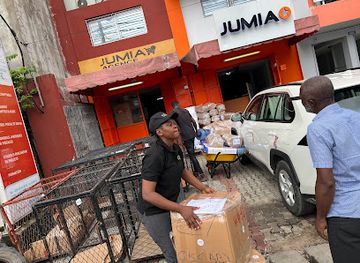
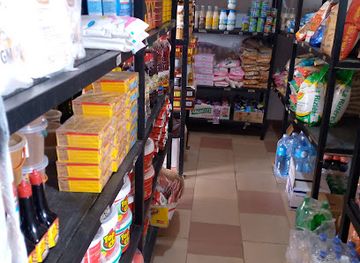
Supermarket
Supérette Lagnon de Beoumi
Experience the essence of Ivorian culture at Supérette Lagnon de Beoumi, a vibrant supermarket in the heart of Beoumi offering local delicacies and fresh produce.
-
Shopping mall
Boutique moins chère
Explore the vibrant Boutique Moins Chère in Voiouo, a shopping haven for unique local and international finds that captures the essence of the region.
Get your free copy of our complete guide to Woroba, delivered straight to you.
Everything on this page, from attractions and restaurants to essentials and local phrases, in one PDF you can read offline, print or share.
Already have an account? Sign in
Your Woroba guide is ready.
We'll send it to · Not you? Sign out

Getting your guide ready…
We are putting together a fresh copy of the Woroba guide. This can take up to a minute.
This can take a few moments. If your browser asks, choose Allow so the download can start. You'll find the guide in your Downloads folder.
Nothing happened? Download it again
Sorry, the guide is taking longer than usual. Please try again in a minute, or get it by email instead.
Woroba essentials
Currency and Payment
Safety
Emergency Situations
Do's and Don'ts
Local Tips
From Eve
Local phrases worth knowing
You don't need to get them perfect. A few words go a long way, and locals appreciate the effort.
Basics
| English | Local | Say it |
|---|---|---|
| Hello | Bonjour | [Bohn-zhoor] |
| Goodbye | Au revoir | [Oh ruh-vwahr] |
| Yes | Oui | [Whee] |
| No | Non | [Nohn] |
| Please/You’re welcome | S'il vous plaît / De rien | [Seel voo pleh / Deh ree-ehn] |
| Thank you | Merci | [Mehr-see] |
| Excuse me/Sorry | Excusez-moi / Désolé | [Ex-kew-zay mwah / Deh-zoh-lay] |
| How are you? | Comment ça va? | [Koh-mohn sah vah] |
| Fine. And you? | Bien. Et vous? | [Byehn. Eh voo?] |
| Do you speak English? | Parlez-vous anglais? | [Par-lay voo ahn-glay?] |
| I don't understand | Je ne comprends pas | [Zhuh nuh kohm-prahn pah] |
Eating & Drinking
| English | Local | Say it |
|---|---|---|
| I’d like to see the menu, please | Je voudrais voir le menu, s'il vous plaît | [Zhuh voo-dray vwar luh meh-new, seel voo pleh] |
| I don’t eat meat | Je ne mange pas de viande | [Zhuh nuh mahnj pah duh vyahnd] |
| Cheers! | Santé! | [Sahn-tay] |
| I would like to pay, please | Je voudrais payer, s'il vous plaît | [Zhuh voo-dray pay-ay, seel voo pleh] |
Emergencies
| English | Local | Say it |
|---|---|---|
| Help! | Au secours! | [Oh se-kour] |
| Go away! | Allez-vous-en! | [Ah-lay voo-zahn] |
| Call the Police! | Appelez la police! | [Ah-peh-lay lah poh-lees] |
| Call a doctor! | Appelez un médecin! | [Ah-peh-lay uhn meh-dsahn] |
| I’m lost | Je suis perdu | [Zhuh swee pair-doo] |
| I’m ill | Je suis malade | [Zhuh swee mah-lahd] |
Shopping
| English | Local | Say it |
|---|---|---|
| I’d like to buy... | Je voudrais acheter... | [Zhuh voo-dray ah-sheh-tay] |
| I’m just looking | Je fais juste regarder | [Zhuh feh zhoost ruh-gar-day] |
| How much is it? | C'est combien? | [Say kohm-byen?] |
| That's too expensive | C'est trop cher | [Say troh shair] |
| Can you lower the price? | Pouvez-vous baisser le prix? | [Poo-vay voo beh-say luh pree?] |
Time & Numbers
| English | Local | Say it |
|---|---|---|
| What time is it? | Quelle heure est-il? | [Kell uhr eh-teel?] |
| It's one o'clock | Il est une heure | [Eel eht oon uhr] |
| Half past (10) | Dix heures et demie | [Deeze uhr eh duh-mee] |
| Morning | Matin | [Mah-tan] |
| Afternoon | Après-midi | [Ah-pray mee-dee] |
| Evening | Soir | [Swar] |
| Yesterday | Hier | [Ee-air] |
| Today | Aujourd'hui | [Oh-zhoor dwee] |
| Tomorrow | Demain | [Duh-mahn] |
| 1 | Un | [Uhn] |
| 2 | Deux | [Duh] |
| 3 | Trois | [Twah] |
| 4 | Quatre | [Katr] |
| 5 | Cinq | [Sank] |
| 6 | Six | [Sees] |
| 7 | Sept | [Set] |
| 8 | Huit | [Wheet] |
| 9 | Neuf | [Nuhf] |
| 10 | Dix | [Deez] |
Transport & Directions
| English | Local | Say it |
|---|---|---|
| Where's a/the...? | Où est un/une...? | [Oo eh uhn/oon?] |
| What's the address? | Quelle est l'adresse? | [Kell eh luh-dress?] |
| Can you show me (on the map)? | Pouvez-vous me montrer (sur la carte)? | [Poo-vay voo muh mon-tray (sur lah kart)?] |
| When's the next (bus)? | Quand est le prochain (bus)? | [Kahn eh luh pro-shen (boos)?] |
| A ticket (to ....) | Un billet (pour ....) | [Uhn bee-yay (poor ....)] |
History of Woroba
Early settlement and savanna exchange
The territory now administered as Woroba has long been part of the inland West African savanna, where farming, livestock keeping and long-distance exchange connected communities across present-day Côte d’Ivoire, Guinea and Mali. Seasonal watercourses and routes through the savanna supported settlements and markets, while local societies developed political and religious traditions linked to wider Mande cultural networks. Much of this early history survives through oral traditions, place names and continuing patterns of regional trade rather than through a large concentration of monumental archaeological remains.
Mande and Malinké political traditions
Woroba’s historic regions, particularly Bafing and Worodougou, developed within the broad cultural world of Mande-speaking peoples. Malinké communities, Muslim scholars, traders and local authorities shaped the towns and countryside through networks that connected northern Côte d’Ivoire with Guinea and Mali. Political organisation varied between settlements and periods, but authority was often linked to lineage, commerce, religious learning and control of agricultural or trading routes. These traditions remain important to the cultural identity of Touba, Séguéla, Mankono and surrounding communities.
Islamic scholarship and regional commerce
Islam spread through western and northern trade networks over several centuries, becoming especially influential in the towns and communities of the north-west. Religious teachers, merchants and travelling scholars helped connect Woroba with neighbouring parts of the western Sudan. Market towns became places where agricultural produce, livestock, cloth and other goods changed hands, while mosques and Islamic learning contributed to local civic life. The region’s religious heritage is part of a broader West African history and should not be reduced to a single town or monument.
Colonial conquest and French administration
French expansion into the interior of Côte d’Ivoire during the late nineteenth and early twentieth centuries altered existing political and commercial relationships. Colonial administrators imposed new forms of taxation, labour organisation, territorial control and transport planning, while local authorities and communities negotiated, resisted or adapted to the new order. The areas now associated with Bafing, Béré and Worodougou were incorporated into French colonial administration, linking their towns more closely to coastal centres and to the emerging boundaries of modern Côte d’Ivoire.
Independence and the development of regional towns
After Côte d’Ivoire became independent in 1960, investment in roads, administration, education and agricultural services gradually strengthened the role of Touba, Mankono and Séguéla as regional centres. Rural economies continued to depend on farming and livestock, while public institutions and commercial networks expanded. The district’s location near international borders also preserved its importance as a zone of movement and exchange. Development has remained uneven, however, and long distances and seasonal road conditions continue to shape access to services.
Séguéla and the diamond economy
Diamond mining became particularly associated with Séguéla and the wider Worodougou area during the twentieth century. The industry brought wealth, migration and commercial activity, but also created environmental and regulatory challenges. Later efforts to formalise and control diamond production reflected national and international concerns about traceability and conflict financing. The legacy of mining remains visible in local economic memories and landscapes, although Woroba’s identity also rests on agriculture, trade, religion and Malinké culture rather than on diamonds alone.
The modern Woroba District
Côte d’Ivoire’s decentralisation reforms established the country’s districts and regions in the early twenty-first century, placing Bafing, Béré and Worodougou within Woroba District. This administrative framework brought together territories with related historical and cultural connections but also distinct local identities. Today, Woroba functions as a north-western regional space centred on its three principal towns, with continuing links to neighbouring Guinea and Mali. Its contemporary character reflects the interaction of traditional communities, national administration, cross-border commerce and gradual infrastructure development.
Neighbouring regions of Woroba
The closest regions to Woroba, if you have time for more than one.
-

-

-

-

-


Swipe for more regions
Explore more

Explore more of Cote d'Ivoire
Discover the vibrant culture, stunning landscapes, and rich heritage of Cote d'Ivoire, the jewel of West Africa.
Explore Cote d'Ivoire