

Free Lacs Travel Guide & Mobile App
Explore Lacs with free travel guides. Discover regional history, expert tips, proposed trips, and audio guides on web or mobile app.


Explore Lacs in central Côte d’Ivoire for Baoulé heritage, agricultural landscapes, market towns and overland journeys through the inland heartland.
Read more about Lacs
When is the best time to visit Lacs?
Best: January–March · 30–32°C| Month | High (°C) | Rainfall (mm) |
|---|---|---|
| January (best) | 30 | 50 |
| February (best) | 31 | 60 |
| March (best) | 32 | 70 |
| April | 33 | 80 |
| May | 34 | 90 |
| June | 34 | 100 |
| July | 33 | 110 |
| August | 33 | 120 |
| September | 32 | 130 |
| October | 32 | 140 |
| November | 31 | 150 |
| December | 30 | 160 |
Getting to and around Lacs
How to get there
Transportation
Top city travel guides in Lacs
The cities of Lacs, and the easiest places to base yourself.
-

-


Swipe for more cities
Destinations in Lacs
Resorts, valleys and scenic spots worth a trip of their own.

Swipe for more destinations
Best attractions in Lacs
Lacs is a region for cultural landscapes and overland discovery rather than a concentrated circuit of ticketed attractions. Toumodi, Tiébissou, Didiévi, Dimbokro, Daoukro and Bongouanou provide contrasting market-town settings, with busy transport yards, food stalls, workshops and produce trading offering a direct view of everyday central Ivorian life. Visitors can also explore the countryside through locally arranged visits to farming communities, where yam, cassava, plantain, maize, cocoa and coffee shape the landscape. Baoulé heritage is best experienced through respectful introductions to local cultural associations, artisans, storytellers or community events. The N’Zi corridor gives road journeys a geographical focus, while the transition between forest and more open agricultural country creates changing scenery. Nature experiences are generally informal and locally guided rather than organised around major national parks; visitors should not assume that an unmarked woodland or riverbank is open for independent exploration. Yamoussoukro, immediately nearby but outside Lacs, offers additional urban services and national monuments, yet it should be treated as a separate destination rather than counted among Lacs’s attractions.
-
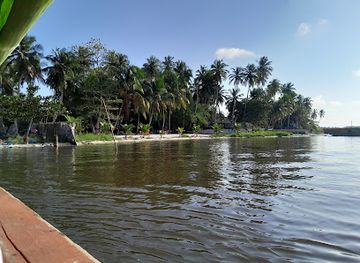
Island
Île Boulay
Discover the serene beauty of Île Boulay, a tropical island retreat in Yopougon, perfect for relaxation, exploration, and cultural experiences.
-
Memorial park
Parc M'ploussoué
Discover peace and reflection at Parc M'ploussoué, a memorial park in Bonoua, where nature and history intertwine for a tranquil escape.
-
Nature preserve
Parc archéologique d'Ahouakro
Explore ancient megaliths and Neolithic history at Ahouakro Archaeological Park, a unique cultural and natural treasure in Côte d'Ivoire.
-
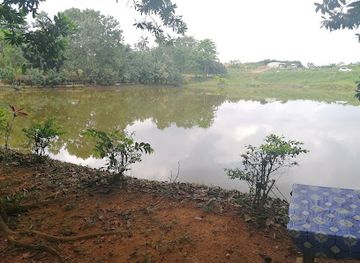
Tourist attraction
Lac du péage
Escape to the tranquility of Lac du Péage in Abidjan, a serene lake offering a peaceful retreat from the city's hustle.

Best landmarks in Lacs
Lacs’ most significant landmarks are often connected with settlement, transport and cultural memory rather than monumental tourism infrastructure. Dimbokro’s identity as a railway and trading town makes its transport corridor an important reminder of the colonial-era links between the coast and the northern interior, even though railway access and services should be checked locally. The N’Zi River is a geographical landmark that has helped define movement and agriculture in the district, while the broad transition from forest-edge country to more open cultivated landscapes gives the region a recognisable visual character. In Baoulé communities, royal and chiefly institutions, ancestral spaces and ceremonial grounds may carry great local significance, but many are not public attractions and should only be approached with permission. The market centres of Toumodi, Daoukro, Bongouanou and Didiévi are landmarks of contemporary regional life, reflecting commerce, migration and agricultural exchange. Yamoussoukro’s famous basilica and monumental avenues are nearby and useful for orientation, but they belong to the separate autonomous district of Yamoussoukro, not to Lacs.
-
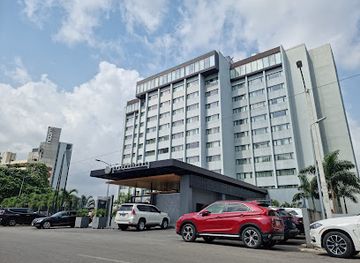
Hotel
Pullman Abidjan
Experience luxury and convenience at Pullman Abidjan, a waterfront hotel in the heart of Plateau, offering stunning views and world-class amenities.
-
Park
Parc National du Banco
Discover Abidjan's natural heart: explore lush rainforest, diverse wildlife, and tranquil trails at Parc National du Banco.
-
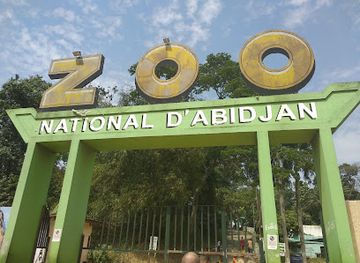
Zoo
Zoo d'Abidjan
Discover West African wildlife in Abidjan's premier zoo, offering conservation insights and family-friendly experiences.
-
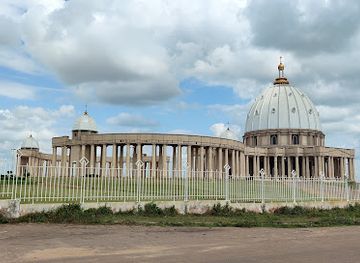
Basilica
The Basilica of Our Lady of Peace of Yamoussoukro
Discover the world's largest church in Yamoussoukro, Côte d'Ivoire, a stunning basilica of peace and architectural brilliance.
Explore Lacs on the map
Plan your trip on one map. See where the top cities, national parks and sights are, and book hotels and experiences in a few clicks.
Best hotels in Lacs
Best restaurants in Lacs
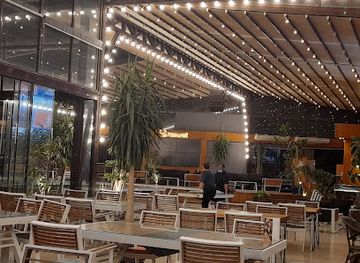
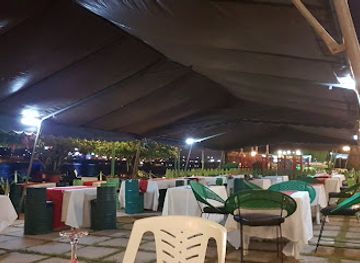
Dining in Lacs is centred on modest local restaurants, market stalls, family kitchens and roadside stopping places rather than an extensive fine-dining sector. Menus commonly draw on central Côte d’Ivoire’s staples: attiéké, rice, plantain, cassava, yam, maize, grilled chicken, fish and sauces enriched with vegetables, chilli or groundnuts. Baoulé food traditions vary from household to household, so asking about the day’s preparation is often more useful than searching for a fixed regional menu. Markets in towns such as Toumodi, Dimbokro, Daoukro and Bongouanou are good places to see seasonal produce and cooked snacks, while rural journeys may offer simple grilled food and fruit. Coffee and cocoa are important agricultural products, although the presence of a crop does not necessarily mean that a visitor will find a specialised tasting experience. Carry drinking water on longer road journeys and expect choice, hygiene standards and opening patterns to be more limited outside the principal towns.
-
Restaurant
Bushman Café
Experience the vibrant flavors of Abidjan at Bushman Café - where local meets global cuisine in a lively setting.
-
Restaurant
Restaurant La Terrasse
Experience the vibrant flavors and warm hospitality at Restaurant La Terrasse in Abidjan – a culinary journey awaits!
-
Restaurant
Le Débarcadère
Experience the vibrant flavors of Côte d'Ivoire at Le Débarcadère - where culinary excellence meets a lively atmosphere.
-
Restaurant
Restaurant Saakan
Discover the exquisite flavors of Côte d'Ivoire at Restaurant Saakan - where tradition meets modernity in every dish.

Best bars in Lacs
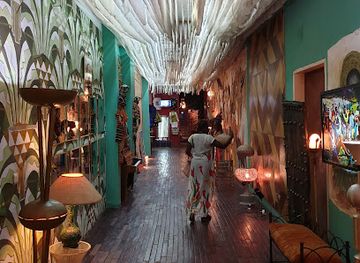
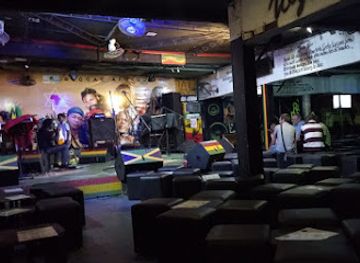
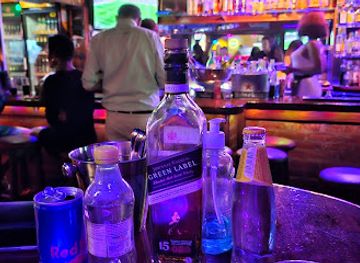
Evening life in Lacs is generally sociable but modest in scale. In the main towns, local maquis, cafés, informal bars and open-air meeting places serve grilled food, soft drinks, beer and conversation, while music may become more prominent at weekends or during celebrations. Dimbokro, Daoukro, Bongouanou and Toumodi have more evening activity than small rural settlements, but the district does not have a major, internationally oriented nightclub circuit. Some venues may close early or operate according to local demand, so current advice from accommodation hosts is more reliable than assuming fixed nightlife districts. Traditional music, dance and community ceremonies may provide a more meaningful cultural evening than a commercial club, but these events should be attended by invitation or through a trusted local introduction. Avoid walking alone on unfamiliar roads after dark and arrange transport in advance when staying outside a town centre.
-
Restaurant
Bushman Café
Bushman Café in Abidjan: A vibrant restaurant offering authentic Ivorian cuisine and a lively atmosphere for an unforgettable dining experience.
-
Lounge
Parker Place
Discover the vibrant nightlife of Abidjan at Parker Place, a lively lounge known for its live music and energetic atmosphere.
-
Restaurant
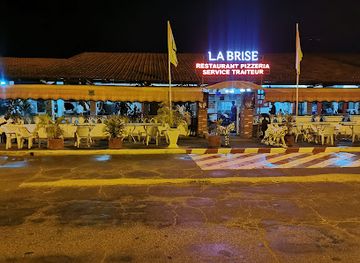
Restaurant la Brise
Experience authentic Ivorian cuisine at Restaurant la Brise, a culinary highlight in Yamoussoukro that delights every palate with local flavors.
-
Restaurant
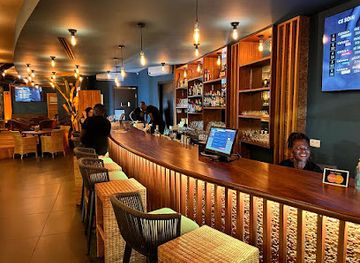
L'EDEN Abidjan | Food Sky Bar
Experience exquisite dining and nightlife at L'EDEN Abidjan, a premier sky bar with stunning views, gourmet cuisine, and vibrant cocktails.
Best nightclubs in Lacs
Evening life in Lacs is generally sociable but modest in scale. In the main towns, local maquis, cafés, informal bars and open-air meeting places serve grilled food, soft drinks, beer and conversation, while music may become more prominent at weekends or during celebrations. Dimbokro, Daoukro, Bongouanou and Toumodi have more evening activity than small rural settlements, but the district does not have a major, internationally oriented nightclub circuit. Some venues may close early or operate according to local demand, so current advice from accommodation hosts is more reliable than assuming fixed nightlife districts. Traditional music, dance and community ceremonies may provide a more meaningful cultural evening than a commercial club, but these events should be attended by invitation or through a trusted local introduction. Avoid walking alone on unfamiliar roads after dark and arrange transport in advance when staying outside a town centre.
-
Disco club
Le Saint Germain Club Abidjan
Discover Abidjan's energetic nightlife at Le Saint Germain Club, a premier disco club with vibrant music, delicious drinks, and a lively atmosphere.
-
Disco club
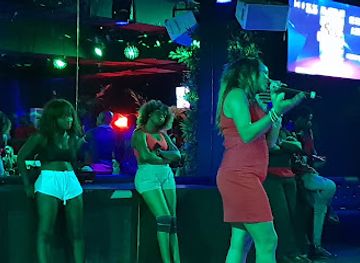
Mixx Night Club
Unleash your nightlife spirit at Mixx Night Club in Abidjan, where vibrant beats meet an electrifying atmosphere for unforgettable nights.
-
Lounge
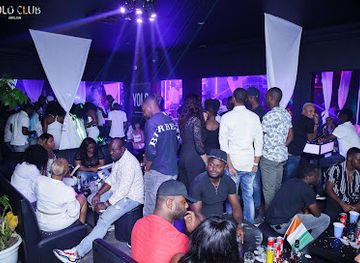
Yolo Club Abidjan
Discover the vibrant nightlife of Abidjan at Yolo Club, where music, cocktails, and a lively crowd await every night.
-
Night club
Alizée Club
Discover the energetic nightlife at Alizée Club in Abidjan, where music, dance, and delicious cocktails come together for an unforgettable experience.

Best shops in Lacs
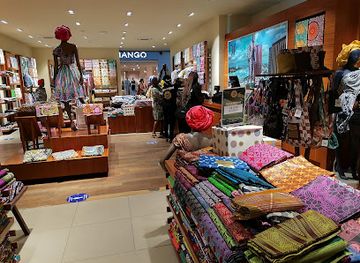
Shopping in Lacs is primarily a market-town experience. Open markets in Toumodi, Dimbokro, Daoukro, Bongouanou and other centres bring together fresh produce, prepared foods, household goods, clothing, tools and small-scale craftwork. Yams, cassava, plantain, fruit, spices and locally produced food items are more characteristic purchases than luxury souvenirs, although availability follows the agricultural season and transport networks. Visitors may find woven goods, carved objects, colourful fabrics and practical handmade items, but quality and provenance vary, so buying directly from an identified artisan or community group is preferable to assuming that every market item is locally made. Small shops and roadside stalls are useful for snacks, water and travel essentials, while larger retail choice is concentrated in major towns and nearby Yamoussoukro outside the district. Bargain politely where bargaining is customary, carry small CFA-franc notes and remember that agricultural produce may be more fragile and difficult to transport than a durable craft item.
-
Shopping mall
Cap Sud
Discover Cap Sud, Abidjan's ultimate shopping mall, where vibrant culture meets diverse retail and dining experiences.
-
Shopping mall
Sococe Mall
Explore Sococe Mall in Abidjan for a diverse shopping experience, exquisite dining, and family-friendly entertainment all in one vibrant location.
-
Shopping mall
Abidjan Mall
Discover the vibrant shopping experience at Abidjan Mall, featuring diverse shops, dining options, and entertainment in the heart of Ivory Coast.
-
Hypermarket
Playce Shopping Mall
Discover the Playce Shopping Mall in Abidjan: A premier shopping and entertainment destination offering diverse options for every traveler.

Get your free copy of our complete guide to Lacs, delivered straight to you.
Everything on this page, from attractions and restaurants to essentials and local phrases, in one PDF you can read offline, print or share.
Already have an account? Sign in
Your Lacs guide is ready.
We'll send it to · Not you? Sign out

Getting your guide ready…
We are putting together a fresh copy of the Lacs guide. This can take up to a minute.
This can take a few moments. If your browser asks, choose Allow so the download can start. You'll find the guide in your Downloads folder.
Nothing happened? Download it again
Sorry, the guide is taking longer than usual. Please try again in a minute, or get it by email instead.
Lacs essentials
Currency and Payment
Safety
Emergency Situations
Do's and Don'ts
Local Tips
From Eve
Local phrases worth knowing
You don't need to get them perfect. A few words go a long way, and locals appreciate the effort.
Basics
| English | Local | Say it |
|---|---|---|
| Hello | Bonjour | [bɔ̃ʒuʁ] |
| Goodbye | Au revoir | [o ʁəvwaʁ] |
| Yes | Oui | [wi] |
| No | Non | [nɔ̃] |
| Please/You're welcome | S'il vous plaît / De rien | [sil vu ple / də ʁjɛ̃] |
| Thank you | Merci | [mɛʁsi] |
| Excuse me/Sorry | Excusez-moi / Désolé | [ɛkskyze mwa / dezole] |
| How are you? | Comment ça va? | [kɔmɑ̃ sa va] |
| Fine. And you? | Bien. Et vous? | [bjɛ̃ e vu] |
| Do you speak English? | Parlez-vous anglais? | [paʁle vu ɑ̃ɡlɛ] |
| I don't understand | Je ne comprends pas | [ʒə nə kɔ̃pʁɑ̃ pa] |
Eating & Drinking
| English | Local | Say it |
|---|---|---|
| I'd like to see the menu, please | Je voudrais voir le menu, s'il vous plaît | [ʒə vudʁɛ vwaʁ lə məny s'il vu ple] |
| I don't eat meat | Je ne mange pas de viande | [ʒə nə mɑ̃ʒ pa də vjɑ̃d] |
| Cheers! | Santé! | [sɑ̃te] |
| I would like to pay, please | Je voudrais payer, s'il vous plaît | [ʒə vudʁɛ peje s'il vu ple] |
Emergencies
| English | Local | Say it |
|---|---|---|
| Help! | Au secours! | [o səkuʁ] |
| Go away! | Allez-vous-en! | [ale vu zɑ̃] |
| Call the Police! | Appelez la police! | [apəle la pɔlis] |
| Call a doctor! | Appelez un médecin! | [apəle ɛ̃ mɛdɛsɛ̃] |
| I'm lost | Je suis perdu | [ʒə sɥi pɛʁdy] |
| I'm ill | Je suis malade | [ʒə sɥi malad] |
Shopping
| English | Local | Say it |
|---|---|---|
| I'd like to buy... | Je voudrais acheter... | [ʒə vudʁɛ aʃte] |
| I'm just looking | Je regarde juste | [ʒə ʁəɡaʁd ʒyst] |
| How much is it? | C'est combien? | [sɛ kɔ̃bjɛ̃] |
| That's too expensive | C'est trop cher | [sɛ tʁo ʃɛʁ] |
| Can you lower the price? | Pouvez-vous baisser le prix? | [puve vu bɛse lə pʁi] |
Time & Numbers
| English | Local | Say it |
|---|---|---|
| What time is it? | Quelle heure est-il? | [kɛl œʁ ɛ til] |
| It's one o'clock | Il est une heure | [il ɛ yn œʁ] |
| Half past (10) | Dix heures et demie | [di zœʁ e dəmi] |
| Morning | Matin | [matɛ̃] |
| Afternoon | Après-midi | [apʁɛ midi] |
| Evening | Soir | [swaʁ] |
| Yesterday | Hier | [jɛʁ] |
| Today | Aujourd'hui | [oʒuʁdɥi] |
| Tomorrow | Demain | [dəmɛ̃] |
| 1 | Un | [ɛ̃] |
| 2 | Deux | [dø] |
| 3 | Trois | [tʁwa] |
| 4 | Quatre | [katʁ] |
| 5 | Cinq | [sɛ̃k] |
| 6 | Six | [si] |
| 7 | Sept | [sɛt] |
| 8 | Huit | [ɥit] |
| 9 | Neuf | [nœf] |
| 10 | Dix | [di] |
Transport & Directions
| English | Local | Say it |
|---|---|---|
| Where's a/the...? | Où est un/le...? | [u ɛ ɛ̃ lə] |
| What's the address? | Quelle est l'adresse? | [kɛl ɛ lə dʁɛs] |
| Can you show me (on the map)? | Pouvez-vous me montrer (sur la carte)? | [puve vu mə mɔ̃tʁe syʁ la kaʁt] |
| When's the next (bus)? | Quand est le prochain (bus)? | [kɑ̃ ɛ lə pʁɔʃɛ̃] |
| A ticket (to ....) | Un billet (pour ...) | [ɛ̃ bijɛ (puʁ)] |
History of Lacs
Akan and Baoulé foundations
The peoples of central Côte d’Ivoire belong to a wider Akan cultural sphere that extends across parts of Côte d’Ivoire and Ghana. In the Lacs area, Baoulé political organisation, kinship systems, oral traditions and artistic practices became central to local identity. Communities were shaped by farming, exchange and relationships between village authorities. Much of this history survives through spoken genealogies, ritual institutions, naming traditions and stories performed or recounted at family and community gatherings.
The migration traditions of Abla Pokou
Baoulé oral tradition recalls the migration led by Queen Abla Pokou from the eastern Akan world into present-day Côte d’Ivoire. The story, including the crossing of a great river and the sacrifice associated with it, is a foundational account of Baoulé origins rather than a conventional written chronicle. Its importance lies in the way it explains political legitimacy, collective identity and the relationship between the Baoulé people and the landscapes of central Côte d’Ivoire.
Pre-colonial kingdoms and regional exchange
Before colonial rule, central Ivorian communities were linked by networks of farming, craft production, tribute and long-distance exchange. Baoulé political units coexisted with neighbouring Akan and other communities, while markets connected settlements across the forest–savannah transition. Authority was distributed through rulers, elders, lineage structures and religious specialists. The routes that once carried kola, foodstuffs, textiles and manufactured goods helped establish the importance of several present-day market towns.
French colonial rule and the railway era
French colonial expansion altered local authority, taxation, labour patterns and agricultural production. The railway connecting Abidjan with the northern interior gave Dimbokro particular importance as a transport and commercial centre, linking the town to colonial supply networks and administrative circuits. Rail construction and colonial roads also encouraged the movement of workers and traders. Their legacy remains visible in the continuing role of transport corridors and the economic connections between the district’s towns.
Agricultural transformation after independence
After Côte d’Ivoire gained independence in 1960, the national economy expanded through commercial agriculture, road building and the growth of administrative centres. In Lacs, food crops such as yam, cassava, plantain and maize continued alongside cocoa, coffee and other market-oriented production. New schools, government offices and trading networks reshaped towns, while migration from other parts of the country added to the social complexity of farming communities and urban markets.
Administrative reorganisation and contemporary Lacs
Côte d’Ivoire’s decentralisation reforms created a layered system of districts, regions and departments. Lacs District now brings together Bélier, Iffou, N’Zi and Moronou, while the autonomous district of Yamoussoukro is administered separately nearby. This distinction matters to travellers because many practical services and national institutions are concentrated in Yamoussoukro, even though the cultural and agricultural landscapes beyond the city belong to neighbouring Lacs.
Lacs in Photos
Browse through our photo collection highlighting the charm and character of the destination.
Neighbouring regions of Lacs
The closest regions to Lacs, if you have time for more than one.
-

-

-

-

-


Swipe for more regions
Explore more

Explore more of Cote d'Ivoire
Discover the vibrant culture, stunning landscapes, and rich heritage of Cote d'Ivoire, the jewel of West Africa.
Explore Cote d'Ivoire