

Free Zanzan Travel Guide & Mobile App
Explore Zanzan with free travel guides. Discover regional history, expert tips, proposed trips, and audio guides on web or mobile app.


Explore Zanzan in north-eastern Côte d’Ivoire for Bondoukou’s heritage, Bouna’s history, savanna landscapes and access to Comoé National Park.
Read more about Zanzan
When is the best time to visit Zanzan?
Best: December–February · 29–30°C| Month | High (°C) | Rainfall (mm) |
|---|---|---|
| January (best) | 29 | 17 |
| February (best) | 30 | 25 |
| March | 31 | 40 |
| April | 31 | 60 |
| May | 31 | 120 |
| June | 30 | 150 |
| July | 30 | 160 |
| August | 30 | 160 |
| September | 30 | 150 |
| October | 30 | 100 |
| November | 30 | 50 |
| December (best) | 29 | 20 |
Getting to and around Zanzan
How to get there
Transportation
Destinations in Zanzan
Resorts, valleys and scenic spots worth a trip of their own.

Swipe for more destinations
Best attractions in Zanzan
Zanzan’s attractions combine historic towns, living cultural traditions and broad savanna landscapes. Bondoukou is the region’s principal cultural stop, with historic mosques, Muslim communities, markets and traditional institutions that reflect its position on older trade routes. The town is best explored with local guidance, especially when visiting religious or chiefly spaces. Bouna offers a different emphasis, linking the history of the Bouna kingdom with access to the Comoé National Park. The park is the region’s major natural attraction, protecting wooded savanna, gallery forest and river systems that support varied wildlife; visits require advance planning, authorised guides and realistic expectations about roads and seasonal access. Rural journeys reveal farming landscapes, villages and changing vegetation rather than a dense sequence of conventional sightseeing sites. Birdwatching, landscape photography and nature observation are more dependable objectives than guaranteed sightings of particular animals. Cultural visits should be arranged respectfully through local contacts, since many important traditions are not staged attractions. Travellers interested in archaeology, historical geography and borderland cultures will find that Zanzan’s appeal lies in connections between places rather than in a large concentration of formal museums or entertainment facilities.
-
National park
Comoé National Park
Explore West Africa's largest protected area, a UNESCO World Heritage Site with diverse ecosystems and abundant wildlife.

Best landmarks in Zanzan
Bondoukou’s historic mosques are among Zanzan’s most recognisable built landmarks, representing the town’s long association with Islamic scholarship, migration and commerce across the savanna. Their architectural details and surrounding neighbourhoods are best understood through local explanation, since religious buildings remain active places of worship rather than museum objects. Bouna’s historic identity is tied to the former Bouna kingdom, whose traditional institutions and royal associations give the town a distinctive place in the history of north-eastern Côte d’Ivoire. The Comoé River and the wider protected landscapes of Comoé National Park provide Zanzan’s principal natural landmarks: seasonal waterways, wooded savanna and gallery forest shape both scenery and wildlife habitat. Toward the Ghanaian and Burkinabè frontiers, borderland geography is itself significant, reflecting political boundaries drawn across older cultural and trading connections. Laterite roads, market towns and traditional compounds are less monumental than a castle or cathedral, but together they express the region’s historical character and its relationship with the surrounding savanna.
-
National park
Comoé National Park
Discover West Africa's largest protected area: Comoé National Park, a UNESCO site with diverse wildlife, savanna landscapes, and rich biodiversity.

Explore Zanzan on the map
Plan your trip on one map. See where the top cities, national parks and sights are, and book hotels and experiences in a few clicks.
Best hotels in Zanzan
Best restaurants in Zanzan
Dining in Zanzan is generally informal and closely connected to markets, roadside cooking and family-run establishments. In Bondoukou and Bouna, visitors can expect Ivorian staples such as attiéké, rice, plantain, cassava, grilled chicken or fish, meat brochettes and sauces made with leafy vegetables, groundnuts or chilli. Local meals may also feature grains and tubers suited to the region’s savanna and transitional farming zones. Small restaurants and maquis, the informal eateries found across Côte d’Ivoire, are useful places to eat economically, though menus can be limited and preparation times unhurried. Markets provide seasonal fruit, peanuts and other regional produce, while cafés and bakeries offer simple breakfasts and refreshments. Bottled or treated water is advisable, particularly on rural excursions. Bondoukou has the broadest choice of food and supplies, whereas options become more basic towards Bouna, park approaches and smaller settlements. Visitors should confirm what is available before leaving town and carry suitable snacks for long road journeys.
-
Restaurant
Bushman Café
Discover exquisite flavors at Bushman Café in Abidjan - where local meets global in a delightful culinary experience.
-
Restaurant
Restaurant La Terrasse
Discover the flavors of Côte d'Ivoire at Restaurant La Terrasse - a culinary gem offering stunning views and delightful dishes.
-
Restaurant
Le Débarcadère
Discover authentic Ivorian cuisine at Le Débarcadère in Abidjan's Treichville district, where vibrant flavors meet stunning waterfront views.
-
Restaurant
Restaurant Saakan
Experience the finest fusion of Ivorian flavors and international cuisine at Restaurant Saakan in Abidjan's vibrant Plateau district.


Best bars in Zanzan
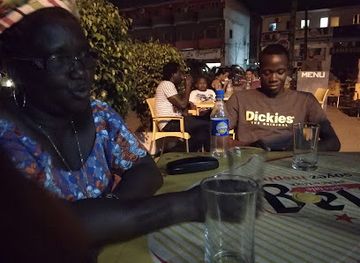
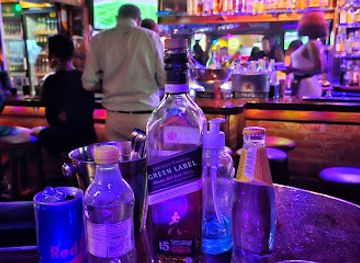
Nightlife in Zanzan is modest and concentrated in Bondoukou, Bouna and other larger settlements. Evening social life usually centres on maquis, cafés, informal food stalls, local drinking places and occasional music rather than a substantial nightclub circuit. These venues can be lively at weekends or during community celebrations, but opening arrangements and entertainment vary, so local advice is more reliable than online listings. Bondoukou offers the widest range of places to eat and spend an evening, while Bouna’s evening scene is smaller and more locally focused. In rural areas, evenings are generally quiet once markets and transport services finish. Traditional drinks and locally produced beverages may appear alongside nationally familiar beers and soft drinks, but visitors should drink moderately and arrange transport back to their accommodation. Wildlife excursions and long road journeys make early starts common, particularly around Comoé National Park, where nightlife is not a central part of the experience.
-
Restaurant
L'EDEN Abidjan | Food Sky Bar
Experience the vibrant nightlife and exquisite dining at L'EDEN Abidjan, the premier food sky bar with stunning views and live music.
-
Bar
Le bar blanc
Experience the vibrant nightlife of Abidjan at Le Bar Blanc, a lively bar offering a wide selection of drinks and an inviting atmosphere.
-
Bar
Complexe Bento Winner Bar
Experience the lively ambiance and local flavors at Complexe Bento Winner Bar in Bondoukou, perfect for unwinding after a day of exploration.
-
Bar
Suzi Bar
Discover the lively spirit of Bouna at Suzi Bar, where friends meet, music plays, and unforgettable memories are made every night.


Best nightclubs in Zanzan
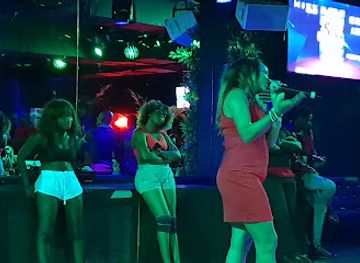
Nightlife in Zanzan is modest and concentrated in Bondoukou, Bouna and other larger settlements. Evening social life usually centres on maquis, cafés, informal food stalls, local drinking places and occasional music rather than a substantial nightclub circuit. These venues can be lively at weekends or during community celebrations, but opening arrangements and entertainment vary, so local advice is more reliable than online listings. Bondoukou offers the widest range of places to eat and spend an evening, while Bouna’s evening scene is smaller and more locally focused. In rural areas, evenings are generally quiet once markets and transport services finish. Traditional drinks and locally produced beverages may appear alongside nationally familiar beers and soft drinks, but visitors should drink moderately and arrange transport back to their accommodation. Wildlife excursions and long road journeys make early starts common, particularly around Comoé National Park, where nightlife is not a central part of the experience.
-
Disco club
Le Saint Germain Club Abidjan
Discover the vibrant nightlife at Le Saint Germain Club Abidjan, where music, dancing, and delicious cuisine create unforgettable nights.
-
Disco club
Mixx Night Club
Immerse yourself in the electrifying nightlife of Abidjan at Mixx Night Club, where music, dancing, and excitement await.
-
Night club
Alizée Club
Discover the heartbeat of Abidjan's nightlife at Alizée Club, where modern beats and a vibrant atmosphere come together for an unforgettable experience.
-
Disco club
Notorious
Discover the vibrant nightlife of Abidjan at Notorious, a unique blend of exquisite dining and pulsating disco culture.

Best shops in Zanzan
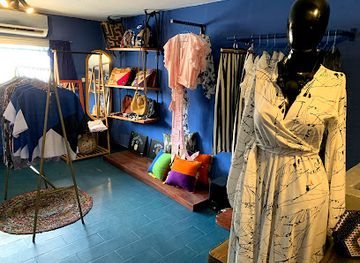
Shopping in Zanzan is practical, local and strongly tied to market life rather than large retail complexes. Bondoukou has the broadest selection of everyday goods, clothing, household products, foodstuffs and small craft items, while Bouna serves as an important northern market centre. Open-air markets are useful for fruit, peanuts, grains, spices, woven goods and travel provisions, but stock and market activity vary by day. Visitors may find locally made baskets, textiles, carved objects and other crafts, although quality and provenance differ; buying directly from makers or established craft sellers supports local production more reliably than bargaining aggressively with informal vendors. Regional food products are often easier to transport than fragile handicrafts, and small quantities of packaged goods can make practical souvenirs. Prices should be agreed clearly before a purchase, particularly where no label is displayed. Outside the main towns, retail choice is limited, so obtain medicines, toiletries, batteries, cash and specialist travel supplies before setting out for remote areas or park excursions.
-
Shopping mall
Abidjan Mall
Discover the vibrant shopping and dining experience at Abidjan Mall, the heart of modern retail in Côte d'Ivoire.
-
Home goods store
Nota bene créations
Immerse yourself in the artistry of Côte d'Ivoire at Nota Bene Créations, a treasure trove of handcrafted home goods and local handicrafts in Abidjan.
-
Clothing store
DOZO CONCEPT STORE
Explore the stylish world of DOZO Concept Store, where contemporary fashion meets local design in the vibrant heart of Abidjan, Côte d'Ivoire.
-
Supermarket
Supérette Zanzan
Discover the local flavors and vibrant culture at Supérette Zanzan, Bondoukou's premier supermarket for travelers and locals alike.



Get your free copy of our complete guide to Zanzan, delivered straight to you.
Everything on this page, from attractions and restaurants to essentials and local phrases, in one PDF you can read offline, print or share.
Already have an account? Sign in
Your Zanzan guide is ready.
We'll send it to · Not you? Sign out

Getting your guide ready…
We are putting together a fresh copy of the Zanzan guide. This can take up to a minute.
This can take a few moments. If your browser asks, choose Allow so the download can start. You'll find the guide in your Downloads folder.
Nothing happened? Download it again
Sorry, the guide is taking longer than usual. Please try again in a minute, or get it by email instead.
Zanzan essentials
Currency and Payment
Safety
Emergency Situations
Do's and Don'ts
Local Tips
From Eve
Local phrases worth knowing
You don't need to get them perfect. A few words go a long way, and locals appreciate the effort.
Basics
| English | Local | Say it |
|---|---|---|
| Hello | Bonjour | [bɔ̃ʒuʁ] |
| Goodbye | Au revoir | [o ʁəvwaʁ] |
| Yes | Oui | [wi] |
| No | Non | [nɔ̃] |
| Please/You're welcome | S'il vous plaît | [sil vu ple] |
| Thank you | Merci | [mɛʁsi] |
| Excuse me/Sorry | Excusez-moi | [ɛkskyze mwa] |
| How are you? | Comment ça va? | [kɔmɑ̃ sa va] |
| Fine. And you? | Bien. Et vous? | [bjɛ̃ e vu] |
| Do you speak English? | Parlez-vous anglais? | [paʁle vu ɑ̃ɡlɛ] |
| I don't understand | Je ne comprends pas | [ʒə nə kɔ̃pʁɑ̃ pa] |
Eating & Drinking
| English | Local | Say it |
|---|---|---|
| I'd like to see the menu, please | Je voudrais voir le menu, s'il vous plaît | [ʒə vudʁɛ vwaʁ lə məny s'il vu ple] |
| I don't eat meat | Je ne mange pas de viande | [ʒə nə mɑ̃ʒ pa də vjɑ̃d] |
| Cheers! | Santé! | [sɑ̃te] |
| I would like to pay, please | Je voudrais payer, s'il vous plaît | [ʒə vudʁɛ peje s'il vu ple] |
Emergencies
| English | Local | Say it |
|---|---|---|
| Help! | À l'aide! | [a lɛd] |
| Go away! | Allez-vous-en! | [ale vu zɑ̃] |
| Call the Police! | Appelez la police! | [aple la pɔlis] |
| Call a doctor! | Appelez un docteur! | [aple ɛ̃ dɔktœʁ] |
| I'm lost | Je suis perdu | [ʒə sɥi pɛʁdy] |
| I'm ill | Je suis malade | [ʒə sɥi malaʁd] |
Shopping
| English | Local | Say it |
|---|---|---|
| I'd like to buy... | Je voudrais acheter... | [ʒə vudʁɛ aʃte] |
| I'm just looking | Je regarde juste | [ʒə ʁəɡaʁd ʒyst] |
| How much is it? | C'est combien? | [se kɔ̃bjen] |
| That's too expensive | C'est trop cher | [se tʁo ʃɛʁ] |
| Can you lower the price? | Pouvez-vous baisser le prix? | [puve vu besɛ le pʁi] |
Time & Numbers
| English | Local | Say it |
|---|---|---|
| What time is it? | Quelle heure est-il? | [kɛl œʁ ɛ til] |
| It's one o'clock | Il est une heure | [il ɛ yn œʁ] |
| Half past (10) | Dix heures et demie | [dis œʁ e dəmi] |
| Morning | Matin | [matɛ̃] |
| Afternoon | Après-midi | [apʁɛ midi] |
| Evening | Soir | [swaʁ] |
| Yesterday | Hier | [jɛʁ] |
| Today | Aujourd'hui | [oʒuʁdɥi] |
| Tomorrow | Demain | [dəmɛ̃] |
| 1 | Un | [œ̃] |
| 2 | Deux | [dø] |
| 3 | Trois | [tʁwa] |
| 4 | Quatre | [katʁ] |
| 5 | Cinq | [sɛ̃k] |
| 6 | Six | [sis] |
| 7 | Sept | [sɛt] |
| 8 | Huit | [ɥit] |
| 9 | Neuf | [nœf] |
| 10 | Dix | [dis] |
Transport & Directions
| English | Local | Say it |
|---|---|---|
| Where's a/the...? | Où est un/une...? | [u ɛ ɛ̃ yn/yn] |
| What's the address? | Quelle est l'adresse? | [kɛl ɛ ladʁɛs] |
| Can you show me (on the map)? | Pouvez-vous me montrer (sur la carte)? | [puve vu mə mɔ̃tʁe syʁ la kaʁt] |
| When's the next (bus)? | Quand est le prochain (bus)? | [kɑ̃ ɛ lə pʁɔʃɛ̃ (bys)] |
| A ticket (to ....) | Un billet (pour ....) | [ɛ̃ bije puʁ] |
History of Zanzan
Early settlement and savanna exchange
Zanzan has long formed part of the West African savanna zone linking the forest edge, the northern trade routes and the territories now known as Ghana and Burkina Faso. Communities established farming, herding and trading networks adapted to seasonal rainfall and wooded grassland. Archaeological evidence and surviving settlement patterns point to long-term movement rather than a single founding population. This history helps explain the region’s linguistic and cultural diversity, as well as the importance of market towns and border crossings today.
The Bouna kingdom
Bouna developed as the centre of a historic kingdom in the north-eastern part of present-day Côte d’Ivoire. Its rulers governed a territory connected to wider networks of commerce and political influence across the Volta and Comoé regions. The kingdom’s history brought together Koulango traditions, Muslim scholarly connections and relationships with neighbouring peoples. Although the political system was transformed by colonial rule and later national administration, Bouna remains an important place for understanding the region’s older institutions and royal heritage.
Bondoukou and Islamic networks
Bondoukou became a significant centre of Islam and long-distance commerce in eastern Côte d’Ivoire. Trade routes connected the town with communities to the north and east, while religious teachers and merchant families helped establish Islamic learning and mosque communities. The town’s historic religious buildings and Muslim quarters are reminders of these connections. Bondoukou was not isolated from the forest regions to the south: its position near the transition between savanna and forest made it an intermediary between distinct ecological and commercial zones.
Akan and eastern political traditions
Akan-speaking peoples, including the Abron, played a major role in the political and cultural history of the eastern Ivorian frontier. The Abron kingdom of Gyaman extended across areas now divided by the Côte d’Ivoire–Ghana border and influenced authority, trade and cultural expression in the region around Bondoukou. Colonial boundaries later separated communities that had long-standing connections. Traditional chiefs and local institutions continue to carry historical significance, although they operate within the modern constitutional framework of Côte d’Ivoire.
Colonial rule and the creation of modern frontiers
French colonial expansion altered the political geography of Zanzan during the late nineteenth and early twentieth centuries. Administrative boundaries, taxation, military posts and new routes redirected older patterns of authority and trade, while the division of the region between French Côte d’Ivoire, the Gold Coast and territories to the north formalised international borders. Colonial rule also tied local production more closely to wider export-oriented systems. Many present-day roads, administrative towns and cross-border relationships reflect this period of imposed reorganisation.
Independence, administration and protected landscapes
Since Côte d’Ivoire’s independence in 1960, Zanzan has been integrated into the national administrative and economic system while retaining strong regional and cross-border identities. Bondoukou became the main administrative and commercial centre of the east, and Bouna remained important in the north-east. The establishment and management of Comoé National Park brought international attention to the area’s savanna ecosystems, while also creating new conservation responsibilities. Contemporary Zanzan is therefore shaped by both historic human mobility and modern efforts to protect wildlife habitats.
Neighbouring regions of Zanzan
The closest regions to Zanzan, if you have time for more than one.
-
-

-

-

-


Swipe for more regions
Explore more

Explore more of Cote d'Ivoire
Discover the vibrant culture, stunning landscapes, and rich heritage of Cote d'Ivoire, the jewel of West Africa.
Explore Cote d'Ivoire