Split Ethnographic Museum, Dalmatia Travel Guide
Discover Dalmatia's rich cultural heritage at the Split Ethnographic Museum, showcasing traditional costumes, crafts, and artifacts within Diocletian's Palace.
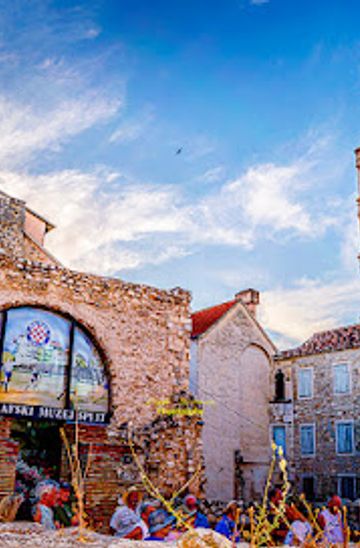
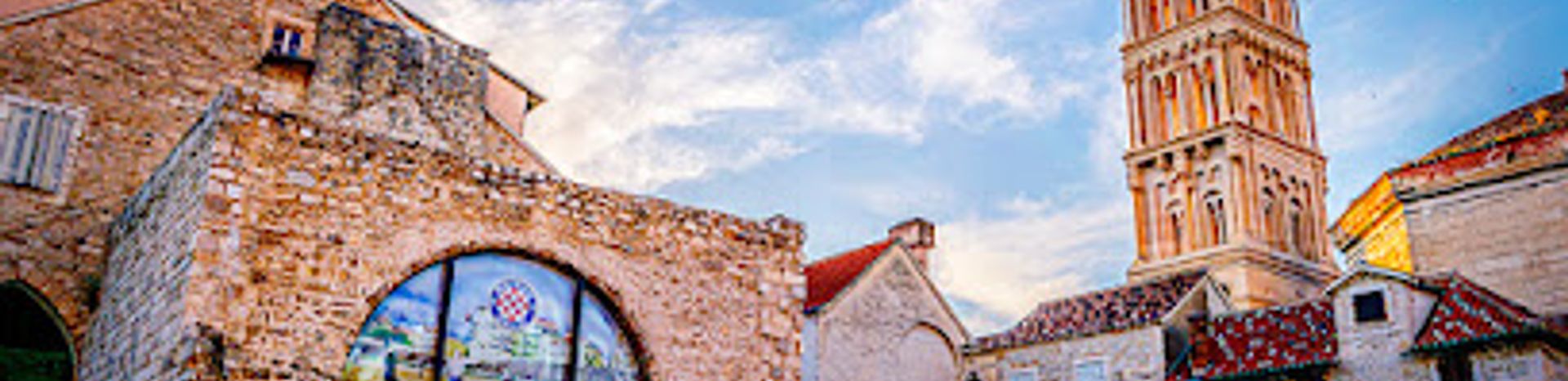
The Split Ethnographic Museum, founded in 1910, offers a captivating glimpse into the traditional culture of Dalmatia. Located within the historic Diocletian's Palace, the museum showcases a rich collection of costumes, crafts, and artifacts, providing insight into the region's heritage and way of life.
A brief summary to Split Ethnographic Museum
- Ul. Iza Vestibula 4, Split, 21000, HR
- Click to display
- Click to display
- Monday 9:30 am-7 pm
- Tuesday 9:30 am-7 pm
- Wednesday 9:30 am-7 pm
- Thursday 9:30 am-7 pm
- Friday 9:30 am-7 pm
- Saturday 10 am-2 pm

Know before you go
Hi, I'm Eve. Here are a few practical things to know before exploring Split Ethnographic Museum.
- Visit the rooftop terrace for stunning panoramic views of Split's old town and the Adriatic Sea.
- Check out the museum's website for information on temporary exhibitions and special events.
- Allow at least one to two hours to fully explore the museum's collection and exhibits.
Do you manage this location?
Take control to get all the benefits, like improved information, better appearance, and stronger visibility across AI-powered discovery. Learn more
Activate your presenceOther nearby places you may find interesting
The closest places of the same kind, if this one is not quite what you had in mind.

Explore Split Ethnographic Museum on the Map
A handpicked selection of must-see spots near Split Ethnographic Museum, mapped for you.
Getting There
-
Walking
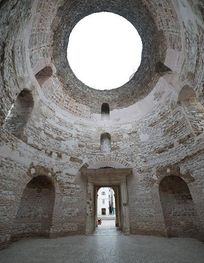
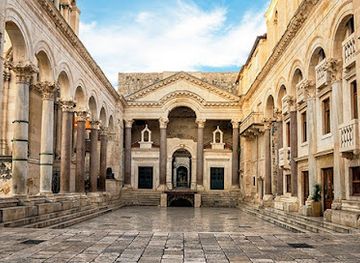
The Ethnographic Museum is located in the heart of Split's Old Town, within Diocletian's Palace. From the Riva (waterfront promenade), enter the Palace through the Bronze Gate. Walk straight ahead towards the Peristyle (main courtyard). The museum is located just behind the Cathedral of Saint Domnius, to the left of the Vestibule. Entrance is clearly marked. No additional costs are involved.
-
Public Transport
If arriving by public transport to the main bus terminal or ferry port, walk along the Riva towards Diocletian's Palace (approximately 5-10 minutes). Enter the Palace through the Bronze Gate and follow the walking directions. A single bus ticket within Split is around €1-3, depending on where you purchase it. Tickets purchased on the bus tend to be more expensive.
-
Taxi
Taxis are readily available in Split. Ask your driver to take you to the entrance of Diocletian's Palace near the Riva. From there, enter through the Bronze Gate and follow the walking directions. Taxi fares generally start around €3.32, with a rate of €1.86 per kilometer. A short ride within the city center should cost approximately €10-15.
Discover more about Split Ethnographic Museum
More to explore near Split Ethnographic Museum













Your all‑in‑one travel companion app
Explore expert travel guides, compare and book tours, experiences, hotels, and more—all from the palm of your hand. Download now for seamless trip planning wherever your wanderlust takes you.


Explore More of Dalmatia
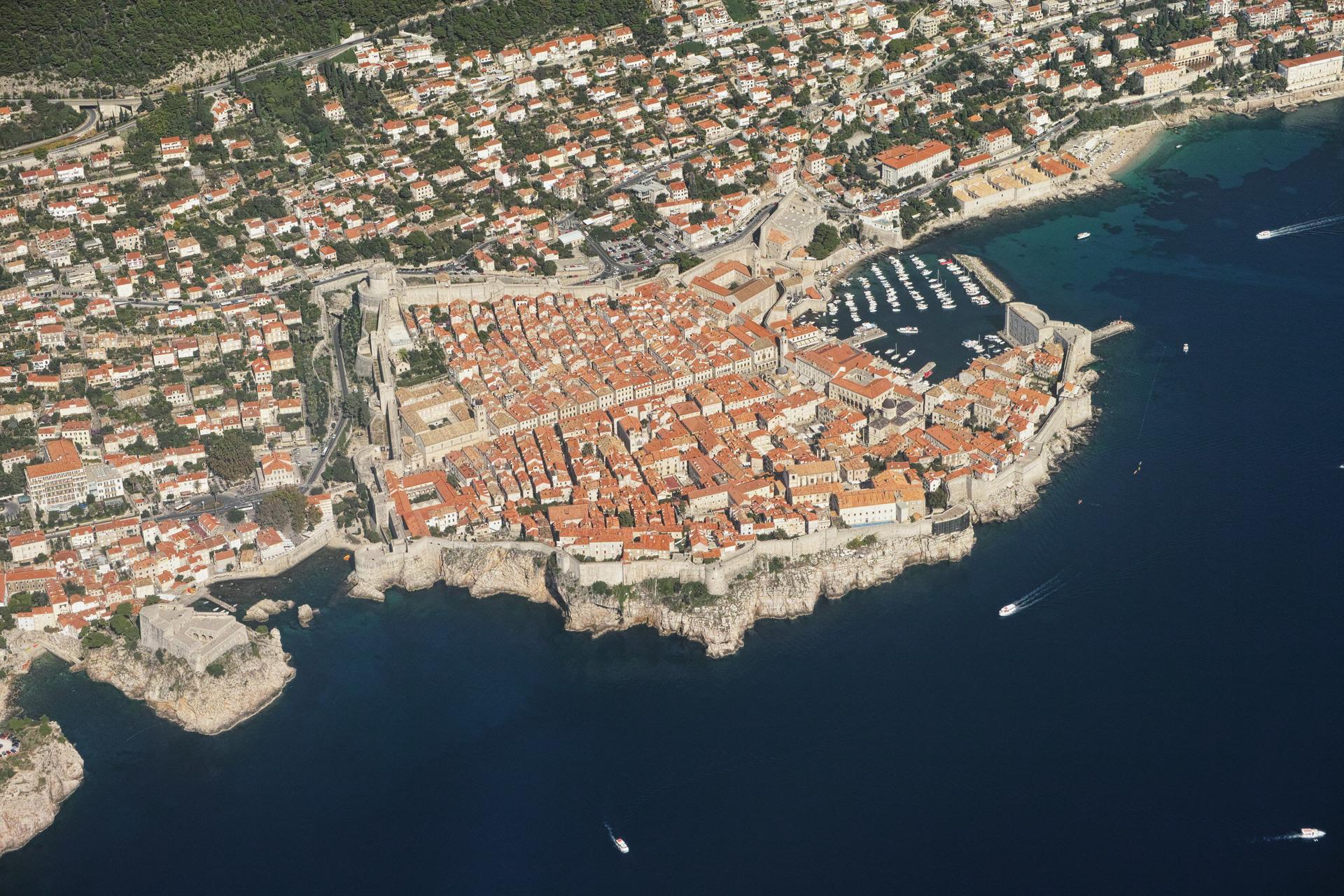
Looking beyond Split Ethnographic Museum? Discover Dalmatia for broader travel guides, local hot-spots, and regional highlights.
Explore Dalmatia