Dvigrad ruins, Istria Travel Guide
Explore the captivating Dvigrad ruins in Istria, a haunting medieval ghost town with well-preserved remains and a rich history.
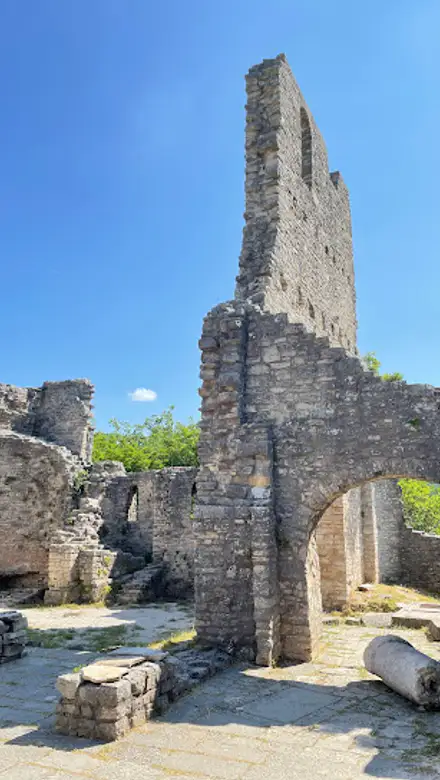
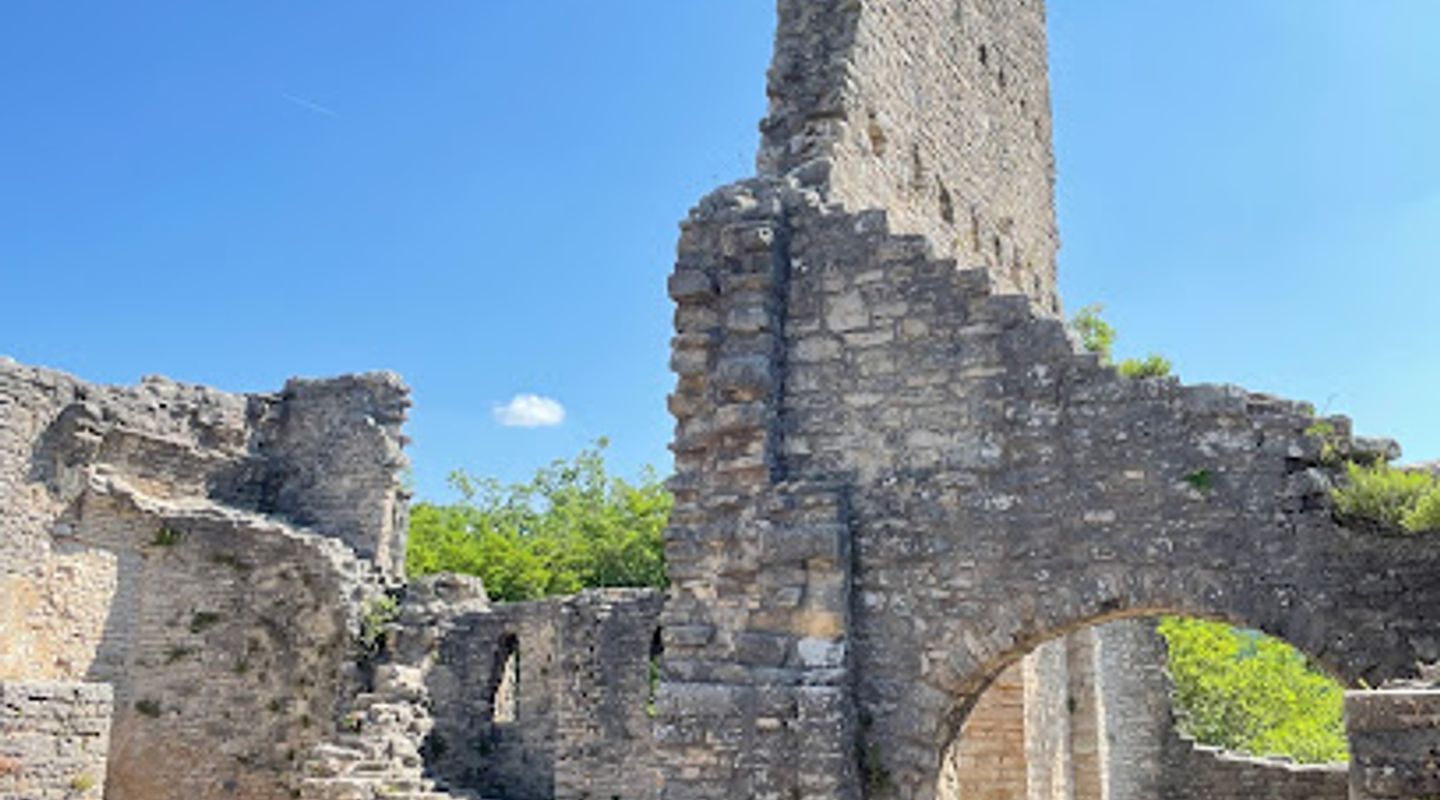
Explore the haunting ruins of Dvigrad, a medieval town abandoned in the 17th century due to disease and war. Wander through the remains of stone houses, defensive walls, and the prominent Church of St. Sophia, imagining life in this once-thriving Istrian settlement.
A brief summary to Dvigrad ruins
- Kanfanar, HR

Know before you go
Hi, I'm Eve. Here are a few practical things to know before exploring Dvigrad ruins.
- Wear comfortable shoes for exploring the uneven terrain within the ruins.
- Visit during the off-season for a more solitary and mystical experience.
- Bring water, especially during hot days, as there are limited facilities on-site.
- Combine your visit with a trip to nearby Rovinj or other Istrian attractions.
Do you manage this location?
Take control to get all the benefits, like improved information, better appearance, and stronger visibility across AI-powered discovery. Learn more about listing your business on Evendo
Activate your presenceOther nearby places you may find interesting
The closest places of the same kind, if this one is not quite what you had in mind.


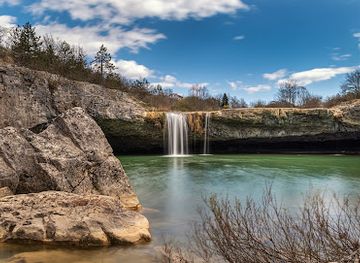
Explore Dvigrad ruins on the Map
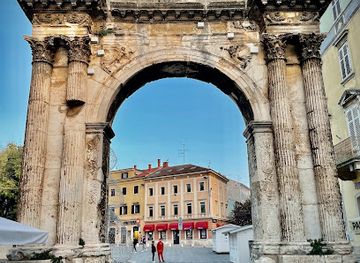
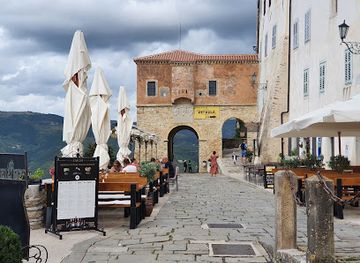
A handpicked selection of must-see spots near Dvigrad ruins, mapped for you.
Unlock the Best of Dvigrad ruins
Buy tickets
-
No tickets available
Book tours with entry

Book tours without entry

Getting There
-
Car
The easiest way to reach Dvigrad is by car. From the A9 motorway (Pula-Slovenia), exit towards Kanfanar. Follow the signs for Dvigrad, a few kilometers north of Kanfanar. Free parking is available near the ruins.
-
Public Transport
Take a bus from Rovinj to Vodnjan, then a train from Vodnjan to Kanfanar. From the Kanfanar train station, it's approximately a 30-minute walk to Dvigrad. Bus and train tickets will cost approximately €1-€4.
-
Taxi
A taxi from Rovinj to Dvigrad is the fastest option, taking around 30 minutes and costing approximately €30-€40.
Discover more about Dvigrad ruins













Your all‑in‑one travel companion app
Explore expert travel guides, compare and book tours, experiences, hotels, and more—all from the palm of your hand. Download now for seamless trip planning wherever your wanderlust takes you.


Explore More of Istria
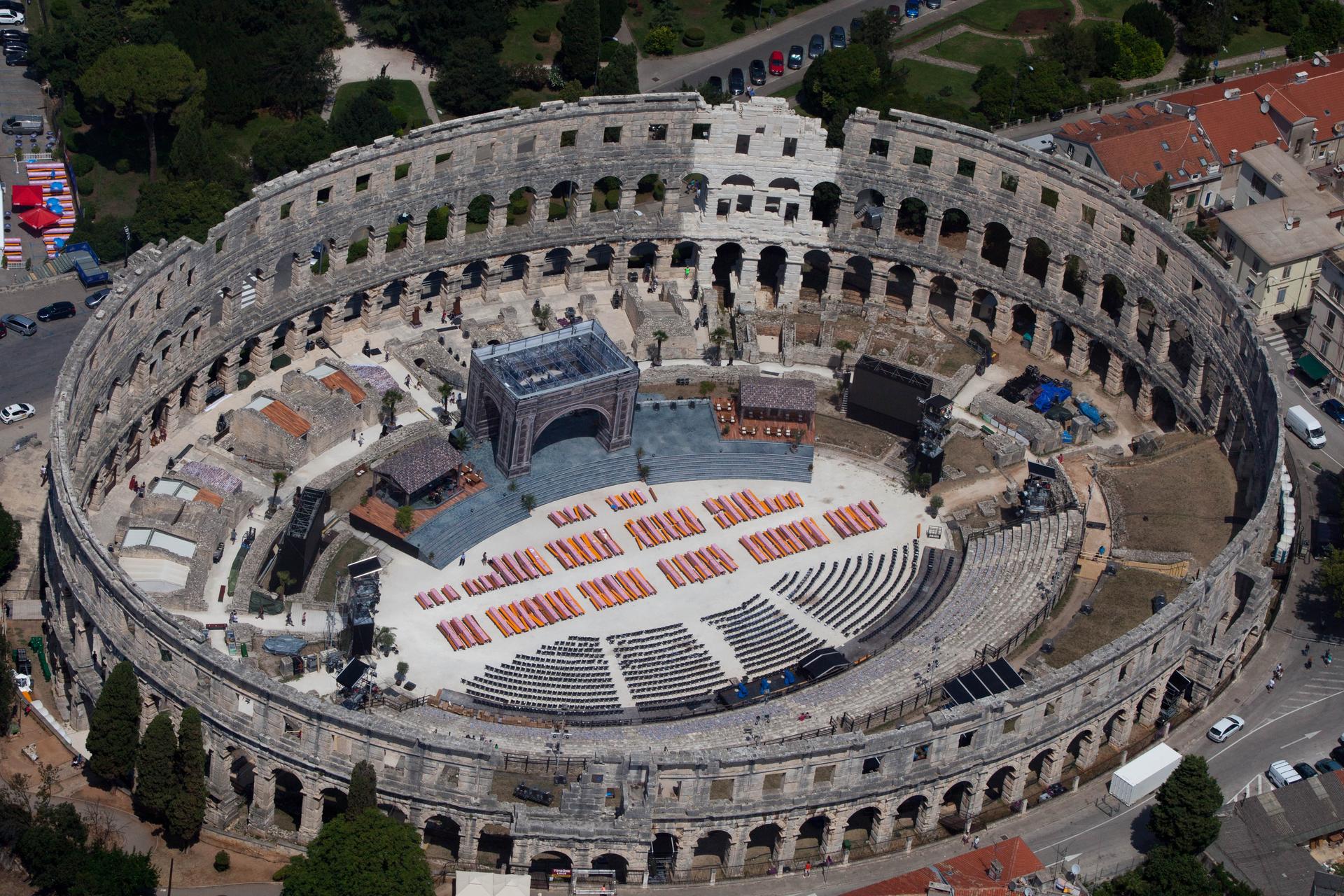
Looking beyond Dvigrad ruins? Discover Istria for broader travel guides, local hot-spots, and regional highlights.
Explore Istria
Explore scenic trails with stunning Adriatic views at Štrika Ferata, Rovinj's premier hiking destination steeped in history and natural beauty.
Capture the beauty of Svetvinčenat: rolling hills, historic architecture, and tranquil Croatian charm await at Photo Point.