

Rovinj Riviera Travel Guide - Free Web & App
Your ultimate guide to Rovinj Riviera. Discover top landmarks, proposed trips, and local tips. Free on the web or via the Evendo companion app.


Rovinj Riviera, Croatia, blends Venetian Rovinj, forested shores, Lim Bay, island cruises, beaches, cycling routes and Istrian food by the Adriatic.
Coastal Landscape and Character
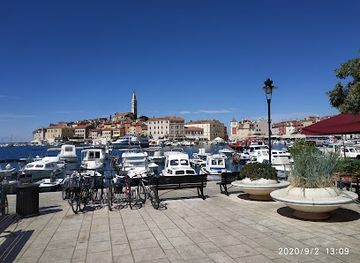
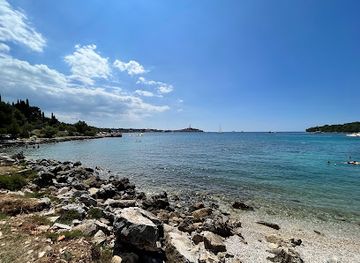
Rovinj Riviera follows the western Istrian coast around Rovinj, where a deeply indented shoreline, wooded headlands and low offshore islands meet the northern Adriatic. Rovinj is the region’s defining settlement: its historic peninsula rises above a harbour of fishing boats, working vessels and excursion craft, while the surrounding coast alternates between rocky bathing platforms, pine woodland, sheltered coves and carefully managed resort areas. The nearby Zlatni Rt forest park provides one of the Riviera’s most accessible green spaces, with paths beneath maritime vegetation and access to several sections of coast.Read more about Rovinj Riviera
History and Local Culture
Exploring the Riviera
When is the best time to visit Rovinj Riviera?
Best: April–May, October · 23–28°C| Month | High (°C) | Rainfall (mm) |
|---|---|---|
| January | 13 | 76 |
| February | 14 | 63 |
| March | 17 | 58 |
| April (best) | 23 | 58 |
| May (best) | 28 | 50 |
| June | 31 | 40 |
| July | 33 | 25 |
| August | 33 | 25 |
| September | 31 | 40 |
| October (best) | 25 | 58 |
| November | 19 | 76 |
| December | 13 | 76 |
Getting to and around Rovinj Riviera
How to get there
Transportation
Best attractions in Rovinj Riviera
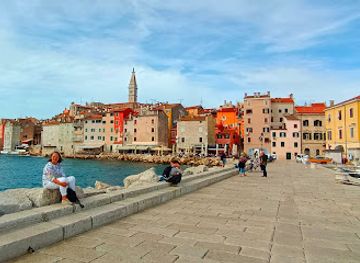
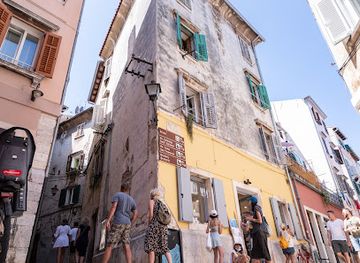
Rovinj’s old town is the Riviera’s principal attraction, with steep stone lanes leading to the Church of St Euphemia, harbour views and waterfront promenades. The Zlatni Rt forest park extends south of the centre into a wooded coastal landscape of paths, coves and bathing areas, while nearby islands and islets can be appreciated from the shore or on seasonal boat excursions. Lim Bay, north of Rovinj, is a long, narrow marine inlet bordered by wooded slopes and is often visited for its scenery and seafood-growing landscape. Inland, the Bronze Age hillfort of Monkodonja offers archaeological context, while Bale provides a historic stone-built village atmosphere beyond the immediate coast. Around the southern edge of the Riviera, the Palud area introduces a wetland environment important for birdlife and quieter nature observation. Beaches and rocky shore platforms are distributed along the coast rather than concentrated in one continuous sandy resort.
-
Tourist attraction
Viewpoint Casanova
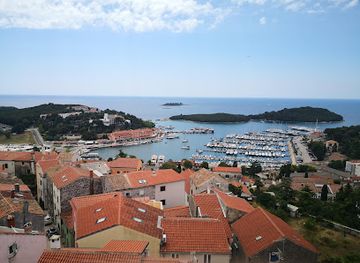
Experience stunning views of Vrsar and the Adriatic Sea at the breathtaking Viewpoint Casanova, a top tourist attraction in Croatia.
-
Winery
Damjanić vina
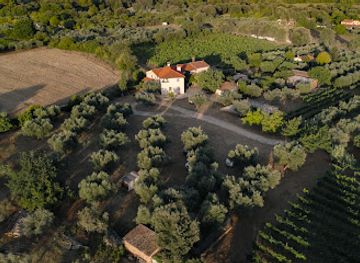
Explore the rich flavors of Croatia at Damjanić Vina, a family-run winery in Poreč, specializing in exquisite local wines and immersive vineyard experiences.
-
Winery
OPG Šuran Petar Rino - Rovinjska vina
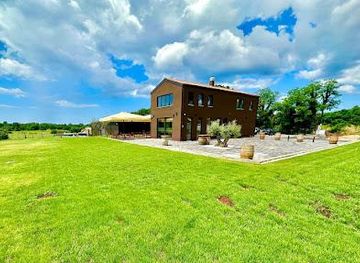
Discover the rich flavors of Istria at OPG Šuran Petar Rino Winery, where local wines and olive oil create a unique tasting experience.
-
Tourist attraction
Mini Croatia
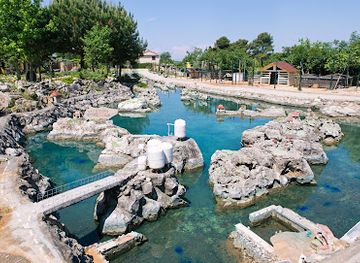
Discover the charm of Croatia in miniature at Mini Croatia, a captivating tourist attraction in the heart of Rovinj, showcasing the nation's iconic landmarks.
Best landmarks in Rovinj Riviera
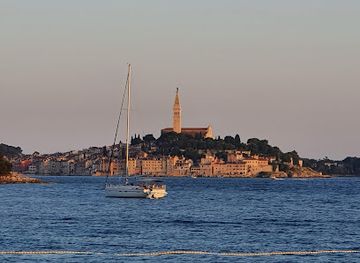
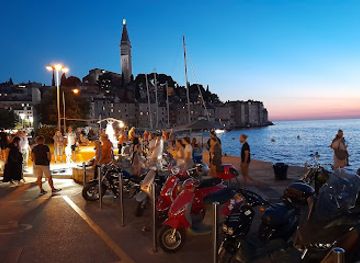
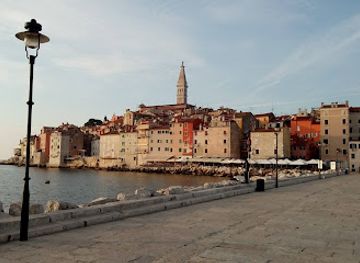
The most recognisable landmark is the Church of St Euphemia, whose prominent bell tower rises above Rovinj’s former island settlement and helps define views across the harbour. The old town itself is a historic landmark, with a dense network of stone lanes, small squares and waterfront buildings shaped by centuries of maritime life. South of the centre, Zlatni Rt is significant as a landscaped coastal forest and recreational green space rather than as a single monument. Monkodonja, an elevated Bronze Age hillfort near Rovinj, provides an important archaeological landmark in the surrounding countryside. Lim Bay is the Riviera’s principal natural landmark, a narrow inlet extending inland between wooded slopes. The Palud wetland adds ecological importance to the southern landscape, while Rovinj’s batanas and fishing heritage represent cultural landmarks expressed through boats, skills and living maritime traditions rather than monumental architecture.
-
Catholic church
Church of St. Euphemia
Discover Rovinj's iconic Baroque church, home to St. Euphemia's relics, offering stunning views from its bell tower and a glimpse into local history.
-
Park
Park forest Zlatni Rt
Experience the tranquil beauty of Park Forest Zlatni Rt in Rovinj, where lush greenery meets stunning Adriatic coastlines for an unforgettable escape.
-
Market
Rovinj Market
Experience the vibrant heart of Rovinj at its bustling market, a sensory feast of local flavors, fresh produce, and Istrian charm.
-
Park
Golden Cape
Explore Golden Cape, a beautiful park in Rovinj, Croatia, where nature, tranquility, and adventure come together in stunning landscapes.


Explore Rovinj Riviera on the map
Plan your trip on one map. See where the top attractions, landmarks, restaurants and hotels are, and book hotels and experiences in a few clicks.
Best hotels in Rovinj Riviera
Best restaurants in Rovinj Riviera
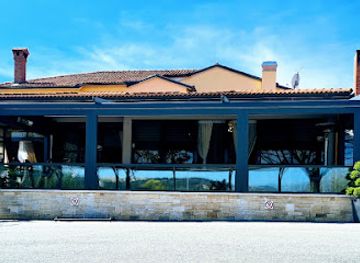
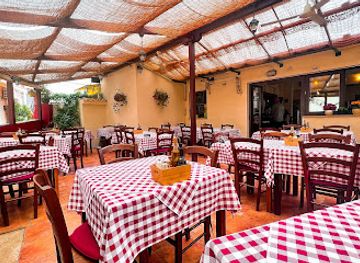
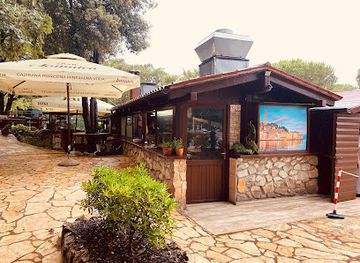
Dining around the Rovinj Riviera is concentrated in Rovinj, with further options in nearby villages and gateway settlements rather than at every coastal attraction. Istrian cooking draws on olive oil, seasonal vegetables, herbs, locally produced pasta such as fuži, and inland specialities including truffles and wild asparagus when in season. The coastal setting adds fish, shellfish and other Adriatic ingredients, while traditional konobas and family-run restaurants provide a more rustic setting than the old town’s contemporary dining rooms. Rovinj’s market is useful for seeing regional produce, and cafés and bakeries serve lighter meals throughout the day. Around Lim Bay, seafood is closely associated with the local marine environment, though individual menus and opening patterns vary. Visitors heading to Palud, Zlatni Rt or rural archaeological sites should plan food and water in Rovinj or another settlement rather than expecting extensive dining facilities beside the attraction.
-
Seafood
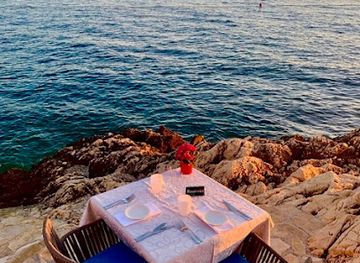
Rovinj Restaurant - La Puntulina
Experience exquisite seafood dining at La Puntulina in Rovinj, where Mediterranean flavors meet breathtaking Adriatic views.
-
Restaurant
Restaurant Orca
Discover the exquisite flavors of Croatia at Restaurant Orca, where fresh seafood meets family-friendly dining in beautiful Rovinj.
-
Restaurant
La Vela gostionica
Experience authentic Croatian cuisine at La Vela Gostionica in Rovinj - where local flavors meet warm hospitality.
-
Restaurant
Konoba Tugurio
Experience authentic Croatian cuisine at Konoba Tugurio in Rovinj – where every dish tells a story.
Best bars in Rovinj Riviera
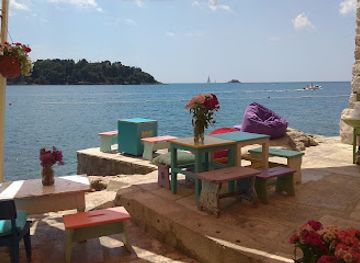
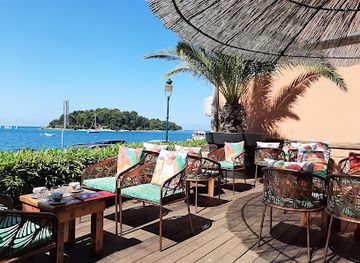
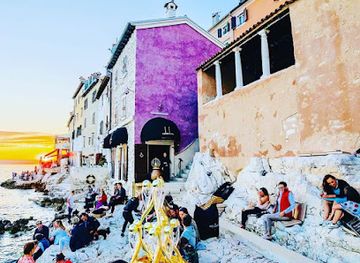
Evenings on the Rovinj Riviera centre on the old town, harbour and waterfront, where cafés, wine bars and established hospitality venues create a sociable but generally relaxed atmosphere rather than a large club scene. Local wines, Istrian spirits and simple aperitif drinks feature alongside coffee and evening conversation, with the historic streets becoming livelier during the summer season. Traditional music and cultural programmes may appear as part of Rovinj’s seasonal calendar, but visitors should check current listings rather than assume a performance is taking place. Outside Rovinj, nightlife is much quieter, with village restaurants and occasional local events providing the main evening options. Zlatni Rt, Palud and the rural coastline are places for nature and darkness, not late-night entertainment, while visitors seeking a broader urban nightlife selection would need to travel beyond the Riviera to a larger Istrian centre.
-
Cocktail bar
Mediterraneo Cocktail Bar
Discover the ultimate cocktail experience at Mediterraneo Cocktail Bar in Rovinj, where stunning sea views meet exquisite drinks and a lively atmosphere.
-
Bar
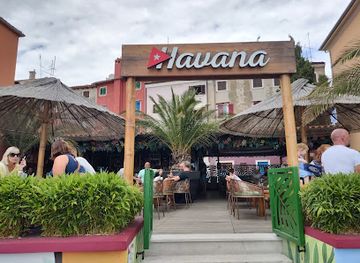
Havana Rovinj Cocktail Bar
Discover Havana Rovinj, a tropical cocktail bar offering exquisite drinks and breathtaking views of the Adriatic coast, perfect for relaxing evenings.
-
Bar
Beach Bar ComeBack
Experience the vibrant atmosphere and stunning seaside views at Beach Bar ComeBack in Rovinj, a perfect retreat for relaxation and enjoyment.
-
Restaurant
Beach Bar Rovinj
Discover the seaside charm of Beach Bar Rovinj, where delicious cuisine meets stunning views of the Adriatic Sea.
Best nightclubs in Rovinj Riviera
Evenings on the Rovinj Riviera centre on the old town, harbour and waterfront, where cafés, wine bars and established hospitality venues create a sociable but generally relaxed atmosphere rather than a large club scene. Local wines, Istrian spirits and simple aperitif drinks feature alongside coffee and evening conversation, with the historic streets becoming livelier during the summer season. Traditional music and cultural programmes may appear as part of Rovinj’s seasonal calendar, but visitors should check current listings rather than assume a performance is taking place. Outside Rovinj, nightlife is much quieter, with village restaurants and occasional local events providing the main evening options. Zlatni Rt, Palud and the rural coastline are places for nature and darkness, not late-night entertainment, while visitors seeking a broader urban nightlife selection would need to travel beyond the Riviera to a larger Istrian centre.
-
Bar
Havana Rovinj Cocktail Bar
Discover the lively Havana Rovinj Cocktail Bar, where exceptional cocktails meet breathtaking views for an unforgettable night out in Rovinj.
-
Cocktail bar
Valentino Cocktail & Champagne Bar
Indulge in luxury at Valentino Cocktail & Champagne Bar in Rovinj, where expertly crafted cocktails and exquisite champagne await.
-
Bar
The Orange Bar
Discover the lively charm of The Orange Bar in Rovinj, where great drinks and stunning Adriatic views create unforgettable memories.
-
Bar
Vestrum beach
Discover the laid-back charm of Vestrum Beach Bar in Rovinj, where stunning views and refreshing drinks create the perfect seaside escape.

Best shops in Rovinj Riviera
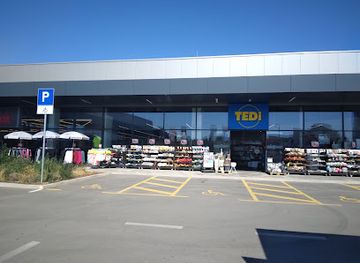
Shopping is concentrated in Rovinj’s old town, market area and central streets, with smaller village shops serving everyday needs elsewhere along the Riviera. Visitors commonly look for Istrian olive oil, local wines, honey, preserves, dried herbs, truffle products and other regional foods, although stock varies by season and retailer. Galleries and independent craft businesses in Rovinj reflect the town’s long association with the sea, stone architecture and visual arts, while batana-related cultural interpretation offers context for the area’s traditional boatbuilding and fishing identity. Fresh produce can be found through local markets and farm-oriented outlets, and larger supermarkets are useful for provisions before visiting Palud, Monkodonja or quieter coastal areas. Remote beaches and nature sites have little retail infrastructure, so food, water and practical supplies are best obtained in Rovinj or a nearby settlement.
-
Store
Retail park Rovinj
Explore Retail Park Rovinj for a delightful shopping experience with a touch of Adriatic charm and variety.
-
Art gallery
Atelier Charm'
Explore Atelier Charm' in Rovinj, where contemporary art meets local culture in a vibrant gallery setting.
-
Art gallery
Nothing to Sea
Explore Nothing to Sea in Rovinj – an art haven showcasing unique local artworks and exquisite handmade ceramics.
-
Shopping mall
Kcentar Rovinj
Explore Kcentar Rovinj, a modern shopping mall offering a blend of local culture, dining, and shopping experiences in the heart of Rovinj.
Get your free copy of our complete guide to Rovinj Riviera, delivered straight to you.
Everything on this page, from attractions and restaurants to essentials and local phrases, in one PDF you can read offline, print or share.
Already have an account? Sign in
Your Rovinj Riviera guide is ready.
We'll send it to · Not you? Sign out

Getting your guide ready…
We are putting together a fresh copy of the Rovinj Riviera guide. This can take up to a minute.
This can take a few moments. If your browser asks, choose Allow so the download can start. You'll find the guide in your Downloads folder.
Nothing happened? Download it again
Sorry, the guide is taking longer than usual. Please try again in a minute, or get it by email instead.
Rovinj Riviera essentials
Currency and Payment
Safety
Emergency Situations
Do's and Don'ts
Local Tips
From Eve
Local phrases worth knowing
You don't need to get them perfect. A few words go a long way, and locals appreciate the effort.
Basics
| English | Local | Say it |
|---|---|---|
| Hello | Bok | [bohk] |
| Goodbye | Doviđenja | [dov-ee-dyen-ya] |
| Yes | Da | [dah] |
| No | Ne | [neh] |
| Please/You're welcome | Molim | [moh-leem] |
| Thank you | Hvala | [hva-lah] |
| Excuse me/Sorry | Oprosti | [oh-pros-tee] |
| How are you? | Kako si? | [kah-koh see] |
| Fine. And you? | Dobro. A ti? | [doh-bro. ah tee] |
| Do you speak English? | Govoriš li engleski? | [go-vor-eesh lee eng-les-kee] |
| I don't understand | Ne razumijem | [neh rah-zoo-me-yem] |
Eating & Drinking
| English | Local | Say it |
|---|---|---|
| I'd like to see the menu, please | Molio bih jelovnik, molim | [moh-lee-oh bee yeh-lohv-neek, moh-leem] |
| I don't eat meat | Ne jedem meso | [neh yeh-dem meh-so] |
| Cheers! | Živjeli! | [zheev-ye-lee] |
| I would like to pay, please | Želim platiti, molim | [zheh-leem plah-tee-tee, moh-leem] |
Emergencies
| English | Local | Say it |
|---|---|---|
| Help! | Upomoć! | [oo-poh-mohch] |
| Go away! | Odlazi! | [oh-dlah-zee] |
| Call the Police! | Pozovite policiju! | [poh-zoh-vee-teh poh-lee-tsee-yoo] |
| Call a doctor! | Pozovite doktora! | [poh-zoh-vee-teh dohk-toh-rah] |
| I'm lost | Izgubio/la sam se | [eez-goo-byoh/lah sahm seh] |
| I'm ill | Bolesan/na sam | [boh-leh-sahn/nah sahm] |
Shopping
| English | Local | Say it |
|---|---|---|
| I'd like to buy... | Želim kupiti... | [zheh-leem koo-pee-tee] |
| I'm just looking | Samo gledam | [sah-moh gleh-dahm] |
| How much is it? | Koliko košta? | [koh-lee-koh koh-shta] |
| That's too expensive | To je pre skupo | [toh yeh preh skoo-poh] |
| Can you lower the price? | Možete li spustiti cijenu? | [moh-zheh-teh lee spoos-tee-tee tsee-yeh-noo] |
Time & Numbers
| English | Local | Say it |
|---|---|---|
| What time is it? | Koliko je sati? | [koh-lee-koh yeh sah-tee] |
| It's one o'clock | Jedan je sat | [yeh-dahn yeh saht] |
| Half past (10) | Pola (deset) | [poh-lah deh-set] |
| Morning | Jutro | [yoo-troh] |
| Afternoon | Popodne | [poh-pohd-neh] |
| Evening | Večer | [veh-cher] |
| Yesterday | Jučer | [yoo-cher] |
| Today | Danas | [dah-nahs] |
| Tomorrow | Sutra | [soo-trah] |
| 1 | Jedan | [yeh-dahn] |
| 2 | Dva | [dvah] |
| 3 | Tri | [tree] |
| 4 | Četiri | [cheh-tee-ree] |
| 5 | Pet | [peht] |
| 6 | Šest | [shehst] |
| 7 | Sedam | [seh-dahm] |
| 8 | Osam | [oh-sahm] |
| 9 | Devet | [deh-vet] |
| 10 | Deset | [deh-set] |
Transport & Directions
| English | Local | Say it |
|---|---|---|
| Where's a/the...? | Gdje je... | [gdyeh yeh] |
| What's the address? | Koja je adresa? | [koh-yah yeh ah-dre-sah] |
| Can you show me (on the map)? | Možete li mi pokazati (na karti)? | [moh-zheh-teh lee mee poh-kah-zah-tee nah kahr-tee] |
| When's the next (bus)? | Kada je sljedeći (autobus)? | [kah-dah yeh sl-yeh-deh-chee ow-toh-boos] |
| A ticket (to ....) | Jednu kartu (do ....) | [yehd-noo kahr-too doh] |
History of Rovinj Riviera
Early Settlement and Roman Istria
The Rovinj area was inhabited long before the modern town developed. The hillfort of Monkodonja, a Bronze Age settlement near Rovinj, records organised prehistoric occupation in the surrounding landscape. Under Roman rule, Istria became part of a wider Adriatic world of agriculture, maritime movement and urban settlements. The coast’s sheltered inlets and productive hinterland supported fishing, cultivation and local exchange, while the broader peninsula acquired the roads, estates and administrative connections that helped shape later settlement patterns.
Venetian Rovinj
Rovinj entered the sphere of Venice in 1283 and remained connected to the Venetian state until its fall in 1797. During this period the settlement expanded on an island beside the mainland, with defensive walls, narrow lanes, churches and houses adapted to the restricted topography. Fishing, seafaring, salt production and trade contributed to the town’s prosperity. The Church of St Euphemia, rebuilt in the eighteenth century, became the dominant landmark of the historic settlement and remains a visible expression of Rovinj’s Venetian and Catholic heritage.
From Island to Peninsula
Rovinj’s physical form changed in 1763, when the channel separating the old town from the mainland was filled. The intervention improved access and linked the settlement more directly with its hinterland, although the former island character remains legible in the compact street plan and waterfront setting. After the end of Venetian rule, Rovinj passed through the Habsburg and Napoleonic periods before returning to Austrian administration. The town’s maritime economy continued to depend on fishing, small-scale shipping and the agricultural production of inland Istria.
Modern Industry and Tourism
During the nineteenth and early twentieth centuries, Rovinj developed further under Austro-Hungarian rule. Canning and fish-processing activity became particularly important, reflecting the town’s strong maritime economy, while improving transport links connected it with wider Istrian markets. Tourism emerged gradually through the coast’s mild climate, seascape and access to natural landscapes. In the twentieth century, hotels, holiday areas and recreational infrastructure expanded around the historic centre, especially towards wooded coastal zones such as Zlatni Rt, changing the relationship between the working town and its visitor economy.
Living Heritage and Conservation
Contemporary Rovinj Riviera combines tourism with the protection of coastal habitats, historic fabric and maritime traditions. The batana, a traditional flat-bottomed fishing boat, remains a key symbol of Rovinj’s cultural identity; the town’s Ecomuseum Batana and associated practices help interpret boatbuilding, fishing and the songs known as bitinade. The batana-related heritage was inscribed on UNESCO’s Representative List of the Intangible Cultural Heritage of Humanity in 2018. Coastal forests, the Palud wetland and other natural areas add an environmental dimension to the region’s modern identity.
Rovinj Riviera in Photos
Browse through our photo collection highlighting the charm and character of the destination.
Cities in Rovinj Riviera
The towns and cities of Rovinj Riviera, and the easiest places to base yourself.

Swipe for more cities
Neighbouring destination travel guides
The closest destinations to Rovinj Riviera, if you have time for more than one.
-

-

-

-

-


Swipe for more destinations
Explore more

Explore more of Istria
Discover the charm of Istria, Croatia's heart-shaped peninsula, where history, nature, and gourmet cuisine come together for an unforgettable experience.
Explore Istria
Explore more of Croatia
Discover Croatia: A Mediterranean paradise with stunning coastlines, ancient cities, and rich cultural heritage. Perfect for beach lovers, history buffs, and nature enthusiasts.
Explore Croatia