

Venice Lido Travel Guide - Free Web & App
Your ultimate guide to Venice Lido. Discover top landmarks, proposed trips, and local tips. Free on the web or via the Evendo companion app.


Venice Lido, Italy, combines Adriatic beaches, Art Nouveau hotels, Malamocco village, lagoon nature and easy access to Venice’s historic centre.
An Adriatic Island beside Venice
Venice Lido is the long, narrow barrier island that separates the Venetian Lagoon from the Adriatic Sea. Reached by vaporetto from Venice, it feels markedly different from the historic centre: roads, bicycles, buses, broad avenues and residential neighbourhoods replace most canals and pedestrian lanes. The island stretches from San Nicolò in the north to Alberoni in the south, with the main settlement around Santa Maria Elisabetta and the historic village of Malamocco between them.Read more about Venice Lido
Beaches, Pinewoods and Lagoon Nature
Hotels, Cinema and Island Life
When is the best time to visit Venice Lido?
Best: June–July, September · 26–30°C| Month | High (°C) | Rainfall (mm) |
|---|---|---|
| January | 7 | 67 |
| February | 7 | 58 |
| March | 11 | 71 |
| April | 15 | 86 |
| May | 21 | 81 |
| June (best) | 26 | 59 |
| July (best) | 30 | 52 |
| August | 30 | 60 |
| September (best) | 26 | 84 |
| October | 20 | 109 |
| November | 13 | 115 |
| December | 8 | 97 |
Getting to and around Venice Lido
How to get there
Transportation
Best attractions in Venice Lido
Venice Lido’s attractions are spread along a narrow island between the Venetian Lagoon and the Adriatic. Around Santa Maria Elisabetta, the Grand Hotel des Bains, Hotel Excelsior and Palazzo del Cinema express the Lido’s historic resort and film culture, while the broad seafront and bathing beaches provide its most immediate leisure landscape. Malamocco, on the lagoon side, is the island’s most characterful historic settlement, with small squares, canals and a village atmosphere distinct from central Venice. At the northern end, San Nicolò combines lagoon views with the island’s older maritime and defensive setting. South of Malamocco, Alberoni offers a more natural landscape of dunes, pinewoods and coastal habitats, together with the Alberoni Golf Club. The island is also a useful base for seeing Venice from a quieter residential setting, with regular water connections making St Mark’s Square and the historic centre accessible without placing every experience in the pedestrian heart of the city.
-
Fine Dining
Venissa
Experience the finest Venetian cuisine at Venissa, where tradition meets innovation in a stunning vineyard setting.
-
Glass manufacturer
Ellegi Murano Glass Factory
Discover the timeless art of Murano glassmaking at Ellegi Murano Glass Factory in Venice, where craftsmanship meets artistry in every creation.
-
Open air museum
Island of Lazzaretto Nuovo
Explore the historical significance of Lazzaretto Nuovo, an open-air museum in Venice, Italy, and delve into the island's captivating past.
-
Cultural center
Palazzo da Mula
Explore the rich culture and history of Venice at Palazzo da Mula, a charming museum showcasing the artistic legacy of the Venetian Lagoon.


Explore Venice Lido on the map
Plan your trip on one map. See where the top attractions, landmarks, restaurants and hotels are, and book hotels and experiences in a few clicks.
Best hotels in Venice Lido
Get your free copy of our complete guide to Venice Lido, delivered straight to you.
Everything on this page, from attractions and restaurants to essentials and local phrases, in one PDF you can read offline, print or share.
Already have an account? Sign in
Your Venice Lido guide is ready.
We'll send it to · Not you? Sign out

Getting your guide ready…
We are putting together a fresh copy of the Venice Lido guide. This can take up to a minute.
This can take a few moments. If your browser asks, choose Allow so the download can start. You'll find the guide in your Downloads folder.
Nothing happened? Download it again
Sorry, the guide is taking longer than usual. Please try again in a minute, or get it by email instead.
Venice Lido essentials
Currency and Payment
Safety
Emergency Situations
Do's and Don'ts
Local Tips
From Eve
Local phrases worth knowing
You don't need to get them perfect. A few words go a long way, and locals appreciate the effort.
Basics
| English | Local | Say it |
|---|---|---|
| Hello | Ciao | [chow] |
| Goodbye | Arrivederci | [ah-ree-veh-dehr-chee] |
| Yes | Sì | [see] |
| No | No | [noh] |
| Please/You're welcome | Per favore/Prego | [pehr fah-voh-reh/preh-goh] |
| Thank you | Grazie | [grah-tsyeh] |
| Excuse me/Sorry | Scusa/Mi dispiace | [skoo-sah/mee dee-spyah-cheh] |
| How are you? | Come stai? | [koh-meh sty] |
| Fine. And you? | Bene. E tu? | [beh-neh. eh too] |
| Do you speak English? | Parli inglese? | [pahr-lee een-gleh-zeh] |
| I don't understand | Non capisco | [nohn kah-pee-scoh] |
Eating & Drinking
| English | Local | Say it |
|---|---|---|
| I'd like to see the menu, please | Vorrei vedere il menù, per favore | [vohr-reh-ee veh-deh-reh eel meh-noo pehr fah-voh-reh] |
| I don't eat meat | Non mangio carne | [nohn mahn-joh kahr-neh] |
| Cheers! | Salute! | [sah-loo-teh] |
| I would like to pay, please | Vorrei pagare, per favore | [vohr-reh-ee pah-gah-reh pehr fah-voh-reh] |
Emergencies
| English | Local | Say it |
|---|---|---|
| Help! | Aiuto! | [ah-yoo-toh] |
| Go away! | Vattene! | [vaht-teh-neh] |
| Call the Police! | Chiamate la polizia! | [kyah-mah-teh lah poh-lee-tsya] |
| Call a doctor! | Chiamate un dottore! | [kyah-mah-teh oon doht-toh-reh] |
| I'm lost | Mi sono perso | [mee soh-noh pehr-soh] |
| I'm ill | Sto male | [stoh mah-leh] |
Shopping
| English | Local | Say it |
|---|---|---|
| I'd like to buy... | Vorrei comprare... | [vohr-reh-ee kohm-prah-reh] |
| I'm just looking | Sto solo guardando | [stoh soh-loh gwar-dahn-doh] |
| How much is it? | Quanto costa? | [kwahn-toh koh-stah] |
| That's too expensive | È troppo caro | [eh troh-poh kah-roh] |
| Can you lower the price? | Puoi abbassare il prezzo? | [pwah-ee ahb-bahs-sah-reh eel preh-tsoh] |
Time & Numbers
| English | Local | Say it |
|---|---|---|
| What time is it? | Che ora è? | [keh oh-rah eh] |
| It's one o'clock | È l'una | [eh loo-nah] |
| Half past (10) | Le dieci e mezza | [leh dyeh-chee eh meh-tzah] |
| Morning | Mattina | [mah-tee-nah] |
| Afternoon | Pomeriggio | [poh-meh-ree-joh] |
| Evening | Sera | [seh-rah] |
| Yesterday | Ieri | [yeh-ree] |
| Today | Oggi | [oh-jee] |
| Tomorrow | Domani | [doh-mah-nee] |
| 1 | Uno | [oo-noh] |
| 2 | Due | [doo-eh] |
| 3 | Tre | [treh] |
| 4 | Quattro | [kwah-troh] |
| 5 | Cinque | [cheen-kweh] |
| 6 | Sei | [say] |
| 7 | Sette | [seht-teh] |
| 8 | Otto | [oh-toh] |
| 9 | Nove | [noh-veh] |
| 10 | Dieci | [dyeh-chee] |
Transport & Directions
| English | Local | Say it |
|---|---|---|
| Where's a/the...? | Dov'è il/la...? | [doh-veh eel/lah] |
| What's the address? | Qual è l'indirizzo? | [kwahl eh leen-dee-ree-tsoh] |
| Can you show me (on the map)? | Puoi mostrarmi (sulla mappa)? | [pwah-ee mohs-trahr-mee soo-lah mahp-pah] |
| When's the next (bus)? | Quando è il prossimo (autobus)? | [kwahn-doh eh eel prohs-shee-moh ow-toh-boos] |
| A ticket (to ....) | Un biglietto (per ....) | [oon beel-lyeh-toh pehr] |
History of Venice Lido
A Barrier Island of the Lagoon
Venice Lido is part of the coastal barrier system that protects the Venetian Lagoon from the open Adriatic. Its position made it important to the lagoon’s maritime geography long before modern tourism developed. The island’s shores, dunes and inlets have changed through natural processes and human intervention, while fishing, navigation and the management of the lagoon shaped local settlement. The northern entrance near San Nicolò and the southern area around Alberoni have long been associated with access between lagoon waters and the sea, giving the Lido a strategic position alongside its environmental importance.
Malamocco and Early Settlement
Malamocco is the Lido’s oldest established settlement and one of the lagoon’s historic centres. Known in earlier periods as Metamaucum, it was connected with the early political and maritime history of Venice before the focus of government moved to the present historic centre. Its position on the western side of the island gave it direct contact with lagoon navigation, while its compact urban form developed around waterways and small public spaces. Although much altered over time by flooding, storms and changing channels, Malamocco still provides the clearest sense of the Lido’s older village identity.
From Military Outpost to Seaside Resort
The northern Lido had a military and defensive role because the lagoon entrances were important to Venice’s security. San Nicolò and the surrounding area formed part of the system controlling access from the Adriatic, while fortifications and other defensive works appeared at strategic points along the island. From the nineteenth century, however, the Lido’s identity increasingly shifted towards leisure and health tourism. Improved connections with Venice encouraged visitors to seek sea bathing, fresh air and resort accommodation away from the dense historic centre.
The Rise of Lido Tourism
At the end of the nineteenth century and during the early twentieth century, Venice Lido was developed as an elegant seaside resort. Hotels, villas, bathing facilities and improved transport transformed the island, particularly around Santa Maria Elisabetta. The Grand Hotel des Bains and Hotel Excelsior became symbols of the resort’s international reputation, while Liberty and Art Nouveau architecture established a distinctive visual character. The Lido’s broad streets and waterfront leisure culture contrasted with Venice’s medieval urban fabric, creating a complementary destination within the same lagoon setting.
Cinema and Modern Conservation
The Venice International Film Festival was established in 1932 and helped give the Lido a lasting role in international cultural life. Its principal events are associated with the Palazzo del Cinema and the waterfront hotels, bringing global attention to the island each year. Alongside this cultural legacy, parts of the Lido remain important for coastal and lagoon conservation. The Alberoni area retains dunes, pinewoods and habitats vulnerable to erosion and heavy use, making the protection of natural areas an increasingly important part of the island’s modern identity.
Venice Lido in Photos
Browse through our photo collection highlighting the charm and character of the destination.
Neighbouring destination travel guides
The closest destinations to Venice Lido, if you have time for more than one.
-
-

-

-

-


Swipe for more destinations
Explore more
Explore more of Veneto
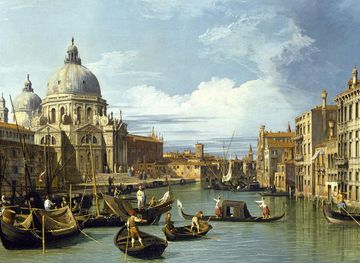
Discover the magic of Veneto – where Venice's canals, Verona's romance, and the scenic Dolomites create an unforgettable Italian adventure.
Explore Veneto
Explore more of Italy
Discover Italy: A land of ancient history, artistic marvels, and culinary delights; where every corner reveals a new story and every meal is a celebration.
Explore Italy