

Poreč Travel Guide - Free Web & App
Your ultimate guide to Poreč. Discover top landmarks, proposed trips, and local tips. Free on the web or via the Evendo companion app.


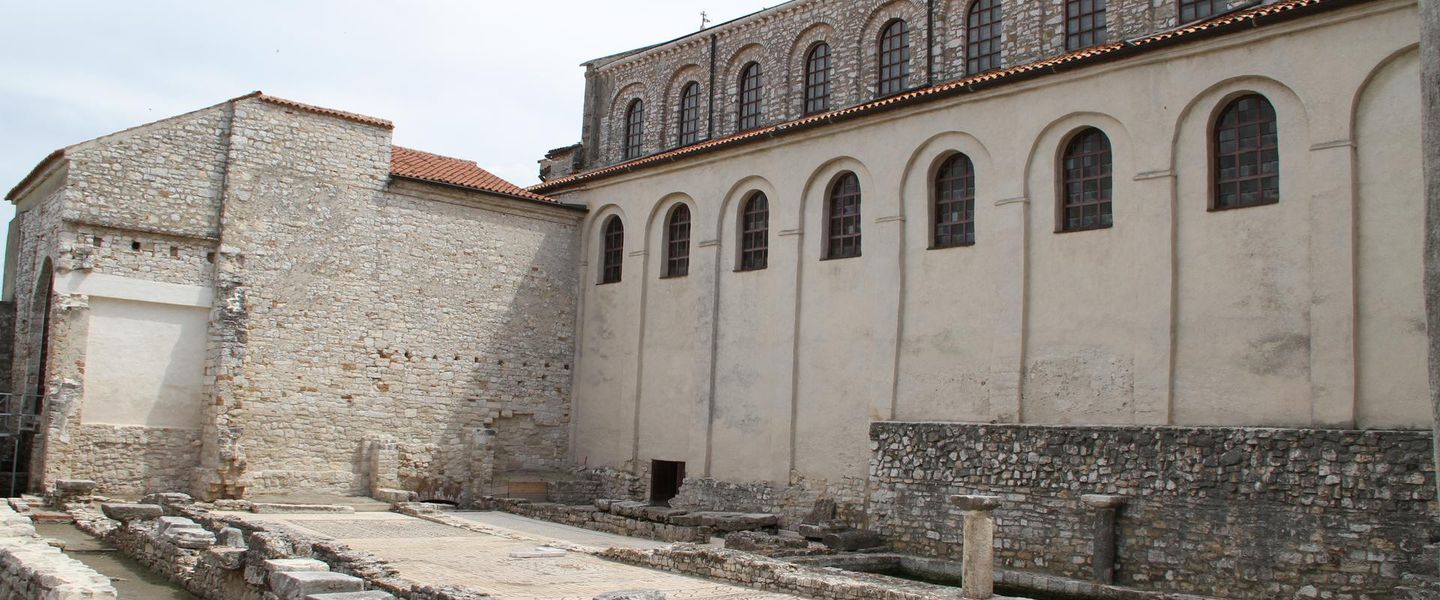


Poreč, Croatia combines a Roman old town, the Euphrasian Basilica, Adriatic beaches, Istrian cuisine, wine, cycling and island excursions.
Old Town and Adriatic Setting
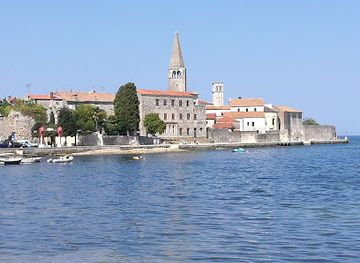
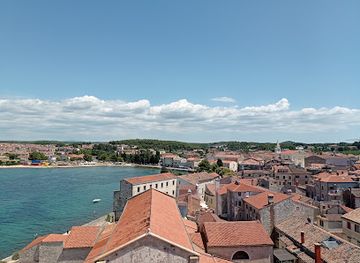
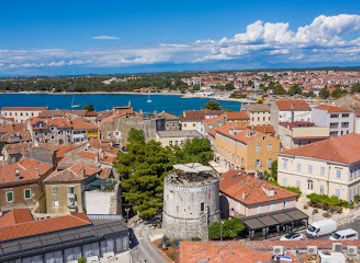
Poreč occupies a narrow peninsula on Istria’s western coast, where a compact historic centre faces the sheltered waters of the Adriatic. Its street plan still follows the Roman layout of Decumanus and Cardo, making the town unusually legible: ancient routes lead between polished stone buildings, small squares, churches, cafés and waterfront promenades. At the centre of its heritage is the Euphrasian Basilica, a sixth-century episcopal complex whose mosaics rank among the finest surviving examples of Byzantine art in the Adriatic.Read more about Poreč
Coast, Islands and Inland Istria
Living Heritage and Visitor Life
When is the best time to visit Poreč?
Best: April–May, October · 21–26°C| Month | High (°C) | Rainfall (mm) |
|---|---|---|
| January | 12 | 62 |
| February | 13 | 51 |
| March | 16 | 48 |
| April (best) | 21 | 61 |
| May (best) | 26 | 58 |
| June | 31 | 57 |
| July | 34 | 39 |
| August | 34 | 73 |
| September | 30 | 69 |
| October (best) | 23 | 91 |
| November | 18 | 110 |
| December | 13 | 85 |
Getting to and around Poreč
How to get there
Transportation
Best attractions in Poreč
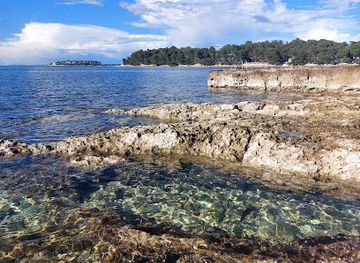
Poreč’s principal attraction is its historic peninsula, where the Roman street grid leads to the Euphrasian Basilica and its mosaic-filled episcopal complex. The waterfront promenade offers views towards Sveti Nikola and the open Adriatic, while the north and south shores provide access to rocky bathing areas, pine-fringed coves and the developed coastal zones of Plava Laguna and Zelena Laguna. Inland, Baredine Cave near Nova Vas presents a very different landscape of karst chambers and underground formations, with organised visitor access rather than unrestricted exploration. The surrounding countryside adds cycling roads, olive groves, vineyards and small Istrian settlements, making the destination more varied than its compact old town suggests. Boat trips may provide a maritime perspective on the coast and islands, while nearby Novigrad, Vrsar and inland hill towns can be visited as regional excursions rather than treated as attractions within Poreč itself.
-
Tourist attraction
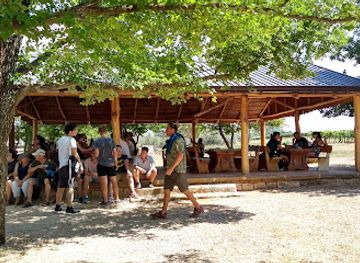
Jama - Grotta Baredine
Discover the stunning beauty of Grotta Baredine, a captivating cave system in Istria, Croatia, rich in geological wonders and unique wildlife.
-
Tourist attraction
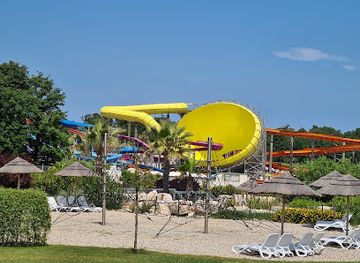
Aquapark Aquacolors
Dive into excitement at Aquapark Aquacolors, Poreč's ultimate water park featuring thrilling rides and family-friendly attractions.
-
Tourist attraction
MOTODROM POREC
Experience the thrill of speed at Motodrom Porec, Istria's ultimate destination for go-karting and quad adventures amidst stunning landscapes.
-
Tourist attraction
Aquarium Poreč
Explore the underwater world at Aquarium Poreč, where vibrant marine life meets engaging educational experiences in a stunning coastal setting.
Best landmarks in Poreč
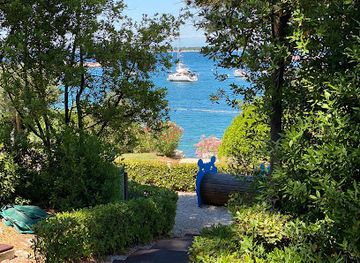
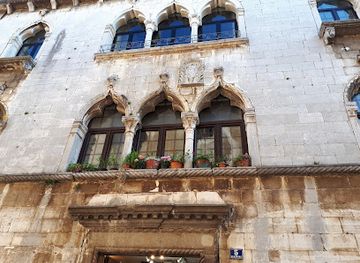
The Euphrasian Basilica is Poreč’s defining landmark, an early Christian episcopal complex whose sixth-century mosaics, baptistery, atrium and bell tower express the town’s late-antique religious importance and earned UNESCO World Heritage recognition. Nearby Decumanus and Cardo preserve the structure of Roman Parentium, while Venetian-era façades and palaces reveal the peninsula’s later Adriatic history. The waterfront, with views towards Sveti Nikola, is a defining geographical edge rather than a single monument, and the island helps shape Poreč’s sheltered maritime outlook. Inland, Baredine Cave is a significant karst landmark, notable for its chambers and subterranean formations. The coastal landscapes of Plava Laguna and Zelena Laguna, with rocky shores and Mediterranean vegetation, are modern recreational environments whose significance lies in the transformation of Poreč into a major Istrian seaside destination.
-
Basilica
Euphrasian Basilica
Discover the Euphrasian Basilica in Poreč: a stunning UNESCO site with breathtaking Byzantine mosaics and rich early Christian history.
-
Aquarium
Aquarium Poreč
Explore the wonders of the Adriatic Sea at Aquarium Poreč, a family-friendly destination in the heart of Poreč, Croatia.
-
Bar
Torre Rotonda Caffé Bar & Cocktails
Experience Poreč from a 15th-century Venetian tower. Enjoy cocktails with panoramic harbor views at this historic café and bar on Narodni Trg.
-
Tourist attraction
Photo Point
Capture the breathtaking beauty of Poreč at Photo Point, where stunning panoramic views and unforgettable memories await every visitor.
Explore Poreč on the map
Plan your trip on one map. See where the top attractions, landmarks, restaurants and hotels are, and book hotels and experiences in a few clicks.
Best hotels in Poreč
Best restaurants in Poreč
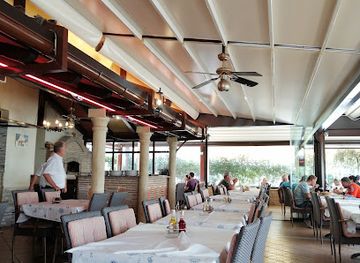
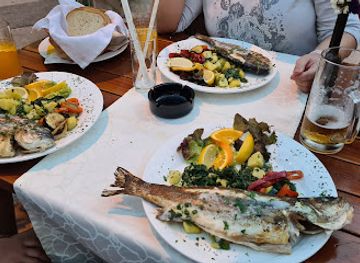
Poreč’s dining identity comes from Istria’s meeting of Adriatic seafood, fertile red-soil agriculture and long-established Italian and Slavic influences. Menus may feature grilled fish, shellfish, local olive oil, Istrian prosciutto, fuži or another regional pasta, seasonal wild asparagus and dishes flavoured with truffles from inland Istria. Malvazija Istarska and Teran are characteristic regional wines, while craft producers and family estates extend the food culture beyond the town. The old centre and waterfront contain the broadest concentration of restaurants, cafés and informal dining, with further choices in the Plava Laguna and Zelena Laguna resort areas. Visitors seeking a more rural experience can look to agritourism establishments and wineries around the nearby villages, though these are dispersed and may require advance planning or a car. Markets and specialist food shops provide opportunities to buy olive oil, wine and regional products for self-catering.
-
Restaurant
Willy Restaurant
Experience authentic Croatian cuisine at Willy Restaurant in Poreč, where local flavors meet a welcoming atmosphere for unforgettable meals.
-
Restaurant
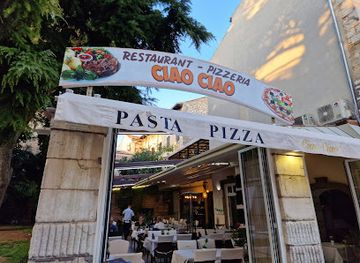
Ciao-Ciao
Discover authentic Mediterranean flavors at Ciao-Ciao in Poreč - where every dish tells a story.
-
Restaurant
Restoran Tradizione
Experience the essence of Croatian flavors at Restoran Tradizione in Poreč - where tradition meets taste.
-
Restaurant
Konoba aba
Experience authentic Istrian cuisine at Konoba aba in Poreč - where every meal tells a story through local flavors.
Best bars in Poreč
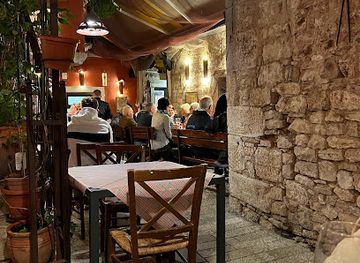
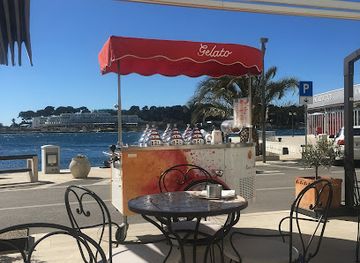
Poreč has a lively summer evening atmosphere without being an all-year nightlife capital. The old town and waterfront offer established cafés, wine bars, cocktail venues and casual places for a drink, while the resort areas south of the centre add seasonal entertainment connected with hotels and holiday complexes. Music and events are more common during the main coastal season, but availability varies by date and venue. Traditional cafés and bars in the historic centre provide a quieter way to experience the town after sightseeing, and Istrian wines are a natural part of the local evening scene. Visitors seeking a late-night club environment may find seasonal options in the resort zones, although smaller inland villages are generally centred on restaurants, taverns and local social life rather than dedicated nightlife.
-
Wine bar
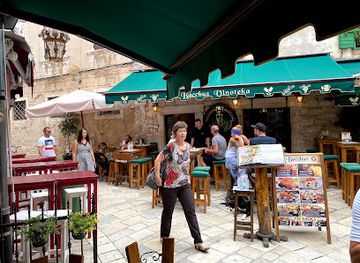
Bacchus
Experience the best of Croatian wines and gourmet cuisine at Bacchus, Poreč's iconic wine bar offering a vibrant atmosphere and exquisite selections.
-
Bar
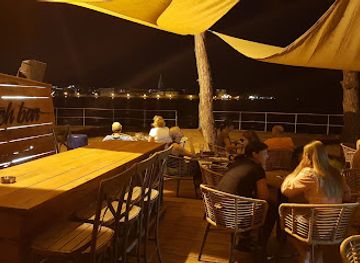
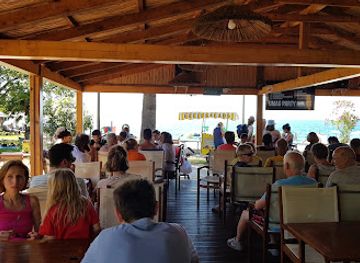
Beach bar Tequila
Experience the vibrant atmosphere and stunning views at Beach Bar Tequila in Poreč, your perfect coastal retreat on the Adriatic Sea.
-
Cafe
Epoca
Discover the vibrant flavors at Epoca, a premier café and cocktail bar in Poreč, offering stunning views and unforgettable culinary experiences.
-
Bar
Beach Bar Jedro
Experience the vibrant coastal atmosphere at Beach Bar Jedro in Poreč, where refreshing drinks meet stunning sea views.
Best nightclubs in Poreč
Poreč has a lively summer evening atmosphere without being an all-year nightlife capital. The old town and waterfront offer established cafés, wine bars, cocktail venues and casual places for a drink, while the resort areas south of the centre add seasonal entertainment connected with hotels and holiday complexes. Music and events are more common during the main coastal season, but availability varies by date and venue. Traditional cafés and bars in the historic centre provide a quieter way to experience the town after sightseeing, and Istrian wines are a natural part of the local evening scene. Visitors seeking a late-night club environment may find seasonal options in the resort zones, although smaller inland villages are generally centred on restaurants, taverns and local social life rather than dedicated nightlife.
-
Bar
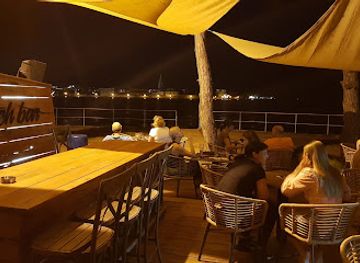
Beach bar Tequila
Experience sun-soaked days and vibrant nightlife at Beach Bar Tequila in Poreč, where delicious cocktails and stunning views await.
-
Bar
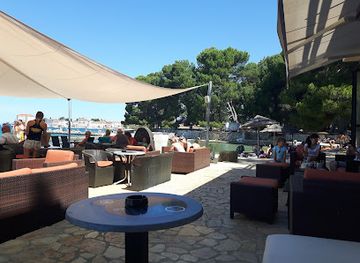
Villa Club Poreč
Discover the lively nightlife of Villa Club Poreč, a perfect blend of great music, delicious drinks, and vibrant dancing in the heart of Croatia's coastal gem.
-
Night club
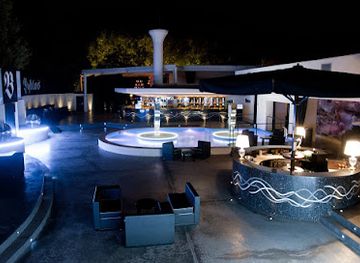
Byblos - Porec - Croatia
Experience the vibrant nightlife at Byblos, Poreč's premier night club, where top DJs and a lively atmosphere create unforgettable nights.
-
Night club
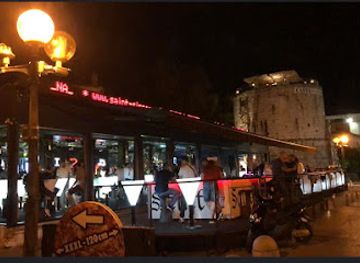
Saint & Sinner
Discover the electrifying nightlife at Saint & Sinner Nightclub in Poreč, Croatia - where the dance floor awaits and memories are made.
Best shops in Poreč
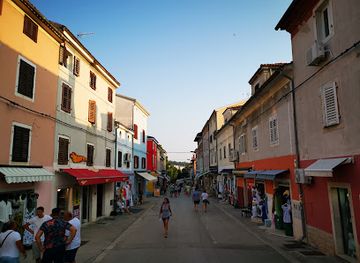
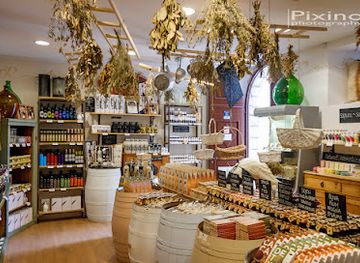
Shopping in Poreč is concentrated in the old town, along the approaches to the historic centre and in the larger coastal resort areas rather than in a single purpose-built shopping district. Small shops and market stalls offer practical holiday goods, beachwear, souvenirs and locally made food products, while independent retailers may stock Istrian wine, olive oil, honey, truffles, cheeses and cured meats. The town is also a useful place to look for regional ceramics, artwork and craft items, although the range varies between permanent shops and seasonal businesses. Visitors with a car can reach farm shops, wineries and olive-oil producers in the surrounding countryside, where products are more closely connected to their place of origin. Larger everyday purchases are available in Poreč’s supermarkets and commercial areas, while rural villages generally provide more limited retail facilities.
-
Shopping mall
Riva Mall
Discover Riva Mall in Poreč: A shopping haven blending local flavor with modern retail experiences.
-
Shopping mall
Galerija Poreč
Explore Galerija Poreč: A vibrant shopping haven offering diverse stores, delightful dining, and family-friendly entertainment in the heart of Poreč.
-
Electronics store
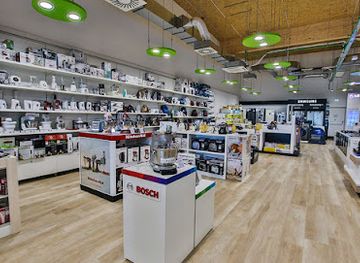
Svijet medija - Galerija Poreč
Explore cutting-edge electronics and gadgets at Svijet Medija - Galerija Poreč, the ultimate destination for tech enthusiasts in Croatia.
-
Store
Aura
Discover the essence of Poreč at Aura, where local crafts and specialties come together to create an unforgettable shopping experience.
Get your free copy of our complete guide to Poreč, delivered straight to you.
Everything on this page, from attractions and restaurants to essentials and local phrases, in one PDF you can read offline, print or share.
Already have an account? Sign in
Your Poreč guide is ready.
We'll send it to · Not you? Sign out

Getting your guide ready…
We are putting together a fresh copy of the Poreč guide. This can take up to a minute.
This can take a few moments. If your browser asks, choose Allow so the download can start. You'll find the guide in your Downloads folder.
Nothing happened? Download it again
Sorry, the guide is taking longer than usual. Please try again in a minute, or get it by email instead.
Poreč essentials
Currency and Payment
Safety
Emergency Situations
Do's and Don'ts
Local Tips
From Eve
Local phrases worth knowing
You don't need to get them perfect. A few words go a long way, and locals appreciate the effort.
Basics
| English | Local | Say it |
|---|---|---|
| Hello | Bok | [bohk] |
| Goodbye | Doviđenja | [doh-vee-jen-ya] |
| Yes | Da | [dah] |
| No | Ne | [neh] |
| Please/You're welcome | Molim | [moh-leem] |
| Thank you | Hvala | [hvah-lah] |
| Excuse me/Sorry | Oprosti | [oh-pros-tee] |
| How are you? | Kako si? | [kah-koh see] |
| Fine. And you? | Dobro. A ti? | [doh-bro. ah tee] |
| Do you speak English? | Govoriš li engleski? | [goh-voh-reesh lee ehn-gles-kee] |
| I don't understand | Ne razumijem | [neh rah-zoo-mee-yem] |
Eating & Drinking
| English | Local | Say it |
|---|---|---|
| I'd like to see the menu, please | Molio bih meni, molim | [moh-lee-oh bee meh-nee, moh-leem] |
| I don't eat meat | Ne jedem meso | [neh yeh-dem meh-so] |
| Cheers! | Živjeli! | [zhee-vyeh-lee] |
| I would like to pay, please | Želio bih platiti, molim | [zheh-lee-oh bee pla-tee-tee, moh-leem] |
Emergencies
| English | Local | Say it |
|---|---|---|
| Help! | Pomoć! | [poh-moh-ch] |
| Go away! | Idi dalje! | [ee-dee dah-lyeh] |
| Call the Police! | Pozovi policiju! | [poh-zoh-vee poh-lee-tsee-yoo] |
| Call a doctor! | Pozovi doktora! | [poh-zoh-vee dohk-toh-rah] |
| I'm lost | Izgubio/la sam se | [eez-goo-byoh/lah sahm seh] |
| I'm ill | Bolestan/na sam | [boh-leh-stahn/nah sahm] |
Shopping
| English | Local | Say it |
|---|---|---|
| I'd like to buy... | Želim kupiti... | [zheh-leem koo-pee-tee] |
| I'm just looking | Samo gledam | [sah-moh gleh-dahm] |
| How much is it? | Koliko košta? | [koh-lee-koh koh-shta] |
| That's too expensive | To je pre skupo | [toh yeh preh skoo-poh] |
| Can you lower the price? | Možete li spustiti cijenu? | [moh-zheh-teh lee spoo-stee-tee tsee-yeh-noo] |
Time & Numbers
| English | Local | Say it |
|---|---|---|
| What time is it? | Koliko je sati? | [koh-lee-koh yeh sah-tee] |
| It's one o'clock | Jedan je sat | [yeh-dahn yeh saht] |
| Half past (10) | Pola (deset) | [poh-lah (deh-set)] |
| Morning | Jutro | [yoo-troh] |
| Afternoon | Popodne | [poh-pohd-neh] |
| Evening | Večer | [veh-chehr] |
| Yesterday | Jučer | [yoo-chehr] |
| Today | Danas | [dah-nahs] |
| Tomorrow | Sutra | [soo-trah] |
| 1 | Jedan | [yeh-dahn] |
| 2 | Dva | [dvah] |
| 3 | Tri | [tree] |
| 4 | Četiri | [cheh-tee-ree] |
| 5 | Pet | [peht] |
| 6 | Šest | [shehst] |
| 7 | Sedam | [seh-dahm] |
| 8 | Osam | [oh-sahm] |
| 9 | Devet | [deh-veht] |
| 10 | Deset | [deh-set] |
Transport & Directions
| English | Local | Say it |
|---|---|---|
| Where's a/the...? | Gdje je...? | [gdyeh yeh] |
| What's the address? | Koja je adresa? | [koh-yah yeh ah-deh-sah] |
| Can you show me (on the map)? | Možeš li mi pokazati (na karti)? | [moh-zhehsh lee mee poh-kah-zah-tee (nah kahr-tee)] |
| When's the next (bus)? | Kada je sljedeći (autobus)? | [kah-dah yeh sleh-deh-chee (ow-toh-boos)] |
| A ticket (to ....) | Jednu kartu (za ...) | [yeh-dnoo kahr-too (zah)] |
History of Poreč
Roman Parentium
Poreč developed as Parentium, a Roman settlement established on a naturally protected peninsula. The town was organised according to a regular urban grid, much of which survives in the modern alignment of Decumanus and Cardo. Roman administration connected Parentium with the wider Istrian and Adriatic trading world, while the surrounding land supported agriculture and maritime commerce. Traces of this period remain in the street plan, archaeological remains and the underlying structure of the old town, although later Christian, Venetian and modern buildings have transformed much of the visible cityscape.
The Early Christian Episcopal Centre
Christianity became firmly established in Poreč during late antiquity, and the town developed into an important episcopal centre. Earlier church buildings occupied the site of the present Euphrasian Basilica before Bishop Euphrasius commissioned the complex largely seen today in the sixth century, during the reign of the Byzantine emperor Justinian. Its marble furnishings, richly coloured mosaics, baptistery, bell tower and episcopal buildings record Poreč’s religious importance and its connections with the eastern Roman world. The complex is now recognised as a UNESCO World Heritage Site.
Venetian Poreč
Poreč entered the orbit of Venice in the thirteenth century and remained connected to the Venetian Republic until its fall in 1797. Venetian influence shaped the town’s architecture, civic identity and maritime orientation, while the peninsula’s narrow streets and stone houses adapted to a compact urban setting. The period also brought political and economic changes that linked Poreč to wider Adriatic networks. Surviving façades, palaces and urban details in the old town reflect this long association, even though the buildings represent several different periods rather than a single architectural style.
Habsburg Rule and the Rise of Tourism
After the end of Venetian rule, Poreč passed through the Habsburg period and became part of the Austrian Littoral within the Austrian Empire and later Austria-Hungary. Improved administration, mapping and transport helped connect the town with the wider Istrian region. Tourism began to develop in the late nineteenth and early twentieth centuries as the Adriatic coast attracted visitors seeking a mild climate and seaside recreation. The emerging resort identity existed alongside agriculture, fishing and local trade, establishing the mixture of historic town and coastal leisure that still defines Poreč.
Twentieth-Century Change and Modern Tourism
The twentieth century brought major political changes: Poreč was incorporated into Italy after the First World War, became part of Yugoslavia after the Second World War and has belonged to Croatia since independence in 1991. Tourism expanded particularly during the Yugoslav period, when planned hotel and holiday areas developed along the coast south and north of the old town. Contemporary Poreč combines this extensive visitor infrastructure with the protection of its historic centre and Euphrasian complex, while the surrounding region continues to promote Istrian food, wine, cycling and cultural heritage.
Poreč in Photos
Browse through our photo collection highlighting the charm and character of the destination.
Cities in Poreč
The towns and cities of Poreč, and the easiest places to base yourself.

Swipe for more cities
Neighbouring destination travel guides
The closest destinations to Poreč, if you have time for more than one.
-

-

-

-

-


Swipe for more destinations
Explore more

Explore more of Istria
Discover the charm of Istria, Croatia's heart-shaped peninsula, where history, nature, and gourmet cuisine come together for an unforgettable experience.
Explore Istria
Explore more of Croatia
Discover Croatia: A Mediterranean paradise with stunning coastlines, ancient cities, and rich cultural heritage. Perfect for beach lovers, history buffs, and nature enthusiasts.
Explore Croatia