

Postojna Cave Travel Guide - Free Web & App
Your ultimate guide to Postojna Cave. Discover top landmarks, proposed trips, and local tips. Free on the web or via the Evendo companion app.


Explore the magical world of Postojna Cave in Slovenia, a stunning underground network of passages and chambers that offers an unforgettable adventure.
Read more about Postojna Cave
When is the best time to visit Postojna Cave?
Best: April–May, September · 22–27°C| Month | High (°C) | Rainfall (mm) |
|---|---|---|
| January | 9 | 75 |
| February | 9 | 70 |
| March | 15 | 60 |
| April (best) | 22 | 55 |
| May (best) | 26 | 65 |
| June | 29 | 70 |
| July | 30 | 80 |
| August | 29 | 80 |
| September (best) | 27 | 70 |
| October | 20 | 70 |
| November | 12 | 80 |
| December | 9 | 75 |
Getting to and around Postojna Cave
How to get there
Transportation
Best attractions in Postojna Cave
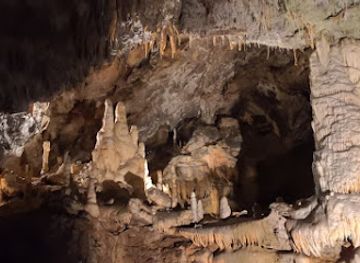
Postojna Cave in Slovenia offers a mesmerizing underground world filled with stunning stalactites and stalagmites, vast caverns, and an underground river. Visitors can explore the cave system on a guided tour, travelling by train through the fascinating tunnels and chambers. The highlight of the tour is the opportunity to see the unique olm, a rare aquatic salamander that inhabits the cave. Postojna Cave promises an unforgettable adventure for nature lovers and history enthusiasts alike.
-
Tourist attraction
Mestni Park
Explore the tranquil beauty of Mestni Park in Postojna, Slovenia, a perfect destination for relaxation and family fun amidst nature.
-
Tourist attraction
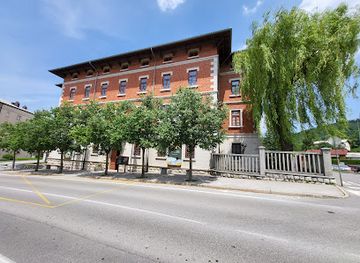
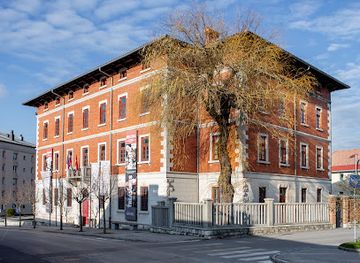
Notranjski muzej Postojna
Explore the captivating history and culture of Slovenia at Notranjski Muzej Postojna, a heritage museum filled with fascinating exhibits for all ages.
-
Vivarij- Vivarium
Uncover the fascinating world of reptiles and amphibians at Vivarij - Vivarium in Postojna, Slovenia, a unique zoological museum experience.
-
Tourist attraction
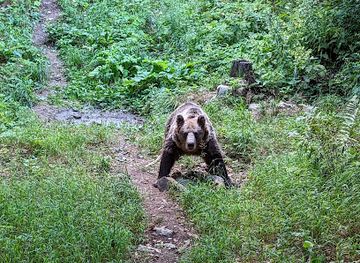
BE ARound me, bear watching & forest hiking tours
Discover Slovenia's wild side with unforgettable bear watching and enchanting forest hiking tours at BE ARound me.

Best landmarks in Postojna Cave
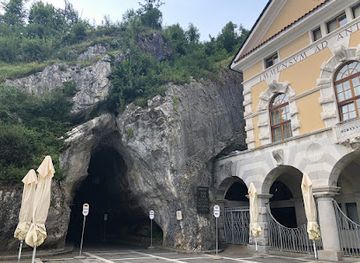
Postojna Cave offers visitors a mesmerizing underground world filled with stunning limestone formations, vast caverns, and an underground river. Explore the mysterious subterranean world on a guided tour, marvel at the iconic stalactites and stalagmites, and witness the unique ecosystem that thrives in the cave. Don't miss the opportunity to see the famous olm, or proteus, a rare aquatic salamander that calls the cave home. With its rich history and natural beauty, Postojna Cave is a must-visit destination for any traveler seeking a truly unforgettable experience.
-
Park
Mestni Park
Discover the tranquility of Mestni Park in Postojna, Slovenia, where lush landscapes and serene pathways invite relaxation and exploration.
-
Museum
Notranjski muzej Postojna
Unearth Slovenia's history at Notranjski Muzej Postojna—where cultural artifacts bring the past to life in a charming setting.
-
Parking lot
Postojna Cave Parking
Discover the wonders of Postojna Cave with convenient parking at Postojna Cave Parking, your gateway to Slovenia's stunning underground landscapes.
-
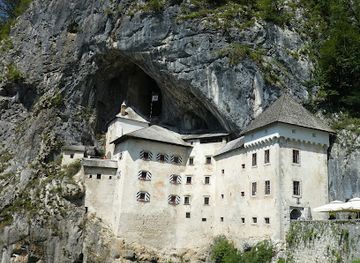
Castle
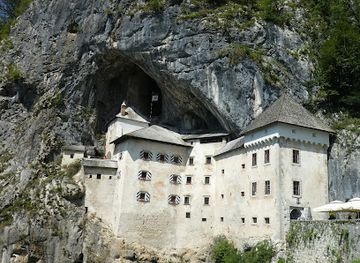
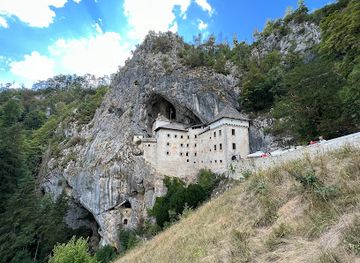
Postojna castle ruins (Adelsberg castle)
Uncover the stories and breathtaking views at Postojna Castle, a historic gem nestled in Slovenia's enchanting landscape.
Explore Postojna Cave on the map
Plan your trip on one map. See where the top attractions, landmarks, restaurants and hotels are, and book hotels and experiences in a few clicks.
Best hotels in Postojna Cave
Best restaurants in Postojna Cave
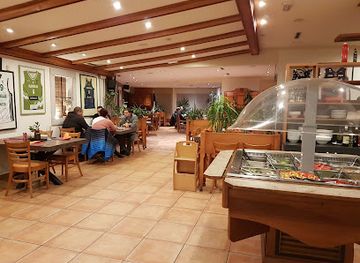
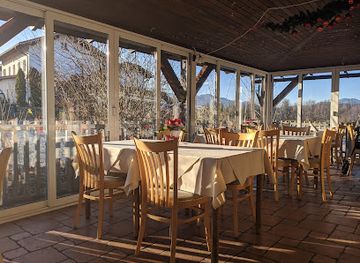
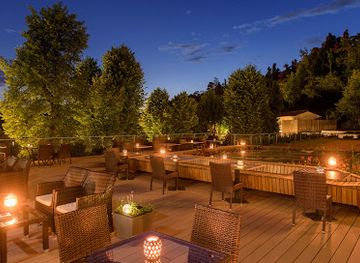
Visitors to Postojna Cave can experience a unique dining scene that combines traditional Slovenian cuisine with a modern twist. From cozy cafes serving freshly baked pastries to elegant restaurants offering gourmet dishes made with locally sourced ingredients, there is something for every palate. Dine in underground caves for a truly unforgettable experience or enjoy a meal with panoramic views of the surrounding landscape. With a focus on quality and authenticity, the dining scene in Postojna Cave is sure to delight food enthusiasts and cultural explorers alike.
-
Restaurant
Restaurant and Pizzeria ČUK
Experience authentic Slovenian flavors at Restaurant and Pizzeria ČUK in Postojna - a must-visit dining destination for every traveler.
-
Pizza
Pizzerija minutka Hamza Kukavica s.p.
Discover delightful pizzas at Pizzerija Minutka in Postojna - where every slice tells a story of culinary excellence.
-
Restaurant
Ob kaminu
Experience authentic Slovenian cuisine at Ob Kaminu in Postojna – a must-visit for food lovers seeking local flavors.
-
Hotel
Hotel Jama
Discover comfort and adventure at Hotel Jama in Postojna - your gateway to Slovenia's natural wonders!
Best bars in Postojna Cave
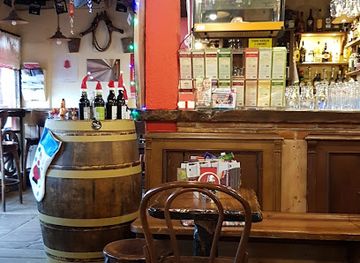
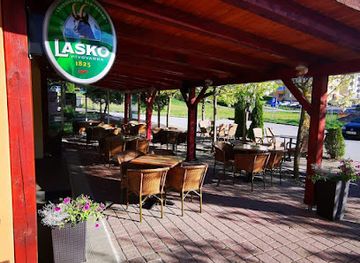
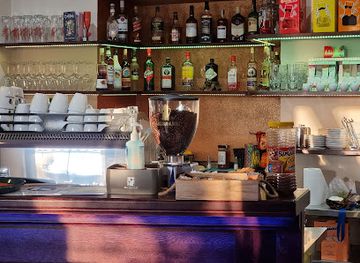
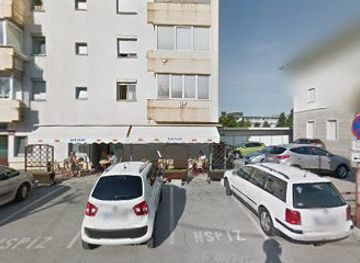
Experience an enchanting nightlife scene in Postojna Cave, where visitors can enjoy unique underground bars and clubs nestled within the majestic caverns. Dance the night away to live music echoing off the ancient limestone walls, sip on local wines and cocktails surrounded by stunning stalactites and stalagmites, and immerse yourself in a truly unforgettable party atmosphere unlike anywhere else in the world.
-
Bar
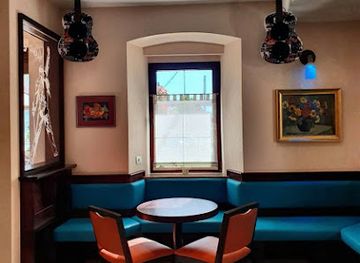
Bale Bar
Experience the vibrant atmosphere and local charm at Bale Bar in Postojna, Slovenia, the perfect spot to unwind after a day of exploration.
-
Bar
Allegro bar Aleksandar Stojkovski s.p.
Experience local charm and vibrant atmosphere at Allegro Bar in Postojna, Slovenia - perfect for drinks and relaxation after your adventures.
-
Bar
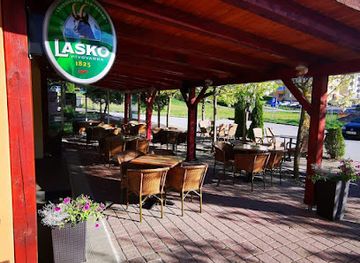
Music Caffe Bar
Experience the vibrant nightlife at Music Caffe Bar, a lively venue in Postojna featuring live music, delicious drinks, and a welcoming atmosphere.
-
Restaurant
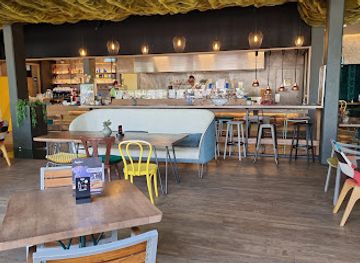
Magdalena Food & Fun
Experience the vibrant flavors of Slovenia at Magdalena Food & Fun, a must-visit restaurant in Postojna for food lovers and adventurers alike.
Best nightclubs in Postojna Cave
Experience an enchanting nightlife scene in Postojna Cave, where visitors can enjoy unique underground bars and clubs nestled within the majestic caverns. Dance the night away to live music echoing off the ancient limestone walls, sip on local wines and cocktails surrounded by stunning stalactites and stalagmites, and immerse yourself in a truly unforgettable party atmosphere unlike anywhere else in the world.
-
Bar
Bale Bar
Discover the charm of Bale Bar in Postojna, where cozy ambiance meets a delightful drink selection for an unforgettable experience.
-
Bar
Allegro bar Aleksandar Stojkovski s.p.
Discover Allegro Bar in Postojna - a perfect blend of relaxation and vibrant nightlife with an extensive drink menu and a cozy atmosphere.
-
Bar
Music Caffe Bar
Experience the lively atmosphere of Music Caffe Bar in Postojna, where great music and delicious drinks create unforgettable memories.
-
Bar
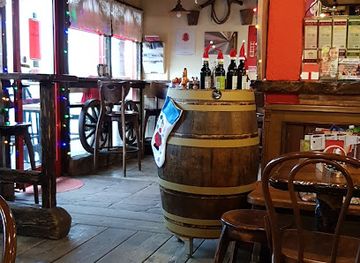
Bar Park Moravac Veljko S.P.
Experience the vibrant atmosphere and local flavors at Bar Park Moravac Veljko S.P. in Postojna, a premier bar for relaxation and socializing.
Best shops in Postojna Cave
Visitors to Postojna Cave can expect a unique shopping experience, with a variety of local souvenirs and gifts available for purchase. From handcrafted jewelry and traditional Slovenian crafts to delicious local treats like honey and wine, there is something for everyone to take home as a memento of their visit. Don't miss the chance to browse through the charming shops near the cave entrance, where you can find one-of-a-kind items to treasure forever.
-
Store
Maaarket
Discover unique local products and immerse yourself in Slovenian culture at Maaarket, the ultimate shopping destination in Postojna.
-
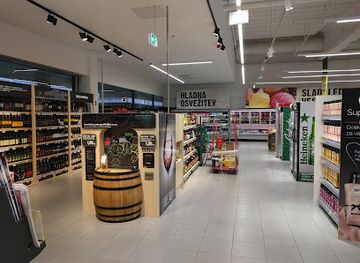
Grocery store
Poslovni sistem Mercator d.d.
Discover diverse shopping, dining, and entertainment at Supernova Mercator, the ultimate shopping destination in Postojna.
-
Drug store
dm drogerie markt d. o. o.
Discover essential shopping at dm drogerie markt in Postojna, your convenient stop for health, beauty, and local Slovenian products.
-
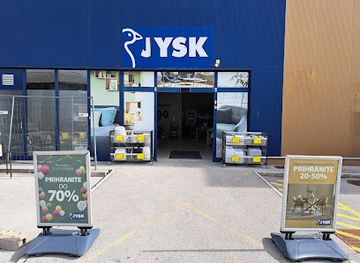
Furniture store
JYSK Postojna
Explore JYSK Postojna for quality furniture, bedding, and outdoor essentials in a stylish setting perfect for enhancing your home experience.

Get your free copy of our complete guide to Postojna Cave, delivered straight to you.
Everything on this page, from attractions and restaurants to essentials and local phrases, in one PDF you can read offline, print or share.
Already have an account? Sign in
Your Postojna Cave guide is ready.
We'll send it to · Not you? Sign out

Getting your guide ready…
We are putting together a fresh copy of the Postojna Cave guide. This can take up to a minute.
This can take a few moments. If your browser asks, choose Allow so the download can start. You'll find the guide in your Downloads folder.
Nothing happened? Download it again
Sorry, the guide is taking longer than usual. Please try again in a minute, or get it by email instead.
Postojna Cave essentials
Currency and Payment
Safety
Emergency Situations
Do's and Don'ts
Local Tips
From Eve
Local phrases worth knowing
You don't need to get them perfect. A few words go a long way, and locals appreciate the effort.
Basics
| English | Local | Say it |
|---|---|---|
| Hello | Zdravo | [Zdrah-voh] |
| Goodbye | Nasvidenje | [Nah-svee-dehn-yeh] |
| Yes | Ja | [Yah] |
| No | Ne | [Neh] |
| Please/You're welcome | Prosim | [Proh-seem] |
| Thank you | Hvala | [Hvah-lah] |
| Excuse me/Sorry | Oprostite | [Oh-proh-stee-teh] |
| How are you? | Kako ste? | [Kah-koh steh?] |
| Fine. And you? | Dobro. In vi? | [Doh-broh. Een vee?] |
| Do you speak English? | Govorite angleško? | [Goh-voh-ree-teh ahn-gleh-shkoh?] |
| I don't understand | Ne razumem | [Neh rah-zoo-mehm] |
Eating & Drinking
| English | Local | Say it |
|---|---|---|
| I'd like to see the menu, please | Rad bi videl jedilnik, prosim | [Rahd bee vee-dehl yeh-deel-neek, proh-seem] |
| I don't eat meat | Ne jem mesa | [Neh yehm meh-sah] |
| Cheers! | Na zdravje! | [Nah zdrahv-yeh] |
| I would like to pay, please | Rad bi plačal, prosim | [Rahd bee plah-chahl, proh-seem] |
Emergencies
| English | Local | Say it |
|---|---|---|
| Help! | Pomoč! | [Poh-moh-ch] |
| Go away! | Pojdi stran! | [Poy-dee strahn] |
| Call the Police! | Pokličite policijo! | [Poh-klee-chee-teh poh-lee-tsee-yoh] |
| Call a doctor! | Pokličite zdravnika! | [Poh-klee-chee-teh zdrahv-nee-kah] |
| I'm lost | Izgubil sem se | [Eez-goo-beel sehm seh] |
| I'm ill | Bolam | [Boh-lahm] |
Shopping
| English | Local | Say it |
|---|---|---|
| I'd like to buy... | Rad bi kupil... | [Rahd bee koo-peel] |
| I'm just looking | Samo gledam | [Sah-moh gleh-dahm] |
| How much is it? | Koliko stane? | [Koh-lee-koh stah-neh?] |
| That's too expensive | To je predrago | [Toh yeh preh-drah-goh] |
| Can you lower the price? | Lahko znižate ceno? | [Lah-koh znee-zah-teh cheh-noh?] |
Time & Numbers
| English | Local | Say it |
|---|---|---|
| What time is it? | Koliko je ura? | [Koh-lee-koh yeh ooh-rah?] |
| It's one o'clock | Je ena ura | [Yeh eh-nah ooh-rah] |
| Half past (10) | Pol desetih | [Pohl deh-seh-teeh] |
| Morning | Jutro | [Yoo-troh] |
| Afternoon | Popoldne | [Poh-pohl-dneh] |
| Evening | Večer | [Veh-chehr] |
| Yesterday | Včeraj | [Vcheh-rye] |
| Today | Danes | [Dah-ness] |
| Tomorrow | Jutri | [Yoo-tree] |
| 1 | Ena | [Eh-nah] |
| 2 | Dva | [Dvah] |
| 3 | Tri | [Tree] |
| 4 | Štiri | [Shteer-ee] |
| 5 | Pet | [Peh-t] |
| 6 | Šest | [Shehst] |
| 7 | Sedem | [Seh-dehm] |
| 8 | Osem | [Oh-sehm] |
| 9 | Devet | [Deh-veht] |
| 10 | Deset | [Deh-seht] |
Transport & Directions
| English | Local | Say it |
|---|---|---|
| Where's a/the...? | Kje je ...? | [Kyeh yeh] |
| What's the address? | Kakšen je naslov? | [Kahk-shen yeh nahs-lohv] |
| Can you show me (on the map)? | Mi lahko pokažete (na zemljevidu)? | [Mee lah-koh poh-kah-zheh-teh nah zehm-lyeh-vee-doo] |
| When's the next (bus)? | Kdaj je naslednji (avtobus)? | [Kdyah yeh nah-slehd-nyee ow-toh-boos] |
| A ticket (to ....) | Ena vozovnica (za ...) | [Eh-nah voh-zohv-nee-tsah zah] |
History of Postojna Cave
Discovery and Early Exploration
Postojna Cave was first officially discovered in 1818 by Luka Čeč, a local man who stumbled upon the cave's entrance while preparing the area for a visit from Emperor Francis I of Austria. This discovery marked the beginning of systematic exploration and documentation, which unveiled the vast and intricate network of underground passages and chambers.
Development as a Tourist Attraction
The cave quickly became a popular destination for tourists. By 1819, it was already equipped with pathways and basic infrastructure to accommodate visitors. In 1872, a pioneering breakthrough was achieved with the installation of the world's first cave railway, enabling easier access to the deeper sections of the cave. This innovation significantly boosted its popularity.
World War II Era
During World War II, the cave served as a strategic location. The Germans used parts of the cave as a fuel depot, which was later destroyed by the Slovene Partisans in 1944. This act of sabotage resulted in a massive fire that damaged some sections of the cave, but it also underscored the cave's importance in the broader historical context.
Post-War Developments
Following the war, efforts were made to restore and further develop the cave as a major tourist attraction. In 1964, the cave was equipped with a modern electric train, replacing the older version. This upgrade, along with improved lighting systems, allowed visitors to experience the cave's stunning formations and vast chambers more comfortably and vividly.
Scientific Research and Biodiversity
Postojna Cave is not only a tourist attraction but also a site of significant scientific interest. It is home to the olm, or 'human fish,' an endangered species of blind amphibian that has become a symbol of the cave. Ongoing research efforts focus on the cave’s unique ecosystem and geological formations, contributing valuable knowledge to the fields of biology and geology.
Cultural Impact and Legacy
Throughout its history, Postojna Cave has inspired numerous legends, artworks, and literary works. Its stunning beauty and mysterious atmosphere have captivated visitors and artists alike, cementing its status as a cultural icon in Slovenia. The cave continues to attract millions of visitors annually, showcasing its enduring appeal and significance.
Postojna Cave in Photos
Browse through our photo collection highlighting the charm and character of the destination.
Cities in Postojna Cave
The towns and cities of Postojna Cave, and the easiest places to base yourself.

Swipe for more cities
Neighbouring destination travel guides
The closest destinations to Postojna Cave, if you have time for more than one.
-

-

-

-

-


Swipe for more destinations
Explore more

Explore more of Inner Carniola
Discover Inner Carniola, Slovenia's hidden gem, where natural wonders, historical treasures, and outdoor adventures await amidst breathtaking landscapes.
Explore Inner Carniola
Explore more of Slovenia
Discover Slovenia's stunning landscapes, rich cultural heritage, and delightful cuisine. A hidden gem in Europe, perfect for outdoor adventures, history, and culinary exploration.
Explore Slovenia