

Iron Gate, Split Travel Guide
Free Guide: Step through history at Split's Iron Gate, the only continuously used Roman entrance to Diocletian's Palace, witnessing centuries of the city's evolution.


A brief summary of Iron Gate
Step through history at Split's Iron Gate, the only continuously used Roman entrance to Diocletian's Palace, witnessing centuries of the city's evolution.
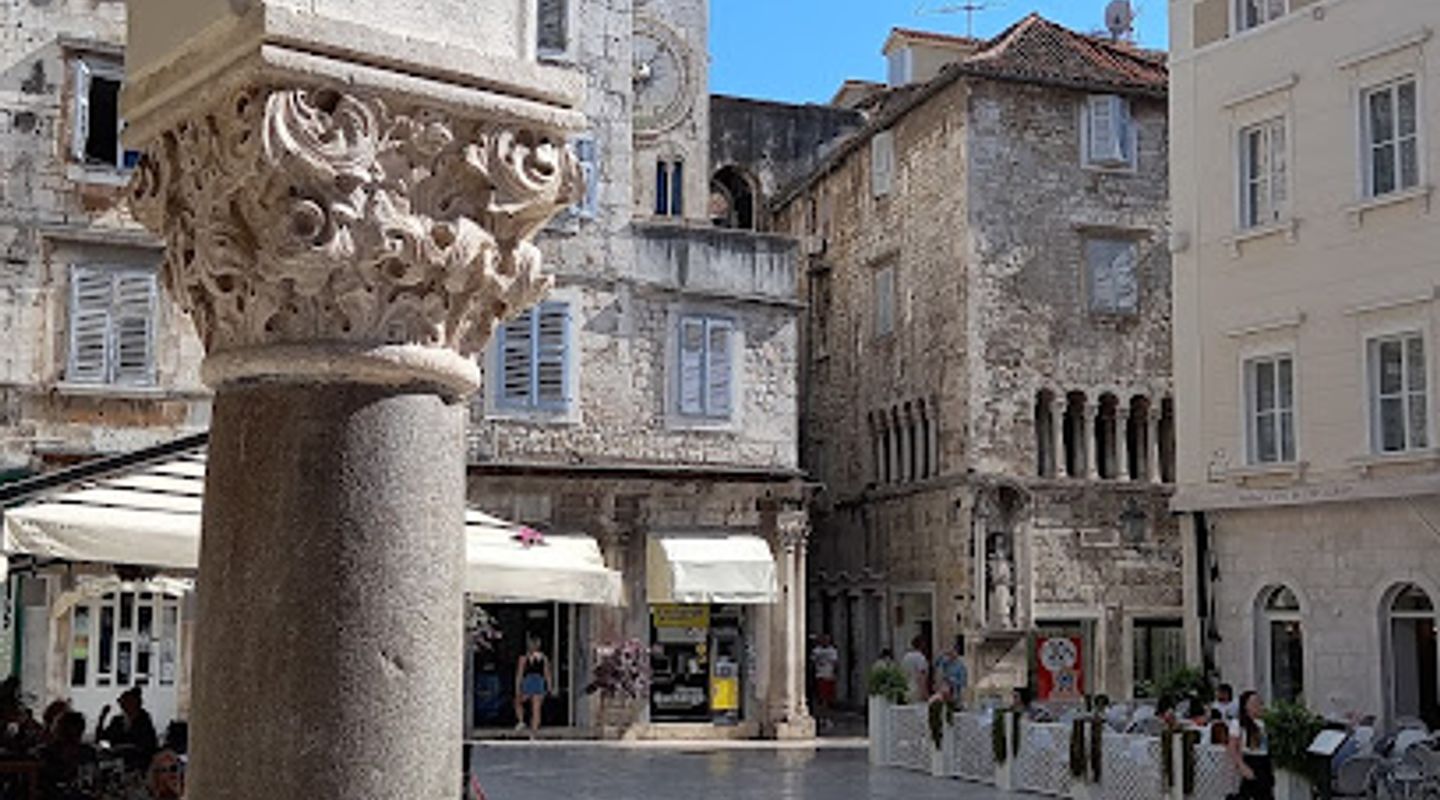
The Iron Gate, or 'Željezna vrata,' is one of the four main Roman gates of Diocletian's Palace in Split, Croatia. Originally a military gate, it's the only one that has been in continuous use since its construction. Today, it stands as a captivating historical landmark, showcasing the city's rich heritage.
Opening hours
- Every dayOpen 24 hours
Opening hours as listed on the venue’s Google Business Profile. Hours can change for services and special events, so check with the venue before you go.
- Address
- Ul. Ispod ure, 21000, Split
- Website
Getting there
Walking
Public Transport
Discover more about Iron Gate
Overview
The Iron Gate, known in Croatian as Željezna vrata and historically as Porta Occidentalis (Western Gate), is a significant entrance to Diocletian's Palace, a UNESCO World Heritage site in Split, Croatia. This gate, unlike the others, has been in constant use since the Roman era.Originally a military gate for troops entering the palace, it has witnessed centuries of Split's transformations, from Roman times through the Middle Ages. The gate consists of outer and inner sections, forming a defensive system. During the Middle Ages, it served as the city's only open gate and even housed a courthouse.Above the gate, you'll find the Church of Our Lady of the Belfry, initially dedicated to St. Theodore, with a notable early Romanesque bell tower. A clock with 24 digits instead of the usual 12 was later added to the gate's facade. The gate is surrounded by historical buildings, including the Cypriani Benedetti Palace, known for its unique six-arch windows.Today, the Iron Gate provides a captivating glimpse into Split's past, blending ancient history with the city's vibrant modern life.
Evendo Review Centre
 Google
Guest reviews
Explore Iron Gate on the map
A handpicked selection of must-see spots near Iron Gate, mapped for you.
Get your free copy of our complete guide to Iron Gate, delivered straight to you.
Everything on this page, from opening hours and how to get there to Eve’s tips and the best time to go, in one PDF you can read offline, print or share.
Already have an account? Sign in
Your Iron Gate guide is ready.
We'll send it to · Not you? Sign out

Getting your guide ready…
We are putting together a fresh copy of the Iron Gate guide. This can take up to a minute.
This can take a few moments. If your browser asks, choose Allow so the download can start. You'll find the guide in your Downloads folder.
Nothing happened? Download it again
Sorry, the guide is taking longer than usual. Please try again in a minute, or get it by email instead.
Unlock the best of Iron Gate
Skip-the-line tickets, guided tours with entry, and walking tours of the area, booked in a few clicks.
 Tour with entry
Split Quest Experience: Discover the City
from $6.33 Tour with entry
Essential Split Walking Tour Discover History and Culture
from $37.31 Tour with entry
Private History and Trivia Walking Tour by a Local Guide
from $149.23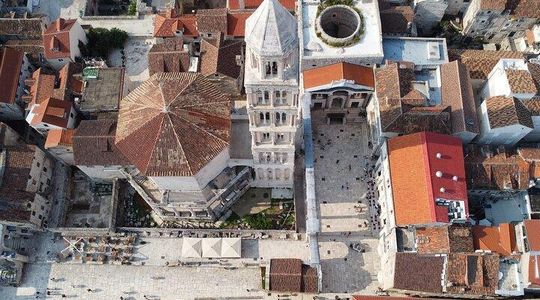 Tour with entry
Split Diocletian Palace Highlights - Private walking tour
from $245.16

Other nearby places you may find interesting
The closest places of the same kind, if this one is not quite what you had in mind.
-
-
-
-
-


Swipe for more places
More to explore near Iron Gate

 Best experiences near Iron Gate
 Best hotels near Iron Gate
 Best landmarks near Iron Gate
 Best attractions near Iron Gate
 Best shops near Iron Gate
 Best restaurants near Iron Gate
 Best bars near Iron Gate
Do you manage this location?
Take control to get all the benefits, like improved information, better appearance, and stronger visibility across AI-powered discovery.
Explore more

Explore more of Bacvice
Discover Bacvice in Split: A vibrant coastal haven with sandy beaches, lively nightlife, and rich cultural heritage, perfect for an unforgettable Mediterranean getaway.
Explore Bacvice
Explore more of Split
Explore Split, Croatia's vibrant coastal gem, where ancient history meets modern charm. Discover stunning beaches, rich culture, and a gateway to the beautiful Dalmatian islands.
Explore Split
