

Free Brievengat Travel Guide & Mobile App
Explore Brievengat with free travel guides. Discover regional history, expert tips, proposed trips, and audio guides on web or mobile app.


Explore Brievengat in Curaçao for plantation heritage, dry inland landscapes and an authentic residential setting near Willemstad.
Read more about Brievengat
When is the best time to visit Brievengat?
Best: January–March · 29–30°C| Month | High (°C) | Rainfall (mm) |
|---|---|---|
| January (best) | 29 | 30 |
| February (best) | 29 | 20 |
| March (best) | 30 | 20 |
| April | 30 | 20 |
| May | 30 | 20 |
| June | 31 | 30 |
| July | 30 | 40 |
| August | 31 | 40 |
| September | 30 | 50 |
| October | 30 | 60 |
| November | 30 | 70 |
| December | 29 | 60 |
Getting to and around Brievengat
How to get there
Transportation
Best attractions in Brievengat
Brievengat’s attraction landscape is focused and historical rather than resort-based. The principal point of interest is Landhuis Brievengat, a surviving plantation house whose architecture and setting introduce visitors to Curaçao’s colonial estate system, agricultural constraints and the history of enslaved labour. Depending on current access and programming, the property may be experienced through heritage visits or cultural activity rather than as a conventional, continuously open museum. Beyond the landhuis, the district offers the quieter interest of an occupied Curaçaoan neighbourhood, with dry scrub vegetation, cacti, local roads and everyday community life. Visitors should not expect beaches, coral-reef excursions or a large collection of attractions within Brievengat itself; those experiences belong to other parts of the island. The district works best as a short inland stop within a wider Curaçao itinerary, particularly for travellers interested in plantation architecture and the relationship between historic estates and modern settlement. Willemstad, outside Brievengat, provides the island’s larger museum and heritage offer, while coastal recreation must also be sought elsewhere.
-
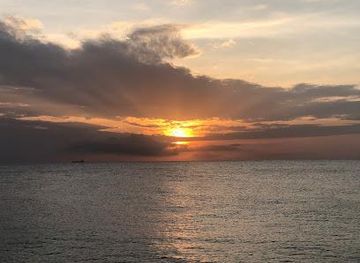
Beach
Marie Pampoen Beach
Experience the beauty and tranquility of Marie Pampoen Beach in Willemstad, Curaçao, where sun, sand, and sea come together for a perfect getaway.
-
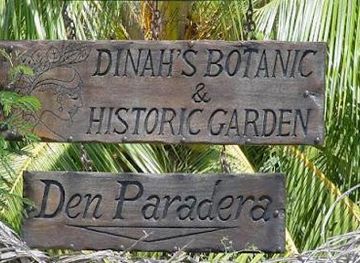
Garden
Den Paradera Herb Garden Curaçao by Dinah Veeris
Discover the lush tranquility of Den Paradera Herb Garden in Willemstad, Curaçao, a haven for herbal enthusiasts and cultural explorers alike.
-
Diving center
Duikcentrum van de Ven
Explore vibrant marine life at Duikcentrum van de Ven, the premier diving center in Jan Thiel, Curaçao, where underwater adventures await every diver.
-
Car racing track
Curaçao International Raceway
Experience the thrill of speed and adrenaline at Curaçao International Raceway, the premier car racing track in Willemstad, Curaçao.

Best landmarks in Brievengat
Landhuis Brievengat is the defining landmark of the district and one of the places where Curaçao’s plantation history remains legible in built form. Its elevated position and substantial structure reflect the landhuis tradition, in which plantation houses functioned as residences and administrative centres overlooking an estate. The building is important not only for its colonial architectural character but also for the history of agricultural production and enslaved labour that made such estates possible. The surrounding dry landscape, marked by thorn scrub and cacti, helps explain the environmental conditions under which Curaçao’s plantations operated. Brievengat’s other significant landmark character is less monumental: the historic estate now stands within a living residential district, showing how twentieth-century urban growth surrounded and recontextualised former rural properties. Visitors should avoid treating the house as an isolated picturesque object; its meaning is inseparable from the people who worked the estate and from Curaçao’s wider history of emancipation, migration and social change.
-
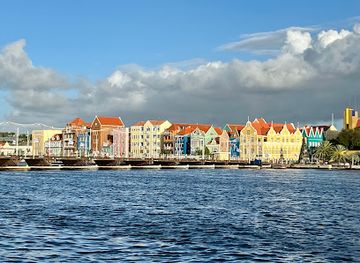
Bridge
Queen Emma Bridge
Discover the vibrant charm of Queen Emma Bridge in Willemstad, Curaçao—a stunning floating bridge and cultural landmark connecting two lively districts.
-
Shopping mall
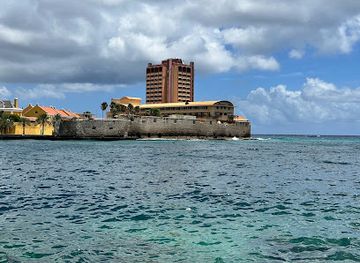
Renaissance Mall & Rif Fort
Experience the perfect blend of shopping, dining, and history at Renaissance Mall & Rif Fort in Willemstad, Curaçao.
-
Aquarium
Curaçao Sea Aquarium
Explore the vibrant underwater world at the Curaçao Sea Aquarium, a premier tourist attraction showcasing the Caribbean's rich marine biodiversity.
-
Tourist attraction
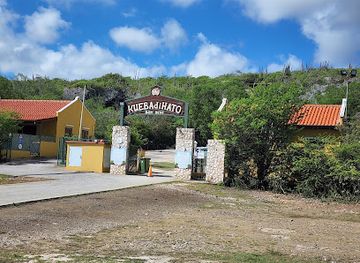
Hato Caves
Discover Curaçao's geological wonders and rich history within the depths of the Hato Caves, a captivating natural and cultural landmark.
Explore Brievengat on the map
Plan your trip on one map. See where the top cities, national parks and sights are, and book hotels and experiences in a few clicks.
Best hotels in Brievengat
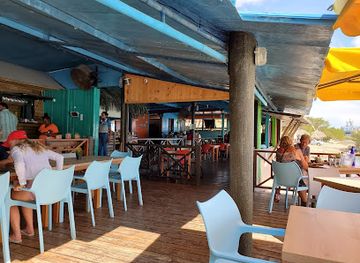
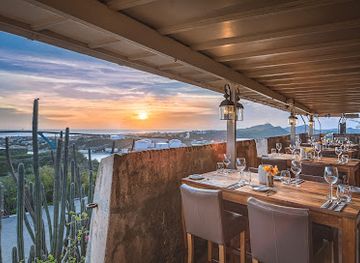
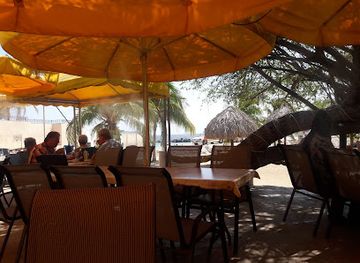
Best restaurants in Brievengat
Brievengat is primarily residential, so its dining offer is more local and practical than destination-focused. Small eateries and takeaways may serve Curaçaoan favourites such as keshi yena, a baked stuffed cheese dish, funchi, soups, stews and fried snacks, reflecting the island’s African, European and wider Caribbean influences. Fresh fish, goat and other locally familiar ingredients appear in home-style cooking, while Dutch and Latin American influences are also visible in everyday menus. For a broader choice, travellers generally head towards Willemstad or other established commercial areas outside Brievengat, where cafés, restaurants and international food are more concentrated. Markets and neighbourhood food businesses are useful places to encounter local flavours, but opening arrangements can vary, so asking locally is sensible. Visitors should distinguish between traditional Curaçaoan food and dishes simply sold on the island as part of its diverse contemporary dining scene.
-
Restaurant
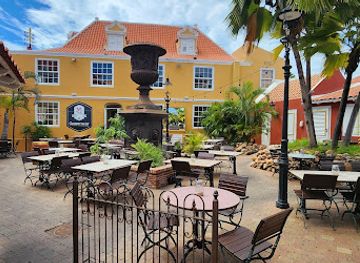
Restaurant & Café Gouverneur De Rouville
Experience authentic Caribbean flavors at Restaurant & Café Gouverneur De Rouville in Willemstad – where taste meets breathtaking views.
-
Restaurant
Brisa Do Mar
Discover Brisa Do Mar in Jan Thiel, Curaçao - where fresh seafood meets stunning ocean views in a vibrant Caribbean setting.
-
Restaurant
Fort Nassau
Experience culinary excellence at Fort Nassau with breathtaking views and exquisite dishes in the heart of Willemstad.
-
Seafood
Sea Side Terrace
Experience fresh seafood delights and breathtaking ocean views at Sea Side Terrace in Curaçao.
Best bars in Brievengat
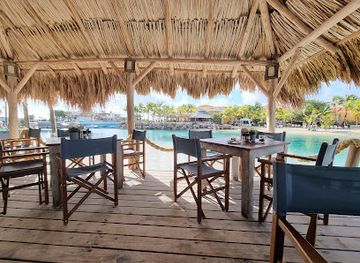
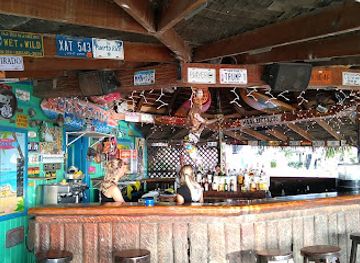
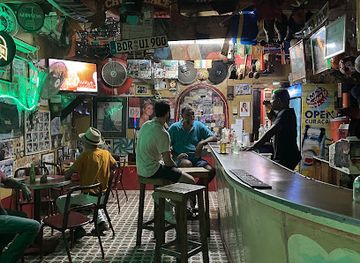
Nightlife in Brievengat is limited and neighbourhood-oriented rather than organised around a major bar or club district. Evening life is more likely to centre on local cafés, casual eateries, community gatherings and private social occasions than on venues designed for international nightlife. Visitors looking for cocktail bars, live music, late dining or clubs will find a wider and more dependable selection in Willemstad and in the island’s established entertainment areas outside Brievengat. Those venues should be treated as separate destinations, not as attractions within the district. A quiet evening in Brievengat can suit travellers staying locally, but it is wise to arrange transport in advance if returning late, particularly when relying on taxis. As elsewhere in Curaçao, nightlife varies by day and season, so current local advice is more reliable than assuming that a venue operates every night.
-
Restaurant
Hemingway
Discover the vibrant culinary scene of Curaçao at Hemingway, where exquisite dining meets lively entertainment by the sea.
-
Bar
Wet & Wild Beach Club
Experience the vibrant beach vibes at Wet & Wild Beach Club, where relaxation meets adventure in the heart of Curaçao.
-
Bar
Netto Bar
Discover the vibrant nightlife at Netto Bar in Willemstad, Curaçao - a perfect blend of local culture, delicious drinks, and great company.
-
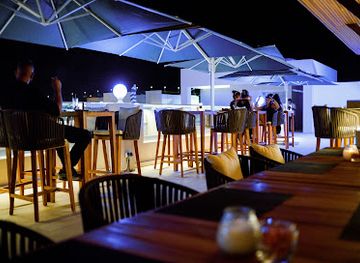
Bar
Cascada Rooftop Bar + Kitchen
Experience stunning views and exquisite flavors at Cascada Rooftop Bar + Kitchen in Willemstad, Curaçao - a perfect blend of relaxation and vibrant atmosphere.
Best nightclubs in Brievengat
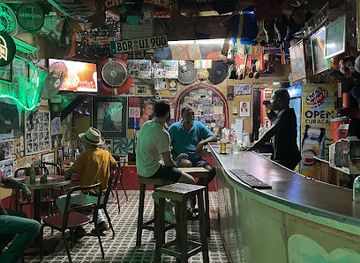
Nightlife in Brievengat is limited and neighbourhood-oriented rather than organised around a major bar or club district. Evening life is more likely to centre on local cafés, casual eateries, community gatherings and private social occasions than on venues designed for international nightlife. Visitors looking for cocktail bars, live music, late dining or clubs will find a wider and more dependable selection in Willemstad and in the island’s established entertainment areas outside Brievengat. Those venues should be treated as separate destinations, not as attractions within the district. A quiet evening in Brievengat can suit travellers staying locally, but it is wise to arrange transport in advance if returning late, particularly when relying on taxis. As elsewhere in Curaçao, nightlife varies by day and season, so current local advice is more reliable than assuming that a venue operates every night.
-
Bar
Wet & Wild Beach Club
Experience the ultimate beachside getaway at Wet & Wild Beach Club, where relaxation meets vibrant nightlife in beautiful Curaçao.
-
Bar
Netto Bar
Experience the vibrant atmosphere of Netto Bar in Willemstad, Curaçao, where local flavors and Caribbean vibes come alive.
-
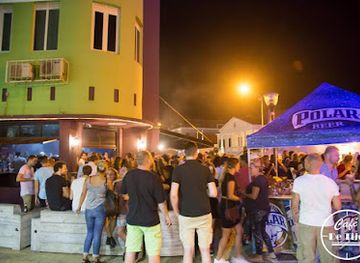
Night club
Cafe De Tijd
Experience the vibrant nightlife of Willemstad at Cafe De Tijd, where great music and refreshing drinks come together in an unforgettable atmosphere.
-
Gay bar
GAZE Bar & Lounge Curaçao
Discover the vibrant nightlife at GAZE Bar & Lounge, a lively gay bar in Willemstad, Curaçao, offering cocktails, music, and an inclusive atmosphere.

Best shops in Brievengat
Shopping in Brievengat is mainly local and functional, with neighbourhood shops and services rather than a concentrated tourist retail quarter. Visitors may find everyday groceries, snacks and small practical purchases, but the district is not the island’s principal destination for fashion, antiques or crafts. For Curaçaoan food products, souvenirs, art, jewellery and a wider choice of independent retailers, Willemstad and other commercial centres outside Brievengat are more suitable. Look for locally made products such as art inspired by Curaçao’s landscapes, handmade accessories, packaged snacks and regional food items, while checking that claims of local manufacture are clear. Small vendors and markets may have variable hours and payment options, so cash in Caribbean guilders or United States dollars can be useful. Shopping in Brievengat is consequently best understood as part of observing everyday neighbourhood life, not as a dedicated retail excursion.
-
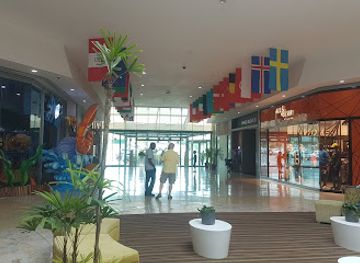
Shopping mall
Sambil Curacao
Sambil Curacao: Your ultimate shopping destination featuring diverse stores, delicious dining, and exciting entertainment on the beautiful island of Curaçao.
-
Shopping mall
Zuikertuin Mall
Experience shopping and dining at its finest at Zuikertuin Mall, a vibrant hub in Willemstad, Curaçao, blending local charm with international flair.
-
Department store
La Curacao
Discover the vibrant shopping experience at La Curacao in Willemstad, where local culture meets a wide selection of goods.
-
Perfume store
Penha Duty Free Curacao in Punda
Explore luxury shopping at Penha Duty Free Curacao - your go-to destination for perfumes, cosmetics, and liquors in Willemstad.
Get your free copy of our complete guide to Brievengat, delivered straight to you.
Everything on this page, from attractions and restaurants to essentials and local phrases, in one PDF you can read offline, print or share.
Already have an account? Sign in
Your Brievengat guide is ready.
We'll send it to · Not you? Sign out

Getting your guide ready…
We are putting together a fresh copy of the Brievengat guide. This can take up to a minute.
This can take a few moments. If your browser asks, choose Allow so the download can start. You'll find the guide in your Downloads folder.
Nothing happened? Download it again
Sorry, the guide is taking longer than usual. Please try again in a minute, or get it by email instead.
Brievengat essentials
Currency and Payment
Safety
Emergency Situations
Do's and Don'ts
Local Tips
From Eve
Local phrases worth knowing
You don't need to get them perfect. A few words go a long way, and locals appreciate the effort.
Basics
| English | Local | Say it |
|---|---|---|
| Hello | Halo | [hah-loh] |
| Goodbye | Ayo | [ah-yoh] |
| Yes | Si | [see] |
| No | No | [noh] |
| Please/You're welcome | Por fabor | [por fah-bor] |
| Thank you | Dank you | [dank yoo] |
| Excuse me/Sorry | Desculpa | [des-kool-pah] |
| How are you? | Kon ta? | [kon tah] |
| Fine. And you? | Bon. I ta? | [bon. ee tah] |
| Do you speak English? | Bo ta papia Ingles? | [bo tah pah-pee-ah in-gles] |
| I don't understand | Mi no ta komprondé | [mee noh tah kom-pron-day] |
Eating & Drinking
| English | Local | Say it |
|---|---|---|
| I'd like to see the menu, please | Mi ke mira e menu, por fabor | [mee keh mee-rah eh meh-noo, por fah-bor] |
| I don't eat meat | Mi no ta come carne | [mee noh tah koh-meh kar-neh] |
| Cheers! | Saluti! | [sah-loo-tee] |
| I would like to pay, please | Mi ke paga, por fabor | [mee keh pah-gah, por fah-bor] |
Emergencies
| English | Local | Say it |
|---|---|---|
| Help! | Yuda! | [yoo-dah] |
| Go away! | Bai for di aki! | [bye for dee ah-kee] |
| Call the Police! | Yama e Polisia! | [yah-mah eh poh-lee-syah] |
| Call a doctor! | Yama un doktor! | [yah-mah oon dok-tor] |
| I'm lost | Mi ta perdo | [mee tah pehr-doh] |
| I'm ill | Mi ta mal | [mee tah mahl] |
Shopping
| English | Local | Say it |
|---|---|---|
| I'd like to buy... | Mi ke compra... | [mee keh kom-prah] |
| I'm just looking | Mi solamente ta mira | [mee so-lah-men-teh tah mee-rah] |
| How much is it? | Kuant ta e precio? | [kwant tah eh preh-syo] |
| That's too expensive | E ta demasiado caro | [eh tah deh-mah-si-ah-do kah-ro] |
| Can you lower the price? | Bo por baja e precio? | [bo por bah-yah eh preh-syo] |
Time & Numbers
| English | Local | Say it |
|---|---|---|
| What time is it? | Kiko ora ta? | [kee-koh oh-rah tah] |
| It's one o'clock | Ta un ora | [tah oon oh-rah] |
| Half past (10) | Media pa (10) | [meh-dee-ah pah (10)] |
| Morning | Mañana | [mah-nyah-nah] |
| Afternoon | Tarde | [tar-deh] |
| Evening | Anochi | [ah-noh-chee] |
| Yesterday | Ayera | [ah-yeh-rah] |
| Today | Hoya | [hoh-yah] |
| Tomorrow | Mañana | [mah-nyah-nah] |
| 1 | Un | [oon] |
| 2 | Dos | [dohs] |
| 3 | Tres | [tres] |
| 4 | Kuatro | [kwah-tro] |
| 5 | Sinku | [seen-koo] |
| 6 | Seis | [says] |
| 7 | Siete | [see-eh-teh] |
| 8 | Ocho | [oh-cho] |
| 9 | Nueve | [nweh-veh] |
| 10 | Diez | [dyehs] |
Transport & Directions
| English | Local | Say it |
|---|---|---|
| Where's a/the...? | Unda ta un/ e...? | [oon-dah tah oon/ eh] |
| What's the address? | Kiko ta e adres? | [kee-koh tah eh ah-dres] |
| Can you show me (on the map)? | Bo por mustra mi (riba e mapa)? | [bo por moos-trah mee (ree-bah eh mah-pah)] |
| When's the next (bus)? | Kando ta e proximo (bus)? | [kan-do tah eh prohk-see-mo (boos)] |
| A ticket (to ....) | Un billete (pa....) | [oon bee-yeh-teh (pah)] |
History of Brievengat
Indigenous Settlement Before European Rule
Before Dutch colonisation, Curaçao was inhabited by Indigenous peoples, including communities associated with the Caquetío tradition. Their presence forms the earliest human layer of the island’s history, although Brievengat’s later identity is principally tied to colonial plantation development. The dry interior around the district would have been used within wider patterns of movement, gathering and settlement suited to Curaçao’s limited rainfall. Archaeological evidence elsewhere on the island helps place Brievengat within this much older human landscape.
Dutch Colonial Plantation Development, Seventeenth and Eighteenth Centuries
After the Dutch took Curaçao in 1634, land beyond Willemstad was increasingly organised into plantations and agricultural estates. Brievengat developed within this colonial system, which combined livestock keeping and cultivation with the island’s wider role as a Dutch Caribbean trading centre. Water scarcity made farming difficult, so estates depended on wells, cisterns, seasonal rainfall and careful land management. The plantation landscape left a lasting architectural and social imprint on the district.
Landhuis Brievengat and the Plantation Estate
Landhuis Brievengat became the visible centre of the estate from which the surrounding plantation was managed. Like other Curaçao landhuizen, the house was both a residence and an administrative focus, often positioned to oversee the property. Its history must be read alongside the labour system that sustained colonial agriculture, including the enslavement of Africans and their descendants. The building’s survival makes Brievengat one of the places where Curaçao’s plantation economy can be interpreted through architecture and landscape.
Slavery, Emancipation and Social Change
Enslaved people formed a fundamental part of Curaçao’s colonial economy and worked on plantations as well as in urban and maritime occupations. Slavery was abolished in Curaçao in 1863, after which former plantation systems changed gradually rather than disappearing at once. Estates were reorganised, leased or sold, and many Afro-Curaçaoan families developed new livelihoods in agriculture, animal husbandry, crafts, trade and wage work. Brievengat’s heritage therefore includes both the landhouse and the difficult social history surrounding it.
From Agricultural Estate to Urban District
During the twentieth century, Curaçao’s economy and settlement pattern shifted towards oil refining, port activity, public services and expanding urban communities. Willemstad’s growth spread into inland districts, while former plantation areas became surrounded by roads, housing and civic facilities. Brievengat evolved from a rural estate landscape into a residential district connected to the capital and to the island’s main road network. The historic landhuis now stands as a reminder of the landscape that preceded modern suburban development.
Curaçaoan Cultural Identity in the Modern Era
Modern Brievengat belongs to a Curaçao shaped by multiple African, European, Caribbean and Latin American influences. Papiamentu is central to everyday cultural life alongside Dutch, English and Spanish, while music, church communities, family networks and local foodways express the island’s blended identity. The preservation and reuse of plantation buildings such as Landhuis Brievengat reflect a broader effort to interpret Curaçao’s history with greater attention to colonial power, slavery and Afro-Curaçaoan heritage.
Brievengat in Photos
Browse through our photo collection highlighting the charm and character of the destination.
Neighbouring regions of Brievengat
The closest regions to Brievengat, if you have time for more than one.
-

-

-

-

-


Swipe for more regions
Explore more

Explore more of Curacao
Discover Curacao, where vibrant culture, stunning beaches, and historic charm come together to create a Caribbean paradise like no other.
Explore Curacao