

Free Mahaai Travel Guide & Mobile App
Explore Mahaai with free travel guides. Discover regional history, expert tips, proposed trips, and audio guides on web or mobile app.


Mahaai offers a convenient Curaçao base near Willemstad, local shops, dining, island roads and the historic capital’s cultural attractions.
Read more about Mahaai
When is the best time to visit Mahaai?
Best: January–March · 30°C| Month | High (°C) | Rainfall (mm) |
|---|---|---|
| January (best) | 30 | 30 |
| February (best) | 30 | 30 |
| March (best) | 30 | 30 |
| April | 31 | 30 |
| May | 31 | 30 |
| June | 31 | 30 |
| July | 31 | 40 |
| August | 31 | 40 |
| September | 31 | 50 |
| October | 31 | 80 |
| November | 31 | 80 |
| December | 30 | 60 |
Getting to and around Mahaai
How to get there
Transportation
Top city travel guides in Mahaai
The cities of Mahaai, and the easiest places to base yourself.

Swipe for more cities
Best attractions in Mahaai
Mahaai’s attractions are primarily its convenient position and access to urban amenities rather than a concentration of monuments within the district itself. Nearby shopping and service areas make it a practical base for longer stays, self-catering visitors and travellers renting a car. The main cultural excursion is Willemstad, outside Mahaai, whose harbour districts, museums, markets and colourful historic buildings provide Curaçao’s strongest concentration of heritage. From Mahaai, roads also lead towards the island’s southern beaches, diving and snorkelling sites, and the more rural western coastline. Visitors interested in landscapes can plan day trips to Curaçao’s dry interior, salt flats, cactus-covered hills and protected coastal areas, while families may prefer organised beach and water activities. Because these experiences are dispersed, an itinerary should allow for driving rather than treating Mahaai as a walkable resort centre. The neighbourhood is best understood as a comfortable urban starting point from which to explore Curaçao’s varied cultural and natural attractions.
-
Aquarium
Curaçao Sea Aquarium
Explore the vibrant marine life at Curaçao Sea Aquarium, a top tourist attraction in Willemstad, offering interactive exhibits and breathtaking views.
-
 Resort hotel
Sandals Royal Curaçao
Discover the unmatched luxury of Sandals Royal Curaçao, where pristine beaches meet exquisite dining and world-class amenities in a tropical paradise.
-
Cultural center
Landhuis Bloemhof cultural center
Discover Curaçao's vibrant art scene and rich history at Landhuis Bloemhof, a beautifully restored plantation house offering contemporary exhibitions, lush gardens, and cultural events.
-
Beach
Marie Pampoen Beach
Discover the tranquility and beauty of Marie Pampoen Beach in Willemstad, Curaçao, where sun-soaked days and stunning sunsets await every traveler.

Best landmarks in Mahaai
Mahaai itself has few nationally recognised monuments, and its visual identity comes chiefly from residential streets, mature vegetation, modern buildings and its position within Willemstad’s growing urban area. The most important nearby landmark group is Willemstad’s historic harbour, outside Mahaai, where the districts of Punda and Otrobanda preserve Dutch colonial architecture, waterfront quays and the Queen Emma Pontoon Bridge. These places should be visited as excursions rather than described as landmarks within the neighbourhood. On the approach to Mahaai, commercial and civic development shows how Curaçao’s capital has expanded beyond its fortified historic core. The district is also a useful base for reaching Curaçao’s wider natural landmarks, including the rugged southern coastline, limestone formations and dry cactus landscapes, although these are located in other parts of the island. Mahaai’s significance is therefore geographical and urban: it represents the everyday residential Curaçao that links the historic capital with the island’s eastern and inland communities.
-
Bridge
Queen Emma Bridge
Discover the allure of Queen Emma Bridge in Willemstad, Curaçao, a stunning floating bridge connecting vibrant districts and showcasing Caribbean culture.
-
Shopping mall
Renaissance Mall & Rif Fort
Experience history and modern luxury at Renaissance Mall & Rif Fort in Curaçao, offering diverse shopping, dining, and stunning Caribbean views.
-
Beach pavillion
Cas Abao Beach
Discover paradise at Cas Abao Beach, Curaçao: pristine sands, turquoise waters, vibrant marine life, and ultimate relaxation.
-
Aquarium
Curaçao Sea Aquarium
Explore the vibrant marine life of the Caribbean at the Curaçao Sea Aquarium, a captivating attraction for families and ocean enthusiasts alike.



Explore Mahaai on the map
Plan your trip on one map. See where the top cities, national parks and sights are, and book hotels and experiences in a few clicks.
Best hotels in Mahaai
Best restaurants in Mahaai
Mahaai and its surrounding commercial areas offer practical dining rather than a single restaurant quarter. Visitors can find cafés, casual restaurants, takeaways and supermarkets suitable for breakfast, lunch and self-catering, while a wider choice is available in Willemstad and along the island’s resort and waterfront areas. Look for Curaçaoan food such as keshi yena, a baked stuffed cheese dish, stews, fried fish, funchi and dishes influenced by Venezuelan and wider Caribbean cooking. Papiamentu-speaking Curaçao’s food culture also includes snacks such as pastechi, filled pastries commonly eaten at informal times of day. Fish, seafood, plantains and locally grown or imported produce feature widely, while Dutch-style breads, cheeses and sweets reflect the island’s historical connections. Menus may range from simple local cooking to international fare, and markets or food stalls can provide a more direct introduction to everyday flavours than formal dining rooms.
-
Restaurant
Restaurant & Café Gouverneur De Rouville
Discover culinary delights at Restaurant & Café Gouverneur De Rouville in Willemstad - where local flavors meet stunning views.
-
Restaurant
Karakter Beach - Lounge - Restaurant
Experience exquisite dining with breathtaking views at Karakter Beach in Curaçao - your ultimate beachside getaway.
-
Restaurant
Brisa Do Mar
Experience delightful Caribbean cuisine at Brisa Do Mar in Jan Thiel – where flavor meets stunning coastal views.
-
Restaurant
La Bohème Curaçao
Experience authentic Caribbean cuisine at La Bohème Curaçao - where every meal is a celebration of flavor.



Best bars in Mahaai
Evening life in Mahaai is relatively low-key and tends to centre on restaurants, hotel or neighbourhood bars and informal gatherings rather than a dedicated nightclub strip. The district’s location allows visitors to travel into Willemstad for waterfront dining, live music and a broader choice of bars, while beach clubs and resort venues elsewhere on the southern coast provide a different, more seasonal atmosphere. Curaçaoan nightlife often combines Caribbean, Latin and international influences, with Papiamentu, Dutch, English and Spanish heard in different settings. Visitors who prefer a quieter evening can buy drinks and snacks locally or use Mahaai as a retreat after a day on the coast. Check return transport in advance, particularly when drinking, since distances between districts are greater than the map may suggest and public transport is not designed around late-night sightseeing.
-
Restaurant
Hemingway
Experience the flavors of Curaçao at Hemingway, where exquisite cuisine and live music create an unforgettable dining experience.
-
Bar
Wet & Wild Beach Club
Discover the lively Wet & Wild Beach Club in Willemstad, Curaçao, where relaxation meets fun in a tropical paradise.
-
Bar
Daaibooi Beach Bar
Experience the vibrant atmosphere and stunning views at Daaibooi Beach Bar, a tropical paradise in Curaçao perfect for relaxation and fun.
-
Bar
Netto Bar
Discover the historic charm and vibrant atmosphere of Netto Bar, a hidden gem in Willemstad, Curaçao, perfect for an unforgettable night out.


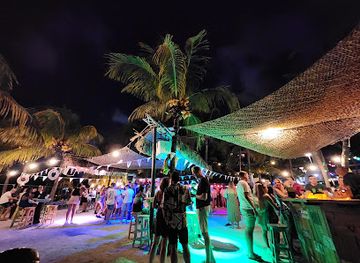
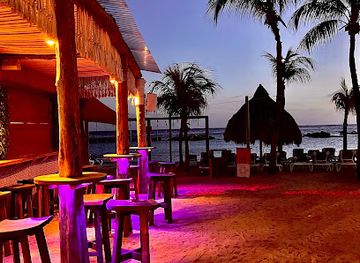
Best nightclubs in Mahaai
Evening life in Mahaai is relatively low-key and tends to centre on restaurants, hotel or neighbourhood bars and informal gatherings rather than a dedicated nightclub strip. The district’s location allows visitors to travel into Willemstad for waterfront dining, live music and a broader choice of bars, while beach clubs and resort venues elsewhere on the southern coast provide a different, more seasonal atmosphere. Curaçaoan nightlife often combines Caribbean, Latin and international influences, with Papiamentu, Dutch, English and Spanish heard in different settings. Visitors who prefer a quieter evening can buy drinks and snacks locally or use Mahaai as a retreat after a day on the coast. Check return transport in advance, particularly when drinking, since distances between districts are greater than the map may suggest and public transport is not designed around late-night sightseeing.
-
Bar
Wet & Wild Beach Club
Experience the vibrant atmosphere of Wet & Wild Beach Club in Curaçao - your ultimate destination for sun, fun, and tropical cocktails.
-
Gay bar
GAZE Bar & Lounge Curaçao
Experience the vibrant nightlife at GAZE Bar & Lounge in Curaçao, where cocktails, live music, and a welcoming atmosphere await.
-
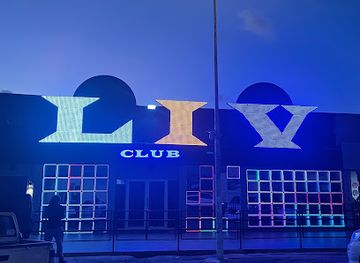
Bar
Club LIV Curaçao
Discover nightlife like never before at Club LIV Curaçao, where music and energy converge for an unforgettable party experience.
-
Night club
La Excusa
Experience the vibrant nightlife at La Excusa, Willemstad's premier night club known for its salsa nights and lively atmosphere.

Best shops in Mahaai
Shopping in Mahaai is convenient and locally oriented, with supermarkets, service businesses, cafés, pharmacies and independent retailers in the surrounding commercial areas. The nearby Zuikertuintje area is useful for everyday supplies, clothing, gifts and food, while visitors seeking a more concentrated heritage and souvenir experience can travel to Willemstad’s Punda and Otrobanda districts. Curaçaoan products worth looking for include locally made sauces, snacks, rum-based drinks, art, jewellery, ceramics and colourful craftwork, although provenance varies and imported goods are also common. Supermarkets are particularly practical for self-catering accommodation, while smaller shops may stock regional flavours and household items not aimed specifically at tourists. For specialist art, antiques and larger souvenir selections, plan a separate visit to the capital or to established shopping areas elsewhere on the island rather than expecting Mahaai to function as a major retail destination.
-
Shopping mall
Sambil Curacao
Discover a vibrant shopping experience at Sambil Curacao, featuring diverse stores, delightful dining, and unforgettable entertainment.
-
Supermarket
Centrum Supermarket Mahaai
Explore the local culinary scene at Centrum Supermarket Mahaai in Willemstad, featuring fresh produce, local delicacies, and a vibrant atmosphere.
-
Shopping mall
Zuikertuin Mall
Experience the vibrant shopping and dining scene at Zuikertuin Mall in Willemstad, Curaçao – a must-visit destination for all tourists.
-
Department store
La Curacao
Immerse yourself in the vibrant shopping culture of Curaçao at La Curacao, your ultimate destination for unique finds and local craftsmanship.


Get your free copy of our complete guide to Mahaai, delivered straight to you.
Everything on this page, from attractions and restaurants to essentials and local phrases, in one PDF you can read offline, print or share.
Already have an account? Sign in
Your Mahaai guide is ready.
We'll send it to · Not you? Sign out

Getting your guide ready…
We are putting together a fresh copy of the Mahaai guide. This can take up to a minute.
This can take a few moments. If your browser asks, choose Allow so the download can start. You'll find the guide in your Downloads folder.
Nothing happened? Download it again
Sorry, the guide is taking longer than usual. Please try again in a minute, or get it by email instead.
Mahaai essentials
Currency and Payment
Safety
Emergency Situations
Do's and Don'ts
Local Tips
From Eve
Local phrases worth knowing
You don't need to get them perfect. A few words go a long way, and locals appreciate the effort.
Basics
| English | Local | Say it |
|---|---|---|
| Hello | Halo | [ha-lo] |
| Goodbye | Ayo | [a-yo] |
| Yes | Si | [see] |
| No | No | [no] |
| Please/You're welcome | Por fabor/Di nada | [por fa-bor/di na-da] |
| Thank you | Dank you | [dank yu] |
| Excuse me/Sorry | Dushi/Skusami | [du-shi/sku-sa-mi] |
| How are you? | Kiko ta? | [ki-ko ta] |
| Fine. And you? | Bon. Y bo? | [bon. i bo] |
| Do you speak English? | Bo ta papia Ingles? | [bo ta pa-pia in-gles] |
| I don't understand | Mi no ta kompronde | [mi no ta kom-pron-de] |
Eating & Drinking
| English | Local | Say it |
|---|---|---|
| I'd like to see the menu, please | Mi ke mira e menu, por fabor | [mi ke mi-ra e me-nu, por fa-bor] |
| I don't eat meat | Mi no ta kome carne | [mi no ta ko-me car-ne] |
| Cheers! | Salud! | [sa-lud] |
| I would like to pay, please | Mi ke paga, por fabor | [mi ke pa-ga, por fa-bor] |
Emergencies
| English | Local | Say it |
|---|---|---|
| Help! | Yuda! | [yu-da] |
| Go away! | Bai for di aki! | [bai for di a-ki] |
| Call the Police! | Llama e Polis! | [ya-ma e po-lis] |
| Call a doctor! | Llama un doctor! | [ya-ma un doc-tor] |
| I'm lost | Mi ta perdí | [mi ta per-di] |
| I'm ill | Mi ta mal | [mi ta mal] |
Shopping
| English | Local | Say it |
|---|---|---|
| I'd like to buy... | Mi ke compra... | [mi ke kom-pra] |
| I'm just looking | Mi ta solamente mira | [mi ta so-la-men-te mi-ra] |
| How much is it? | Kiko ta e precio? | [ki-ko ta e pre-cio] |
| That's too expensive | Eso ta demasiado caro | [e-so ta de-ma-si-a-do ca-ro] |
| Can you lower the price? | Bo por baja e precio? | [bo por ba-ja e pre-cio] |
Time & Numbers
| English | Local | Say it |
|---|---|---|
| What time is it? | Kiko ora ta? | [ki-ko o-ra ta] |
| It's one o'clock | Ta un ora | [ta un o-ra] |
| Half past (10) | Medi di (10) | [me-di di (10)] |
| Morning | Mañana | [ma-nya-na] |
| Afternoon | Tarde | [tar-de] |
| Evening | Anochi | [a-no-chi] |
| Yesterday | Ayer | [a-yer] |
| Today | Hoya | [ho-ya] |
| Tomorrow | Mañana | [ma-nya-na] |
| 1 | Un | [un] |
| 2 | Dos | [dos] |
| 3 | Tres | [tres] |
| 4 | Cuatro | [cua-tro] |
| 5 | Cinco | [cin-co] |
| 6 | Seis | [seis] |
| 7 | Siete | [sie-te] |
| 8 | Ocho | [o-cho] |
| 9 | Nueve | [nue-ve] |
| 10 | Diez | [diez] |
Transport & Directions
| English | Local | Say it |
|---|---|---|
| Where's a/the...? | Unda ta e...? | [un-da ta e] |
| What's the address? | Kiko ta e dirección? | [ki-ko ta e di-rek-sion] |
| Can you show me (on the map)? | Bo por mustra mi (riba e mapa)? | [bo por mus-tra mi (ri-ba e ma-pa)] |
| When's the next (bus)? | Kando ta e prome (bus)? | [kan-do ta e pro-me (bus)] |
| A ticket (to ....) | Un tiket (pa....) | [un ti-ket (pa....)] |
History of Mahaai
Indigenous Curaçao before European colonisation
Long before Mahaai became an urban neighbourhood, Curaçao was inhabited by Indigenous communities, including peoples associated with the Caquetío tradition. Archaeological evidence across the island records settlement, pottery, rock art and changing patterns of subsistence. The island’s dry climate, seasonal water sources and position between the Caribbean and the South American coast shaped these communities’ movements. Although Mahaai’s modern built environment has obscured much of its earlier landscape, its history belongs to this deeper Indigenous past rather than beginning with twentieth-century suburban development.
Spanish and Dutch control, from the sixteenth century
Curaçao entered European imperial rivalries during the sixteenth century, first under Spanish influence and later under Dutch control. The Dutch West India Company took the island in 1634, and Curaçao subsequently developed as a fortified port and commercial centre. Willemstad’s harbour became the principal focus of political and economic life, while inland areas were used for plantations, livestock and cultivation. The land around modern Mahaai was part of this broader rural hinterland before the expansion of roads and housing connected it closely to the capital.
The harbour, slavery and the African diaspora
Curaçao’s strategic harbour played a major role in Atlantic commerce, including the forced transportation and sale of enslaved Africans. The island’s population, language and cultural traditions were profoundly shaped by slavery and by the lives of African-descended communities after emancipation in 1863. This legacy remains central to Curaçaoan identity, visible in music, foodways, family histories and Papiamentu. Mahaai’s contemporary multicultural society is part of that island-wide historical development, even though the district itself is primarily modern and residential.
Plantations, land use and changing settlement patterns
Outside Willemstad, Curaçao was historically organised through plantations, country estates and small-scale agriculture, though the island’s arid conditions limited farming compared with wetter Caribbean territories. Water management, aloe cultivation, livestock keeping and the use of kunuku, or rural plots, were important elements of local life. As the population grew and employment concentrated around the capital, former rural areas were progressively divided for roads, institutions and housing. Mahaai reflects this transition from a less urban landscape to an established district within Willemstad’s expanding metropolitan area.
The twentieth-century oil economy
The opening of the large refinery at Asiento in 1918 transformed Curaçao’s economy and settlement patterns. Oil refining created employment, accelerated migration from other Caribbean islands and Venezuela, and encouraged the growth of urban infrastructure around Willemstad. The refinery’s economic influence extended far beyond its industrial site, helping create demand for housing, services and transport. The modern districts of the capital, including Mahaai, developed within this wider twentieth-century transformation, even though the refinery itself lies elsewhere on the island.
Autonomy and contemporary Curaçao
Curaçao formed part of the Netherlands Antilles until the country was dissolved in 2010, when it became a constituent country within the Kingdom of the Netherlands. This arrangement left Curaçao responsible for many internal affairs while retaining constitutional links with the Kingdom. Modern Mahaai belongs to the urban fabric of this autonomous Caribbean country, where Dutch institutions coexist with Papiamentu-speaking cultural life and strong regional connections. Its homes, commercial areas and roads illustrate the continuing expansion and diversification of Willemstad beyond its historic harbour districts.
Mahaai in Photos
Browse through our photo collection highlighting the charm and character of the destination.
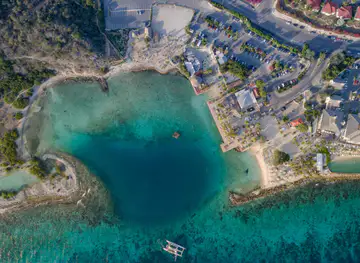
Neighbouring regions of Mahaai
The closest regions to Mahaai, if you have time for more than one.
-

-

-

-

-


Swipe for more regions
Explore more

Explore more of Curacao
Discover Curacao, where vibrant culture, stunning beaches, and historic charm come together to create a Caribbean paradise like no other.
Explore Curacao