

Free Groot Kwartier Travel Guide & Mobile App
Explore Groot Kwartier with free travel guides. Discover regional history, expert tips, proposed trips, and audio guides on web or mobile app.


Groot Kwartier offers historic plantation heritage, local neighbourhood life and convenient access to Willemstad and Curaçao’s wider island landscapes.
Read more about Groot Kwartier
When is the best time to visit Groot Kwartier?
Best: February–April · 29–30°C| Month | High (°C) | Rainfall (mm) |
|---|---|---|
| January | 29 | 43 |
| February (best) | 29 | 32 |
| March (best) | 30 | 18 |
| April (best) | 30 | 14 |
| May | 31 | 27 |
| June | 31 | 35 |
| July | 31 | 40 |
| August | 32 | 52 |
| September | 32 | 68 |
| October | 31 | 95 |
| November | 31 | 117 |
| December | 30 | 70 |
Getting to and around Groot Kwartier
How to get there
Transportation
Best attractions in Groot Kwartier
Groot Kwartier’s attractions are primarily historical and residential rather than resort-based. The central heritage interest is Landhuis Groot Kwartier, a surviving plantation-era country house that helps explain how Curaçao’s estates were organised before the district became urban. Its value lies in the wider story of land use, agriculture, colonial authority and enslaved labour, not only in its architecture. Beyond the landhouse, the neighbourhood provides a useful setting for observing contemporary Willemstad away from the concentrated tourist areas of Punda and Otrobanda, which lie nearby but outside Groot Kwartier. The district also works well as a base for visiting Curaçao’s museums, harbour heritage and historic city quarters, followed by drives to the island’s western beaches, bays and rural landscapes. Those attractions are outside the neighbourhood and should be planned as separate excursions. Visitors seeking outdoor recreation will need to travel beyond the built-up district for snorkelling, diving, hiking and coastal scenery. Groot Kwartier is therefore best appreciated as one element of a wider Curaçao itinerary: a place where plantation history, everyday urban life and access to the rest of the island overlap.
-
Bridge
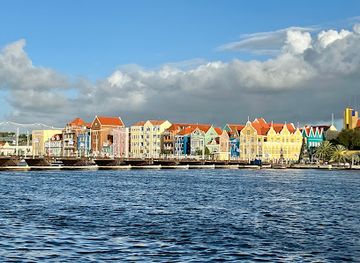
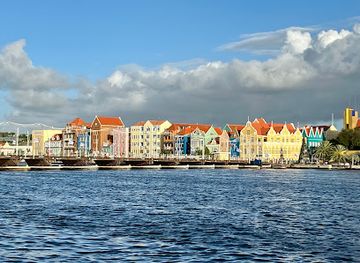
Queen Emma Bridge
Explore the historic Queen Emma Bridge, a stunning floating bridge in Willemstad connecting vibrant districts with breathtaking views and rich culture.
-
Beach
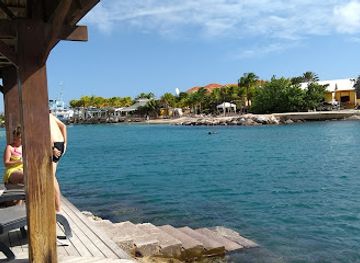
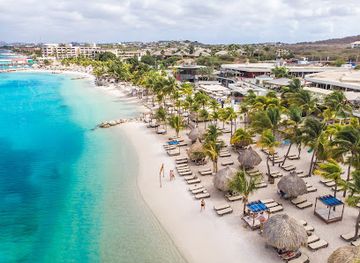
Mambo Beach
Discover the sun-kissed shores of Mambo Beach in Curaçao, where crystal-clear waters meet vibrant culture and delightful cuisine.
-
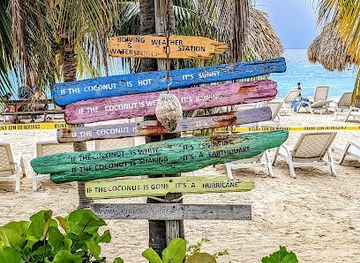
Cas Abao Beach
Experience the breathtaking beauty of Cas Abao Beach, a tropical paradise in Curaçao with stunning waters and vibrant marine life.
-
Tourist attraction
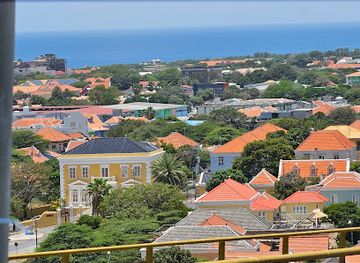
Curaçao Cruise Terminal
Discover the vibrant Curaçao Cruise Terminal, your gateway to stunning beaches, rich culture, and unforgettable island experiences.
Best landmarks in Groot Kwartier
The defining landmark of Groot Kwartier is Landhuis Groot Kwartier, a historic country house connected with the plantation landscape that once surrounded Willemstad. Its significance comes from the way it represents Curaçao’s former estate system, in which landhouses served as administrative and residential centres for agricultural properties worked by enslaved people. The building should be read alongside the island’s wider plantation history rather than as an isolated colonial curiosity. Groot Kwartier’s other important visual characteristic is the contrast between this older architectural layer and the modern residential streets that now occupy much of the district. The neighbourhood itself does not contain the celebrated harbour façades, forts and monumental churches associated with central Willemstad; those landmarks are nearby but lie outside Groot Kwartier. Likewise, Curaçao’s best-known natural landmarks are found along the island’s coast and in more rural districts. For visitors, Groot Kwartier’s landmark value is consequently concentrated in its landhouse heritage and in the visible transition from plantation territory to an integrated urban neighbourhood of Curaçao’s capital.
-
Bridge
Queen Emma Bridge
Discover the charm of Willemstad at the Queen Emma Bridge, a floating marvel connecting vibrant districts with stunning views and rich history.
-
Beach pavillion
Cas Abao Beach
Discover the beauty and tranquility of Cas Abao Beach in Curaçao, a perfect destination for relaxation, snorkeling, and tropical adventures.
-
Shopping mall
Mambo Beach Boulevard
Discover the lively Mambo Beach Boulevard in Willemstad, Curaçao, where shopping, dining, and nightlife come together for an unforgettable experience.
-
Beach pavillion
Kokomo Beach
Experience the allure of Curaçao at Kokomo Beach: turquoise waters, lively events, and ultimate relaxation await in a Caribbean paradise.

Explore Groot Kwartier on the map
Plan your trip on one map. See where the top cities, national parks and sights are, and book hotels and experiences in a few clicks.
Best hotels in Groot Kwartier
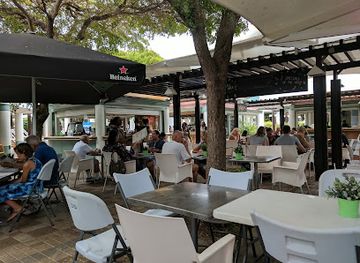
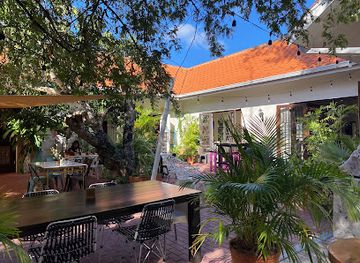
Best restaurants in Groot Kwartier
Dining in Groot Kwartier is mainly casual and neighbourhood-oriented, with restaurants, cafés and take-away counters serving Curaçao’s mixed Caribbean and Latin American culinary traditions. Expect dishes influenced by Afro-Curaçaoan home cooking, Dutch ingredients, Venezuelan connections and the island’s maritime setting. Keshi yena, a baked cheese dish traditionally filled with seasoned meat or other savoury ingredients, is strongly associated with Curaçao, while soups, stews, fried fish, plantains and funchi are common features of the wider island’s food culture. Fresh seafood is available in Curaçao, although not every establishment in an inland urban district specialises in it. For a broader dining choice, visitors can travel towards central Willemstad, where historic buildings accommodate cafés and restaurants, or towards waterfront areas elsewhere on the island. Local bakeries, snack bars and supermarkets are useful for simple meals and picnic supplies. Menus may include Papiamentu, Dutch, English or Spanish, reflecting Curaçao’s multilingual society.
-
Restaurant
Restaurant & Café Gouverneur De Rouville
Experience authentic Caribbean cuisine with breathtaking waterfront views at Restaurant & Café Gouverneur De Rouville in Willemstad.
-
Restaurant
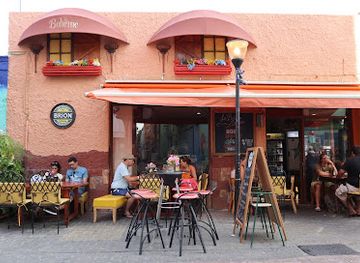
La Bohème Curaçao
Experience authentic Caribbean cuisine at La Bohème Curaçao - where every meal is infused with local flavors in a cozy atmosphere.
-
Restaurant
De Dames
Experience the vibrant flavors of Curaçao at De Dames, where delightful breakfasts and warm hospitality await every visitor.
-
Restaurant
Number Ten Curaçao
Discover authentic Caribbean cuisine at Number Ten Curaçao, where fresh ingredients meet vibrant flavors in an inviting atmosphere.

Best bars in Groot Kwartier
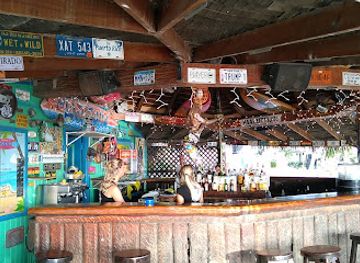
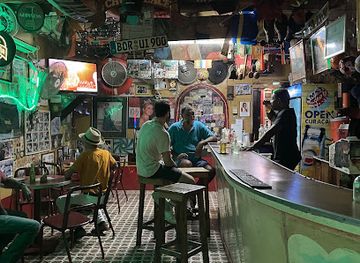
Groot Kwartier does not have a concentrated nightclub district, and evening life is generally quieter than in the hotel and waterfront areas of Curaçao. The local experience centres on casual restaurants, cafés, small bars and social gatherings rather than a single strip of late-night venues. Visitors looking for live music, cocktails or a wider choice of evening entertainment will usually travel towards Willemstad’s historic centre, the Pietermaai area or other established nightlife zones outside Groot Kwartier. Traditional bars may serve beer, spirits and snacks in an informal setting, while Curaçao’s broader drinks culture includes locally made liqueurs and Caribbean-style cocktails. Nightlife can be more seasonal around holiday periods, but opening arrangements change, so current details should be checked locally. Use a taxi or pre-arranged driver after drinking rather than walking on unfamiliar roads or driving.
-
Bar
Wet & Wild Beach Club
Experience the best of beach life at Wet & Wild Beach Club in Curaçao, where relaxation meets vibrant entertainment and stunning ocean views.
-
Bar
Netto Bar
Experience the vibrant nightlife at Netto Bar in Willemstad, where delicious cocktails and local culture come alive.
-
Bar
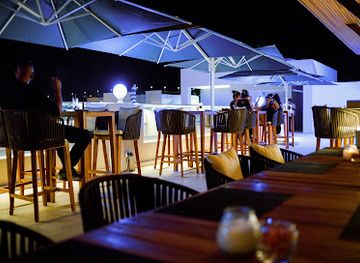
Cascada Rooftop Bar + Kitchen
Experience the beauty and flavors of Curaçao at Cascada Rooftop Bar + Kitchen, where stunning views meet exceptional cuisine and vibrant nightlife.
-
Sports bar
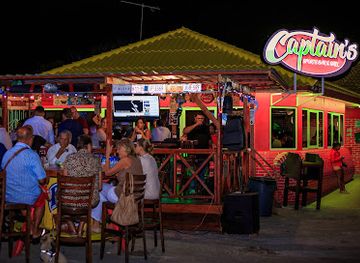
Captain's Sportsbar & Grill
Dive into the lively atmosphere of Captain's Sportsbar & Grill, where great food meets thrilling sports in the heart of Curaçao.
Best nightclubs in Groot Kwartier
Groot Kwartier does not have a concentrated nightclub district, and evening life is generally quieter than in the hotel and waterfront areas of Curaçao. The local experience centres on casual restaurants, cafés, small bars and social gatherings rather than a single strip of late-night venues. Visitors looking for live music, cocktails or a wider choice of evening entertainment will usually travel towards Willemstad’s historic centre, the Pietermaai area or other established nightlife zones outside Groot Kwartier. Traditional bars may serve beer, spirits and snacks in an informal setting, while Curaçao’s broader drinks culture includes locally made liqueurs and Caribbean-style cocktails. Nightlife can be more seasonal around holiday periods, but opening arrangements change, so current details should be checked locally. Use a taxi or pre-arranged driver after drinking rather than walking on unfamiliar roads or driving.
-
Bar
Wet & Wild Beach Club
Discover the lively Wet & Wild Beach Club in Curaçao, where sun, fun, and tropical drinks await your arrival.
-
Bar
Netto Bar
Discover the vibrant nightlife of Willemstad at Netto Bar, where refreshing drinks and local culture come together in a lively atmosphere.
-
Night club
Cafe De Tijd
Experience the vibrant nightlife of Willemstad at Cafe De Tijd, where music, cocktails, and great company come together for an unforgettable evening.
-
Gay bar
GAZE Bar & Lounge Curaçao
Discover the vibrant nightlife of GAZE Bar & Lounge in Curaçao, where cocktails, music, and a welcoming atmosphere await you.


Best shops in Groot Kwartier
Shopping in Groot Kwartier is geared towards local daily life rather than destination retail. Small food shops, convenience stores, pharmacies and service businesses provide practical supplies, while larger selections of souvenirs, fashion, crafts and speciality foods are found in central Willemstad and established commercial areas elsewhere on the island. Visitors can look for Curaçaoan products such as locally made liqueurs, hot sauces, snacks, crafts and artwork, but should check labels and provenance if seeking genuinely island-made goods. Markets and independent shops in Willemstad offer more opportunity for browsing than the residential streets of Groot Kwartier, while supermarkets are useful for water, fruit and picnic provisions before an island excursion. Bargaining is not a universal expectation in Curaçao; ask politely where prices are unclear, particularly at informal stalls. For meaningful purchases, choose responsibly produced crafts and avoid buying shells, coral or archaeological objects removed from the natural or historic environment.
-
Shopping mall
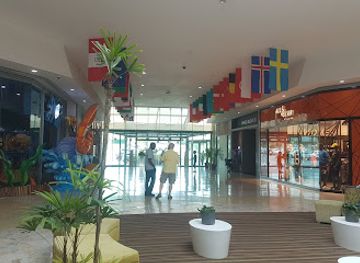
Sambil Curacao
Discover a vibrant shopping and entertainment hub at Sambil Curacao, where local culture meets international brands in a lively atmosphere.
-
Shopping mall
Zuikertuin Mall
Explore the vibrant Zuikertuin Mall in Willemstad, Curaçao, where modern shopping meets local culture in a picturesque setting.
-
Department store
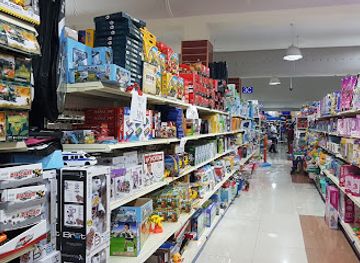
La Curaçao
Explore La Curaçao in Willemstad – your premier destination for electronics and home goods in the heart of the Caribbean.
-
Department store
La Curacao
Discover the ultimate shopping experience at La Curacao in Willemstad, Curaçao, your destination for electronics, fashion, and more.

Get your free copy of our complete guide to Groot Kwartier, delivered straight to you.
Everything on this page, from attractions and restaurants to essentials and local phrases, in one PDF you can read offline, print or share.
Already have an account? Sign in
Your Groot Kwartier guide is ready.
We'll send it to · Not you? Sign out

Getting your guide ready…
We are putting together a fresh copy of the Groot Kwartier guide. This can take up to a minute.
This can take a few moments. If your browser asks, choose Allow so the download can start. You'll find the guide in your Downloads folder.
Nothing happened? Download it again
Sorry, the guide is taking longer than usual. Please try again in a minute, or get it by email instead.
Groot Kwartier essentials
Currency and Payment
Safety
Emergency Situations
Do's and Don'ts
Local Tips
From Eve
Local phrases worth knowing
You don't need to get them perfect. A few words go a long way, and locals appreciate the effort.
Basics
| English | Local | Say it |
|---|---|---|
| Hello | Halo | [Hah-loh] |
| Goodbye | Ayo | [Ah-yoh] |
| Yes | Si | [See] |
| No | No | [Noh] |
| Please/You're welcome | Por fabor/Di nada | [Por fah-bor/Dih nah-dah] |
| Thank you | Dank you | [Dahngk yoh] |
| Excuse me/Sorry | Disculpa | [Dees-kool-pah] |
| How are you? | Kon ta bai? | [Kohn tah bye?] |
| Fine. And you? | Bon. Y bo? | [Bohn. Ee boh?] |
| Do you speak English? | Bo ta papia Ingles? | [Boh tah pah-pee-ah Een-glays?] |
| I don't understand | Mi no ta komprondé | [Mee noh tah kom-pron-day] |
Eating & Drinking
| English | Local | Say it |
|---|---|---|
| I'd like to see the menu, please | Mi ke mira e menu, por fabor | [Mee keh mee-rah eh meh-noo, por fah-bor] |
| I don't eat meat | Mi no ta come carne | [Mee noh tah koh-meh kar-neh] |
| Cheers! | Salud! | [Sah-lood] |
| I would like to pay, please | Mi ke paga, por fabor | [Mee keh pah-gah, por fah-bor] |
Emergencies
| English | Local | Say it |
|---|---|---|
| Help! | Ayuda! | [Ah-yoo-dah] |
| Go away! | Bai for di! | [Bye for dee] |
| Call the Police! | Llama e Polisia! | [Yah-mah eh Poh-lee-see-ah] |
| Call a doctor! | Llama un doctor! | [Yah-mah oon dohkt-or] |
| I'm lost | Mi ta perde | [Mee tah pehr-deh] |
| I'm ill | Mi ta mal | [Mee tah mahl] |
Shopping
| English | Local | Say it |
|---|---|---|
| I'd like to buy... | Mi ke compra... | [Mee keh kom-prah...] |
| I'm just looking | Mi ta simplemente mirando | [Mee tah seem-pleh-men-teh mee-rahn-do] |
| How much is it? | Kanto ta e? | [Kahn-toh tah eh?] |
| That's too expensive | Ese ta demasiado caro | [Eh-seh tah deh-mah-see-ah-doh kah-roh] |
| Can you lower the price? | Bo por baja e precio? | [Boh por bah-hah eh preh-see-oh?] |
Time & Numbers
| English | Local | Say it |
|---|---|---|
| What time is it? | Kico hora ta? | [Kee-koh oh-rah tah?] |
| It's one o'clock | Ta un ora | [Tah oon oh-rah] |
| Half past (10) | Medio pa (10) | [Meh-dee-oh pah (10)] |
| Morning | Mañana | [Mah-nyah-nah] |
| Afternoon | Tarde | [Tar-deh] |
| Evening | Anoche | [Ah-noh-cheh] |
| Yesterday | Ayer | [Ah-yer] |
| Today | Hoya | [Hoh-yah] |
| Tomorrow | Mañana | [Mah-nyah-nah] |
| 1 | Un | [Oon] |
| 2 | Dos | [Dohs] |
| 3 | Tres | [Tres] |
| 4 | Cuatro | [Kwah-troh] |
| 5 | Cinco | [Seen-koh] |
| 6 | Seis | [Says] |
| 7 | Siete | [See-eh-teh] |
| 8 | Ocho | [Oh-choh] |
| 9 | Nueve | [Nweh-veh] |
| 10 | Diez | [Dee-ehs] |
Transport & Directions
| English | Local | Say it |
|---|---|---|
| Where's a/the...? | Unda ta un/ e...? | [Oon-dah tah oon/ eh...?] |
| What's the address? | Kico ta e direccion? | [Kee-koh tah eh dee-rek-syon?] |
| Can you show me (on the map)? | Bo por mustra mi (riba e mapa)? | [Boh por moos-trah mee (ree-bah eh mah-pah)?] |
| When's the next (bus)? | Quando ta e prome (bus)? | [Kwan-doh tah eh pro-meh (boos)?] |
| A ticket (to ....) | Un tiket (pa....) | [Oon tee-ket (pah....)] |
History of Groot Kwartier
Caquetío Heritage Before European Rule
Before European colonisation, Curaçao was inhabited by Caquetío communities connected culturally and economically with the mainland of north-western Venezuela. Their presence is recorded through archaeological material, rock art and evidence of settlement across the island. The specific area now known as Groot Kwartier formed part of Curaçao’s wider dry landscape rather than an urban neighbourhood. Knowledge of this earlier history is important because the island’s colonial story began on land that already had its own communities, movements and relationships with the surrounding Caribbean and South American region.
Spanish Colonisation and Dutch Control
Spanish explorers reached Curaçao at the end of the fifteenth century, and the island was incorporated into Spain’s Caribbean sphere. In 1634 the Dutch West India Company took control, establishing the political framework that still connects Curaçao with the Kingdom of the Netherlands. Curaçao’s natural harbour encouraged trade and fortified settlement around Willemstad, while the island’s dry climate shaped an economy based on livestock, salt, small-scale agriculture and maritime commerce. Groot Kwartier later developed within this colonial landscape of plantations and country estates.
Plantations and the Landhouse System
During the eighteenth and nineteenth centuries, Curaçao’s plantations were organised around landhouses, agricultural fields, wells and outbuildings. Groot Kwartier was one of the estates associated with this system. Activities varied with rainfall and market conditions, including the cultivation of food crops and the raising of livestock. The system relied on enslaved Africans and their descendants, whose labour sustained plantation households and agricultural production. The surviving landhouse is therefore not simply a picturesque building: it is evidence of an unequal colonial economy and of the people whose work made it function.
Emancipation and Social Change in 1863
Slavery was abolished in Curaçao in 1863, bringing a profound change to the island’s legal and social order, although economic inequality and plantation influence continued. Formerly enslaved communities developed new livelihoods through farming, fishing, domestic work, craft production and wage labour. Many plantations declined or changed purpose as agriculture became less central to Curaçao’s economy. The later development of Groot Kwartier as a residential district reflects this long transition from dispersed estates and rural production towards a more urban society centred on Willemstad.
The Oil Era and Willemstad’s Expansion
The opening of the refinery at Asiento in 1918 transformed Curaçao’s economy, attracting workers, investment and new infrastructure. Although the refinery lies outside Groot Kwartier, its growth accelerated the expansion of Willemstad and encouraged the development of residential districts beyond the historic harbour. Roads, utilities, schools and services gradually connected former plantation areas with the capital. Groot Kwartier became part of this expanding urban environment, retaining traces of its older estate landscape while absorbing the social and economic changes brought by industrial employment.
A Contemporary Curaçao Neighbourhood
In the twentieth and twenty-first centuries, Groot Kwartier continued to evolve as a residential part of Willemstad. Curaçao’s links with the Netherlands, Venezuela and the wider Caribbean have influenced education, migration, business, music, architecture and language. Papiamentu remains central to daily cultural life, alongside Dutch, English and Spanish. Today the district’s identity lies in this combination of historic landhouse heritage and ordinary urban life: a place where the legacy of plantation Curaçao is surrounded by modern homes, roads, services and communities.
Groot Kwartier in Photos
Browse through our photo collection highlighting the charm and character of the destination.
Neighbouring regions of Groot Kwartier
The closest regions to Groot Kwartier, if you have time for more than one.
-

-

-

-

-


Swipe for more regions
Explore more

Explore more of Curacao
Discover Curacao, where vibrant culture, stunning beaches, and historic charm come together to create a Caribbean paradise like no other.
Explore Curacao