

Free Domi Abou Travel Guide & Mobile App
Explore Domi Abou with free travel guides. Discover regional history, expert tips, proposed trips, and audio guides on web or mobile app.


Domi Abou offers a quiet western Curaçao base for rural landscapes, kunuku heritage, nearby beaches and the island’s dry-country scenery.
Read more about Domi Abou
When is the best time to visit Domi Abou?
Best: February–April · 30–31°C| Month | High (°C) | Rainfall (mm) |
|---|---|---|
| January | 30 | 32 |
| February (best) | 30 | 29 |
| March (best) | 30 | 26 |
| April (best) | 31 | 25 |
| May | 31 | 23 |
| June | 31 | 21 |
| July | 31 | 25 |
| August | 31 | 28 |
| September | 31 | 30 |
| October | 31 | 34 |
| November | 31 | 37 |
| December | 30 | 39 |
Getting to and around Domi Abou
How to get there
Transportation
Best attractions in Domi Abou
Domi Abou’s attractions are primarily landscape-based and work best as part of a western Curaçao itinerary. The locality itself offers a quiet setting of kunuku countryside, cactus-studded scrub, dry hills and small rural properties rather than a major museum or formal visitor complex. Nearby western areas provide access to beaches, coves, plantation heritage and nature sites, but these should be treated as excursions beyond Domi Abou rather than attractions within the locality. Visitors interested in history can explore Curaçao’s plantation-house tradition and the stories of agriculture, enslavement and rural life that shaped the west. Nature-oriented travellers will find opportunities for birdwatching, coastal walks, snorkelling and landscape photography, provided they bring water and protect themselves from the sun. The countryside is also valuable for observing how people have adapted buildings, fields and water storage to a dry Caribbean climate. Domi Abou suits travellers who prefer a rural base, self-guided exploration and slower days over a dense programme of ticketed sights.
-
Aquarium
Curaçao Sea Aquarium
Explore the Curaçao Sea Aquarium, a must-visit attraction in Willemstad showcasing Caribbean marine life and promoting ocean conservation.
-
Tourist attraction
Floating Market
Discover the cultural heart of Curaçao at Willemstad's Floating Market, where vibrant stalls and friendly vendors await.
-
Museum
The Curaçao Museum
Explore the heart of Curaçao's culture at The Curaçao Museum, showcasing a rich collection of art and historical treasures in Willemstad.
-
Beach
Marie Pampoen Beach
Unwind at Marie Pampoen Beach, a stunning coastal paradise in Willemstad, Curaçao, where crystal-clear waters meet vibrant Caribbean culture.
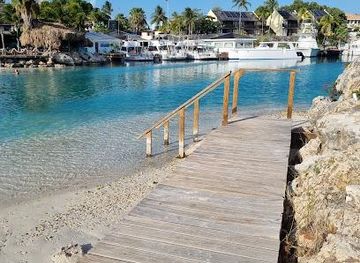


Best landmarks in Domi Abou
The defining landmarks of Domi Abou are rural rather than monumental. Traditional kunuku houses, dry-stone boundaries, cactus fences, old wells and scattered field plots express the practical history of farming and settlement on Curaçao’s dry western side. The surrounding hills and open scrub form a recognisable landscape in their own right, with broad views that change noticeably between the dry season and the periods following rain. Domi Abou does not have the concentrated colonial architecture found in Willemstad, nor should nearby plantation houses be described as being within the locality. Their importance, however, helps explain the wider cultural landscape in which Domi Abou sits: estates, labour routes, water stores and agricultural land connected the interior with coastal communities. On excursions beyond Domi Abou, visitors can seek out western plantation heritage and coastal geological features, returning to the locality for its quieter rural character.
-
Bridge
Queen Emma Bridge
Discover the enchanting Queen Emma Bridge in Willemstad, Curaçao, a picturesque floating bridge connecting vibrant districts with breathtaking views.
-
Beach pavillion
Cas Abao Beach
Discover the idyllic charm of Cas Abao Beach, a tropical paradise in Curaçao offering sun, sand, and exquisite dining experiences.
-
Hotel
Renaissance Wind Creek Curacao Resort
Experience Caribbean luxury at the Renaissance Wind Creek Curacao Resort, your perfect getaway in vibrant Willemstad with stunning views and top-notch amenities.
-
Aquarium
Curaçao Sea Aquarium
Explore the wonders of the underwater world at Curaçao Sea Aquarium, where adventure meets education in a stunning Caribbean setting.


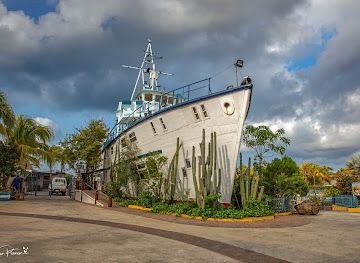
Explore Domi Abou on the map
Plan your trip on one map. See where the top cities, national parks and sights are, and book hotels and experiences in a few clicks.
Best hotels in Domi Abou
Best restaurants in Domi Abou
Domi Abou has a limited dining scene, so visitors generally eat at their accommodation, shop in larger settlements or combine meals with excursions elsewhere in western Curaçao. Curaçaoan cooking draws on African, European, Latin American and Caribbean influences, with dishes such as keshi yena, funchi, goat stew, fried fish and soups appearing in different local settings. Around the western districts, look for straightforward eateries, cafés, snack bars and country restaurants rather than a concentrated restaurant quarter. Fresh fish and seafood are more closely associated with coastal communities, while stewed goat, rice, cornmeal dishes and savoury pastries reflect broader island cooking. Markets and food shops can be useful for fruit, bread, drinks and picnic supplies before heading into the countryside. Travellers with dietary requirements should plan ahead, particularly in rural areas where menus and opening arrangements are less predictable than in Willemstad.
-
Restaurant
Zanzibar Beach & Restaurant
Savor exquisite Caribbean flavors at Zanzibar Beach & Restaurant while enjoying stunning ocean views in beautiful Curaçao.
-
Restaurant
Pirate Bay Curaçao Beach Club and Restaurant
Experience the ultimate tropical escape at Pirate Bay Curaçao Beach Club and Restaurant with stunning views and delicious cuisine.
-
Restaurant
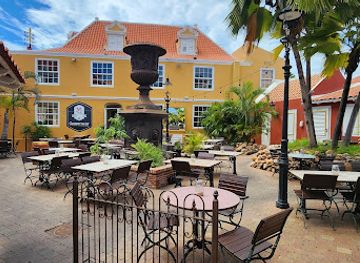
Restaurant & Café Gouverneur De Rouville
Discover authentic Caribbean flavors and stunning waterfront views at Restaurant & Café Gouverneur De Rouville in Willemstad.
-
Restaurant
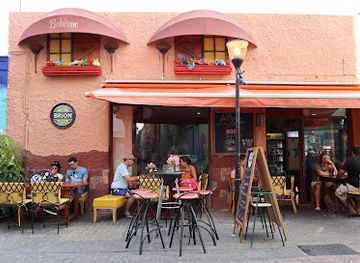
La Bohème Curaçao
Experience the vibrant flavors of Caribbean cuisine at La Bohème Curaçao - your go-to spot for breakfast, brunch, lunch and dinner.


Best bars in Domi Abou
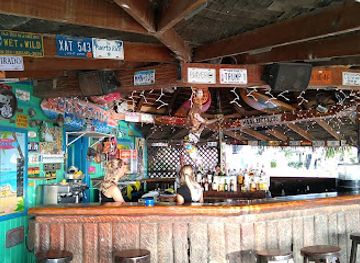
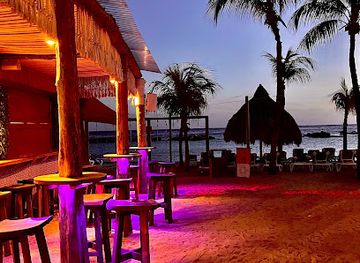
Evenings in Domi Abou are quiet and residential, with nightlife centred on private accommodation, informal gatherings and the occasional local eatery rather than nightclubs. Visitors seeking a drink may find small bars, casual restaurants or beach venues in other western communities, but opening arrangements can vary and a return journey should be planned before drinking. Curaçao’s wider evening culture includes Dutch-Caribbean beer, rum-based drinks, music and social dining, while larger entertainment choices are concentrated around Willemstad and the island’s main resort areas, outside Domi Abou. The locality’s darker rural setting is better suited to stargazing, an early dinner or listening to the night sounds than to late-night venue hopping. Respect residents by keeping noise low, particularly near homes and small guesthouses.
-
Restaurant
Hemingway
Experience the vibrant culinary scene at Hemingway in Willemstad, Curaçao, where delicious food meets live music and stunning sea views.
-
Bar
Wet & Wild Beach Club
Discover the ultimate Caribbean getaway at Wet & Wild Beach Club, where sun, fun, and relaxation meet spectacular views and vibrant entertainment.
-
Bar
Daaibooi Beach Bar
Discover the charm of Daaibooi Beach Bar in Curaçao, where delicious cuisine meets stunning ocean views for an unforgettable tropical experience.
-
Bar
Netto Bar
Experience the vibrant energy of Netto Bar in Willemstad, where refreshing cocktails and friendly vibes create the perfect Caribbean escape.


Best nightclubs in Domi Abou
Evenings in Domi Abou are quiet and residential, with nightlife centred on private accommodation, informal gatherings and the occasional local eatery rather than nightclubs. Visitors seeking a drink may find small bars, casual restaurants or beach venues in other western communities, but opening arrangements can vary and a return journey should be planned before drinking. Curaçao’s wider evening culture includes Dutch-Caribbean beer, rum-based drinks, music and social dining, while larger entertainment choices are concentrated around Willemstad and the island’s main resort areas, outside Domi Abou. The locality’s darker rural setting is better suited to stargazing, an early dinner or listening to the night sounds than to late-night venue hopping. Respect residents by keeping noise low, particularly near homes and small guesthouses.
-
Bar
Wet & Wild Beach Club
Experience the ultimate tropical escape at Wet & Wild Beach Club in Curaçao, where relaxation meets vibrant nightlife.
-
Bar
Netto Bar
Enjoy a vibrant nightlife experience at Netto Bar in Willemstad, Curaçao, renowned for its unique cocktails and lively atmosphere.
-
Gay bar
GAZE Bar & Lounge Curaçao
Experience the vibrant nightlife at GAZE Bar & Lounge Curaçao, a lively gay bar and dance club in the heart of Willemstad, perfect for socializing and entertainment.
-
Bar
Club LIV Curaçao
Immerse yourself in the vibrant nightlife of Curaçao at Club LIV, where Caribbean beats and a lively atmosphere create unforgettable nights.


Best shops in Domi Abou
Shopping in Domi Abou is limited and practical rather than centred on a retail district. Visitors should buy groceries, drinks, fuel and picnic provisions in larger western settlements or in Willemstad before exploring the countryside. Small local shops and roadside sellers may offer snacks, fruit or drinks, but availability is changeable. Regional products to look for across Curaçao include locally made sauces, sweets, aloe-based goods, crafts, artwork and packaged foods influenced by Papiamentu-speaking island culture. Markets and independent craft outlets elsewhere on the island provide more choice than Domi Abou itself, while Willemstad has the broadest selection of souvenirs, galleries and specialised shops. When buying handmade items, ask about materials and provenance, and do not remove plants, shells or archaeological objects from rural or coastal sites.
-
Shopping mall
Renaissance Mall & Rif Fort
Experience shopping and dining at the Renaissance Mall & Rif Fort, where history meets modern retail in the heart of Willemstad, Curaçao.
-
Shopping mall
Mambo Beach Boulevard
Experience the ultimate blend of shopping, dining, and nightlife at Mambo Beach Boulevard in Willemstad, Curaçao, where island charm meets vibrant culture.
-
Shopping mall
Sambil Curacao
Discover the vibrant shopping experience at Sambil Curacao, where local culture meets international brands in a stunning mall setting.
-
Shopping mall
Zuikertuin Mall
Experience the best of shopping and dining at Zuikertuin Mall in Willemstad, Curaçao, where vibrant culture meets modern convenience.


Get your free copy of our complete guide to Domi Abou, delivered straight to you.
Everything on this page, from attractions and restaurants to essentials and local phrases, in one PDF you can read offline, print or share.
Already have an account? Sign in
Your Domi Abou guide is ready.
We'll send it to · Not you? Sign out

Getting your guide ready…
We are putting together a fresh copy of the Domi Abou guide. This can take up to a minute.
This can take a few moments. If your browser asks, choose Allow so the download can start. You'll find the guide in your Downloads folder.
Nothing happened? Download it again
Sorry, the guide is taking longer than usual. Please try again in a minute, or get it by email instead.
Domi Abou essentials
Currency and Payment
Safety
Emergency Situations
Do's and Don'ts
Local Tips
From Eve
Local phrases worth knowing
You don't need to get them perfect. A few words go a long way, and locals appreciate the effort.
Basics
| English | Local | Say it |
|---|---|---|
| Hello | Halo | [ha-lo] |
| Goodbye | Ayo | [ah-yo] |
| Yes | Sí | [see] |
| No | No | [no] |
| Please/You're welcome | Por favor/Di nada | [por fah-vor/dee nah-da] |
| Thank you | Gracias | [grah-syas] |
| Excuse me/Sorry | Disculpa | [dis-kool-pa] |
| How are you? | Kon ta? | [kon tah] |
| Fine. And you? | Bon. E ta? | [bon. eh tah] |
| Do you speak English? | Bo ta papia ingles? | [bo tah pah-pee-ah een-glehs] |
| I don't understand | Mi no ta kompronde | [mee no tah kom-pron-deh] |
Eating & Drinking
| English | Local | Say it |
|---|---|---|
| I'd like to see the menu, please | Mi ke si e menu, por favor | [mee keh see eh meh-nu, por fah-vor] |
| I don't eat meat | Mi no ta come carne | [mee no tah koh-meh kar-neh] |
| Cheers! | Salud! | [sah-lud] |
| I would like to pay, please | Mi ke paga, por favor | [mee keh pah-gah, por fah-vor] |
Emergencies
| English | Local | Say it |
|---|---|---|
| Help! | Yuda! | [yoo-dah] |
| Go away! | Bai! | [bye] |
| Call the Police! | Llama e Polis! | [yah-mah eh poh-lees] |
| Call a doctor! | Llama un doktor! | [yah-mah oon dok-tor] |
| I'm lost | Mi ta perde | [mee tah pear-deh] |
| I'm ill | Mi ta mal | [mee tah mahl] |
Shopping
| English | Local | Say it |
|---|---|---|
| I'd like to buy... | Mi ke compra... | [mee keh kom-prah] |
| I'm just looking | Mi ta solo mirando | [mee tah soh-loh mee-rahn-do] |
| How much is it? | Kantu ta e? | [kan-too tah eh] |
| That's too expensive | Es muy caro | [es moo-ee kah-roh] |
| Can you lower the price? | Bo por baja e precio? | [bo por bah-ha eh preh-syo] |
Time & Numbers
| English | Local | Say it |
|---|---|---|
| What time is it? | Kiko hora ta? | [kee-koh or-ah tah] |
| It's one o'clock | Ta un ora | [tah oon or-ah] |
| Half past (10) | Mediu pas (10) | [meh-dee-oo pas (diez)] |
| Morning | Mañana | [mah-nyah-nah] |
| Afternoon | Tarde | [tar-deh] |
| Evening | Anochi | [ah-no-chee] |
| Yesterday | Ayer | [ah-yer] |
| Today | Hoya | [ho-yah] |
| Tomorrow | Mañana | [mah-nyah-nah] |
| 1 | 1 | [uno] |
| 2 | 2 | [dos] |
| 3 | 3 | [tres] |
| 4 | 4 | [kuater] |
| 5 | 5 | [sink] |
| 6 | 6 | [seis] |
| 7 | 7 | [siete] |
| 8 | 8 | [ocho] |
| 9 | 9 | [nueve] |
| 10 | 10 | [diez] |
Transport & Directions
| English | Local | Say it |
|---|---|---|
| Where's a/the...? | Unda ta un/ e...? | [oon-dah tah oon/eh] |
| What's the address? | Kiko ta e adrès? | [kee-koh tah eh ah-dres] |
| Can you show me (on the map)? | Bo por mustra mi (na e mapa)? | [bo por moos-trah mee (nah eh mah-pah)] |
| When's the next (bus)? | Kando ta e proximo (bus)? | [kan-doh tah eh prohk-see-mo (boos)] |
| A ticket (to ....) | Un bilhete (na ....) | [oon bee-yeh-teh (nah)] |
History of Domi Abou
Indigenous Settlement before European Rule
Before European colonisation, Curaçao was inhabited by Indigenous peoples, including communities associated with the Caquetío world of the wider Caribbean. Their presence is recorded through archaeological material and rock art in several parts of the island. Western Curaçao’s caves, hills and dry valleys formed part of an environment used for shelter, movement and food gathering. Although the modern landscape has been extensively altered, the island’s earliest history remains visible through archaeological sites and Indigenous place associations across the countryside.
Spanish and Dutch Control in the Sixteenth and Seventeenth Centuries
Curaçao entered European colonial history under Spanish rule before becoming a Dutch possession in the seventeenth century. The Dutch West India Company developed the island as a strategic Caribbean port, and Willemstad became the principal administrative and commercial centre. Western districts such as the area around Domi Abou remained comparatively rural, used for cultivation, livestock and transport between inland properties and the coast. The contrast between the fortified harbour and the open countryside has remained a defining feature of Curaçao’s geography.
Plantations, Enslavement and Rural Estates
From the colonial period onwards, Curaçao’s countryside was divided among plantations, country estates and smaller agricultural properties. Enslaved Africans performed much of the labour that sustained these estates, while later generations of Afro-Curaçaoan communities maintained farming, fishing and craft traditions under difficult economic conditions. In western Curaçao, the legacy of this system survives in plantation houses, field boundaries, wells, paths and kunuku landscapes. The history is not simply architectural: it also concerns forced labour, land ownership, food production and the persistence of rural communities.
Agriculture in a Dry Island Environment
Curaçao’s limited rainfall encouraged forms of agriculture adapted to a semi-arid climate. Sorghum, aloe, goats and other livestock were important in different periods, alongside household gardens and seasonal crops. Water management depended on wells, cisterns and careful use of irregular rainfall. The countryside around Domi Abou reflects this practical relationship with the environment, with thorn scrub, cacti, stonework and scattered plots replacing the intensive green agriculture found on wetter Caribbean islands. These traditions helped shape the island’s characteristic kunuku culture.
The Oil Refinery and Curaçao’s Modern Economy
The opening of the refinery at Asiento in 1918 transformed Curaçao’s economy and drew workers towards Willemstad and the industrial area. Oil brought new employment, infrastructure and international connections, but it did not erase the importance of rural western districts. Communities around the island continued to depend on small-scale agriculture, livestock, fishing and family networks. The economic divide between the urban-industrial east and the more sparsely settled west remains part of the context in which Domi Abou is experienced today.
Autonomy within the Kingdom of the Netherlands
Curaçao became a constituent country within the Kingdom of the Netherlands in 2010, following the dissolution of the Netherlands Antilles. This constitutional change did not alter the island’s physical geography, but it forms part of the modern political setting for travel, administration and public life. Domi Abou remains within Curaçao rather than being a separate territory, and its local character is shaped by island-wide institutions alongside the traditions of western communities.
Domi Abou in Photos
Browse through our photo collection highlighting the charm and character of the destination.
Neighbouring regions of Domi Abou
The closest regions to Domi Abou, if you have time for more than one.
-

-

-

-

-


Swipe for more regions
Explore more

Explore more of Curacao
Discover Curacao, where vibrant culture, stunning beaches, and historic charm come together to create a Caribbean paradise like no other.
Explore Curacao