

Free Piscadera Travel Guide & Mobile App
Explore Piscadera with free travel guides. Discover regional history, expert tips, proposed trips, and audio guides on web or mobile app.


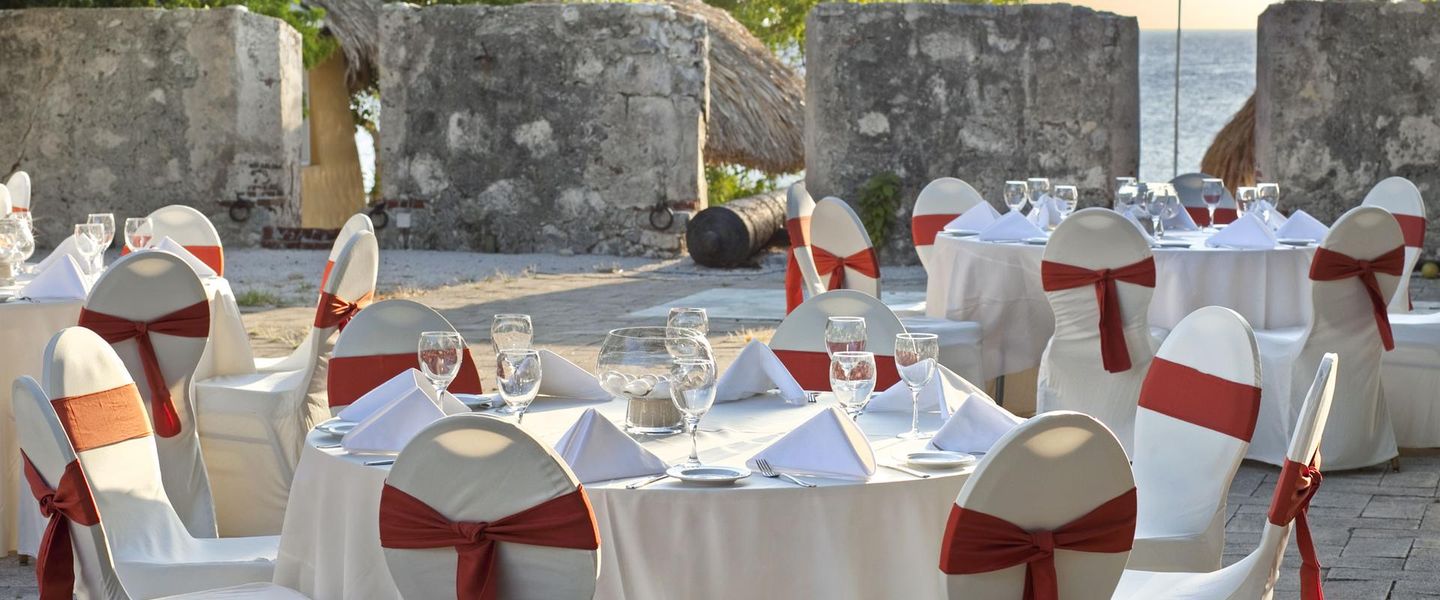


Piscadera, Curaçao pairs reef-fringed beaches, Fort Piscadera and easy access to Willemstad for a relaxed south-west coast stay.
Read more about Piscadera
When is the best time to visit Piscadera?
Best: January–March · 29–30°C| Month | High (°C) | Rainfall (mm) |
|---|---|---|
| January (best) | 29 | 30 |
| February (best) | 29 | 20 |
| March (best) | 30 | 20 |
| April | 30 | 20 |
| May | 31 | 20 |
| June | 31 | 20 |
| July | 31 | 30 |
| August | 32 | 40 |
| September | 32 | 50 |
| October | 31 | 70 |
| November | 31 | 80 |
| December | 30 | 40 |
Getting to and around Piscadera
How to get there
Transportation
Top city travel guides in Piscadera
The cities of Piscadera, and the easiest places to base yourself.

Swipe for more cities
Best attractions in Piscadera
Piscadera’s attractions centre on the sea, the bay and the district’s position beside Willemstad. Parasasa Beach provides a convenient setting for swimming and relaxation, while the surrounding reefs support snorkelling and scuba diving when conditions are suitable. Divers can explore the underwater environment with established operators, but reef protection and awareness of boat traffic are important. Fort Piscadera adds a historical dimension, standing above the bay as a reminder of Curaçao’s colonial defence system. The dry coastal terrain, with thorn scrub, cacti and exposed limestone, also offers a useful introduction to the island’s semi-arid ecology. Piscadera is not a large museum or amusement district; its appeal lies in combining accessible shoreline leisure with a significant historic site. Resort facilities may provide additional pools, water access and restaurants, although access arrangements differ between properties. Willemstad, immediately beyond the district, is the nearest broad cultural centre, with historic streets, museums, markets and architectural sights, but it should be treated as an excursion outside Piscadera rather than part of the district’s own attraction landscape.
-
Restaurant
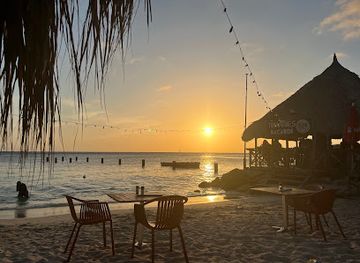
Pirate Bay Curaçao Beach Club and Restaurant
Experience the ultimate Caribbean escape at Pirate Bay Curaçao: sun-kissed beaches, delicious cuisine, refreshing cocktails, and vibrant nightlife await in Piscadera Bay.
-
Beach
Playa Grandi
Discover Playa Grandi in Curaçao: Swim with sea turtles, experience local fishing culture, and explore vibrant marine life in this unique Caribbean paradise near Westpunt.
-
Beach
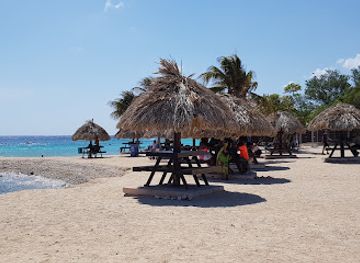
Parasasa Beach
Discover Parasasa Beach in Curaçao: a serene paradise with soft sands, turquoise waters, and breathtaking sunsets, perfect for relaxation, swimming, and unforgettable Caribbean memories.
-
Tourist attraction
Cascada Rooftop Bar + Kitchen
Experience Curaçao's most stunning rooftop bar and kitchen with 360° views, delicious tapas, expertly crafted cocktails, and a vibrant atmosphere atop the Elements Hotel & Shops.


Best landmarks in Piscadera
Fort Piscadera is Piscadera’s principal historic landmark. Positioned above the bay, the fort illustrates how Curaçao’s natural harbours were incorporated into a wider system of Dutch Caribbean defence during an era of imperial rivalry and maritime danger. Its value lies in both the surviving masonry and the strategic landscape it overlooks: the entrance to the bay, the coastline and the routes approaching Willemstad. Piscadera Bay itself is a geographical landmark, a broad sheltered indentation whose reefs, rocky shores and developed waterfront define the district’s visual identity. Parasasa Beach is a more contemporary coastal reference point, notable for its accessible sandy shoreline amid the island’s generally dry, limestone environment. Together, the fort and bay express Piscadera’s central contrast: a coast that served military and maritime purposes before becoming a setting for swimming, diving and tourism. The colonial buildings and celebrated urban monuments of Willemstad are nearby but outside Piscadera, so they belong to a neighbouring excursion rather than to the district’s own landmark list.
-
Bridge
Queen Emma Bridge
Experience the charm of Willemstad at the Queen Emma Bridge, an architectural marvel bridging culture, history, and stunning scenic views.
-
Shopping mall
Renaissance Mall & Rif Fort
Experience Curaçao's history and luxury at the Renaissance Mall & Rif Fort: shopping, dining, and entertainment in a unique waterfront setting.
-
Beach pavillion
Cas Abao Beach
Experience the idyllic beauty of Cas Abao Beach in Curaçao, a perfect blend of sun, sea, and delicious local cuisine.
-
Aquarium
Curaçao Sea Aquarium
Explore the vibrant underwater world at the Curaçao Sea Aquarium, where education meets adventure in a stunning Caribbean setting.


Explore Piscadera on the map
Plan your trip on one map. See where the top cities, national parks and sights are, and book hotels and experiences in a few clicks.
Best hotels in Piscadera
Best restaurants in Piscadera
Dining in Piscadera is shaped by its accommodation, waterfront setting and proximity to Willemstad. Restaurants around the bay generally lean towards Caribbean, international and casual resort cooking, with seafood, grilled dishes, salads and drinks suited to a warm coastal climate. Menus may also reflect Curaçao’s wider food culture through influences from Dutch, Latin American, Afro-Caribbean and maritime traditions. Visitors should look for local dishes such as keshi yena, stewed goat or keshi keshi preparations across the island rather than assuming every Piscadera venue specialises in them. Breakfast cafés, hotel dining rooms and relaxed waterfront restaurants are more characteristic of the district than a dense independent restaurant quarter. For local snacks, groceries, bakeries and a broader choice of establishments, Willemstad and its surrounding neighbourhoods are more productive destinations. Dining times, reservations and payment options can vary, particularly outside larger hotels, so checking practical details on the day is sensible.
-
Seafood
De Visserij piscadera
Experience fresh seafood delights at De Visserij Piscadera in Willemstad - where every meal comes with stunning Caribbean views.
-
Restaurant
Pirate Bay Curaçao Beach Club and Restaurant
Discover Pirate Bay Curaçao: A beachfront haven offering delicious dining, refreshing cocktails, and stunning sunset views in a vibrant atmosphere.
-
Restaurant
Restaurant & Café Gouverneur De Rouville
Discover culinary excellence at Restaurant & Café Gouverneur De Rouville in Willemstad, where breathtaking views meet delicious cuisine in a vibrant setting.
-
Restaurant
La Bohème Curaçao
Experience authentic Caribbean flavors at La Bohème Curaçao - your go-to spot for delicious meals in the heart of Willemstad.


Best bars in Piscadera
Piscadera’s evening scene is generally low-key and coastal, with hotel bars, waterfront restaurants and places for a drink while watching the bay after sunset. The district is better suited to relaxed conversation, dinner and occasional live entertainment than to a concentrated nightclub circuit. Visitors seeking a wider range of cocktail bars, music venues and late-night options will find more choice in Willemstad, which lies outside Piscadera and requires a taxi or designated driver for the return journey. Curaçao’s evening culture also includes informal socialising over food and music rather than nightlife built solely around clubs. Because venues and programming can change seasonally, visitors should verify current arrangements locally and avoid relying on old listings. Alcohol is not necessary to enjoy the area: sunset walks, waterfront dining and the clear night sky are equally characteristic ways to spend an evening.
-
Seafood
De Visserij piscadera
Experience the best of local seafood at De Visserij Piscadera, a culinary treasure in Willemstad, Curaçao.
-
Bar
Pirate Bay Curaçao Beach Club and Restaurant
Discover the ultimate beachside retreat at Pirate Bay Curaçao Beach Club and Restaurant, where sun, sand, and great food await.
-
Bar
Wet & Wild Beach Club
Discover the vibrant atmosphere and breathtaking views at Wet & Wild Beach Club in Curaçao, your perfect beach getaway.
-
Bar
Netto Bar
Discover the vibrant atmosphere and rich flavors at Netto Bar, a historic gem in Willemstad, Curaçao, perfect for cocktails and camaraderie.


Best nightclubs in Piscadera
Piscadera’s evening scene is generally low-key and coastal, with hotel bars, waterfront restaurants and places for a drink while watching the bay after sunset. The district is better suited to relaxed conversation, dinner and occasional live entertainment than to a concentrated nightclub circuit. Visitors seeking a wider range of cocktail bars, music venues and late-night options will find more choice in Willemstad, which lies outside Piscadera and requires a taxi or designated driver for the return journey. Curaçao’s evening culture also includes informal socialising over food and music rather than nightlife built solely around clubs. Because venues and programming can change seasonally, visitors should verify current arrangements locally and avoid relying on old listings. Alcohol is not necessary to enjoy the area: sunset walks, waterfront dining and the clear night sky are equally characteristic ways to spend an evening.
-
Bar
Wet & Wild Beach Club
Experience the vibrant atmosphere and stunning shores of Wet & Wild Beach Club in Curaçao, where relaxation meets adventure in paradise.
-
Bar
Netto Bar
Experience the vibrant nightlife of Willemstad at Netto Bar, where unique local flavors and a welcoming atmosphere await you.
-
Night club
Cafe De Tijd
Experience the vibrant nightlife at Cafe De Tijd in Willemstad, a top destination for cocktails, dancing, and unforgettable memories.
-
Bar
Le Mem Sports Club
Discover the vibrant nightlife at Le Mem Sports Club in Willemstad, where billiards and lively entertainment create unforgettable memories.


Best shops in Piscadera
Shopping in Piscadera is limited and primarily connected with hotels, visitor services and small convenience outlets rather than a substantial retail district. Travellers can usually find holiday essentials, drinks, beach items and gifts nearby, but a broader search for local products is better combined with a visit to Willemstad and its surrounding commercial areas outside Piscadera. Curaçaoan souvenirs may include locally produced art, jewellery, crafts, liqueurs, food products and colourful island-themed goods; examine labels to distinguish genuinely local products from imported merchandise. Markets and independent shops in the capital offer more opportunity to browse regional food, artwork and practical supplies, while supermarkets are useful for self-catering. Visitors should carry a reusable bag where appropriate, compare prices and confirm whether small vendors accept cards. Piscadera is therefore best understood as a convenient base for shopping excursions rather than as one of Curaçao’s principal shopping destinations.
-
Shopping mall
Renaissance Mall & Rif Fort
Experience the vibrant shopping and dining scene at Renaissance Mall & Rif Fort, a delightful destination in Willemstad, Curaçao.
-
Shopping mall
Mambo Beach Boulevard
Discover shopping, dining, and nightlife in a beautiful beach setting at Mambo Beach Boulevard, the heart of Willemstad, Curaçao.
-
Shopping mall
Sambil Curacao
Discover Sambil Curacao, a shopping haven featuring diverse stores, delicious dining, and family-friendly entertainment in the heart of Willemstad.
-
Supermarket
Centrum Supermarket Piscadera
Experience the vibrant flavors of Curacao at Centrum Supermarket Piscadera, where local culture meets international variety.


Get your free copy of our complete guide to Piscadera, delivered straight to you.
Everything on this page, from attractions and restaurants to essentials and local phrases, in one PDF you can read offline, print or share.
Already have an account? Sign in
Your Piscadera guide is ready.
We'll send it to · Not you? Sign out

Getting your guide ready…
We are putting together a fresh copy of the Piscadera guide. This can take up to a minute.
This can take a few moments. If your browser asks, choose Allow so the download can start. You'll find the guide in your Downloads folder.
Nothing happened? Download it again
Sorry, the guide is taking longer than usual. Please try again in a minute, or get it by email instead.
Piscadera essentials
Currency and Payment
Safety
Emergency Situations
Do's and Don'ts
Local Tips
From Eve
Local phrases worth knowing
You don't need to get them perfect. A few words go a long way, and locals appreciate the effort.
Basics
| English | Local | Say it |
|---|---|---|
| Hello | Halo | [ha-lo] |
| Goodbye | Ayo | [a-yo] |
| Yes | Si | [see] |
| No | No | [no] |
| Please/You're welcome | Por fabor | [por fa-bor] |
| Thank you | Danki | [dan-ki] |
| Excuse me/Sorry | Pardonami | [par-do-na-mi] |
| How are you? | Kon ta? | [kon ta] |
| Fine. And you? | Bon. E bo? | [bon. e bo] |
| Do you speak English? | Bo ta papia Ingles? | [bo ta pa-pi-a in-gles] |
| I don't understand | Mi no ta kompronden | [mi no ta kom-pron-den] |
Eating & Drinking
| English | Local | Say it |
|---|---|---|
| I'd like to see the menu, please | Mi ke ve menu, por fabor | [mi ke ve me-nu, por fa-bor] |
| I don't eat meat | Mi no ta come carne | [mi no ta co-me car-ne] |
| Cheers! | Salud! | [sa-lud] |
| I would like to pay, please | Mi ke paga, por fabor | [mi ke pa-ga, por fa-bor] |
Emergencies
| English | Local | Say it |
|---|---|---|
| Help! | Yuda! | [yu-da] |
| Go away! | Bai for di aki! | [bai for di a-ki] |
| Call the Police! | Yama Polisia! | [ya-ma po-li-si-a] |
| Call a doctor! | Yama un doktor! | [ya-ma un dok-tor] |
| I'm lost | Mi ta perdi | [mi ta per-di] |
| I'm ill | Mi ta mal | [mi ta mal] |
Shopping
| English | Local | Say it |
|---|---|---|
| I'd like to buy... | Mi ke compra... | [mi ke com-pra] |
| I'm just looking | Mi ta solamente ta mira | [mi ta so-la-men-te ta mi-ra] |
| How much is it? | Kuanto ta e? | [kwan-to ta e] |
| That's too expensive | E ta demasiado caro | [e ta de-ma-si-a-do ca-ro] |
| Can you lower the price? | Bo por baja e precio? | [bo por ba-ja e pre-cio] |
Time & Numbers
| English | Local | Say it |
|---|---|---|
| What time is it? | Kiko ora ta? | [ki-ko o-ra ta] |
| It's one o'clock | Ta un ora | [ta un o-ra] |
| Half past (10) | Medio pas (10) | [me-di-o pas] |
| Morning | Mañan | [ma-nan] |
| Afternoon | Tarde | [tar-de] |
| Evening | Anochi | [a-no-chi] |
| Yesterday | Ayer | [a-yer] |
| Today | Hoya | [ho-ya] |
| Tomorrow | Mañana | [ma-nya-na] |
| 1 | Un | [un] |
| 2 | Dos | [dos] |
| 3 | Tres | [tres] |
| 4 | Cuatro | [cua-tro] |
| 5 | Cinco | [cin-co] |
| 6 | Seis | [seis] |
| 7 | Siete | [sie-te] |
| 8 | Ocho | [o-cho] |
| 9 | Nueve | [nue-ve] |
| 10 | Diez | [diez] |
Transport & Directions
| English | Local | Say it |
|---|---|---|
| Where's a/the...? | Unda ta un/di...? | [un-da ta un/di] |
| What's the address? | Kiko ta e dirección? | [ki-ko ta e di-rec-cion] |
| Can you show me (on the map)? | Bo por mustra mi (na e mapa)? | [bo por mus-tra mi (na e ma-pa)] |
| When's the next (bus)? | Kando ta e prome (bus)? | [kan-do ta e pro-me (bus)] |
| A ticket (to ....) | Un tiket (pa ....) | [un ti-ket (pa)] |
History of Piscadera
Indigenous Curaçao before European colonisation
Before European rule, Curaçao was inhabited by Caquetío communities associated with the wider Arawakan cultural world. The island’s dry climate, coastal resources and sheltered bays shaped patterns of settlement and movement, although Piscadera’s modern resort landscape has obscured much of the earlier human environment. European arrival brought profound changes through disease, forced labour and imperial competition. The indigenous past remains an essential part of Curaçao’s history, even where visible archaeological evidence is less prominent than the island’s later Dutch colonial structures.
Spanish and Dutch control of the island
Spain claimed Curaçao in the sixteenth century, but the Dutch West India Company seized the island in 1634. Under Dutch control, Curaçao became an important Caribbean harbour and commercial staging point. Willemstad and its surrounding bays served shipping, military and trading interests, while the island’s position near the coast of Venezuela gave it continuing strategic value. Piscadera formed part of this wider maritime setting: its sheltered waters and approach routes helped explain the need for defensive works and careful control of the coastline.
Fort Piscadera and colonial coastal defence
Fort Piscadera was built in the early eighteenth century to defend the bay and the western approaches to Willemstad. Its elevated position offered a useful viewpoint over the anchorage, reflecting the risks posed by rival European powers, privateers and hostile shipping in the Caribbean. The fort was one element in Curaçao’s broader network of coastal batteries and harbour defences. Although the surviving structure is relatively modest, it gives Piscadera a direct connection with the island’s military history and with the strategic importance of its natural bays.
Curaçao in the Atlantic trading world
During the colonial era, Curaçao was connected to Atlantic commerce, regional shipping and the Dutch Caribbean network. Willemstad developed as the island’s principal port, while surrounding bays supported anchorage, coastal movement and maritime activity. This prosperity was inseparable from exploitative colonial systems, including slavery and the forced movement of people across the Atlantic. Piscadera should therefore be understood within a history that includes both commercial development and human suffering, rather than as merely a picturesque setting beside the capital.
Nineteenth-century transition and changing island economies
The nineteenth century brought changes to Curaçao’s political and economic circumstances, including the end of slavery in the Dutch Caribbean in 1863. Traditional plantation and trading systems declined or adapted, while maritime activity, agriculture and small-scale local enterprise continued in different forms. Piscadera remained a coastal landscape connected to Willemstad rather than a fully independent town. Its later development reflects the broader transformation of Curaçao from a colonial trading island towards a modern Caribbean society with a diversified service economy.
The modern coastal and tourism era
In the twentieth and twenty-first centuries, Curaçao’s economy was strongly influenced by the oil industry, international commerce and tourism. Areas around Willemstad and the western coastal bays increasingly acquired hotels, leisure facilities and diving infrastructure. Piscadera’s sheltered shoreline consequently shifted from a primarily strategic and maritime environment to a mixed coastal district where historic remains stand beside beaches and visitor accommodation. That juxtaposition—fortification, reef and resort—defines much of Piscadera’s contemporary character.
Piscadera in Photos
Browse through our photo collection highlighting the charm and character of the destination.
Neighbouring regions of Piscadera
The closest regions to Piscadera, if you have time for more than one.
-

-

-

-

-


Swipe for more regions
Explore more

Explore more of Curacao
Discover Curacao, where vibrant culture, stunning beaches, and historic charm come together to create a Caribbean paradise like no other.
Explore Curacao