

Free Jan Thiel Travel Guide & Mobile App
Explore Jan Thiel with free travel guides. Discover regional history, expert tips, proposed trips, and audio guides on web or mobile app.


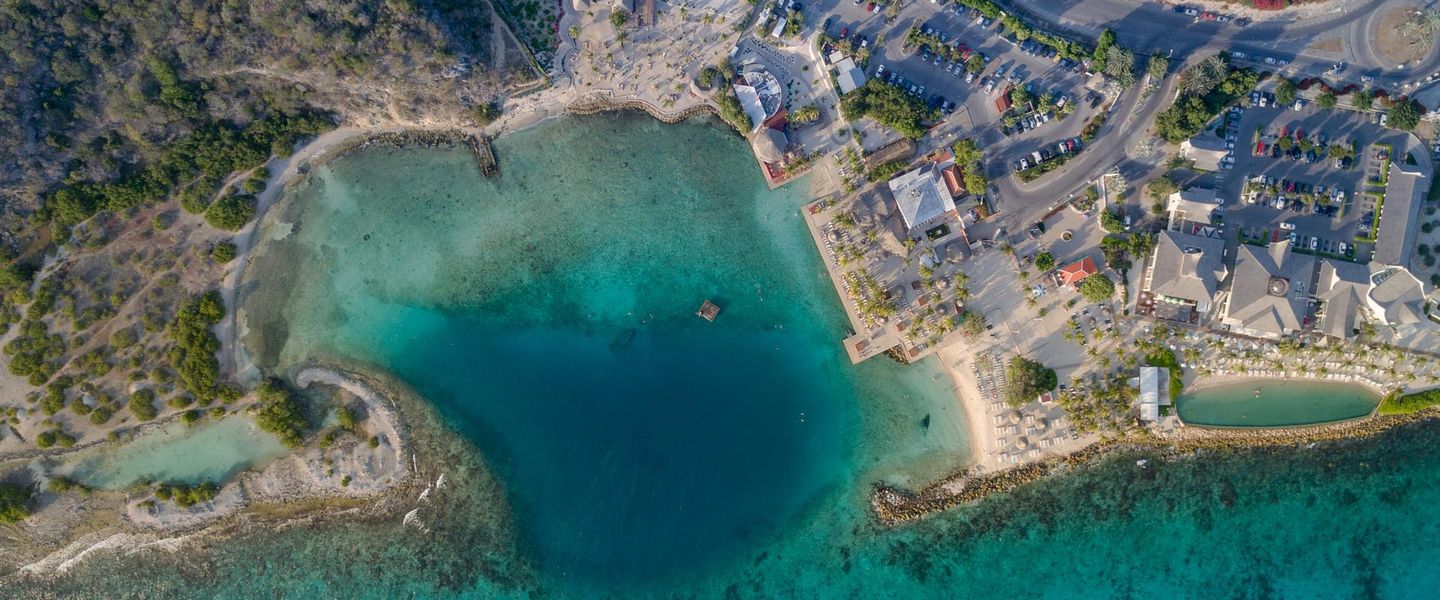


Jan Thiel, Curaçao, combines sheltered beaches, snorkelling, salt-pan landscapes, watersports and relaxed dining along the island’s south-eastern coast.
Read more about Jan Thiel
When is the best time to visit Jan Thiel?
Best: January–March · 30–31°C| Month | High (°C) | Rainfall (mm) |
|---|---|---|
| January (best) | 30 | 40 |
| February (best) | 30 | 35 |
| March (best) | 31 | 30 |
| April | 31 | 30 |
| May | 31 | 35 |
| June | 32 | 40 |
| July | 32 | 45 |
| August | 32 | 50 |
| September | 32 | 55 |
| October | 32 | 60 |
| November | 32 | 65 |
| December | 31 | 70 |
Getting to and around Jan Thiel
How to get there
Transportation
Destinations in Jan Thiel
Resorts, valleys and scenic spots worth a trip of their own.
-

-


Swipe for more destinations
Best attractions in Jan Thiel
Jan Thiel’s attractions centre on the coast rather than on a dense collection of museums or historic streets. Jan Thiel Beach provides the district’s main concentration of swimming, sunbathing, watersports, restaurants and organised excursions, while nearby coves and rocky shorelines offer opportunities for snorkelling and shore diving. The former salt pans and dry scrub around Jan Thiel add a quieter natural dimension, with low vegetation, bright limestone and broad skies characteristic of Curaçao’s semi-arid south coast. Caracasbaai, immediately beyond the resort area, combines swimming and boating waters with a more rugged shoreline and access to historic Fort Beekenburg. The Spanish Water is suited to boating and coastal views rather than conventional beach activity, and operators may offer trips into the surrounding bays. Families can use the developed beachfront facilities, while independent travellers may prefer early walks, underwater exploration or a drive to other parts of Curaçao. Larger cultural attractions, including the island’s principal museums and historic urban sights, are concentrated in Willemstad outside Jan Thiel and should be treated as separate excursions.
-
Aquarium
Curaçao Sea Aquarium
Explore the vibrant marine life of the Caribbean at the Curaçao Sea Aquarium, an educational and interactive experience for visitors of all ages.
-
 Resort hotel
Morena Eco Resort
Discover the enchanting Morena Eco Resort on Jan Thiel Beach, a perfect blend of luxury and ecological beauty in Willemstad, Curaçao.
-
Tourist attraction
Eric's ATV Adventures, Curacao
Discover the breathtaking landscapes of Curacao on thrilling ATV adventures designed for all ages and skill levels.
-
Beach
Jan Thiel Beach
Experience the vibrant atmosphere and stunning beauty of Jan Thiel Beach, Curaçao's premier beach destination for relaxation and adventure.


Best landmarks in Jan Thiel
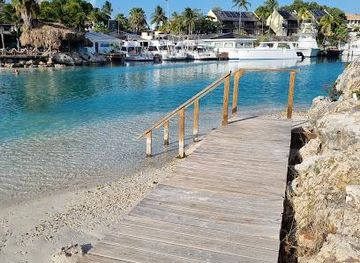
Fort Beekenburg at Caracasbaai is the most important historic landmark near Jan Thiel. Built in 1703 to defend the anchorage and the approaches to the Spanish Water, its weathered stone walls show how Curaçao’s protected bays shaped Dutch Caribbean military strategy. The surrounding coastal setting gives the fort significance beyond its architecture, linking defensive history with the island’s maritime geography. The Jan Thiel salt pans are a different kind of landmark: shallow basins and open, pale terrain preserve the memory of an old salt-working landscape and distinguish the district from Curaçao’s built-up resort frontage. Jan Thiel Beach itself has become a contemporary visual landmark through its curved bay, watersports infrastructure and concentration of hospitality venues, although it is primarily a leisure setting rather than a historic monument. Across the water, the Spanish Water forms a broad natural reference point, with mangroves, villas, boats and low hills creating one of the south-eastern coast’s defining views. Willemstad’s celebrated harbour buildings lie outside Jan Thiel and should not be confused with the district’s own landmarks.
-
Bridge
Queen Emma Bridge
Discover the vibrant charm of Queen Emma Bridge, a floating landmark connecting Punda and Otrobanda in colorful Willemstad, Curaçao.
-
Shopping mall
Mambo Beach Boulevard
Discover the vibrant atmosphere of Mambo Beach Boulevard in Curaçao, where shopping, dining, and nightlife meet stunning beachfront views.
-
Aquarium
Curaçao Sea Aquarium
Explore Curaçao's underwater world at this unique aquarium with its open-water system and interactive marine encounters.
-
Restaurant
Zanzibar Beach & Restaurant
Experience the stunning views and delightful cuisine at Zanzibar Beach & Restaurant, a true gem in Jan Thiel, Curaçao.


Explore Jan Thiel on the map
Plan your trip on one map. See where the top cities, national parks and sights are, and book hotels and experiences in a few clicks.
Best hotels in Jan Thiel
Best restaurants in Jan Thiel
Dining in Jan Thiel is concentrated around the beach and resort developments, where visitors find casual cafés, seafood restaurants, international menus, cocktail-led venues and restaurants suited to sunset meals. The local culinary context is Curaçaoan rather than exclusively Jan Thiel-based: look for dishes such as keshi yena, a savoury filled cheese preparation, goat stew, funchi, fried fish and soups influenced by the island’s African, European and Latin American heritage. Fresh seafood is naturally prominent, although availability varies by season and establishment. Dutch snacks, grilled specialities and regional desserts also appear alongside contemporary international cooking. For a broader local-food experience, explore markets and neighbourhood eateries elsewhere on Curaçao rather than relying only on the resort strip. Papiamentu names and Caribbean ingredients often appear on menus, while imported products support the international visitor scene. Reservations can be sensible at popular beachfront restaurants during busy periods.
-
Shopping mall
Mambo Beach Boulevard
Experience the lively atmosphere of Mambo Beach Boulevard in Willemstad—shopping, dining, and nightlife by the Caribbean Sea.
-
Restaurant
Zanzibar Beach & Restaurant
Experience culinary delights at Zanzibar Beach & Restaurant in Curaçao with stunning ocean views and vibrant ambiance.
-
Restaurant
Brisa Do Mar
Experience authentic Caribbean cuisine at Brisa Do Mar in Jan Thiel – where every dish tells a story amidst stunning coastal views.
-
Restaurant
Hemingway
Discover Hemingway in Willemstad: A lively restaurant blending local flavors with vibrant live music for an unforgettable dining experience.


Best bars in Jan Thiel
Jan Thiel has one of Curaçao’s most developed evening scenes, focused on beachfront restaurants, bars and music-led venues rather than a traditional urban club district. Sunset drinks, casual dining and late-evening socialising are concentrated around Jan Thiel Beach, with the atmosphere changing according to the day, season and scheduled entertainment. Some venues may offer DJs, live music or themed evenings, but current programmes and opening arrangements require checking locally. The district is more active at night than Curaçao’s rural coast, yet it remains a resort area rather than a large metropolitan nightlife centre. Visitors seeking a wider choice of clubs, cultural performances or late-night city venues can travel towards Willemstad, outside Jan Thiel. Taxis or pre-arranged transport are sensible after drinking, as walking between isolated accommodation and the beachfront may involve dark or busy roads.
-
Restaurant
Zanzibar Beach & Restaurant
Experience the ultimate blend of Caribbean culture and culinary delights at Zanzibar Beach & Restaurant, a must-visit in Curaçao.
-
Restaurant
Brisa Do Mar
Experience the flavors of the Caribbean at Brisa Do Mar, a vibrant restaurant in Jan Thiel, Curaçao, with stunning sea views and fresh seafood.
-
Restaurant
Hemingway
Experience the vibrant flavors of Hemingway in Willemstad, Curaçao – a delightful restaurant offering fresh seafood and live music in a picturesque setting.
-
Restaurant
Livingstone Jan Thiel Resort
Experience the beauty and culture of Curaçao at Livingstone Jan Thiel Resort, where relaxation meets adventure in a tropical paradise.


Best nightclubs in Jan Thiel
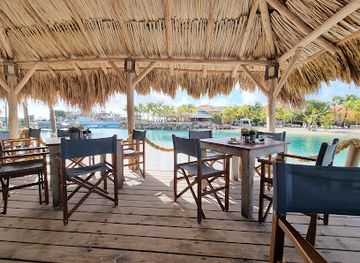
Jan Thiel has one of Curaçao’s most developed evening scenes, focused on beachfront restaurants, bars and music-led venues rather than a traditional urban club district. Sunset drinks, casual dining and late-evening socialising are concentrated around Jan Thiel Beach, with the atmosphere changing according to the day, season and scheduled entertainment. Some venues may offer DJs, live music or themed evenings, but current programmes and opening arrangements require checking locally. The district is more active at night than Curaçao’s rural coast, yet it remains a resort area rather than a large metropolitan nightlife centre. Visitors seeking a wider choice of clubs, cultural performances or late-night city venues can travel towards Willemstad, outside Jan Thiel. Taxis or pre-arranged transport are sensible after drinking, as walking between isolated accommodation and the beachfront may involve dark or busy roads.
-
Bar
Wet & Wild Beach Club
Experience the vibrant atmosphere of Wet & Wild Beach Club in Curaçao, a perfect blend of relaxation, delicious drinks, and stunning ocean views.
-
Bar
Netto Bar
Discover the vibrant atmosphere of Netto Bar in Otrobanda, where refreshing drinks meet lively Caribbean nightlife.
-
Bar
Sauc'é Curaçao Bar
Discover the vibrant nightlife of Curaçao at Sauc'é Bar, where delicious cocktails and lively entertainment await you.
-
Sports bar
Mojitos & Bites
Experience the vibrant atmosphere of Mojitos & Bites in Willemstad, where delicious bites and refreshing drinks meet the excitement of sports.


Best shops in Jan Thiel
Shopping in Jan Thiel is primarily convenience and resort-oriented, with shops and boutiques around the beachfront and accommodation areas selling beachwear, gifts, jewellery, beauty products, snacks and practical holiday supplies. The selection is useful for a beach stay but is not comparable with the larger retail range of Willemstad, outside Jan Thiel. Visitors looking for Curaçaoan products can seek locally made crafts, colourful artwork, island-themed textiles, food products, liqueurs and souvenirs, while checking whether an item is genuinely made on the island rather than imported. Supermarkets and small food shops are convenient for provisions, although opening arrangements vary. Willemstad offers a broader choice of independent shops, galleries, markets and historic-centre retail, making it the better excursion for serious souvenir shopping. Carrying purchases in reusable bags and protecting food or crafts from heat is sensible in Curaçao’s strong sun.
-
Shopping mall
Renaissance Mall & Rif Fort
Experience the vibrant shopping and cultural fusion at Renaissance Mall & Rif Fort in Willemstad, Curaçao, where history meets modern retail.
-
Shopping mall
Mambo Beach Boulevard
Discover the vibrant Mambo Beach Boulevard: a shopping, dining, and nightlife paradise in beautiful Curaçao.
-
Shopping mall
Sambil Curacao
Explore the colorful Sambil Curacao shopping mall in Willemstad, a hub for unique finds, delightful dining, and family-friendly entertainment.
-
Shopping mall
Zuikertuin Mall
Discover the vibrant Zuikertuin Mall in Willemstad, your ultimate destination for shopping, dining, and entertainment in Curaçao.


Get your free copy of our complete guide to Jan Thiel, delivered straight to you.
Everything on this page, from attractions and restaurants to essentials and local phrases, in one PDF you can read offline, print or share.
Already have an account? Sign in
Your Jan Thiel guide is ready.
We'll send it to · Not you? Sign out

Getting your guide ready…
We are putting together a fresh copy of the Jan Thiel guide. This can take up to a minute.
This can take a few moments. If your browser asks, choose Allow so the download can start. You'll find the guide in your Downloads folder.
Nothing happened? Download it again
Sorry, the guide is taking longer than usual. Please try again in a minute, or get it by email instead.
Jan Thiel essentials
Currency and Payment
Safety
Emergency Situations
Do's and Don'ts
Local Tips
From Eve
Local phrases worth knowing
You don't need to get them perfect. A few words go a long way, and locals appreciate the effort.
Basics
| English | Local | Say it |
|---|---|---|
| Hello | Bon dia | [Bohn dee-ah] |
| Goodbye | Ayo | [Ah-yoh] |
| Yes | Si | [See] |
| No | No | [No] |
| Please/You're welcome | Por fabor | [Por fah-bor] |
| Thank you | Dank you | [Dahnk yoo] |
| Excuse me/Sorry | Sòru | [Soh-roo] |
| How are you? | Kiko ta bai? | [Kee-koh tah bye?] |
| Fine. And you? | Bon. I bo? | [Bohn. Ee boh?] |
| Do you speak English? | Bo ta papia Ingles? | [Boh tah pah-pee-ah Een-gles?] |
| I don't understand | Mi no ta kompronde | [Mee no tah kom-pron-deh] |
Eating & Drinking
| English | Local | Say it |
|---|---|---|
| I'd like to see the menu, please | Mi ke ve menu, por fabor | [Mee keh veh meh-noo, por fah-bor] |
| I don't eat meat | Mi no ta komé carne | [Mee no tah koh-meh kar-neh] |
| Cheers! | Salud! | [Sah-lud] |
| I would like to pay, please | Mi ke paga, por fabor | [Mee keh pah-gah, por fah-bor] |
Emergencies
| English | Local | Say it |
|---|---|---|
| Help! | Yuda! | [Yoo-dah] |
| Go away! | Bai for di! | [Bye for dee] |
| Call the Police! | Llama e Polisia! | [Yah-ma eh Poh-lee-syah] |
| Call a doctor! | Llama un doktor! | [Yah-ma oon dok-tor] |
| I'm lost | Mi ta perdo | [Mee tah pair-do] |
| I'm ill | Mi ta mal | [Mee tah mahl] |
Shopping
| English | Local | Say it |
|---|---|---|
| I'd like to buy... | Mi ke compra... | [Mee keh kom-prah] |
| I'm just looking | Mi ta solamente mirando | [Mee tah so-la-men-teh mee-ran-do] |
| How much is it? | Kuanto ta e? | [Kwan-toh tah eh?] |
| That's too expensive | Es ta demasiado caro | [Es tah de-ma-si-a-do kah-roh] |
| Can you lower the price? | Bo por baja e precio? | [Boh por bah-hah eh preh-syo?] |
Time & Numbers
| English | Local | Say it |
|---|---|---|
| What time is it? | Kiko ora ta? | [Kee-koh oh-rah tah?] |
| It's one o'clock | Ta un ora | [Tah oon oh-rah] |
| Half past (10) | Medio pa (10) | [Meh-dee-oh pah (10)] |
| Morning | Mañan | [Mah-nyan] |
| Afternoon | Tardi | [Tar-dee] |
| Evening | Anoche | [Ah-no-cheh] |
| Yesterday | Ayer | [Ah-yer] |
| Today | Hoya | [Hoy-ah] |
| Tomorrow | Mañana | [Mah-nyah-nah] |
| 1 | Un | [Oon] |
| 2 | Dos | [Dohs] |
| 3 | Tres | [Tress] |
| 4 | Cuatro | [Kwatroh] |
| 5 | Cinco | [Seen-koh] |
| 6 | Seis | [Says] |
| 7 | Siete | [See-eh-teh] |
| 8 | Ocho | [Oh-choh] |
| 9 | Nueve | [Nweh-veh] |
| 10 | Diez | [Dyez] |
Transport & Directions
| English | Local | Say it |
|---|---|---|
| Where's a/the...? | Unda ta un/di...? | [Oon-dah tah oon/dee...?] |
| What's the address? | Kiko ta e adresa? | [Kee-koh tah eh ah-dray-sah?] |
| Can you show me (on the map)? | Bo por mustra mi (riba e mapa)? | [Boh por moos-trah mee (ree-bah eh mah-pah)?] |
| When's the next (bus)? | Kando ta e proximo (bus)? | [Kan-doh tah eh prok-see-mo (boos)?] |
| A ticket (to ....) | Un billete (pa....) | [Oon bee-yeh-teh (pah....)] |
History of Jan Thiel
Indigenous Settlement before European Rule
Curaçao was inhabited long before European colonisation by Indigenous peoples, including communities associated with the Caquetío. Archaeological evidence across the island records settlement, pottery and changing patterns of subsistence based on fishing, gathering and cultivation. The dry coastal environment around present-day Jan Thiel would have offered access to marine resources and salt-rich lowlands, although the modern resort landscape bears little resemblance to the original settlement pattern. Indigenous history remains an essential part of Curaçao’s wider identity.
Spanish Colonisation and the Dutch Capture of Curaçao
Spain claimed Curaçao in the early colonial period, but the Dutch West India Company captured the island in 1634. Under Dutch control, Curaçao developed as a strategic Caribbean port and trading centre. Its protected bays, including the waters around Caracasbaai and the Spanish Water, were valuable for anchorage and coastal defence. The south-eastern shoreline therefore formed part of the island’s wider maritime geography, even though Jan Thiel itself remained a rural and sparsely developed area for much of its history.
Salt Pans and Plantation Landscapes
Salt production became an important element of Curaçao’s colonial economy, using shallow coastal basins where seawater could evaporate in the island’s dry climate. The salt pans around Jan Thiel are remnants of this working landscape. Across Curaçao, plantations also supported agriculture and livestock, often relying on enslaved labour until emancipation in 1863. Jan Thiel’s present-day leisure economy should be understood against this more complex history of land use, labour and coastal resource extraction.
Fort Beekenburg and Coastal Defence
Fort Beekenburg, at Caracasbaai, was built in 1703 to protect the anchorage and approaches to the Spanish Water. Its stone remains reflect Curaçao’s importance in regional shipping and the repeated need to defend Dutch Caribbean ports from foreign attack. The fort’s position on the south-eastern coast illustrates how natural bays influenced military planning. It is one of the most visible historical reminders near Jan Thiel of the island’s strategic maritime role.
Curaçao’s Port, Trade and Oil Era
From the nineteenth century onwards, Curaçao’s economy was strongly shaped by maritime trade, the development of Willemstad’s port and, from the early twentieth century, oil refining. The oil industry transformed employment, infrastructure and migration across the island, while Papiamentu-speaking Curaçaoan society continued to develop through African, European, Latin American and Caribbean influences. Jan Thiel remained outside the main industrial core, but its modern roads, utilities and tourism economy belong to the island-wide transformation that followed.
From Rural Coast to Resort District
During the late twentieth and early twenty-first centuries, the south-eastern coast became increasingly associated with residential development, hotels, beach clubs, watersports and holiday accommodation. Jan Thiel evolved from a landscape of salt pans, scrub and coastal recreation into one of Curaçao’s principal visitor districts. This development has brought easier access and a broad hospitality infrastructure, while also making the protection of beaches, reefs, salt habitats and historic sites an important part of the area’s future.
Jan Thiel in Photos
Browse through our photo collection highlighting the charm and character of the destination.
Neighbouring regions of Jan Thiel
The closest regions to Jan Thiel, if you have time for more than one.
-

-

-

-

-


Swipe for more regions
Explore more

Explore more of Curacao
Discover Curacao, where vibrant culture, stunning beaches, and historic charm come together to create a Caribbean paradise like no other.
Explore Curacao