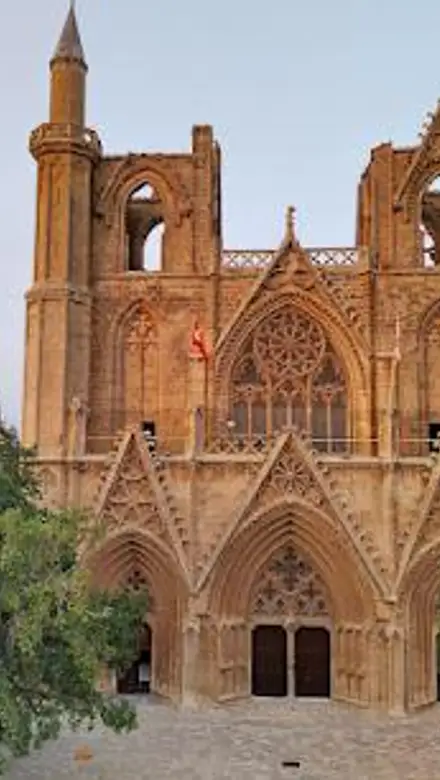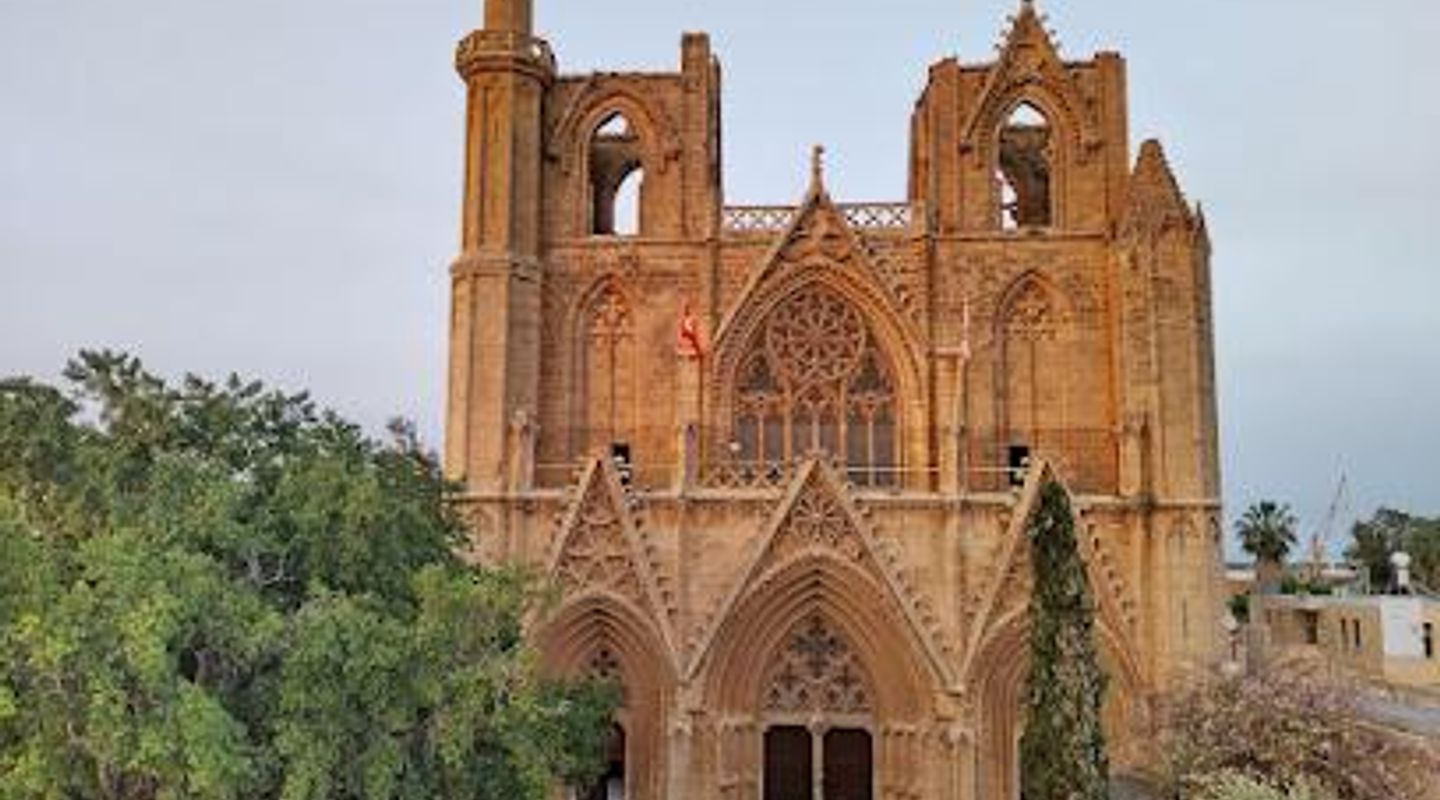
Namik Kemal Dungeon, Kokkinochoria Red Soil Villages Travel Guide
Explore the poignant history of Namik Kemal Dungeon in Famagusta, where a celebrated Turkish writer was exiled, now a museum showcasing his life and legacy.
The Namik Kemal Dungeon in Famagusta is a historical site with a compelling story. Once part of the Venetian Palazzo del Provveditore, it became an Ottoman-era prison that housed the renowned Turkish writer and intellectual, Namik Kemal, between 1873 and 1876. Kemal, exiled for his politically charged play, endured harsh conditions in this stark setting. Today, the dungeon has been transformed into a museum, displaying Kemal's belongings and documents, offering visitors a glimpse into his life and the turbulent times he lived in. The building itself is architecturally significant, blending pre-Ottoman Lusignan design on its lower floor with distinct Ottoman features above. A visit here provides a poignant connection to Cyprus's past and the legacy of a literary hero, making it a worthwhile stop for history enthusiasts and culture seekers alike. Explore the small cell where Kemal was initially imprisoned, and reflect on his contributions to Turkish literature and his fight for intellectual freedom.
A brief summary to Namik Kemal Dungeon
- Famagusta, Suriçi

Know before you go
Hi, I'm Eve. Here are a few practical things to know before exploring Namik Kemal Dungeon.
- Visit early in the morning to avoid crowds and experience a more intimate exploration of the dungeon.
- Combine your visit with a walk around the old city of Famagusta to fully appreciate the historical context and nearby landmarks.
- Check for local guided tours to gain deeper insights into the life of Namik Kemal and the historical significance of the dungeon.
- Wear comfortable shoes, as the surrounding area has cobblestone streets and uneven terrain.
Do you manage this location?
Take control to get all the benefits, like improved information, better appearance, and stronger visibility across AI-powered discovery. Learn more about listing your business on Evendo
Activate your presenceOther nearby places you may find interesting
The closest places of the same kind, if this one is not quite what you had in mind.
Explore Namik Kemal Dungeon on the Map
A handpicked selection of must-see spots near Namik Kemal Dungeon, mapped for you.
Unlock the Best of Namik Kemal Dungeon
Buy tickets
-
No tickets available
Book tours with entry


Book tours without entry
-
No tours available
Getting There
-
Walking
The Namik Kemal Dungeon is located in the Suriçi (walled city) area of Famagusta, easily accessible on foot from most points within the old city. From the central square near the Lala Mustafa Pasha Mosque, head east along İstiklal Street. The dungeon is a short walk away, well-signposted, and located near the Namik Kemal statue. The walk is generally flat and takes about 5-10 minutes.
-
Public Transport
If arriving by bus to Famagusta's main bus terminal, you can either take a taxi or walk to the Namik Kemal Dungeon. The walk is approximately 1.5 km and takes about 20 minutes. Head northeast on Atatürk Boulevard, then turn onto İstiklal Street until you reach the dungeon. Local bus routes also operate within Famagusta, check for routes heading towards the Suriçi area and ask the driver for the closest stop to the Namik Kemal Dungeon. A single bus fare costs approximately €1-€2.
-
Taxi/Ride-Share
Taxis are readily available throughout Famagusta. A taxi ride from the main bus terminal or any central location in Famagusta to the Namik Kemal Dungeon typically costs between €5-€10, depending on the distance and traffic. Agree on the fare with the driver before starting the journey. Ride-sharing services may also be available, offering a similar price range.
-
Driving
If driving, navigate towards the walled city of Famagusta (Suriçi). Parking within the old city can be limited, especially during peak tourist season. There are some parking areas available near the city walls, but it may require a short walk to reach the dungeon. Be aware of local parking regulations. Parking fees, if applicable, are typically around €1-€2 per hour.
Discover more about Namik Kemal Dungeon













Your all‑in‑one travel companion app
Explore expert travel guides, compare and book tours, experiences, hotels, and more—all from the palm of your hand. Download now for seamless trip planning wherever your wanderlust takes you.


Explore More of Kokkinochoria Red Soil Villages
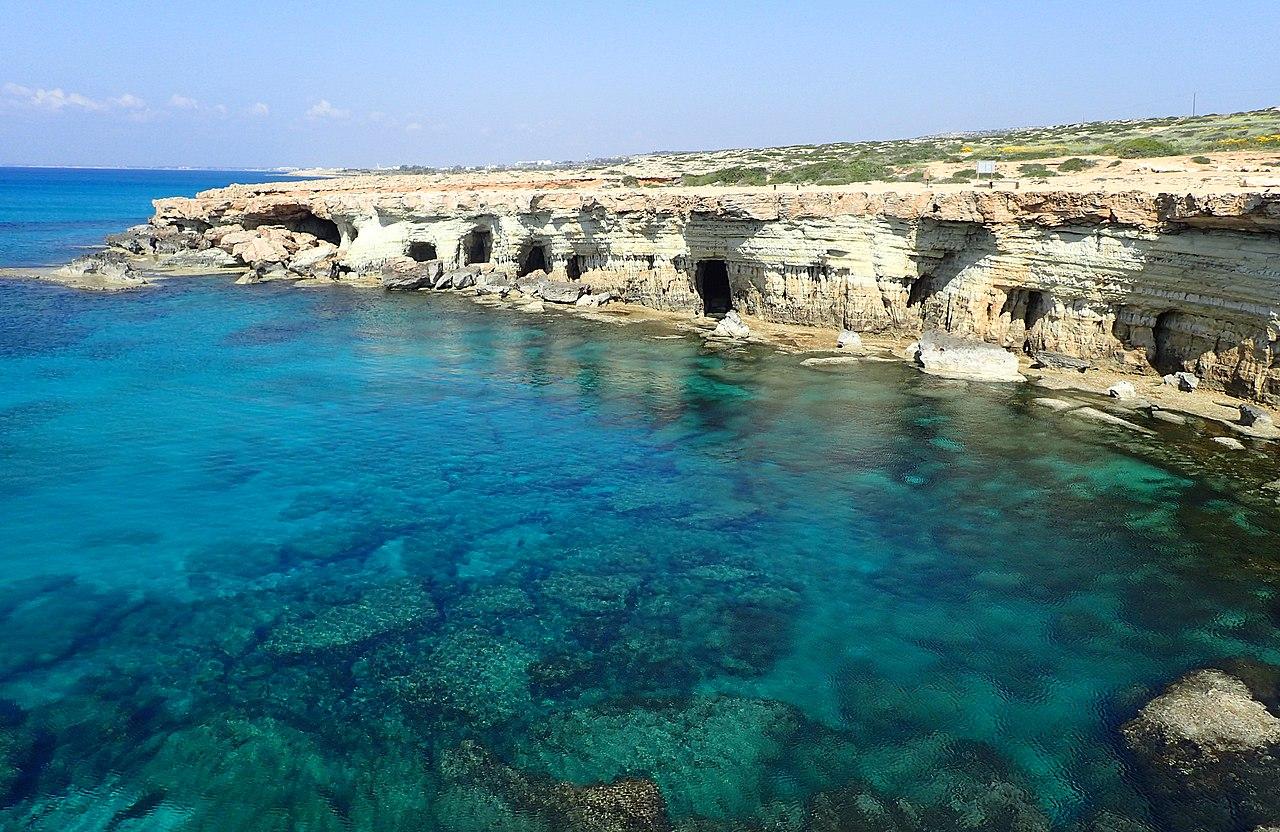
Looking beyond Namik Kemal Dungeon? Discover Kokkinochoria Red Soil Villages for broader travel guides, local hot-spots, and regional highlights.
Explore Kokkinochoria Red Soil Villages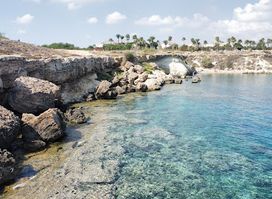
Discover Titsiros / Pezounospilioi Beach in Paralimni, Cyprus: a hidden paradise with crystal-clear waters, stunning rock formations, and tranquil ambiance for an unforgettable escape.
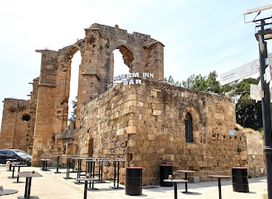
Step inside Famagusta’s 16th-century Cafer Pasha Baths to experience the soul of Ottoman architecture and centuries-old bathing traditions in a peaceful walled city haven.