Byzantine Museum: A Treasure Trove of Cypriot Art
Discover Cyprus's rich Byzantine heritage at Nicosia's Byzantine Museum, showcasing a stunning collection of icons, mosaics, and religious artifacts spanning centuries.
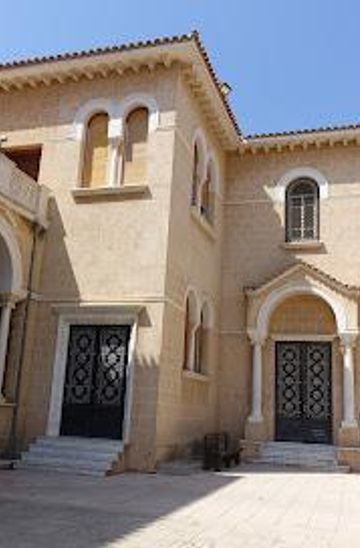
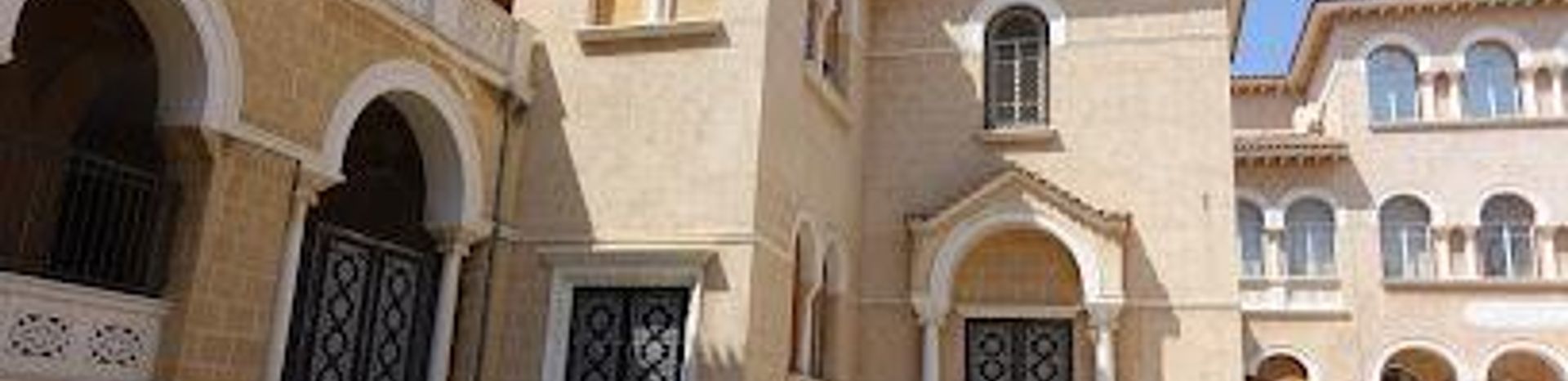
The Byzantine Museum in Nicosia is home to the island's most significant collection of Byzantine art. Located within the Archbishopric, near St. John's Cathedral, the museum showcases over 200 icons dating from the 9th to the 19th centuries, along with sacred vessels, vestments, and manuscripts. Highlights include 12th-century icons from the peak of Byzantine iconography and 6th-century mosaics from the Church of Panagia Kanakaria, repatriated after being illegally exported. The museum offers a glimpse into Cyprus's rich cultural and religious heritage, displaying the evolution of Byzantine art over centuries and the impact of the Byzantine era on the island. While temporarily closed for renovations, it remains a must-see attraction for art lovers and history enthusiasts seeking to explore Cyprus's unique artistic identity. The museum's collection serves as a testament to the enduring legacy of Byzantine influence on the island's cultural landscape.
A brief summary to Byzantine Museum
- 59F8+8XQ, Πλ. Αρχιεπισκόπου Κυπριανού, Nicosia, 1016, CY
- Click to display
- Click to display

Know before you go
Hi, I'm Eve. Here are a few practical things to know before exploring Byzantine Museum.
- Check the museum's website for updated reopening information and current opening hours, as it is temporarily closed for renovations.
- Combine your visit with a tour of the adjacent St. John's Cathedral and the Archbishopric for a comprehensive cultural experience.
- Explore the surrounding old city of Nicosia, with its charming streets, traditional architecture, and other historical landmarks.
- Consider visiting on a weekday to avoid larger crowds and enjoy a more intimate viewing of the museum's collection.
- Look for guided tours to gain deeper insights into the history and significance of the museum's artifacts.
Do you manage this location?
Take control to get all the benefits, like improved information, better appearance, and stronger visibility across AI-powered discovery. Learn more
Activate your presence

Getting There
-
Walking
From Eleftheria Square, a central point in Nicosia, walk east towards Archbishop Kyprianos Square. The Byzantine Museum is located within the Archbishopric complex, adjacent to St. John's Cathedral. The walk is approximately 5-10 minutes, and the museum is easily identifiable by signage. Note that the area is primarily pedestrianized.
-
Public Transport
Several bus lines serve the area around Eleftheria Square. From the bus terminal, follow signs towards the old city and Archbishop Kyprianos Square. Alight at a stop near the Central Bank of Cyprus and walk towards the square. The museum is a short walk from the bus stop. A single bus fare within Nicosia is approximately €1.50.
-
Taxi/Ride-Share
Taxis and ride-sharing services are readily available in Nicosia. Simply ask to be dropped off at Archbishop Kyprianos Square. The Byzantine Museum is located within the Archbishopric, next to St. John's Cathedral. A short taxi ride from a central location like Eleftheria Square should cost approximately €5-€8.
-
Driving
Driving to the Byzantine Museum is possible, but parking in the immediate vicinity can be limited. There is street parking available nearby, but be sure to check for any parking fees. Parking in nearby lots may cost around €1-€2 per hour. Use GPS to navigate to Archbishop Kyprianos Square.
Discover more about Byzantine Museum
Explore the best of what Byzantine Museum has to offer













More about Kyrenia
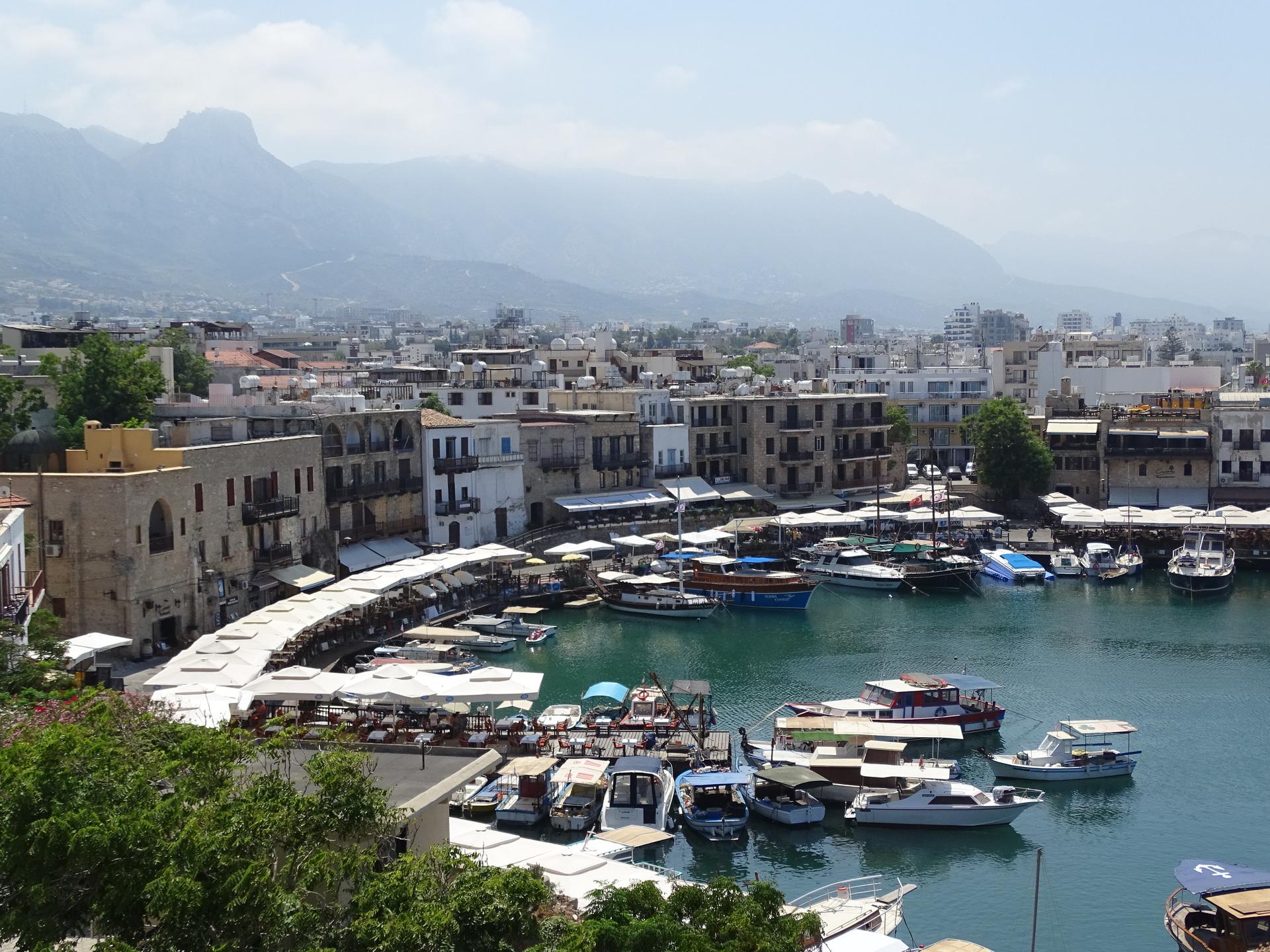
Discover Kyrenia, the enchanting coastal city of Northern Cyprus, rich in history, culture, and natural beauty, offering a perfect blend of relaxation and exploration.
Tell me more about Kyrenia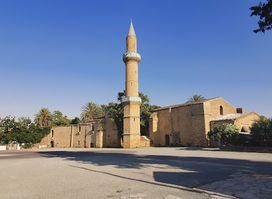
Explore Nicosia's Omeriye Mosque: a historic site where a 14th-century church blends seamlessly with Ottoman-Turkish architectural influences.
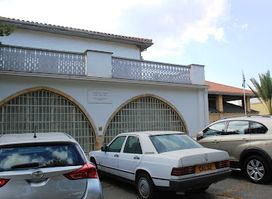
Explore Cyprus's fight for independence at the Museum of the National Struggle in Nicosia, featuring historical artifacts and stories of resilience.