Archibishop's palace, Kyrenia District Travel Guide
Discover the heart of Cypriot culture and spirituality at the Archbishop's Palace in Nicosia, a majestic landmark with serene gardens and fascinating museums, reflecting the island's rich heritage.
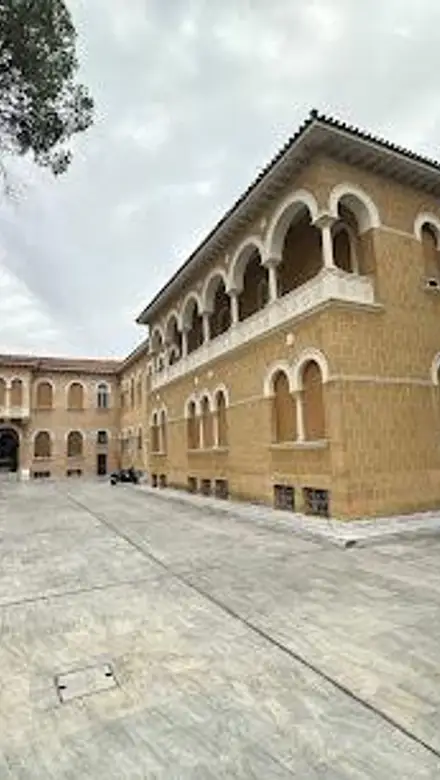
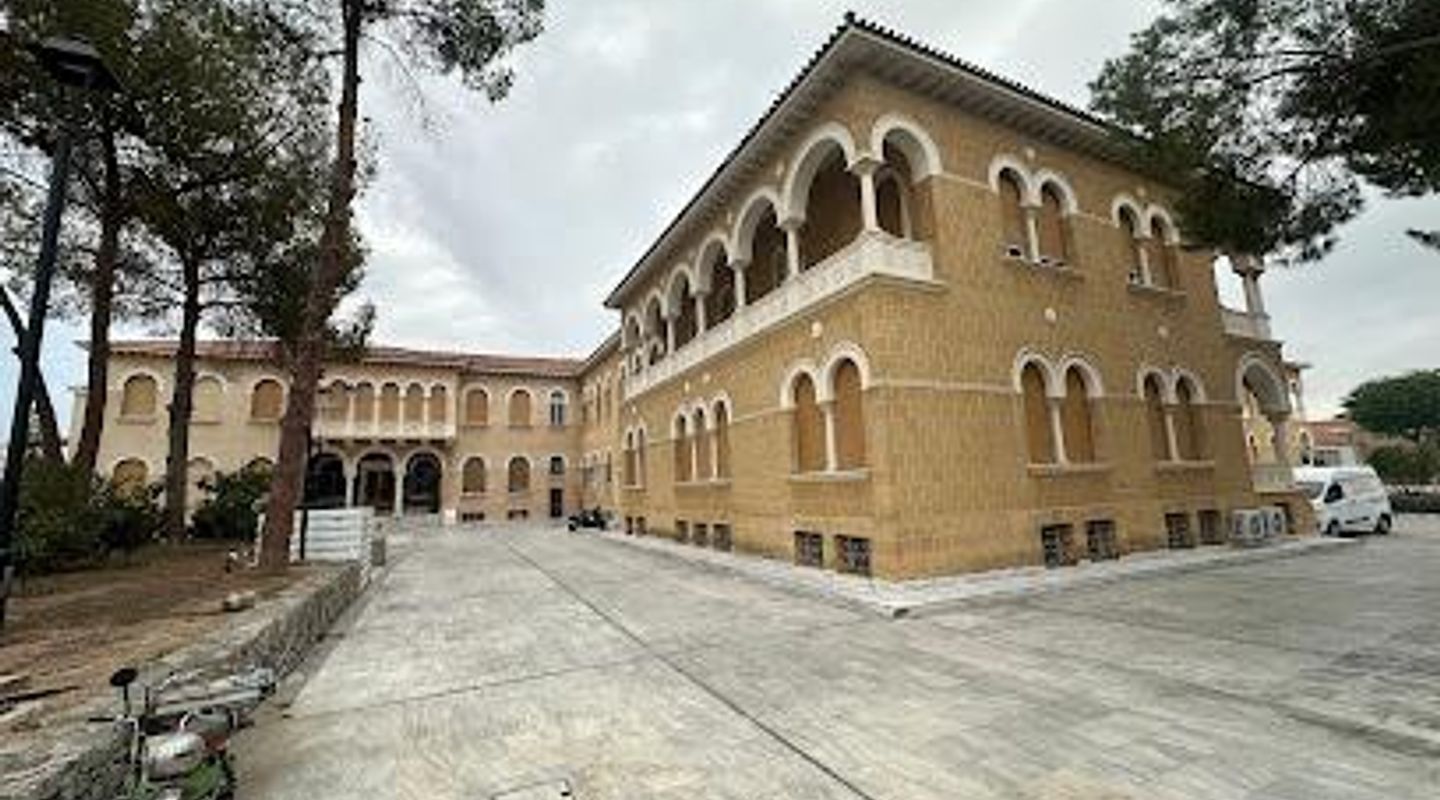
The Archbishop's Palace in Nicosia is the official residence and office of the Archbishop of Cyprus, a striking landmark embodying Cypriot culture and spirituality. Built in the Neo-Byzantine style between 1956 and 1960, it replaced the old palace and stands as a testament to the island's rich ecclesiastical history. While the palace itself is not open to the public, visitors can explore the surrounding gardens and museums housed within its grounds, including the Byzantine Museum, the Folk Art Museum, and the National Struggle Museum. These offer a glimpse into the traditions of the Orthodox Church and the cultural dynamics of Cyprus, making it a worthwhile destination for history buffs, art enthusiasts, and those seeking a peaceful environment. The palace also hosts important religious ceremonies and events, further emphasizing its significance in Cypriot society. Don't miss the chance to capture the beauty of this location through photography, as the palace and its surroundings provide countless picturesque opportunities.
A brief summary to Archibishop's palace
- Ιερά Αρχιεπισκοπή, Isokratous, Nicosia, CY

Know before you go
Hi, I'm Eve. Here are a few practical things to know before exploring Archibishop's palace.
- While the palace interior is closed, explore the Byzantine Museum, Folk Art Museum, and National Struggle Museum on the grounds for a deep dive into Cypriot history and culture.
- Visit the palace during a religious ceremony or public event to witness firsthand the living traditions of Cypriot society.
- Take a leisurely stroll through the serene gardens surrounding the palace for a peaceful escape from the bustling city center.
Do you manage this location?
Take control to get all the benefits, like improved information, better appearance, and stronger visibility across AI-powered discovery. Learn more about listing your business on Evendo
Activate your presenceOther nearby places you may find interesting
The closest places of the same kind, if this one is not quite what you had in mind.
Explore Archibishop's palace on the Map
A handpicked selection of must-see spots near Archibishop's palace, mapped for you.
Unlock the Best of Archibishop's palace
Buy tickets
-
No tickets available
Book tours with entry


Getting There
-
Walking
From Eleftheria Square in central Nicosia, walk east along Ledra Street. Turn right onto Onasagorou Street, then left onto Isokratous Street. The Archbishop's Palace will be on your left, about a 15-20 minute walk. Note that Ledra Street crosses the UN buffer zone; if approaching from the north, you'll need to pass through the checkpoint.
-
Public Transport
Take bus routes 11, 13, L1, or N1 from Solomou Square to the 'Archbishopric' bus stop. From there, walk a short distance down Isokratous Street to the palace. A single bus fare costs approximately €1.50.
-
Taxi/Ride-Share
A taxi or ride-share from central Nicosia to the Archbishop's Palace will typically cost between €5-€8, depending on traffic and the specific starting point. The journey usually takes around 5-10 minutes.
-
Driving
From Makarios Avenue, turn onto Isokratous Street. The Archbishop's Palace will be on your left. Limited street parking is available nearby, but be cautious of parking regulations. Municipal parking rates in Nicosia vary depending on the location. Parking fees in lots equipped with payment machines and barriers are as follows: up to 20 minutes free parking; up to 1 hour - 2 euros; up to 3 hours - 3 euros; up to 5 hours - 3.50 euros; each additional hour - 0.50 euro.
Discover more about Archibishop's palace













Your all‑in‑one travel companion app
Explore expert travel guides, compare and book tours, experiences, hotels, and more—all from the palm of your hand. Download now for seamless trip planning wherever your wanderlust takes you.


Explore More of Kyrenia District
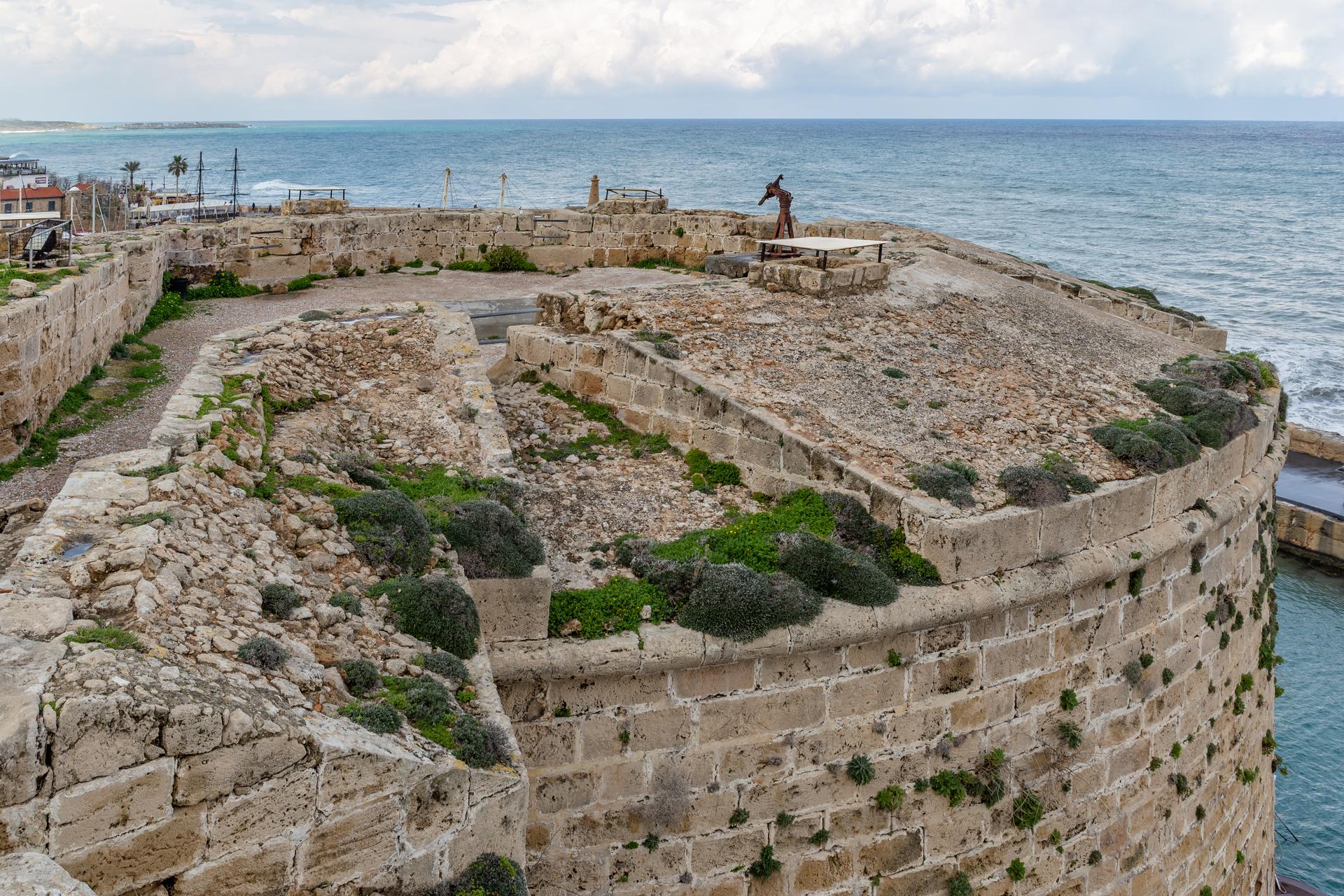
Looking beyond Archibishop's palace? Discover Kyrenia District for broader travel guides, local hot-spots, and regional highlights.
Explore Kyrenia District